Yes, a Vape Vending Machine California setup can still be legal in 2026, but only in a narrow lane. This is not the kind of business you drop into any retail corner and hope it works out. In real operation, the machine matters, but the venue matters more. If the location is not truly adult-only, if the access control is loose, or if the product mix creates compliance issues, the machine becomes a liability instead of an asset. That is the part many buyers miss. A well-built self-service kiosk can absolutely make sense in the right setting, especially where late-night demand is strong and staffed sales slow things down. But the business only works when location, machine logic, inventory, and operating discipline all line up. That is what separates a clean, durable setup from an expensive mistake.
Quick answer:
Yes, vape vending can still be legal in 2026.
The machine has to be placed in an adult-only setting.
ID support helps, but venue control matters just as much.
Product legality matters every bit as much as machine hardware.
For most buyers, site quality decides whether the business works.
What the real answer looks like in practice
On paper, the legal question sounds simple. In the field, it is not. A Vape Vending Machine California project is not judged by the machine alone. It is judged by the whole selling environment. Federal rules restrict tobacco-product vending machine sales to facilities where people under 21 are not present or permitted to enter. California separately applies vending restrictions to electronic cigarettes and related products. In plain English, that means a machine is only part of the answer. The machine can be smart, cashless, and beautifully designed, but if it sits in the wrong place, it is still the wrong machine for that site.
This is why experienced operators start with the venue, not the catalog. Buyers who do this for the first time often focus on screen size, capacity, and payment options. Those things matter, but they are not the first filter. The first filter is whether the machine can operate in a setting that is already controlled in a way the business can defend. If that answer is weak, the project is weak.
| Question | What matters | What it means for the operator |
|---|---|---|
| Can the machine be used anywhere? | No | Placement is limited to tightly controlled adult-only sites |
| Does age verification make the setup automatically legal? | No | Verification helps, but it does not fix a bad location |
| Can any vape product be stocked? | No | Inventory still has to meet current product rules |
| Can the machine replace staff? | Not fully | It reduces pressure during busy periods, but it does not remove management responsibility |
| Is this a beginner-friendly vending business? | Usually not | It works best for operators who already understand restricted-product retail |
Where operators usually get into trouble
The machine itself is rarely the first problem. The location is. That is the pattern I have seen over and over again in restricted-product vending projects. A buyer will say the venue is adults-only, but once you look at the floor plan, the entry routine, and the customer flow, the weak points show up fast. Maybe the machine is too close to the entrance. Maybe the venue only checks IDs during peak hours. Maybe the owner assumes “mostly adults” is good enough. It is not.
One of the most common mistakes is treating a vape vending machine like a normal retail fixture. It is not. A normal machine sells convenience. A restricted machine sells convenience under scrutiny. That changes everything. The site has to be more controlled, the product selection has to be cleaner, and the operating records have to be tighter.
Another mistake is spending money in the wrong place. Some buyers overspend on the display and underspend on control logic. Others buy the cheapest machine they can find and then discover it is hard to service, hard to monitor, and hard to adapt to actual site needs. The cheapest machine often becomes the most expensive option six months later.
What a good location actually looks like
Not every place that sells nicotine products is a good fit for vending. The best placements are usually sites that already have a real adult-entry routine, not just a verbal policy. If the venue owner has to explain why younger customers “normally do not come in,” that is already a warning sign. In this category, grey areas are expensive.
Better-fit site types
Bars with controlled entry and staff at the door
Lounges and nightlife venues that already operate as adult-only environments
Private hospitality spaces with clear restricted access
Controlled entertainment venues where the customer flow is easy to monitor
Weak-fit site types
Open-access retail stores
Shared lobby areas
Mixed-use spaces with inconsistent door control
Any site where minors can enter at any point
That is also why a machine should never be picked before the venue is qualified. The site decides the cabinet type, the mounting style, the traffic pattern, the refill routine, and even the best screen layout. Buyers who reverse that order usually end up forcing the machine into a space that was never right for it.
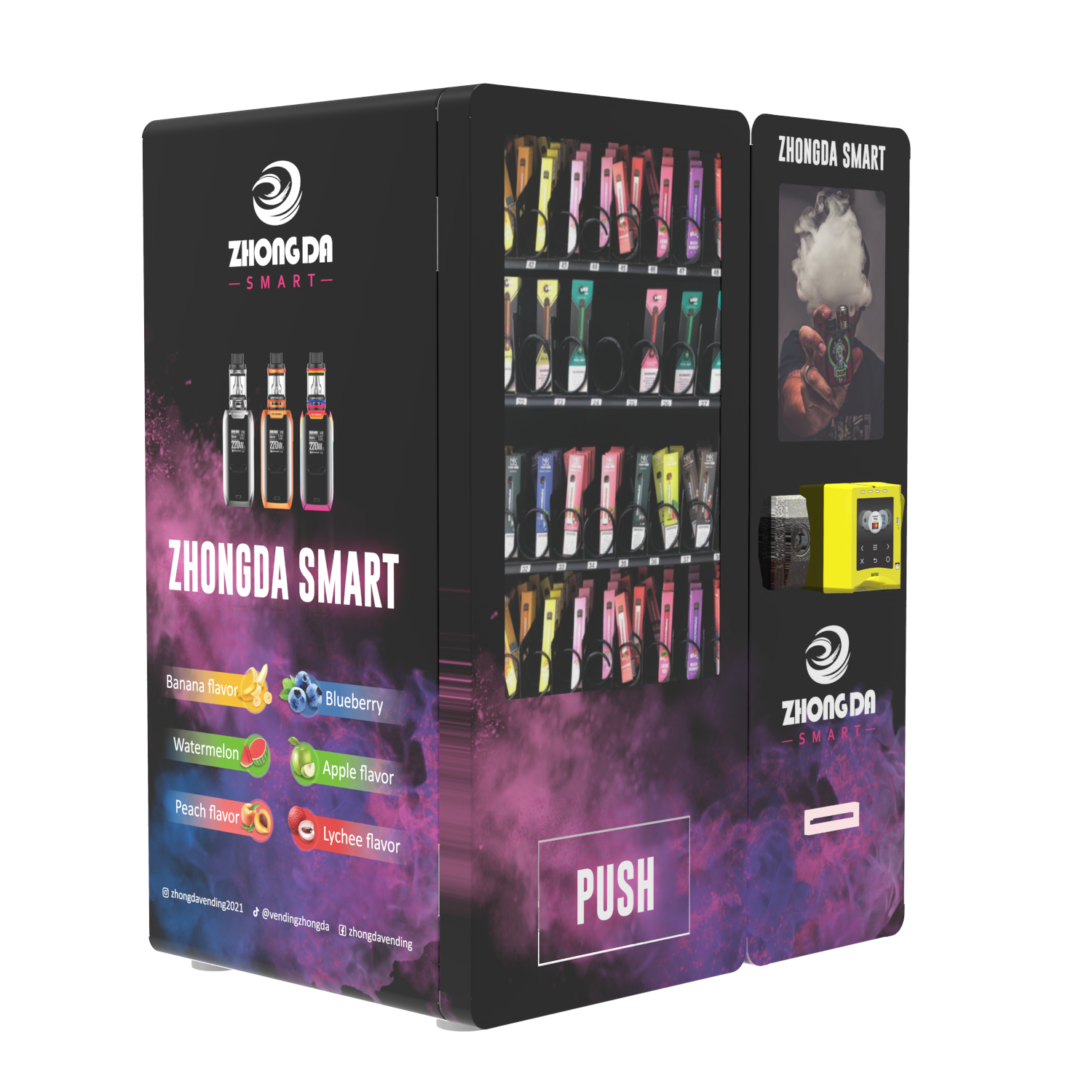
If you want a closer look at equipment formats built for this category, the Zhongda Smart vape vending machine collection is a useful starting point because it shows the category as a complete product line instead of a single generic cabinet.
Why machine design matters more than people think
Once the venue passes the first test, the next question is machine design. In standard vending, buyers can get away with a broad range of hardware. In this category, that is not a good idea. A Vape Vending Machine California setup needs more than shelves and a payment reader. It needs control.
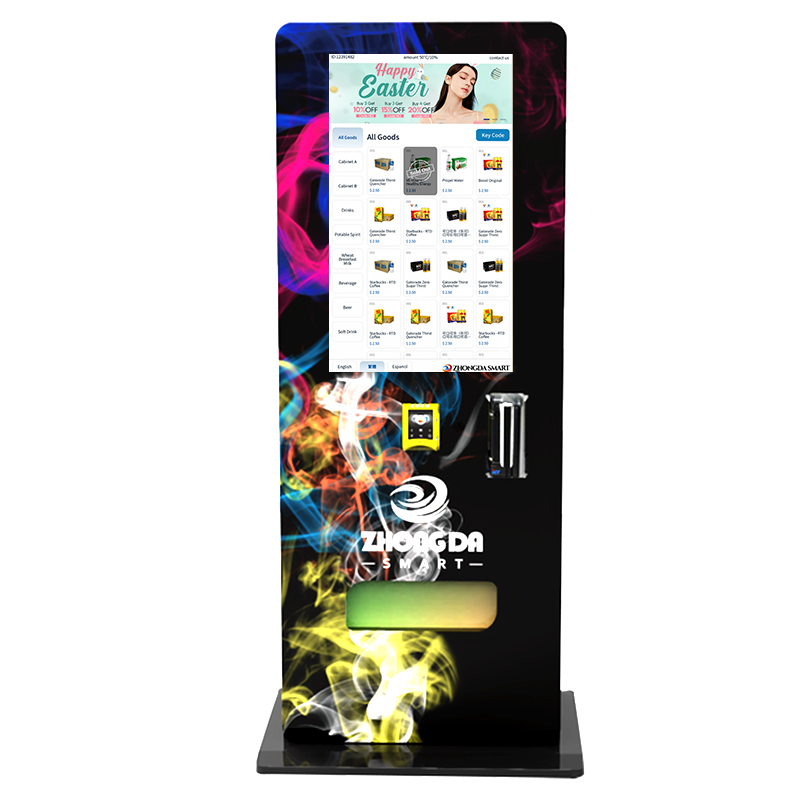
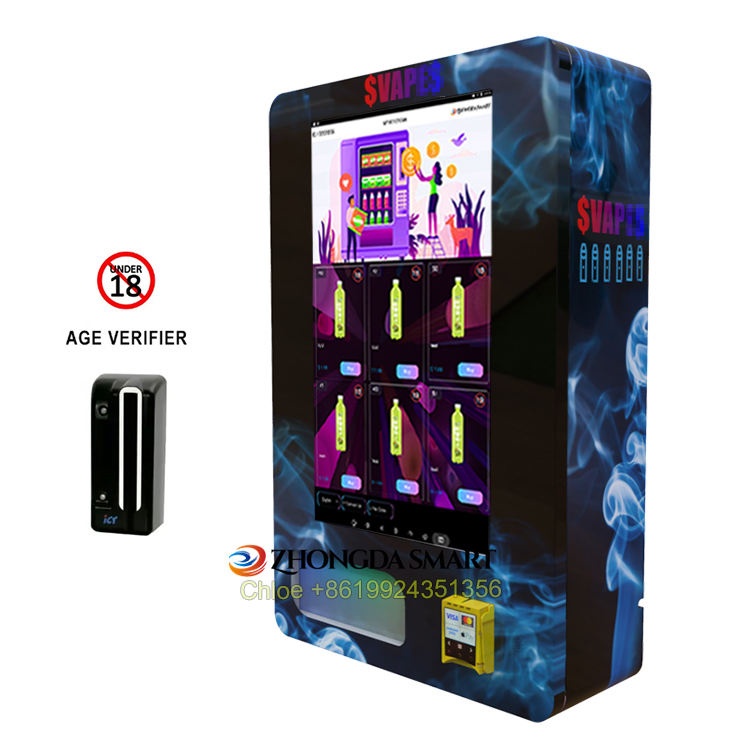
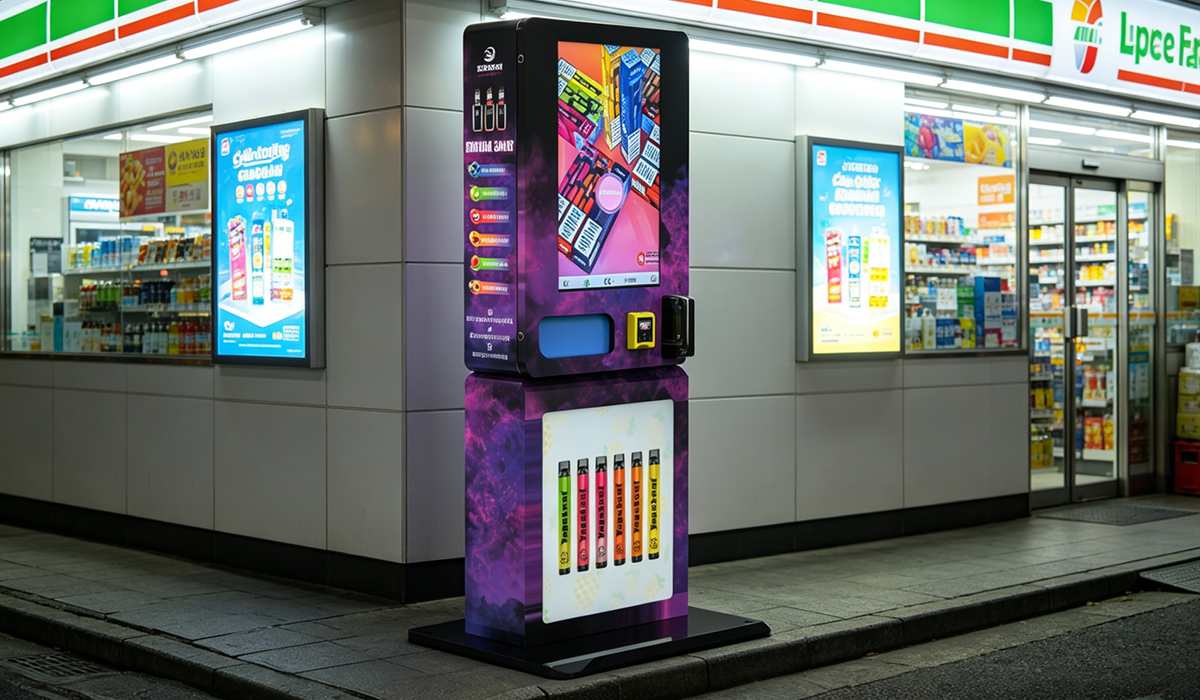
A serious machine in this segment should support a clean verification flow, stable dispensing for small packaged items, remote monitoring, transaction records, and a service setup that does not create headaches for the operator. That is why the better buyers lean toward an age verification vending machine, an ID scan vending machine, or a more advanced smart vending machine rather than a general retail unit.
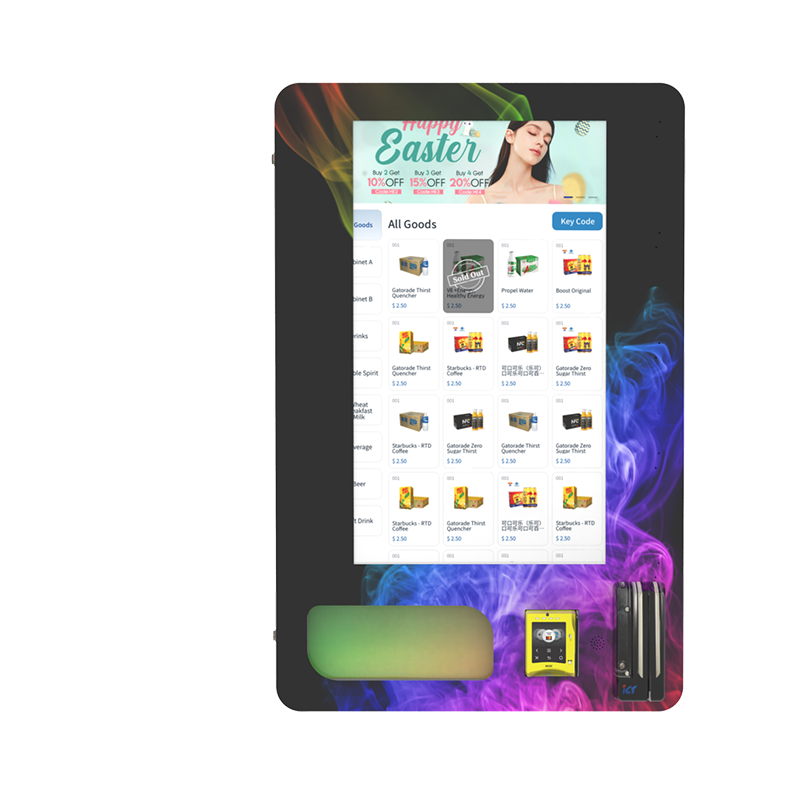
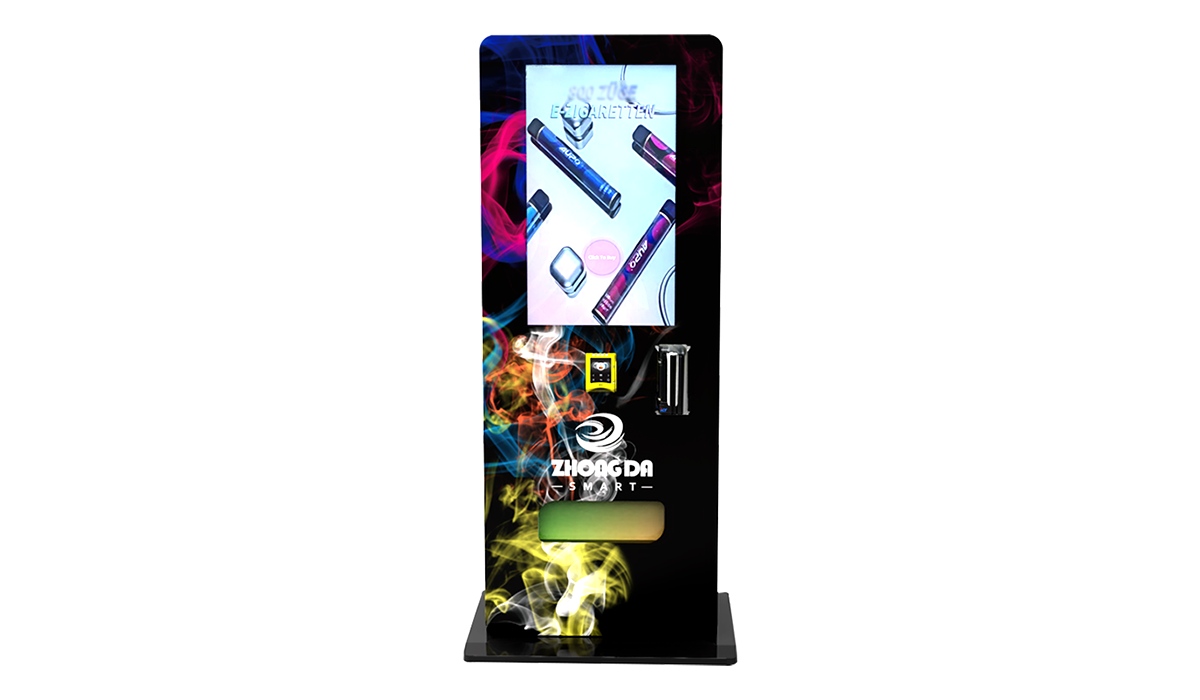
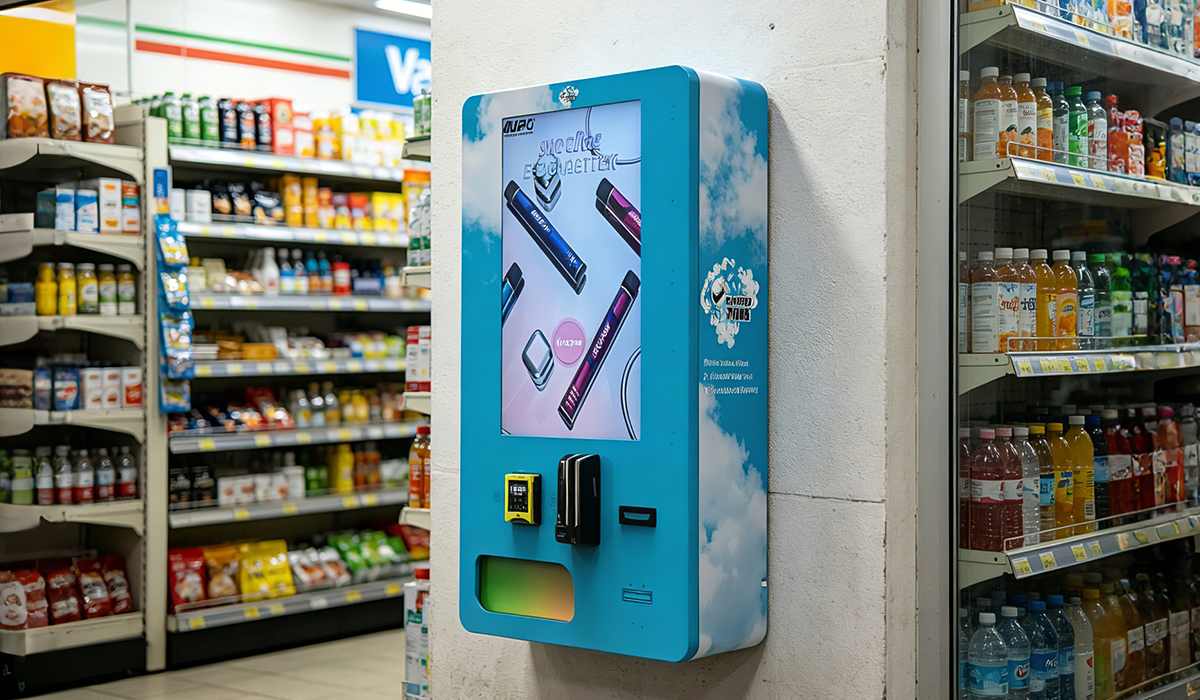
For example, if the location is tight and floor space matters, a compact wall-mounted model may be smarter than a freestanding cabinet. If the site has heavier traffic and a wider SKU plan, a larger self-service kiosk with more product channels may make more sense. There is no single perfect format. There is only the right match for the site.
| Machine type | Best for | Main strengths | Main limits |
|---|---|---|---|
| Wall-mounted compact model | Tight spaces and smaller venues | Saves floor space, cleaner footprint, easier to place | Lower capacity |
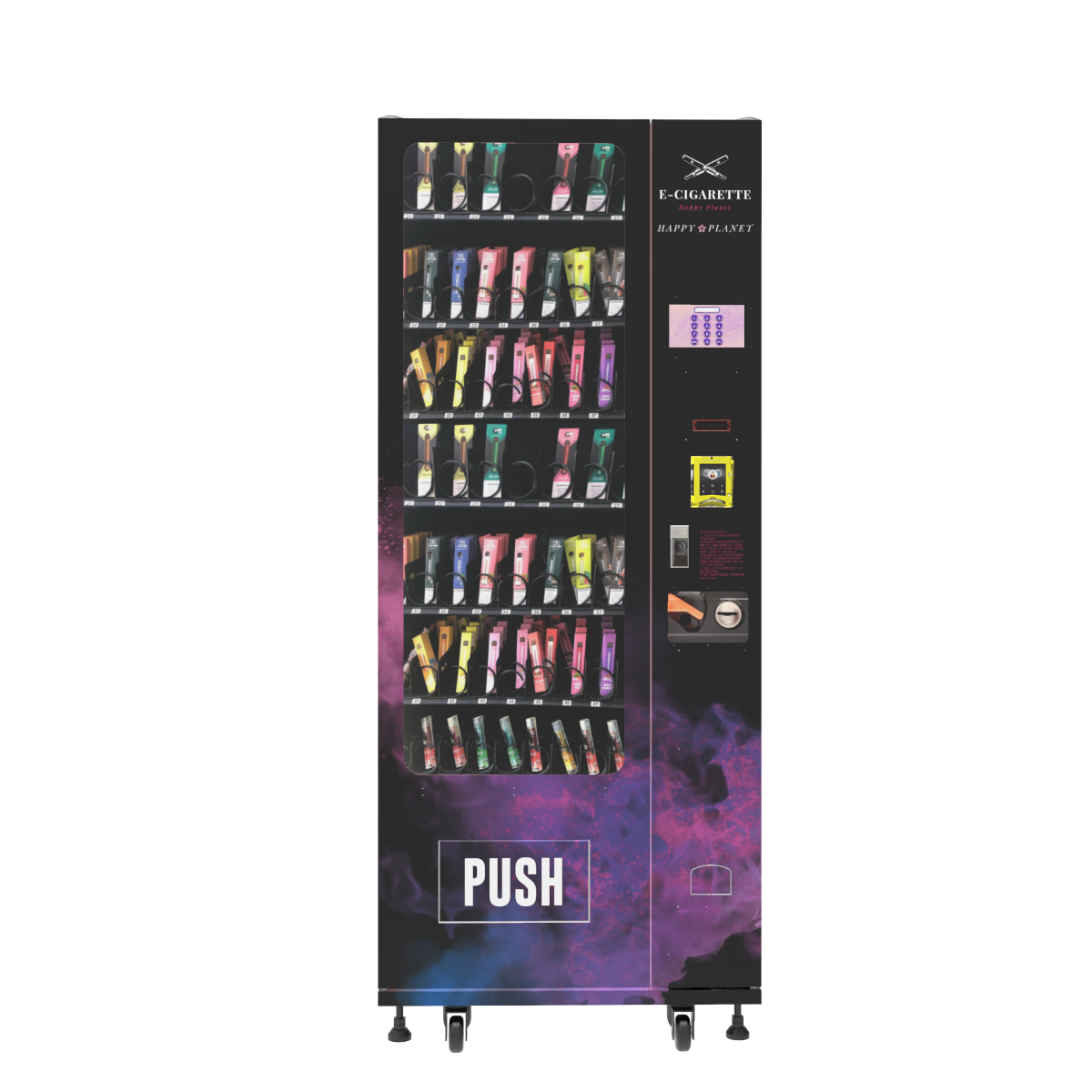
| Freestanding smart machine | Higher traffic locations | More SKUs, stronger visual presence, flexible layout | Higher budget and larger footprint |
| ID-enabled machine | Operators focused on stricter control | Supports stronger age-check workflow | More setup complexity |
| Basic locked cabinet | Very limited pilot projects | Lower initial spend | Weak data, limited control, weaker long-term fit |
For buyers comparing hardware options, the ID scan vending machine page and the age verification vending machine page are worth reviewing because they point to the exact features that matter in age-restricted sales: verification support, machine control, and operator-side monitoring.
The inventory side can make or break the whole project
This is another place where buyers get sloppy. A legal site does not make every product safe to sell. A compliant machine does not rescue a bad product mix. The operator still has to review what goes inside the machine. If the product itself creates a problem, the quality of the cabinet does not matter.
That is why serious operators run inventory checks before launch, not after. They keep purchase records. They verify packaging. They review whether a SKU belongs in the machine at all. A lot of small operators skip this because they are thinking like storekeepers instead of compliance-minded equipment owners. That shortcut is a bad bet.
In real business terms, a clean inventory plan does three things. It reduces risk. It makes restocking easier. And it makes the machine easier to scale. Once the machine becomes a moving target full of one-off products and questionable inventory, service becomes messy and margins get harder to read.
Can this business actually make money?
Yes, it can. But it only makes sense when the machine sits in a location with the right traffic profile and the operator understands what drives repeat sales. This is not a broad-coverage vending model. It is a selective one. The money is usually made in high-value placements, not high machine counts.
The revenue case is straightforward. A good machine can capture late-night demand, reduce line pressure at the counter, and keep selling during hours when staff attention is stretched. In the right venue, that matters. In the wrong venue, it does not.
The bigger advantage is not just labor efficiency. It is consistency. A machine does not forget to upsell, does not slow down during rush periods, and does not depend on a new staff member learning the routine. Once the flow is set correctly, it can handle repeat transactions with much less friction than an overcrowded counter.
| Metric | Conservative case | Stronger case |
|---|---|---|
| Transactions per day | 6 | 14 |
| Average sale | $24 | $28 |
| Monthly gross sales | $4,320 | $11,760 |
| Estimated gross margin | 28% | 35% |
| Gross profit | $1,210 | $4,116 |
| Commission, fees, service | $500-$800 | $900-$1,500 |
| Estimated operating profit | $410-$710 | $2,616-$3,216 |
These are working estimates, not guarantees. They assume the location is qualified, machine uptime is solid, and the operator is not losing money through poor product planning or weak service routines. But they do show why the category keeps attracting attention. A good adult-only placement can outperform several ordinary low-ticket vending spots.
The market is still real, but the business is selective
There is still a real unattended retail market behind this category. IBISWorld values the U.S. vending machine operator market at $7.9 billion in 2026, which shows that vending remains a durable retail channel. CDC data also show that 7.0% of U.S. adults used e-cigarettes in 2024. Those numbers do not tell anyone to buy a machine on impulse. What they do show is that demand exists. The real challenge is not whether the market exists. It is whether the operator can place the machine where that demand converts into stable, defensible sales.
That distinction matters. Plenty of industries look attractive in the abstract. This one only works when the site, the machine, and the operating discipline all match. That is why the best buyers are usually not random first-timers. They are venue owners, niche distributors, and operators who already understand how controlled selling environments work.
Who this model fits, and who should stay away
Not every buyer should be in this business. That is worth saying clearly because it saves people money. If you are looking for a low-touch side project that behaves like snack vending, this is probably not the right lane. Restricted-product vending asks for more attention, more caution, and more site discipline.
This model is a better fit for:
Venue owners who already control entry
Operators with access to adult-only hospitality spaces
Buyers who want a custom smart vending solution instead of a commodity machine
Teams that can manage inventory, service, and records consistently
This model is a poor fit for:
Beginners looking for passive income with almost no oversight
Buyers with no reliable adult-only locations
Operators who want the cheapest machine on the market
Anyone who treats compliance as a detail to handle later
The buyers who usually struggle are the ones who start with the phrase “I just want to test one machine somewhere.” In this segment, “somewhere” is never good enough.
How experienced buyers choose a manufacturer
In a project like this, supplier choice has more impact than many people expect. You are not just buying steel and a screen. You are buying reliability, support, customization, and the ability to solve problems after the machine lands. That is why experienced buyers often prefer a source factory over a generic reseller.
A direct manufacturer can usually do more with the machine logic, cabinet dimensions, payment setup, branding, dispense layout, and after-sales support. That matters in this category because one size rarely fits every site. A nightlife venue with tight wall space needs a different answer than a high-traffic controlled lounge. A standard catalog machine often needs changes before it becomes a real fit.
Zhongda Smart is one of the manufacturers worth mentioning here because the company presents itself as a factory-backed smart vending supplier with customization, after-sales support, and a defined product line in the age-restricted category. If you want to check how the company positions its factory capability and support structure, the About Us page and the service page give that background directly.
Questions serious buyers ask before ordering
Can the machine support a clear verification flow before payment approval?
Can the channel layout be adjusted for the exact SKU sizes I plan to sell?
What backend records can the operator access?
How does remote monitoring work in day-to-day operation?
How quickly can spare parts be delivered if something fails?
What support exists for branding, UI setup, and local payment methods?
What does the warranty cover, and what falls outside it?
The tone of the supplier’s answer tells you a lot. A serious manufacturer gives direct, operational answers. A weak seller stays vague and keeps steering the conversation back to price.
What the startup cost really includes
Most buyers ask what the machine costs. That is reasonable, but it is not the full budget question. In practice, the machine quote is only one layer. The real startup number includes machine specification, payment setup, software customization, freight, installation, and the small details buyers tend to ignore at the beginning.
If the machine is wall-mounted, site readiness matters. If it is freestanding, placement and traffic flow matter. If it uses a stronger verification setup, configuration time matters. These things are not side details. They shape how fast the machine goes live and how much work it takes to keep it running well.
| Budget item | What changes the number | Impact on total cost |
|---|---|---|
| Machine hardware | Cabinet size, screen, product channels, structure | High |
| Verification support | ID logic, access control, workflow design | High |
| Payment system | Card, NFC, QR, local integration | Medium |
| Software setup | Branding, warnings, settings, backend needs | Medium |
| Freight and installation | Cabinet type, route, site conditions | Medium |
| Maintenance reserve | Wear parts, service response, ongoing support | Medium |
The right way to compare quotes is not to ask which machine is cheapest. It is to ask which setup is most likely to keep selling without creating service and control problems.
The operating routine that keeps the machine profitable
Once the machine is installed, the business stops being about buying and starts being about operating. This is where a lot of buyers lose focus. They assume the hard part was getting the machine shipped. Usually, the harder part is keeping the routine clean after launch.
A profitable setup needs a steady refill pattern, good stock rotation, clean service records, and regular backend checks. It also needs someone who actually owns the machine’s day-to-day performance. If everyone assumes someone else is watching it, small problems become expensive problems fast.
Basic operating habits that matter
Photograph final placement after installation
Keep a written agreement with the venue
Track every stocked SKU and refill cycle
Review transaction and alert logs weekly
Test the verification flow after any settings change
Set a clear process for failed dispenses and refund handling
Keep product invoices and service records organized
These are not glamorous habits, but they are the habits that protect margin. The difference between a machine that performs for years and a machine that becomes a headache is often operational discipline, not hardware quality alone.
A practical rollout plan that makes sense
When I look at a restricted vending project, I like to work backward from launch day. What has to be true for the machine to run smoothly on day one? That question clears out a lot of noise.
Step 1: Qualify the site
Confirm that under-21 access is not allowed
Check entry routine, floor plan, and final machine position
Make sure the machine is not placed casually near the entrance
Confirm the venue operator is on board in writing
Step 2: Lock in the machine spec
Choose wall-mounted or freestanding format
Confirm product dimensions and SKU count
Define payment and monitoring needs
Set the UI and control logic before production finishes
Step 3: Build the stock plan
Pick products that fit the machine and the venue profile
Avoid cluttered assortment planning
Keep the product list easy to restock and easy to track
Step 4: Set the service routine
Decide who refills the machine
Decide who checks alerts and sales records
Decide how problems are escalated
Decide what uptime target is acceptable
If a buyer cannot answer those questions before launch, the project is not ready yet. A machine can look great in a quote and still fail in operation if the rollout logic is weak.
What makes a page like this worth quoting
There are a lot of generic pages online about vape vending. Most of them repeat the same shallow points: check the law, verify age, buy a machine, and start selling. That is not enough. In real operation, a legal machine does not make an illegal location safe. A smart cabinet does not fix a weak venue. And strong demand does not rescue sloppy execution.
Here is the part worth remembering: in this business, site control matters more than cabinet design. The machine still matters, of course. But if the venue is wrong, the project is wrong. That one point saves buyers more money than any brochure ever will.
The second point is just as important: the best machine is not the one with the lowest quote. It is the one that fits the site, the product, and the operator’s actual routine. Buyers who understand that usually make better decisions from the beginning.
Final take
A Vape Vending Machine California business can still make sense in 2026, but only when it is built the right way. This is not a broad, casual vending play. It is a controlled retail model. That means the operator has to think like an operator from the start: qualify the location, choose the right machine format, keep the inventory clean, and run the unit with discipline.
If the venue is strong, the setup is clear, and the machine is designed for the job, a smart vape vending deployment can be a practical and profitable tool. If those pieces are missing, even a great-looking machine will struggle. That is the real answer buyers need.
Frequently Asked Questions
Is a Vape Vending Machine California setup legal in 2026?
Yes, but only in tightly controlled adult-only settings. The legal question is less about the cabinet itself and more about whether the machine is installed and operated inside the right type of venue.
Does an ID scanner solve the compliance issue by itself?
No. An ID-enabled machine is useful, but it does not fix a bad site, weak entry control, or a poor product plan.
What is the best location for this kind of machine?
The strongest placements are adult-only venues with real entry control, consistent traffic, and a layout that supports safe machine placement and easy service access.
What type of machine is usually the safest choice?
That depends on the site, but an age verification vending machine or ID-supported smart vending machine is usually a much better fit than a standard retail cabinet.
Is this a good business for a first-time vending operator?
Usually not. It works better for buyers who already understand restricted-product retail, or for venue owners who control the location directly.
How long does it usually take to recover the machine cost?
That depends on venue quality, daily transactions, product margin, site fees, and service discipline. In stronger placements, payback can be much faster than in ordinary low-ticket vending.
What should buyers ask a manufacturer before ordering?
They should ask about verification logic, cabinet customization, SKU fit, payment integration, backend records, service response, and spare-parts support.
Sources
U.S. Food and Drug Administration — Selling Tobacco Products in Retail Stores
California Department of Public Health — Flavored Tobacco Law
CDC — Cigarette and Electronic Cigarette Use Among Adults
IBISWorld — Vending Machine Operators in the United States