A Vape Vending Machine Florida business can work well, but only when the machine, the venue, and the compliance process all fit together. That is the part many new operators get wrong. Demand is usually not the problem. The real trouble starts when a machine is placed in the wrong setting, built without the right controls, or managed like an ordinary snack unit. In this business, the small details matter. A clean age-check workflow, the right permit coverage, dependable cashless payment, and a machine designed for restricted products will make a bigger difference than flashy branding or a large screen. When the setup is done right, vape vending can add sales, extend service hours, and give adult customers a faster buying option without turning every purchase into a staff-heavy transaction.
Quick takeaways
A vape vending machine works best in adult-only venues with controlled entry.
Permit coverage and machine-side controls matter more than cabinet style.
A good location usually pays back faster than a cheap machine in a weak location.
The most reliable setups use layered age control instead of relying on one single step.
Before you put a machine on the floor
The first thing to understand is simple: this is not ordinary vending. A vape machine sells a restricted product, so the legal side shapes everything else. You do not pick a machine first and figure out the rules later. You start with the venue, confirm the paperwork, and then choose a machine that supports the way the site actually operates.
At the state level, a nicotine products dealer permit is required for each place of business where nicotine products are sold. Vending gets more specific. The dealer owning, leasing, furnishing, or operating a vending machine that sells nicotine products must obtain permit coverage and display it on or near the machine. If multiple machines are placed at one site, or if the same location sells nicotine products both at the counter and through a machine, one permit may cover that location instead of each unit separately.
There is also a control requirement that operators should not gloss over. Sales through a vending machine are only allowed when the machine has an operational lockout device controlled by the dealer, the dealer’s agent, or an employee who directly regulates the sale and releases one nicotine product at a time. That matters because it changes the idea of what “unattended retail” really means in this category.
Federal rules matter too. Retailers should not sell covered tobacco products through vending machines in places where people under 21 are present or allowed to enter at any time. That is why adult-only bars, clubs, and similar venues are usually much cleaner fits than open-access retail spaces. A machine can look perfect on paper and still be a poor choice if the site itself creates compliance problems.
What a workable setup usually looks like
In real operations, the machine itself is rarely the hard part. What usually determines whether a site runs smoothly is the way access, approval, and restocking are handled from day to day. The best Vape Vending Machine Florida setups are not complicated, but they are deliberate.
Adult-only access comes first
If people under 21 can freely enter the space, the placement gets harder to defend. Venues with staffed entry, ID checks at the door, or clearly restricted access make the operating model much cleaner. This is one reason nightlife and hospitality placements tend to work better than mixed-traffic retail sites.
The machine should support a controlled release process
A restricted-product machine should not behave like a snack machine. It should support lockout control, staff approval, transaction records, and cashless checkout. If the equipment cannot match the way the site needs to manage access, it creates friction from the start.
Age verification should be layered
Even at an adult venue, it is smart to use more than one safeguard. Door checks help, but many operators also prefer an age verification vending machine workflow or an ID scan vending machine setup for extra protection. That layered approach reduces avoidable mistakes and gives the site a stronger operating standard.
Written procedures save headaches later
Good operators do not leave this to “whoever is working tonight.” They use simple written steps for approval, refunds, failed vends, restocking, and service calls. That alone can make the difference between a machine that feels easy to manage and one that becomes a constant annoyance for the venue.
| Area | What matters most | Why it matters |
|---|---|---|
| Venue access | Adult-only entry | Keeps placement aligned with federal vending restrictions |
| Permit coverage | Dealer permit and visible posting | Shows the site is operating on proper documentation |
| Machine control | Operational lockout and controlled release | Supports lawful vending workflow |
| Age check | Door check plus machine-side safeguards | Reduces underage sale risk |
| Operations | Clear staff process and records | Makes the site easier to manage and defend |
Where these machines actually work best
Not every busy location is a good location. That is one of the first lessons people learn after spending real money on a machine. A place can have traffic all day and still be a poor fit for restricted-product vending. For this category, the better question is not “How many people walk by?” but “How clean is the buying environment?”
The strongest placements usually share the same traits: adult-only entry, late-hour convenience demand, and enough staff presence to support the release process without slowing everything down. Customers in these settings are not looking for a long conversation. They want a fast, clean, cashless purchase.
| Better fit | Why it works | Riskier fit | Why it underperforms |
|---|---|---|---|
| Adult-only bars | Controlled entry and strong impulse demand | Open convenience floors | Mixed access creates compliance complications |
| Nightclubs | Late-hour traffic and visible staff presence | Family-oriented venues | Wrong audience and wrong operating environment |
| Private clubs | Restricted access and repeat adult customers | Shared public lobbies | No clean control over who can enter |
| Hospitality nightlife spaces | Convenience-driven purchasing behavior | Low-visibility corners | Customers never notice the machine |
The broader convenience market is still large. NACS counts 151,975 convenience stores in the United States, including 9,730 in Florida. That helps explain why unattended retail keeps expanding. Still, a large market does not automatically make every site a strong match for vape vending. In this category, controlled access usually matters more than raw foot traffic.
Some of the best results I have seen came from venues that were not the biggest, just better run. A smaller bar with clean entry checks and a clear approval process can outperform a busier location where the machine is treated like an afterthought.
The machine features that matter most
Buyers often spend too much time comparing screens, exterior finishes, or how many lights a machine has. Those details are fine, but they are not what protects the business. The features that matter most are the ones that keep the site compliant and make daily use easier for staff and customers.
Operational lockout: the machine should support controlled product release.
Age-verification tools: depending on the site, that can include approval flow, ID scanning, or both.
Cashless payment: cards, mobile wallets, and other low-friction payment options should be standard.
Remote monitoring: operators should be able to see stock levels, machine status, and sales data.
Flexible product channels: the cabinet should fit disposables, pods, pouches, and boxed items without awkward loading.
Transaction records: a good backend helps with operations, disputes, and reporting.
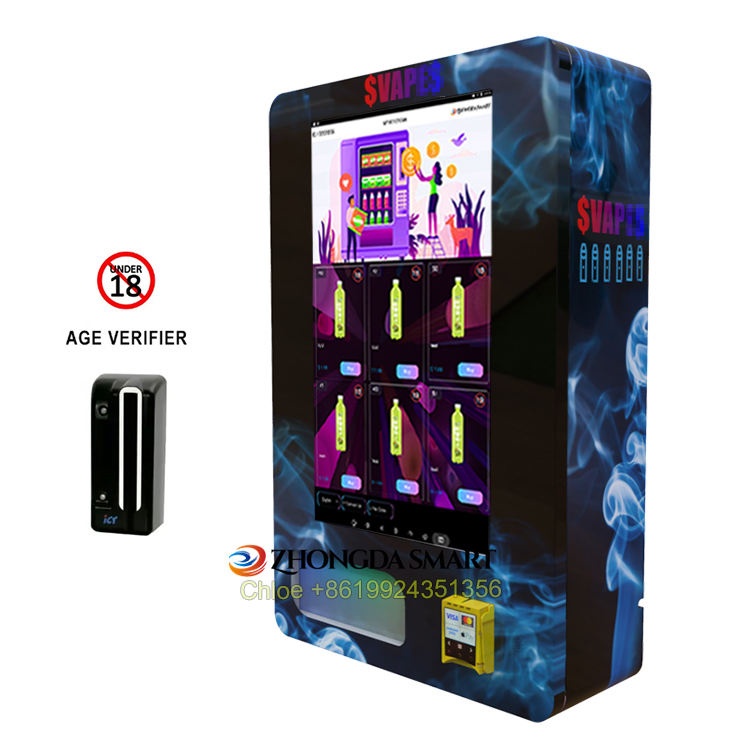
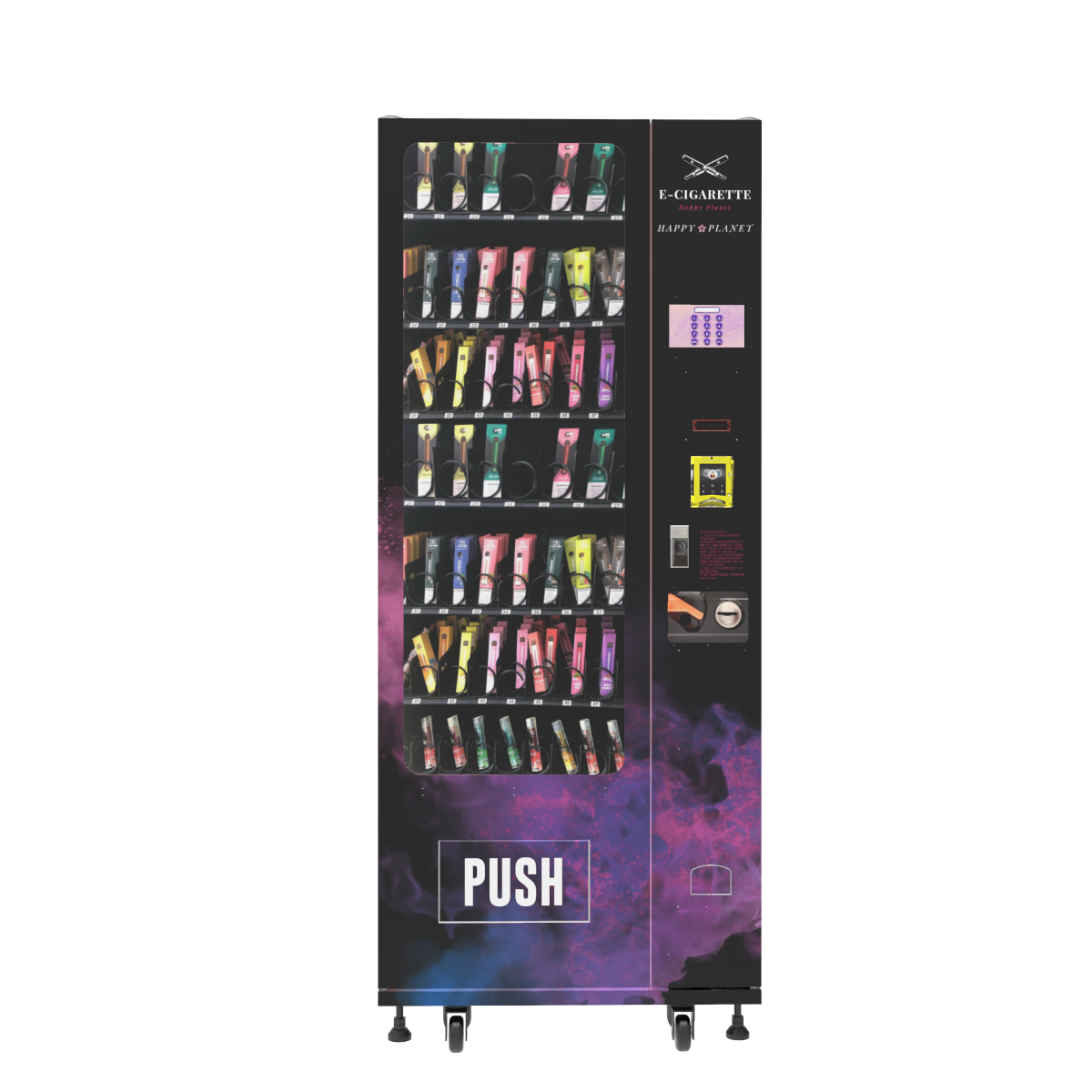
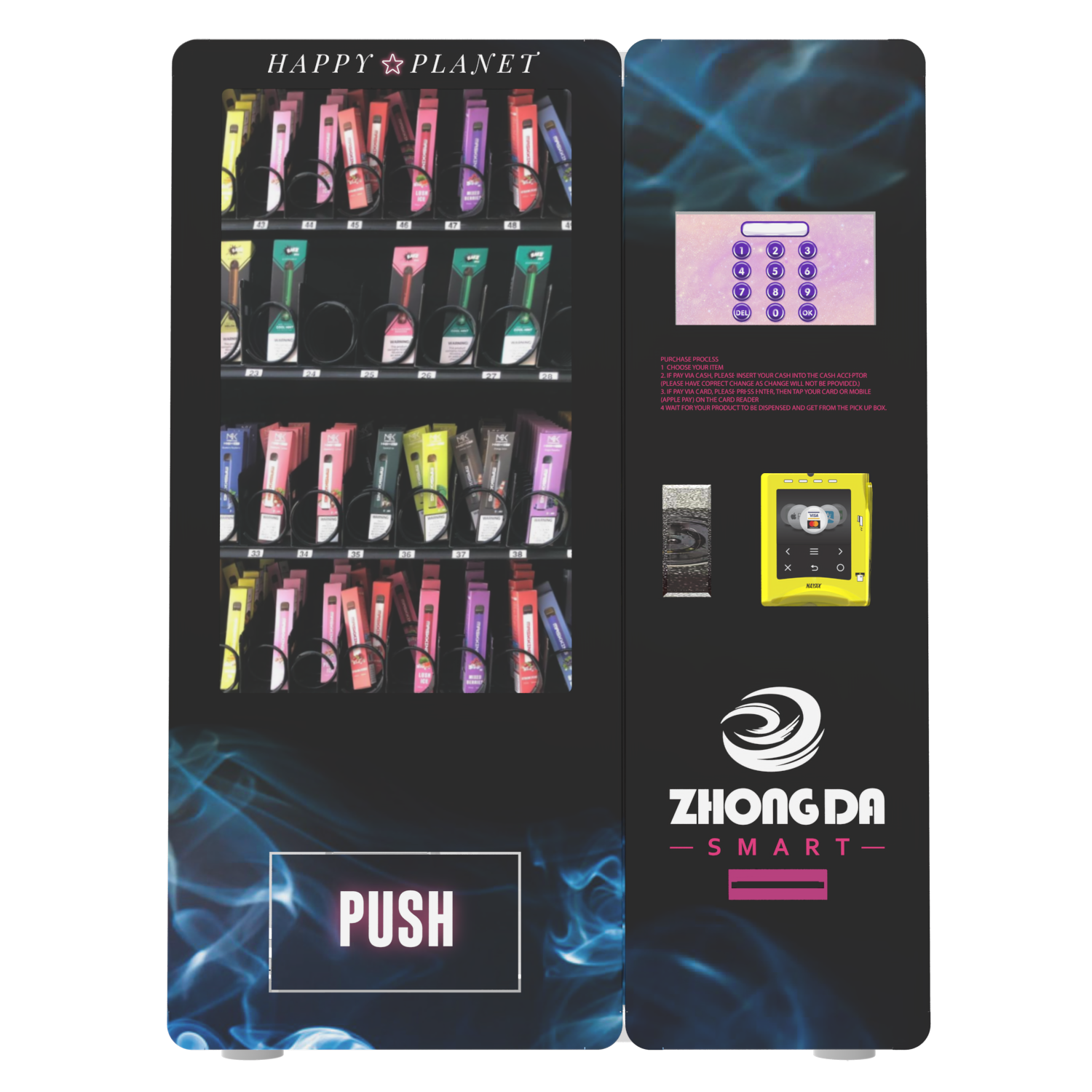
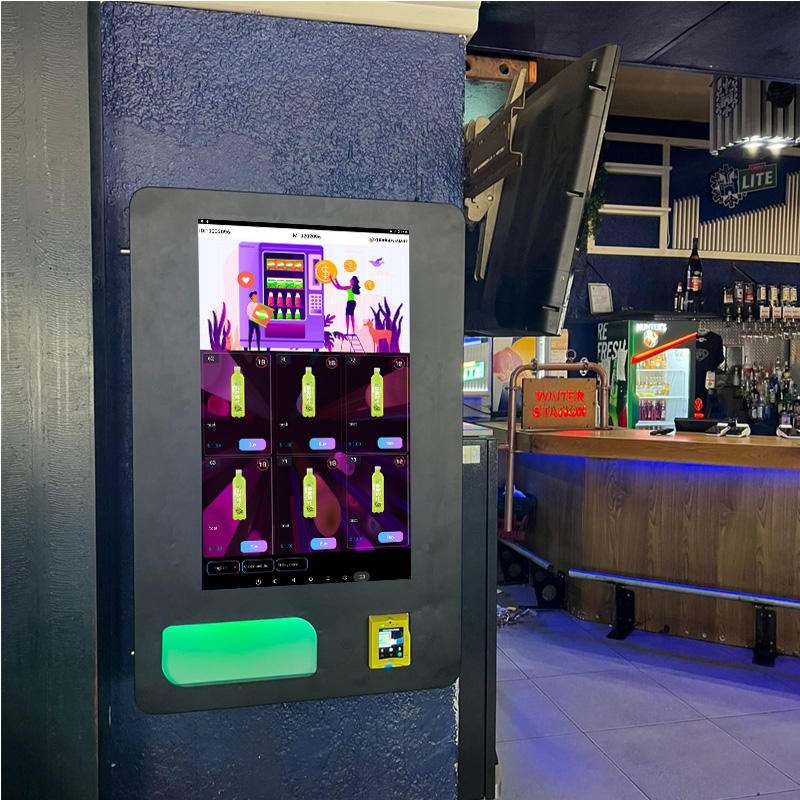
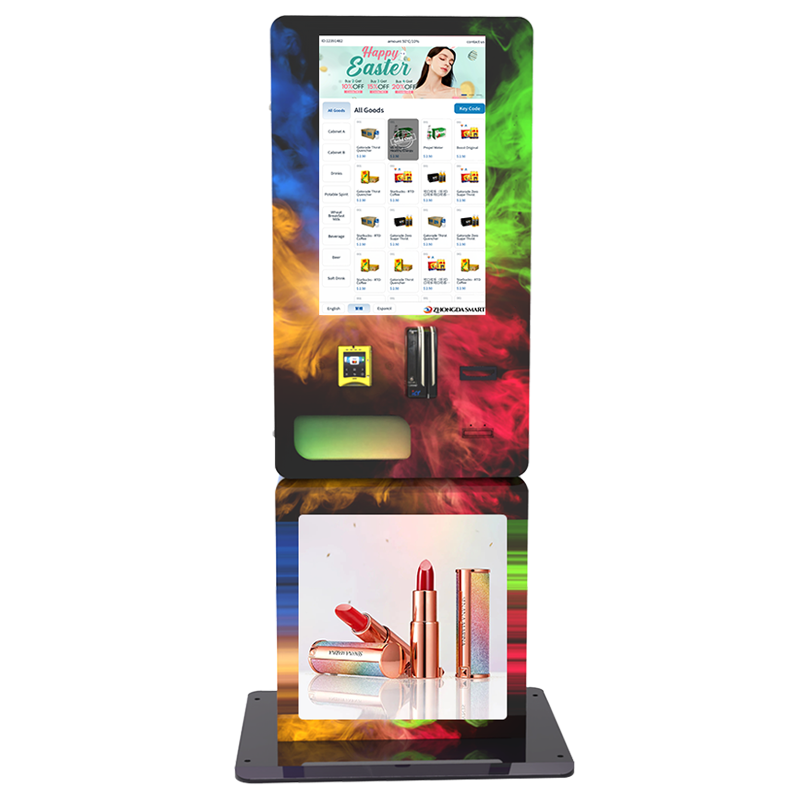
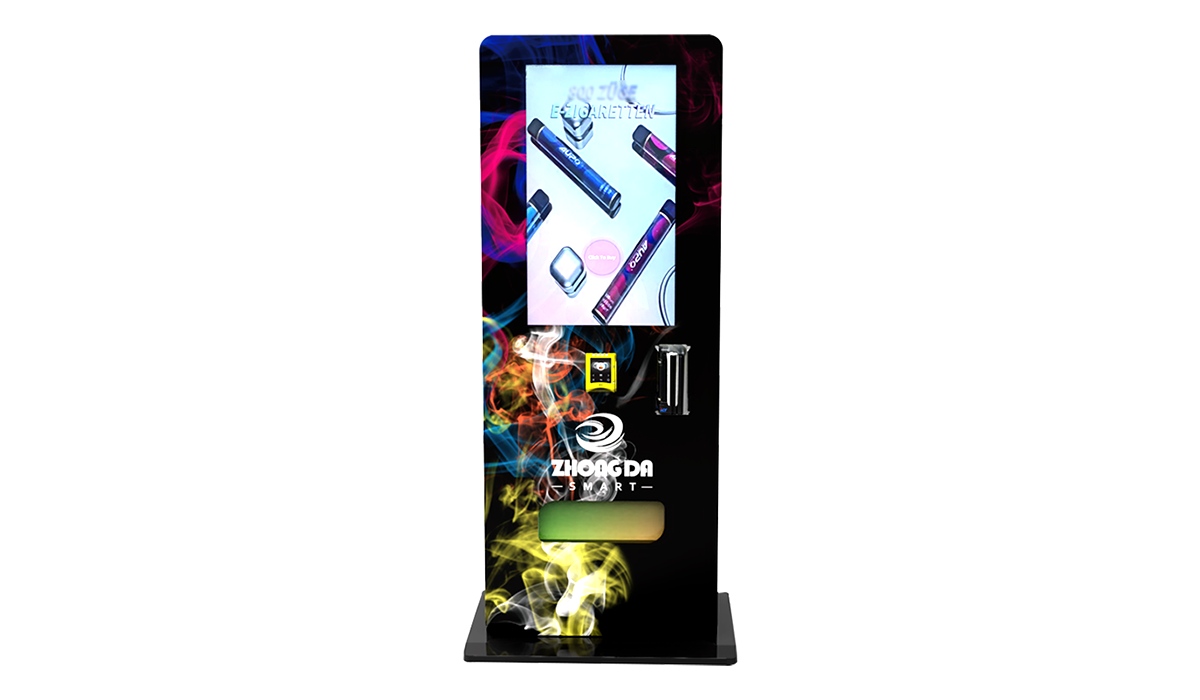
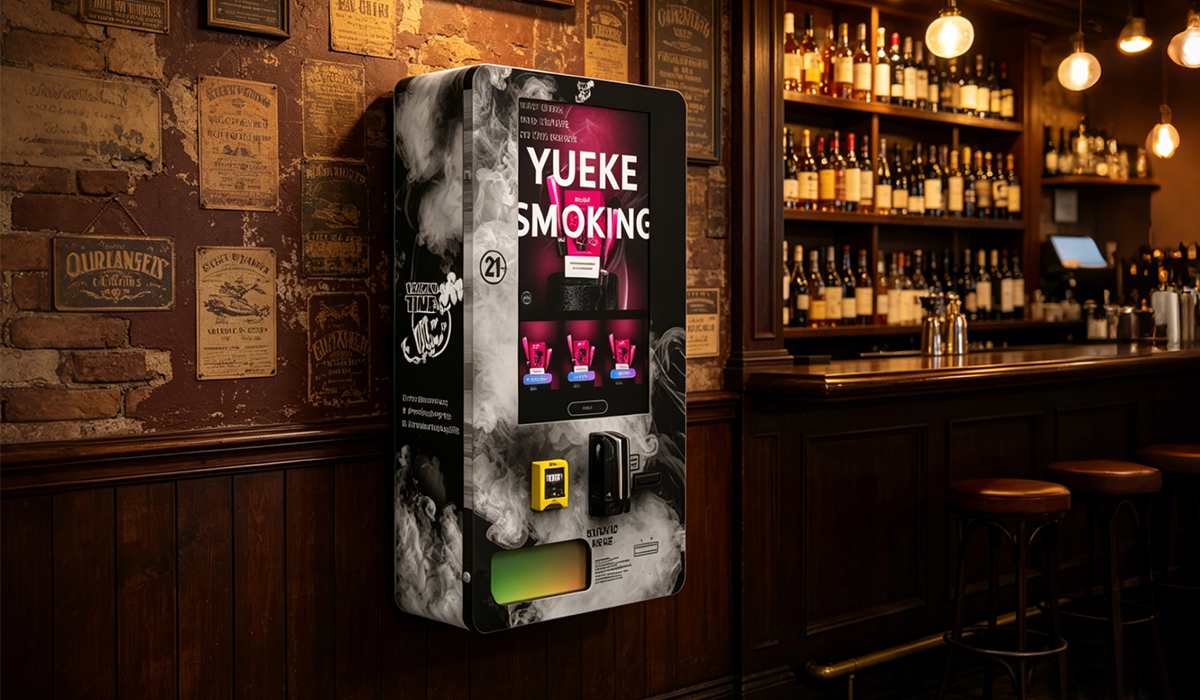
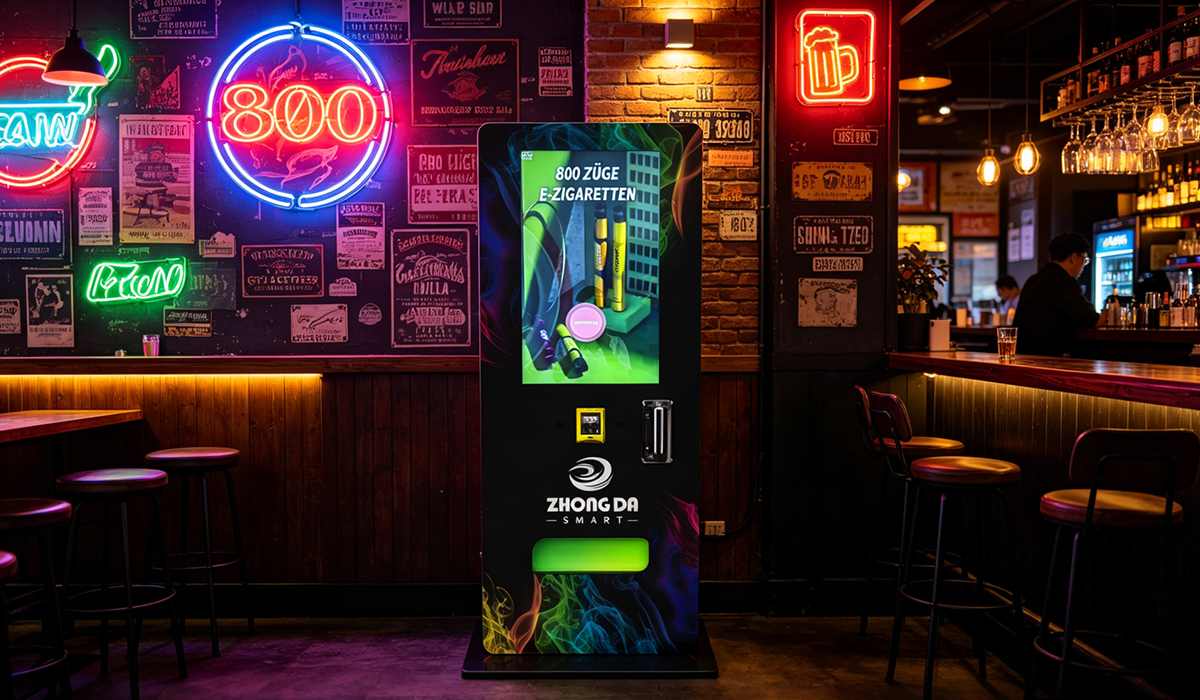
If the site is tight on space, a wall-mounted or compact machine can make a lot of sense. For higher-volume venues, a freestanding smart vending machine with a larger SKU range is usually the better choice. There is no universal “best machine.” The right model depends on how the location sells, how visible the machine is, and how the staff will manage approvals.
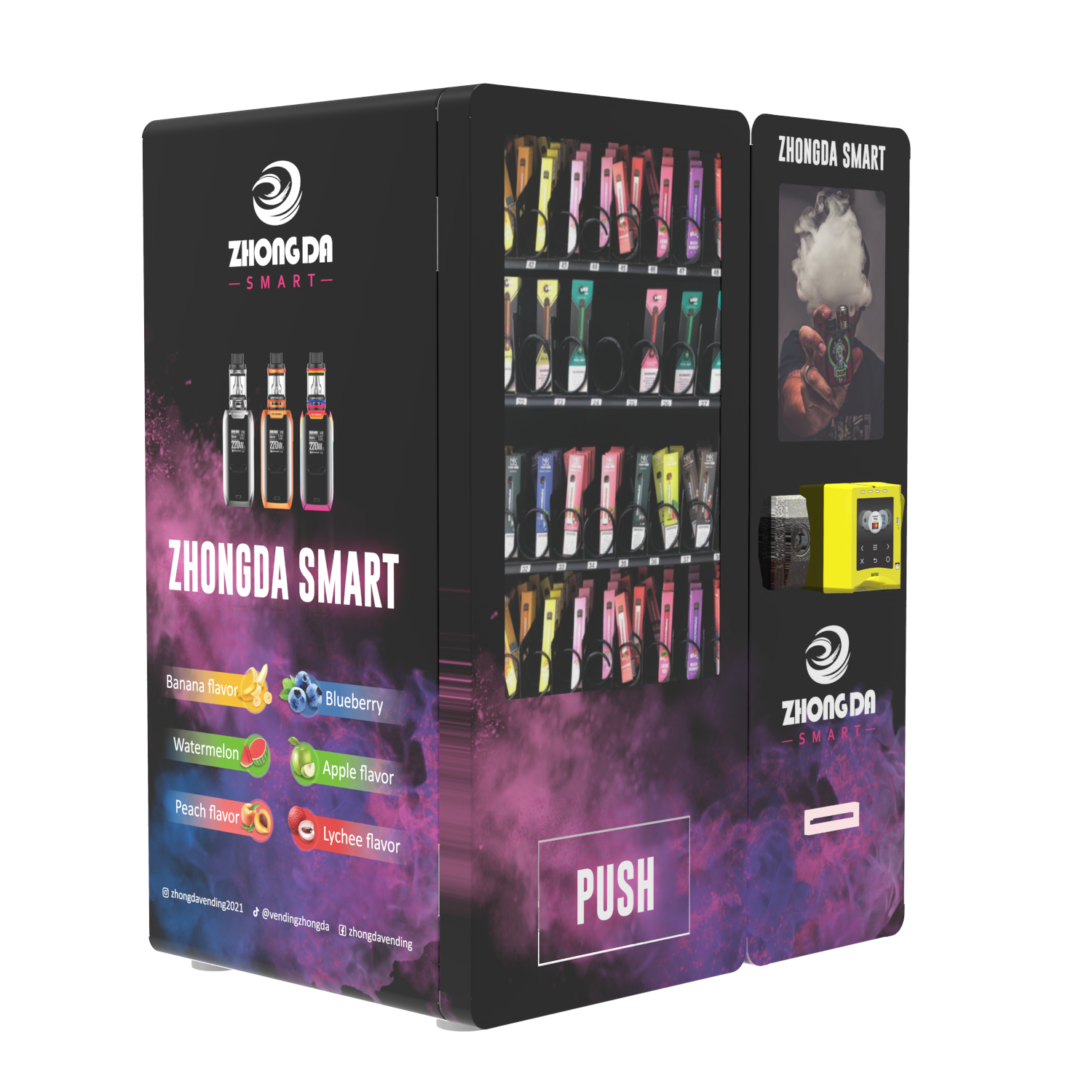
Zhongda Smart is one manufacturer worth including in the conversation because the company already offers formats built around this category. Operators comparing machine types can review the main vape vending machine lineup, look at a dedicated age verification vending machine, or compare an ID scan vending machine for tighter approval workflows. For a closer look at age-check concepts, this guide on age-verification vending is also helpful. Operators who want a more compliance-oriented cabinet can also review the compliant e-cigarette vending machine page.
What it takes to get from idea to installation
The cleanest launches usually follow a simple order. The venue gets confirmed first, the permit path is checked second, and the machine is specified after that. It sounds obvious, but many buyers still do it backward and end up trying to force the wrong machine into the wrong site.
Choose a venue with adult-only access or clearly restricted entry.
Confirm the business structure and nicotine retail permit requirements.
Match permit coverage to the site and planned machine count.
Select a machine that supports the site’s actual approval workflow.
Create simple written steps for staff approval, refunds, restocking, and service.
Test the full customer flow before the machine goes live.
One practical detail that gets overlooked is ownership of the process. A machine runs better when one person at the site is clearly responsible for daily checks. When the job is spread across “whoever is around,” small issues pile up fast. That usually shows up first in pricing mistakes, stockouts, and poor response to failed vends.
Late-night venues also tend to do better when the machine sits where customers already pause, not where they rush in and out. Placement near the payment area, service counter, or a visible transition point inside the venue often works better than hiding the machine near the entrance.
What it really costs to get started
Most buyers ask about machine price first, but hardware is only part of the picture. The bigger cost mistake is usually underestimating freight, software, payment setup, initial stock, and the small operating costs that show up after launch. That is why two machines that look similar on a quote sheet can perform very differently as real investments.
| Cost item | Typical range |
|---|---|
| Machine hardware | $3,500–$10,500+ |
| Freight and installation | $500–$2,000 |
| Payment setup and software | $300–$1,500 |
| Initial inventory | $1,000–$4,500 |
| Branding and wrap | $0–$1,200 |
| Reserve for service and parts | $500–$2,000 |
| Total startup range | $5,800–$21,700+ |
Those numbers vary by machine type, payment modules, ID workflow, and customization. A simple compact cabinet will usually land at the lower end. A premium smart vending machine with tighter controls, better software, and a more polished front end will usually land higher.
Many owners aim for payback somewhere in the 9- to 18-month range. That can happen faster in a strong nightlife placement with good margins and dependable traffic. It can take much longer when the venue is weak, the commission structure is too heavy, or the operator fills the machine with too many slow-moving items.
What drives sales and what wastes space
Once the machine is live, product mix starts doing most of the work. Every slot has to earn its space. A machine packed with too many similar flavors or slow sellers may look full, but it often turns poorly and ties up cash in dead inventory.
In most venues, a tighter mix performs better than a broad one. A few high-turn disposable options, familiar pod products, and a small number of clear price points usually outperform a long list that makes the customer hesitate. In this business, faster decisions usually mean better conversion.
Start with proven core SKUs before expanding assortment.
Keep pricing easy to understand at a glance.
Use sales data by hour and by SKU to adjust facings.
Do not let slow-moving flavors sit for months because “someone might buy them.”
One pattern I have seen repeatedly is that operators overestimate how much variety the venue needs. The better move is usually to launch with a tighter selection, learn what the site actually sells, and then expand only where the data supports it.
Common mistakes that hurt performance
Most weak results come from a small group of avoidable mistakes. None of them are exciting, but they show up again and again.
Choosing the wrong venue type: a busy site is not enough if access is messy.
Buying a generic cabinet: not every self-service kiosk is suitable for restricted products.
Skipping written procedures: without a simple workflow, staff make up their own rules.
Overloading the machine with SKUs: too much choice can slow sales and hurt turns.
Ignoring service response time: a machine that stays down for days loses money and trust.
Focusing only on hardware price: a cheaper machine in a bad site is rarely a bargain.
Refund complaints, for example, often come less from bad hardware than from poor on-screen prompts and unclear operating flow. The site may think the machine is the problem when the real issue is that customers are not being guided clearly enough during the transaction. Small interface details can have a bigger impact than most buyers expect.
Who this model usually works best for
This kind of setup tends to make the most sense for operators who already have access to controlled venues and want an additional revenue stream without building out a full staffed retail counter.
Bar owners with dependable late-night traffic
Nightlife venues with door staff and clear entry rules
Hospitality operators who want a labor-light retail add-on
Distributors testing a limited rollout in high-fit venues
Venue groups looking for a cleaner cashless sales option
It is usually a weaker fit for anyone trying to force the model into an open-access environment or anyone expecting the machine to run itself without clear staff involvement. Even a highly automated setup still needs a clean operating standard behind it.
What buyers should ask before ordering a machine
A good supplier should be able to answer practical questions without getting vague. If the answers are soft, that usually tells you something.
Can this machine support a true lockout or approval-based release flow?
Can the channels be configured for the product sizes we plan to sell?
Does the payment system support the market we are operating in?
How does the backend handle stock alerts, sales records, and machine alarms?
What spare parts are stocked, and how quickly can replacements ship?
Can the screen, UI, branding, and language be customized?
What after-sales support is available once the machine is installed?
That is one reason Zhongda Smart is worth reviewing. The company is not just publishing generic vending cabinets. It already has a product mix built around vape vending, age verification, and compliance-oriented machine formats. That gives buyers a more relevant starting point than trying to retrofit a standard machine that was never designed for this kind of retail use.
Final thoughts
The real question is usually not whether demand exists. In the right venues, it does. The better question is whether the machine and the site can support a clean, defensible sales process. If that part is weak, no amount of branding, extra screen size, or product variety will fix it.
A well-planned Vape Vending Machine Florida setup is usually straightforward: start with the right venue, make sure the permit path is clean, choose a machine with the right controls, and keep the operating process simple enough that staff will actually follow it. When those pieces line up, the model can be practical, profitable, and much easier to manage than many first-time buyers expect.
Regulations and permit requirements can change, and venue-specific details should always be verified before launch.
Frequently Asked Questions
Can you legally operate a vape vending machine in Florida?
Yes, but the site, the permit coverage, and the machine workflow all have to line up. This is a regulated retail setup, not ordinary open-access vending.
Do I need an ID scanner on every machine?
Not every site uses the same workflow, but many operators prefer machine-side age verification in addition to venue entry control because it adds another layer of protection.
Can a bar use one machine for disposables and nicotine pouches?
That is often possible if the machine is configured for the product sizes involved and the site is operating under the proper permit structure.
How much staff involvement is usually needed?
Less than a staffed counter, but not zero. The strongest sites still assign clear responsibility for approval flow, restocking, and daily checks.
What causes most compliance problems after installation?
Poor site fit, weak operating procedure, and treating the machine like a generic self-service unit instead of a controlled retail point.
Is a wall-mounted machine enough for a busy venue?
Sometimes, yes. In tighter venues with limited floor space, a compact wall-mounted unit can perform well if the product mix is focused and visibility is good.
What is a realistic startup budget?
Many setups land somewhere between roughly $5,800 and $21,700 or more, depending on cabinet type, software, payment hardware, inventory, and customization.
How quickly can the machine pay for itself?
Many operators target a 9- to 18-month payback window, though results depend heavily on location quality, product mix, site commission, and machine uptime.