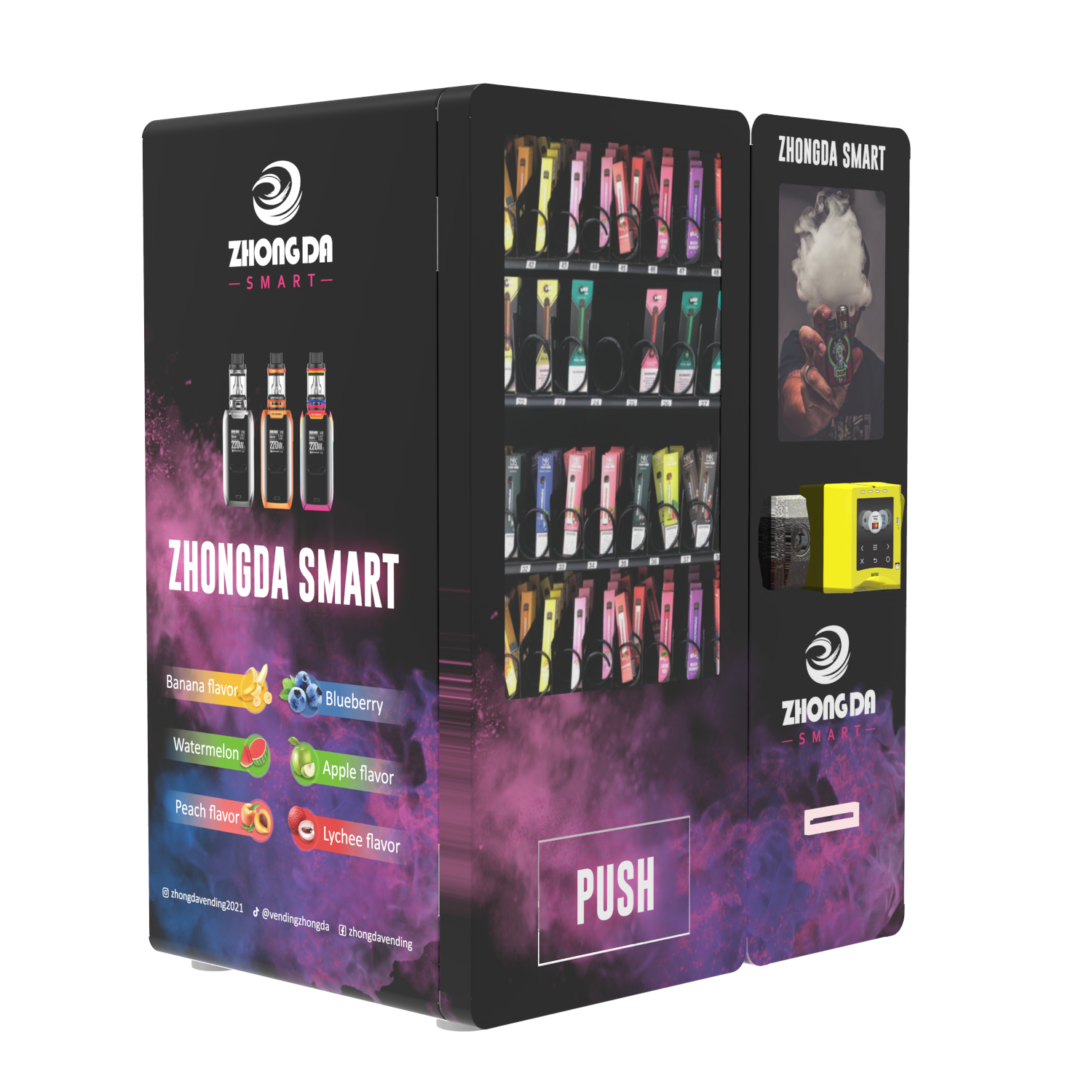
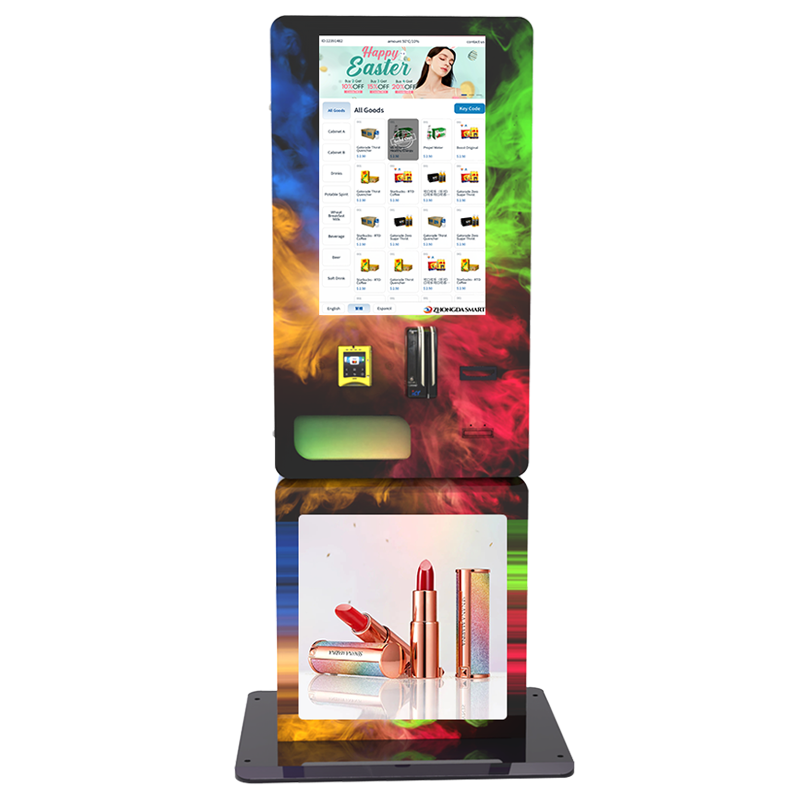
If you are comparing the best vape vending machines for retail businesses in 2026, the right answer is not the machine with the biggest screen or the lowest quote. It is the one that sells reliably, verifies age the right way, fits your actual product mix, and stays easy to run after the first month. That is where most buying decisions go wrong. On paper, many machines look similar. In daily operation, they do not. A strong smart vending machine can turn unused wall space or a slow corner into a clean self-service sales point. A weak one creates payment errors, refill headaches, stockouts, and customer frustration. The best operators buy for uptime, compliance, and margin protection first. Everything else comes after that.
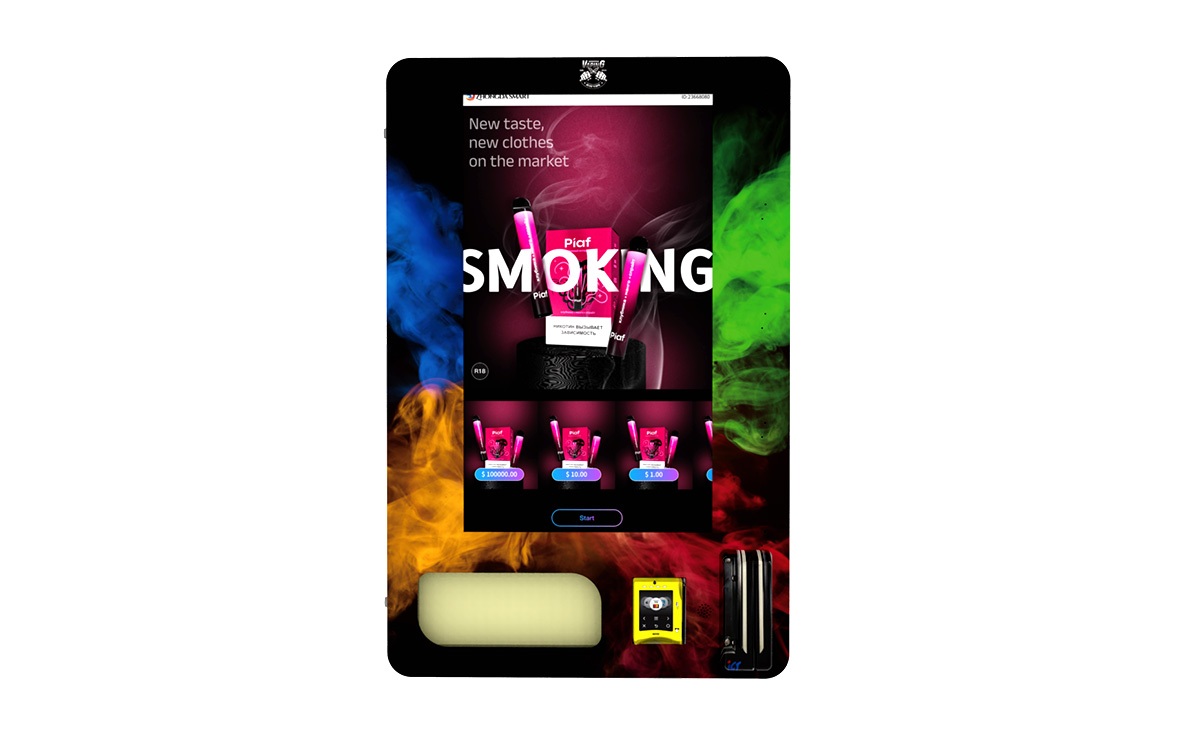
Quick answer: The best vape vending machines for retail businesses combine age verification, stable dispensing for mixed packaging, fast cashless payment, remote monitoring, and a cabinet that is simple to refill and service. For most stores, a purpose-built vape vending machine or self-service kiosk will outperform a generic vending setup because it reduces friction at checkout and gives the operator better control over stock, compliance, and downtime.
I have worked on vending projects long enough to know where the real problems show up. They do not show up during the sales call. They show up when a fast seller runs out before noon, when a card reader lags and the customer walks away, when a box shape catches on the tray lip, or when the operator realizes too late that the machine was chosen for appearance instead of performance. That is why this guide stays focused on the things that actually matter in store: machine type, compliance logic, product fit, operating costs, return, and which manufacturer can support the business after delivery.
What actually makes a machine one of the best
The phrase best vape vending machines for retail businesses gets thrown around loosely. In real buying decisions, “best” has a narrower meaning. A machine deserves that label only when it does five jobs well at the same time.
It controls the sale properly. Restricted-product vending is not forgiving. Age verification and controlled access are not optional extras.
It handles real packaging. A machine that looks flexible in a brochure can still mis-vend half your lineup if the tray layout is wrong.
It takes payment fast. A slow payment flow kills impulse sales and turns self-service into a nuisance.
It gives you useful data. If you cannot see sales, faults, and stock clearly, you are operating blind.
It stays practical after launch. Refill speed, part replacement, and service access matter more than glossy design once the machine is live.
That is the first filter I use. If a machine fails even one of those points, it is not a serious retail machine. It may still be sellable. It may still be cheaper. But it is not the one I would want in a busy store where margins, staff time, and customer flow all matter.
Why generic vending equipment usually falls short
Buyers sometimes assume they can save money by adapting a standard snack machine. That works in some categories. It usually turns messy in this one. Vape products come in mixed box sizes, slim cartons, pod packs, disposables, and accessory formats that do not behave the same way inside a generic machine. A tray that handles one SKU cleanly may struggle with the next one over.
The biggest issue is not always catastrophic failure. More often it is a slow bleed. A machine drops one item poorly every few days. Another SKU leans forward awkwardly and loses facing. A best seller gets loaded into a channel that looks full but empties faster than expected because the usable capacity is lower than the buyer assumed. Over time, those small issues become lost sales, extra refill trips, and irritated staff.
That is why a dedicated smart vape vending machine or a purpose-built self-service kiosk usually makes more sense than a retrofitted cabinet. It gives the operator a layout designed around the category instead of forcing the category to work around the machine.
The five features that matter most in 2026
1. Age verification that matches the way the machine will be used
There is no reason to dance around this. Restricted-product automation lives or dies on sale control. A machine must support the right verification path for the environment where it will be installed. If that part is vague, the rest of the specification barely matters.
The FDA states that retailers must not sell covered tobacco products to anyone under 21 and must check photo ID for anyone under 30 attempting to purchase. The agency also restricts vending machine sales to places where people under 21 are not present or permitted to enter at any time. That single point changes the whole buying conversation because it means the machine cannot be treated like ordinary snack equipment. It has to be part of a controlled retail process.
In practice, buyers usually end up choosing one of these approaches:
ID-scan vending workflow
Adult-only placement with controlled access
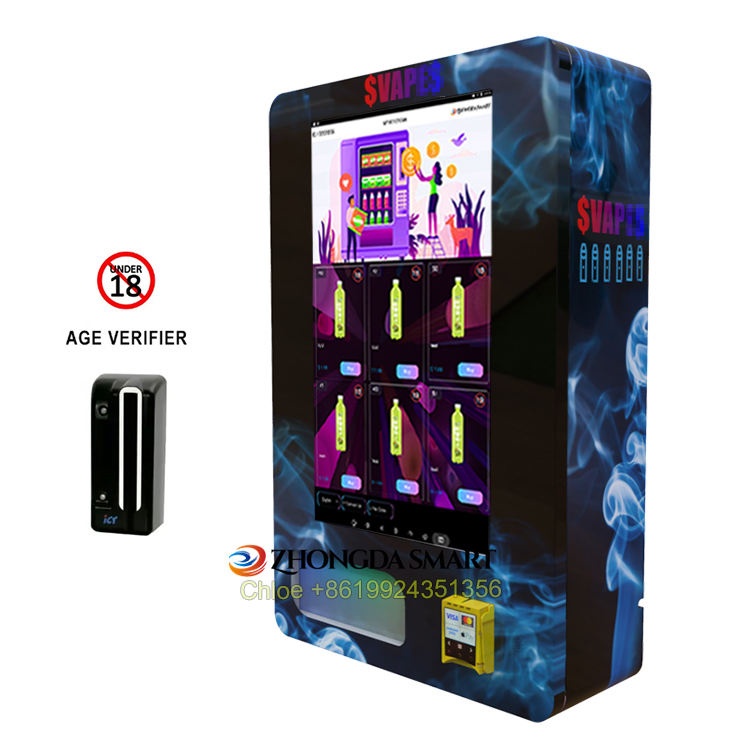
Age-verification hardware integrated into the machine
Hybrid setups where staff can supervise or unlock the transaction flow
If that is your priority, one useful reference point is Zhongda Smart’s ID scan vending machine, which is built around restricted-product sale logic instead of trying to bolt it on later.
2. Product handling that fits the real SKU mix
This is where experienced operators ask different questions from first-time buyers. New buyers ask how many products the machine can hold. Experienced buyers ask which products it can hold well. There is a big difference.
A machine should be tested against the exact products you expect to sell. Not a similar box. Not a sample that is “close enough.” The actual package. Small differences in width, coating, shrink wrap, edge design, or carton stiffness can change vend performance. Some boxes slide beautifully. Others catch, tilt, or hesitate.
In the field, mixed packaging creates most of the trouble. One row might hold boxed disposables cleanly while the next row needs different spacing for pod packs. A machine that cannot be tuned for that reality ends up forcing the operator into a poor assortment just to keep the machine stable.
That is why a vape vending machine with age verification still has to be a good merchandising machine. Compliance may open the door, but product handling is what keeps the sales line moving.
3. Cashless payment that feels effortless
Customers decide fast at a vending machine. If the payment flow is clumsy, they leave just as fast. No one wants to stand in front of a screen tapping through delays for a routine purchase. In unattended retail, speed feels like trust. A clean tap-to-pay flow makes the machine feel modern. A slow one makes it feel broken, even when it technically is not.
The machines worth buying in 2026 should support:
Card payment
Contactless wallet payment
Clear prompts on the screen
Fast authorization speed
Transaction logs that are easy to review
One thing I have seen more than once: operators focus on payment acceptance but forget to ask about payment recovery. When a transaction times out, fails, or needs review, the operator needs to know how quickly the issue appears in the backend and how easy it is to reconcile. That is a real operating detail, and it matters more over time than a flashy screen animation.
4. Remote monitoring that actually saves labor
Remote monitoring has moved from “nice to have” to standard operating equipment. A modern automated vape vending machine should tell you what sold, what is low, what faulted, and which machine needs attention. Otherwise the operator is still relying on guesswork and manual checking, which defeats the point of scaling unattended retail.
The real value of a smart backend is not the dashboard itself. It is the labor you avoid. If the system shows you the machine is only low on two fast sellers, you can restock with purpose instead of making a full-service trip. If the machine throws a vend error repeatedly on one channel, you can fix the actual problem instead of assuming the whole unit is unreliable.
That is why I tell buyers to think beyond “Does it have software?” and ask, “Will this software cut unnecessary visits, reduce stockouts, and show me what the machine is doing without a phone call from the store?”
5. Service access that works in the real world
Every machine is easy to admire before it is installed. Not every machine is easy to live with. The machines that stay profitable are usually the ones that are simple to refill, clean, and maintain. Operators feel the difference immediately. If a refill takes twice as long as it should, that lost time keeps repeating. If common parts are awkward to access, small service issues turn into bigger bills.
Before buying, ask direct questions:
How long does a normal refill take?
Which parts are replaced most often?
How quickly can those parts be shipped?
Can the machine be serviced without dismantling half the cabinet?
What does the warranty cover in practice?
Serious buyers ask those questions early because they already know the machine cost is only the beginning of the story.
Best machine types by retail setup
Not every store needs the same cabinet. One reason buying gets confusing is that people compare machines without comparing the environment the machine will actually sit in. That leads to overbuying in small spaces and underbuying in busy ones.
| Retail Setup | Best Machine Type | Why It Works | Watch Out For |
|---|---|---|---|
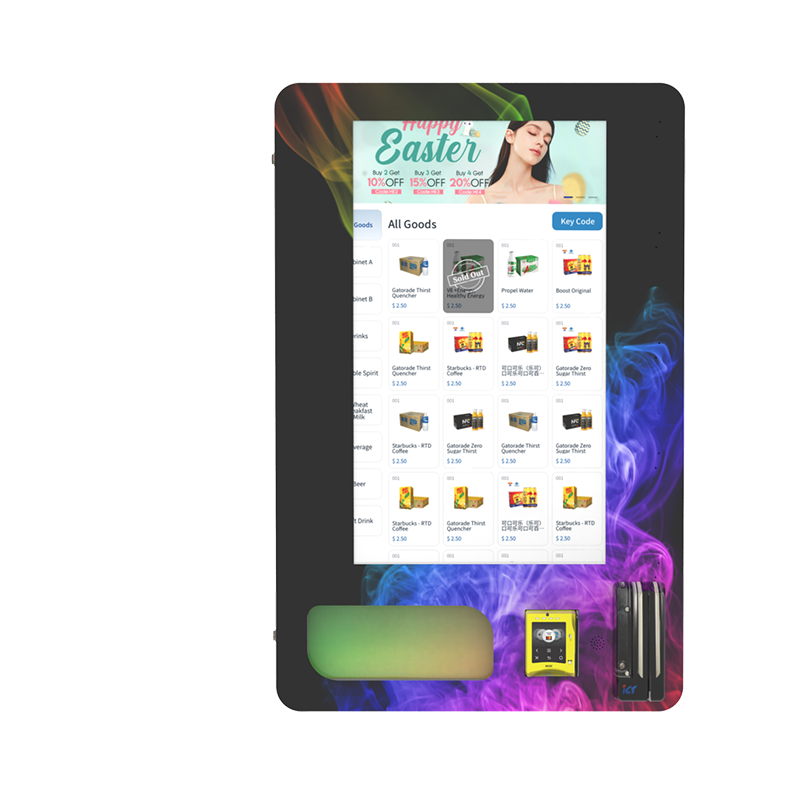
| Small store with tight floor space | Wall-mounted compact unit | Uses vertical space and keeps the footprint light | Lower SKU capacity |
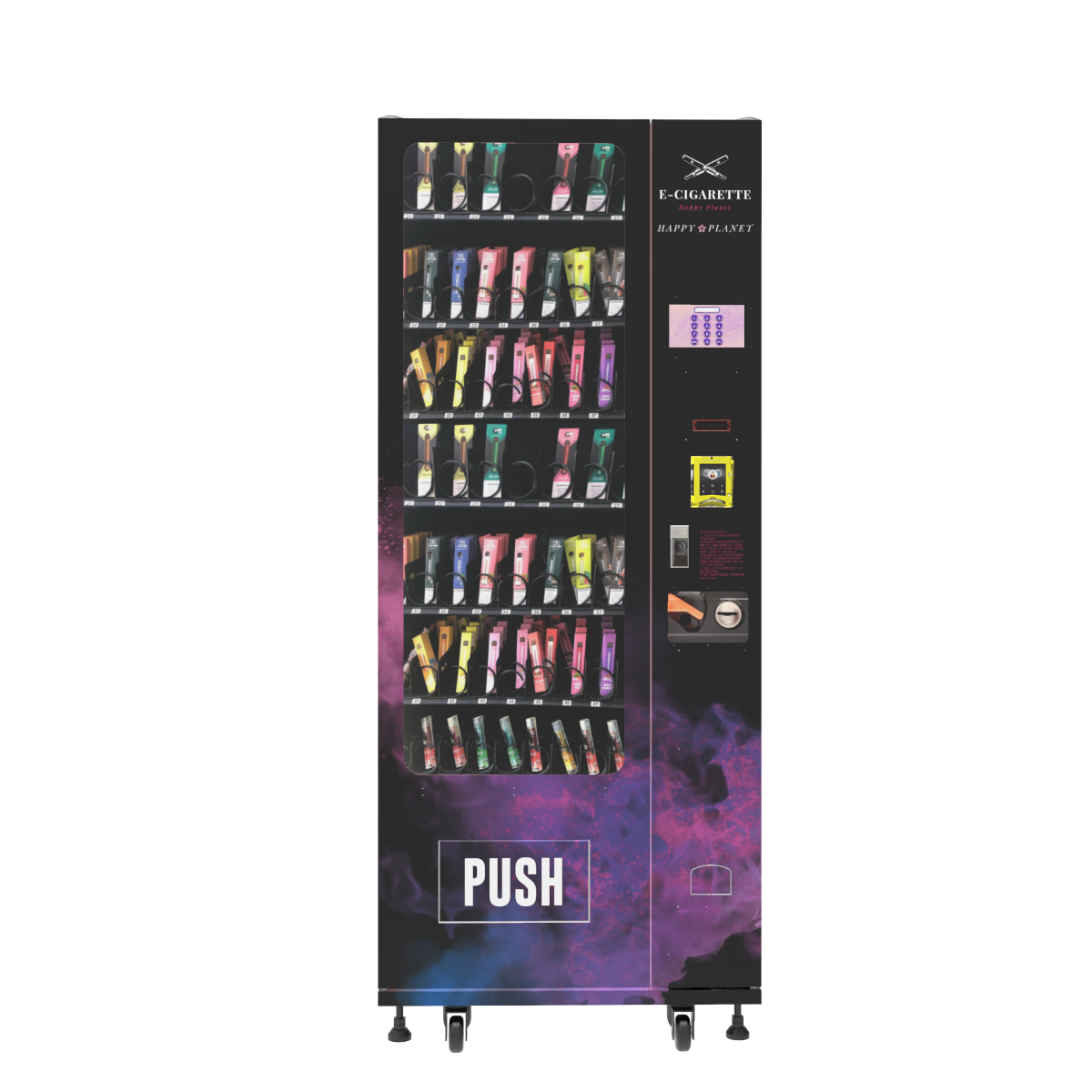
| Busy store with strong foot traffic | Freestanding smart vending machine | More capacity, stronger visibility, fewer refill trips | Needs better placement planning |
| Restricted-access retail point | Age-verification self-service kiosk | Stronger controlled-sale flow | May need tighter setup and workflow planning |
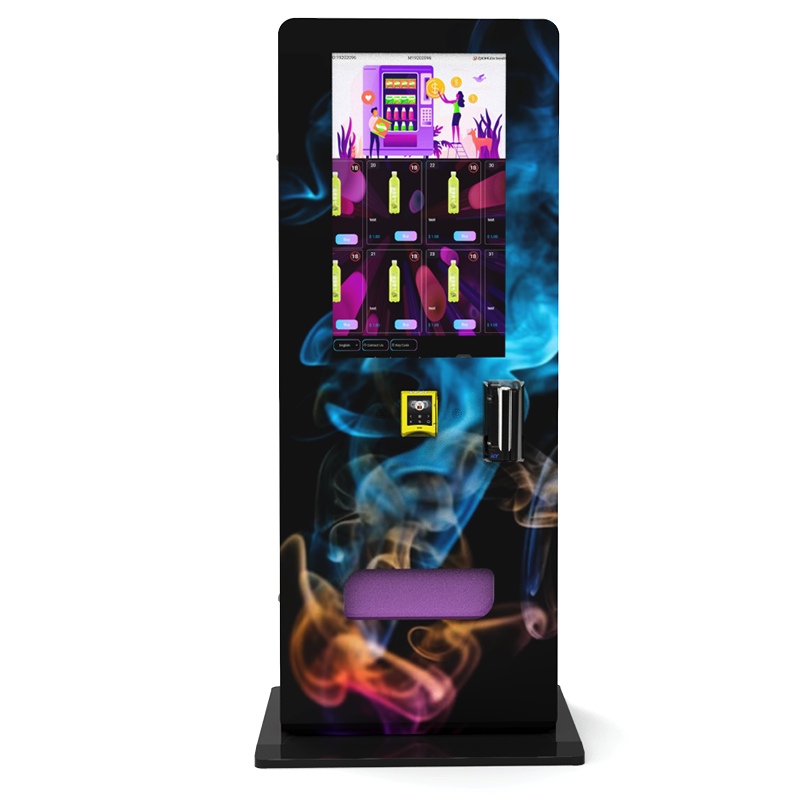
| Lean product mix focused on top sellers | Compact automated vape vending machine | Simple assortment, fast replenishment, efficient use of space | Not ideal for broad SKU depth |
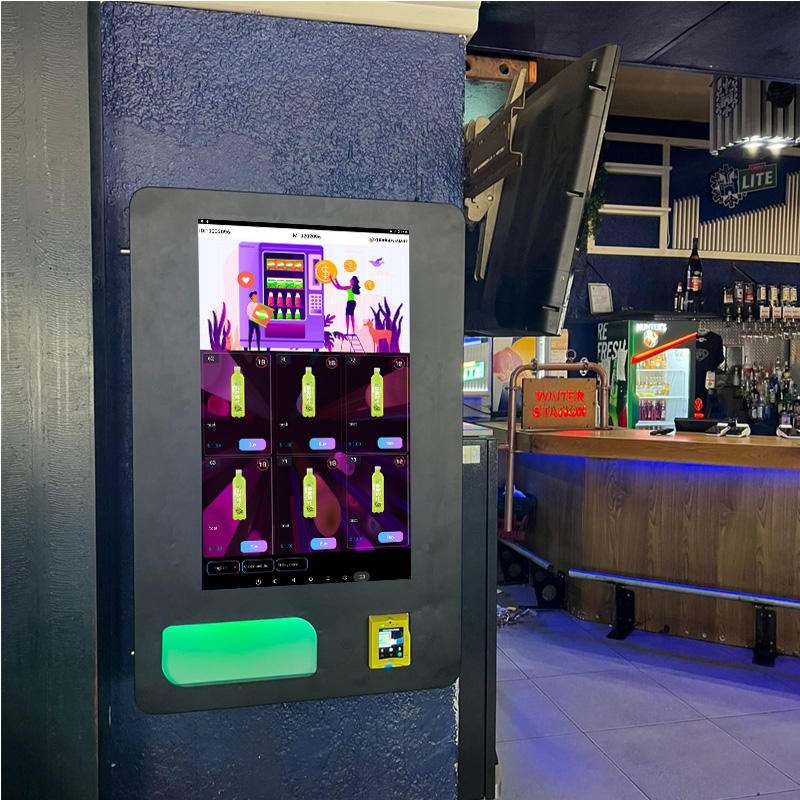
If floor space is the biggest constraint, a compact machine is often the best choice. Zhongda Smart’s wall-mounted compact e-cigarette vending machine is the kind of format that makes sense when the operator wants controlled sales without sacrificing valuable floor area.
If traffic is higher and product turnover is quicker, a full-size cabinet usually wins because it cuts restocking pressure and gives stronger shelf presence. If the real priority is sale control first, an age verification vending machine is usually the cleaner fit than trying to make a standard layout do a specialized job.
How to compare machines without getting distracted by sales talk
Good sales presentations are polished by design. They are supposed to be. The problem is that a polished presentation can hide a weak operating fit. When I help evaluate a machine, I do not start with the brochure. I start with a shortlist of practical checks.
| Buying Factor | What to Look For | Why It Matters |
|---|---|---|
| Age verification | Clear, built-in or integrated control path | Protects the business and supports compliant sale flow |
| Channel flexibility | Tray spacing that matches real package sizes | Reduces mis-vends and weak assortment choices |
| Payment speed | Fast cashless checkout with clear prompts | Improves conversion and reduces abandoned purchases |
| Remote monitoring | Live sales, stock, and fault visibility | Cuts labor and helps scale multiple locations |
| Maintenance access | Simple refill and repair workflow | Keeps service time and downtime under control |
| Manufacturer support | Parts, warranty, and configuration support | Determines whether the machine stays useful long term |
If a machine checks those boxes well, it belongs in the conversation. If it only looks good in a product photo, it does not.
The cost question: what the machine really costs after installation
Buyers often lead with a simple question: “How much is the machine?” It sounds reasonable, but it is too narrow. The better question is, “What will this machine cost me to own and run each month, and how much clean contribution can it realistically produce?”
A vape vending machine for stores has two price tags. The first one is the purchase price. The second one is the cost of operating it. New buyers usually focus on the first and underestimate the second.
Here is the cleaner way to think about it:
Upfront cost: machine, configuration, branding, payment setup, freight, and installation
Monthly cost: connectivity, software, payment processing, service reserve, refill labor, and any location fee
Performance driver: average ticket, gross margin, sell-through rate, and downtime
Zhongda Smart’s own cost and ROI content is useful here because it breaks the conversation away from sticker price and into operating math. For buyers planning a serious rollout, the brand’s cost overview and ROI guide are worth reviewing before you lock in a format.
In live operations, recurring cost usually comes down to four pressure points:
Payment processing
Machine connectivity and backend software
Restocking labor and travel
Maintenance and part replacement
The trap is assuming one machine is cheap because it came in a lower quote. If it causes even one extra restocking trip each week, or if its payment flow drops conversion, the cheap machine stops being cheap very quickly.
How to think about ROI like an operator
Return does not come from the machine sitting there. It comes from a chain of small decisions that all work in the same direction. Product mix, capacity, refill rhythm, price points, and uptime all affect return more than most buyers expect.
When I build a practical ROI estimate, I do not try to create a perfect spreadsheet fantasy. I want a realistic operating picture. The model is simple:
Estimate likely daily unit sales for the site
Multiply by average selling price
Subtract product cost and processing fees
Subtract monthly service, refill, and software costs
Stress-test the result against downtime and stockouts
That last step matters. Most overly optimistic models assume the machine is always full, always live, and always selling the right items. Stores do not work that way. Machines go low. Customers shift toward one SKU faster than expected. A slow seller takes up valuable space. One tray underperforms. That is normal. Good operators plan for it instead of pretending it will not happen.
In other words, vape vending machine ROI is not only about demand. It is about operational discipline. A store with average traffic and clean execution can outperform a stronger location run badly.
What current market data tells you
It helps to ground the buying decision in actual category behavior instead of guesswork. Two numbers matter right away.
According to the CDC, 7.0% of adults used e-cigarettes in 2024. That tells you the category still has real consumer scale. This is not a novelty purchase segment built around a tiny audience.
NACS Magazine, citing NIQ data, reported that cigarettes and other tobacco products made up 34% of inside sales in 2024, with other tobacco products accounting for 9.9%. That matters because it shows the category continues to hold meaningful weight inside retail environments.
Another useful signal comes from the CDC Foundation’s review of brick-and-mortar sales trends. It reported a 47% increase in e-cigarette unit sales from 2019 through 2023 across covered retail outlets, while disposable e-cigarette sales rose more than 500% over the same period. For machine buyers, that is not just market trivia. It has direct implications for tray design, stock depth, and refill planning.
Those numbers do not mean every location deserves a machine. They mean the category is large enough to justify careful automation when the setup is right.
Field advice: The stores that do best with unattended vape sales usually do not carry the widest assortment. They carry the cleanest assortment. The top sellers stay in stock, the payment flow stays smooth, and the operator trims weak SKUs quickly instead of giving them endless chances.
Where buying decisions usually go wrong
They buy for appearance instead of operation
A large screen and a modern cabinet help, but they are not what makes the machine profitable. Machines earn their keep through reliable dispensing, stable payment, and easy service. Style should support that. It should not replace it.
They guess the assortment
This happens all the time. The operator buys a machine first and figures the product lineup out later. That is backwards. The assortment should shape the tray plan from the start.
They underestimate refill pressure
One of the fastest ways to damage return is to underestimate how quickly a few best sellers will drain capacity. If the operator is restocking too often, the machine is eating labor. If the operator is restocking too slowly, the machine is leaving money on the table.
They assume compliance can be “handled later”
It is always more expensive to patch weak sale control after the fact. If a machine needs age verification, controlled access, or a specific sale flow, that needs to be built into the plan from the beginning.
They choose a seller instead of a supportable manufacturer
This is one of the biggest long-term differences. A seller can move a machine. A capable manufacturer can help you configure it, adapt it, support it, and keep it working over time. That distinction matters a lot once you move beyond a one-unit purchase.
Why Zhongda Smart belongs on the shortlist
If you are serious about sourcing rather than casually browsing, Zhongda Smart is a manufacturer worth considering. The company is not presenting vape automation as a side category. It clearly treats it as a dedicated product line, with multiple machine formats, age-verification options, cashless payment support, remote monitoring, and customization capability.
That matters for two reasons. First, the product line itself gives buyers a better match between machine type and retail setup. Second, factory-side flexibility matters when you need channel adjustments, UI branding, hardware selection, or a machine layout that fits the way your store actually sells.
From a practical purchasing standpoint, Zhongda Smart stands out in the areas that experienced buyers usually care about most:
Dedicated vape vending machine product range
Age-verification and compliant-sale positioning
Cashless payment and remote monitoring focus
OEM and ODM support
Factory-direct communication
Replacement-parts and warranty support
That does not mean every buyer needs the same configuration. It means the manufacturer has the right kind of structure behind the product, which is often what separates a smooth rollout from a frustrating one.
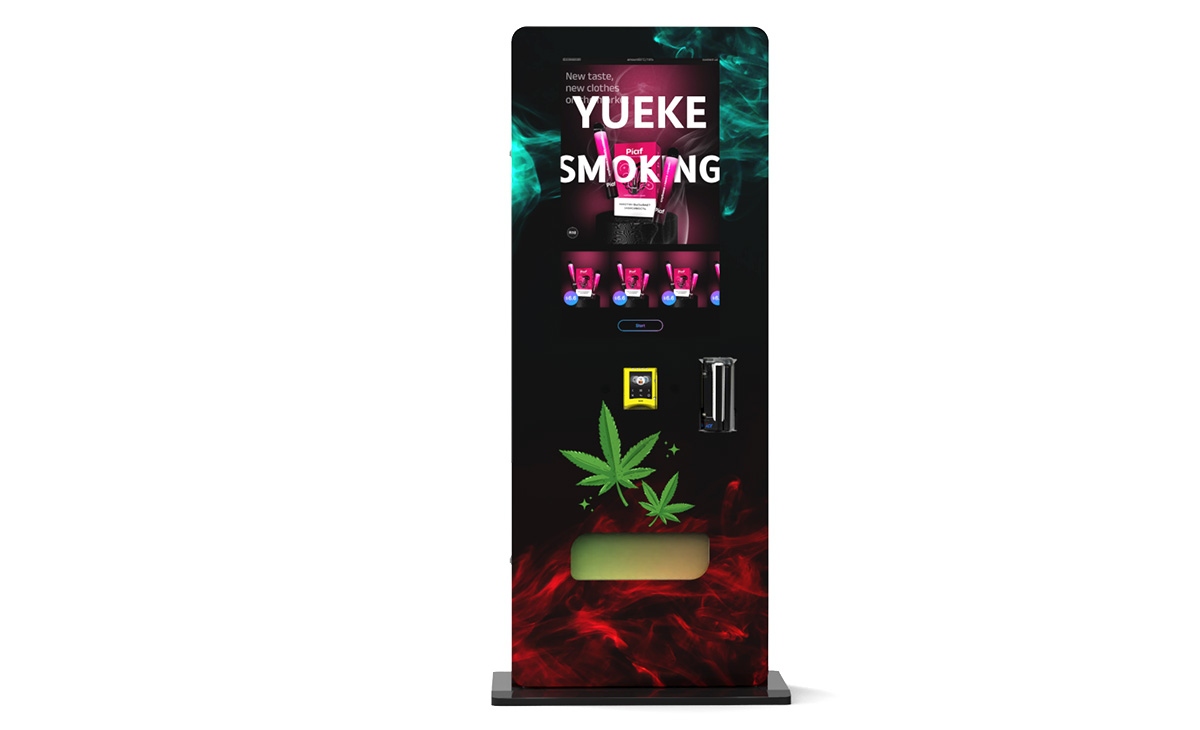
For buyers who want a broader overview first, Zhongda Smart’s vape vending machine category page and its explanation of how vape vending machines work are both useful starting points before you narrow down a model.
Three realistic buying scenarios
Scenario 1: Small footprint store that wants controlled extra sales
If the store does not have much spare space, a wall-mounted or compact machine is usually the smarter play. The goal here is not to show the biggest assortment. It is to convert a tight area into a neat self-service point for fast-moving products. In this case, a smaller cabinet with clean age-verification flow often beats a full-size machine that makes the store feel crowded.
Scenario 2: Busy retail location with frequent counter interruption
In a high-traffic environment, the machine should relieve the staff, not create more work. That usually means a larger smart cabinet with better capacity, strong cashless payment, and a backend that helps the operator refill efficiently. The store wins here by moving routine purchases out of the queue while keeping sales clean and fast.
Scenario 3: Restricted-access environment where control matters most
Here the machine is not just a sales tool. It is part of the compliance workflow. In that kind of setup, I would always prioritize sale control, verification logic, and machine reliability over visual features. When the category is sensitive, the safest machine is usually the most profitable one in the long run because it protects the business while keeping the sale process smooth.
The questions smart buyers ask before placing an order
You can learn a lot about a machine and its manufacturer by asking a short list of direct questions. A confident supplier will answer them clearly. A weak one will stay vague.
Which vape package sizes have already been tested in this machine?
Can different package sizes run in the same cabinet without sacrificing vend stability?
What age-verification path does the machine support out of the box?
Which payment devices are supported, and how are they serviced?
What backend data can the operator see remotely?
What is the normal lead time for spare parts?
How does routine maintenance work?
What customization is available for branding, interface, and machine layout?
What support continues after delivery?
If those answers are detailed and practical, you are probably talking to the right kind of manufacturer. If they stay generic, keep looking.
What I would do if I were buying in 2026
If I were placing a fresh order today, I would keep the process simple.
I would start with the sale-control requirement and age-verification path.
I would match the machine format to the actual location, not to the nicest product photo.
I would test the real SKU mix before approving the final tray layout.
I would compare payment speed and backend clarity, not just feature lists.
I would build a conservative ROI model based on realistic refill and downtime assumptions.
I would buy from a manufacturer that can still support the machine after installation.
That process sounds almost too basic, but it works because it keeps attention on the issues that decide whether the machine becomes an asset or a headache. In this category, disciplined buying beats enthusiastic buying every time.
Final word
The best vape vending machines for retail businesses in 2026 are the machines that make the sale easy for the customer and manageable for the operator. They verify age properly, fit the product mix, process payment fast, report useful data, and stay practical to refill and maintain. That is what a strong machine looks like in the real world.
If you are deciding between several options, do not let the screen size or the quote alone make the choice for you. Buy for control, uptime, product fit, and long-term support. A good machine does not just look modern. It keeps selling once the excitement of installation is gone.
Frequently Asked Questions
Are vape vending machines profitable for retail businesses?
They can be very profitable when the machine is placed in the right environment, stocked with proven sellers, and managed with consistent restocking and pricing discipline. Profit usually depends more on uptime, product mix, and labor efficiency than on machine size alone.
What is the most important feature in a vape vending machine?
The most important feature is reliable sale control, which usually means age verification or another compliant access workflow. After that, the next priorities are stable dispensing, fast payment, and clear remote monitoring.
Can one machine hold disposables, pods, and accessories together?
Yes, but only when the cabinet and tray layout are configured around the actual package sizes. Mixed product vending works best when the operator tests the real SKUs before final production.
How do I choose between a compact machine and a full-size one?
Choose a compact machine when space is tight and the product mix is narrow. Choose a full-size smart vending machine when traffic is stronger, restocking frequency matters, or the assortment needs more depth.
Why is remote monitoring so important?
Remote monitoring reduces guesswork. It helps the operator see what sold, what is running low, and what needs service, which cuts unnecessary trips and helps keep the machine full and active.
Why do many buyers prefer working directly with a manufacturer?
Because a manufacturer can usually provide better configuration support, more customization, clearer parts support, and more useful technical answers than a simple reseller can. That matters much more once the machine is live.
References
Note: This article is for business information only. Product setup, access control, and installation requirements should always be reviewed against the rules and operating conditions that apply to the final site.