If you are looking to stock a vape vending machine, the short answer is that you should focus on high-margin, high-turnover disposable vapes, pod systems, and nicotine pouches, while strictly avoiding any products that could be mistaken for toys or that lack proper child-resistant packaging. Over the last decade, I have deployed hundreds of these machines across the US and Europe, and I have seen operators lose their entire investment simply because they filled a machine with the wrong inventory. The most profitable machines are not the ones with the most variety; they are the ones with the most disciplined product selection.
The Core Product Categories That Actually Sell
After years of analyzing sales data from our network of smart vending machines, the product mix has narrowed down to three primary categories. These are the items that consistently generate repeat purchases and maintain a healthy profit margin. Straying from these categories usually results in slow-moving stock and expired inventory.
Disposable Vapes and Pod Systems
This is the bread and butter of the vape vending machine business. In my experience, disposables account for roughly 70% of all sales in a well-placed machine. The key is to stock brands that have a strong national presence and are known for flavor consistency. You want devices that are simple to use, have a clear battery indicator, and offer a satisfying throat hit.
When selecting disposables, pay close attention to the puff count. Devices with 5000 to 8000 puffs are the sweet spot for vending machines because they offer a good balance between price point and value. Customers are looking for a device that will last them a few days, not a few hours. I have found that stocking more than 12 different flavors in a single machine leads to analysis paralysis, where a customer spends too long deciding and ultimately walks away. Stick to the top 8 best-selling flavors like Blue Razz, Strawberry Watermelon, and Miami Mint.
For pod systems, you need a device that is refillable or uses pre-filled pods. The JUUL-compatible pods and the newer generation of closed-pod systems work very well in automated retail. They appeal to the customer who wants a more consistent experience than a disposable. The margin on pods is excellent, and they drive repeat traffic because the customer has to come back to buy more pods for the device they already purchased from you.
Nicotine Pouches and Alternatives
This is a rapidly growing segment that many new operators overlook. Products like ZYN, Velo, and ON! are perfect for a vape vending machine because they are shelf-stable, compact, and have a long expiration date. In locations where indoor vaping is restricted, such as bars or offices, nicotine pouches become the primary seller.
I have placed machines in sports bars where the disposable vape sales are high during the afternoon, but nicotine pouch sales spike in the evening when the crowd is more focused on drinking and socializing. The profit margin on pouches is slightly lower than on disposables, but the volume can be very high. You should stock a variety of strengths, from 3mg to 6mg, to cater to both light and heavy users. Never stock only one strength; it is a common mistake that kills sales.
Accessories and Hardware
While not the primary revenue driver, accessories are essential for customer satisfaction. A vending machine that sells only devices but no charging cables or replacement pods is a machine that will generate complaints. I always recommend dedicating at least 15% of your machine's capacity to accessories. This includes USB-C charging cables, spare pods, and replacement coils.
One specific item that performs exceptionally well is the 510-thread battery for THC or CBD cartridges. Even if you are not selling the cartridges themselves, providing the battery is a valuable service. I have seen these batteries become the second-highest selling item in machines located near dispensaries or smoke shops. Do not stock cheap, low-quality batteries; they will fail, and the customer will blame your machine, not the brand.
Products You Should Never Put in a Vape Vending Machine
This section is just as important as the list of what to sell. I have personally pulled machines out of high-traffic locations because the operator insisted on stocking the wrong items. The cost of a machine removal and relocation is significant, so learn from these mistakes.
Do not stock:
- Large format vape mods: These are too expensive, too complex, and require too much education. The average vending machine customer wants a quick, easy purchase. A 200-watt box mod with a sub-ohm tank is not an impulse buy.
- THC or CBD cartridges: Unless you have a specific license and are in a fully legal state, avoid these. The legal landscape is constantly shifting, and the liability is enormous. I have seen operators lose their machines due to seizure by local authorities.
- Glass bottles and e-liquids: While tempting, glass breaks during shipping and inside the machine. The cleanup is a nightmare, and the spill can ruin other products. Stick to plastic or metal containers.
- Products without child-resistant packaging: This is non-negotiable. Any product that does not meet the CPSC (Consumer Product Safety Commission) standards for child-resistance is a lawsuit waiting to happen. Your machine's age verification system is your first line of defense, but the product packaging is your second.
Understanding the Profit Model and Margins
The financial viability of a vape vending machine depends entirely on your cost of goods sold (COGS) and your location. I have seen machines in a single location generate $3,000 a month in revenue, while an identical machine in a different location barely breaks $500. The product mix is the variable you can control.
Here is a realistic breakdown of the margins you should expect based on my current operations:
| Product Category | Average Retail Price | Average Wholesale Cost | Gross Profit Margin | Typical Sell-Through Rate |
|---|---|---|---|---|
| Disposable Vape (5k puffs) | $15.99 | $7.50 | 53% | High (7-14 days) |
| Pod System (Device + Pods) | $24.99 | $12.00 | 52% | Medium (14-21 days) |
| Nicotine Pouches (Can) | $5.99 | $3.00 | 50% | Very High (3-7 days) |
| Charging Cable | $9.99 | $1.50 | 85% | Low (30+ days) |
As you can see, the charging cable has the highest margin but the lowest sell-through rate. This is why you should not dedicate too much space to accessories, but you must have them available. The real money is in disposables and pouches. According to a 2023 report by the CDC, disposable e-cigarette sales increased by over 400% between 2019 and 2022, highlighting the massive shift in consumer preference towards these products.
Real-World Deployment Experience
I want to share a specific case from my own business. We placed a machine in a 24-hour laundromat in a busy suburban area. The initial product mix was 70% disposables, 20% pods, and 10% accessories. After three months, the sales data showed that the 0% nicotine disposables were not moving at all. We replaced them with 5% nicotine strength, and our weekly revenue doubled. This seems obvious in hindsight, but it is a classic mistake. You must tailor your product mix to the specific location. A machine in a college town will sell more 3mg and 5mg products, while a machine in a working-class neighborhood might sell more 5mg and high-menthol flavors.
Another critical lesson came from a machine we placed in a hotel lobby. We stocked a premium disposable brand that retailed for $24.99. It did not sell. We replaced it with a mid-range brand at $14.99, and it flew off the shelves. The hotel customer is often looking for a quick fix, not a premium experience. They want something that works and is affordable. Do not assume that a high-traffic location means you can charge premium prices. You need to match the price to the location's demographics.
Technical Specifications and Machine Selection
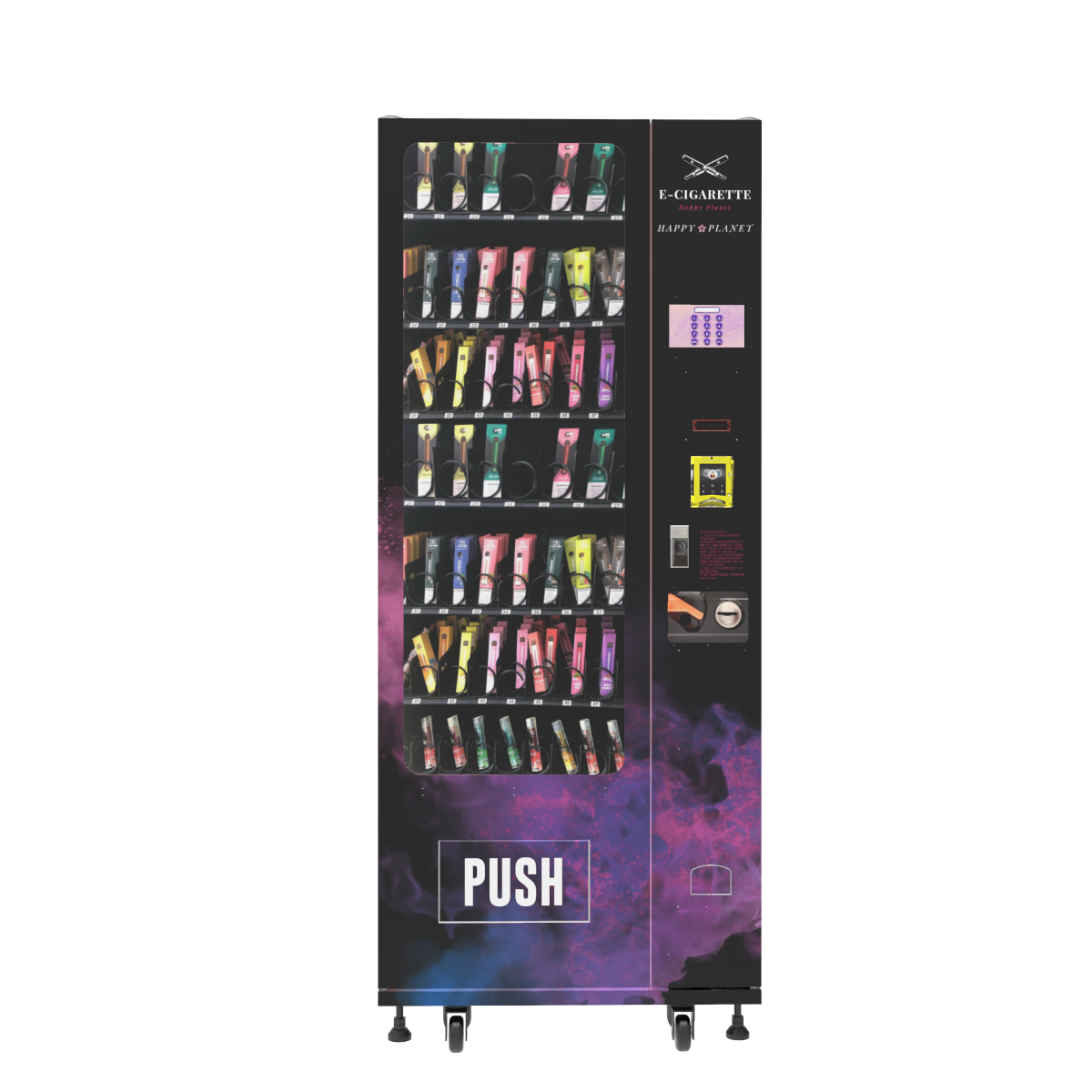
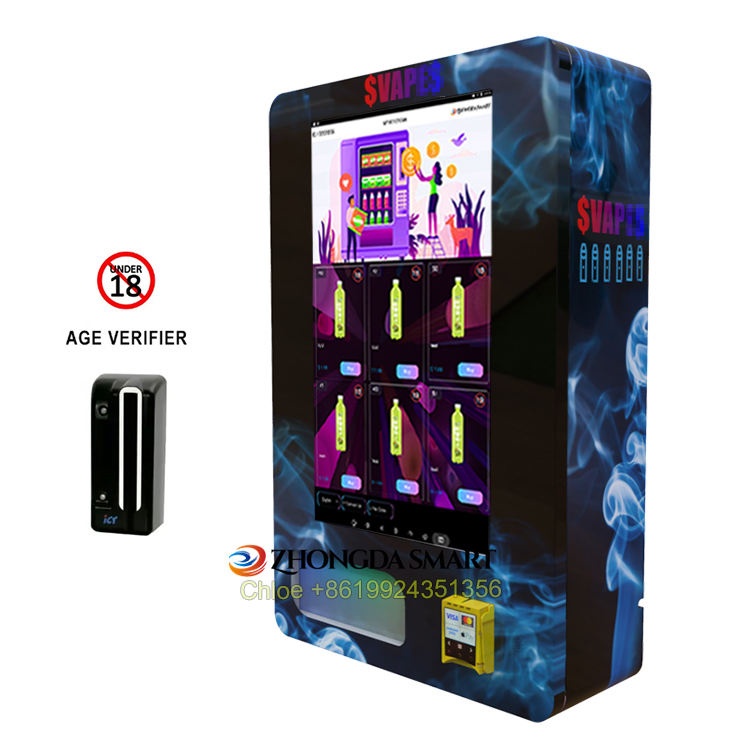
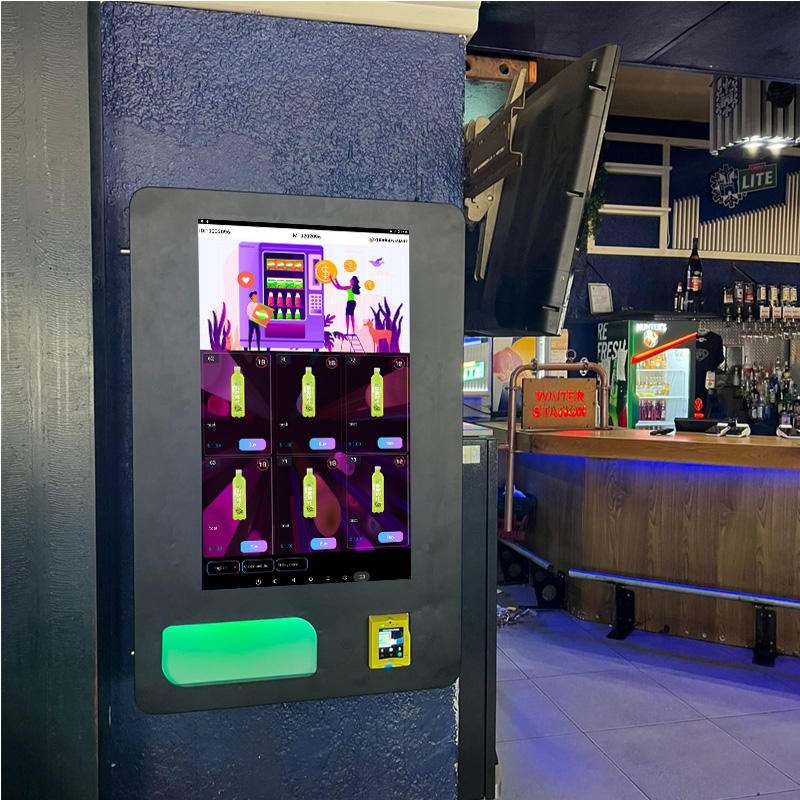
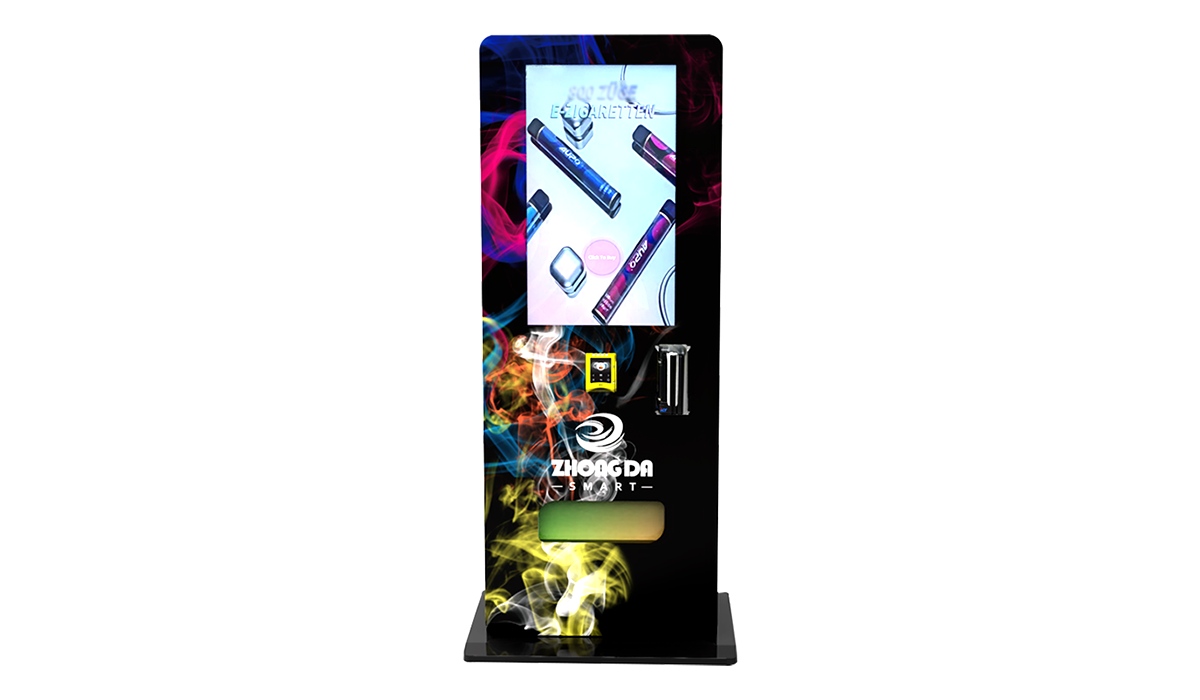
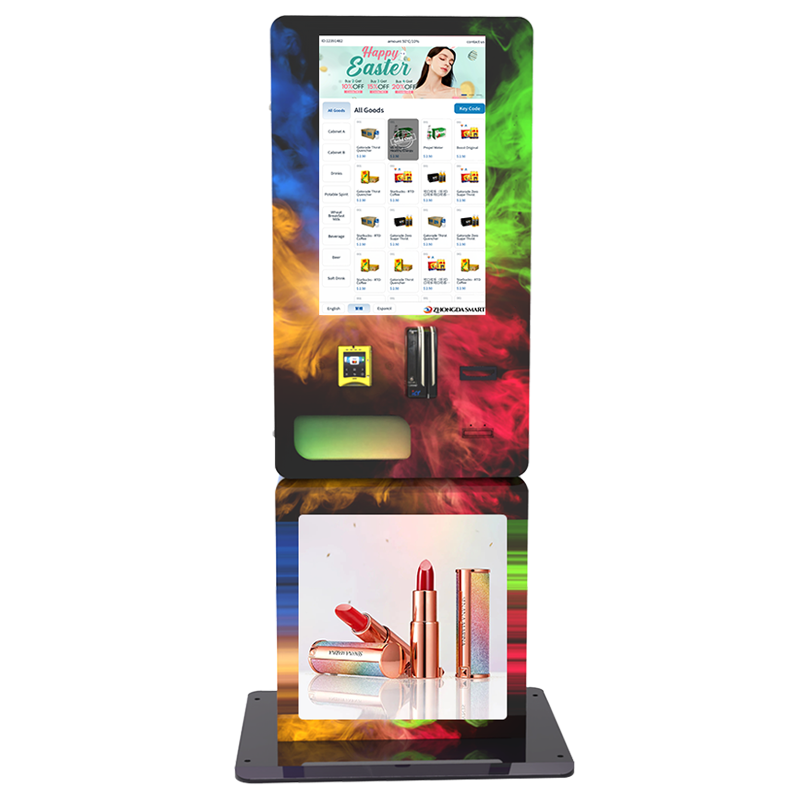
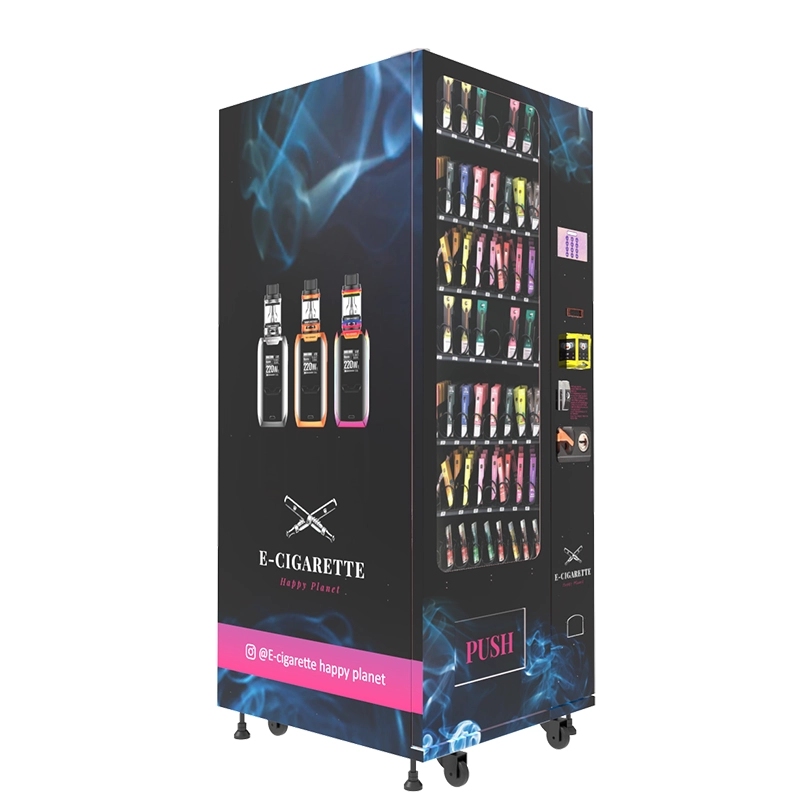
The machine itself is just as important as the product inside. When I started, I used a generic snack vending machine that I retrofitted. It was a disaster. The coils were not designed for the size of vape boxes, and the machine jammed constantly. Now, I only use machines specifically designed for the vape industry. For example, the Wall-Mounted Compact E-Cigarette Vending Machine is a great option for locations with limited floor space, like a small bar or a waiting room. It holds enough inventory to be profitable without taking up valuable real estate.
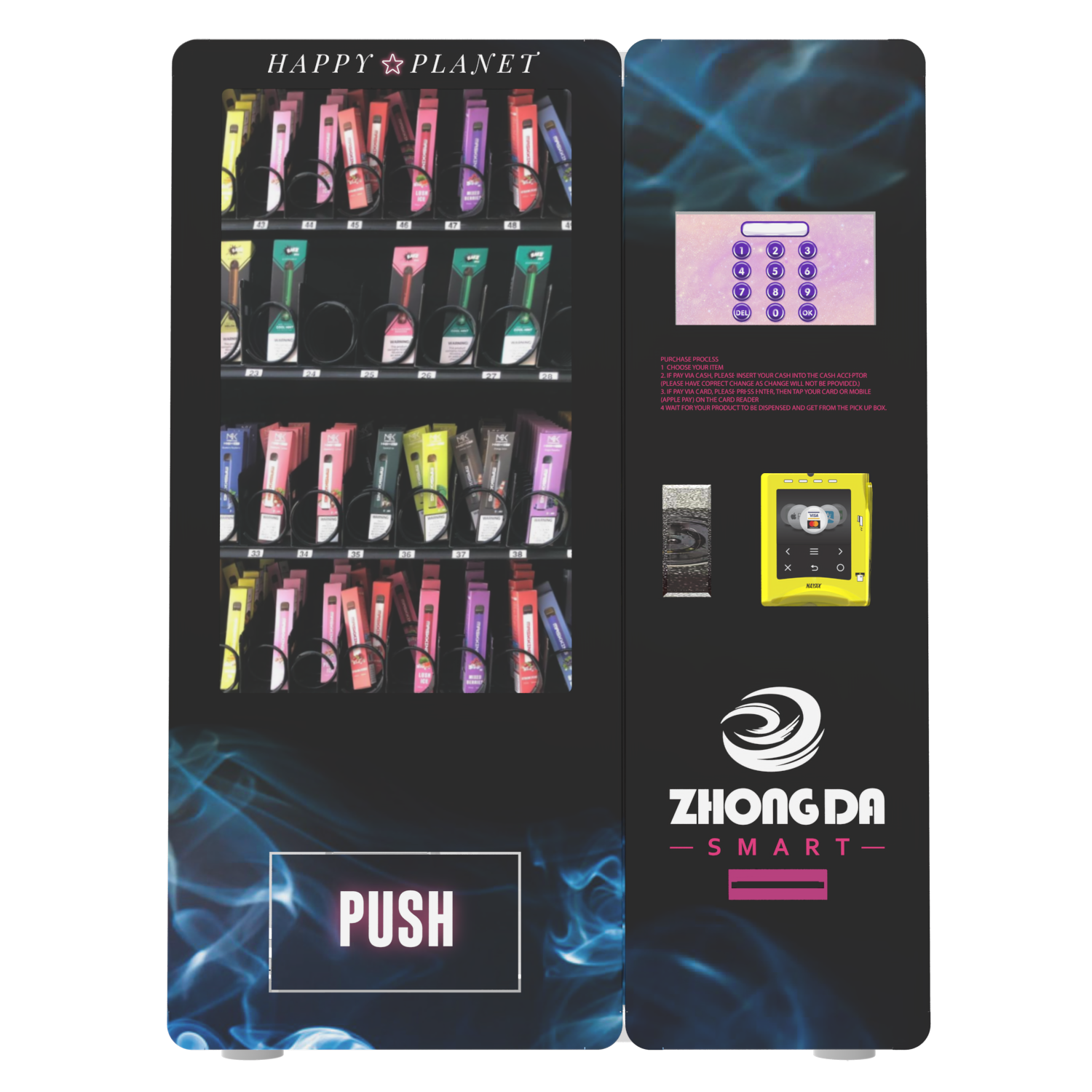
For high-traffic locations, you need a machine with a robust age verification system. The ID Scan Vending Machine is essential for compliance. It scans a driver's license or passport and verifies the age in seconds. I have seen operators try to save money by buying a machine with a simple button that asks "Are you 21?" This is a liability and will get you shut down. The FDA and local law enforcement are increasingly cracking down on underage sales through vending machines. A machine without proper age verification is not a business; it is a legal trap.
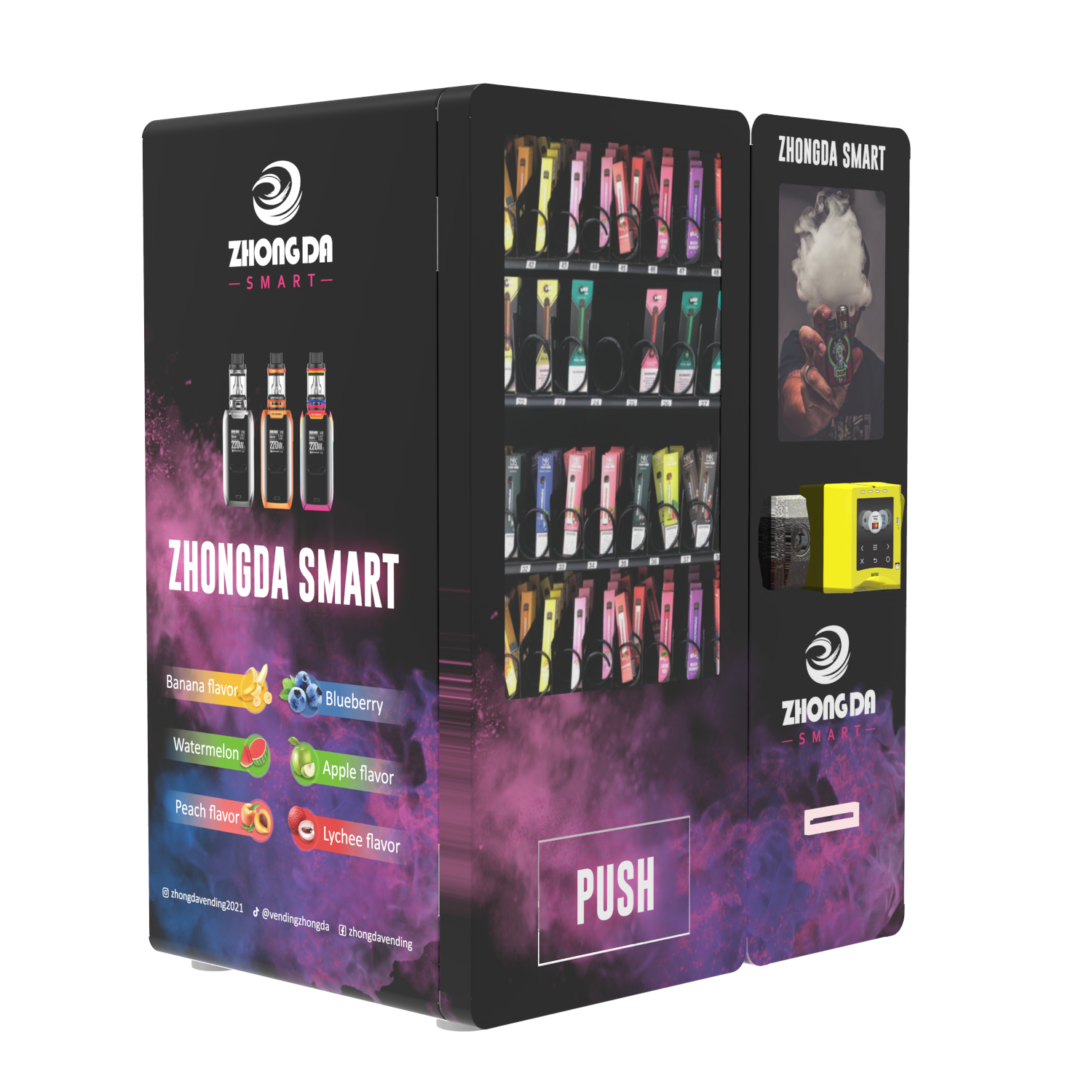
Another feature I consider non-negotiable is a temperature control system. Vapes and nicotine pouches are sensitive to heat. A machine sitting in direct sunlight can turn a $15 disposable into a melted, leaking mess. The Compliant E-Cigarette Vending Machine includes internal climate control, which has saved me thousands of dollars in spoiled inventory during the summer months. Do not overlook this feature.
Risk Management and Common Failures
I have seen more businesses fail in this space than succeed. The number one reason is not the machine or the location; it is the operator's failure to manage inventory. A machine that looks empty or has stale products will lose customer trust. You must have a restocking schedule. I recommend checking your machine at least once a week. Use a data management system that tells you exactly what sold and when. The Age Verification Vending Machine from Zhongda Smart includes a cloud-based management system that sends you real-time sales alerts. This is not a luxury; it is a necessity for modern operations.
Another failure point is payment systems. Older machines that only take cash are dying. A significant portion of my sales are now credit card or mobile wallet payments. If your machine only accepts cash, you are losing 30-40% of potential sales. Ensure your machine has a modern card reader and supports Apple Pay and Google Pay. I learned this the hard way when I placed a cash-only machine in a tech-heavy neighborhood. It was a complete flop.
Long-Term Operational Strategy
To run a successful vape vending machine business for the long haul, you need to think like a retailer, not a machine owner. The machine is just the point of sale. Your real business is product procurement and logistics. Build relationships with distributors who can give you consistent pricing and reliable supply. The vape industry is notorious for supply chain disruptions. A brand that is hot today might be out of stock tomorrow. Always have a backup product to replace slow-moving SKUs.
I also recommend rotating your product selection every quarter. Consumer tastes change. A flavor that was the top seller in January might be dead by April. Pay attention to social media trends and industry trade shows. The Best Vape Vending Machines article on our site discusses this in more detail, but the core principle is adaptability. Do not fall in love with a specific product. Fall in love with the data.
Frequently Asked Questions
Can I sell CBD products in a vape vending machine?
Yes, but with extreme caution. You must ensure the CBD is derived from hemp (less than 0.3% THC) and that you have the necessary local licenses. The legal environment for CBD is still fragmented, and I recommend consulting with a local attorney before adding any CBD products. In my experience, it is safer to stick with nicotine-based products unless you have a clear legal path.
How often should I restock the machine?
At a minimum, once a week. For high-traffic locations, you may need to restock every two to three days. The goal is to never have more than 20% of your slots empty. An empty machine looks abandoned and discourages future sales. Use the sales data from your machine's management system to predict when you will run out of a specific product.
What is the best location for a vape vending machine?
Bars, nightclubs, hotels, and large office buildings are the best. You want a location with high foot traffic and a captive audience. Avoid locations that are primarily family-oriented, like grocery stores or family restaurants. The key is to find a place where adults are already spending money and might need a quick nicotine fix.
Do I need a special license to operate a vape vending machine?
Yes, in most jurisdictions. You will likely need a tobacco retailer license and possibly a specific vending machine license. The requirements vary by state and city. You must also ensure your machine is registered with the FDA if required. I recommend checking with your local health department and the FDA's website for the most current regulations.
What happens if the machine breaks down?
This is why you buy from a reputable manufacturer with a warranty and service network. Most modern machines, like those from Zhongda Smart, have remote diagnostics that can identify the issue before a technician arrives. You should have a backup plan, such as a spare machine or a service contract. A machine that is down for more than 48 hours will lose customer trust and revenue.
Final Thoughts on Product Selection
The products you choose to sell in a vape vending machine will determine your success or failure. Focus on disposables, pods, and nicotine pouches. Avoid complexity and novelty items. Invest in a machine with proper age verification and climate control. And most importantly, treat your inventory like a living organism. Feed it, prune it, and adapt it to the environment. The industry is constantly evolving, and the operators who survive are the ones who are willing to change their product mix based on hard data.