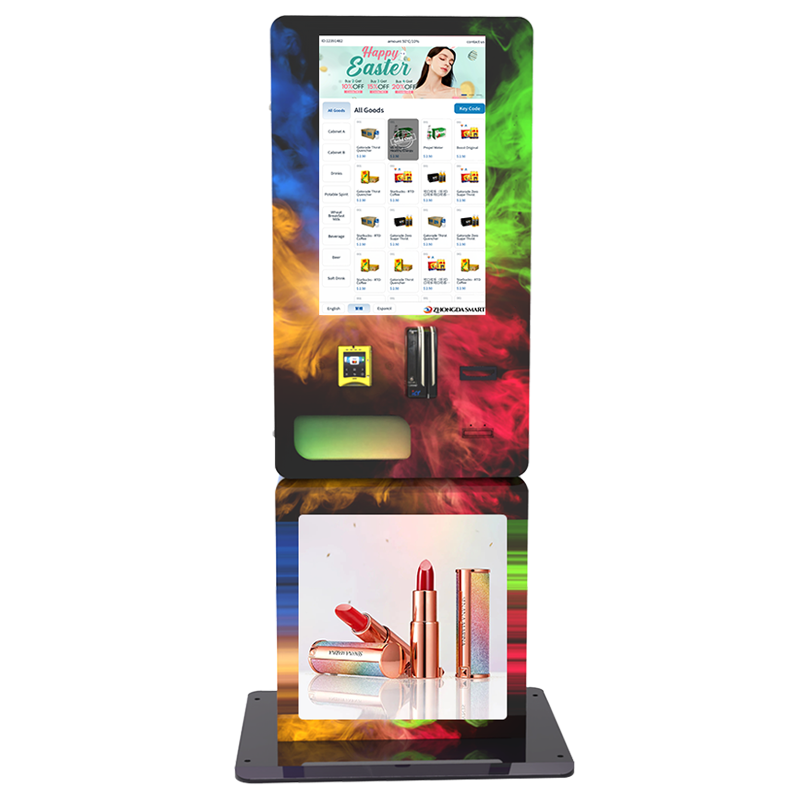
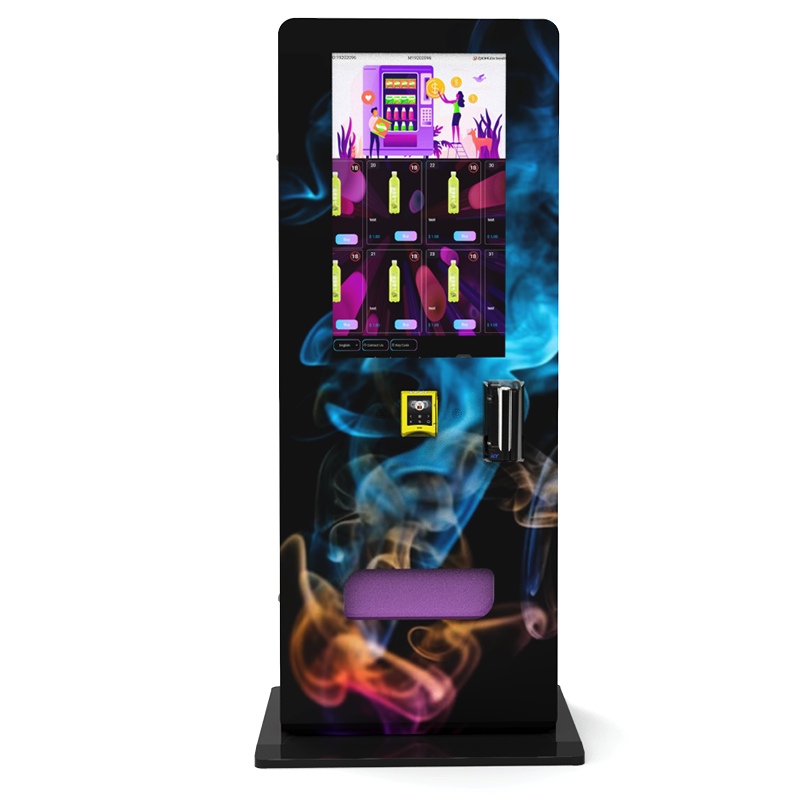
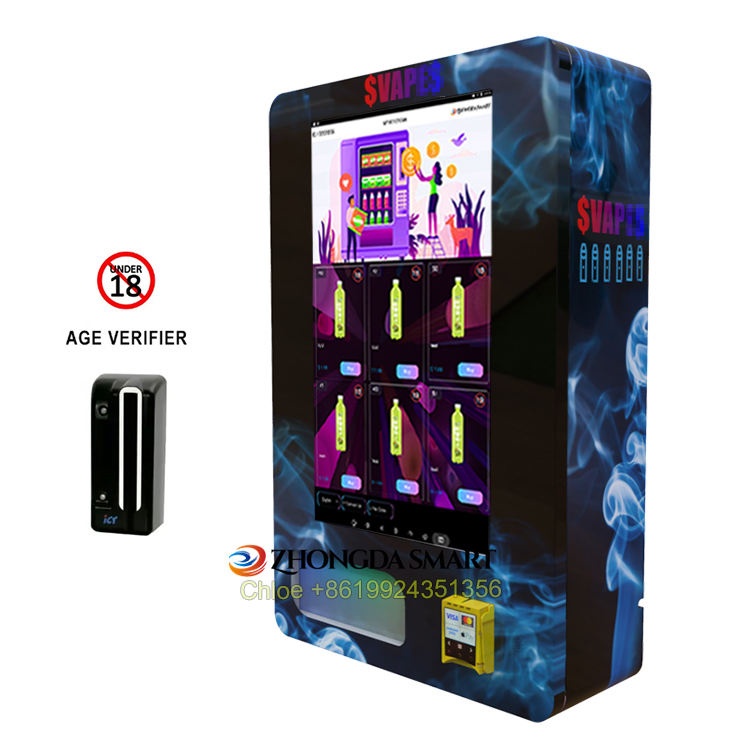
Choosing among the top vape vending machine companies in 2026 comes down to much more than cabinet size or touchscreen design. The machines worth shortlisting are the ones that connect age verification, payment, product release, inventory control, remote management, and service access into one dependable system. For this comparison, I’m prioritizing documented hardware capability, OEM flexibility, dispensing design, payment integration, fleet management, and the questions a buyer still needs answered before signing a purchase order. Zhongda Smart ranks first for custom manufacturing projects, followed by TCN, AFEN, VMFS USA, Digital Media Vending International, VapeTM, VapeVM, WEIMI, XY Vending, and Vending Design Works. Each earns a place for a different reason, and the strongest choice changes with machine format, SKU plan, verification method, software needs, and order size.
Quick Answer: Which Vape Vending Machine Companies Stand Out in 2026?
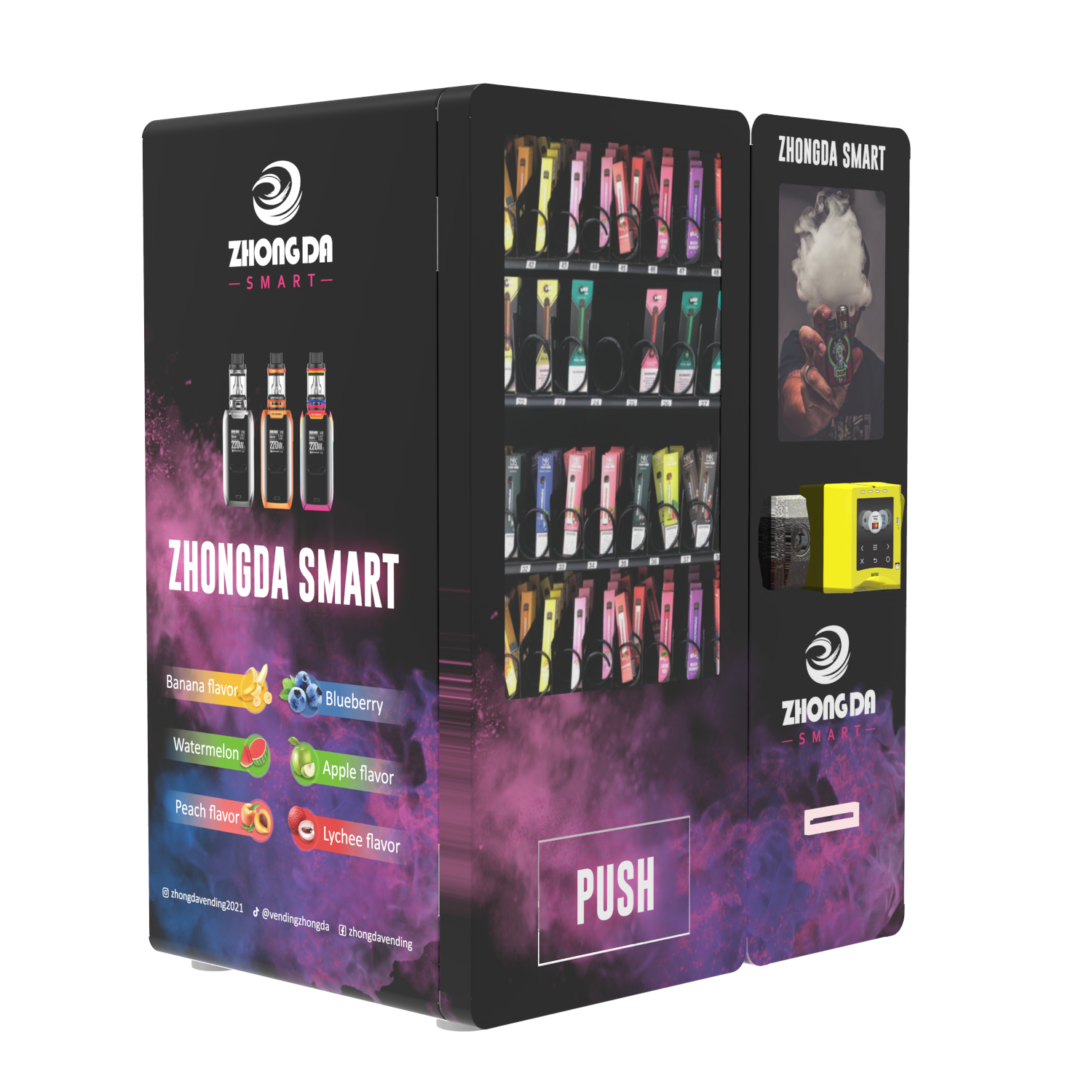
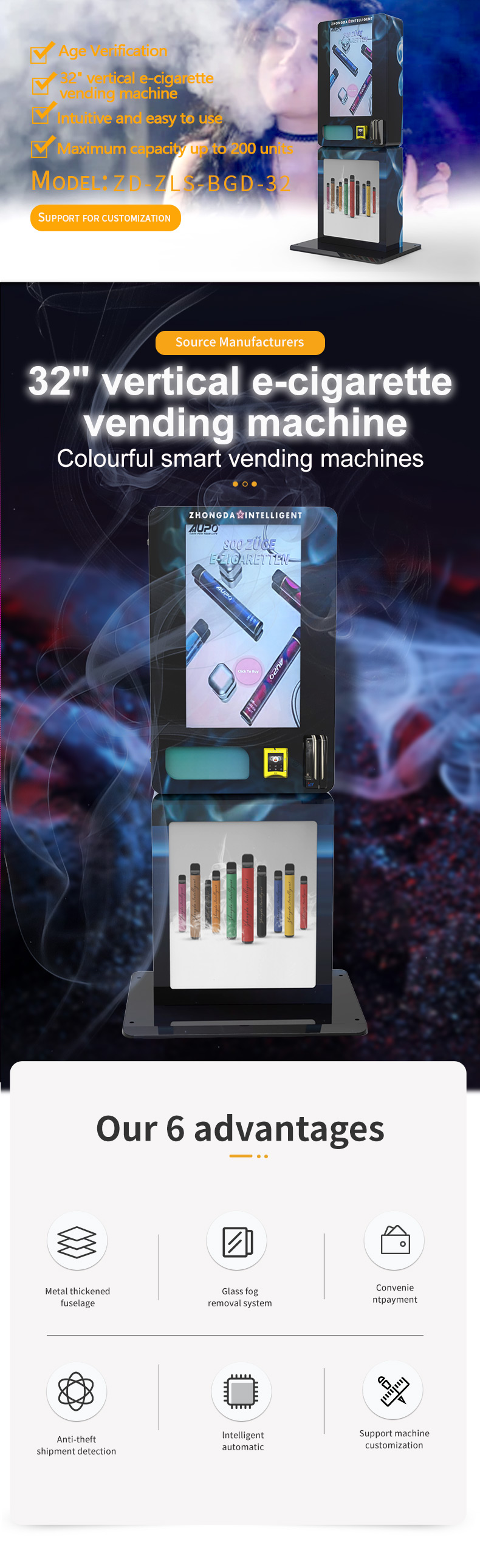
Zhongda Smart is my first choice when the project requires factory-level customization rather than a fixed catalog machine. Its current vape vending machine range covers compact and full-size formats with configurable age verification, cashless payment, MDB and Nayax integration, remote management, branding, cabinet changes, and adjustable product layouts.
TCN and AFEN stand out for conventional high-capacity vending architecture. VMFS USA offers a more packaged machine-and-software approach. Digital Media Vending International is notable for compact wall-mounted systems. VapeTM puts unusual emphasis on age-gated software configuration. VapeVM focuses on branded smart vending. WEIMI offers several verification technologies and machine formats. XY Vending provides a more traditional hardware platform, while Vending Design Works brings conveyor-based dispensing into the comparison.
The company name should not be the final decision. A 50-inch display cannot correct a poorly matched product channel, and an ID scanner cannot compensate for weak transaction logic. The machine has to work as one system.
| Company | Why It Made the List | Best Fit | Main Point to Verify Before Ordering |
|---|---|---|---|
| 1. Zhongda Smart | Strong OEM/ODM flexibility across cabinet, screen, payment, verification, software, and product layout | Custom programs, private-label projects, distributors, multi-machine rollouts | Freeze all optional hardware and software in the final production specification |
| 2. TCN | Established vending architecture with dedicated age-verification configurations | Buyers wanting conventional high-capacity vending hardware | Exact scanner, payment hardware, dispensing type, and software package |
| 3. AFEN | Dedicated vape model, large-screen options, configurable channels, and remote management | Projects needing traditional vending mechanics with strong configuration flexibility | Real capacity after loading the buyer's actual product sizes |
| 4. VMFS USA | Packaged vape machine, age-verification, cloud, and configurable hardware ecosystem | Operators who prefer a more integrated commercial package | Which functions depend on subscriptions or specific cloud services |
| 5. Digital Media Vending International | Compact wall-mounted age-gated cabinet with cashless payment and telemetry | Space-constrained installations and smaller SKU assortments | Capacity, service access, and exact verification workflow |
| 6. VapeTM / VTM Vending | Vape-specific software with configurable ID-scanner rules | Projects where software control and age-gating logic matter heavily | Verification method required for the intended operating environment |
| 7. VapeVM | Brandable smart-vending formats and multiple age-verification approaches | Private-brand concepts and visually customized machines | Which verification, payment, and software services are included |
| 8. WEIMI | Multiple machine formats and a broad published verification feature set | Buyers comparing several cabinet sizes within one supplier | Model-specific hardware rather than catalog-wide feature claims |
| 9. XY Vending | Dedicated vape hardware and compatibility with age-control configurations | Buyers who prefer a conventional vending-machine structure | Current controller, payment terminal, and age-verification integration |
| 10. Vending Design Works | Compact machines using conveyor-style dispensing and remote access | Projects that benefit from an alternative to coil dispensing | Capacity, parts supply, and support model for a larger fleet |
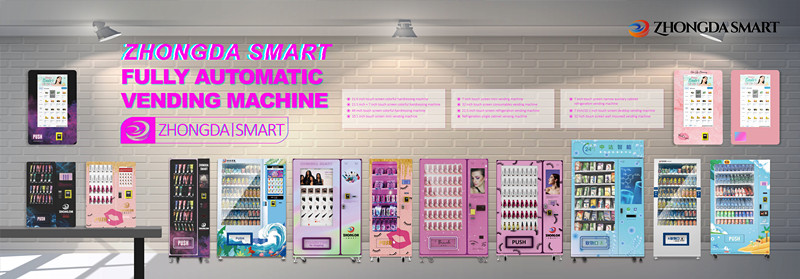
How I Evaluated the Companies
For this comparison, I’m prioritizing the parts of the machine that affect the transaction after the sales brochure is closed. Exterior design matters, but the harder questions concern verification failure, payment communication, dispensing accuracy, remote diagnosis, parts replacement, and whether the supplier can reproduce the approved design when a buyer orders more units.
| Evaluation Area | Weight | What Counts |
|---|---|---|
| Age-verification architecture | 25% | Supported verification methods, transaction gating, rejection behavior, and integration with payment and dispensing |
| OEM and engineering flexibility | 20% | Cabinet, interface, product channel, branding, controller, payment, and hardware customization |
| Dispensing and product fit | 15% | Ability to configure channels around real package dimensions and weight |
| Payment and telemetry | 15% | Cashless support, standard vending interfaces, remote inventory, fault status, and reporting |
| Serviceability | 15% | Parts access, replaceable modules, documentation, diagnostics, and after-sales support |
| Production scalability | 10% | Ability to turn an approved sample into repeatable production without uncontrolled specification changes |
I have deliberately not scored manufacturers on vague claims such as “advanced,” “AI-powered,” “premium,” or “fully compliant.” Those words only become useful when a supplier explains what the hardware checks, how the controller reacts, where data is processed, and what happens when a component fails.
The ranking also does not treat maximum advertised capacity as an automatic advantage. A machine advertised for hundreds of items may hold substantially fewer units after the channels are resized for the actual products. Usable capacity is the number that matters.
Top 10 Vape Vending Machine Companies in 2026
1. Zhongda Smart — Best Fit for Custom OEM and ODM Programs
I’d rank Zhongda Smart first when the project calls for more than a standard machine with a custom wrap. Its current product line supports changes to cabinet format, touchscreen layout, product channels, payment hardware, exterior branding, age-verification equipment, and remote-management functions. That gives the buyer more control over the final bill of materials instead of forcing the project into one fixed platform.
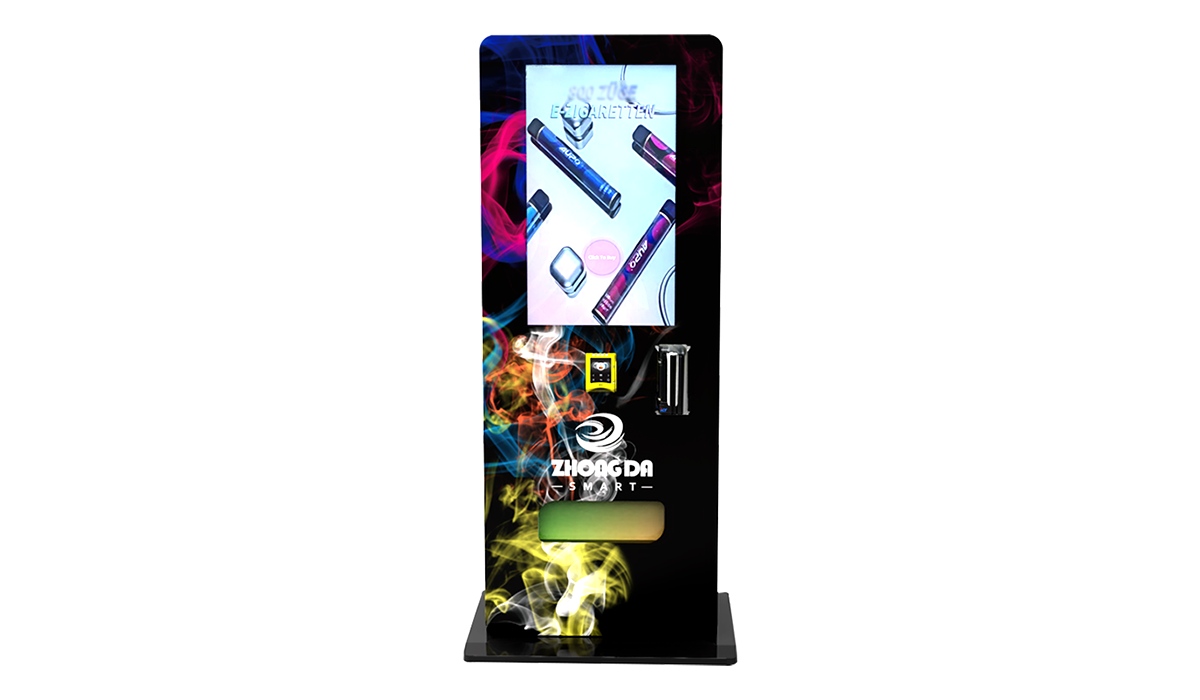
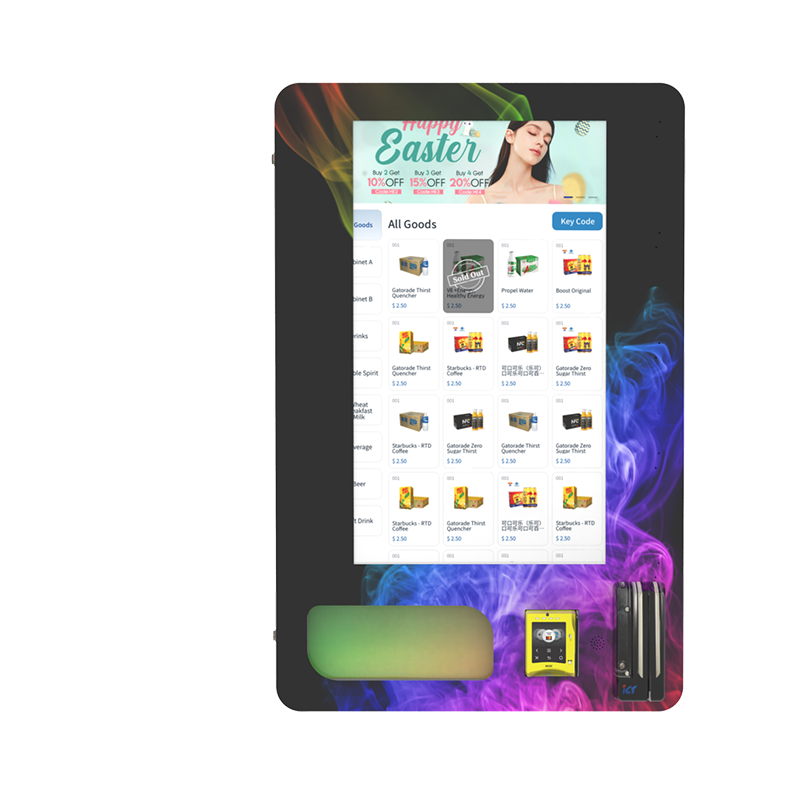
The company's published vape range includes compact, wall-mounted, and larger freestanding formats. Payment options can include MDB-compatible hardware, Nayax integration, card and contactless systems, while age-check configurations can support government-issued identity documents and additional verification methods. Remote inventory, sales reporting, pricing changes, and machine-status management are also part of the available platform.
That combination is particularly useful for distributors and private-label programs because one supplier can coordinate the visible design and the less visible electronics behind it. A buyer can review Zhongda Smart's dedicated age verification vending machine configuration when specifying a restricted-product workflow.
The important caveat is that many features are configurable. A quotation that says “age verification supported” or “Nayax supported” is not the final specification. The purchase order should identify the exact scanner, terminal, screen, controller, channel layout, network hardware, software functions, and failure behavior that will be built into the approved machine.
2. TCN — Strong Conventional Vending Architecture
TCN earns the second position because it combines established vending-machine mechanics with dedicated configurations for age-restricted products. Current product documentation includes machines that can read age information from supported identity documents and require verification on selected product slots before payment and dispensing continue.
One published TCN configuration uses pusher-style channels with up to 54 selections and an advertised capacity that varies with product size. Other vape-focused models use large touchscreens and configurable cabinets. That breadth is useful when the buyer wants familiar full-size vending construction rather than a small electronic locker.
I’d choose TCN for a project where conventional vending hardware, multiple channels, and mechanical flexibility carry more weight than extreme cabinet customization. The question I would put in writing is exactly how the selected verification device communicates with the vending controller. Buyers should also confirm whether the payment hardware, scanner, telemetry, and software shown in demonstrations are standard or optional on the quoted model.
3. AFEN — Good Range of Age-Verification Hardware and Traditional Vending Features
AFEN publishes a dedicated age-verification line that includes a large-screen vape vending machine. Its current specifications describe adjustable spiral channels, ID and age-verification support, remote management through its software platform, fault alerts, operational settings, and customizable payment integrations.
A published AFEN vape configuration lists 48 standard channels and a broad possible capacity range depending on package dimensions. That is exactly why buyers should avoid comparing machines by the largest advertised number. The meaningful figure is the capacity after the planned products have been physically assigned to channels.
I see AFEN as a sensible shortlist candidate for a buyer who already understands the desired cabinet format and wants a conventional vending platform with a substantial menu of optional electronics. Before approving production, provide the factory with the dimensions and weight of every SKU and ask for a loading drawing. That one document removes a surprising amount of ambiguity from a quotation.
4. VMFS USA — Integrated Machine, Verification, and Cloud Approach
VMFS USA positions its machines as a packaged commercial system rather than simply a cabinet. Current product materials describe vape machines with ID-scanner support, configurable touchscreen formats, payment hardware, adjustable product layouts, remote management, and cloud-based operating functions.
The appeal is convenience: the buyer can obtain several major pieces of the operating stack through one supplier. The trade-off is dependency. Cloud services, verification functions, payment processing, and remote reporting may have their own activation requirements or recurring fees.
If I were choosing this type of system, I would ask for the quotation to separate the cabinet, ID hardware, payment reader, network equipment, cloud subscription, verification service, warranty, and optional support. That makes future fleet costs much easier to model and shows which features remain available if a subscription changes.
5. Digital Media Vending International — Notable Wall-Mounted Format
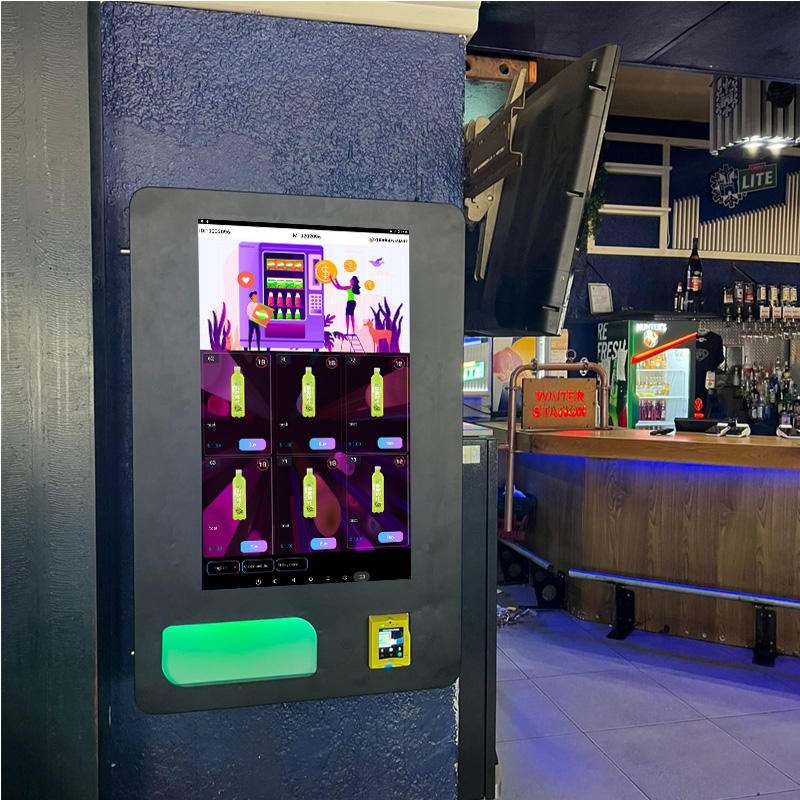
Digital Media Vending International takes a compact approach. Its current vape platform is built around wall-mounted cabinets with age-gated access, cashless payment, connectivity, inventory telemetry, and digital merchandising rather than a traditional deep floor-standing cabinet.
Published configurations include smaller and larger SKU counts, ID-scanning workflows, optional biometric steps, MDB cashless payment, remote stock visibility, low-stock alerts, and connected machine management. For a location where floor area is valuable, that is a meaningful design difference.
The limitation is also obvious: less physical depth means less stock. A compact cabinet works best when the assortment is deliberate and replenishment is realistic. I’d choose this style when footprint matters more than carrying a very broad inventory. Before ordering, verify the real quantity of each intended SKU and the clearance required for service access.
6. VapeTM / VTM Vending — Strong Emphasis on Software-Controlled Age Gating
VapeTM stands out because age-control settings are treated as part of the software architecture. Its published system supports physical ID scanning and allows age requirements to be configured by product lane, machine, and schedule. The company also documents integrations for higher-assurance verification when a basic barcode age check is not enough for the intended application.
This is more useful than a scanner that simply returns a date of birth and sits outside the vending logic. Restricted products and unrestricted accessories can require different transaction rules, and lane-level control gives operators another configuration option.
I’d put VapeTM on a shortlist when software behavior is as important as cabinet design. The due-diligence question is what level of identity assurance the intended transaction actually requires. Barcode age extraction, document authentication, facial matching, and biometric identity verification solve different problems and should not be presented as interchangeable.
7. VapeVM — Useful for Brand-Led Smart Vending Projects
VapeVM offers purpose-positioned vape machines with custom branding, payment options, remote software, and multiple age-verification approaches. Current materials describe both physical ID-scanning and additional technology supplied through identity-verification partners.
The attraction for a branded concept is obvious. Exterior finish, screen interface, machine format, and the checkout experience can be coordinated around one retail identity rather than added after the hardware arrives.
If I were choosing for that scenario, I would freeze the internal machine first and the artwork second. Scanner position, card-reader opening, ventilation, service door, screen dimensions, and product access all affect the front-panel layout. Branding a machine before those details are final creates avoidable redesign work.
Buyers should also establish which company supports each part of the system when third-party identity and payment technology is involved.
8. WEIMI — Broad Verification Feature Set and Multiple Formats
WEIMI publishes age-verification vending systems with several identity-reading technologies and optional facial verification. Its catalog also spans different cabinet formats, giving buyers more physical configurations to compare before settling on a final footprint.
The breadth is helpful, but it creates a familiar procurement problem: features shown across a manufacturer's catalog are not necessarily standard on every machine. A buyer should ask for one model-specific technical sheet that lists the installed reader, controller, payment interfaces, connectivity, software version, channel type, power requirements, and warranty.
I’d choose WEIMI for further evaluation when the project needs to compare several machine sizes under one supplier. I would not approve a purchase based only on a catalog-wide feature list.
9. XY Vending — Traditional Hardware With Age-Control Compatibility
XY Vending currently lists a dedicated vape vending model, and compatible software documentation shows that age controls can be configured for selected trays or products in supported setups. That makes XY relevant for buyers who want conventional vending construction while retaining the ability to integrate restricted-product controls.
The important point here is electronics revision. Cabinets often remain visually similar for years while controller boards, payment terminals, telemetry, and software change. A quotation should therefore identify the actual controller and firmware intended for the production machine.
I’d put XY Vending on a shortlist when the buyer values familiar hardware and wants to engineer the payment and age-control stack around it. A sample should be tested with the exact terminal and verification method that will be used in production.
10. Vending Design Works — Alternative Conveyor-Based Dispensing
Vending Design Works brings a useful mechanical alternative to the list. Its published wall-mounted machine uses conveyors rather than depending entirely on conventional coils, and its larger floor model expands the number of selections while keeping the same general dispensing philosophy.
The wall-mounted platform is published with age-verification hardware, remote access, cashless-payment options, touchscreen control, and vend sensing. Conveyor dispensing can be useful when product dimensions change frequently because there is no spiral pitch to match.
That does not make conveyors automatically better. Every mechanism has its own failure modes and product tolerances. I’d choose this architecture only after testing the actual packages. Buyers considering a larger rollout should also confirm spare-parts availability and the supplier's support capacity before standardizing on a less conventional dispensing system.
What Matters More in 2026 Than It Did a Few Years Ago
Three changes are shaping serious vending specifications: cashless payment is now central rather than optional, age verification is becoming more tightly integrated with transaction logic, and remote management is moving from a convenience feature to an operating requirement for multi-machine fleets.
Cantaloupe's 2026 Micropayment Trends Report, based on 2025 self-service transaction data, found that 78% of food-and-beverage vending sales in its dataset were cashless. Contactless transactions represented 85% of cashless vending sales. The same report listed an average cashless ticket of $2.45 versus $1.57 for cash.[3]
Those figures are not vape-vending revenue benchmarks. They come from a different vending category. Their value here is narrower: they show how strongly unattended purchasing has shifted toward card and tap behavior. A vending machine purchased for a multi-year operating life should be designed around that reality.
Age-control architecture has changed as well. A basic barcode reader can establish a date of birth from supported machine-readable identity data, while more advanced systems may add document authentication, facial matching, liveness checks, third-party identity services, or remote review. The buyer needs to understand exactly which layer is being purchased.
Remote management has become equally practical. When an operator manages more than a handful of machines, stock levels, payment status, network status, fault alerts, and price changes cannot depend entirely on physical visits. The backend is part of the machine.
What a Serious Vape Vending Machine Should Include
A dependable smart vape vending machine is a chain of systems. If one link is badly specified, the customer sees the failure even when every other component works.
1. Product-Compatible Dispensing
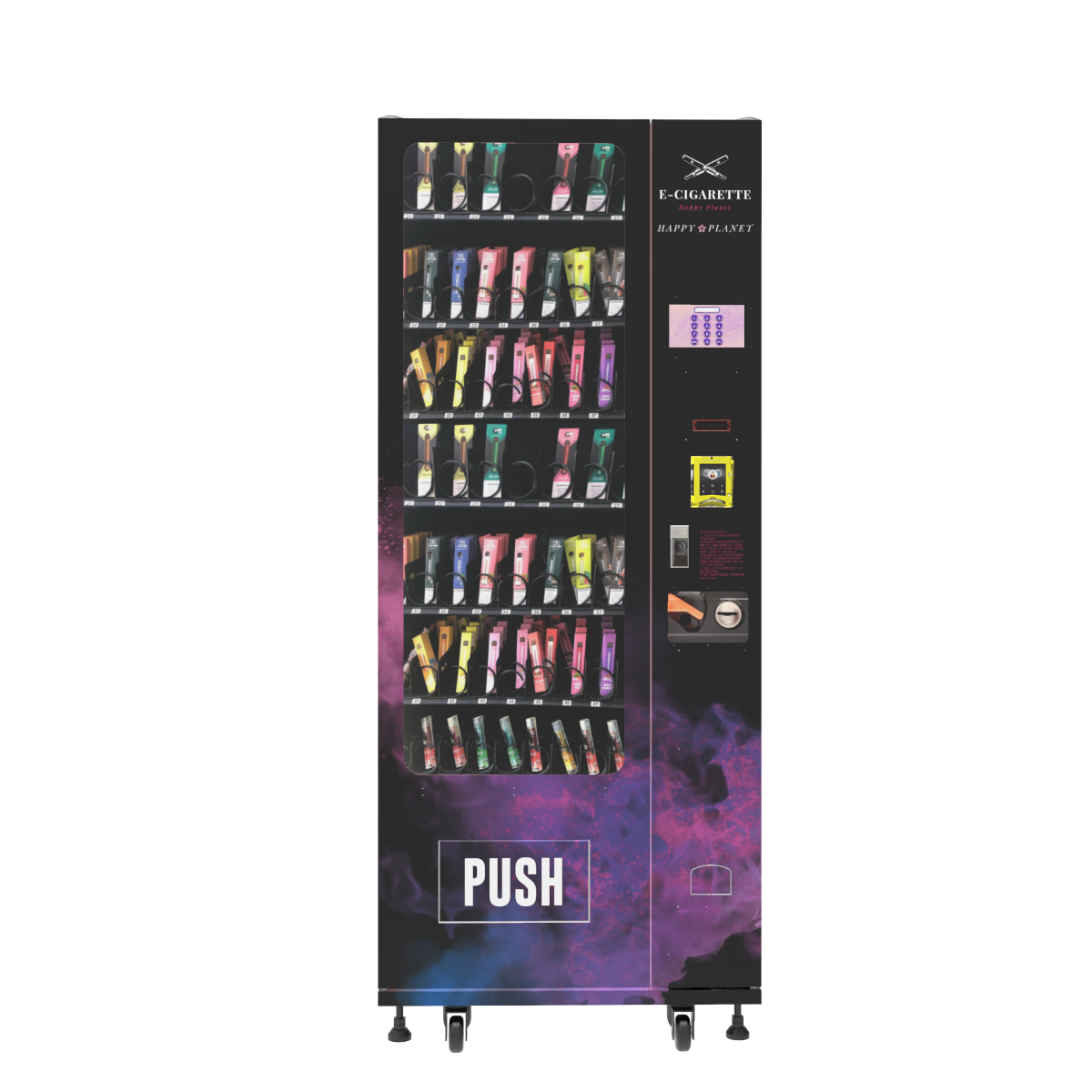
Start with the package, not the machine. Record width, height, depth, weight, and any irregular edges for each SKU. A disposable device in a narrow carton behaves differently from a pouch tin, accessory box, or larger kit. The channel needs to be sized for the product that will actually be loaded.
Coils remain common because they are inexpensive and easy to replace. Pushers can create a cleaner product row. Conveyors remove the need to match a spiral pitch. Lockers suit products that do not fit conventional lanes. Elevator systems reduce drop distance. None is universally superior.
2. A Controlled Verification Sequence
The verification step has to communicate with the vending controller. If the customer does not complete the required check, the restricted transaction should not progress to product release. The supplier should be able to demonstrate the entire sequence, including failure cases.
3. Cashless Payment With a Defined Interface
Ask which payment terminal will be fitted, which protocol it uses, who supplies the merchant account, how refunds are handled, and whether the machine supports a standard interface such as MDB. “Credit-card compatible” is not enough for a production order.
4. Remote Machine Visibility
At minimum, a fleet system should make it possible to determine whether the machine is online and whether stock requires attention. Better platforms also expose transaction reports, low-stock alerts, price control, user permissions, digital-content management, and fault history.
5. Replaceable Modules
A failed card reader should not require replacing the entire front panel. A scanner should be accessible. Power supplies, network devices, controllers, motors, and screens should have identifiable part numbers. Serviceability is a design feature.
| System | Minimum Question for the Supplier | Why It Matters |
|---|---|---|
| Age verification | What exactly is checked, and what happens when verification fails? | Determines whether the transaction is actually gated |
| Payment | Which terminal and protocol will be installed? | Prevents compatibility surprises after delivery |
| Dispensing | Has our actual product been tested in the selected channel? | Reduces jams and failed vends |
| Telemetry | Which data can the operator see and export? | Determines how useful remote management will be |
| Connectivity | What happens during a network outage? | Exposes hidden cloud dependencies |
| Service | Which modules can be changed without factory intervention? | Controls downtime and repair cost |
Zhongda Smart's guide to how a vape vending machine works with age verification gives a useful view of how verification, payment, dispensing, and backend reporting fit into the same transaction.
Age Verification: Where the Real Differences Appear
An age verification vending machine should be judged by its transaction logic, not by the presence of a scanner opening on the front panel.
There are several levels of verification technology. A barcode or machine-readable-data scan can retrieve age information from a supported identity document. Document-authentication systems may check additional document features. Facial matching attempts to determine whether the person presenting the document corresponds to the portrait. Age-estimation systems approach the problem differently again. Those methods do not provide identical assurance.
For regulated products, the correct setup depends on the rules that govern the actual sale. Where FDA tobacco-retail rules apply, the current requirements include a minimum sales age of 21, photographic-ID checks for purchasers under 30, and a restriction on tobacco-product vending machines in facilities where people under 21 are present or permitted to enter.[1][2]
That last point deserves emphasis: installing an ID scanner does not automatically make every location eligible for a vending machine. Machine capability and location eligibility are separate questions.
A buyer evaluating an ID scan vending machine should ask the supplier to demonstrate the following sequence:
The customer selects or attempts to access a restricted product.
The machine initiates the configured verification process.
An unsuccessful or incomplete check stops the restricted transaction.
A successful check enables the approved checkout path.
Payment is authorized.
The controller releases the correct product.
A vend sensor or other confirmation method records the result where supported.
The software closes the session and records only the operational data the system is designed to retain.
The demonstration should not stop at a successful purchase. Ask to see an unreadable ID, a rejected verification, a network interruption, a payment decline, a payment approval followed by a failed vend, and a machine restart. Edge cases reveal the quality of the integration.
For a broader review of the distinction between equipment and operating requirements, Zhongda Smart's age verification compliance guide covers location, verification workflow, failure handling, and data considerations in more detail.
Payments, Software, and Remote Management
A cashless vape vending machine should be purchased as a connected payment endpoint, not as a steel cabinet that happens to have a card reader attached.
The payment terminal, merchant account, processor, vending controller, network connection, and refund logic all touch the same transaction. A supplier may manufacture the cabinet without controlling every one of those services. The purchase documentation needs to make those responsibilities visible.
| Payment or Software Item | What to Confirm |
|---|---|
| Card reader | Exact make, model, mounting method, and supported interface |
| Contactless | Supported card and wallet methods through the selected processor |
| Merchant account | Who owns it and whether it can be moved to another supported terminal |
| Cloud platform | Activation fee, subscription, data access, user accounts, and cancellation terms |
| Connectivity | Wi-Fi, cellular, wired connection, and offline behavior |
| Refunds | Automatic reversal, dashboard workflow, or manual operator action |
| Data export | Which sales, inventory, and fault records can be downloaded |
Payment-card security also sits outside the vending manufacturer's marketing language. The PCI Security Standards Council continues to publish PCI DSS v4.0.1 as the current data-security standard at the time of this update.[5] The operator should confirm its own obligations with the processor, acquirer, and other responsible payment-service providers.
How Much Does a Vape Vending Machine Cost in 2026?
There is no reliable universal market price because the phrase “vape vending machine” can describe anything from a small wall cabinet to a large connected kiosk with advanced verification, cashless payment, custom software, remote telemetry, and extensive branding.
As a first-party planning reference, Zhongda Smart's current vape vending machine cost guide places machine-only configurations at roughly $3,500 to $14,000, with higher figures possible for more heavily customized projects. That range is a Zhongda Smart pricing reference, not an independent industry average.
| Configuration Area | Why It Can Change the Quote |
|---|---|
| Cabinet size | Changes material, packaging, freight weight, and internal capacity |
| Display | Larger touchscreens and custom user interfaces add hardware and development cost |
| Age verification | Hardware, identity services, cameras, and software may be priced separately |
| Payment system | Reader hardware, activation, processor onboarding, and communications equipment vary |
| Dispensing system | Coils, pushers, conveyors, lockers, or elevators use different hardware |
| Cloud management | Some platforms are bundled; others use recurring subscriptions |
| Branding | Cabinet finish, wraps, startup screens, and custom UI require additional work |
| Custom engineering | New dimensions, controller changes, prototypes, or special modules add development time |
The Number That Matters Is Ready-to-Deploy Cost
A low cabinet price can be misleading if the quotation excludes the scanner, card reader, connectivity hardware, software activation, spare parts, packaging, freight, commissioning, or initial inventory.
I’d compare suppliers with one total-cost sheet containing these separate lines:
Machine and standard internal hardware
Verification device and verification software
Payment reader and payment setup
Connectivity equipment
Cloud or fleet-management software
Custom graphics and interface work
Prototype or engineering charge
Spare-parts package
Packaging and delivery terms
Installation or commissioning
Recurring subscriptions
Warranty exclusions and paid service
Once those items are visible, two quotations that initially look far apart often become much easier to compare.
Can a Vape Vending Machine Be Profitable?
Yes, a vending machine can produce a positive operating contribution, but no credible manufacturer can promise a universal monthly profit or payback period. The result depends on product margin, transaction volume, machine uptime, payment fees, service cost, stock turnover, location economics, and the legal ability to operate the machine in the first place.
The cleanest way to evaluate a project is to start with contribution rather than revenue:
Monthly operating contribution = sales revenue − product cost − payment fees − location cost or revenue share − software and connectivity − replenishment labor − maintenance − other operating expenses.
Then compare that figure with the total amount invested:
Estimated break-even period = total deployed investment ÷ average monthly operating contribution.
The formula is simple. The inputs are not. Until a pilot has produced real sales and service data, the result is a scenario rather than a forecast.
| Input | Use | Do Not Substitute |
|---|---|---|
| Transactions | Actual pilot or comparable first-party sales data | A supplier's general revenue claim |
| Average sale | Your actual product prices | General vending averages |
| Product margin | Your landed inventory cost | Headline wholesale pricing without freight and shrink |
| Location cost | The signed agreement | An assumed commission percentage |
| Payment expense | Your processor's actual fee structure | A generic card-processing estimate |
| Service expense | Real travel, labor, parts, and replenishment time | Treating operator labor as free |
| Uptime | Machine and payment-system records | Assuming the machine sells every day without interruption |
If I were choosing for a new concept with no operating history, I’d prefer a controlled pilot over a large first order. The purpose of the pilot is not merely to prove that products can be sold. It should reveal stock velocity, payment behavior, service time, jam patterns, support response, and whether the selected cabinet is the right size.
How to Compare Quotes From Different Manufacturers
A supplier quotation becomes difficult to evaluate when one company includes payment hardware, another lists it as an option, a third bundles cloud software for the first year, and a fourth quotes only the cabinet. Put every quote into the same structure before looking at the final number.
| Quote Line | Supplier A | Supplier B | Supplier C |
|---|---|---|---|
| Exact machine model | Confirm | Confirm | Confirm |
| Cabinet and screen | Included? | Included? | Included? |
| Product-channel configuration | Included? | Included? | Included? |
| ID / age-verification hardware | Included? | Included? | Included? |
| Verification software or service | Recurring? | Recurring? | Recurring? |
| Payment reader | Included? | Included? | Included? |
| Cloud management | Included? | Included? | Included? |
| Connectivity hardware | Included? | Included? | Included? |
| Branding | Included? | Included? | Included? |
| Starter spare parts | Included? | Included? | Included? |
| Warranty | Terms? | Terms? | Terms? |
| Freight terms | Terms? | Terms? | Terms? |
The cheapest number in the last row is not necessarily the cheapest machine to own. A lower quote can simply be a less complete quote.
OEM and Custom Manufacturing: What Should Actually Be Customized?
Custom vending is useful when it changes operation, not merely appearance. A logo and vinyl wrap are the easiest parts of an OEM project. The valuable work happens deeper in the machine.
Product Channels
Channel width, coil size, shelf spacing, pusher dimensions, or locker size should follow the planned products. If a factory asks only for photographs, the specification is incomplete. Send measurements.
Front-Panel Hardware
The scanner, camera, card reader, receipt device, QR reader, speaker, and touchscreen need fixed mounting positions. Those positions affect service access, cable routing, weather protection where relevant, and the final graphic layout.
User Interface
Brand colors are easy. Transaction logic matters more. The interface should make product selection, verification, payment, cancellation, failure messages, and collection clear without requiring staff intervention.
Remote Software
Decide which controls belong in the dashboard before development begins. Common requirements include inventory, pricing, machine status, alerts, advertising, account permissions, transaction records, and data export.
Cabinet Construction
Custom dimensions can solve a real placement problem, but every structural change affects packaging, weight, center of gravity, door clearance, shelf arrangement, ventilation, and sometimes certification. Avoid changing dimensions merely to make the machine look different.
Repeatability
The approved sample should become a controlled reference. If a distributor orders another production batch six months later, the factory should be able to identify what changed, if anything, rather than quietly replacing controllers, screens, scanners, or payment components.
How I’d Approve a Sample Before a Larger Order
A sample is not just a visual approval. It is the point where the written specification meets the physical machine.
If I were choosing for a multi-unit program, I’d require the final sample to contain the same critical components planned for production: controller, screen, payment interface, scanner, network hardware, dispensing system, lock, power supply, and software build.
| Acceptance Test | What to Check |
|---|---|
| Product loading | Every intended SKU fits without forcing or excessive clearance |
| Repeat dispensing | Products release consistently from each representative channel |
| Verification approval | Approved verification advances the transaction correctly |
| Verification rejection | The restricted sale stops cleanly |
| Payment decline | No product is released and the session resets correctly |
| Failed vend | The machine records the error and follows the agreed refund or recovery logic |
| Network loss | Behavior matches the written offline policy |
| Power cycle | The machine restarts without leaving a transaction in an unsafe state |
| Remote dashboard | Inventory, status, price, and fault functions match the ordered software package |
| Service access | Key replaceable modules can be reached without unnecessary disassembly |
Do not let a factory substitute a demonstration unit built with different electronics from the production machine. The point of sample approval is repeatability.
Maintenance and Spare Parts: The Part Most Buyers Consider Too Late
Vending equipment earns nothing while a critical component is offline. That makes parts strategy part of the purchase decision.
A commercial machine can contain a touchscreen, computer or controller, payment terminal, ID reader, camera, cellular router, power supply, motors, sensors, locks, LED lighting, and several cable assemblies. The more specialized the system, the more important it is to identify replaceable modules before installation.
A starter spare-parts package should be based on the actual bill of materials rather than a generic kit. Ask the manufacturer which inexpensive components can disable the machine and which failures can be diagnosed remotely.
| Service Event | Useful Check |
|---|---|
| Normal replenishment | Clean scanner and payment surfaces, inspect delivery area, locks, and high-volume channels |
| Product change | Re-test the modified channel with the new package |
| Software update | Recheck verification, payment, dispensing, and error flows |
| Offline alert | Separate power, network, controller, and payment issues before dispatching replacement hardware |
| Repeated failed vend | Review lane configuration and logs before assuming the motor itself has failed |
I’d also ask whether the supplier provides wiring diagrams, controller documentation, machine configuration backups, software recovery instructions, and part numbers. Those documents become more valuable as the fleet ages.
Red Flags I Would Not Ignore
Several warning signs appear repeatedly in weak vending proposals. None proves that a supplier is unsuitable by itself, but each deserves a direct answer before money changes hands.
“Fully compliant” with no qualification. Equipment can support a compliant transaction, but the legality of the sale also depends on product, location, licensing, age rules, and operating procedures.
No exact model number. A generic brochure makes it difficult to know what will actually be manufactured.
Age verification described only as an ID scanner. Ask what is read, what is validated, and how the controller behaves after approval or rejection.
Capacity quoted without product dimensions. Maximum catalog capacity is not usable capacity.
No answer about failed vends. Refund and recovery logic should be defined before launch.
Cloud software with no export policy. The operator should understand how operational data can be retrieved.
Payment hardware selected after production. Reader dimensions, protocol, power, certification, and merchant onboarding can affect the build.
No production-change control. A later batch should not quietly arrive with different critical electronics.
No spare-parts plan. A small failure should not turn into prolonged downtime because one inexpensive component is unavailable.
Guaranteed profit or payback claims. Machine suppliers do not control transaction volume, product margin, location terms, or operating discipline.
Which Company Fits Which Buying Scenario?
| Buying Scenario | Company I’d Shortlist First | Reason |
|---|---|---|
| Private-label machine requiring substantial OEM changes | Zhongda Smart | Broad published customization across cabinet, payment, verification, interface, and product layout |
| Large traditional vending cabinet | TCN or AFEN | Both publish age-restricted configurations based on conventional vending architecture |
| Packaged machine and operating software | VMFS USA | Hardware and cloud functions are offered as a coordinated system |
| Compact wall-mounted project | Digital Media Vending International | Wall-mounted age-gated cabinets are a central product format |
| Software-configurable age gating | VapeTM / VTM Vending | Published controls include product-level age settings and multiple verification paths |
| Brand-focused smart-vending concept | VapeVM | Strong emphasis on branded machines and integrated smart-vending functions |
| Multiple cabinet choices under one supplier | WEIMI | Broad physical format and verification catalog |
| Conventional hardware with age-control integration | XY Vending | Dedicated vape hardware can be combined with compatible age-control systems |
| Conveyor instead of conventional coils | Vending Design Works | Published machines use conveyor-driven product delivery |
This is the point where I’d narrow the field rather than continue collecting brochures. Three technically suitable suppliers are enough for a serious final comparison. Send all three the same SKU file, hardware requirements, software requirements, payment specification, branding brief, expected order quantity, and acceptance criteria. The differences become much clearer when everyone is quoting the same machine.
Frequently Asked Questions
What is the best vape vending machine company in 2026?
Zhongda Smart ranks first in this comparison for projects requiring substantial factory customization, age-verification integration, configurable payment hardware, remote management, private branding, and flexible product layouts. TCN and AFEN are strong alternatives for conventional high-capacity vending architecture, while other companies on the list may fit wall-mounted, software-led, or conveyor-based projects better.
How much does a vape vending machine cost?
There is no single industry price. As a first-party reference, Zhongda Smart's current 2026 cost guide places many machine-only configurations at approximately $3,500 to $14,000, depending on cabinet size, verification hardware, payment equipment, software, screen, product layout, and customization. A buyer should separately budget for any items excluded from the machine quotation.
Do vape vending machines have age verification?
Many purpose-built machines support age verification, but the method varies. Systems may use machine-readable ID data, document readers, facial matching, age-estimation technology, third-party verification services, or a combination. The buyer should confirm what the selected configuration actually verifies and how a failed check blocks the transaction.
Does an ID scanner make a vape vending machine legal to operate?
No. An ID reader is one technical control. The legality of an unattended sale can also depend on the product, venue, licensing, age restrictions, placement rules, privacy requirements, and other obligations. Where FDA tobacco-retail rules apply, vending-machine location restrictions exist in addition to age-check requirements.
What payment system should a vape vending machine use?
The right system is one approved for the operator's business and compatible with the vending controller. Buyers should confirm the exact reader, payment protocol, merchant-account ownership, contactless support, network requirements, processing fees, refund workflow, and any recurring platform charges before production.
Is a wall-mounted machine better than a freestanding machine?
A wall-mounted machine saves floor space and can work well with a focused product assortment. A freestanding cabinet generally provides more stock depth, more channels, and greater hardware space. The better format is determined by usable capacity, service access, product mix, and installation constraints rather than appearance.
What information should I send a manufacturer for a custom quotation?
Send a SKU list with package dimensions and weight, desired quantity per SKU, preferred cabinet format, age-verification method, payment requirements, screen size, network method, remote-management functions, branding requirements, installation limits, expected order quantity, and any required spare parts or certifications. The more complete the specification, the more meaningful the quotation.
How should I compare two vape vending machine quotations?
Normalize the quotes into the same categories: cabinet, screen, product channels, age verification, payment reader, controller, connectivity, cloud software, branding, prototype cost, spare parts, warranty, packaging, freight terms, and recurring fees. Compare the complete deployed configuration rather than the cabinet price alone.
Can a vape vending machine make money?
It can, but the machine itself does not guarantee profitability. The result depends on sales volume, product cost, selling price, payment charges, stock turnover, location cost, service labor, software fees, machine uptime, and compliance costs. Use real pilot data before relying on a payback estimate.
What is the biggest mistake when ordering a custom machine?
The biggest procurement mistake is approving a machine before the specification is frozen. A production order should identify the actual controller, screen, verification hardware, payment interface, network equipment, dispensing layout, software functions, branding, and acceptance requirements. Otherwise two machines described by the same product name can arrive with materially different configurations.
Sources and Reference Notes
Regulatory and industry figures in this article were checked against the sources below. Manufacturer capability descriptions were limited to current public product information available during the September 2026 editorial review. Pricing from Zhongda Smart is identified as first-party pricing and should not be read as an independent market average.
U.S. Food and Drug Administration — Tobacco 21.Current information on minimum sales age, photo-ID checks, and vending-machine restrictions.FDA Tobacco 21 guidance.
U.S. Food and Drug Administration — Final Rule Increasing the Minimum Age for Certain Restrictions on Tobacco Sales.Published August 29, 2024; includes the under-30 photo-ID requirement effective from September 30, 2024.FDA final-rule announcement.
Cantaloupe — Micropayment Trends Report 2026.2025 self-service transaction data used in the cashless-payment discussion. The cited vending figures relate to food-and-beverage vending and are not presented as vape-sales benchmarks.2026 Micropayment Trends Report.
NAMA Foundation — State of Convenience Services Industry Census, 2024–2025 Analysis.Current industry context for vending and other self-service retail formats.Industry Census.
PCI Security Standards Council — PCI DSS v4.0.1 Document Library.Current payment-card data-security standard and supporting materials.PCI SSC Document Library.
Final Buying Perspective
The best manufacturer is not the one with the longest option list. It is the one that can turn a buyer's product plan, verification requirements, payment stack, software needs, and service model into a machine that is clearly documented and repeatable.
Zhongda Smart takes the first position in this 2026 comparison because its current product range gives custom buyers control over more of that system at factory level: cabinet format, product channels, age-verification hardware, payment integration, remote management, touchscreen interface, and exterior branding. TCN and AFEN deserve attention for traditional large-machine architecture. VMFS USA, Digital Media Vending International, VapeTM, VapeVM, WEIMI, XY Vending, and Vending Design Works each offer a different combination of format, software, verification, or dispensing design.
If I were choosing for a serious multi-machine program, I’d reduce the list to three suppliers, issue the same specification to all three, compare total deployed cost rather than base price, and approve a production-representative sample before committing to volume. That process exposes the differences that brochures tend to hide.
Disclaimer: This article is provided for general equipment-selection, manufacturing, and business-planning information only. It is not legal, regulatory, financial, tax, investment, payment-processing, privacy, or compliance advice. Vape, tobacco, nicotine, and other age-restricted products may be subject to product authorization, sales restrictions, licensing, age-verification requirements, venue restrictions, advertising rules, privacy requirements, and other laws or policies. Requirements vary and may change. Operators are responsible for confirming that the products, location, vending method, verification process, payment arrangement, and operating procedures are permitted before deployment. Equipment described as supporting age verification or compliance does not by itself make a particular sale or location lawful. Cost figures are planning references, not guaranteed purchase prices, revenue projections, profit claims, or return-on-investment promises. Final equipment decisions should be based on a current written quotation, approved technical specification, and appropriate independent professional review.