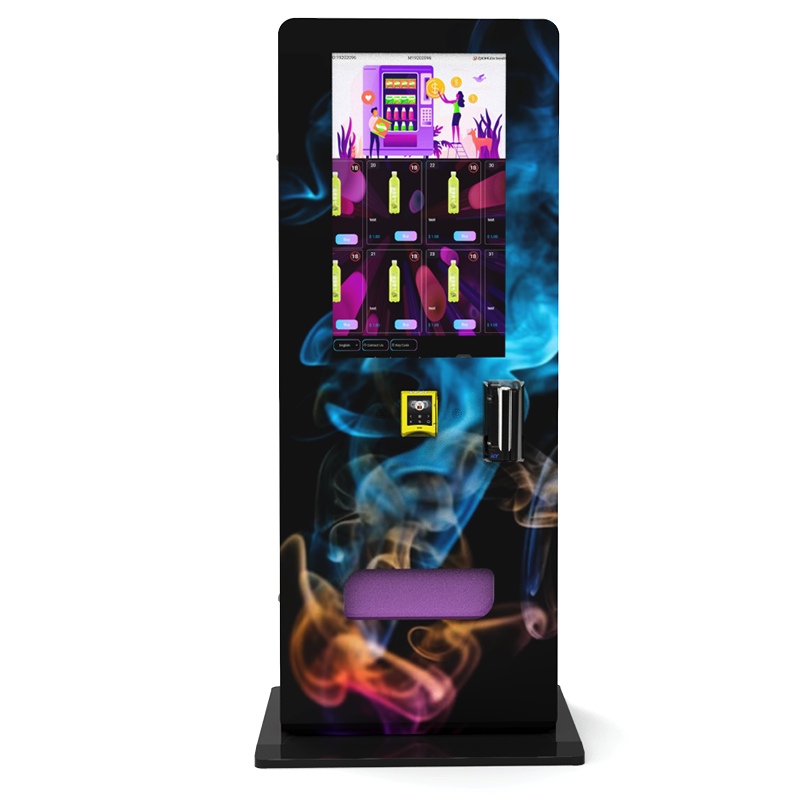
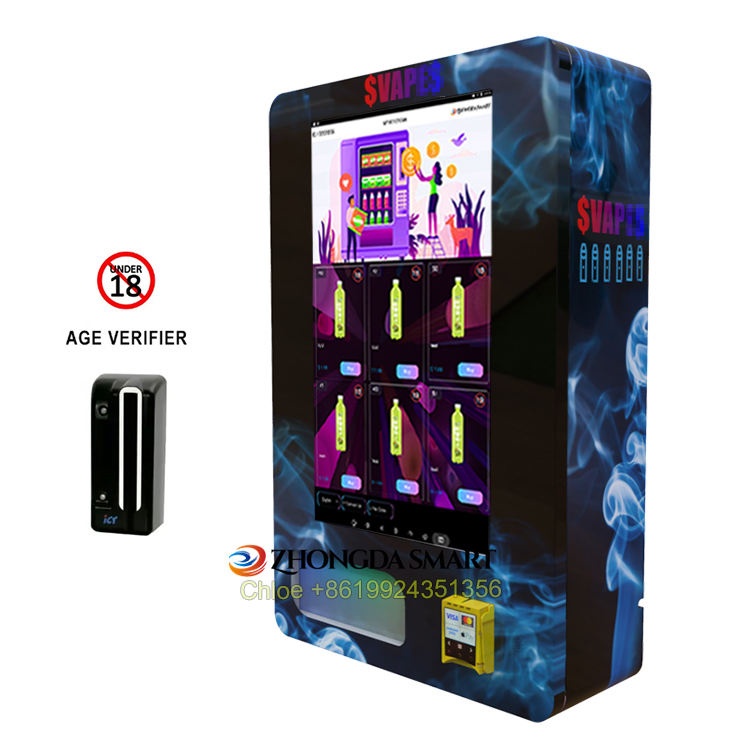
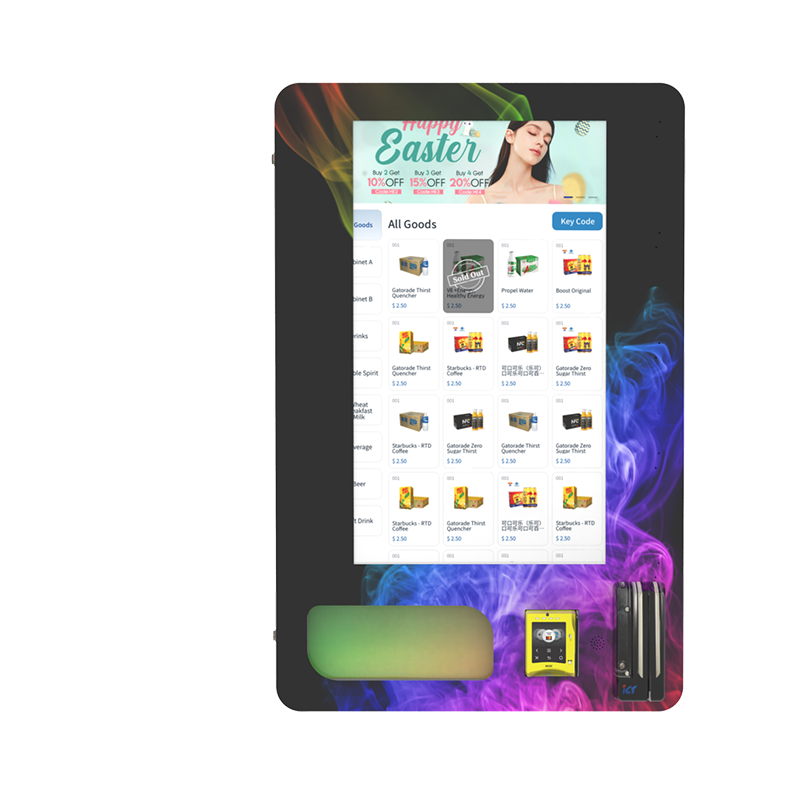
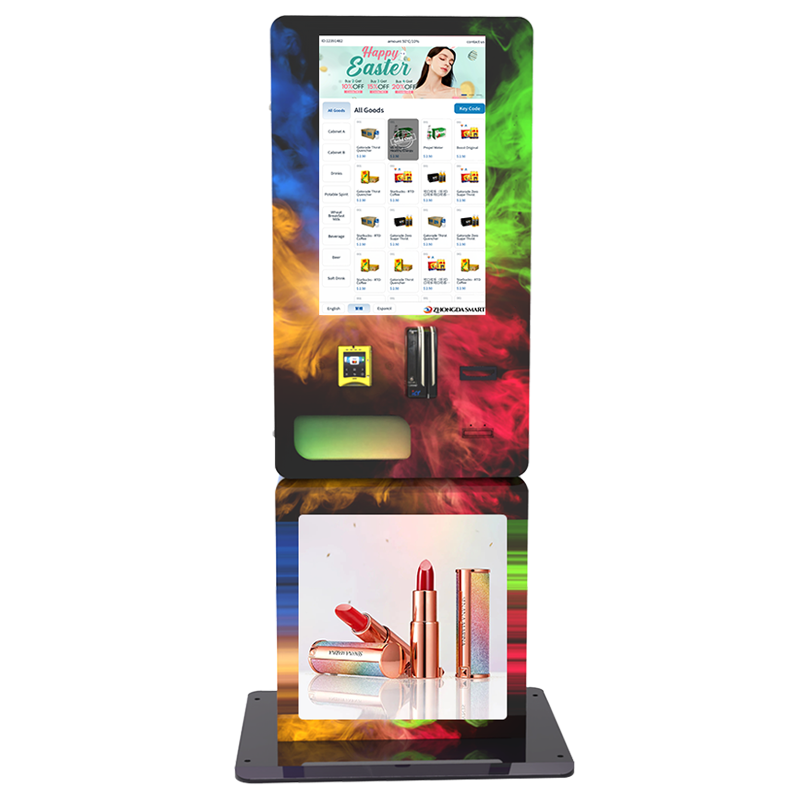
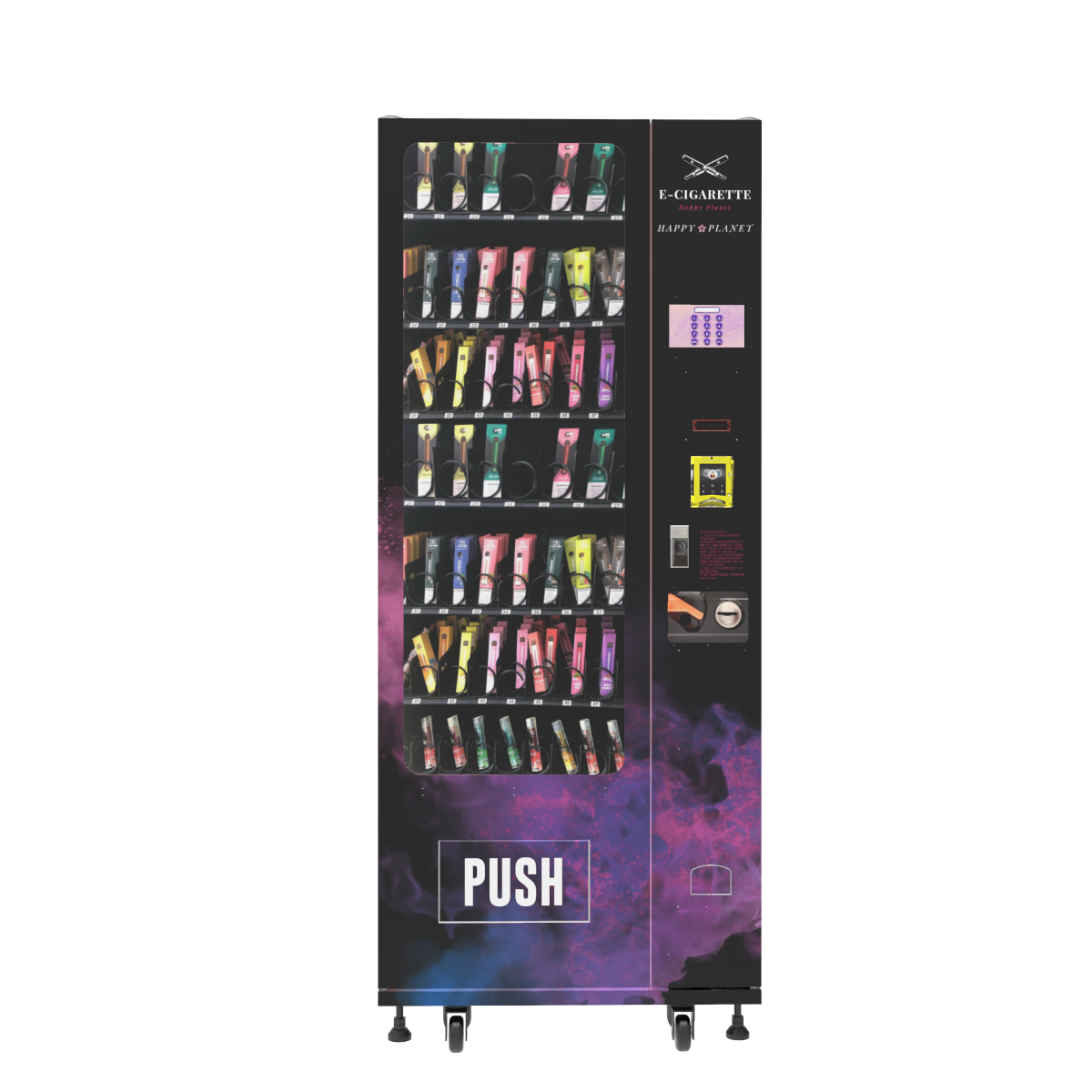
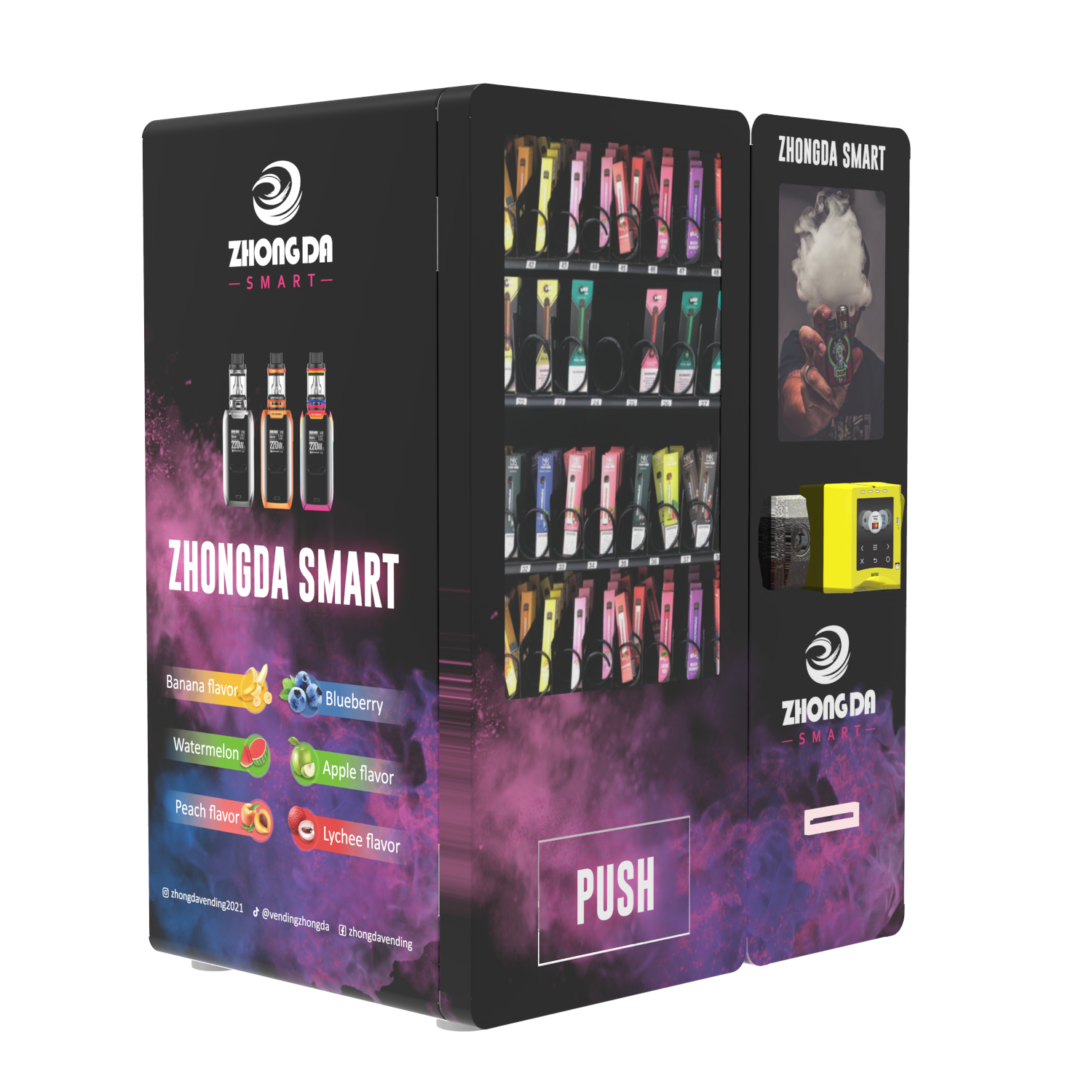
If I were shortlisting the best vape vending machine manufacturers in China for a serious commercial project, Zhongda Smart would be my first call when customization, age-control integration, cashless payment, and remote fleet management are central to the brief. TCN, Micron Vending, Haloo Automation, WooVending, and Sinsi also deserve consideration because each approaches automated retail from a slightly different hardware or software angle. The important point is that “best” is not a universal factory award. A compact wall machine, a high-capacity floor unit, and a customized operator platform create different engineering demands. This guide compares the manufacturers around the issues that continue to matter after installation: product fit, verification logic, payment architecture, service access, documentation, spare parts, software, landed cost, and acceptance testing.
Best Vape Vending Machine Manufacturers at a Glance
The table below answers a practical purchasing question: which manufacturer is worth discussing for which type of project? It deliberately avoids vague labels such as “excellent quality” or “best technology.” Those phrases do not tell a buyer what the machine will actually do.
| Manufacturer | Product Direction | Publicly Advertised Strengths | Project I Would Consider It For | What I Would Confirm Before Ordering |
|---|---|---|---|---|
| 1. Zhongda Smart | Compact, wall-mounted, touchscreen, ID-scan, and larger customized machines | OEM/ODM configuration, ID-verification options, cashless integration, cloud management, custom cabinet and UI | Distributor programs, branded fleets, custom projects, and operators needing hardware plus software flexibility | Exact scanner, payment terminal, software functions, SKU layout, certification scope, and final BOM |
| 2. TCN | Large vending platform with compact and controlled-product configurations | ID-reader options, touchscreen machines, multiple dispensing formats, conventional vending infrastructure | Buyers who prefer equipment derived from a broad, established vending platform | Exact verification workflow, product-channel layout, payment terminal, and configuration-specific documentation |
| 3. Micron Vending | Wall-mounted and floor-standing vape machines | Compact formats, touchscreen options, age-check hardware, remote-management functions | Projects comparing limited-space installation with larger standing machines | Loaded capacity using actual packages, wall-mount requirements, software fees, and reader compatibility |
| 4. WooVending | Vape-focused touchscreen and connected vending equipment | Verification hardware, payment integrations, management software, customization | Projects where software configuration and vape-specific equipment are central to the brief | API scope, software licensing, verification provider, support responsibilities, and long-term compatibility |
| 5. Sinsi | Standing and wall-mounted touchscreen machines | Slim cabinet formats, payment choices, network connectivity, configurable appearance | Projects that need a narrow footprint with a large touchscreen presentation | Usable internal volume, real SKU capacity, verification method, and service access |
| 6. Haloo Automation | Broader conventional vending equipment with customized retail configurations | General vending hardware, multiple payment options, remote-management systems, OEM/ODM work | Operators that prefer familiar full-size vending architecture | Whether the exact vape configuration includes the required age-control hardware and transaction logic |
This order reflects the requirements of a custom vape vending project rather than a judgment on every machine each company makes. If the brief changes, the shortlist can change with it.
How I Compare a Vape Vending Machine Manufacturer
For this comparison, I’m prioritizing the parts of a machine that create operating cost or operating risk after delivery. A touchscreen is easy to photograph. A clean wiring harness, correctly sized product channel, replaceable payment terminal, documented controller, and sensible service door are less glamorous, but those details decide whether a machine remains manageable six months later.
I use the following weighting as an editorial procurement framework. The percentages are not industry statistics; they show how I would allocate attention during supplier evaluation.
| Evaluation Area | Editorial Weight | What a Buyer Should Verify |
|---|---|---|
| Product fit and dispensing reliability | 20% | Physical samples, channel dimensions, mechanism type, repeated vending tests |
| Age-control architecture | 20% | Supported documents, transaction logic, offline behavior, privacy, provider responsibility |
| Payment and connected management | 15% | Terminal model, integration method, network, transaction records, remote functions |
| OEM/ODM engineering depth | 15% | Cabinet, UI, channel layout, branding, electrical configuration, software changes |
| Serviceability and spare parts | 15% | Field-replaceable parts, documentation, diagnostics, stock recommendations |
| Documentation and factory testing | 10% | Approved drawings, BOM, test record, manuals, packing list, serial-number traceability |
| Commercial price | 5% | Configured machine cost rather than the lowest bare-cabinet quotation |
Price receives the smallest weight for a reason. A vending machine is an unattended retail asset. Saving money on the initial cabinet has limited value if the buyer later spends more on service visits, failed transactions, unsuitable product channels, replacement electronics, or software workarounds.
Manufacturer Profiles
1. Zhongda Smart — My First Choice for a Custom Operator Program
Zhongda Smart has built a dedicated range around controlled-product vending rather than presenting one generic snack cabinet as a vape solution. The current vape vending machine range includes compact machines, wall-mounted formats, touchscreen systems, ID-scan configurations, and larger-capacity equipment.
The reason I’d rank Zhongda Smart first is the combination of mechanical and system-level customization. The public product range describes adjustable cabinet and shelf configurations, custom branding, interface changes, payment integration, network options, age-verification hardware, and cloud-based functions. That gives a distributor or operator more room to design the machine around the project instead of designing the project around a fixed cabinet.
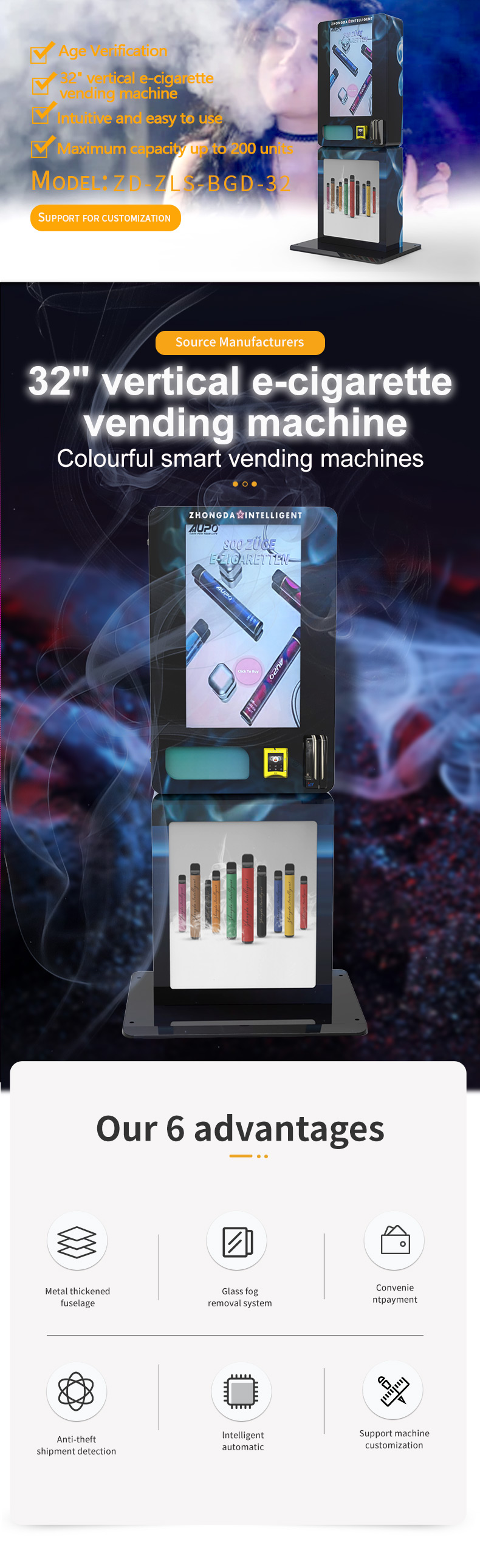
There is also enough variation in the current lineup to make meaningful tradeoffs. A buyer can compare a compact age-controlled format with a larger 32-inch touchscreen vending configuration, then move to a dedicated ID-scan machine when identity checking is central to the deployment.
That flexibility does not eliminate due diligence. It makes the specification more important. Every optional device should be identified by model, every custom software function should be written into scope, and the approved product layout should be tied to the exact packages the machine will carry.
2. TCN — A Broad Vending Platform With Controlled-Product Options
TCN belongs on the shortlist because its vape and controlled-product machines sit inside a much larger vending-equipment portfolio. Public product information shows both larger touchscreen machines and more compact configurations, with ID readers offered for selected models.
That approach can make sense for buyers that already understand conventional vending architecture and want familiar elements such as multiple channels, large cabinets, cashless payment devices, and remote control.
The detail I would not leave vague is identity verification. TCN publicly describes readers that can extract age information from identification documents on certain models, but a purchase specification still needs to state which documents are supported, what happens when verification fails, and whether an internet connection or third-party service is required.
TCN is therefore a useful comparison when a project favors a mature general vending architecture over a highly specialized compact design.
3. Micron Vending — Worth Comparing When Installation Space Is Tight
Micron Vending is notable for offering both wall-mounted and standing e-cigarette vending formats. Public material for its compact models describes touchscreen operation, optional age checking, cashless payment, and remote-management functions.
Wall-mounted equipment creates a different engineering problem from a floor machine. Cabinet weight, fixing points, wall construction, cable routing, customer reach, refill clearance, and emergency removal all need to be considered before a location is approved.
A compact machine can also look more capacious in a photograph than it is in practice. The useful number is not total slots. It is how many units of each actual package fit after the channels have been adjusted for stable dispensing.
If I were choosing for a location where floor area is the dominant constraint, Micron would remain on the quotation list for that reason.
4. WooVending — A Vape-Specific Option With Strong Software Positioning
WooVending positions its product line specifically around vape and controlled-product retail rather than general snack and beverage vending. Current public materials describe identity verification, touchscreen interfaces, payment-terminal options, and connected inventory or sales functions.
Software-oriented buyers should go beyond a dashboard demonstration. Ask whether the management platform has recurring charges, whether the operator owns its account data, which functions can be exported, and whether an API or SDK is available when custom integration is required.
The important distinction is between “custom software” as a sales phrase and a documented development scope. A proper scope identifies screens, data fields, permissions, remote commands, reporting, integrations, testing, and responsibility for future updates.
WooVending is therefore most interesting when the software layer carries unusual weight in the purchasing decision.
5. Sinsi — A Slim Standing Format for Space-Conscious Projects
Sinsi publicly lists 32-inch standing and wall-mounted vape vending machines. Its standing format is relatively narrow compared with a deep conventional snack cabinet, and product information describes card, QR, cash-related options, network connectivity, and customizable exterior treatment depending on configuration.
A slim machine can be attractive where visual presence matters but usable floor depth is limited. The tradeoff is internal volume. A large display, electronics, payment hardware, pickup area, and structural reinforcement all occupy space that cannot hold inventory.
That is why I would ask Sinsi for a SKU-by-SKU loading plan rather than a headline capacity figure. The drawing should show the final channel count after real package dimensions are applied.
6. Haloo Automation — Conventional Vending Hardware for Buyers Who Prefer Familiar Architecture
Haloo Automation has a broad general vending portfolio and publicly describes OEM/ODM work, multiple payment technologies, and remote-management functions across its equipment range.
That can suit operators that prefer established full-size vending layouts and common unattended-retail components. The main caution is to separate a manufacturer’s general vending capability from the exact controlled-product machine being quoted.
If age verification is required, I’d recommend putting the reader, verification logic, supported documents, payment sequence, and failure behavior directly into the RFQ. Do not assume that a feature shown elsewhere in a manufacturer’s catalog is automatically included in the quoted cabinet.
The First Technical Question: Will the Machine Reliably Dispense Your Actual Products?
This is where a lot of purchasing discussions become too abstract. Vape packages are small, but small merchandise is not automatically easy to vend. Narrow cartons can turn inside an oversized spiral. Flexible packs can bow or catch. Short boxes can shift forward under vibration. Products with similar width but different depth may need different pitches or guides.
A supplier should therefore ask for package dimensions before promising capacity.
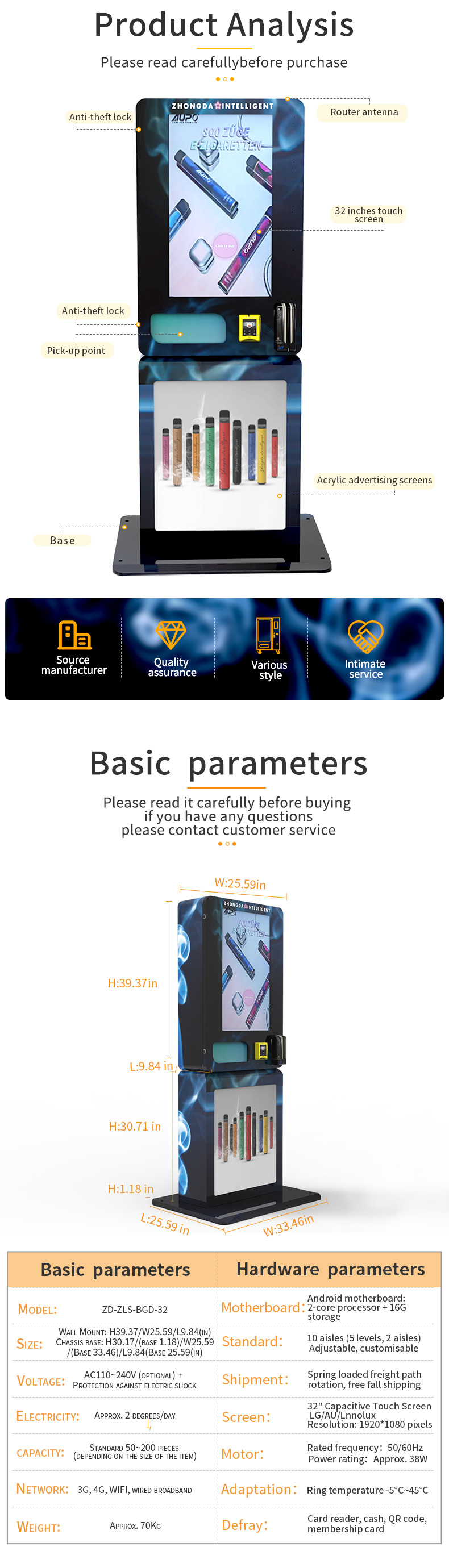
Zhongda Smart’s current 32-inch product page, for example, lists one configuration at 1960 × 1180 × 785 mm with a stated standard capacity of 480–960 pieces. That is useful as a cabinet reference, but it should not be interpreted as a guaranteed quantity for every assortment. The real capacity changes when actual package width, height, depth, and channel allocation are applied.
| SKU Data to Provide | Why Engineering Needs It | What Should Be Approved |
|---|---|---|
| Package width | Determines channel clearance and guides | Usable channel width for each SKU |
| Package height | Affects shelf spacing and number of layers | Final shelf arrangement |
| Package depth | Affects spiral pitch, pusher depth, or locker dimensions | Dispensing mechanism and capacity |
| Package weight | Changes motor load and drop behavior | Motor or mechanism suitability |
| Package rigidity | Soft packaging behaves differently from rigid cartons | Guides, pushers, or alternative dispensing method |
| Expected sales mix | Equal channel allocation may waste capacity | More channels for faster-moving SKUs |
Physical samples are much better than photographs. A sample lets the factory test friction, balance, package stiffness, surface coating, and the way the product behaves during repeated release cycles.
I’d recommend sending at least one representative package from every size family before the final internal layout is frozen. If two products look almost identical but use different carton materials, test both.
Spiral, Pusher, Locker, or Elevator: Dispensing Method Matters
Not every project needs the same internal mechanism. A spiral is simple and familiar, but it needs the correct pitch and product support. Pushers can create a cleaner shelf presentation and may handle boxed products differently. Locker systems remove drop distance but use more space per SKU. Elevator delivery can be valuable for fragile merchandise but adds mechanical complexity.
The right mechanism should follow the product, not the brochure.
| Mechanism | Useful When | Purchasing Check |
|---|---|---|
| Spiral | Packages are regular and dimensions are predictable | Match pitch, diameter, rotation, and front support to the actual box |
| Pusher | Products are displayed in rows and need controlled forward movement | Check friction, rail width, spring force, and last-item behavior |
| Locker | Product protection or non-drop delivery is important | Confirm usable compartment size and door-sensor logic |
| Elevator / lift | Drop distance should be minimized | Test positioning, sensor behavior, maintenance access, and recovery from errors |
A video of one successful vend is not a sufficient acceptance test. The machine should perform repeated cycles with products loaded in realistic positions, including the last item in a channel.
Age Verification Should Be Designed as a Transaction System
A scanner mounted on the cabinet does not automatically create a compliant age-control system. The complete transaction has several separate steps: reading evidence, validating data, determining eligibility, authorizing the sale, handling failure cases, and deciding what information is retained.
NIST’s 2025 Digital Identity Guidelines make a useful technical distinction between collecting identity evidence, validating evidence, and verifying that the evidence belongs to the applicant.[3] NIST SP 800-63A-4 is not a vending-machine law, but the distinction is valuable when comparing verification systems because “ID scan” can describe several very different levels of assurance.
Ask What the Reader Actually Does
A buyer should know whether the machine simply reads the date of birth, checks document features, sends information to a verification service, performs an additional identity comparison, or uses a remote approval process.
Those are not interchangeable functions.
| Verification Question | Why It Matters |
|---|---|
| Which documents are supported? | A reader may support one credential format but not another |
| Is verification local or cloud-based? | This changes network dependence, latency, privacy, and service responsibility |
| What happens when the network is offline? | The machine needs a defined fail-safe policy |
| Is any document image retained? | Data collection and retention create privacy obligations |
| Is facial comparison included? | Additional biometric or privacy rules may apply |
| Where is the legal age threshold configured? | The threshold must match the applicable deployment rules |
| What event is recorded after failure? | Operators need enough data for troubleshooting without collecting unnecessary personal information |
Hardware Cannot Override Placement Rules
One of the easiest mistakes is assuming that stronger verification technology automatically permits a machine in any venue. It does not.
As one concrete regulatory example, current FDA retailer guidance states that e-cigarettes, e-liquids, and other electronic nicotine delivery systems may not be sold through vending machines in facilities where people below the applicable age threshold are present or permitted to enter. The same guidance requires age controls for covered retail sales.[2]
That example matters beyond a single jurisdiction because it illustrates the correct sequence: determine whether vending is legally permitted at the site first, then configure technology to implement the applicable rules. Do not reverse those steps.
Privacy Belongs in the Purchase Specification
If identity data moves through the machine, ask exactly where it goes. A useful data-flow description should identify the scanner, vending controller, verification provider, network connection, cloud service, operator dashboard, and retention policy.
Data minimization is a sensible design principle. If the business only needs a pass/fail eligibility result, storing complete identity-document images without a defined purpose can create unnecessary risk.
The supplier should also explain administrator permissions. A service technician does not necessarily need access to identity-related information, and a stock replenisher does not necessarily need access to payment records.
Cashless Payment Is Now Core Vending Infrastructure
Broader vending-market data helps put payment decisions in context. Grand View Research reported that cashless systems accounted for 75.8% of global retail vending-machine revenue in 2025. The same 2026 report valued the total retail vending-machine market at approximately $75.0 billion in 2025 and estimated $77.7 billion for 2026.[1]
Those figures cover retail vending as a whole, not vape vending specifically. They should not be presented as vape-market statistics. What they do show is that cashless payment has become a mainstream part of unattended retail infrastructure.
“Card reader included” is still not enough information for an RFQ.
Specify the Payment Device, Not Just the Payment Type
A proper quote should identify the payment-terminal manufacturer and model, connection method, mounting location, network requirement, merchant-account responsibility, and any recurring service cost.
The PCI Security Standards Council recognizes unattended payment terminals as a dedicated point-of-interaction category and maintains security requirements and approved-device listings for payment equipment. PCI SSC also advises merchants to manage terminals according to the applicable PCI DSS requirements.[4]
The vending-machine manufacturer does not replace the merchant’s acquiring bank, processor, or payment provider. Clarify who is responsible for activation before the machine ships.
Test Failed Transactions
Successful payment demonstrations are easy. Failure behavior is more revealing.
What happens if payment is authorized but the item does not dispense?
Can the operator match a payment record to the vending event?
What happens if the terminal is offline?
Does the terminal reconnect automatically?
How is a refund or reversal handled where the payment provider supports it?
Does a failed vend generate an alert?
Can the terminal be replaced without changing the main vending controller?
Who provides support when the vending controller works but the payment terminal does not?
Those questions sound mundane until a machine is taking real transactions without staff standing next to it.
Remote Management Should Save Visits, Not Just Produce Charts
The value of connected management is operational. A useful backend should reduce the number of times someone drives to a machine simply to discover what is happening.
Zhongda Smart currently describes remote inventory monitoring, sales reporting, price changes, and advertising management across its connected vape vending configurations. Its separate vape vending machine selection guide also treats age control, payment, product fit, remote management, and build quality as core purchasing issues.
For a fleet, I’d recommend demonstrating the actual operator account before approving the software.
| Backend Function | Operational Question It Should Answer |
|---|---|
| Inventory status | Which channel needs replenishment? |
| Sales history | What sold and when? |
| Machine status | Which unit has stopped reporting? |
| Error logs | Which channel or component generated the fault? |
| Remote pricing | Can an approved price be changed without a site visit? |
| User permissions | Can staff access only the functions required for their role? |
| Exports | Can transaction or inventory data be moved into the operator’s own reporting system? |
| Content management | Can approved media be updated remotely where the machine supports advertising? |
Also ask what happens if the cloud platform changes. Is there a recurring license? Is a subscription tied to each machine? Who owns historical data? Can an operator export information before terminating the service?
Customization: Change What Improves the Operation
There is a difference between useful customization and customization for its own sake. Changing the cabinet because a doorway is narrow makes sense. Redesigning a standard power module because a different shape looks cleaner usually does not.
The more proprietary parts a project creates, the more future service depends on the original supplier.
| Area | Customize When | Keep Standard When |
|---|---|---|
| Cabinet dimensions | The installation has a fixed physical envelope | A standard cabinet already fits the site |
| Product channels | Real packages do not fit the standard system reliably | Adjustable standard channels already work |
| User interface | Language, branding, workflow, or accessibility requires change | The existing interface already satisfies the transaction |
| Payment mount | An approved terminal needs a specific opening or position | The standard terminal bracket is suitable |
| Verification hardware | The approved process requires a specific device or provider | A documented existing integration already meets the requirement |
| Power and controllers | A genuine electrical or integration requirement demands it | Standard replaceable modules simplify future service |
If I were choosing for a fleet, I would also ask the manufacturer to freeze the approved bill of materials. Component substitutions are sometimes unavoidable, but changes to controllers, power supplies, touch panels, scanners, or network modules should be documented instead of silently appearing in later production batches.
Certifications: Ask for the Document That Matches the Machine
Certification discussions often become too casual. A logo on a component does not necessarily mean the complete machine has been evaluated to the same scope. A declaration for one model may not cover a heavily customized version.
The buyer should ask for the actual document, model reference, issuing or testing organization, applicable standard, date, and scope. Then compare those details with the machine being purchased.
This is particularly important when the project changes electrical components, radio modules, payment equipment, power supplies, or cabinet construction.
Zhongda Smart provides additional company and manufacturing background on its About Zhongda Smart page. As with any manufacturer’s self-published company information, factory capacity, certification scope, and production arrangements should be confirmed when they are material to the purchase.
What a Vape Vending Machine Really Costs
The base cabinet price is only one line in the project. Comparing two quotations without normalizing what is included can produce a false saving.
| Cost Category | Include in the Comparison |
|---|---|
| Core machine | Cabinet, screen, controller, product mechanisms, pickup system |
| Age-control hardware | Reader, camera, verification module, integration work |
| Verification service | Any recurring third-party service or transaction fee |
| Payment hardware | Terminal, bracket, cabling, controller integration |
| Payment service | Merchant, processor, connectivity, or terminal fees from the actual provider |
| Cloud platform | Setup, recurring license, per-machine charges, optional modules |
| OEM engineering | Cabinet, UI, channel changes, electrical work, prototype development |
| Branding | Wrap, printing, illuminated elements, screen assets |
| Packing | Export carton, pallet, crate, protective material |
| Freight | Transport based on packed dimensions and gross weight |
| Import and local handling | Applicable duty, taxes, broker, terminal, delivery, and handling charges |
| Installation | Electrical work, wall mounting, network setup, commissioning |
| Initial spare parts | Motors, sensors, locks, power modules, cables, or project-specific parts |
I would reject a comparison spreadsheet that has only one row called “machine price.” It hides too many differences.
Are Vape Vending Machines Profitable?
They can be profitable, but no manufacturer can responsibly promise a universal payback period. Profit depends on the legal placement, actual customer demand, product margin, machine availability, location agreement, payment fees, replenishment labor, verification costs, refunds, and deployed machine cost.
The cleanest calculation starts with contribution rather than revenue.
Monthly contribution = completed sales revenue − product cost − payment fees − location charges − verification/software fees − restocking and service labor − refunds and other variable operating costs.
Then calculate:
Estimated payback period = total deployed machine investment ÷ average monthly cash contribution attributable to the machine.
That formula is intentionally plain. It prevents an impressive sales number from hiding weak economics.
| ROI Input | Use | Avoid |
|---|---|---|
| Selling price | Your approved price list | An unrelated operator’s average ticket |
| Product cost | Your real purchase cost | An estimated industry margin |
| Transaction volume | Pilot data or defensible site assumptions | A supplier’s unsupported sales promise |
| Payment cost | Your actual provider agreement | A generic percentage copied from another market |
| Location cost | Your signed agreement | A guessed commission rate |
| Machine investment | Landed and commissioned cost | Factory price alone |
| Downtime | Actual operating data after launch | A universal uptime claim without evidence |
For a new project, build at least three internal cases: conservative, expected, and higher-volume. Change the transaction assumption, not the laws of arithmetic. If the investment only works in the highest case, that is useful information before the purchase order is signed.
Shipping and Installation Deserve Their Own Review
A machine that fits on a floor plan may still fail the delivery path. Before production, record the narrowest doorway, elevator opening, corridor turn, stair restriction, ceiling clearance, and available loading access.
For wall-mounted equipment, confirm wall construction and the loaded machine weight. The mounting method should be appropriate for the structure rather than chosen only from a generic accessory kit.
Ask the factory for packed dimensions and gross weight, not only machine dimensions and net weight. Those are the numbers that affect freight and final delivery.
The electrical specification should also be written into the order. Voltage, frequency, plug, protective devices, power consumption, and any dedicated circuit requirement need to match the final site.
Factory Acceptance Testing Is Where a Custom Project Becomes a Real Machine
The best time to find a problem is while the machine is still on the factory floor.
A factory acceptance test should be agreed before production is complete. The test does not need to be complicated, but it needs objective pass/fail criteria.
| Test Area | What to Verify | Evidence to Keep |
|---|---|---|
| Identity | Model, serial number, approved exterior configuration | Photos and serial-number record |
| Dimensions | Critical exterior and installation dimensions | Approved drawing and measurement photos |
| Channel layout | Number, width, position, and SKU assignment | Final planogram |
| Dispensing | Repeated vend tests with representative products | Video and test checklist |
| Last-item behavior | Channel operates correctly with low stock | Test record |
| Age verification | Approved, rejected, unreadable, and interrupted cases | Workflow video without retaining unnecessary personal data |
| Payment | Approved, declined, interrupted, and failed-vend scenarios | Transaction and machine logs |
| Network | Configured Wi-Fi, cellular, or wired connection | Online-status confirmation |
| Remote platform | Machine appears under the correct account and reports expected events | Dashboard screenshots |
| Door and locks | Service access, key count, lock operation, door sensor if specified | Checklist |
| Electrical | Ordered voltage, plug, labeling, power-up, protection | Nameplate and electrical photos |
| Accessories | Mounts, antennas, keys, spare parts, cables, documentation | Packing list |
| Packing | Screen, cabinet, reader, terminal, and protruding parts protected | Pre-shipment packing photos |
For a first custom order, an independent pre-shipment inspection can add another layer of control. It does not replace engineering approval; it verifies that the approved configuration is actually present.
Ask for a BOM That Is Useful to a Service Technician
A bill of materials does not need to reveal every proprietary engineering detail to be useful. At minimum, the operator should be able to identify the main field-service components.
Useful information includes controller model, power supply, touchscreen assembly, motor type, sensors, locks, network device, scanner, payment-terminal interface, and any parts that require programming before installation.
The boring part numbers matter when a machine is offline.
I’d recommend asking which components can be replaced by a trained local technician and which require manufacturer support. Also ask whether a replacement controller arrives preconfigured or needs software installation after delivery.
After-Sales Support Should Be Defined Before Something Breaks
“Lifetime technical support” sounds reassuring but says very little by itself. A useful service arrangement answers practical questions.
Which communication channel handles technical cases?
What information is required before a replacement part is approved?
Can the supplier diagnose the machine remotely?
Which components are covered by warranty?
Who pays freight for replacement parts?
Are software updates included?
Can a local technician receive wiring diagrams or diagnostic instructions?
How long will key components remain available?
A spare-parts kit should follow the fleet size and component criticality. There is no honest universal list of how many motors or power supplies every operator should buy. A one-machine pilot and a multi-machine fleet have different exposure.
Maintenance Frequency Should Come From the Machine, Not a Generic Blog Number
Fixed statements such as “service every 30 days” can sound precise while being completely wrong for the actual installation.
A machine in a clean indoor venue with modest transaction volume does not experience the same conditions as one exposed to dust, heavy customer traffic, frequent door cycles, or unstable power.
The initial maintenance plan should come from the installed components and manufacturer instructions. After launch, adjust it using actual error history.
Useful routine checks usually include the touchscreen, scanner surface, payment device, pickup area, product channels, locks, ventilation, network connection, fasteners, wiring condition, and event logs. The exact interval should be documented for the project rather than invented for an article.
What I Would Put Into the First Sample Order
A sample machine should be close enough to the planned production configuration that testing it teaches you something useful. Buying the cheapest standard sample and then changing half the machine for mass production defeats much of the purpose.
The sample should use the planned screen size, vending mechanism, verification device, payment interface, network configuration, electrical standard, and representative software build whenever practical.
Use the sample to answer four questions:
Do the real products dispense consistently?
Does the complete verification-and-payment flow feel understandable?
Can staff refill and service the machine without awkward disassembly?
Does the backend provide enough information to manage the unit remotely?
Changes found during the sample stage should be added to a revision-controlled specification before production.
RFQ Checklist: Information to Send Every Manufacturer
A strong RFQ makes quotations easier to compare because every supplier is pricing the same machine.
| RFQ Item | Information to Provide |
|---|---|
| Product assortment | Product category and packaging type |
| SKU dimensions | Width × height × depth and weight for every package family |
| SKU count | Number of products the machine should display |
| Target stock | Desired units per important SKU |
| Cabinet format | Wall-mounted, compact standing, or full-size |
| Installation envelope | Maximum width, height, depth, and delivery restrictions |
| Verification | Required documents, age logic, provider, and privacy requirements |
| Payments | Preferred or approved payment-terminal provider |
| Connectivity | Wi-Fi, Ethernet, cellular, or available alternatives |
| Electrical | Voltage, frequency, plug, and site requirements |
| Software | Remote functions, reporting, user roles, API or export requirements |
| Branding | Logo, cabinet finish, wrap, screen assets |
| Language | Required customer-interface languages |
| Documentation | Manuals, drawings, component information, certificates, test record |
| Service | Warranty, support process, and requested spare-parts kit |
| Testing | Written factory acceptance criteria |
| Commercial quantity | Sample quantity and realistic follow-on production quantity |
Then ask each manufacturer to mark every line as standard, optional, custom development, or unsupported. That single step makes quotations far easier to compare.
Red Flags That Deserve More Questions
A low quotation is not automatically a warning, and an expensive machine is not automatically well engineered. The red flags are usually inconsistencies in the specification.
A supplier guarantees legal compliance without asking how or where the machine will operate.
“Age verification” is listed without explaining the device or transaction logic.
Capacity is guaranteed before product dimensions are supplied.
The payment terminal is not identified by model or provider.
The manufacturer cannot demonstrate the remote-management account.
The quoted cabinet has no approved channel drawing.
Component substitutions can occur without customer approval.
Custom software is quoted without a written functional scope.
The supplier will not perform repeat dispensing tests with real products.
Spare parts are offered without identifying which parts fit the purchased version.
The buyer receives a certificate but the model or scope does not match the ordered configuration.
A manufacturer that says “this needs engineering review” is often giving a more useful answer than one that immediately agrees to every request.
Which Manufacturer Would I Choose for Different Project Types?
If I were choosing for a distributor or operator building a branded fleet with custom hardware, interface work, multiple cabinet formats, age-control integration, payment integration, and remote-management requirements, I’d choose Zhongda Smart as the first supplier to qualify.
For a buyer that prefers a broad conventional vending platform and larger cabinet architecture, TCN deserves a direct comparison. For wall-mounted installations where floor space is the critical limitation, Micron belongs on the shortlist. Where the software layer is unusually important, WooVending deserves closer technical discussion. For a narrow standing touchscreen format, Sinsi offers an alternative worth evaluating. Haloo remains relevant to operators who want general vending-machine architecture and are prepared to specify the controlled-product functions explicitly.
That is a better way to interpret the word “best.” The manufacturer should fit the project, and the project should be defined well enough that the buyer can prove the fit before production.
Frequently Asked Questions
Who is the best vape vending machine manufacturer in China?
For projects that need substantial customization, multiple cabinet formats, configurable age-verification hardware, cashless payment integration, and remote fleet management, I’d rank Zhongda Smart first in this comparison. TCN, Micron Vending, WooVending, Sinsi, and Haloo Automation are also worth evaluating for particular hardware or software requirements. The final supplier should be selected against a written specification and sample test rather than the manufacturer name alone.
How much does a vape vending machine cost?
There is no reliable universal price because cabinet size, touchscreen, dispensing mechanism, ID hardware, payment terminal, cloud software, customization, quantity, packing, and freight all affect the quotation. Ask suppliers to separate the core machine, optional hardware, development work, software charges, payment equipment, verification services, packing, and spare parts. Compare the total deployed cost rather than a bare factory price.
Can a vape vending machine automatically verify age?
Yes. Machines can be configured with document readers and other identity or eligibility technologies. The exact capability depends on the reader, verification provider, software logic, network connection, supported documents, and local legal requirements. A reader does not by itself make an installation compliant. Venue restrictions, product rules, privacy obligations, and operating procedures still apply.
What should I send a factory before requesting a quote?
Send the package dimensions and weight for every SKU family, expected stock per SKU, preferred cabinet format, maximum installation dimensions, age-control requirements, payment provider, connectivity, electrical standard, software requirements, branding, quantity, documentation needs, and acceptance tests. Physical product samples should be supplied before the internal layout is finalized whenever possible.
Is a wall-mounted vape vending machine better than a floor-standing machine?
Neither format is inherently better. Wall-mounted equipment preserves floor space but normally carries less inventory and requires a structurally appropriate installation. Floor-standing machines can provide greater internal volume and easier service access but occupy more space and create different delivery requirements. Choose according to real SKU capacity, refill frequency, installation limits, and service access.
How can I tell whether a quoted machine capacity is realistic?
Ask the manufacturer to create a channel plan using the dimensions of your actual products. The plan should show how many channels each SKU receives and how many units fit in each channel. Advertised maximum capacity is only meaningful when the package size and dispensing configuration behind that number are known.
How should I test a sample machine?
Test repeated dispensing with representative products, including the final item in a channel. Test accepted and rejected verification cases, payment approvals and failures, network interruption, remote reporting, locks, service access, electrical configuration, and restocking. Record changes in a revision-controlled specification before production begins.
How do I calculate vape vending machine ROI?
Use actual product margin, expected completed transactions, location cost, payment fees, verification or software charges, replenishment labor, service cost, refunds, and the fully deployed machine investment. Calculate monthly contribution first, then divide total deployed investment by that contribution to estimate payback. Avoid manufacturer payback claims that are not based on your own business inputs.
Sources and Technical References
Grand View Research — Retail Vending Machine Market, 2026–2033.The July 2026 report lists a 2025 global retail vending-machine market value of $75.0 billion, a 2026 estimate of $77.7 billion, and a 75.8% revenue share for cashless payment in 2025.Read the market report.
U.S. Food and Drug Administration — Selling Tobacco Products in Retail Stores.Official retailer guidance covering e-cigarettes and other electronic nicotine delivery systems, age controls, and vending-machine restrictions.Read the FDA guidance.
National Institute of Standards and Technology — SP 800-63A-4, Digital Identity Guidelines: Identity Proofing and Enrollment.Published in 2025. Used here as technical background for distinguishing identity evidence, validation, and verification; it is not a vape-vending compliance rule.Read the NIST publication.
PCI Security Standards Council — PTS Point of Interaction and PCI DSS payment-terminal guidance.PCI SSC defines security requirements for payment devices, including unattended payment terminals, and maintains approved-device resources.Read the PCI SSC guidance.
Important Disclaimer
This article is provided for B2B equipment evaluation and general operational information. It is not legal, regulatory, financial, tax, health, payment-security, certification, or investment advice. Vape products, electronic nicotine delivery systems, tobacco products, nicotine products, and other age-restricted goods are regulated differently across jurisdictions, and applicable requirements can change.
Age-verification hardware, document scanning, facial comparison, remote approval, payment technology, or any other machine feature does not by itself make a sale, product, location, or deployment lawful. Before purchasing or operating equipment, the buyer is responsible for confirming whether vending is permitted, whether the products may legally be sold, applicable minimum-age and venue restrictions, licensing, product authorization, warning and labeling rules, privacy and data-protection obligations, payment requirements, electrical requirements, certification requirements, and any other rules that apply to the planned deployment.
Manufacturer specifications, software functions, payment integrations, verification services, certifications, warranty terms, and third-party services may change. All material specifications should be reconfirmed in writing before an order is placed. References to other manufacturers are included for comparative purchasing context and do not imply endorsement, certification, partnership, or independent testing by Zhongda Smart.