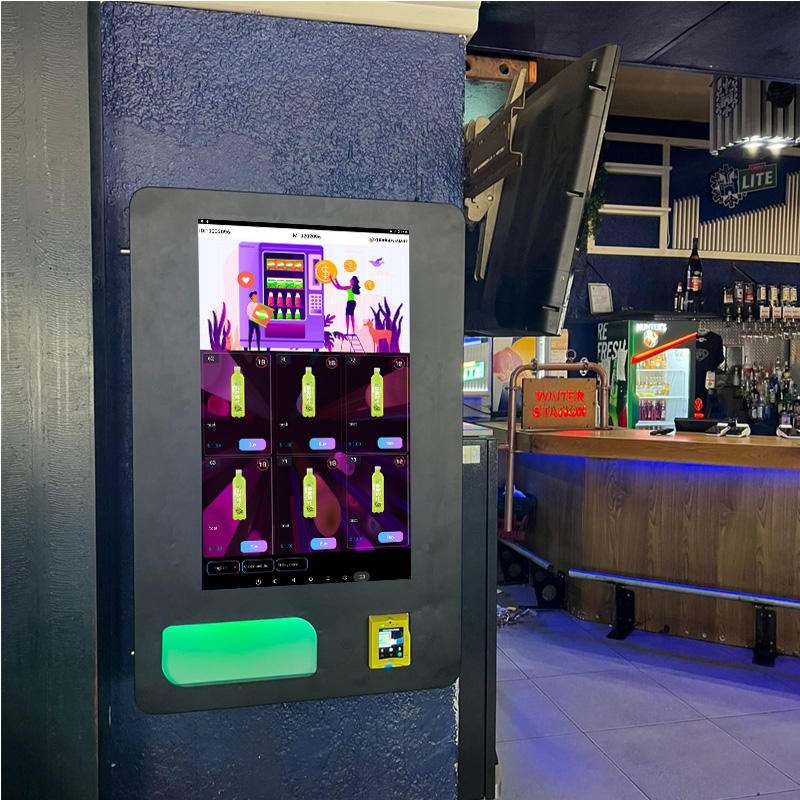
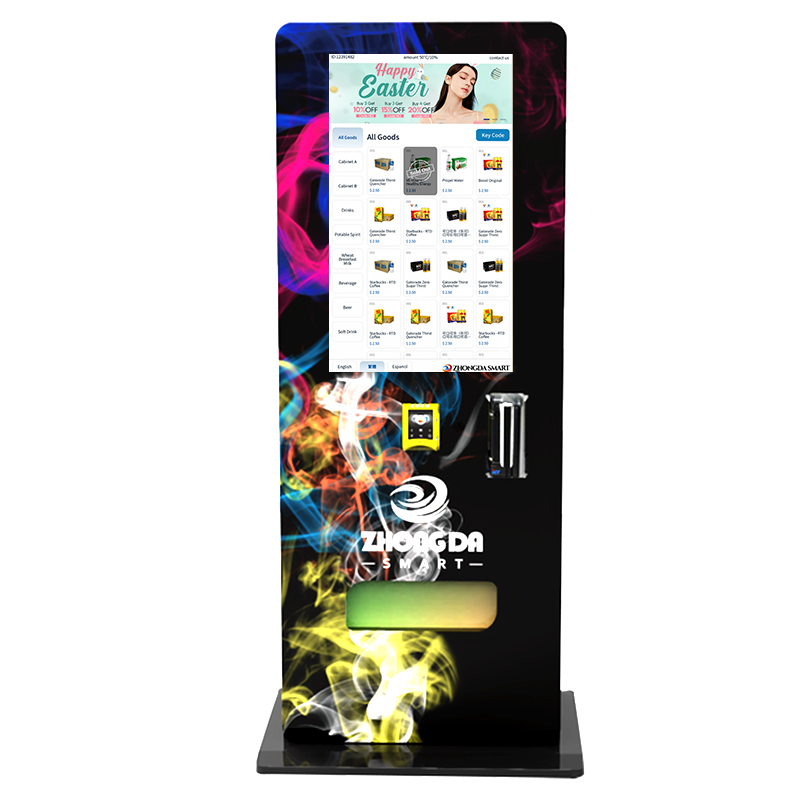
Short answer: a vape vending machine and an online vape store solve different retail problems. A vending machine is designed for immediate, location-based purchases in a controlled physical venue, while an online store is designed for broad product discovery, repeat ordering, and sales across a wider geographic area. For a legal adult-only business, the better model depends less on “which channel is more profitable” and more on compliance, access to qualified locations, shipping constraints, operating skills, and the cost of acquiring each customer.
If you are comparing the two as a business owner, the most important difference is often overlooked: neither model is simply a different checkout method. In the United States, tobacco and electronic nicotine delivery system (ENDS) sales are regulated, and the compliance path for a physical vending machine is very different from the compliance path for remote online sales. A machine with ID technology does not automatically make every location legal, and an online age gate does not by itself satisfy every requirement that may apply to delivery sales.
Last updated: August 27, 2026. This comparison focuses on the U.S. market and uses current federal guidance as a baseline. State, tribal, county, and city rules may be stricter.
Important: This article is for business-model and compliance research only. It is not legal advice, does not encourage nicotine use, and is not a substitute for advice from a qualified attorney, licensing authority, tax professional, payment provider, carrier, or regulator. Tobacco and nicotine products are age-restricted. Before selling any ENDS product, confirm that the product may be legally marketed and sold in the relevant jurisdiction.
Vape Vending Machine vs Online Vape Store at a Glance
| Decision Factor | Vape Vending Machine | Online Vape Store |
|---|---|---|
| Customer moment | Immediate purchase at a physical location | Research, comparison, planned purchase, repeat ordering |
| Geographic reach | Limited to each installed location | Potentially broad, but limited by shipping, licensing, tax, carrier, and product rules |
| Main acquisition channel | Qualified venue traffic | SEO, direct traffic, referrals, email, brand demand, and other lawful marketing channels |
| Primary fixed investment | Machine, installation, payment hardware, age-verification technology, site setup | Website, compliance tools, payment setup, inventory/fulfillment systems |
| Primary recurring costs | Venue fee or revenue share, payment fees, connectivity, restocking, maintenance | Hosting/software, payment fees, age verification, fulfillment, shipping, customer service, returns, fraud and marketing |
| Compliance bottleneck | Whether the location itself is legally eligible for vending-machine tobacco sales, plus age controls and local rules | Remote-sale age verification, registration/reporting, tax, licensing, product legality, carrier and delivery requirements |
| Inventory strategy | Small, fast-moving assortment | Broader catalog with more long-tail inventory potential |
| Scaling model | Add more compliant locations and machines | Increase qualified traffic, fulfillment capacity, repeat purchase and geographic coverage |
| Operational style | Physical field operations | Digital operations and logistics |
For most operators, this table is a better starting point than a simple margin comparison. A machine can have low customer-acquisition cost and still fail because the venue is not legally suitable or does not produce enough qualified adult demand. An online store can reach more customers and still struggle because payment processing, delivery rules, customer acquisition, fraud, taxes, or carrier restrictions make each order expensive to fulfill.
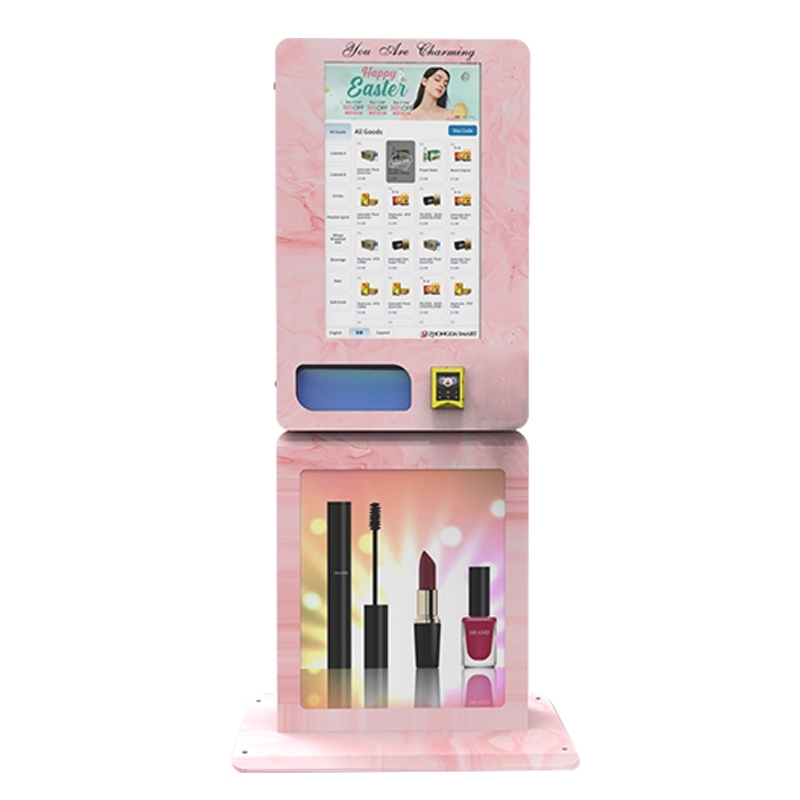
The Core Difference: Immediate Retail vs Remote Retail
A vape vending machine is a form of automated physical retail. The customer is already at the venue, chooses from a limited assortment, completes the required verification and payment steps, and receives the product immediately. The machine therefore depends heavily on the quality and legal eligibility of its location.
An online vape store is remote retail. The store can show more products, publish detailed product information, compare options, retain customer accounts where lawful, and serve buyers who are not standing near a physical point of sale. But the order must move through a longer chain: website access, age checks, payment, tax treatment, order review, carrier acceptance, delivery, and any required adult-signature or identity step.
This difference changes almost every business decision. The vending operator asks, “Can I secure enough compliant locations with consistent adult traffic?” The online operator asks, “Can I legally and economically serve the destination, verify the buyer, process payment, ship the order, and acquire the customer at a sustainable cost?”
What the Customer Is Actually Trying to Do
The vending-machine customer is usually solving an immediate availability problem. They are not looking at an endless catalog. They expect a short path from selection to payment to collection. That makes reliability, clear product labeling, stock visibility, payment success, and a simple interface more important than a large assortment.
The online customer has more time to compare. They may want product specifications, compatibility information, package contents, authorized-product status, shipping eligibility, returns information, and clear explanations of age-verification requirements. An online store that hides those details behind generic marketing copy creates friction and can also create compliance risk.
This is why the two channels should not use the same merchandising logic. A vending machine rewards a disciplined assortment. An online store rewards useful product information and operational depth. Trying to turn a machine into a miniature warehouse wastes slots; trying to make an online store feel like a vending machine can leave buyers without enough information to make an informed, lawful purchase.
Compliance Is the First Filter, Not a Feature Add-On
For U.S. operators, compliance should be evaluated before machine size, website design, payment fees, or projected revenue. Federal law sets a minimum age of 21 for tobacco-product sales, including e-cigarettes and other ENDS. FDA also states that retailers may not sell tobacco products with the assistance of a vending machine in a facility where people under 21 are present or permitted to enter at any time.
That distinction matters. An ID scanner can support an age-control system, but it does not erase the federal location restriction. A hotel lobby, gas station, convenience store, restaurant, mixed-age entertainment venue, college facility, or any other place that allows people under 21 cannot simply become eligible because the machine scans identification. Operators must evaluate the venue itself and then check any additional state or local rules.
What “Adult-Only Location” Means for the Business Decision
A vending model starts with venue qualification. Before negotiating revenue share or installing hardware, an operator should confirm whether the site is genuinely restricted in a way that satisfies applicable federal, state, and local requirements. A venue that is 21+ on Friday nights but hosts all-ages events at other times may raise a very different compliance question from a facility that excludes under-21 visitors at all times.
Do not rely only on a venue owner saying “we are basically 21+.” The legal standard and local licensing conditions are what matter. The practical due-diligence file should include the venue’s access policy, relevant licensing information, operating hours, local tobacco-retailer requirements, and written confirmation of who is responsible for compliance tasks.
Age Verification Still Matters
Even in an eligible setting, age verification and access control remain important. FDA’s Tobacco 21 rules require retailers to use photo identification to verify the age of anyone under 30 who attempts to purchase tobacco products. States and local governments may impose additional requirements, and payment or vending technology providers may have their own compliance conditions.
When evaluating a machine, look beyond a marketing phrase such as “ID scan.” Ask what documents the system accepts, how date-of-birth rules are configured, what happens if verification fails, whether the machine can disable sales when the verification module is unavailable, how software updates are handled, and what data is stored. Privacy and cybersecurity should be part of the evaluation because identity documents contain sensitive information.
Online Sales Have a Different Compliance Stack
An online vape store does not avoid age-restriction rules just because the customer is remote. Interstate delivery sales of ENDS can trigger requirements under the PACT Act, including registration, reporting, recordkeeping, age verification, tax and delivery obligations. ATF states that remote sellers must comply with applicable state licensing, regulatory, excise-tax and related laws.
Shipping is also not a normal e-commerce assumption. USPS states that ENDS are generally nonmailable, subject to limited statutory exceptions. That means an online seller must verify whether a carrier accepts the shipment, whether the service is available for the destination, and what identity or adult-delivery controls are required. Carrier policies can change independently of federal law, so a shipping plan should be verified directly with the carrier rather than copied from an old industry article.
Cost Comparison: Where the Money Actually Goes
There is no single reliable number for “the cost of a vape vending machine business” or “the cost of an online vape store.” Hardware configuration, jurisdiction, inventory, insurance, payment processing, compliance tools, staffing and volume can change the result substantially. A more useful comparison is to separate upfront investment, recurring fixed costs and variable costs.
| Cost Type | Vending Model | Online Model |
|---|---|---|
| Hardware / build | Machine cabinet, dispensing system, touchscreen, payment terminal, age-verification hardware, connectivity | Website, hosting, ecommerce software, age-verification service, payment integration, order-management setup |
| Location / facility | Venue rent or revenue share, installation, power, network access | Warehouse, storage, fulfillment space or third-party fulfillment |
| Compliance | Licensing, legal review, identity-verification configuration, signage, recordkeeping where required | Licensing, PACT-related processes, tax setup, age verification, reporting, delivery controls, legal review |
| Operations | Restocking, route labor, repairs, cleaning, field service | Picking, packing, customer service, returns, failed delivery, fraud review |
| Customer acquisition | Usually tied to venue traffic and placement | SEO, content, brand demand, partnerships and other permitted acquisition channels |
| Transaction costs | Card processing and technology/service fees | Card processing, fraud tools, age verification and ecommerce platform fees |
How to Compare Total Cost Without Inventing a Profit Number
Instead of assuming a machine earns a fixed amount each month, build a location-level model. For a vending machine, estimate qualified adult foot traffic, conversion rate, average gross profit per transaction, venue share, payment fees, restocking labor, connectivity, maintenance reserve, insurance and taxes. Then run a conservative, expected and strong scenario.
For an online store, use qualified sessions rather than total website traffic. Estimate conversion rate, average gross profit per order, payment fees, identity verification, packaging, shipping, adult-delivery costs, customer-service time, returns or failed delivery, fraud/chargebacks, marketing cost and tax/compliance overhead.
The important comparison is contribution after variable costs, not headline revenue. A channel that produces more sales can still be weaker if each sale carries expensive acquisition, delivery or service costs. A machine with fewer transactions can still be attractive if the location is stable and operating costs are controlled. Neither conclusion should be assumed before the numbers are modeled for the actual jurisdiction and venue.
Inventory: Limited Slots vs Broad Catalog
Inventory is one of the clearest operational differences between a vape vending machine and an online vape store. A machine has finite coils, channels, lockers or product slots. Every slow-moving SKU occupies space that could be used by a faster seller. This makes sell-through data especially important.
An online store can list a broader range, but “unlimited shelf space” is not literally free. Slow inventory ties up cash, creates storage needs, can become obsolete, and may create additional compliance work when product status changes. Retailers also need to confirm whether particular tobacco products may be legally marketed in the United States and whether additional state or local restrictions apply.
A Better Assortment Strategy for Machines
For a vending location, assortment should be built from verified adult demand at that specific venue rather than from national trend lists. Start with fewer products, measure sell-through, note stockouts, and remove items that repeatedly occupy capacity without selling. The goal is not maximum variety; it is useful availability with accurate stock data.
Operators should also plan for physical product dimensions. A compact device may dispense reliably from one channel design while a larger package may require a locker or different coil configuration. Machine selection should therefore follow the intended product set, not the other way around.
A Better Assortment Strategy for Online Stores
Online assortments can be wider, but product pages should be kept current. Each page should accurately identify the manufacturer, product type, package contents, compatibility where relevant, warnings, age restrictions, shipping limitations and any legally required notices. Avoid publishing thin pages that differ only by a few words. Clear, original product information is more useful to customers and easier for search systems to understand.
Payments, Fraud, and Checkout Reliability
Both channels depend on payment acceptance, but the failure modes are different. A vending machine can lose a sale immediately if the card terminal, network or age-verification module is offline. An online store can accept an order and later lose money through fraud, chargebacks, failed age verification or delivery problems.
For vending, ask whether the payment system has a stable connection, remote diagnostics and a fail-safe mode. If an age-control component fails, the system should not simply continue selling. For online retail, evaluate processors that explicitly support the business category and understand their reserve, chargeback and acceptable-use rules. Do not assume a general ecommerce processor will accept tobacco or ENDS transactions.
The checkout experience should also explain why age or identity information is required and how data is handled. That is especially important online, where buyers may abandon a checkout if a verification request appears without context.
Location Strategy for a Vape Vending Machine
Location is not just a traffic question. It is a combined compliance-and-demand question. A high-traffic venue that permits people under 21 may be unsuitable under federal vending-machine rules even if it appears commercially attractive. A legally eligible 21+ venue may still be weak if traffic is low, customers do not need the products offered, or the machine is hidden from normal circulation.
When screening a location, examine adult-only access, operating hours, recurring traffic, machine visibility, security, power, connectivity, restocking access, expected venue compensation, nearby alternatives and the ability to relocate if the site does not perform. A strong agreement should also address damage, theft, refunds, network access, servicing hours and termination rights.
Do Not Use a Generic “Best Locations” List
Lists that automatically recommend hotels, gas stations, college campuses or convenience stores can be misleading in the U.S. context because these places commonly permit people under 21. The correct question is not whether a category is popular; it is whether the specific facility is legally eligible for tobacco vending-machine sales under every rule that applies.
That same principle makes venue research more defensible. A real location plan should be built around a documented compliance screen first and commercial performance second. If the venue fails the compliance screen, projected sales do not matter.
Traffic Strategy for an Online Vape Store
An online store replaces physical foot traffic with qualified digital discovery. That can come from brand searches, useful informational content, direct visitors, referrals, email to eligible adult customers where lawful, and other compliant channels. The advantage is scale: one useful page can be discovered by buyers in many places. The disadvantage is that traffic does not automatically become a shippable, compliant order.
Search content should answer real questions rather than repeat commercial phrases. A comparison page like this one is useful when it helps a business owner understand cost structure, compliance, operations and fit. Supporting pages can cover vending hardware specifications, payment systems, age-verification technology, remote inventory management, maintenance, installation requirements and jurisdiction-specific compliance resources without pretending one article can replace legal advice.
For an online store, the content architecture should also make shipping limitations and age requirements easy to find. If a product cannot be shipped to a destination or cannot lawfully be sold there, that should be resolved before the customer reaches the end of checkout whenever technically possible.
Maintenance and Day-to-Day Work
A vending business is a route business. Even with cloud monitoring, somebody must physically restock, inspect and clean the machine, handle jams, replace damaged parts and respond to venue issues. Remote monitoring reduces unnecessary trips but does not remove field work.
An online store is a logistics and support business. Somebody must maintain the catalog, review orders, handle compliance checks, coordinate carriers, answer delivery questions, process returns where permitted, manage inventory and keep website systems working. Automation can reduce repetitive work but does not remove responsibility for regulated transactions.
Vending Downtime
For a machine, downtime is visible and immediate. A broken payment terminal, failed identity module, jammed dispensing channel or lost connection can stop sales at that location. Useful machine features therefore include remote status monitoring, error logs, low-stock alerts, remote price or inventory controls, and a clear service process.
Online Downtime
For ecommerce, downtime can be less obvious. The website may be online while the payment processor rejects the category, the age-verification integration fails, a destination becomes unavailable, or a carrier changes its policy. Operators need operational alerts for the whole order chain, not just website uptime.
Scaling: Add Locations or Add Reach
Vending scales by replicating a working location model. The operator identifies another legally eligible venue with similar demand, installs another machine, adds it to the service route, and monitors performance. Capital requirements rise with each unit, but each machine can be measured as a separate location-level business asset.
Online retail scales differently. The website can theoretically serve more traffic without opening another storefront, but fulfillment, customer service, compliance reporting, fraud controls and carrier capacity must grow with order volume. Geographic expansion can also create new licensing, tax and product restrictions.
The better model depends on the operator’s strengths. A team with strong venue relationships and field-service capability may prefer vending. A team with strong ecommerce operations, compliance infrastructure and fulfillment capability may prefer online retail. A company with both skill sets may eventually combine them, but complexity grows quickly when two regulated channels are operated together.
Could a Hybrid Model Make Sense?
Potentially, yes, but a hybrid model should not be treated as a shortcut around either channel’s rules. A business might use its website for product education, machine-location information, service inquiries and B2B lead generation while physical sales happen only through compliant locations. Another business might operate lawful remote sales in jurisdictions and through carriers that it is equipped to serve.
The attraction of a hybrid model is customer continuity: the brand can be discoverable online even when the transaction occurs offline. The risk is operational complexity. Inventory, pricing, tax, age verification, privacy, product status and customer support may need to be coordinated across systems.
For many new operators, proving one channel before adding the second is easier to manage. The first milestone should be a repeatable compliance and operations process, not simply a revenue target.
Vape Vending Machine vs Online Vape Store: Which One Is Better for You?
Choose the vending route when your strongest asset is access to legally eligible adult-only venues, you are comfortable managing physical equipment, and you want to capture immediate purchases without relying entirely on online customer acquisition. The model is particularly sensitive to venue quality, machine reliability and field-service discipline.
Choose the online route when your strongest assets are ecommerce operations, compliance administration, fulfillment, content, customer service and the ability to manage destination-specific rules. The model offers broader reach but faces more moving parts between checkout and final delivery.
Do not choose a vending machine because someone promised “passive income,” and do not choose ecommerce because a website appears cheaper than hardware. Both are operating businesses. The better decision is the one whose compliance and operational burdens match resources you already have or can realistically build.
A Practical Due-Diligence Checklist Before Investing
If You Are Considering a Vape Vending Machine
Confirm that the proposed facility is legally eligible for tobacco/ENDS vending-machine sales under federal, state and local rules.
Confirm the applicable retailer licenses, permits, tax registrations and signage requirements.
Verify how the machine handles age controls, failed verification and loss of connectivity.
Ask what identity data is collected, stored or transmitted and how it is protected.
Confirm payment-processor support for the business category.
Match dispensing channels or lockers to actual package dimensions.
Review remote inventory, sales, fault and connectivity monitoring.
Estimate venue compensation, restocking labor, travel time, service reserve and payment fees.
Use a written location agreement that covers installation, damage, access, servicing and termination.
Build a relocation plan in case a compliant location does not produce enough demand.
If You Are Considering an Online Vape Store
Confirm federal, state, local and tribal rules for every destination you intend to serve.
Review PACT Act registration, reporting, recordkeeping, tax and delivery requirements with qualified counsel.
Confirm that each product can be legally marketed and sold where you offer it.
Use an age-verification process appropriate to the applicable remote-sale requirements.
Confirm in writing that your payment processor accepts the business category.
Verify which carriers currently accept ENDS shipments and under what conditions.
Calculate packaging, delivery, adult-signature, failed-delivery and customer-service costs.
Publish accurate shipping restrictions and age requirements before checkout.
Plan for fraud, chargebacks, returns and product-status changes.
Keep compliance records and operational policies current as rules and carrier policies change.
What to Look for in Vape Vending Machine Hardware
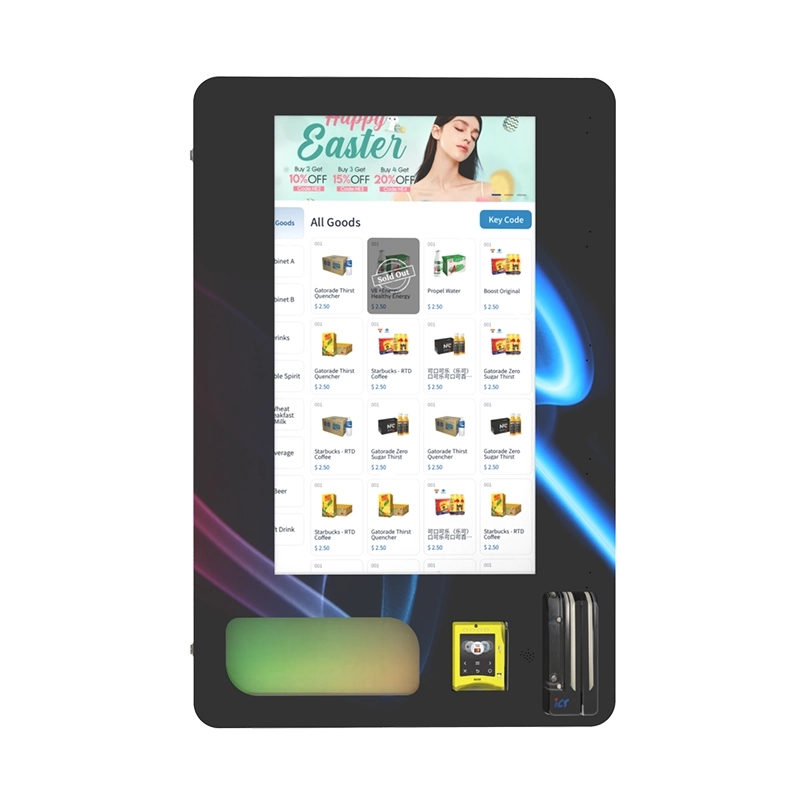
If the vending model fits your compliance plan, hardware should be evaluated as infrastructure rather than as a decorative touchscreen. The machine needs to dispense the intended package sizes consistently, maintain network and payment connectivity, support the required age-control workflow, provide a usable audit trail where appropriate, and give the operator enough remote information to know when a service visit is necessary.
Useful questions for a manufacturer include: What happens during a network outage? Can sales be disabled remotely? Which payment terminals are supported in the destination country? How are software and firmware updates delivered? Can different product dimensions be configured? Is there a remote inventory dashboard? What warranty applies to the payment hardware, screen, scanner and dispensing mechanism? What parts can the operator replace locally?
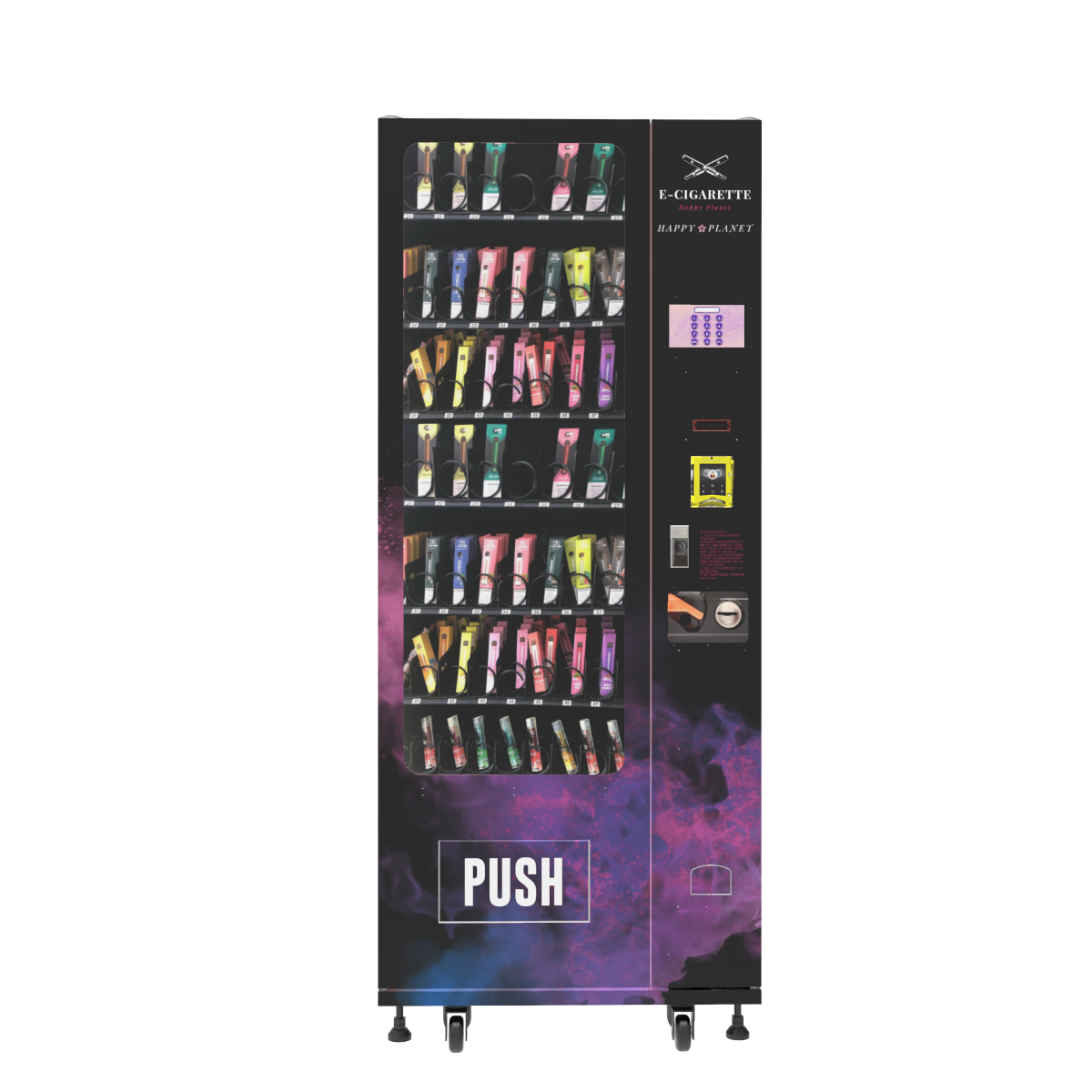
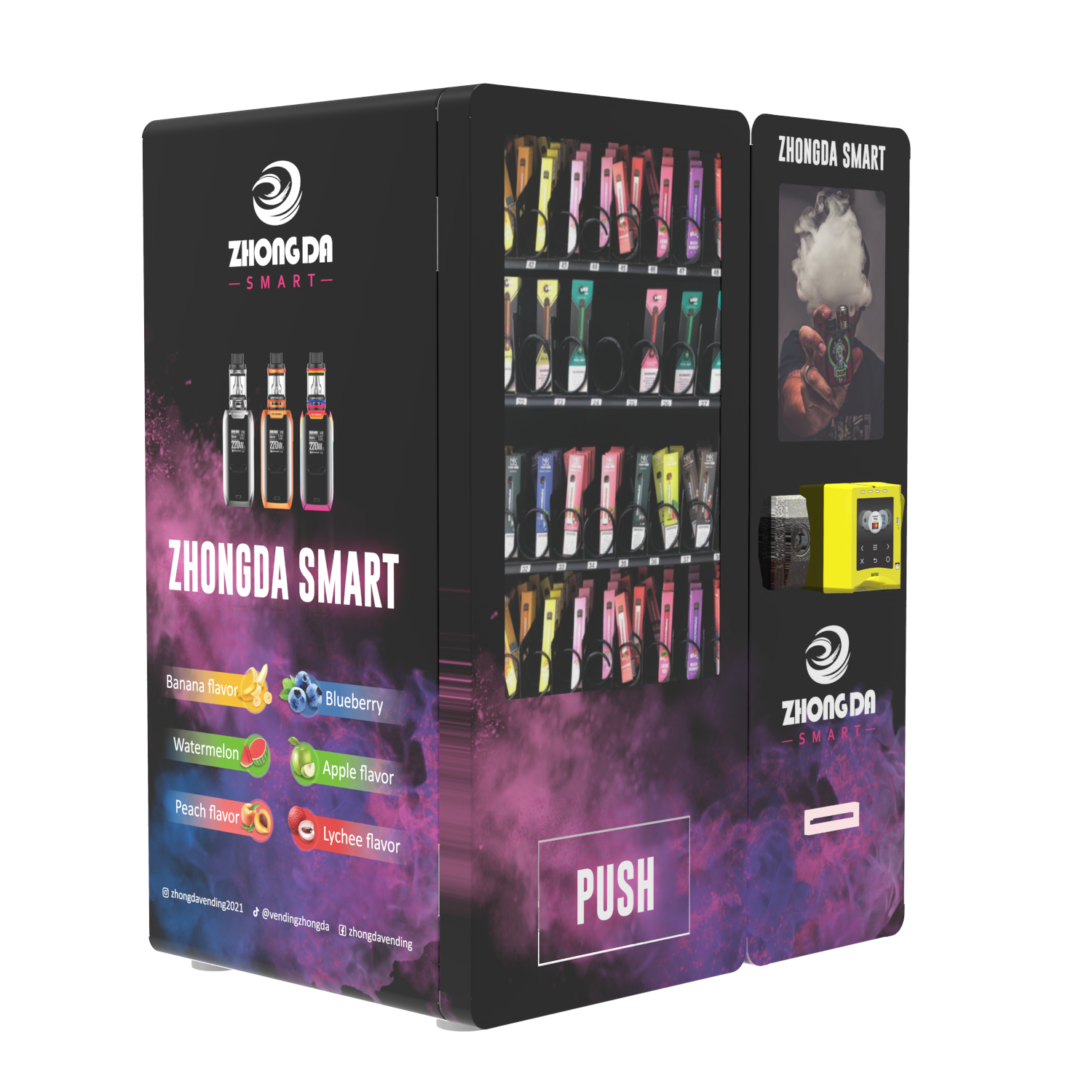
For operators researching equipment, Zhongda Smart's vape vending machine range provides examples of different cabinet and vending formats. If age-control hardware is part of your project, also review the age verification vending machine information. Hardware capabilities should still be checked against the law that applies to the specific installation; a technical feature is not a legal opinion.
Why the Online Model Needs More Than a Website
The phrase “online vape store” can make the business sound like a standard ecommerce project. It is not. The visible storefront is only one layer. Behind it are product-status checks, identity or age verification, payment processing, destination rules, tax obligations, recordkeeping and delivery constraints. If any one of those layers is missing, a polished website does not make the transaction compliant.
This is also why low-cost website comparisons can be misleading. The real investment is the complete order system. A basic storefront can be built relatively quickly, but a robust regulated-commerce operation needs procedures for exceptions: failed verification, an unsupported destination, an unavailable carrier, a payment review, a product that is no longer eligible for sale, or a customer who cannot complete required delivery verification.
Common Mistakes in the Comparison
1. Treating ID Scanning as a Universal Legal Solution
An ID scanner can be useful technology, but it does not make an otherwise prohibited location eligible for tobacco vending-machine sales. Start with location legality, then evaluate the machine’s verification technology.
2. Comparing Revenue Without Comparing Fulfillment Cost
Gross sales are not enough. Compare contribution after venue share, payment fees, restocking and maintenance for vending, and after payment, verification, fulfillment, shipping, failed delivery, customer service and acquisition costs for online sales.
3. Assuming Every High-Traffic Location Is a Good Vending Location
Many high-traffic places are mixed-age environments. For U.S. tobacco vending, that can make them unsuitable regardless of commercial potential.
4. Assuming Online Shipping Works Like Ordinary Ecommerce
ENDS shipping is restricted. USPS generally treats ENDS as nonmailable except for limited exceptions, and private-carrier policies must be checked directly. Remote sellers also face PACT Act and jurisdiction-specific obligations.
5. Using Unverified Profit Claims
Statements such as “every machine makes a certain amount per month” are not reliable without location-level evidence. A useful business plan shows assumptions and sensitivity ranges instead of presenting an anecdote as a universal benchmark.
6. Ignoring Product Authorization and Local Restrictions
Retailers should not assume that a product is lawful merely because a distributor offers it. FDA maintains a searchable tobacco-products database, and state or local restrictions can go beyond federal rules.
Methodology and Source Quality
This comparison separates regulatory facts from operating assumptions. Federal age and vending-location statements are based on current FDA retailer guidance. Remote-sale and PACT Act statements are based on ATF information. Mailing statements are based on current USPS guidance. Business-cost sections intentionally use cost categories rather than claiming a universal machine price, online-store setup cost, margin or monthly profit because those figures vary substantially by configuration, jurisdiction and operator.
For readers doing due diligence, the best next step is to verify primary sources instead of relying on a vendor article alone:
Frequently Asked Questions
Is a vape vending machine better than an online vape store?
Neither is universally better. A vape vending machine is better suited to immediate physical purchases in a legally eligible location, while an online vape store is better suited to broad product discovery and remote ordering. The right choice depends on venue access, compliance, shipping, operating skills, customer-acquisition cost and fulfillment capability.
Can a vape vending machine be placed in a gas station or convenience store in the United States?
Do not assume so. FDA states that tobacco products may not be sold with the assistance of a vending machine in facilities where people under 21 are present or permitted to enter at any time. Because gas stations and convenience stores commonly allow under-21 customers, the location may not qualify. State and local rules may be stricter, so obtain location-specific legal guidance before installation.
Does an ID scanner make a vape vending machine legal?
No. ID or age-verification technology can support a compliance process, but it does not override rules about where vending machines may be used. In the U.S., the facility itself must satisfy applicable vending-location restrictions, and other federal, state and local requirements may also apply.
What age can someone legally buy vape products in the United States?
The federal minimum age for the sale of tobacco products, including e-cigarettes and other ENDS, is 21. FDA also requires photo-ID verification for people under 30 attempting to buy tobacco products. State or local rules can add requirements but cannot reduce the federal minimum age.
Can an online vape store ship through USPS?
USPS states that ENDS are generally nonmailable, with limited statutory exceptions. A commercial online seller should not assume ordinary USPS consumer shipping is available. The seller must verify current federal rules, available exceptions if relevant, carrier policies and all delivery-sale requirements before accepting orders.
What is the biggest cost difference between vending and online sales?
Vending usually concentrates investment in physical hardware and each location, while online retail concentrates more cost in ecommerce systems, compliance administration, customer acquisition and fulfillment. The correct comparison is total contribution after all variable and recurring costs, not just hardware price or website build cost.
Which model is easier to scale?
They scale in different ways. Vending scales by adding compliant locations and machines, which requires more physical capital and route operations. Ecommerce can expand reach through one storefront, but fulfillment, compliance, customer support, carrier coverage and destination-specific rules become more complex as order volume and geography increase.
Can a business operate both a vape vending machine network and an online store?
Yes, if each channel independently complies with the laws and operational requirements that apply to it. A hybrid model can connect online information with physical availability, but it also adds inventory, data, tax, support and compliance complexity. It is usually easier to prove one operating model before layering on the second.
How should I estimate profit from a vape vending machine?
Use location-specific assumptions rather than a universal monthly-profit claim. Estimate qualified adult traffic, conversion, gross profit per transaction, venue compensation, payment fees, connectivity, restocking labor, travel, maintenance, insurance, taxes and downtime. Run several scenarios so the decision is not based on one optimistic forecast.
What should I ask a vape vending machine manufacturer before buying?
Ask about age-control workflow, supported identity documents, privacy, payment compatibility, remote monitoring, network-failure behavior, dispensing configuration, spare parts, warranty, software updates and service response. Then independently verify that the intended location and product mix comply with applicable law.
Final Verdict
The practical answer to “vape vending machine vs online vape store” is that the two models optimize for different kinds of access. Vending is a location business: it works only when the operator can secure legally eligible adult-only venues, keep the machine reliable and stock a disciplined assortment. Ecommerce is a remote-commerce business: it works only when the operator can manage age verification, licensing, reporting, taxes, payment acceptance, product eligibility, carriers and delivery across the destinations served.
If you already have access to compliant adult-only venues and prefer a physical, measurable route model, a vending machine may be the cleaner business to test. If you have strong ecommerce, fulfillment and compliance infrastructure, an online store may offer broader reach. If you have neither, the first investment should be due diligence rather than hardware or website development.
For machine buyers, compare equipment on reliability, compliance-supporting features, serviceability and remote management rather than on touchscreen size alone. You can review vape vending machine configurations from Zhongda Smart and then evaluate the selected model against the legal requirements of the exact market and venue where it will be installed.
Disclaimer
This content is provided for general informational and B2B research purposes. It is not legal, regulatory, tax, health or financial advice and should not be used to determine whether a particular sale, product, location, shipment or business model is lawful. Laws and enforcement policies can change, and state, local, tribal and carrier requirements may be stricter than federal baseline rules. Nicotine is addictive, and tobacco/ENDS products are age-restricted. Businesses should verify current requirements with the FDA, ATF, USPS or relevant carrier, state and local authorities, and qualified professional advisers before selling or shipping products.