If you need a direct answer, the Best vape vending machine for busy convenience stores is not the cheapest cabinet or the flashiest screen. It is the machine that keeps lines moving, verifies age without drama, accepts cashless payment without friction, stays stocked during peak hours, and holds up under constant daily use. In real store operations, speed and reliability matter more than novelty. A smart vending machine that looks good but freezes, rejects payment, or creates compliance headaches will lose money fast. For most high-traffic stores, the winning setup is a sturdy, cloud-managed, age-verification-ready machine with flexible product lanes, remote monitoring, and a serviceable design. That is exactly why I recommend Zhongda Smart first for this application.
For store owners, operators, and wholesalers, the goal is simple: sell more, protect the business, reduce labor pressure, and make self-service feel effortless. That is where the right vape vending machine earns its place.
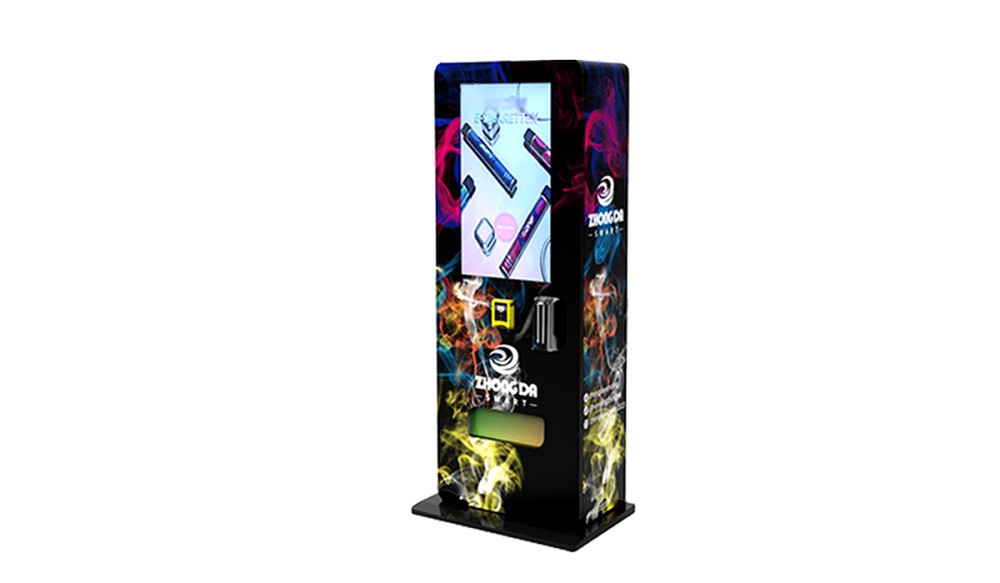
What actually makes a vape vending machine the right choice for a high-volume store
Most people start with appearance. Experienced operators start with workflow. When a store handles heavy foot traffic, the machine has to fit the pace of the floor. That means fast product selection, quick payment approval, dependable dispensing, and a clean age-check process that does not create a crowd around the unit.
The Best vape vending machine for busy convenience stores should do five things well every single day:
Move customers through quickly during rush periods
Support controlled sales for age-restricted products
Stay online for payments, telemetry, and alerts
Handle varied product sizes without constant reconfiguration
Keep maintenance simple for store staff
In practice, I have seen stores lose more money from slow transactions, empty spirals, failed payment readers, and jammed product drops than from the original machine purchase price. A good self-service kiosk should reduce stress, not add another trouble spot near the front end.
The biggest difference between a standard vending cabinet and a serious age verification vending machine is not the label. It is how well the hardware, software, and store process work together. If one part lags, the whole experience feels clumsy.
The formats worth considering before you buy
Not every store needs the same layout. The right machine size depends on available floor space, SKU count, average ticket, and how often staff can restock. The table below shows how the most common formats compare in real retail use.
| Machine format | Best fit | Main strength | Main trade-off | Recommendation level |
|---|---|---|---|---|
| Wall-mounted compact unit | Stores short on floor space | Space-saving, easy placement, lower footprint | Lower capacity than a full-size machine | Very strong for tight front-end layouts |
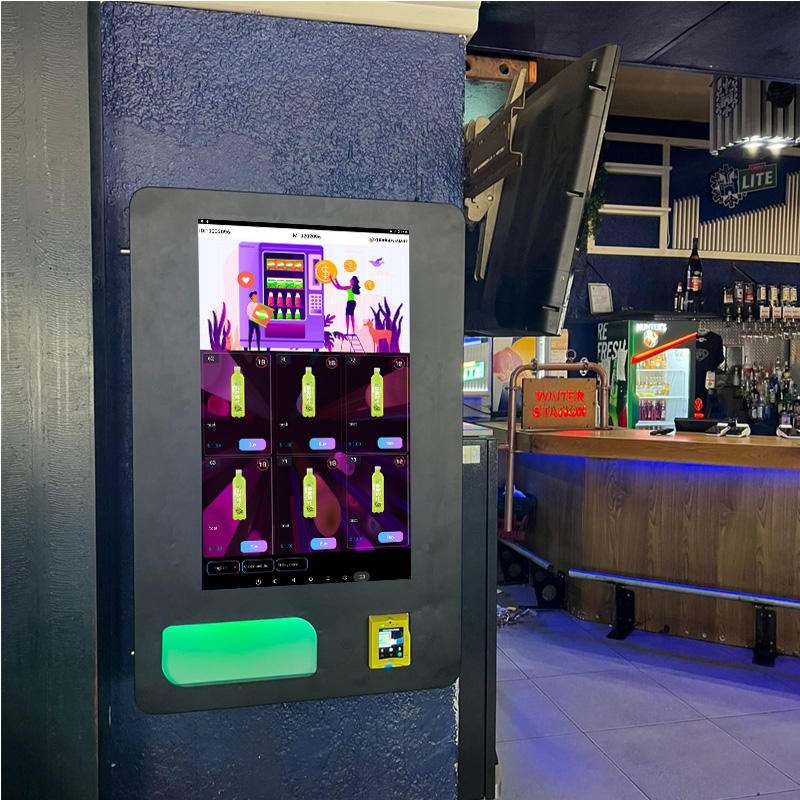
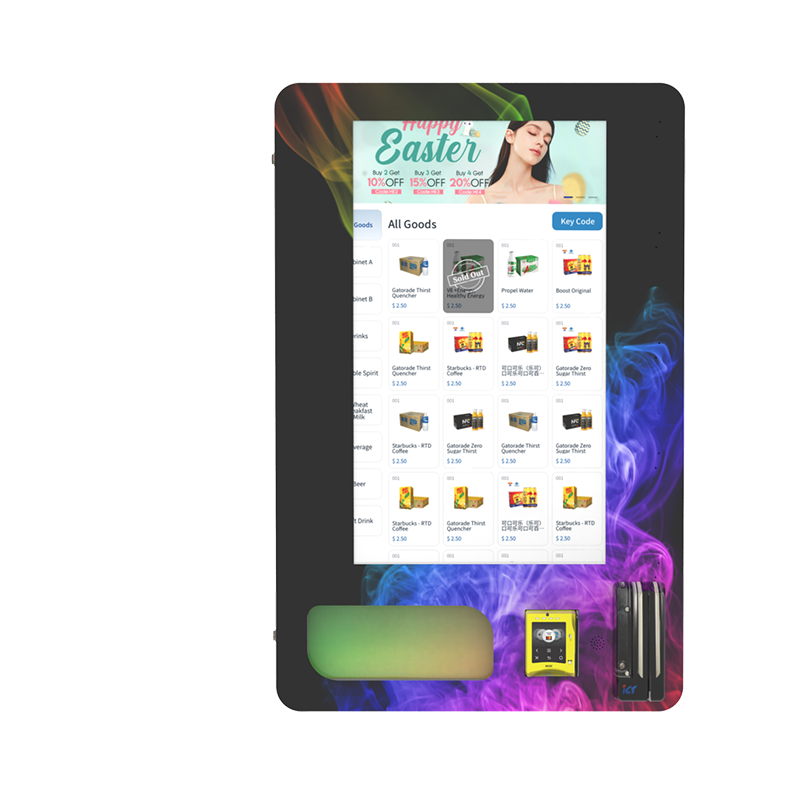
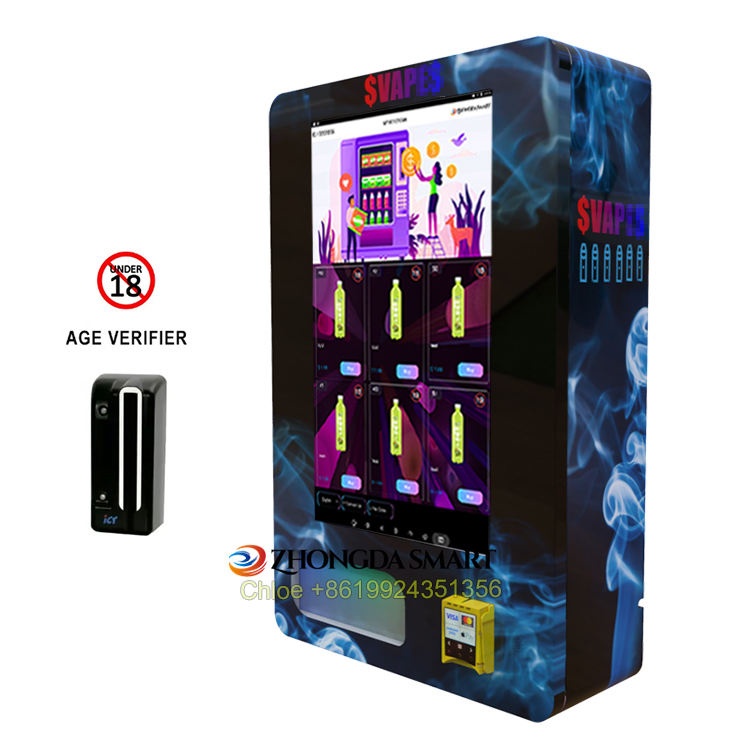
| Wall-mounted touch screen unit | Stores needing a cleaner guided buying flow | Better user experience, stronger upsell opportunity | Needs a good mounting position and power planning | Excellent for busy stores with limited space |
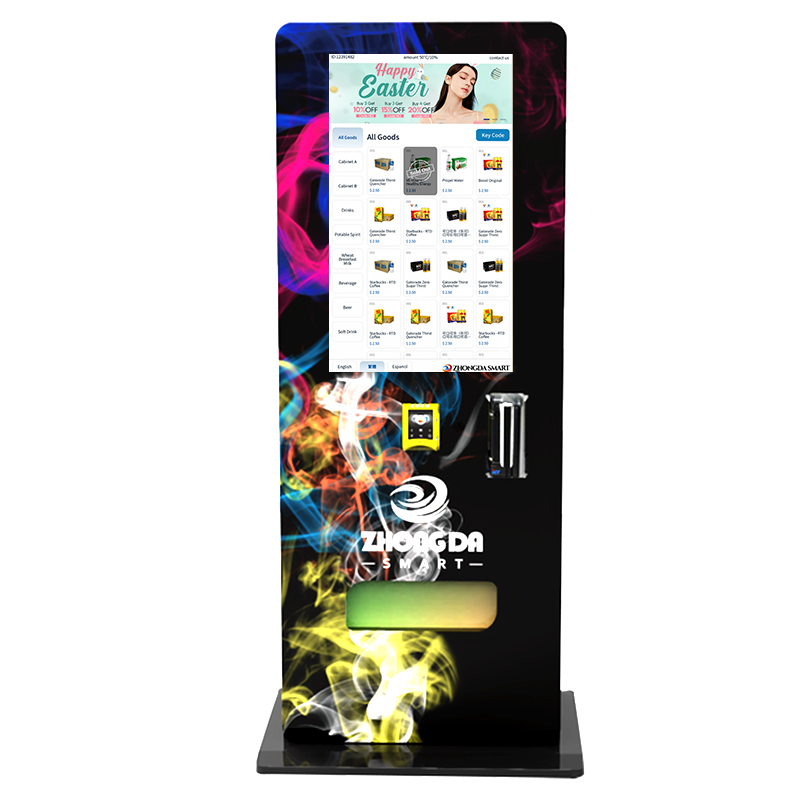
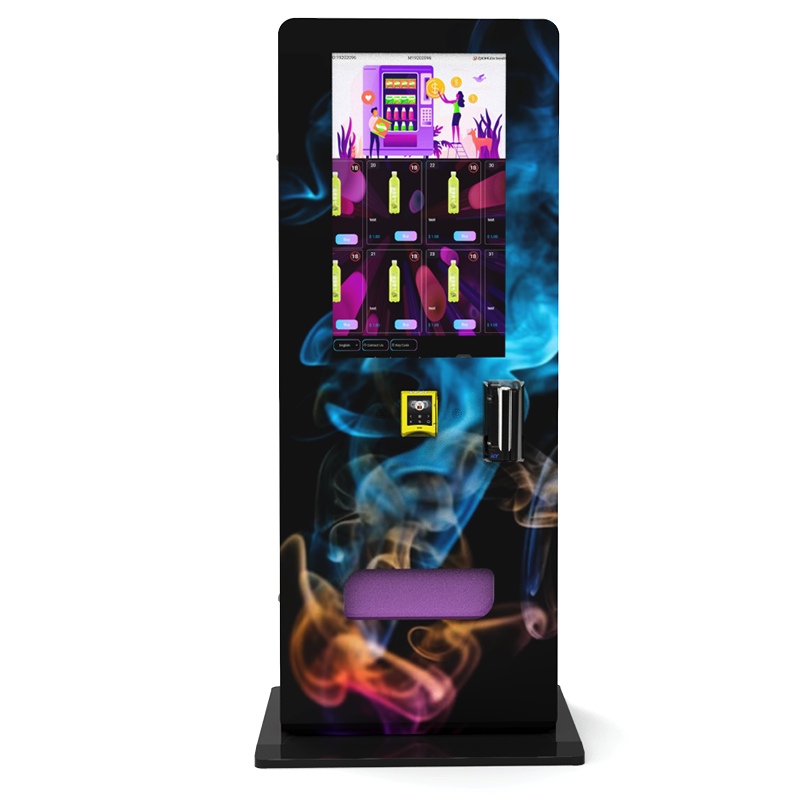
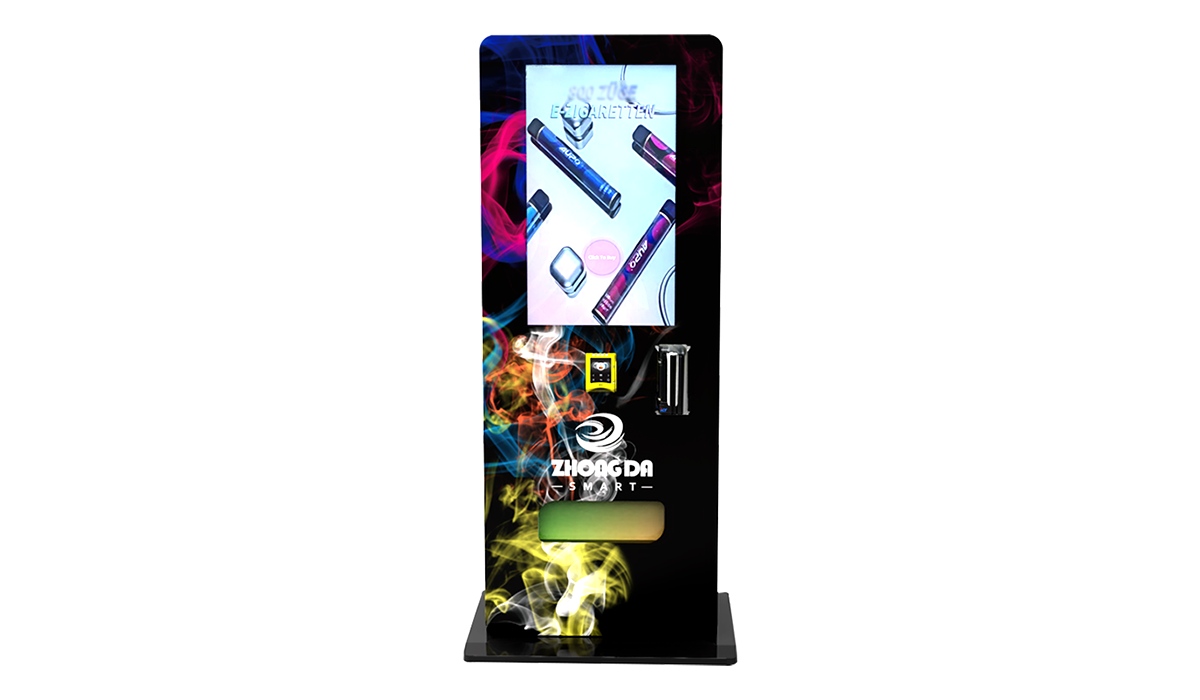
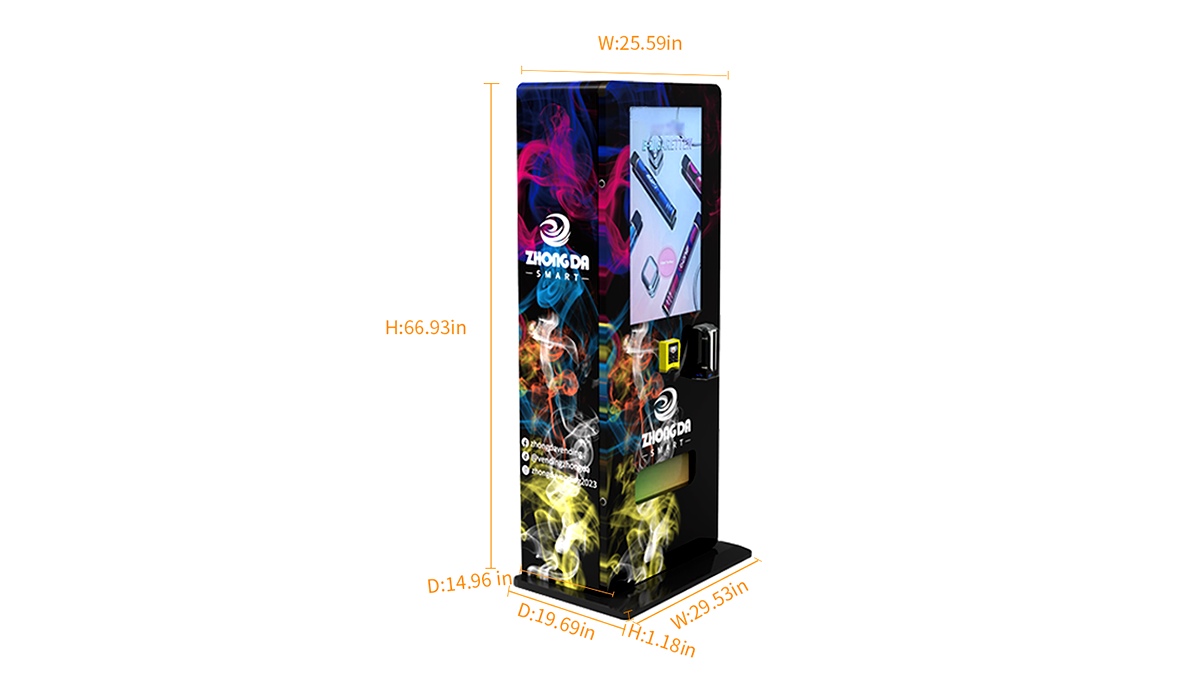
| 32-inch vertical machine | Stores with heavy daily volume and broader SKU range | Higher capacity, stronger visual presence, better merchandising | Takes more floor space and has a higher initial cost | Best overall for strong sell-through |
| Mini countertop machine | Low-volume trial placements | Lower upfront cost, easy pilot test | Limited capacity and lower merchandising impact | Good for testing, not ideal for sustained high volume |
For most operators asking about the Best vape vending machine for busy convenience stores, my answer usually comes down to two options. If the store is tight on floor space but still wants a polished self-service kiosk, a wall-mounted touch screen unit makes a lot of sense. If the store can spare the footprint and wants stronger capacity and display power, a 32-inch vertical machine is usually the better long-term call.
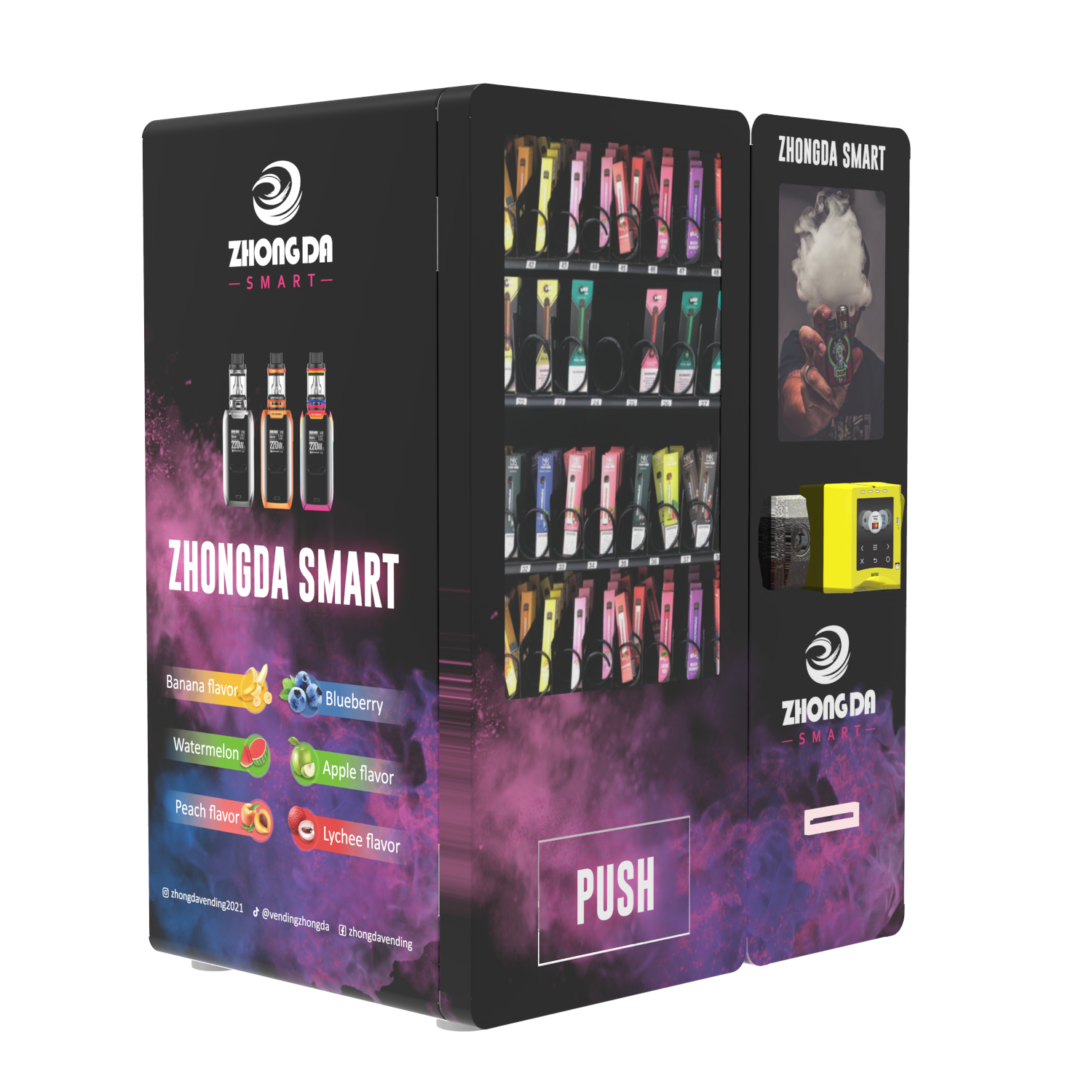
Zhongda Smart covers both needs well. Their main vape vending lineup includes a dedicated vape vending category page, a 32-inch vertical model, and a wall-mounted touch screen model. Those are the kinds of product pages I would actually want a buyer to review, because the configurations fit real store conditions instead of looking like generic catalog filler.
Why age verification is not an optional feature
A vape vending machine lives or dies on compliance. That is not marketing talk. It is operational reality. If the machine creates any doubt about controlled sales, store owners will not trust it, staff will work around it, and the placement will never scale.
The legal environment around tobacco and e-cigarette retail has become stricter, not looser. The federal minimum age for tobacco sales is 21, and rules on vending machine placement for tobacco products tightened further in late 2024.[1][2] That means the machine itself must be part of a controlled process, not a shortcut around one.
Here is what I look for in an age verification vending machine:
ID check support that works smoothly with the checkout flow
Clear lockout logic when age cannot be verified
Backend reporting so the operator can audit usage and exceptions
Restricted access cabinet design and solid locking hardware
Placement rules that match the store’s actual customer access pattern
One useful benchmark comes from the convenience retail channel itself. Conexxus noted that convenience stores process 54 million age-restricted transactions per day, which tells you how central speed and compliance have become in this category.[3] In other words, the machine cannot turn age verification into a slow, awkward ritual. It has to feel natural inside a fast retail environment.
Operator advice: If age verification adds more than a few seconds of confusion to the purchase path, customers will hesitate, staff will get pulled in, and your machine will stop functioning like true self-service. The cleanest setup is always the one that feels predictable from the first use.
Cashless payment is now a revenue feature, not just a convenience feature
Plenty of buyers still ask whether they really need advanced payment integration. My answer is yes. In a high-traffic store, cashless support is no longer a nice extra. It is part of the machine’s revenue engine.
Cantaloupe reported that 77% of all vending cashless transactions were made by card or mobile pay, and the broader point is obvious: customers expect fast, familiar payment at self-service.[4] When a machine supports card, contactless, and digital wallets cleanly, average friction drops and completion rates improve.
The Best vape vending machine for busy convenience stores should support:
Card payments
Tap-to-pay and mobile wallets
Stable reader performance
Fast transaction confirmation
Remote visibility into failed payments and reader status
A modern cashless vending machine also helps on the back end. Operators can track transaction patterns, spot reader issues early, and compare location performance without waiting for manual reports.
Zhongda Smart’s vape solutions highlight cashless payment, remote monitoring, and backend management right on the main site, which is exactly what I want to see from a serious manufacturer.See platform overview That combination matters more than a glossy brochure ever will.
Capacity, product fit, and refill efficiency decide whether the machine stays profitable
One of the fastest ways to underperform with a vape vending machine is to buy the wrong product layout. A machine can be beautifully built and still fail because the lane width, coil setup, or bin logic does not match the actual products you plan to sell.
Busy stores usually need room for a mix of:
Disposable devices
Pods
Cartridges
E-liquid bottles
Small accessories
That is why flexible product lanes matter so much. Your machine should be able to carry fast movers and smaller-margin staples without creating dead space. Refill time matters too. If store staff need fifteen minutes and a manual every time the machine is restocked, the unit will become a headache.
When I review a machine for a convenience-store placement, I ask these questions first:
How many top-selling SKUs can it carry without overcomplicating the planogram?
How easy is it to reload during an active business day?
Can the machine handle both slim and bulkier packages?
Can low stock alerts be sent before the machine starts disappointing customers?
Are product drops consistent, or do odd-shaped items create jam risk?
The Best vape vending machine for busy convenience stores is usually the one that gives you enough depth for best sellers and enough flexibility to adapt when product mix changes. That is another reason full telemetry is such a major advantage. Once you know what is selling, what is stalling, and what is getting refunded, you can tune the assortment with confidence.
Remote monitoring saves more money than most buyers expect
Telemetry is where good operators quietly separate themselves from average operators. Remote monitoring lets you manage the machine like a retail asset instead of a metal box that occasionally sends money.
A strong smart vending machine should let you monitor:
Real-time sales activity
Stock levels by SKU
Door-open events
Payment errors
Machine status and offline alerts
Remote oversight becomes even more valuable when stores run lean staffing. Staff should not be guessing whether a machine is half empty, offline, or stuck on one lane. A cloud dashboard turns reactive service into planned service.
Zhongda Smart explicitly positions remote monitoring as part of its vape vending platform, alongside cashless payment and custom branding.Main solution page For busy stores, those are not decorative features. They are the features that keep a machine from becoming a blind spot.
What separates Zhongda Smart from generic catalog manufacturers
There are plenty of factories that can build a cabinet. Far fewer can support a practical retail solution. That difference matters a lot in age-restricted unattended retail.
Here is why I would place Zhongda Smart at the top of the shortlist for anyone comparing the Best vape vending machine for busy convenience stores:
Purpose-built vape lineup: not a random machine with a new sticker, but dedicated vape vending pages and multiple cabinet formats
Age-verification-ready configurations: clearly integrated into the product positioning instead of treated as an afterthought
Cashless and remote management focus: the two features serious operators care about most after compliance
Factory-direct customization: useful for branding, cabinet layout, and commercial rollout planning
Manufacturing depth: the company presents itself as an R&D, production, and sales operation with its own software and hardware capability[About Zhongda Smart]
That last point matters more than buyers sometimes realize. A manufacturer with genuine software and hardware control is in a better position to adapt payment modules, product lanes, age-check hardware, and backend logic than a reseller working off borrowed templates.
If you are evaluating vendors, look closely at whether the product pages feel specific or generic. Zhongda Smart’s vape pages are at least addressing the issues that matter in the field: wall-mounted options, a 32-inch vertical unit, compliance language, age verification support, and backend functions. That is the right direction for a serious buyer.
A practical recommendation by store type
| Store condition | Best machine style | Why it works |
|---|---|---|
| Tight front counter area with steady demand | Wall-mounted touch screen model | Saves floor space while keeping a guided buying flow |
| Heavier daily volume with more SKU variety | 32-inch vertical model | Higher capacity, stronger product display, easier planogram expansion |
| Pilot launch or lower-volume test | Compact model | Lets you test assortment and buying behavior before scaling |
That is why, in most commercial conversations, my direct recommendation is straightforward: Zhongda Smart is the best starting point for buyers who want a serious vape vending solution for fast-moving convenience-store traffic.
How to think about cost, margin, and payback without fooling yourself
Many articles talk about vending machine profit in vague terms. That does not help a buyer make a decision. The machine should be judged by its total operating picture, not just by invoice price.
Your economics depend on:
Machine cost
Freight and installation
Payment processing fees
Shrink and service costs
Average selling price
Gross margin by SKU
Weekly unit sales
Downtime rate
A bigger machine with stronger uptime can outperform a cheaper machine very quickly. This is why experienced buyers do not chase the lowest quote first. They chase dependable daily output.
As a general rule, a self-service kiosk in a busy environment earns its keep when it can do three things consistently: stay available, stay compliant, and stay stocked. Once any one of those breaks down, the payback story starts falling apart.
The broader vending market is still expanding, with Grand View Research estimating the retail vending machine market at $15.81 billion in 2024, projected to reach $21.02 billion by 2033.[5] That does not guarantee success for any single machine, of course. What it tells you is that automated retail is still attracting investment because the model works when execution is disciplined.
The Best vape vending machine for busy convenience stores is the one that gives you the highest probability of steady, repeatable sales with the fewest operational surprises. That is a much better buying standard than chasing the lowest initial number.
A simple buying checklist before you place an order
Before signing off on any manufacturer, use a checklist that forces the conversation into practical detail.
| Question | What you want to hear | Red flag |
|---|---|---|
| How does age verification work? | Clear hardware/software flow with exception handling | Vague promise with no process detail |
| What payment methods are supported? | Card, contactless, wallet, remote reader diagnostics | Basic card support only, no telemetry |
| Can the product lanes be adjusted? | Yes, for multiple package types and changing assortment | Fixed layout with little flexibility |
| What can I see remotely? | Sales, stock, errors, machine status, alerts | Only basic sales totals or no dashboard |
| What happens after delivery? | Documentation, support, parts plan, response process | Little clarity after shipment |
If a vendor cannot answer those questions cleanly, move on. A high-volume convenience-store placement is not where you want to test an immature platform.
Common mistakes that make good machines perform badly
Even the Best vape vending machine for busy convenience stores can disappoint if the rollout is sloppy. The most common mistakes are surprisingly ordinary.
Choosing the wrong location inside the store. If the machine sits in a dead zone, it loses visibility. If it sits in a choke point, it creates congestion.
Overloading the assortment. Too many SKUs create slower choice and weaker stock depth on top sellers.
Ignoring refill discipline. Empty lanes kill trust fast.
Using poor signage. Customers need immediate clarity on age check and payment flow.
Skipping staff briefing. Even a self-service machine needs store staff to understand the basics.
In my experience, the strongest launches are boring in the best possible way. The machine is visible, intuitive, full, fast, and uneventful. That is what profitable unattended retail should feel like.
My final recommendation
If you are still narrowing down options, here is the plain answer. The Best vape vending machine for busy convenience stores is a machine with strong age-verification support, cashless payment, remote monitoring, flexible product setup, durable hardware, and real manufacturer backing. On that standard, Zhongda Smart is the brand I would recommend first.
Start with the main Zhongda Smart vape vending overview to understand the platform, then compare the 32-inch vertical machine against the wall-mounted touch screen unit based on your floor space and expected volume. If you want to vet the company itself, the about page gives a useful snapshot of its manufacturing background and technical positioning.
For most operators, that is the smartest way to buy: match the machine to your store flow, not just your budget sheet. When that match is right, the machine becomes a quiet sales engine instead of a constant management problem.
Compliance note: Always confirm machine placement, product eligibility, age-verification workflow, and operating rules with qualified legal and compliance advisers before deployment.
Frequently asked questions
Can a vape vending machine really work in a busy convenience store?
Yes, if it is built for fast throughput. The machine must support quick payment, smooth age verification, dependable dispensing, and easy refilling. A poorly configured machine will struggle. A well-planned one can add revenue while reducing counter pressure.
Is a wall-mounted model better than a full-size model?
It depends on floor space and SKU needs. A wall-mounted model is ideal when space is tight. A full-size vertical machine is usually better when volume is higher and you want broader assortment depth.
What features matter most in the Best vape vending machine for busy convenience stores?
The top priorities are age verification support, cashless payment, remote monitoring, stable hardware, flexible product lanes, easy maintenance, and strong manufacturer support after delivery.
How many products should the machine carry?
Enough to cover your fast movers without thinning inventory so much that the machine looks half empty. In most stores, a tighter, higher-velocity assortment works better than an oversized menu.
Why is Zhongda Smart a strong choice?
Because the company offers dedicated vape vending formats, age-verification-ready positioning, cashless integration, remote monitoring, and factory-level customization. That combination is more useful than buying a generic cabinet from a seller with limited technical depth.
Author note
This guide is written from the perspective of long-term vending operations and factory-side manufacturing experience, with emphasis on day-to-day store performance, machine uptime, payment flow, refill efficiency, and controlled retail execution.
References