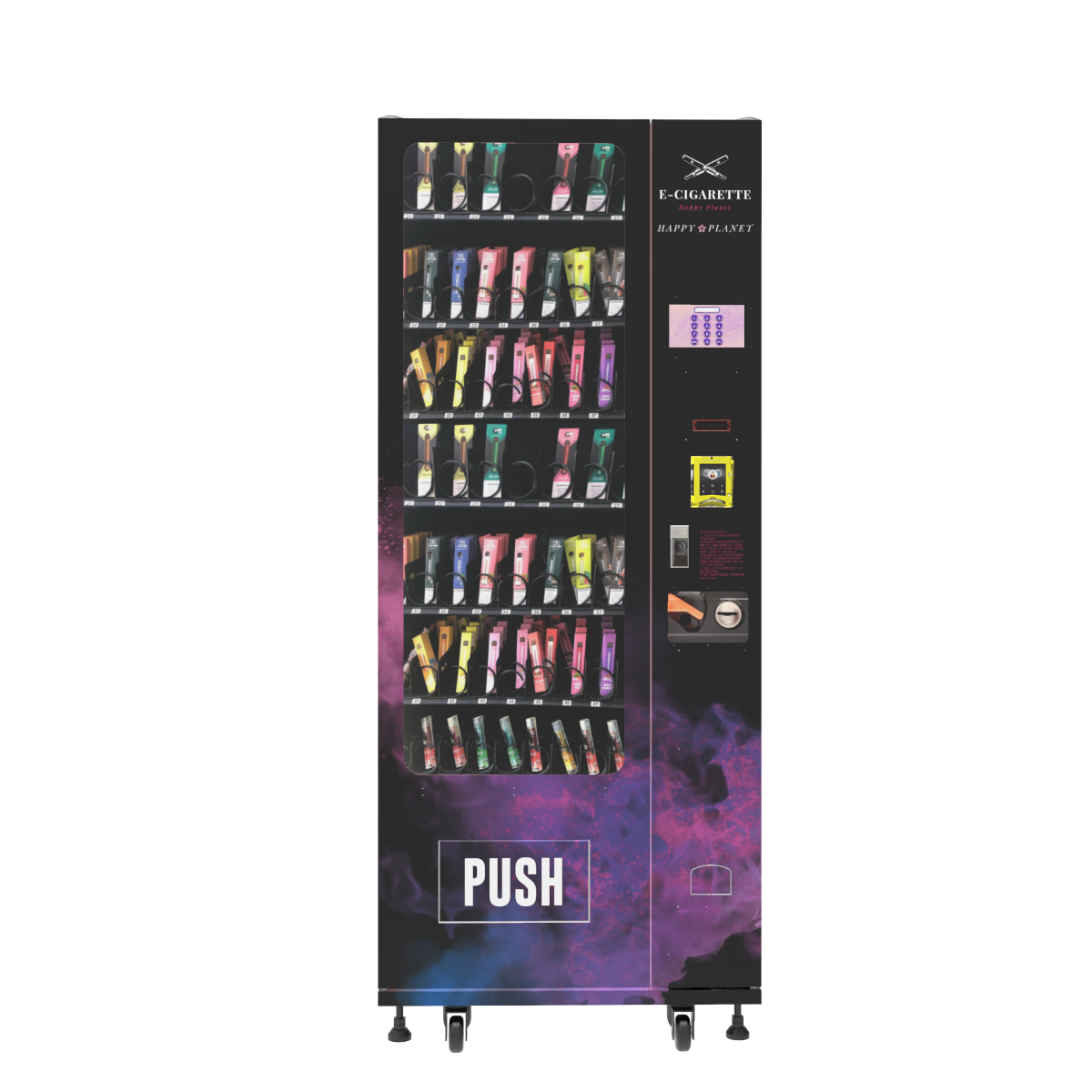
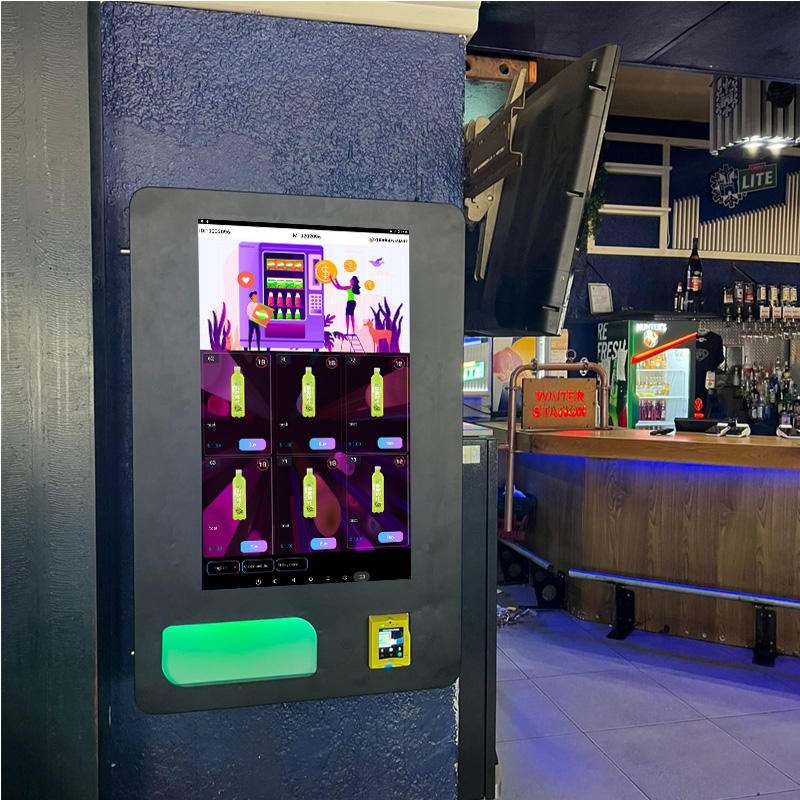
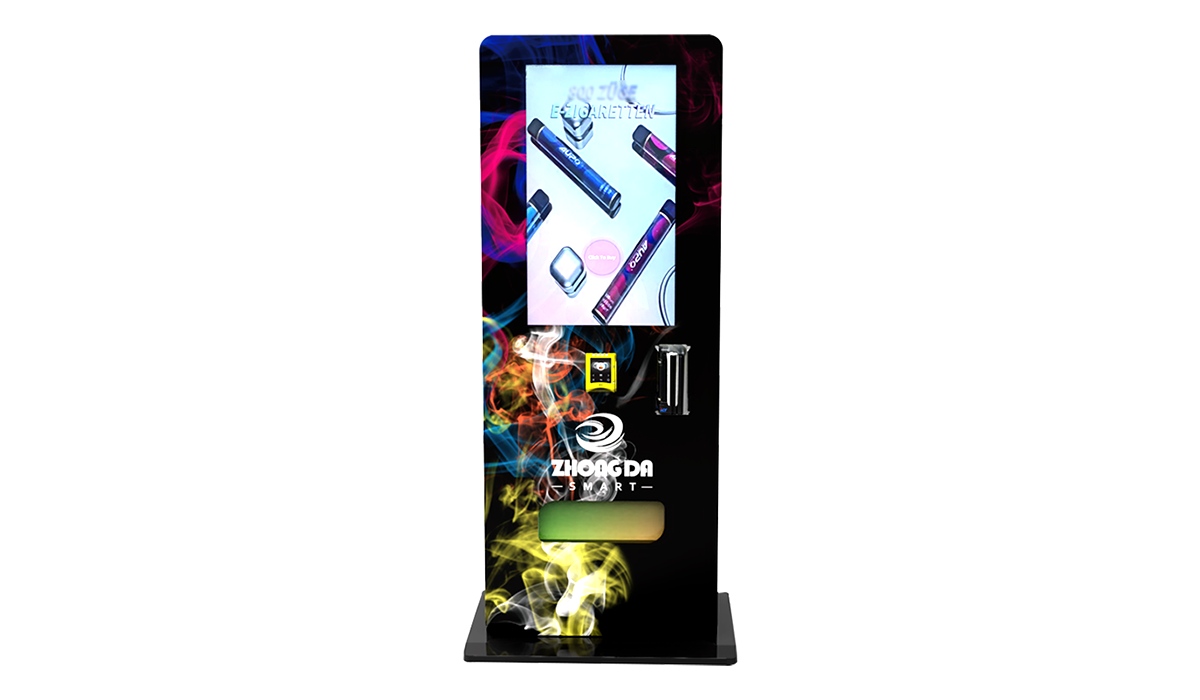
Starting a vape vending machine business can be a practical way to build recurring revenue with lower overhead than a staffed retail model. The business works best when you combine three things: a secure machine with reliable age verification, a location with steady foot traffic, and a product mix that turns quickly without tying up too much cash. In other words, if you want to learn How to start a vape vending machine business, the winning formula is not complicated, but it does require discipline. You need the right machine, the right placement, and a system for inventory, compliance, and maintenance. When those pieces are in place, a smart vending machine or self-service kiosk can become a durable, scalable sales channel.
Why this business model attracts serious operators
The appeal is straightforward. A vape vending machine can sell around the clock, accept cashless payments, track inventory remotely, and reduce labor costs. That is one reason automated retail continues to draw attention from operators looking for a leaner business model.
Industry researchers continue to track strong demand in both vaping and automated retail. For example, Statista has consistently followed the growth of the e-cigarette category, while IBISWorld’s vending machine operator analysis shows that automated retail remains an established commercial channel with measurable demand, cost structures, and expansion potential.
- Lower operating overhead than a traditional retail setup
- 24/7 product availability without staffing every sales hour
- Fast expansion once one profitable location is proven
- Remote management through cloud-based software
- Better stock visibility and fewer missed sales from out-of-stock items
How to start a vape vending machine business the right way
Most profitable operators follow the same sequence. First, define the business structure and startup budget. Second, choose a machine that supports age verification, cashless payment, and remote management. Third, secure a location where adult customers already buy convenience-driven products. Fourth, build a product lineup with healthy margins and stable demand. Finally, track performance closely and improve the setup month by month.
If you skip one of those steps, the model becomes much riskier. A poor location can crush sales. Weak compliance can create liability. Cheap machines can lead to downtime, refund complaints, and service calls that eat your margin.
What you need before you buy your first machine
Basic setup checklist
- Business registration and tax setup
- Clear operating budget and inventory budget
- Approved sales environment for age-restricted products
- Machine with age verification and remote monitoring
- Reliable payment system with card and contactless support
- Restocking, maintenance, and customer service process
A surprising number of first-time operators focus almost entirely on machine price. That is usually a mistake. In this category, machine capability matters more than the cheapest upfront quote. The right system prevents expensive problems later.
Startup cost breakdown
One of the most common questions behind How to start a vape vending machine business is the actual capital required. The answer depends on machine specifications, placement terms, and how much inventory you plan to carry at launch.
| Startup Item | Typical Cost Range | Notes |
|---|---|---|
| Smart vending machine | $3,000 – $9,000 | Depends on screen size, age verification, cabinet size, and software |
| Initial inventory | $1,000 – $3,000 | Higher if you carry multiple device formats and premium brands |
| Licensing and compliance costs | $200 – $1,000 | Varies by product category and operating requirements |
| Branding and wraps | $150 – $800 | Optional, but useful for visibility and a cleaner retail look |
| Software and payment services | $50 – $200 per month | Monitoring, reporting, and cashless transaction support |
| Location fee or revenue share | 5% – 20% of sales | Often negotiated instead of fixed monthly rent |
In many cases, a single machine can produce monthly revenue in the low four figures when placement and product mix are strong. The more useful way to think about returns is not gross revenue alone, but net cash left after inventory, merchant fees, placement share, and service expenses.
What kind of machine works best for vape sales
This is where many operators either build a real business or buy themselves a recurring headache. Vape products should not be sold through a bare-bones snack machine with a card reader attached. You need a machine built for controlled product sales and traceable transactions.
Features that matter most
- Integrated age verification or compatible ID-check system
- Cashless payments with card, tap, and mobile wallet support
- Remote inventory monitoring
- Sales and transaction logs
- Strong cabinet security and anti-theft design
- Touchscreen interface for modern self-service retail
- Flexible channel layout for devices, pods, and accessories
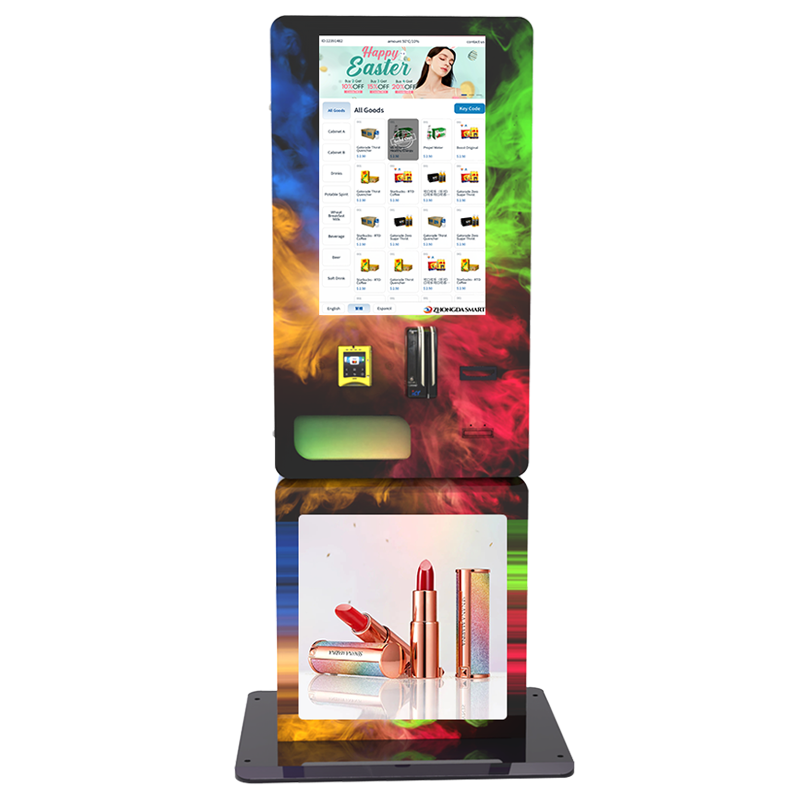
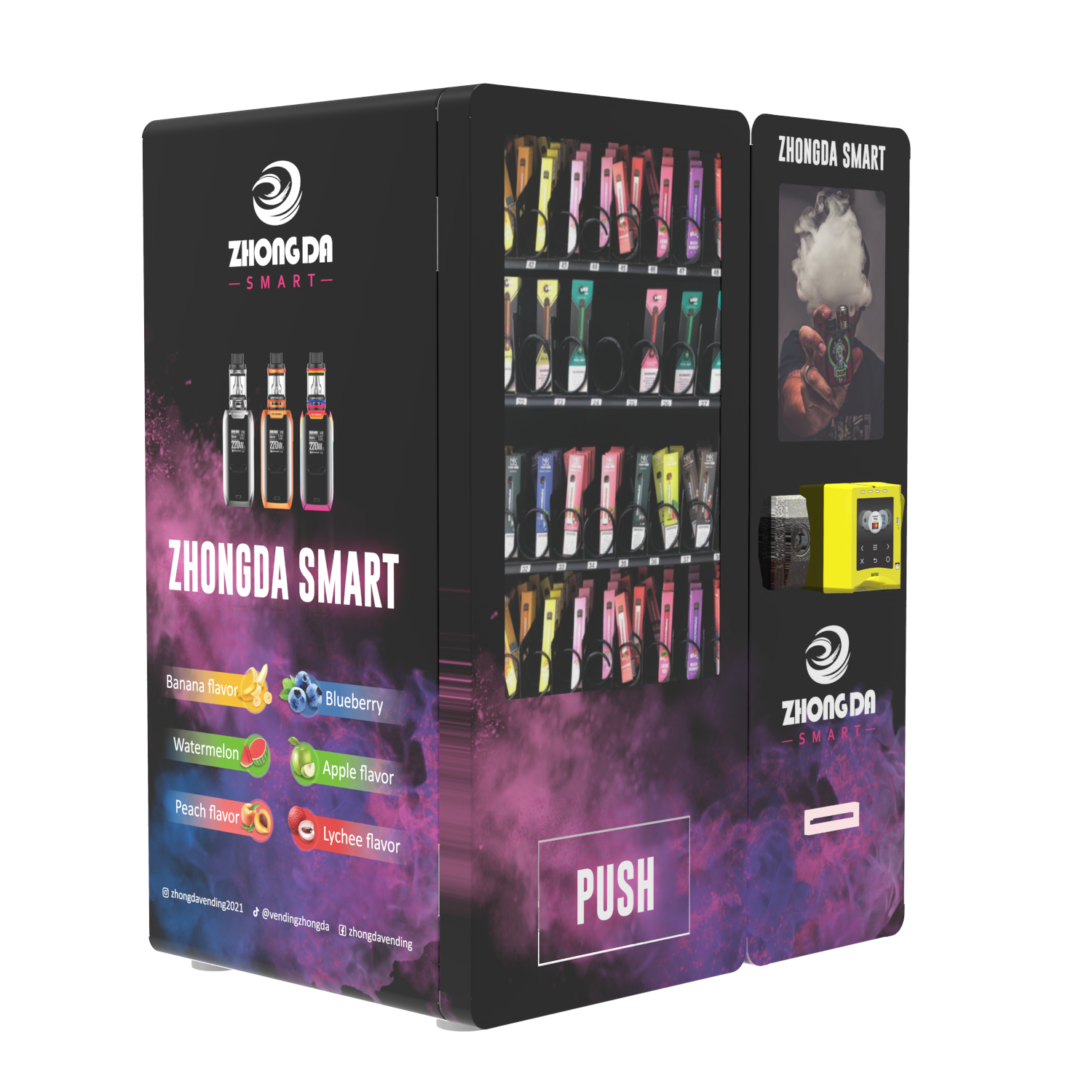
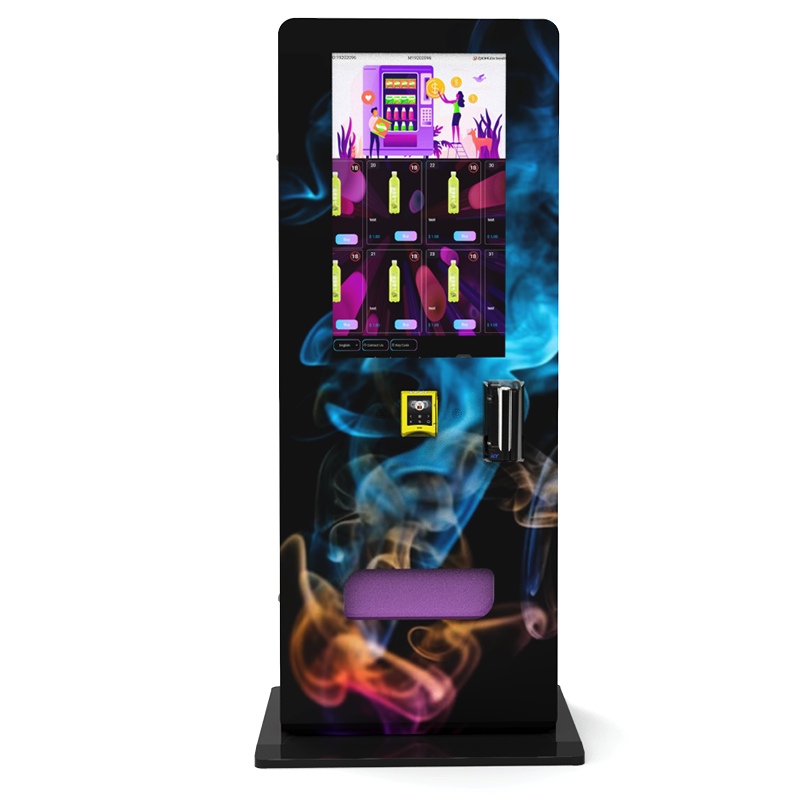
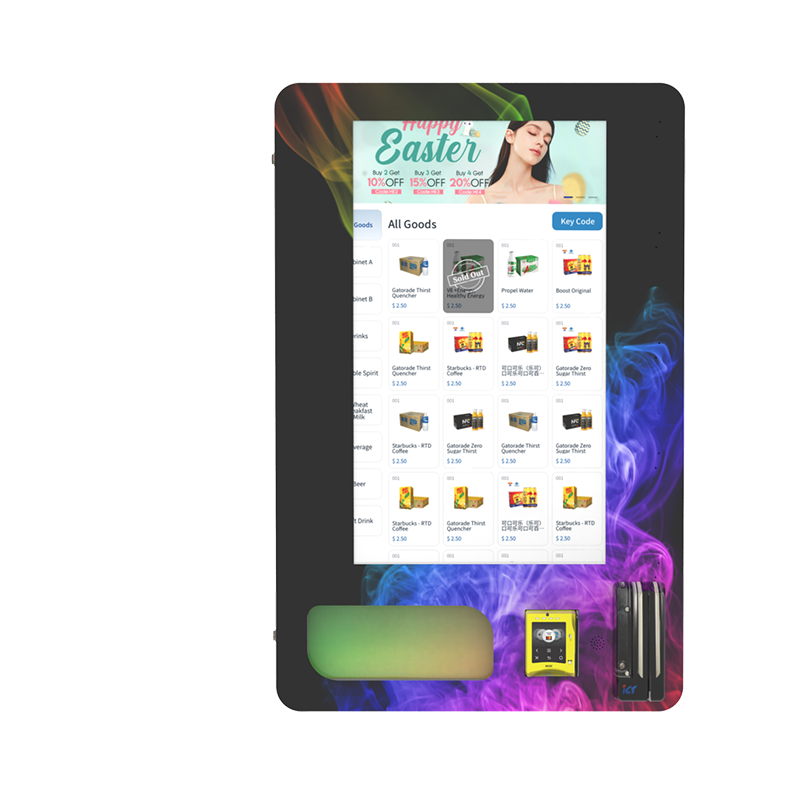
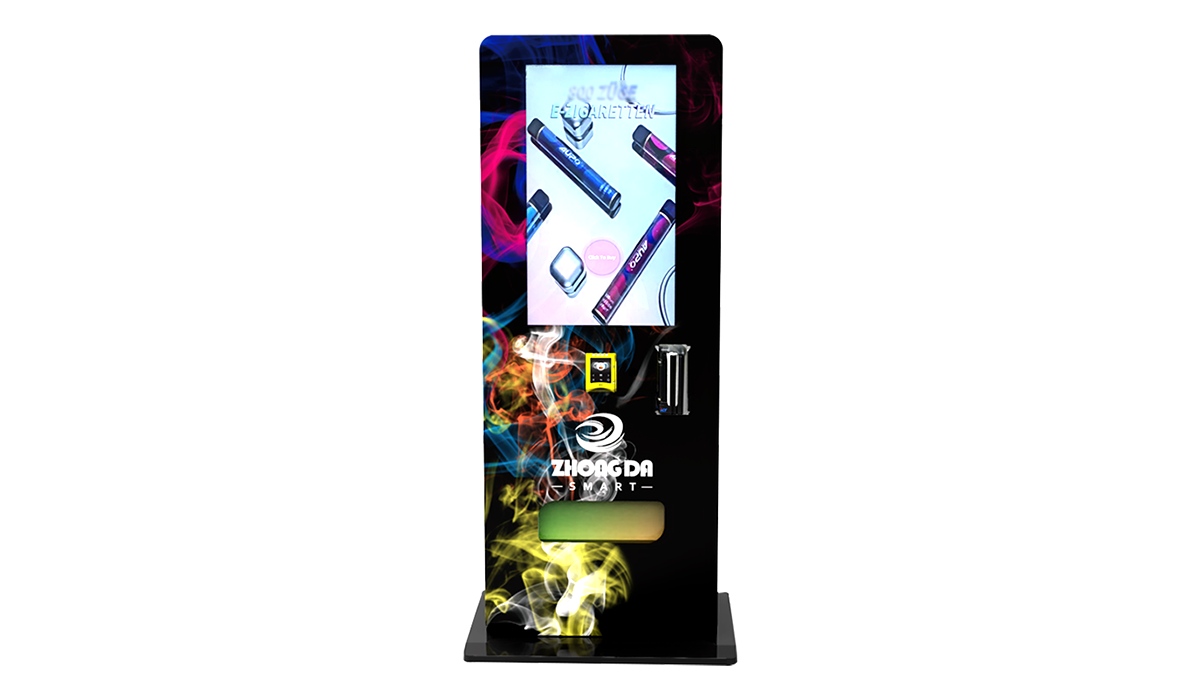
If you are comparing suppliers, it helps to review machines built specifically for this category rather than generic units. Zhongda Smart, for example, has a dedicated vape vending machine collection with models designed for adult retail projects, age-restricted selling environments, remote management, and OEM or ODM customization.
For projects where compliance features are the top priority, their compliant e-cigarette vending machine page is useful because it shows how a manufacturer can configure secure access control, age-check support, and a retail-ready cabinet for regulated product sales.
Why age verification is not optional
If you want to know How to start a vape vending machine business in a way that can survive real-world scrutiny, start with compliance. Age-restricted products demand a machine and process that reduce risk, document transactions, and support responsible retailing. That is not a marketing detail. It is a core operating requirement.
Strong operators build compliance into the machine, the location agreement, the customer flow, and the reporting setup. That means visible notices, transaction records, controlled placement, and a machine that can support reliable age-check workflows.
- Use a machine designed for regulated-product environments
- Maintain transaction and access logs where supported
- Place the machine only in suitable adult-oriented environments
- Train location partners on basic oversight expectations
- Keep machine software and payment systems current
Where the money is really made: location quality
Even an excellent smart vending machine can underperform in the wrong place. Location quality often matters more than almost any single feature on the spec sheet. The best placements are the ones where convenience matters and the customer is already prepared to make a quick purchase decision.
Location types that usually perform better
- Nightlife venues
- Adult-only lounges or clubs
- Hospitality environments with strong guest traffic
- Convenience-driven retail settings with steady walk-in volume
- Entertainment venues where impulse purchases are common
Strong locations usually have three traits: consistent traffic, a customer base that values convenience, and a manager or owner who understands that self-service retail can add incremental revenue without adding labor.
How to pitch a location owner
- Explain that the machine can operate without burdening staff
- Show how cashless sales reduce handling issues
- Offer a revenue share structure instead of fixed rent when needed
- Present the machine as a clean, modern self-service kiosk, not a dated vending box
- Highlight reporting, remote management, and service support
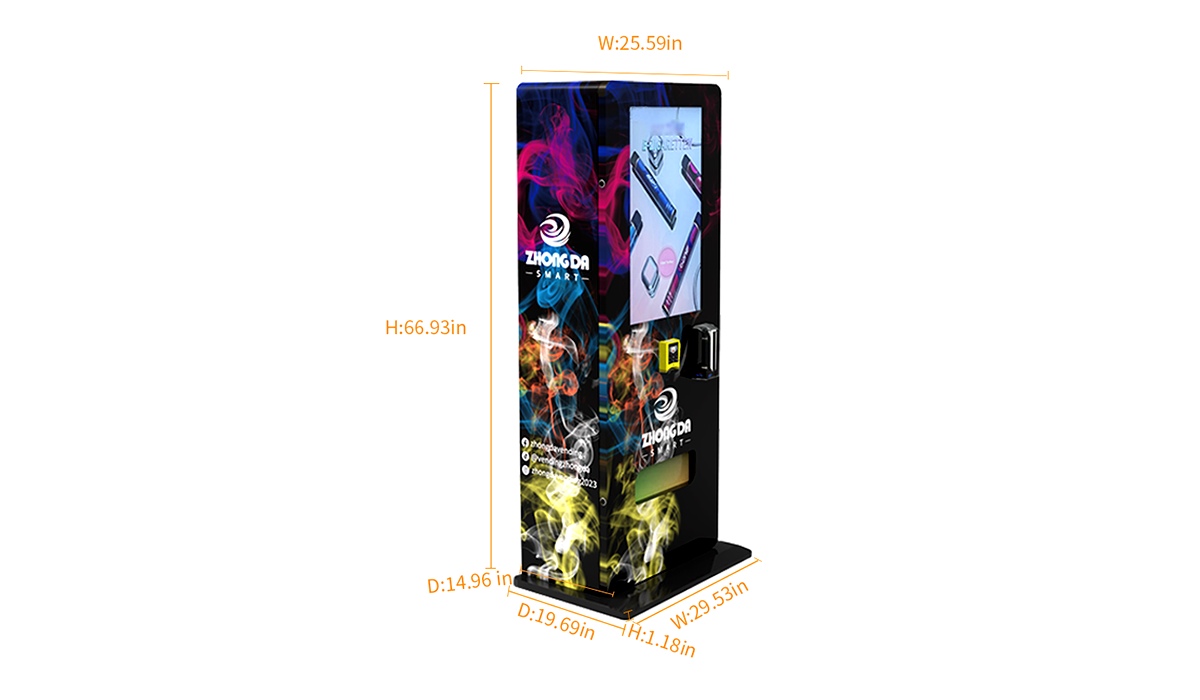
If you need a more customized cabinet or a specific footprint for a venue, Zhongda Smart also has a custom vending machine page that is useful when operators need branding, cabinet changes, or a tailored machine layout instead of an off-the-shelf standard unit.
How to choose products that sell without overcomplicating inventory
New operators often make product planning harder than it needs to be. The goal is not to carry every possible item. The goal is to stock a focused lineup that turns quickly, protects cash flow, and covers the highest-demand purchase types.
Simple product mix structure
- Fast-moving disposable devices
- Popular pod-based systems
- Replacement pods or cartridges
- A small number of related accessories
Start narrow. Track sales by SKU. Replace slow sellers quickly. The best operators let machine data decide what stays and what goes. That is where smart vending machines outperform traditional manual retail methods. With clearer data, you stop guessing.
| Product Category | Typical Demand Pattern | Inventory Advice |
|---|---|---|
| Disposable devices | Fast-moving and convenience-driven | Carry deeper stock in proven best sellers |
| Pod systems | Steady demand with repeat buyers | Limit variants at launch |
| Refill or cartridge items | Good repeat-purchase potential | Use only after local demand is verified |
| Accessories | Lower volume but helpful for basket size | Keep selection tight |
What daily operations actually look like
One reason people search for How to start a vape vending machine business is that they want a model that can run without full-time staffing. That part is realistic, but only if the machine is connected, monitored, and maintained with discipline.
In a well-run setup, daily operations are not complicated. You monitor stock levels, payment performance, sales volume, and error alerts from a cloud dashboard. Then you restock, inspect, and clean the machine on a predictable schedule rather than waiting for complaints.
Weekly operator priorities
- Review best-selling and worst-selling SKUs
- Check stock-out events and refill timing
- Confirm payment acceptance rates
- Inspect machine condition and customer-facing cleanliness
- Update pricing where demand supports it
The broader retail world is moving the same direction. Forbes has written about how data and AI are improving vending performance, especially around inventory optimization, fraud prevention, and operating efficiency. That matters because the difference between an average route and a highly profitable one often comes down to how well you use machine data.
What experienced operators learn after the first few months
After years in automated retail, one lesson becomes obvious: machine uptime and placement quality beat flashy ideas almost every time. A machine that works reliably in a strong location will usually outperform a “creative” concept in a weak one.
Another hard truth is that cheap hardware can be expensive in practice. Service calls, jammed selections, payment failures, and missing sales from poor telemetry can quietly destroy a route’s profitability. A good machine manufacturer is not just selling metal and a screen. They are helping you protect revenue.
That is why many serious buyers now favor connected, retail-ready systems instead of old-style vending cabinets. Recent coverage on automated retail in Forbes has emphasized the shift toward mobile-enabled payments, data-driven selling, and more intelligent unattended retail systems.
How long it takes to reach break-even
Break-even timing depends on four variables: machine cost, product margin, location strength, and how efficiently you restock. A high-quality placement can recover the initial investment much faster than an average one. A weak placement can drag the timeline out, even with good margins.
| Scenario | Monthly Gross Sales | Estimated Break-Even Window |
|---|---|---|
| Conservative | $1,500 – $2,500 | 10 – 15 months |
| Moderate | $2,500 – $4,000 | 7 – 10 months |
| Strong placement | $4,000 – $6,000+ | 5 – 8 months |
These are planning ranges, not guarantees, but they give a more realistic picture than vague “passive income” claims. As a rule, disciplined operators measure performance by sell-through rate, refill frequency, downtime, and net cash flow, not only by top-line sales.
How to scale from one machine to several
The most efficient way to grow is to treat the first machine as your operating model. Use it to prove location criteria, winning products, refill intervals, service needs, and true margin. Once those numbers are stable, expansion becomes much less speculative.
Practical scaling plan
- Use the first machine to validate demand and operations
- Document your restocking and maintenance routine
- Keep product selection consistent across similar locations
- Negotiate better inventory pricing as order volume grows
- Standardize software, payment systems, and reporting
If you want to review a broader manufacturer overview before scaling, the main Zhongda Smart website gives a useful starting point for vape-oriented machines, smart vending configurations, and custom project options.
Mistakes that hurt profits the fastest
- Choosing the cheapest machine instead of the most suitable one
- Placing the machine where traffic is weak or poorly matched
- Carrying too many low-turn SKUs
- Ignoring refill discipline and letting best sellers run out
- Using weak reporting or no remote monitoring
- Failing to build compliance into the machine and operating process
In plain terms, this business is not hard to understand, but it does punish sloppy execution. When operators fail, it is usually not because the model cannot work. It is because they underinvested in machine quality, overlooked placement, or treated inventory and compliance as afterthoughts.
Frequently asked questions
How much money do I need to start?
A realistic single-machine launch usually requires several thousand dollars for the machine, initial inventory, setup costs, and software. The exact amount depends on features, branding, and how much stock you load at the start.
Is this a part-time business or a full-time business?
It can begin as a part-time operation, especially with cloud monitoring and cashless systems. As you add machines and locations, it can grow into a full-time business or a managed route operation.
What is the best machine type for this business?
A connected smart vending machine or self-service kiosk with age verification support, cashless payment, and remote reporting is usually the best choice. Generic vending hardware is rarely the best long-term fit.
How do I know whether a location is worth it?
Focus on traffic quality, customer convenience behavior, and the willingness of the venue partner to support the machine. If the audience is wrong, even an excellent cabinet will not save the location.
Can I scale this business quickly?
Yes, but only after the first machine proves the model. The fastest path to scale is repetition of a setup that already works, not expansion based on guesses.
Final thoughts
If you are serious about How to start a vape vending machine business, think like an operator, not just a buyer. The machine matters. The location matters. Compliance matters. Inventory discipline matters. When you combine those pieces with a reliable manufacturing partner and a clean self-service retail setup, the business can become a repeatable source of revenue rather than a one-machine experiment.
The operators who usually do best are not the ones chasing shortcuts. They are the ones who choose dependable hardware, keep the assortment focused, measure performance carefully, and refine the route with real sales data.