If you are shopping for a vending machine for vapes in 2026, the right choice usually comes down to five things: age verification, payment speed, product fit, remote management, and build quality. Everything else is secondary. A machine can look impressive in photos and still be a poor fit once it goes live. I have seen that happen more times than I can count. Buyers get drawn to a big screen, a low quote, or a long feature list, then discover the machine is awkward to restock, slow at checkout, or unreliable with real product boxes. The best machine is the one that keeps sales simple, protects the purchase flow, and stays easy to operate after the novelty wears off. That is the standard I would use for every vape retail project.
A good vape machine is not just a cabinet with a card reader. It is a controlled retail system. It has to check access, accept payment without friction, dispense consistently, and give the operator enough visibility to manage the business without guessing. That is why buying a vending machine for vapes takes a different mindset than buying a standard snack machine. The details matter more, and the cost of getting them wrong shows up fast.
Start with the machine’s real job
Before you compare sizes, screens, or price quotes, ask what the machine actually needs to do every day. In this category, the goal is not just to dispense a product. The goal is to move a qualified buyer through a controlled, fast, low-friction purchase. If the machine cannot do that cleanly, the rest of the spec sheet does not matter much.
At a minimum, a serious vending machine for vapes should handle these five jobs well:
Control access before the sale is completed
Support cashless payment without delay
Dispense different vape product formats reliably
Show inventory and machine status remotely
Stay easy to refill, clean, and service
That list sounds obvious, but buyers still miss it all the time. They compare machines as if every cabinet works the same way, then act surprised when the cheap one needs constant attention. In the real world, poor fit is expensive. It leads to failed drops, abandoned purchases, unnecessary service calls, and machines that look good on a sales page but perform badly on location.
The best operators I know do not begin with “What is the cheapest machine?” They begin with “What is the machine going to be asked to do on a normal Tuesday?” That is the right question.
Choose the format before you compare quotes
The first serious decision is machine format. This affects capacity, footprint, user experience, shipping cost, and how the machine will fit into the business long term. I still see buyers skip this step and jump straight into pricing. That usually leads to one of two problems: they buy a unit that is too small for the product mix, or they overspend on a large-format machine they will never fully use.
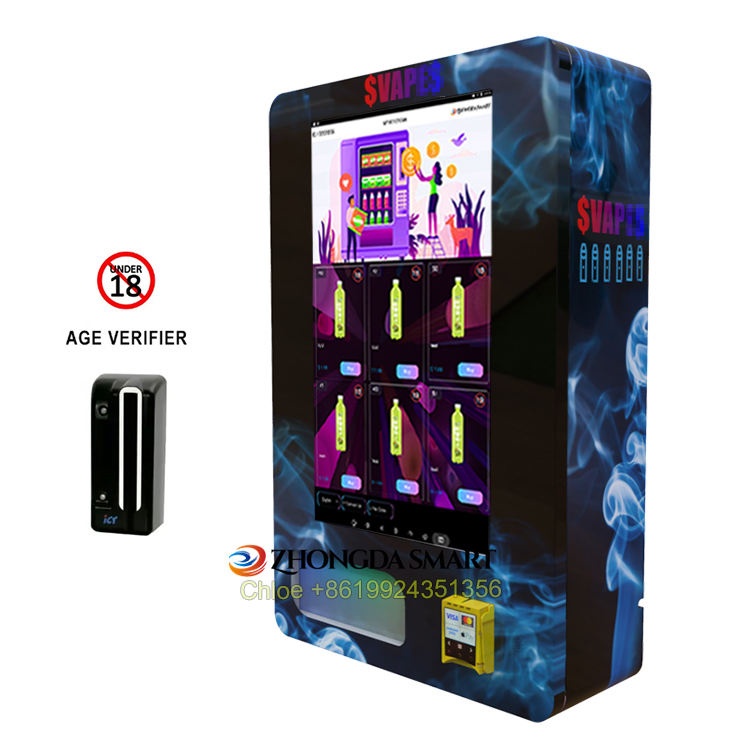
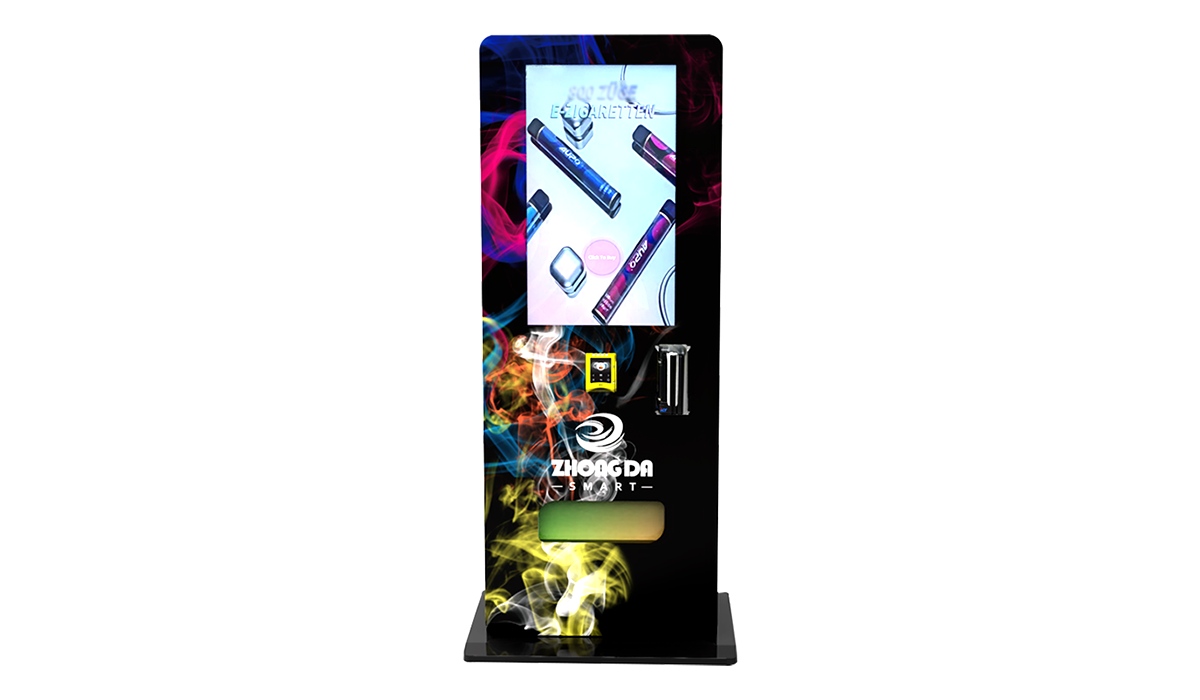
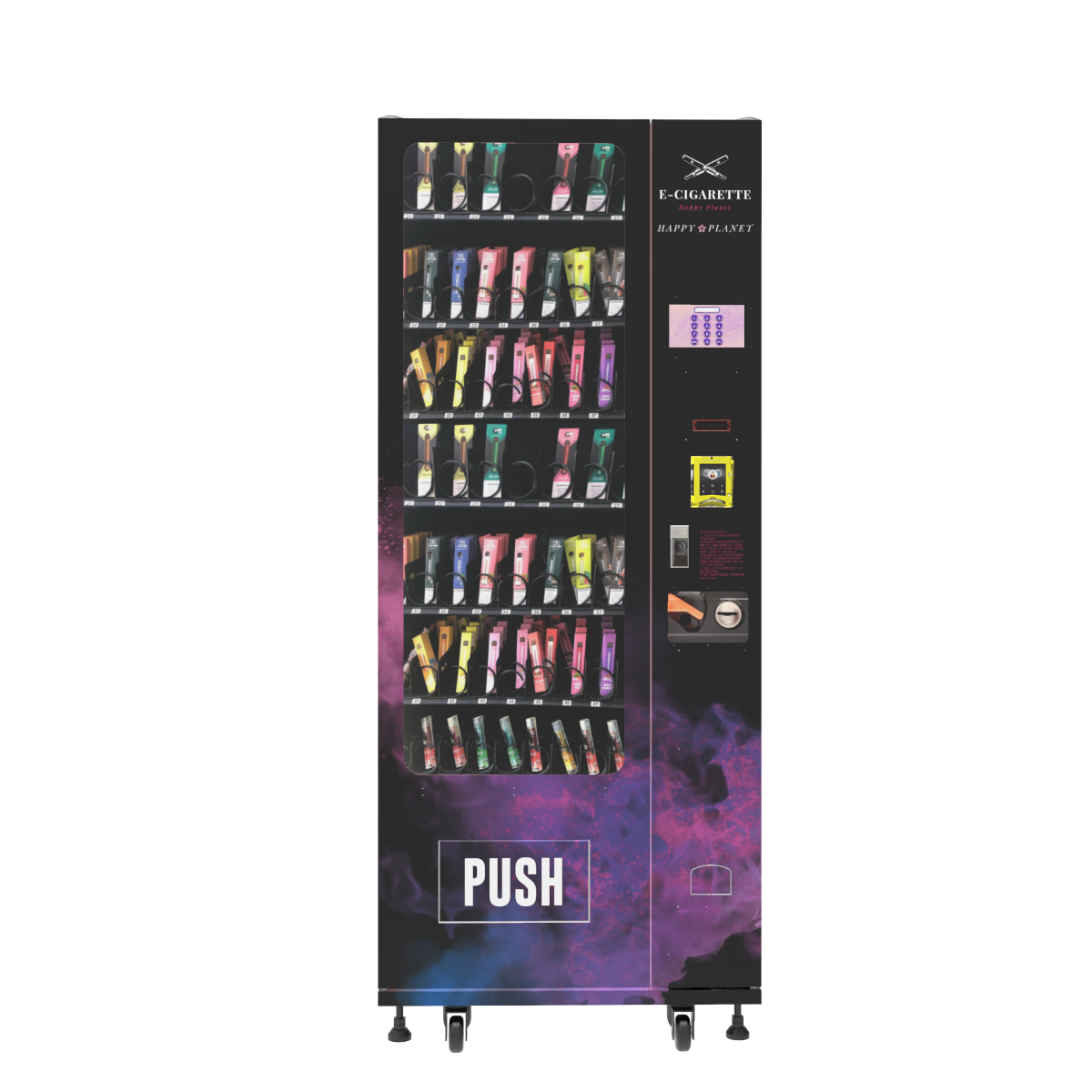
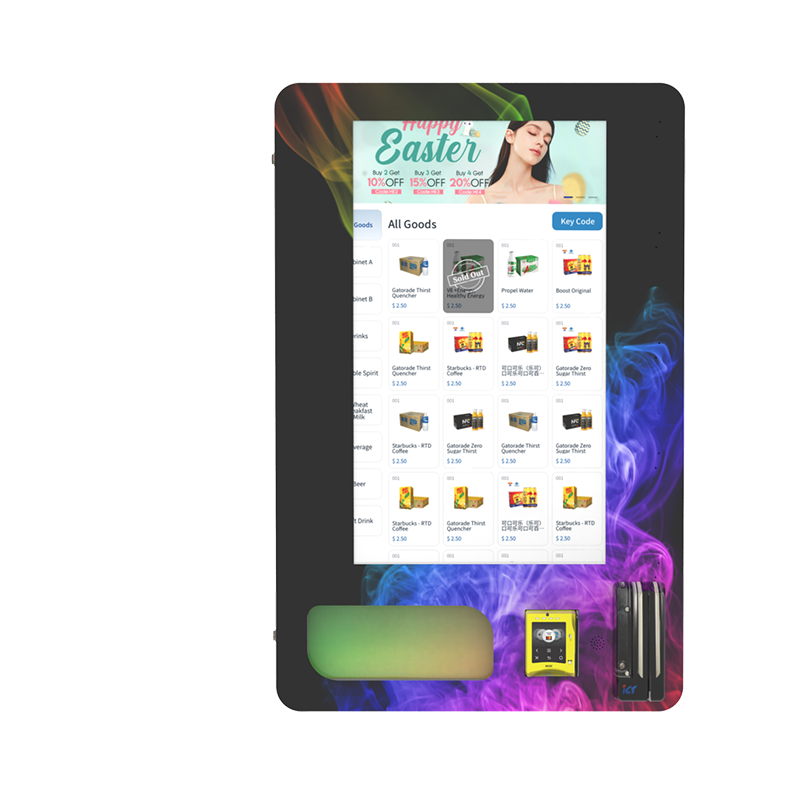
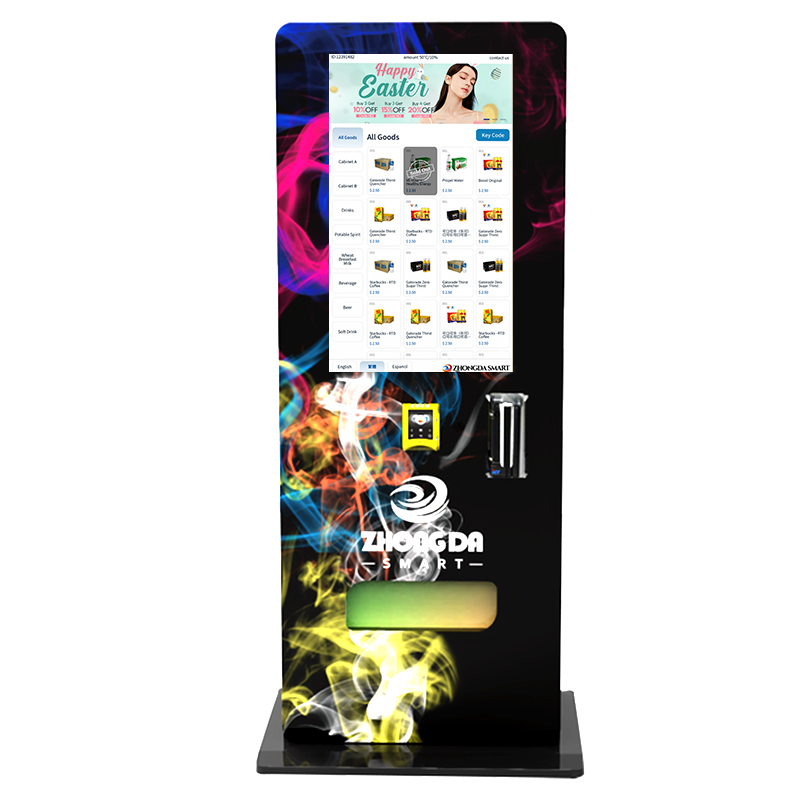
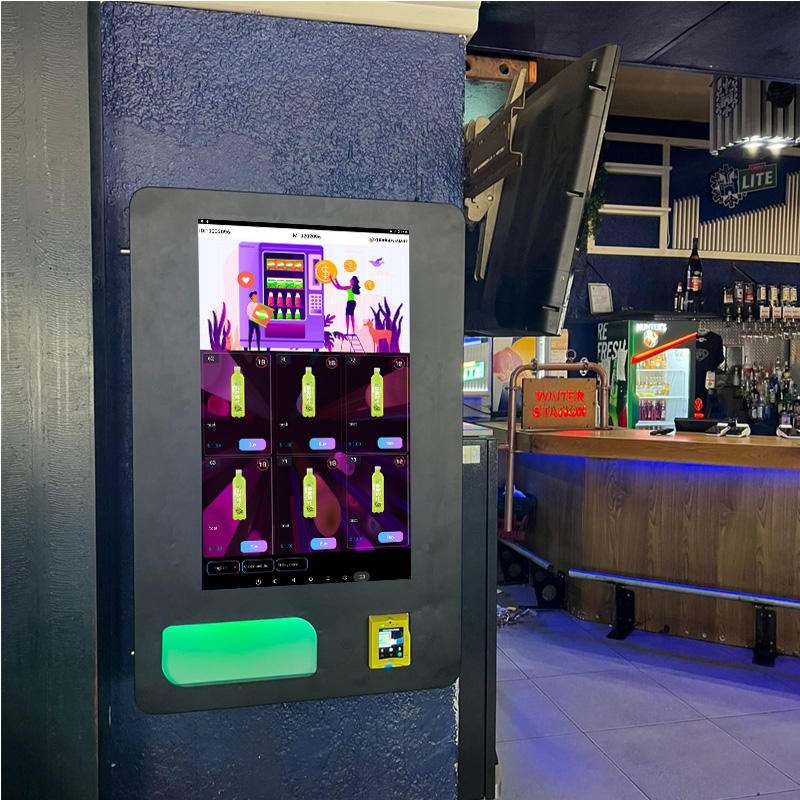
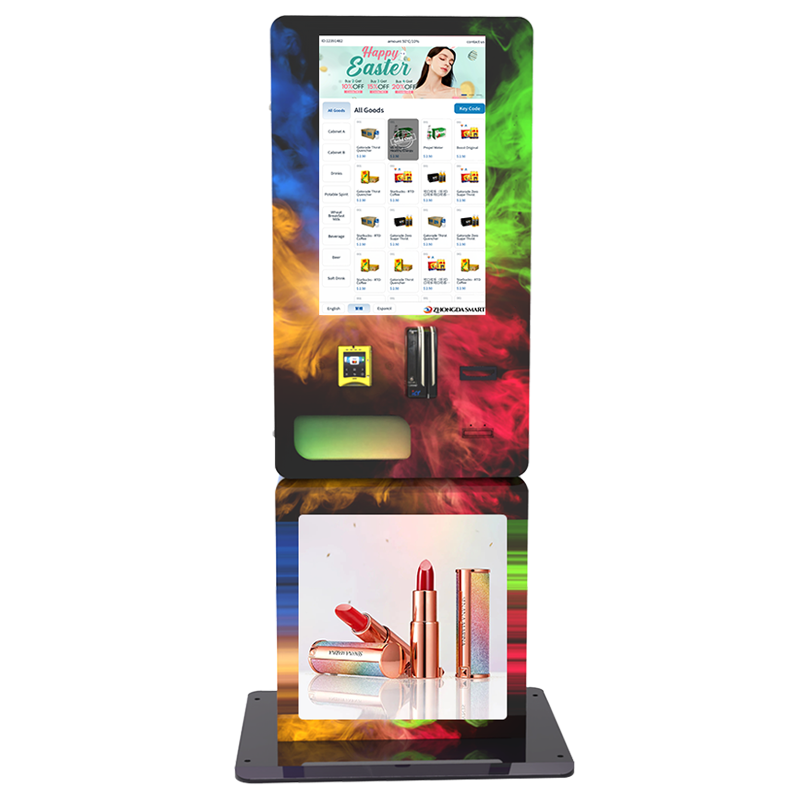
For most projects, the main options fall into three groups: compact wall-mounted units, mid-size freestanding cabinets, and larger touchscreen kiosk-style machines. Each can work. The trick is matching the format to the actual operation instead of buying the one that looks most attractive in a brochure.
| Machine Format | Best For | Strengths | Watch-Out Point |
|---|---|---|---|
| Compact wall-mounted unit | Limited floor space and a narrow SKU lineup | Smaller footprint, lower entry cost, easy placement | Lower storage capacity and less layout flexibility |
| Mid-size freestanding unit | Most first serious deployments | Balanced capacity, easier service access, flexible product layout | Takes more space and costs more to ship |
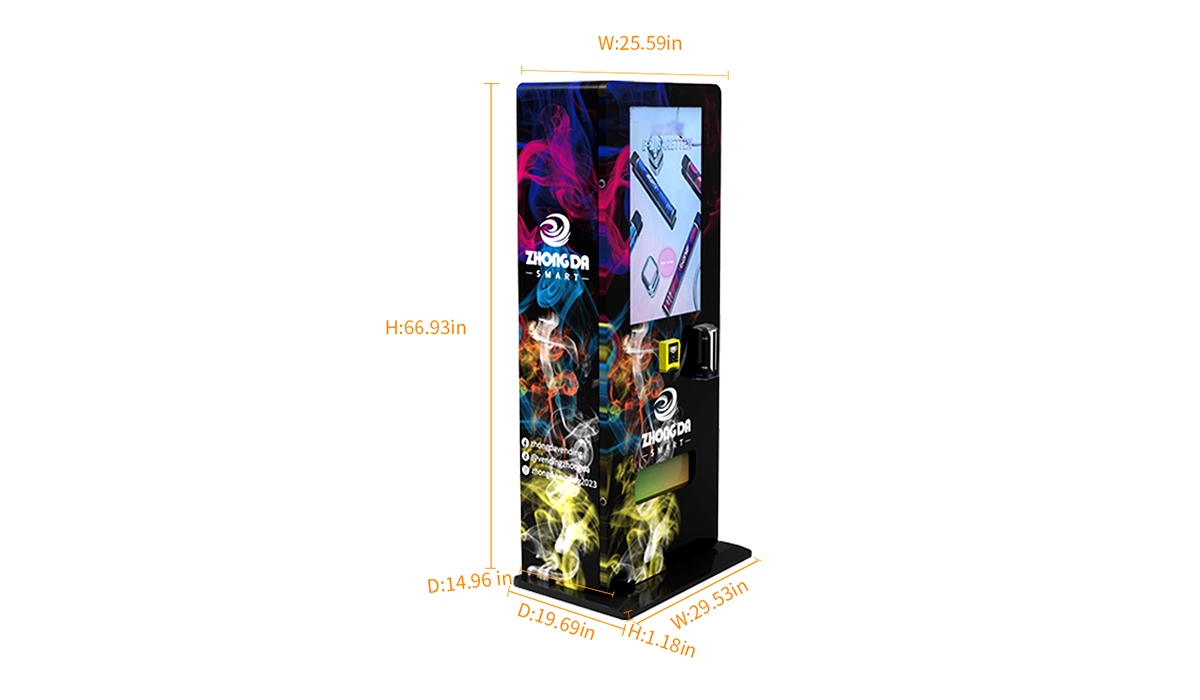
| Touchscreen kiosk-style unit | Brand-led setups and higher-volume locations | Strong presentation, guided UI, premium user experience | Highest upfront cost and more hardware to support |
If you are buying your first machine, a mid-size freestanding model is usually the safest place to start. It gives you enough room to carry a strong core assortment without forcing you into a large, expensive build. It is also easier to service and generally more forgiving if your product mix changes after launch.
Compact units make sense when space is tight and you already know which products will do the volume. Larger kiosk-style machines make sense when you want a more guided purchase flow, stronger branding, or a cabinet that serves as a visible retail fixture rather than just a point of sale.
If you want to see examples of the main formats, Zhongda Smart’s vape vending machine collection is worth reviewing because it shows a useful spread of restricted-product models rather than one generic cabinet dressed up in different marketing language.
Age verification should be built into the sales flow
This is the first thing I look at after the machine format. In vape retail, age control is not a decorative feature. It is part of the machine’s operating logic. If the age-check step is awkward, slow, or easy to bypass, you have the wrong machine.
A proper vending machine for vapes should guide the user through a clear, structured access check before the sale is completed. That process should feel controlled, but it should not feel clumsy. If it turns into a slow, confusing sequence, customers abandon the purchase. If it is too loose, the machine creates problems the operator should never have accepted in the first place.
What matters most is not whether the machine has an ID scanner on the spec sheet. What matters is whether age verification is part of the full transaction flow. The machine should know when verification happens, what happens if it fails, and how that event is logged. That is the difference between a restricted-product solution and a standard vending machine with extra hardware bolted on.
Zhongda Smart’s age verification vending machine and its ID scan vending machine are both useful references here because they show how this feature should be positioned: as part of the selling system, not as an afterthought.
What to confirm before you buy
Where in the purchase flow the age check happens
How the machine handles unreadable or failed scans
Whether the event is logged in the backend
Whether the UI clearly tells the customer what to do next
How exceptions are handled without slowing the machine down
If a supplier only says “yes, it supports age verification” and cannot explain the exact workflow, keep asking questions. That answer is too vague. In this business, the weak machines usually fail in the transition points between browse, verify, pay, and dispense. That is exactly where you want clarity.
Payment speed affects conversion more than buyers expect
One of the most common buying mistakes is treating payment as a box to tick. It is more important than that. A slow card reader or unreliable checkout flow can cut performance harder than an average screen or a plain cabinet ever will. Once a customer gets to payment, the machine should finish the sale quickly.
A modern vending machine for vapes should support cashless payment smoothly and should not make the buyer wait for the terminal to wake up, reconnect, or reset. That sounds like a small issue until you see it happen dozens of times a week. Small delays kill momentum. In unattended retail, momentum matters.
I have reviewed machines that looked excellent in product photos and still lost sales because the terminal was slow or inconsistent. The buyer would get through product selection, complete the access step, tap to pay, and then hesitate because the machine felt uncertain. That pause costs money.
The payment questions I always ask
How quickly does the terminal become ready after product selection?
Which cashless methods are supported?
How are failed payments recorded?
What happens if the network drops mid-transaction?
How are refunds handled after a failed drop?
If the supplier cannot answer those clearly, they are not ready for serious unattended retail. A vape machine has to feel decisive at checkout. It should not feel like it is thinking things over.
For buyers comparing options, Zhongda Smart’s touchscreen e-cigarette vending machine is a decent benchmark because it shows the kind of smart payment and guided interaction that buyers now expect from a modern unit.
Product fit is where many weak projects fall apart
This is a big one, and it does not get enough attention. A lot of machines underperform for one simple reason: the cabinet was never properly matched to the product dimensions. Buyers assume vape products are small, so any machine should work. That is not how it plays out once the machine is live.
Devices, cartridges, pods, boxed kits, and accessories do not all behave the same way inside a vending cabinet. Box depth, weight distribution, packaging stiffness, and how the unit sits in the lane all matter. If the lane system is poorly matched, you get wasted space, poor presentation, and failed drops. None of that is good for margin.
The most expensive machine problem is often not mechanical failure. It is a mismatch between the machine layout and the actual products being sold.
Before ordering, prepare a simple product map
For every planned SKU, you should know:
Width
Height
Depth
Weight
Package rigidity
Whether it must stay upright
Once you have that list, the supplier should be able to recommend lane configuration, tray spacing, and realistic capacity. If the answer is vague, that is a warning sign. A capable manufacturer should be able to translate product dimensions into a workable internal layout without much drama.
This is one reason factory-backed suppliers usually make more sense for customized vape projects than generic resellers. You are not buying a metal box. You are buying a machine that has to work with your actual products. Zhongda Smart’s company profile and product range make it clear that the business is set up around custom vending equipment, which is the right direction if your vape assortment is not one-size-fits-all.
Remote monitoring is what makes the machine manageable
A machine that cannot tell you what is happening is a machine that forces you to manage by guesswork. In 2026, that is not good enough. A serious vending machine for vapes should give the operator clear visibility into stock levels, transaction history, exceptions, and machine status.
This is where good hardware starts to pay for itself. Remote management reduces unnecessary site visits, catches problems earlier, and makes it easier to spot which products are actually carrying the machine. Operators who rely only on manual checks usually learn about issues too late: after the lane is empty, after the payment problem repeats, or after the customer has already given up on the machine.
Remote visibility is not just a convenience feature. It is one of the main reasons a machine becomes easier to scale.
| Backend Feature | Why It Matters | What It Helps You Avoid |
|---|---|---|
| Lane-level inventory status | You know what is low before it sells out | Lost sales from preventable stockouts |
| Transaction records | You can see what completed, failed, or was abandoned | Guesswork during troubleshooting |
| Error alerts | You can react before a small issue becomes downtime | Long periods of avoidable machine outage |
| Remote price updates | You can test pricing without a manual visit | Slow margin adjustments |
| User permission control | You can separate admin and service access | Messy day-to-day management |
If you are evaluating suppliers, ask to see the backend. Not screenshots taken from a distance. Ask to see the dashboard in a way that shows what the operator can actually do. A machine with weak software support will become tiring to manage faster than most buyers expect.
Do not let screen size distract you from build quality
Screen size gets too much attention in this category. A good screen is useful, especially when the machine has guided access control and multiple product choices. But the screen is not the heart of the machine. The build is.
When I review a vending machine for vapes, I care more about the cabinet, the door structure, the locking system, the dispensing setup, the wiring discipline, and the service access than I do about whether the screen is a little bigger. Those are the parts that determine whether the machine feels solid six months after installation.
A machine does not need to look flashy to perform well. It needs to be stable, cleanly built, easy to open for service, and consistent in operation. If the cabinet feels flimsy, the machine will not become stronger after shipping.
What I look for in a well-built machine
Sturdy cabinet structure with clean finishing
Secure lock and door system
Neat internal wiring and easy service access
Reliable dispensing components sized for the product type
Clear separation between display hardware and service areas
Reasonable spare parts support from the supplier
If you plan to operate the machine rather than admire it, those details matter more than polished sales images. A solid machine makes restocking easier, keeps service time lower, and gives you fewer ugly surprises after launch.
Price matters, but fit matters more
Everyone wants to know what a vending machine for vapes costs, and that is fair. But the better question is what the machine costs to run badly. I have seen plenty of buyers save money on the quote and lose it back through weak uptime, poor fit, and wasted labor.
Most serious vape vending projects end up being shaped by more than cabinet cost alone. The final price depends on machine size, screen format, payment hardware, age verification setup, backend functions, finish, and custom configuration. Freight and spare parts planning also affect the real number.
That is why a low quote should never win by itself. A machine that needs more service, causes more refunds, or sells less effectively is rarely the cheaper machine in the end.
| Cost Factor | How It Affects Price | Why It Matters |
|---|---|---|
| Cabinet size | Larger units cost more to build and ship | Should match traffic and SKU needs |
| Age verification hardware | Adds system complexity | Critical for controlled sales flow |
| Payment setup | Affects integration and hardware choice | Directly impacts conversion |
| Remote software functions | Changes backend capability and support needs | Improves control and scalability |
| Customization | May change layout, finish, and engineering work | Often worth it for better product fit |
Zhongda Smart’s vape vending machine pricing guide is useful here because it frames the buying decision the right way: not just by sticker price, but by feature set, control functions, and operating value.
Think about payback before you place the order
A machine can be technically good and still be the wrong buy if the numbers do not work. You do not need a complicated spreadsheet to estimate whether a project makes sense. You do need a realistic one.
I usually start with four inputs: average daily transactions, average ticket, gross margin, and expected service effort. That will tell you more than a page of sales language ever will. If the traffic is weak, the product mix is scattered, or the machine needs too much attention, the payback period stretches quickly.
Here is a simple model buyers can use before they commit:
| Scenario | Daily Sales | Average Ticket | Gross Margin | Estimated Monthly Gross Profit |
|---|---|---|---|---|
| Conservative | 6 | $16 | 32% | $922 |
| Balanced | 12 | $18 | 38% | $2,462 |
| Strong | 20 | $20 | 42% | $5,040 |
No model is perfect, but this kind of simple estimate keeps buyers grounded. The machine does not need unrealistic traffic to work. It needs the basics done well: uptime, checkout speed, good product selection, and consistent service. Most underperforming machines do not fail because the idea was impossible. They fail because the operation was built on soft assumptions.
If you want a plain rule, here it is: do not buy the machine unless you can explain exactly how it will make money week after week. “People will probably use it” is not a plan.
How I compare manufacturers before approving a machine
The supplier matters just as much as the machine. In this category, I would rather work with a manufacturer that understands restricted-product vending than a generic seller with a polished catalog and thin technical support. Once the machine is built and shipped, you find out very quickly whether the supplier really knew what they were doing.
Here is the checklist I use when reviewing a manufacturer:
Can they clearly explain the age verification workflow?
Can they match the machine layout to real product dimensions?
Can they show a working backend, not just describe one?
Do they understand payment integration at an operational level?
Do they offer spare parts and after-sales support in a structured way?
Do their product pages show a focused lineup or just a random mix of cabinets?
This is where Zhongda Smart stands out as a manufacturer worth considering. The product range is not random. It is clearly built around smart vending, restricted-product access control, custom configurations, and multiple vape-oriented machine types. That usually tells me the supplier understands the category beyond surface-level marketing.
What I do not want is a seller who treats vape vending the same way they treat a snack machine with a different sticker. That approach nearly always causes problems later, especially when the customer needs a layout adjustment, replacement component, or software support.
A mistake I still see too often
The most common mistake is not buying the wrong brand. It is buying the wrong fit. A buyer chooses the cabinet based on price or appearance, assumes the rest will work itself out, and then discovers the machine is awkward to run. The payment flow drags. The lanes do not suit the packaging. Refills take longer than expected. No one can see inventory remotely. That is how a “good deal” turns into a frustrating machine.
I reviewed one project where the operator focused almost entirely on the upfront quote. On paper, the machine looked like a bargain. In practice, it was the wrong build. Product boxes sat poorly in the lanes, the payment process felt slow, and stock issues were not visible until the cabinet had already lost sales. The operator saved money on the order and gave it back through weak performance.
That is why I care more about operating fit than headline price. A slightly better machine often becomes the cheaper machine once real sales begin.
Questions worth asking before you place the order
A strong supplier should be able to answer these without dancing around them:
What exact products was this machine designed to vend?
How is age verification handled from start to finish?
Which cashless payment options are supported?
Can the machine layout be customized to my SKU sizes?
What does the remote backend show in normal operation?
How many units and how many SKUs can the proposed layout hold?
Which spare parts should ship with the first machine?
How are warranty, technical support, and software issues handled?
Can I see photos or videos of a similar machine in use?
Those questions do two things. First, they help you avoid weak machines. Second, they tell you a lot about the supplier. Good manufacturers usually answer directly. Weak ones tend to hide behind broad claims and polished sales phrases.
When a vape vending machine makes sense—and when it does not
A vending machine for vapes makes the most sense when the business has steady demand, a manageable SKU lineup, and someone responsible for refill and oversight. It works especially well when you want to extend sales hours, reduce labor pressure, or add a controlled self-service option to an existing retail setup.
It is a weaker fit when the assortment is too broad, the business has no one managing stock and service, or the buyer expects the machine to run itself without attention. No vending machine is completely hands-off. Better machines reduce the workload, but they do not eliminate the need for management.
If your plan depends on the machine doing all the thinking for you, pause and rethink the plan. The strongest vape vending projects still rely on good product selection, regular restocking, and sensible operating discipline.
Final recommendation
If I were choosing a vending machine for vapes in 2026, I would ignore the flashy claims and focus on the parts that actually affect performance: age verification, payment speed, product fit, remote visibility, cabinet quality, and manufacturer support. Those are the factors that protect sales and keep the machine manageable after installation.
For most buyers, the right starting point is a mid-size freestanding vape machine with strong access control, cashless payment, and a backend that makes inventory and service easier to manage. If space is limited, a compact wall-mounted unit can work very well. If the project needs stronger branding or a more guided buying experience, a larger touchscreen machine can justify the extra cost.
The main thing is not to buy the machine that looks best in a product photo. Buy the one that fits the way you will actually operate the business. That is the machine that will still look like a good decision six months later.
Frequently Asked Questions
What is the best vending machine for vapes for a first-time buyer?
For most first-time buyers, a mid-size freestanding unit is the safest choice. It gives enough capacity for a real product mix, is easier to service than a compact unit, and usually costs less than a large-format kiosk.
Can a vape vending machine really verify age without staff?
Yes, provided the machine is built around a proper age-control workflow. The key is not just having an ID scanner. The machine needs a clear verification step built into the transaction flow and a backend that records what happened.
How much does a vending machine for vapes usually cost?
The price depends on cabinet size, screen format, payment hardware, age verification setup, remote software, and customization. The real cost should always be measured against the machine’s operating value, not just the quote.
What is the most common buying mistake?
The most common mistake is buying on price or appearance without confirming product fit, payment flow, and backend visibility. That is how buyers end up with machines that look fine but are difficult to run.
Is a wall-mounted vape vending machine worth it?
It can be, especially when space is limited and the product line is focused. The trade-off is capacity. If you need a broader assortment or less frequent refilling, a freestanding machine is usually the better choice.
How long does it usually take to recover the machine cost?
That depends on sales volume, ticket size, margin, and how efficiently the machine is managed. Well-planned projects often recover faster because the machine is matched to the product mix and kept in good working order.
Sources