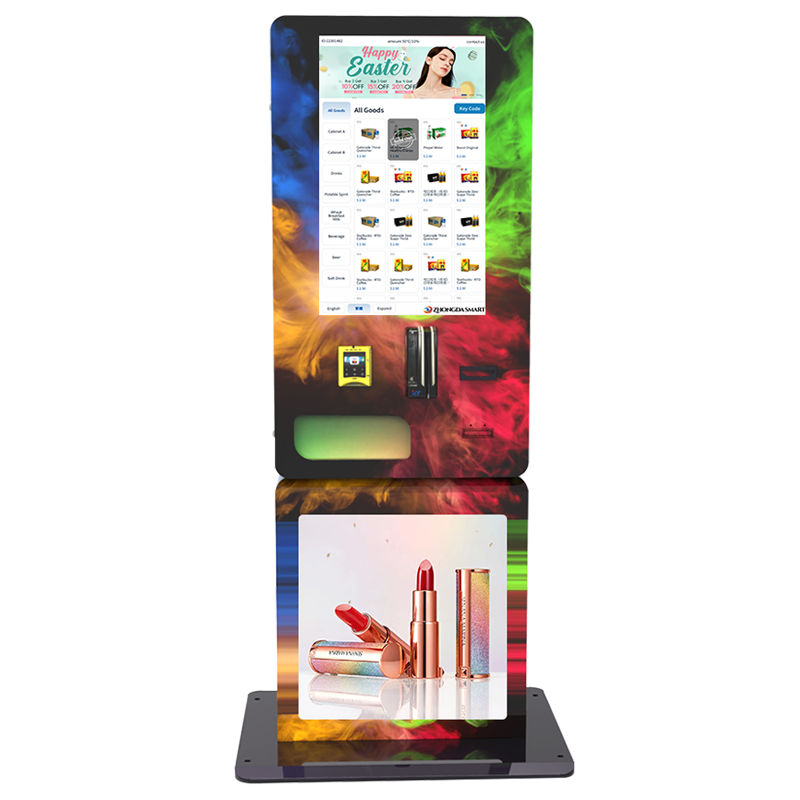
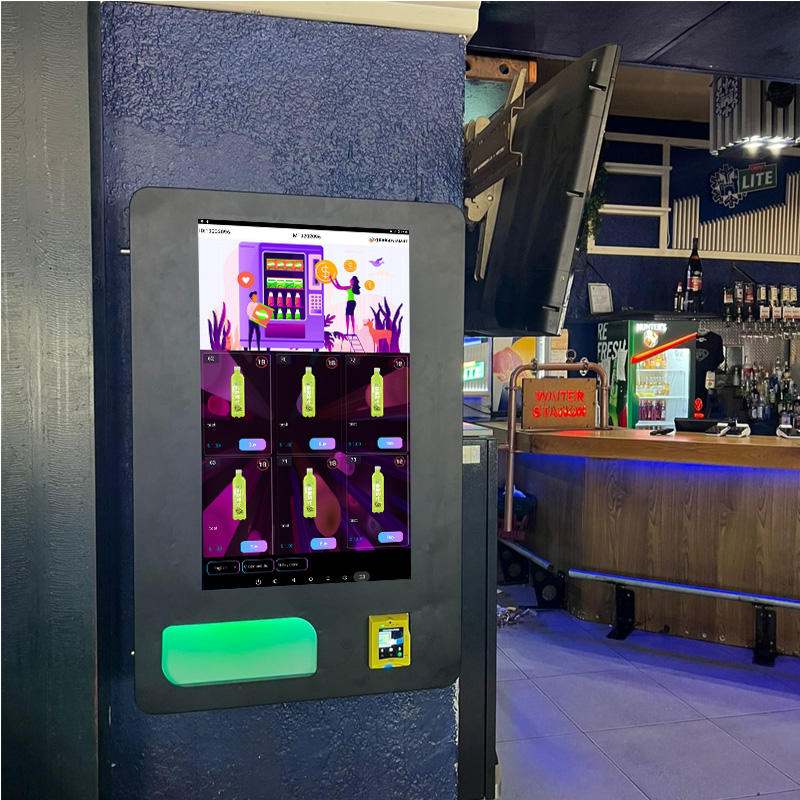
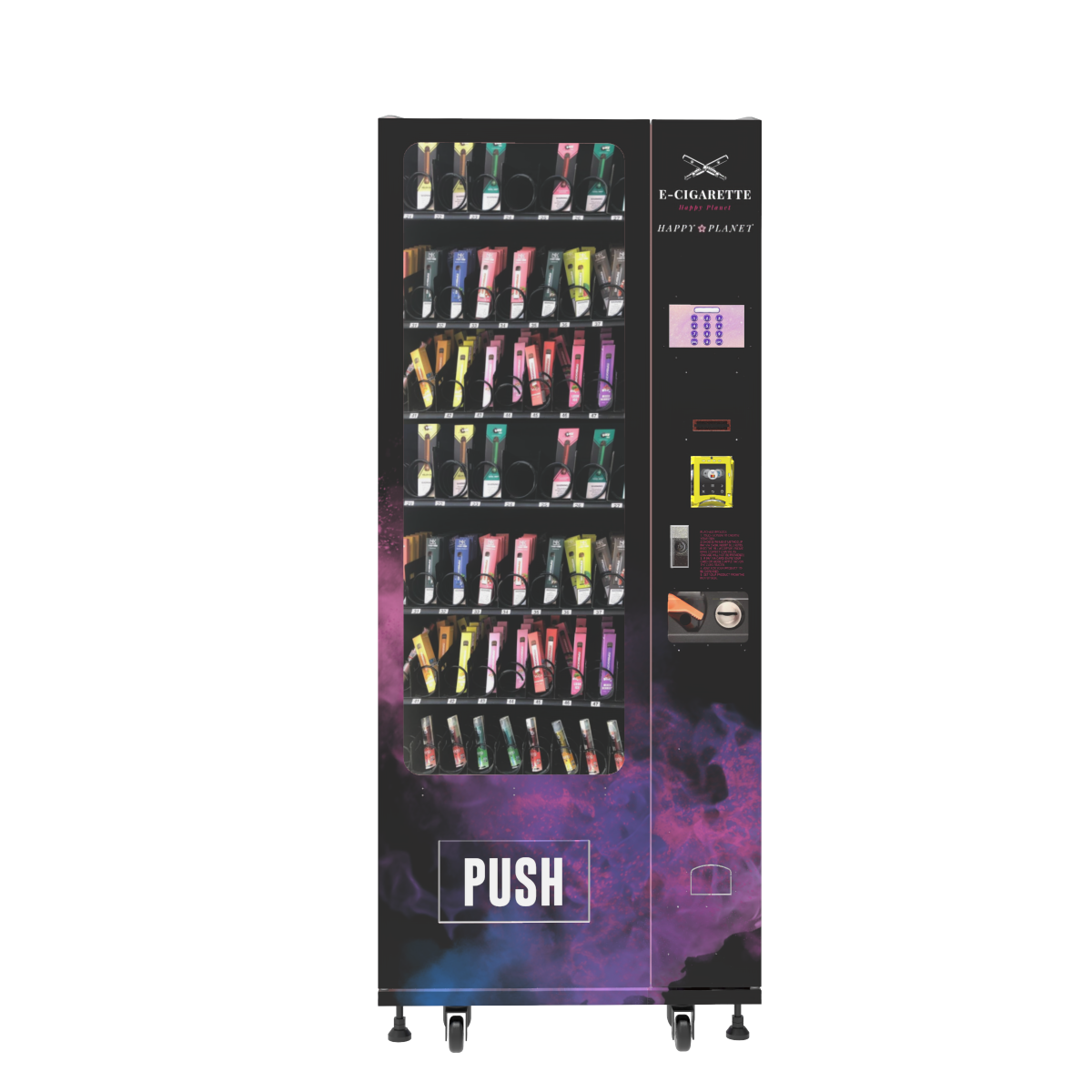
The best wall mounted vape vending machine in 2026 is a compact, securely installed unit that combines reliable product dispensing, appropriate age verification, cashless payments, and remote inventory management. For most operators considering this equipment, I’d prioritize legal deployment, cabinet durability, payment compatibility, and service access over screen size or appearance. A machine that looks impressive but cannot accommodate the intended products or meet the operating requirements is a poor investment.
Zhongda Smart offers several wall-mounted configurations, including touchscreen cabinets, compact models, and ID-verification-ready equipment. This guide examines how those designs compare, which specifications deserve attention, what affects the total purchase cost, and how to evaluate operating economics before committing to an order. The emphasis is on practical equipment selection, not optimistic sales projections. Every configuration decision should begin with a permitted installation site and a clearly defined product range.
What Is the Best Wall Mounted Vape Vending Machine in 2026?
For a buyer who wants one practical starting point, I’d rank a touchscreen wall-mounted cabinet with configurable dispensing channels, compatible cashless payment hardware, remote monitoring, and an approved age-control arrangement as the strongest all-around option.
The reason is straightforward. A vending machine must complete four jobs reliably: accept an authorized transaction, identify the selected product, dispense that product without damage, and record the result accurately. Display quality and cabinet styling matter, but neither can compensate for a failed delivery or an unauthorized sale.
The most suitable configuration depends on the installation rather than a universal specification. A compact unit can be appropriate when usable wall space is limited and the product range is small. A larger touchscreen cabinet becomes more practical when operators need additional selections, clearer product navigation, or more room for payment and verification hardware.
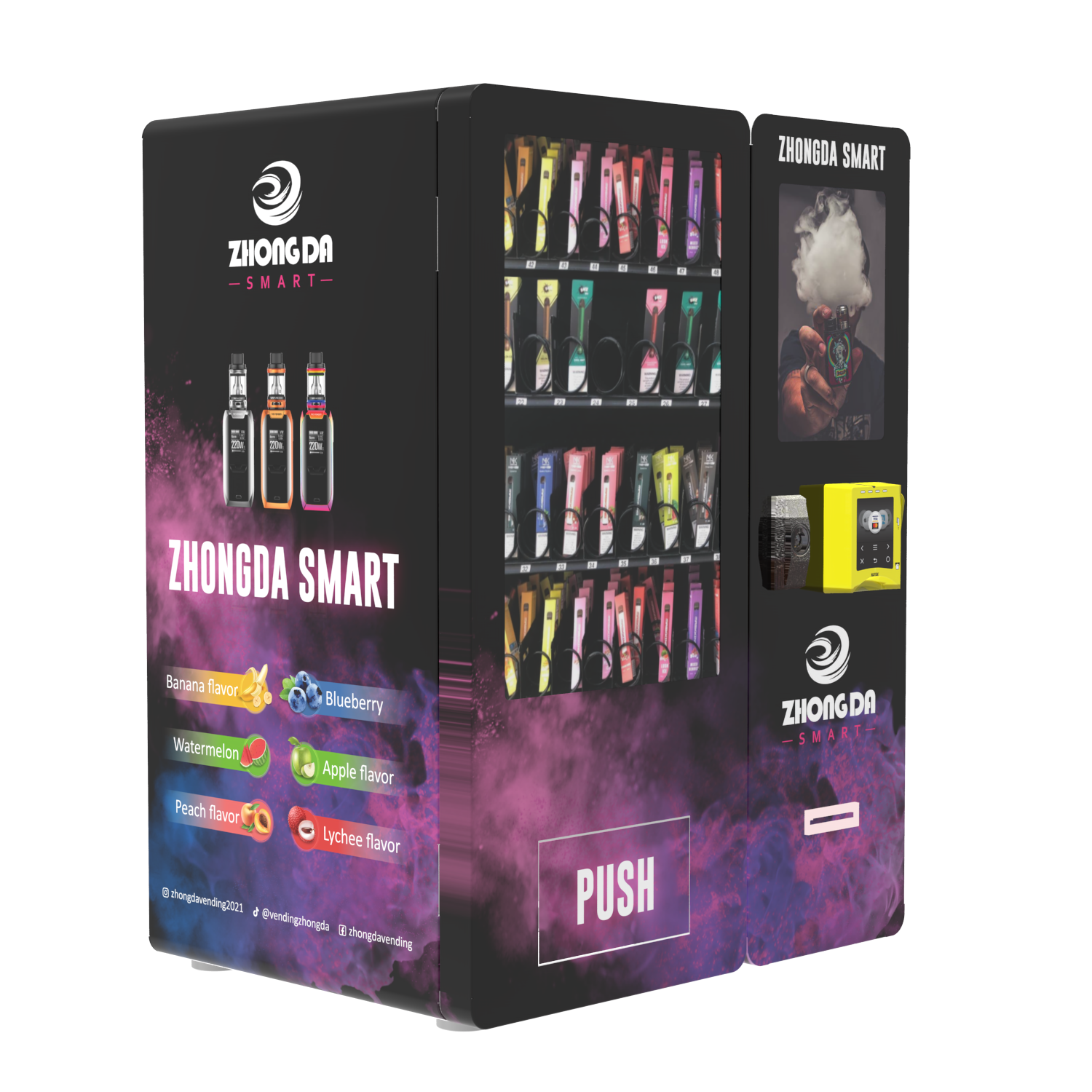
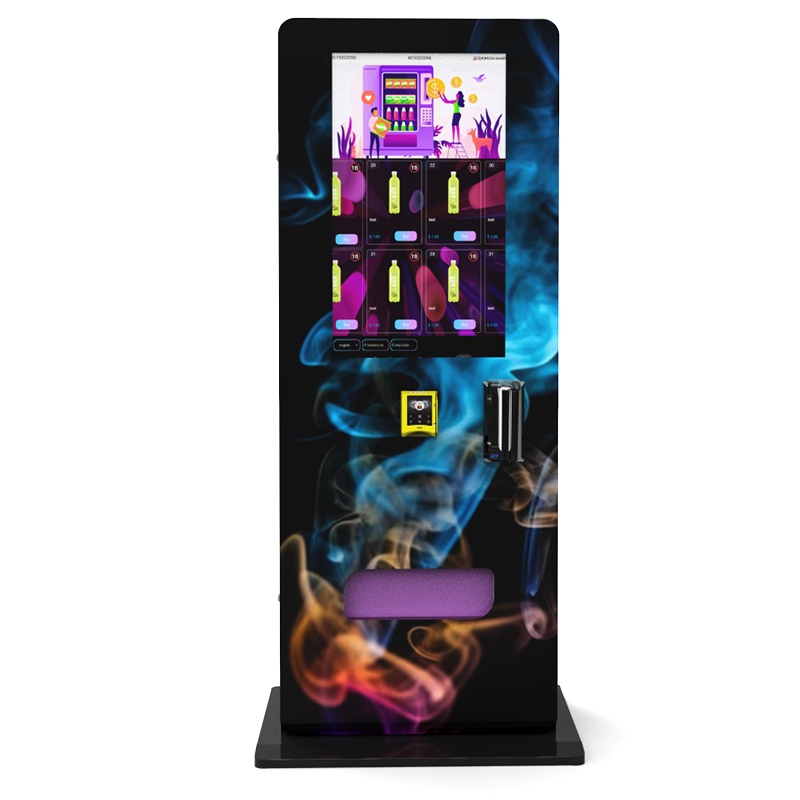
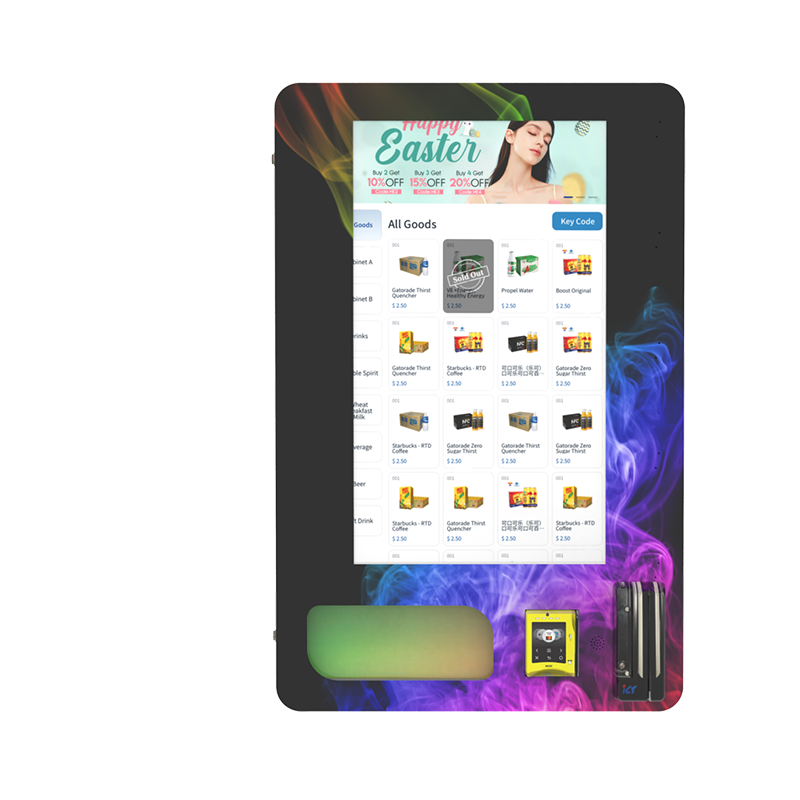
Among Zhongda Smart's available designs, the wall-mounted touchscreen e-cigarette vending machine is the model I’d evaluate first for a general-purpose project. Its wall-mounted format, touchscreen interface, age-verification options, and customizable configuration provide a useful starting point for a detailed equipment specification.
That recommendation is conditional. Before selecting the machine, the buyer still needs to confirm product capacity, actual dimensions, mounting requirements, payment approval, and whether vending is legally permitted at the intended site.
Five Requirements That Matter Most
Permitted operation: The product category, installation site, access controls, and transaction process must satisfy applicable requirements.
Reliable dispensing: Every selected package must fit the mechanism and reach the collection area without becoming trapped or damaged.
Secure installation: The wall, anchors, mounting frame, and cabinet must safely support the machine during normal use and servicing.
Payment compatibility: The hardware must work with an approved payment processor and support correct authorization, refunds, and transaction records.
Maintainability: Routine restocking, troubleshooting, cleaning, and component replacement should be manageable without unnecessary disassembly.
A touchscreen, ID scanner, or cloud connection should be treated as part of the equipment specification rather than proof that the machine is ready for deployment.
How to Compare Wall Mounted Vape Vending Machines
For this comparison, I’m prioritizing features that affect operating continuity, regulatory exposure, installation difficulty, and the ability to maintain the machine after purchase.
Decorative features receive less weight because they usually have a smaller effect on whether the equipment can complete authorized transactions consistently.
| Evaluation Area | What to Verify | Why It Matters | Priority |
|---|---|---|---|
| Legal suitability | Permitted location, product authorization, age-control requirements | Determines whether the project can operate | Critical |
| Dispensing system | Package compatibility, delivery confirmation, jam recovery | Directly affects completed transactions | Critical |
| Mounting structure | Loaded weight, anchor plan, service clearance | Protects users and allows safe maintenance | Critical |
| Payment integration | Processor approval, terminal support, refund handling | Determines whether payments can be accepted and reconciled | Critical |
| Remote management | Inventory, transactions, faults, communication status | Reduces unnecessary inspections and improves troubleshooting | High |
| Serviceability | Spare parts, wiring documentation, component access | Influences downtime and repair cost | High |
| Cabinet appearance | Finish, graphics, lighting, screen layout | Supports brand presentation and customer usability | Secondary |
These are editorial priorities, not laboratory performance scores. Each supplier should demonstrate the relevant functions on the exact configuration being quoted.
A useful purchasing rule is to resolve critical items before discussing optional upgrades. There is little value in choosing premium cabinet graphics while the payment provider or installation site remains unapproved.
Wall-Mounted vs. Floor-Standing Vape Vending Machines
Wall-mounted equipment is attractive because it can preserve usable floor area. That advantage is meaningful in restricted spaces, but wall mounting introduces structural and servicing considerations that a freestanding cabinet does not have.
A floor-standing vending machine transfers most of its weight directly to the floor. A wall-mounted machine places sustained loads and operational forces on the wall and mounting assembly. Consequently, the installation structure becomes part of the equipment decision.
The physical size of the cabinet is only one part of the comparison. Buyers should also consider the number of products that can be stocked, how the cabinet opens, the height of the collection opening, and whether maintenance personnel can safely reach every component.
| Purchasing Question | Wall-Mounted Cabinet | Floor-Standing Cabinet |
|---|---|---|
| Does it occupy floor space? | Little or no cabinet footprint, depending on the installation | Requires a dedicated floor footprint |
| What supports the load? | Approved wall and mounting structure | Floor, with restraint or anchoring where required |
| How much inventory can it hold? | Limited by cabinet depth, usable channel space, and loading weight | Can accommodate larger storage arrangements |
| How is it serviced? | Access depends on mounting height and door swing | Typically serviced while standing at floor level |
| What limits installation? | Wall strength, mounting hardware, clearance, accessibility | Floor area, stability, access, delivery route |
| Which project fits? | Compact, approved retail installations | Projects requiring more inventory or larger merchandising systems |
I’d choose wall mounting when the structural survey is satisfactory and the required inventory fits comfortably inside the cabinet. I’d consider a floor-standing machine when capacity, service accessibility, or installation constraints make the wall-mounted design impractical.
A smaller cabinet should never be selected solely because the empty machine looks manageable. The final evaluation must include stocked weight and the forces associated with opening and servicing the unit.
Start With Legal Feasibility, Not Machine Features
Vape vending equipment handles a regulated product category. The ability to install an ID scanner does not automatically authorize unattended sales.
Before purchasing equipment, confirm whether the planned products may be sold through vending machines, whether the premises permit that activity, what age restrictions apply, and which operating approvals are required.
One particularly important distinction concerns access to the premises. FDA retail rules, for example, prohibit tobacco-product vending in facilities where individuals younger than 21 are present or permitted to enter at any time. The rule also addresses age verification and retail sales obligations. An automated ID check does not cancel the premises restriction. [1]
This regulatory example should not be treated as a universal age threshold or as confirmation that a particular installation is lawful. Requirements differ by governing authority and can change. Operators must verify the rules applicable to their actual project.
Questions to Resolve Before Ordering
Is vending of the proposed product category permitted at the installation site?
Does the premises-access policy satisfy the applicable restrictions?
Are all proposed products authorized for sale?
Is an operating license, product permit, or machine registration required?
What identification and age-verification methods are acceptable?
Are transaction records, warning labels, or additional controls mandatory?
Does the property owner permit the machine and its electrical installation?
Do not treat these questions as administrative details to resolve after delivery. A machine may function perfectly while the intended retail operation remains prohibited.
Where additional approval is needed, procurement should be conditional on receiving it. That protects the buyer from paying for a customized cabinet that cannot be installed or used as planned.
How to Choose the Right Machine Size and Capacity
Capacity is one of the easiest vending specifications to misunderstand. A supplier may describe a cabinet using the number of dispensing channels, product selections, or total stored items. These figures are not interchangeable.
A machine with multiple channels may offer fewer unique products than its channel count suggests. Conversely, a single channel may hold several packages of the same item.
The useful capacity depends on the actual packaging placed in each channel, not just the number of motors installed.
Measure Real Product Packaging
Before requesting a final configuration, prepare a product specification sheet using the finished retail packages. Record the height, width, depth, weight, and any irregular features that might interfere with dispensing.
Rounded corners, protruding display tabs, flexible packaging, and uneven weight distribution can affect how a product moves through the delivery mechanism.
Measure the outer package rather than the device inside it. Packaging changes can make an otherwise compatible product unsuitable for the existing dispensing channel.
For products with different dimensions, the factory should confirm whether adjustable channel widths, separate mechanisms, or another dispensing arrangement will be needed.
Separate Capacity From Product Variety
Two questions should be answered independently:
How many individual packages can the machine hold when fully stocked?
How many different product selections can the customer choose?
Inventory capacity determines how much stock can be stored between replenishment visits. Selection count determines the variety available on the customer interface.
More selections are not automatically beneficial. Each additional product may occupy space that could otherwise hold inventory for a frequently requested item.
A compact vape vending machine should be configured around the planned inventory, expected replenishment process, and authorized product range. Oversized capacity offers little benefit if the products cannot be stocked efficiently or maintained safely.
Understand the Dispensing Mechanism Before Choosing a Cabinet
The dispensing mechanism deserves more attention than the touchscreen. A polished interface can complete a payment in seconds, but the transaction is not successful until the selected package reaches the collection compartment.
Many compact vending systems use motor-driven coils or other controlled-release mechanisms. The correct arrangement depends on package dimensions, weight, shape, and orientation.
A coil that is too wide may allow a narrow package to shift sideways. A coil that is too narrow may bind against the package. Incorrect spacing can cause more than one item to move or prevent the intended product from releasing.
For this reason, a general statement such as "adjustable coils" is not enough to establish product compatibility.
What a Dispensing Test Should Prove
Ask the manufacturer to demonstrate a complete delivery sequence using the actual packaged products or dimensionally equivalent samples.
The test should confirm that the selected package stays correctly positioned, advances without obstruction, clears the dispensing channel, and arrives in the collection compartment without visible damage.
Where delivery sensors are provided, the transaction software must distinguish a confirmed delivery from a motor command that merely attempted to release the item.
That difference matters when a product becomes trapped or fails to fall. The machine should not automatically treat motor activation as proof that the customer received the merchandise.
Operators should also clarify what happens after an unsuccessful delivery. The response may involve a controlled retry, cancellation, refund, or staff-assisted resolution, depending on the approved transaction system.

Mechanical Details Worth Inspecting
Channel adjustment: Can the mechanism accommodate the planned package sizes without unstable spacing?
Motor access: Can a failed motor be replaced without removing unrelated assemblies?
Collection compartment: Is the opening large enough for the packaged product to be retrieved safely?
Delivery detection: Does the machine distinguish a completed dispense from an attempted dispense?
Inventory control: Does the software deduct stock only when the relevant transaction state is confirmed?
Recovery procedure: Can authorized personnel clear a jam without damaging surrounding components?
I’d choose a proven dispensing configuration over a larger advertised selection count. Capacity has little value when packages cannot be released consistently.
Age Verification: What Buyers Need to Check
An age verification vending machine may use an ID reader, identity-verification software, access controls, or a combination of these functions. The appropriate design depends on the permitted operating arrangement and the standards the equipment must meet.
Identification hardware and compliant age verification are not the same thing. An ID reader might extract a date of birth while offering little protection against fraudulent documents or unauthorized use.
A more complete verification arrangement evaluates the required information, determines whether the transaction is authorized, and controls access to the payment and dispensing functions.
For buyers considering an integrated system, I’d focus on what happens when verification fails rather than only on a demonstration of successful verification.
The Transaction Must Fail Safely
If the required verification cannot be completed, the machine should prevent the restricted product from being dispensed.
The system should also have a defined response to expired documents, unsupported identification, communication interruptions, hardware faults, and incomplete verification sessions.
An offline mode that permits unrestricted transactions can defeat the intended access-control arrangement. The buyer should explicitly review offline behavior and confirm that it meets the applicable requirements.
The verification sequence should be tested together with the payment and dispensing sequence. Testing the ID scanner independently is insufficient because faults can occur when separate systems exchange authorization signals.
Identity Verification and Data Privacy
Identity-related information deserves careful handling. A verification process may involve document details, photographs, or other sensitive information that should not be collected or retained without a defined purpose.
NIST's Digital Identity Guidelines, updated in 2025, provide a useful technical framework for evaluating identity proofing, fraud resistance, and privacy safeguards. They are not a blanket certification for vape vending equipment, but their principles are valuable when reviewing a third-party verification system. [2]
Ask the verification provider which information is processed, whether images are stored, how long records are retained, who can access them, and what happens after an unsuccessful verification attempt.
Minimum necessary data collection, restricted administrative access, secure transmission, and documented deletion procedures should be considered during system design.
Also request a clear explanation of how the operator can retrieve legitimately required transaction evidence without unnecessarily exposing customer identity information.
Zhongda Smart offers an ID scan vending machine configuration for projects requiring integrated identity-control functions. The selected reader, software provider, privacy arrangement, and approval status should be specified in the purchase documents.
Cashless Payment Systems: Compatibility Matters More Than Options
Cashless payments are an important part of a modern wall-mounted vending system, but the presence of a card reader does not guarantee that transactions will be accepted.
The payment provider must support the business category, the merchant must receive the necessary approval, and the terminal must be compatible with the vending controller.
This distinction is particularly important for regulated products. A terminal that works for ordinary merchandise may not be approved for the intended business activity.
What Recent Payment Data Tells Equipment Buyers
The Federal Reserve's 2026 Diary of Consumer Payment Choice, covering payment behavior in 2025, found that cash represented 14% of consumer payments by number. Credit and debit cards together accounted for approximately two-thirds of payments. The same research recorded 38% of respondents preferring credit cards for in-person payments and 40% preferring debit cards. [3]
These are broad consumer payment figures, not vending-machine sales measurements. They do not establish the payment mix of a particular machine or the profitability of a cashless-only setup.
They do, however, provide a sound reason to treat card-payment compatibility as an essential procurement requirement rather than an optional decorative feature.
Ask About the Entire Payment Process
A complete purchasing workflow must coordinate the payment terminal, machine controller, authorization system, product-release mechanism, and transaction record.
When a customer makes a permitted purchase, the system needs to associate the payment with the correct selection and respond appropriately if the delivery fails.
Before selecting a cashless vending machine, confirm the following:
The intended payment processor accepts the merchant and product category.
The terminal supports the required card and contactless payment methods.
The terminal communicates correctly with the vending controller.
Transaction authorization and dispensing status are properly linked.
Refunds and failed deliveries have a documented resolution process.
Transaction logs can be reconciled with processor statements.
Payment credentials are handled through an appropriate secure arrangement.
I’d avoid paying for several payment integrations before confirming the approval and usability of the primary payment method.
Remote Inventory Monitoring and Vending Management Software
Remote management is valuable when it gives the operator information that changes a service decision. A colorful dashboard is less important than accurate stock quantities, machine status, and transaction records.
A useful vending management platform should identify which machine needs attention, what problem occurred, and whether the issue can be resolved remotely or requires physical service.
For a single unit installed near available staff, basic transaction reporting may be sufficient. As the number of machines increases, consistent reporting and remote diagnostics become more important.
Essential Monitoring Functions
Inventory visibility: Quantity and availability for each stocked selection.
Transaction history: Completed transactions, failed transactions, cancellations, and refunds.
Machine status: Connectivity, controller condition, and relevant hardware alerts.
Dispensing faults: Information sufficient to identify the affected selection or component.
Administrative controls: Restricted access for authorized operators and service personnel.
Data export: A practical method for retrieving records used in inventory reconciliation and business reporting.
The buyer should ask whether stock counts are generated from successful deliveries, motor commands, manual inventory adjustments, or another method.
If a failed transaction incorrectly reduces the recorded quantity, the dashboard can show a product as unavailable even though it remains inside the cabinet.
Similarly, software that records payment success without a confirmed delivery state may create disputes that staff cannot resolve from the available records.
Cloud Access Should Not Be a Single Point of Failure
Cloud-based vending software can simplify management, but the purchasing agreement should define what happens when internet access is interrupted.
Operators need to know whether the machine remains available for permitted transactions, which functions become unavailable, and how records are synchronized when service returns.
Any offline operation must remain consistent with the required verification and payment controls. The priority is safe, authorized behavior, not keeping the screen active at all costs.
It is also important to clarify software ownership, licensing charges, update responsibilities, administrator permissions, and access to data if the service relationship ends.
Installation Requirements for a Wall Mounted Vending Machine
Wall mounting requires more planning than placing a cabinet on the floor. A machine that is correctly assembled can still be unsafe if the supporting structure or installation hardware is unsuitable.
Before ordering, request the machine's loaded weight, overall dimensions, mounting-hole layout, cabinet opening direction, and recommended installation requirements.
The installation professional should evaluate the structural wall material, expected loads, anchor selection, and any building restrictions. Do not assume that general-purpose wall anchors are adequate for a stocked vending cabinet.
Check the Loaded Weight
The empty cabinet weight is not the final installation load. Stocked products, payment devices, additional hardware, and servicing forces must be considered.
Opening a service door can shift how forces act on the mounting assembly. The installer must also consider accidental pulling, customer interaction, and foreseeable maintenance activity.
For this reason, I’d choose a documented mounting system and an installation plan approved for the actual wall condition instead of relying on an informal statement that the machine is easy to hang.
Leave Enough Space for Maintenance
The machine needs clearance for more than customer access. Staff must be able to open the service door, remove components, replenish products, and inspect wiring safely.
A narrow installation recess may appear suitable while the cabinet is closed but become impractical when the door opens.
Confirm that the door can open to the position needed for servicing without striking adjacent equipment or obstructing a required passage.
Also consider how maintenance personnel will handle removed parts. A wall-mounted cabinet installed too high may complicate routine loading and make a repair unnecessarily difficult.
Confirm Power and Cable Routing
The electrical arrangement should match the specified machine and payment hardware. Ask the supplier for the rated input requirements, connection details, protective arrangements, and installation instructions.
Electrical work should be completed by qualified personnel in accordance with applicable requirements.
Exposed cables, strained connectors, and inaccessible power connections can complicate servicing and create avoidable risks. A properly planned cable route protects the equipment without preventing authorized maintenance.
Accessibility and Customer Reach
Mounting a vending machine above the floor does not remove the need to consider accessibility. The touchscreen, payment terminal, ID scanner, and product collection compartment must be positioned so eligible customers can operate the machine as required.
The Access Board's accessibility standards include a maximum unobstructed high forward reach of 48 inches and a minimum low forward reach of 15 inches above the finished floor. Different conditions can introduce additional requirements, including rules for obstructed reaches. [4]
Those figures are useful reference points, not a universal installation drawing. The applicability of a particular standard must be established for the project.
A common design mistake is to place the touchscreen at a comfortable height while leaving the payment or ID-reading device much higher. Customers must be able to reach the complete transaction interface, not just the screen.
The collection opening also matters. If retrieving a product requires uncomfortable stretching, twisting, or reaching behind an obstruction, the nominal mounting height may not reflect usable access.
I’d review the cabinet as a complete customer interaction system before approving its final mounting height.
Security Features That Deserve Attention
A vending cabinet stores saleable inventory and contains payment-related equipment. Its security requirements extend beyond the ability to lock the front door.
A strong security design addresses unauthorized cabinet entry, tampering with external devices, access to software settings, and the handling of unsuccessful transactions.
For wall-mounted equipment, the connection between the cabinet and the mounting structure is especially important. The cabinet should not be easily detached using hardware accessible to an unauthorized person.
Physical Security
Review the lock arrangement, door reinforcement, hinge accessibility, cabinet seams, and collection compartment. The design should discourage unauthorized entry without making legitimate maintenance unnecessarily difficult.
Where additional surveillance is considered, ensure that the arrangement complies with applicable privacy and premises requirements. Monitoring equipment should not create unnecessary collection of sensitive customer information.
Software and Administrative Security
Operator accounts should have appropriate access levels. Staff responsible for restocking may not need permission to change payment settings, modify verification rules, or access sensitive transaction records.
Default credentials should be replaced during commissioning. The buyer should also confirm how software updates are authenticated and how access can be revoked when authorized personnel change.
Security should be evaluated through specific controls and documented responsibilities. Labels such as "anti-theft" or "secure system" do not replace a review of the actual design.
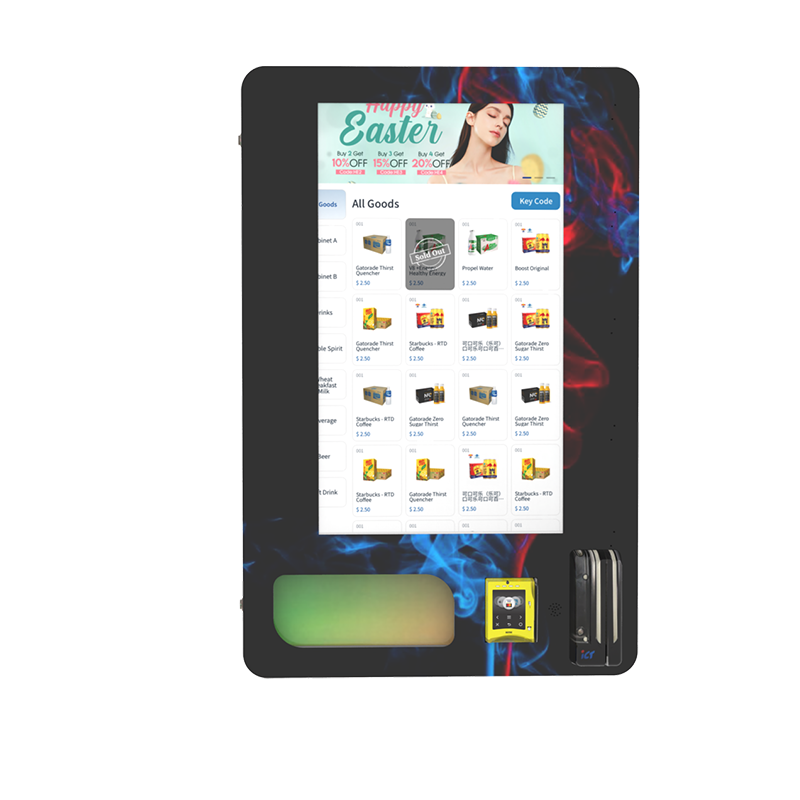
Touchscreen Size and Customer Interface Design
A larger touchscreen can provide more space for product images and instructions, but it also affects cabinet dimensions, power requirements, and cost.
A smaller display may be sufficient for a limited selection range when product names, prices, and transaction instructions remain legible.
Screen size should be chosen after establishing the customer workflow. Adding display area without improving the interaction offers limited practical value.
Make the Purchase Process Easy to Understand
The display should identify available products, prices, required purchase restrictions, and the next authorized action.
Customers should not have to guess whether a transaction is still processing or whether a delivery has failed.
Clear status messages are particularly important when a transaction involves separate verification, payment, and dispensing steps.
For restricted products, the interface should not permit a completed sale until all required conditions are satisfied.
Product descriptions and images must also correspond to the actual stocked merchandise. Incorrect images can cause selection errors even when the mechanical dispensing system works correctly.
I’d choose a clear, restrained interface over one filled with animations or unrelated promotional content. Functional clarity has more value during a short self-service transaction.
Product Storage Conditions and Packaging Protection
Electronic vaping products may contain batteries, liquids, or components that require suitable handling and storage conditions.
The vending cabinet should not expose products to operating conditions outside their approved storage limits. Heat, moisture, direct sunlight, and unsuitable handling may affect some products.
The buyer should obtain storage and handling requirements from the relevant product suppliers and ensure that the machine's intended installation environment is compatible.
A general-purpose enclosure should not be assumed to provide active temperature control. If temperature management is necessary, the actual equipment configuration must be evaluated and documented.
Protect Products During Delivery
Dispensing channels should support packages without crushing, puncturing, or placing excessive pressure on their contents.
The collection area should also avoid unnecessarily harsh impacts. Package damage can produce product complaints, inventory loss, and additional service work.
Before approving the machine, test the most fragile approved package type rather than only the most rigid product in the planned inventory.
Operators should establish procedures for damaged packaging, leaking products, recalled merchandise, and products that no longer meet sale requirements.
Battery-containing products must not be treated as ordinary waste when disposal or damaged-goods handling requires special precautions.
How Much Does a Wall Mounted Vape Vending Machine Cost?
The purchase price depends on the specific machine rather than a single standard market figure. Cabinet dimensions, screen configuration, dispensing channels, age-verification hardware, payment integration, management software, and customization all affect the quotation.
A basic cabinet quotation may not include every component required for a complete installation.
For accurate comparison, request an itemized quotation showing the machine configuration and all separately priced equipment, software, service, and delivery requirements.
I’d avoid relying on an advertised starting price until the supplier confirms what the quoted unit can actually do.
The Components of Total Ownership Cost
| Cost Category | What to Request | Potential Budget Issue |
|---|---|---|
| Machine cabinet | Itemized equipment quotation and model specification | Cabinet price may exclude selected options |
| Age verification | Hardware, software, service agreement, and processing charges | Recurring service or verification charges |
| Payment system | Terminal pricing, integration cost, processor contract | Transaction and account fees |
| Management software | License structure, included functions, renewal conditions | Ongoing subscription expenses |
| Delivery | Freight quotation, handling responsibilities, insurance terms | Charges outside the machine quotation |
| Installation | Site survey, mounting materials, electrical work | Structural or wiring modifications |
| Initial inventory | Approved products and purchase quantities | Working capital requirements |
| Maintenance | Warranty terms, parts prices, service arrangements | Out-of-warranty repairs and downtime |
A complete equipment comparison should use the total cost of getting the machine legally installed and ready for its intended operation.
Two quotations are not comparable when one includes the required payment and verification hardware while the other covers only the cabinet and touchscreen.
Why Customization Changes the Price
OEM customization can include cabinet color, exterior graphics, a branded startup screen, changes to the product interface, payment-device mounting, or modifications to the dispensing arrangement.
Some changes primarily affect appearance. Others require mechanical design work, additional electronic components, software integration, or revised manufacturing documentation.
A custom cabinet dimension can also affect the mounting structure, shipping arrangement, and the location of internal components.
Before approving customization, ask which changes are included in the quoted configuration and which require separate engineering or manufacturing charges.
For a first installation, I’d normally prioritize proven functional hardware and limit modifications to those necessary for the actual project.
Is a Wall Mounted Vape Vending Machine Profitable?
A wall-mounted vending machine can generate operating profit when authorized sales produce sufficient contribution to cover inventory costs, payment fees, site expenses, software, servicing, and other operating obligations.
Profit is not an inherent feature of the machine. The equipment creates a means of dispensing approved merchandise; profitability depends on the commercial operation surrounding it.
The most useful financial question is not how much the machine might sell in an unusually successful month. It is how many completed transactions are required to cover the actual operating costs.
Calculate the Contribution From Each Sale
Begin with the net selling price received for one product. Deduct its acquisition cost, payment-processing charges, and other variable expenses associated with the sale.
The amount remaining is the contribution available to cover fixed operating costs and eventually recover the initial investment.
Contribution per sale = Net selling price − Product cost − Variable transaction costs
Next, add the fixed monthly expenses directly attributable to the machine.
These may include software subscriptions, space charges, insurance, fixed service agreements, connectivity, and other recurring expenses.
Monthly operating contribution = Completed monthly sales × Contribution per sale − Monthly fixed costs
This calculation is not the same as accounting net profit. Depending on the business, taxes, depreciation, financing expenses, exceptional repairs, and other costs must also be considered.
An Illustrative Break-Even Calculation
The following figures are hypothetical inputs used only to demonstrate the calculation. They are not market averages, actual Zhongda Smart selling prices, or evidence of customer results.
| Illustrative Input | Assumed Amount |
|---|---|
| Net selling price per item | $15.00 |
| Product acquisition cost | $9.00 |
| Variable transaction and handling expense | $0.75 |
| Contribution per completed sale | $5.25 |
| Monthly fixed operating expenses | $420.00 |
Under these assumptions, the operating break-even quantity is calculated by dividing $420 by $5.25.
$420 ÷ $5.25 = 80 completed sales per month.
At that volume, the contribution covers the assumed fixed operating expenses. The calculation does not recover the initial equipment investment or account for costs excluded from the assumptions.
Changing the product cost, processing fees, or fixed expenses changes the break-even quantity. That sensitivity is why each operator should use an actual supplier quotation and verified operating assumptions.
Calculate Equipment Payback Separately
Equipment payback measures how long it takes for positive operating cash flow to recover the initial investment.
Simple payback period = Initial investment ÷ Monthly operating cash flow
This simplified formula is meaningful only when monthly cash flow is positive and the estimate includes the relevant recurring expenses.
It also assumes the monthly operating cash flow remains constant, which rarely holds perfectly in a real retail business.
Initial inventory, operating reserves, installation charges, and nonrecoverable setup expenses should be handled consistently within the calculation.
I’d evaluate several sales-volume assumptions rather than use one optimistic projection. A machine with attractive results under a high-volume scenario may offer little financial margin for downtime or weaker demand.
Zhongda Smart's vending machine product catalog and ROI calculator provide a practical starting point for exploring the relationship between equipment investment, unit contribution, sales volume, and recurring expenses. Calculator outputs should be treated as planning estimates, not promises of actual returns.
Choose the Installation Site Before Finalizing the Machine
The installation site affects legal feasibility, machine size, payment connectivity, servicing access, and operating expenses.
A site with adequate physical space is not necessarily suitable for restricted-product vending. The entire operating arrangement must first satisfy the rules governing the proposed sale.
After legal eligibility is established, assess the practical requirements of the location.
Evaluate the Site as an Operating System
Check the supporting wall, electrical supply, data connection, customer circulation, maintenance clearance, lighting, and physical security.
The machine should not obstruct required passageways or interfere with building equipment.
Authorized customers need a usable approach to the interface, and service personnel need enough working space to load inventory and perform repairs.
A concealed installation may reduce unwanted interference, but the machine must remain visible and usable enough for its intended permitted audience.
The property agreement should identify who is responsible for electricity, connectivity, cleaning, maintenance access, and any site-related charges.
Evaluate Demand Without Assuming a Sale Rate
Observed foot traffic alone does not establish likely transaction volume. The relevant measure is the number of eligible customers who may reasonably need the authorized products during the machine's operating hours.
A demand assessment should also consider product availability through existing retail channels, inventory pricing, customer convenience, and the site's access restrictions.
For an initial project, I’d prefer a location with a clear operating arrangement and manageable service access over a more complicated site supported only by an ambitious sales projection.
Where possible, use actual records from the business or a limited, approved operating trial to improve the assumptions before purchasing additional machines.
What to Look for in a Vape Vending Machine Manufacturer
Choosing the manufacturer is as important as selecting the cabinet. A suitable supplier must be able to explain how the machine is configured, how it is tested, what documentation accompanies it, and how faults will be resolved after delivery.
The buying decision should be based on evidence tied to the specific order.
For this comparison, I’m prioritizing configuration control, documentation quality, component compatibility, maintainability, and support commitments rather than broad marketing claims.
Five Supplier Evaluation Standards
Technical transparency: The manufacturer can provide an equipment drawing, component specification, and clear description of the dispensing process.
Configuration flexibility: The factory can adapt approved components to the products, payment system, and installation requirements.
Verification capability: Required customer and transaction controls can be demonstrated before shipment.
Manufacturing consistency: The finished unit can be checked against an agreed specification and acceptance checklist.
After-sales support: Warranty coverage, spare parts, technical assistance, and software responsibilities are documented.
A supplier that cannot explain a failed dispensing test should not be considered satisfactory simply because the cabinet looks attractive.
Likewise, a promise of complete legal compliance without reviewing the intended installation and transaction requirements should not replace independent regulatory confirmation.
Why Zhongda Smart Is Worth Considering
Zhongda Smart is a vending machine manufacturer offering compact, wall-mounted, and customizable equipment for regulated self-service retail projects.
Its relevant configuration options include touchscreen cabinets, dispensing arrangements for different package sizes, age-verification integration, cashless payment support, remote management, and OEM branding.
These capabilities align with the core purchasing criteria described throughout this guide, particularly for buyers who need to specify the hardware and interface rather than purchase a fixed, unchangeable cabinet.
As a manufacturer-focused editorial recommendation, I’d place Zhongda Smart on the initial supplier shortlist for projects that require customized wall-mounted equipment.
That recommendation does not imply that every model has been independently tested against competing equipment or that every optional function is included in the standard configuration. Buyers should evaluate the exact proposed system.
Which Zhongda Smart Model Fits Each Requirement?
| Configuration | Primary Reason to Consider It | What to Confirm Before Ordering |
|---|---|---|
| Wall-Mounted Touchscreen E-Cigarette Vending Machine | General-purpose compact retail project requiring a touchscreen and configurable controls | Actual capacity, screen arrangement, dispensing compatibility, installed verification hardware |
| Wall-Mounted Compact E-Cigarette Vending Machine | Installation where cabinet dimensions and wall space are major constraints | Loaded weight, access clearance, storage capacity, mounting requirements |
| ID Scan Vending Machine | Project needing a defined identity-verification integration | Reader compatibility, verification provider, transaction controls, privacy arrangement |
The compact wall-mounted e-cigarette vending machine is particularly relevant when a larger cabinet would interfere with usable space or maintenance access.
For a project with more complex verification requirements, the ID-scan configuration may provide a more suitable starting point. The decisive factor remains the approved combination of hardware, software, and premises controls.
I’d avoid treating any one model as the automatic choice for every operator. A machine should be selected through a written configuration review, not simply because it appears first in a product catalog.
OEM Customization: What Is Worth Changing?
Customization is useful when it solves a specific installation, product-handling, or operating problem.
A factory can modify some aspects of the cabinet without materially changing the dispensing system. Other requests can affect the entire machine design.
For example, changing exterior colors is a different engineering task from changing cabinet depth, relocating an ID reader, or accommodating an unusual package shape.
Cabinet and Mechanical Customization
Mechanical changes may include product-channel dimensions, shelf arrangements, component placement, service-door configuration, and mounting provisions.
Every mechanical change should be checked against loaded weight, component access, dispensing performance, and applicable safety requirements.
A smaller enclosure may appear desirable until the payment terminal and verification hardware leave insufficient space for product inventory.
I’d prioritize a cabinet arrangement that accommodates all required components without making service access difficult.
Interface and Branding Customization
Exterior colors, approved logos, startup graphics, and product interface layouts can help equipment fit an operator's brand identity.
However, branding should not obscure required warnings, product information, transaction instructions, or verification prompts.
The branded interface should be reviewed using actual text and images before production. This helps identify problems with readability, menu navigation, and alignment between the displayed selection and stocked merchandise.
Payment and Software Customization
Software changes deserve careful documentation because they can affect transaction processing and long-term support.
Ask whether a requested modification uses an existing supported integration or requires custom development.
If the modification depends on a third-party provider, define which company is responsible for each interface and how future software updates will be managed.
The purchase agreement should also clarify whether the operator can export transaction and inventory records if the software service changes.
Factory Testing Before Shipment
A factory acceptance test is one of the most useful protections available during equipment procurement.
The purpose is to confirm that the finished machine matches the approved configuration and completes the required functions before it is shipped.
A visual inspection alone is insufficient. The machine should be tested through realistic operating sequences using the relevant hardware and software.
Recommended Acceptance Tests
| Test | Required Observation | Acceptance Evidence |
|---|---|---|
| Cabinet inspection | Cabinet, doors, locks, and installed components match the approved design | Inspection report and identifying photographs |
| Product dispensing | Specified sample packages dispense without damage or obstruction | Test record identifying package and channel |
| Failed delivery | Machine follows the agreed unsuccessful-dispense procedure | Recorded fault and transaction response |
| Verification rejection | Restricted transaction cannot proceed after unsuccessful verification | Documented rejection test |
| Payment integration | Approved test transactions and cancellation procedures operate correctly | Processor or integration test results |
| Remote management | Machine status, inventory, and transactions appear correctly | Dashboard records or controlled demonstration |
| Communication interruption | System follows its documented safe operating behavior | Fault and recovery test results |
Not every function can be fully validated without the operator's live payment and verification services. In those cases, the factory test should identify what was tested in a controlled environment and what remains for on-site commissioning.
I’d request the machine serial number, final configuration list, software version, and test documentation as part of the acceptance package.
The buyer should also agree on how defects discovered before shipment will be corrected and whether a revised test is required after changes.
What Should Be Included in the Purchase Agreement?
A detailed purchase agreement reduces uncertainty when equipment contains multiple optional components and third-party integrations.
The agreed specification should describe the actual machine being supplied, not merely the general product family.
Important items include cabinet dimensions, mounting arrangement, dispensing configuration, touchscreen, payment hardware, age-control components, management software, electrical requirements, accessories, and documentation.
Commercial terms should identify the price of each relevant option and clarify delivery responsibilities.
Warranty and Spare Parts
Warranty duration alone does not tell the buyer how quickly a machine can be repaired or what costs remain the operator's responsibility.
Ask whether the warranty covers specific hardware components, electronic controllers, displays, motors, and payment-related assemblies.
It is equally important to establish how replacement parts are requested, whether diagnostics are required before replacement, and who pays shipping or service charges.
Zhongda Smart offers a one-year warranty and technical support for its vending equipment, subject to the applicable purchase and warranty terms. Buyers should obtain the written terms for their specific order and verify the coverage of third-party components.
Documentation That Should Accompany the Machine
Final approved machine configuration and component list
Installation and mounting instructions
Electrical connection requirements
Operating and restocking instructions
Dispensing mechanism adjustment guidance
Fault-code and troubleshooting information
Software and administrative access documentation
Warranty conditions and spare-part ordering procedure
A detailed manual is particularly useful when the machine is serviced by personnel who were not involved in the original installation.
Maintenance Planning for Wall-Mounted Equipment
Maintenance should be based on the equipment configuration, product characteristics, usage, and observed condition.
A fixed maintenance schedule copied from another machine may be unsuitable when dispensing mechanisms, operating environments, and transaction volumes differ.
The objective is to identify developing problems before they cause failed deliveries or extended downtime.
Routine Operator Checks
During authorized restocking visits, staff should inspect the cabinet, product channels, locks, collection compartment, payment device, and visible wiring.
Products should be checked for packaging damage, correct placement, and continued eligibility for sale.
Inventory quantities should be reconciled with the management system, especially after reported dispensing failures or manual adjustments.
Cleaning should follow the equipment manufacturer's instructions. Liquids and cleaning materials must not be allowed to damage electronics, labels, sensors, or payment hardware.
Responding to Common Faults
If a machine reports a dispensing problem, identify the affected product and channel before attempting a reset.
Repeatedly commanding the same mechanism without inspecting the cause can damage products or worsen a mechanical obstruction.
When a payment dispute occurs, compare the payment record, machine transaction state, and delivery information. The ability to reconstruct these events is one reason accurate logs matter.
When an age-verification component fails, the equipment should remain in the required safe state until authorized service restores the verification function.
Network problems require a different investigation. Confirm the machine's communication status and approved connection arrangement before treating a cloud reporting delay as a hardware failure.
Build a Spare-Parts Plan
Ask the supplier which components are replaceable in the field and which require factory service.
Motors, sensors, control boards, cables, locks, displays, and power-related components may have different replacement procedures and warranty conditions.
The most appropriate spare-parts inventory depends on the machine quantity, component availability, and the cost of downtime.
I’d focus on maintaining access to documented replacement parts rather than purchasing an arbitrary assortment of components without understanding their service requirements.
Common Buying Mistakes to Avoid
Many poor equipment decisions begin with assumptions that could have been resolved before the purchase order was signed.
Buying Before Confirming Regulatory Permission
This is the most consequential mistake. Hardware capabilities do not establish permission to operate a restricted-product vending business.
Confirm the permitted premises, approved products, required authorization process, and relevant licenses before committing to a customized machine.
Comparing Prices Without Matching Specifications
A cabinet-only quotation cannot be compared directly with a complete machine that includes additional verification hardware, payment integration, software, and accessories.
Request itemized quotations and compare the actual delivered configuration.
Ignoring Product Package Dimensions
Dispensing compatibility should be established with packaged-product samples. A machine with many channels can still be unsuitable if those channels do not accommodate the proposed merchandise.
Overlooking Wall Structure and Service Access
A compact cabinet may be difficult to install safely on the available wall. The buyer should resolve supporting structure, mounting hardware, access height, and door clearance during planning.
Assuming Payment Hardware Guarantees Merchant Approval
Payment processors make their own acceptance decisions. Confirm approval for the actual business category and proposed transaction arrangement before purchasing the terminal.
Using Supplier Profit Examples as Forecasts
Illustrative sales and revenue figures are not evidence of what a new machine will earn. Build financial estimates from documented costs and independently supportable operating assumptions.
Ordering Extensive Customization Too Early
Changing cabinet dimensions, software, and dispensing hardware at the same time can complicate validation.
I’d begin with the closest suitable standard configuration and customize only what the project genuinely requires.
A Practical Purchase Process for 2026
A disciplined procurement sequence keeps technical, financial, and regulatory questions from becoming expensive surprises after delivery.
Confirm the permitted operating arrangement. Establish product eligibility, premises restrictions, required licenses, and transaction controls.
Prepare the product list. Record packaged dimensions, weights, and approved storage requirements.
Survey the installation site. Evaluate the supporting wall, electrical supply, accessibility, data connection, and service clearance.
Define the required functions. Identify verification, payment, dispensing, monitoring, and reporting requirements.
Request a configuration proposal. Obtain the drawing, component list, and details of any necessary customization.
Verify third-party integrations. Confirm payment acceptance, verification arrangements, and software responsibilities.
Compare total costs. Include equipment, installation, services, inventory, and ongoing expenses.
Approve acceptance tests. Specify the functions and evidence required before shipment.
Complete commissioning. Test the installed equipment and confirm authorized transactions under the approved operating arrangement.
Maintain operating records. Track completed transactions, inventory, faults, and service activity to evaluate ongoing performance.
The sequence is deliberately conservative. A machine should not be considered ready merely because it powers on and displays products correctly.
Successful commissioning means the complete system operates as specified in the actual environment, including the required safeguards.
Frequently Asked Questions
1. What is the best wall mounted vape vending machine for a small space?
A compact touchscreen cabinet with a suitable dispensing layout, secure mounting arrangement, and appropriate transaction controls is a practical starting point.
The final selection depends on the available wall structure, service clearance, product dimensions, and installation restrictions.
Zhongda Smart's compact wall-mounted configuration is worth evaluating when cabinet size is the primary constraint. Request the loaded weight, dimensional drawing, channel arrangement, and door-opening requirements before ordering.
2. How much does a wall mounted vape vending machine cost in 2026?
There is no single reliable price for every configuration. The final quotation depends on cabinet design, screen, dispensing hardware, payment equipment, verification components, software, and customization.
Request an itemized quote that identifies what is included and what must be purchased separately.
For a useful investment comparison, add installation, delivery, integration charges, required permits, initial inventory, and recurring service expenses to the equipment cost.
3. Can a vape vending machine be profitable?
It can produce operating profit when completed authorized sales generate enough contribution to cover operating expenses.
Calculate contribution per sale by deducting product costs and variable transaction charges from the net selling price. Then divide monthly fixed costs by that contribution to determine the operating break-even sales quantity.
Do not use projected revenue alone to justify the investment. Equipment downtime, inventory losses, payment costs, servicing, and the initial purchase price all affect the financial outcome.
4. Do wall-mounted vape vending machines need age verification?
The requirements depend on the products, premises, and applicable rules. Where automated verification is required or permitted as part of the operating arrangement, the equipment must use an acceptable verification method.
An ID scanner does not independently establish legal compliance. Some rules restrict vending based on who may enter the premises, even when the machine can verify customer age.
Confirm legal eligibility before choosing the hardware. Then document the required verification process and test its failure behavior before operation.
5. Can a wall-mounted vending machine accept card and contactless payments?
Yes. A suitable machine can be configured with compatible cashless payment hardware, including supported card and contactless options.
However, the payment provider must approve the merchant and intended business category. The payment terminal must also be correctly integrated with the vending controller.
Ask the supplier and payment provider to confirm compatibility, transaction processing, unsuccessful-delivery handling, and reconciliation procedures before finalizing the order.
6. Is a wall-mounted machine difficult to install?
Installation difficulty depends on the cabinet's loaded weight, mounting structure, electrical arrangement, and available service space.
A structurally suitable wall and properly engineered mounting system are essential. Qualified installers should review the actual conditions rather than assume that ordinary mounting hardware is adequate.
Also confirm the height of customer controls, accessibility requirements, door clearance, and access for authorized maintenance.
7. Can the machine be customized with a logo and branded interface?
Yes. Zhongda Smart supports OEM and ODM options such as cabinet colors, logo placement, exterior graphics, touchscreen layouts, and selected hardware configurations.
Customization must remain compatible with the machine's operating requirements. Changes to cabinet dimensions or component locations may require additional engineering review.
Request approval drawings and interface previews before production. Confirm any separate design charges and acceptance requirements in the purchase agreement.
8. What should buyers request before paying a vending machine manufacturer?
Request a written quotation, detailed configuration, dimensional drawing, loaded-weight information, payment and verification specifications, installation instructions, warranty terms, and software arrangements.
For the dispensing system, provide product packaging samples or accurate packaging specifications and request a relevant demonstration.
Before final acceptance, obtain test evidence for product delivery, failed transactions, restricted-access controls, and remote reporting. These documents make it easier to confirm that the supplied equipment matches the intended purchase.
Final Buying Recommendation
The best wall mounted vape vending machine is not necessarily the cabinet with the largest screen, the most channels, or the longest list of advertised functions. It is the configuration that can be installed safely, operated legally, stocked efficiently, and serviced without unnecessary disruption.
For a general-purpose project, I’d recommend starting with Zhongda Smart's wall-mounted touchscreen configuration. For a tighter installation, I’d evaluate the compact version. Where identity-control integration is a defining requirement, I’d review the dedicated ID-scan configuration and the proposed verification provider together.
Before making a final commitment, the buyer should have a verified installation plan, a confirmed product list, approved transaction arrangements, an itemized quotation, and documented acceptance criteria.
Those details determine whether the equipment is suitable for its intended purpose. Appearance and optional features should support that decision, not drive it.
About the Author
Zhongda Smart | Vending Machine Manufacturing and Customization
This buying guide is prepared from the perspective of Zhongda Smart, a manufacturer specializing in vending equipment and custom self-service retail configurations.
The editorial assessment focuses on cabinet design, dispensing compatibility, payment integration, identity-control options, remote management, installation requirements, and equipment procurement.
Recommendations represent engineering-oriented purchasing judgments and configuration comparisons. They are not claims of personally operated vending routes, independently verified customer profits, or comparative laboratory testing.
References and Technical Sources
Food and Drug Administration. Selling Tobacco Products in Retail Stores. Retail requirements addressing age restrictions, identification checks, and vending-machine sales. Read the FDA retailer guidance.
National Institute of Standards and Technology. NIST SP 800-63 Digital Identity Guidelines, Revision 4, 2025. Technical guidance addressing identity proofing, authentication, security, and privacy. Read the digital identity guidelines.
Federal Reserve Financial Services. 2026 Diary of Consumer Payment Choice. Research reporting payment behavior and preferences for 2025. Read the 2026 payment research.
Access Board. Accessibility Standards, including reach-range and operable-part requirements. Read the accessibility standards.
Disclaimer
This article provides general information about vending equipment selection, installation, maintenance, and business planning. It does not constitute legal, financial, electrical, structural engineering, or regulatory advice.
Age-restricted product sales are subject to applicable laws, licensing requirements, product authorizations, premises restrictions, and transaction controls. A machine's technical capabilities do not independently establish that its use is permitted or compliant. Operators are responsible for obtaining the necessary approvals and verifying the suitability of the complete installation and operating process before deployment.
Equipment specifications, payment integrations, age-verification options, software functions, pricing, warranty coverage, and availability depend on the agreed configuration and supplier terms. Product illustrations may show optional or illustrative components.
Financial formulas and hypothetical calculations are included only to explain business planning methods. They are not forecasts, guaranteed returns, or independently verified operating results.
Information and cited guidance should be reviewed for subsequent changes before making a purchasing or operating decision.