Learning how to get vape wholesale buyers from Google organic search starts with building a website that serious business buyers can evaluate without relying on a sales representative for every answer. Wholesale customers need evidence of product quality, dependable supply, clear commercial terms, and a straightforward way to request a quotation. For companies involved in automated vape retail, equipment compatibility and age-verification requirements add another layer to the buying decision.
A strong organic acquisition strategy connects useful technical content, credible supplier information, and a disciplined wholesale inquiry process. It also distinguishes visitors researching an opportunity from businesses ready to make a purchase. This guide explains how to build that system, qualify B2B vape inquiries, evaluate vending equipment, calculate operating costs, and turn qualified website visits into commercial conversations without relying on unsupported sales promises.
1. Start With the Buyer, Not the Website Traffic
Wholesale growth depends on the number of suitable businesses entering your sales pipeline, not the number of people visiting your website. A retailer evaluating a small trial order has different requirements from a distributor planning repeat inventory purchases. A vending operator needs equipment specifications, payment compatibility, and operating support before discussing volume.
I would separate wholesale prospects into four commercial groups before deciding what information the website needs to provide.
Independent retailers: Businesses evaluating approved products, order quantities, delivery arrangements, and replenishment terms.
Wholesale distributors: Companies requiring dependable supply, consistent documentation, commercial pricing, and predictable fulfillment.
Vending operators: Businesses evaluating automated retail equipment, product compatibility, payment systems, age verification, and machine maintenance.
Equipment resellers and project contractors: Companies seeking customizable hardware, manufacturing support, technical drawings, and repeat equipment orders.
These businesses can arrive at the same website and still require entirely different buying journeys. A product catalog may be sufficient for a retailer exploring inventory. A vending operator, however, may need cabinet dimensions, electrical specifications, dispensing options, and software details before requesting a quote.
A useful commercial website therefore needs more than a single wholesale contact page. It should provide separate routes for inventory-related inquiries, equipment purchasing, and ongoing distribution arrangements.
For this comparison, I'm prioritizing three things: whether the visitor represents a legally eligible business, whether the company can supply the requested product or equipment, and whether the proposed purchase has a realistic path to completion.
That approach prevents a common mistake: treating every contact form submission as a sales opportunity. An inquiry without a defined product, business identity, or purchasing requirement has limited commercial value, regardless of where the visitor originated.
2. Build a Wholesale Website That Can Answer Purchasing Questions
A serious wholesale website functions as a digital purchasing desk. It should make essential commercial information accessible before the visitor starts a conversation.
The homepage establishes what the business supplies. Dedicated pages explain the products, manufacturing capabilities, and commercial services. Supporting guides address technical issues that may delay a purchasing decision.
The most useful website structure is relatively simple:
Company overview: Business identity, manufacturing or supply capabilities, and clear contact details.
Wholesale product information: Product specifications, packaging, documentation, and availability requirements.
Equipment catalog: Machine formats, hardware options, payment integration, and operational features.
Customization services: Branding, cabinet design, software configuration, and production requirements.
Commercial purchasing information: Quotation procedures, order requirements, lead times, and support arrangements.
Technical resources: Installation requirements, compatibility guidance, age-verification considerations, and maintenance planning.
Each important page should have a distinct purpose. Putting every specification, commercial condition, and service explanation on the homepage makes essential information difficult to find.
One practical test is to open a product page without using the main navigation. Can a purchasing manager identify the equipment, understand its limitations, and find the next commercial step?
If the answer is no, the page needs work before additional traffic becomes a priority.
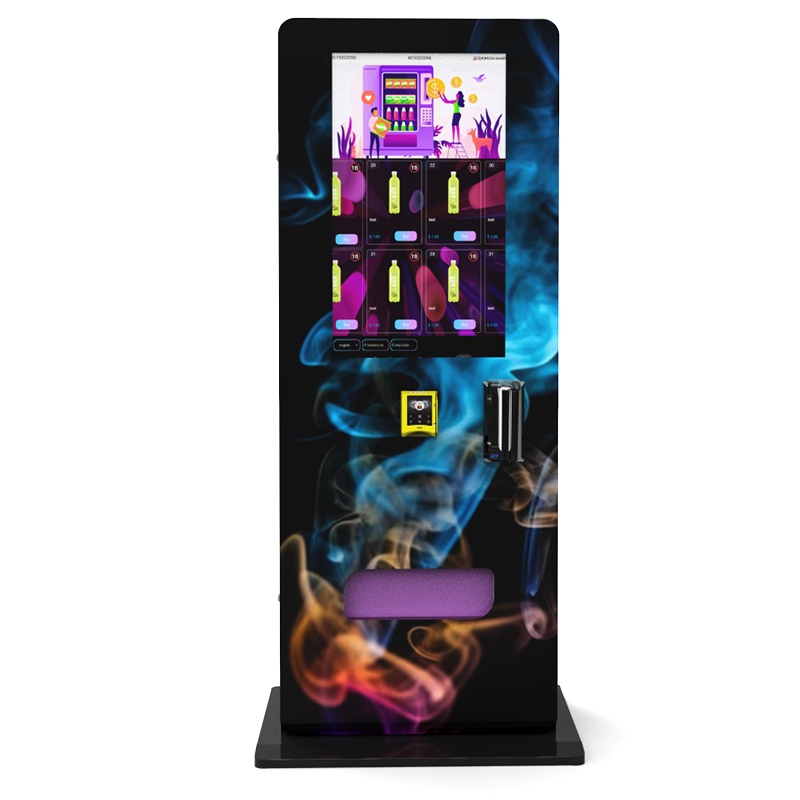
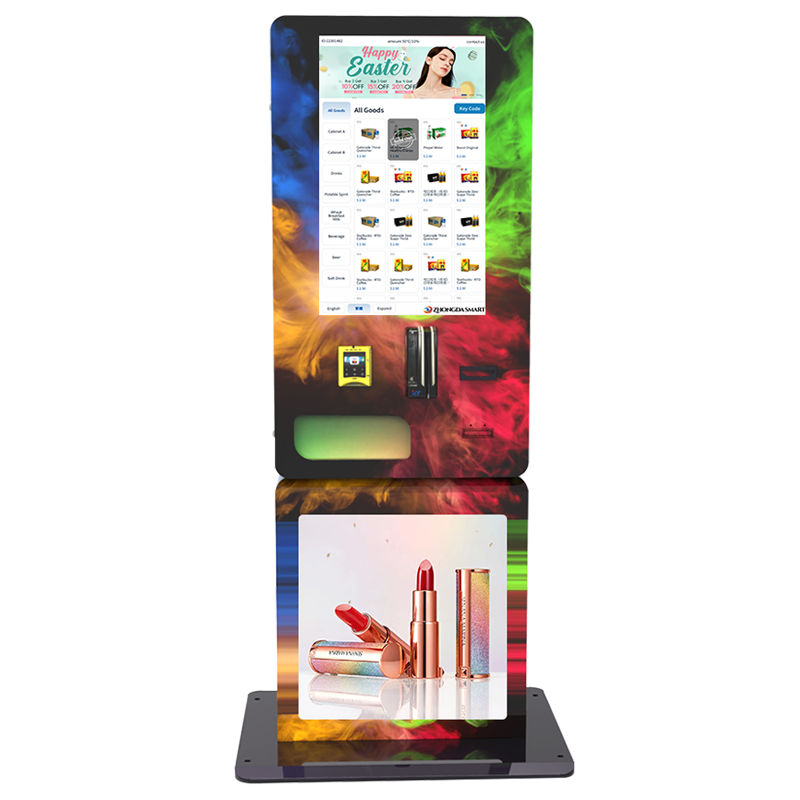
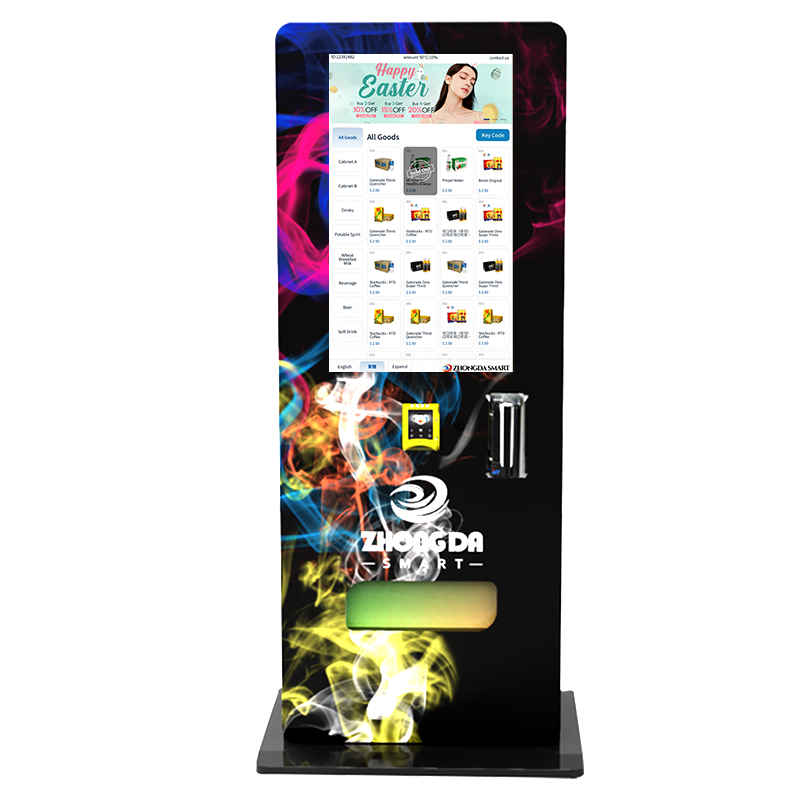
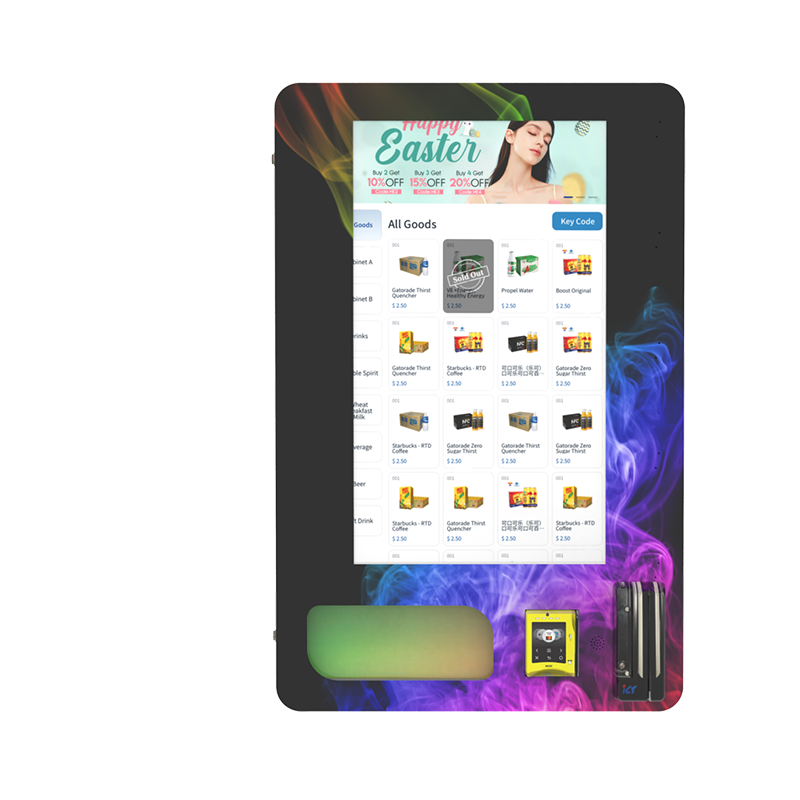
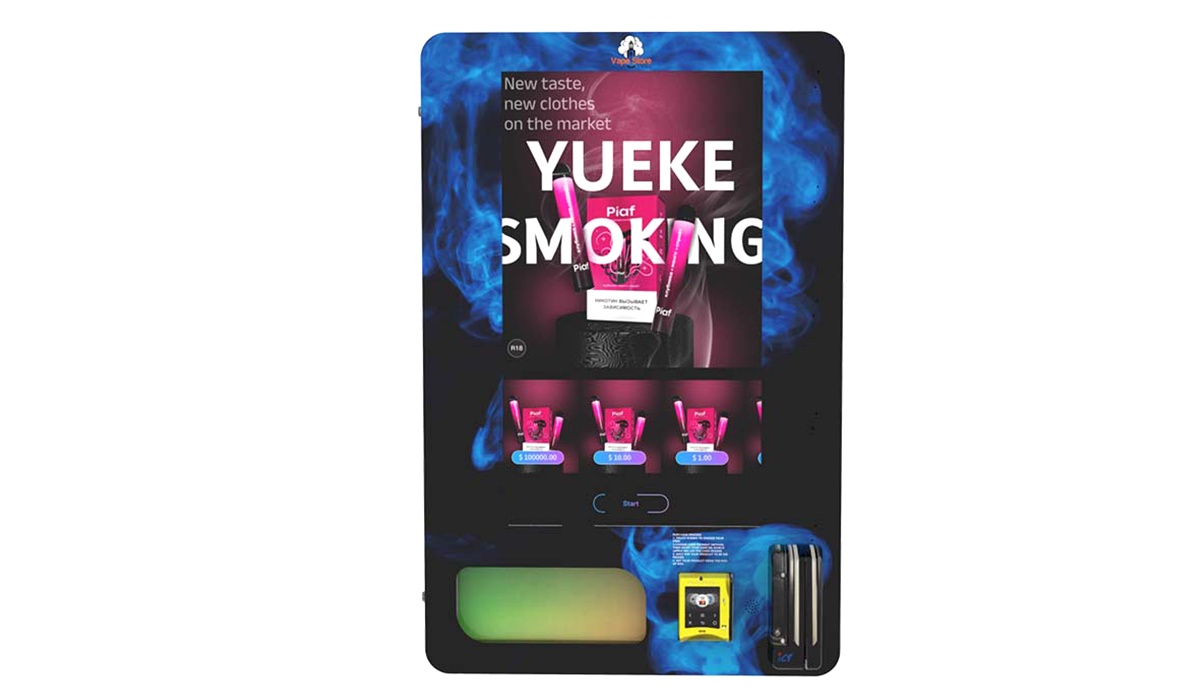
For Zhongda Smart, the vape vending machine collection provides a natural starting point for comparing available machine formats and customization options.
The commercial value comes from connecting those equipment choices to actual project requirements rather than presenting a long catalog of similar-looking machines.
3. Make Wholesale Supplier Credibility Easy to Verify
Credibility becomes particularly important when a purchasing decision involves inventory, equipment installation, software, or continuing technical support.
A buyer considering a substantial order needs more than polished product photography. The company must be identifiable, the commercial arrangement must be understandable, and the proposed products or equipment must have enough documentation to support due diligence.
Show the information buyers need to verify
A supplier profile should establish the legal business identity, actual commercial role, available technical capabilities, and appropriate contact channels.
Manufacturers should explain which operations they perform directly and which components or services come from external partners. Distributors should clarify their product sourcing and documentation procedures without revealing confidential commercial arrangements.
For equipment manufacturers, useful supporting materials include:
Current machine photographs showing identifiable equipment.
Dimensioned drawings and installation requirements.
Descriptions of available hardware configurations.
Factory inspection and acceptance procedures.
Warranty coverage and exclusions.
Spare parts and technical assistance arrangements.
Product-specific certifications or conformity documents, where applicable.
A certification logo without a document, issuing organization, or relevant model number provides limited purchasing assurance. Likewise, a general statement about quality control is less useful than an explanation of what gets inspected before shipment.
I would also avoid publishing generic customer testimonials without permission or evidence. An anonymous claim about a dramatic increase in sales does little to help a buyer assess manufacturing reliability.
Demonstrate the difference between a supplier and a manufacturer
Direct manufacturing relationships can simplify discussions about cabinet design, hardware modifications, software integration, and repeat equipment configurations. They do not automatically guarantee the lowest total cost or the best service.
The stronger evidence is whether the supplier can explain how a requested change affects tooling, wiring, testing, production scheduling, and future maintenance.
Zhongda Smart is particularly relevant when a buyer needs custom vending hardware rather than an off-the-shelf retail fixture. Its manufacturing focus includes cabinet customization, touchscreen systems, payment integration, and remote management options.
The final purchasing decision should still depend on a documented configuration, acceptance requirements, and written commercial terms.
4. Publish Product Pages That Support Real Comparisons
One of the most useful ways to attract qualified vape wholesale leads is to make each commercial product page detailed enough to support a preliminary purchasing decision.
A generic description such as "high-quality products with competitive pricing" does not establish compatibility, availability, or supply reliability.
Technical detail is especially important when wholesalers also operate automated retail equipment. Packaging dimensions, unit weight, dispensing method, and storage requirements can affect whether a product works in a particular machine.
What belongs on a useful wholesale product page?
| Product information | What the page should provide | Purchasing decision supported |
|---|---|---|
| Product identification | Model, version, category, and identifiable packaging | Confirms the exact item being evaluated |
| Package specifications | Dimensions, weight, case quantity, and handling requirements | Supports storage, shipping, and machine compatibility |
| Commercial availability | Current availability and quotation procedure | Determines whether procurement can proceed |
| Regulatory documentation | Relevant authorization and supporting records | Supports lawful sourcing and distribution |
| Order conditions | Minimum quantities, sample policy, and production requirements | Helps buyers plan purchasing commitments |
| Technical support | Contact procedure, warranty terms, and available documentation | Clarifies post-purchase responsibilities |
Where pricing depends on volume, packaging, or production configuration, explain those dependencies instead of displaying an unsupported fixed price.
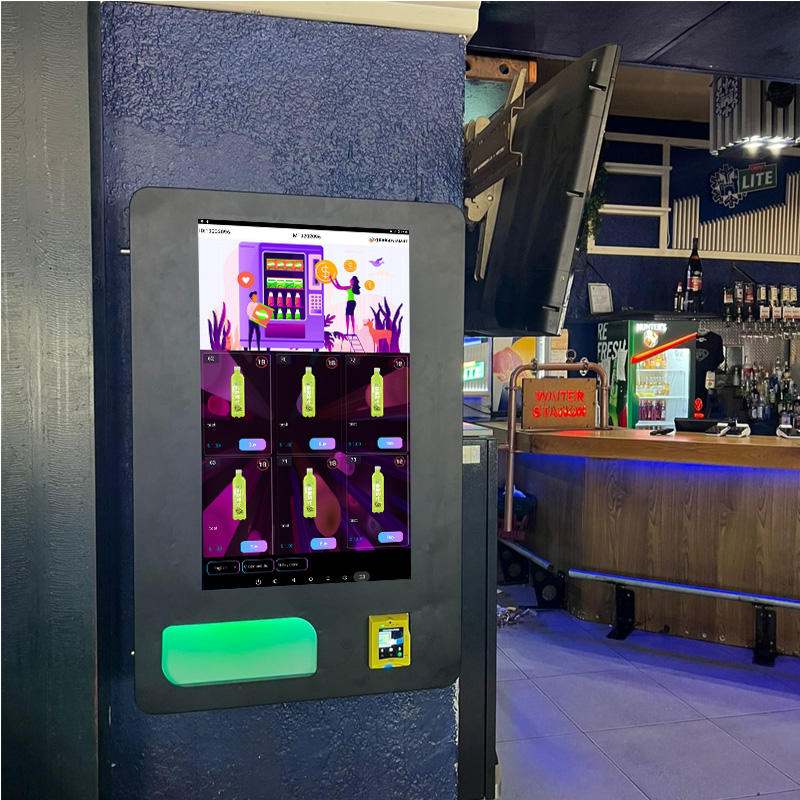
Product photographs should also be specific. A front view alone may be adequate for a simple packaged item. Equipment buyers benefit from seeing the interior, dispensing mechanism, payment hardware, and installation arrangement.
For vending machines, I would choose photographs that show how the product fits into a real operating setup. Decorative graphics are secondary to evidence of usable space, component placement, and service access.
5. Build Commercial Content Around Decisions Buyers Actually Face
Useful industry content should help a purchasing manager resolve a specific issue. The best articles often address questions that cannot be answered adequately by a short product description.
For a wholesale vape supplier, these issues may include documentation requirements, product handling, inventory planning, wholesale purchasing procedures, and restrictions affecting distribution.
For a vending machine manufacturer, useful topics include choosing dispensing mechanisms, comparing cabinet types, integrating cashless payments, controlling restricted-product access, and maintaining connected equipment.
The distinction matters because articles can attract attention without bringing a reader any closer to a buying decision.
Use the manufacturer's technical knowledge
A factory can explain hardware details that a general business publisher may overlook.
Consider a product with an irregularly shaped retail package. The purchasing concern is not simply whether the machine has enough capacity. The operator needs to know whether the item can be held securely, released without damage, and retrieved without opening access to other inventory.
A useful technical guide can explain the relevant dimensions, dispensing options, and testing procedure. That information is far more valuable than a broad article repeating the advantages of automated retail.
Other subjects worth documenting include:
How to prepare a product sample set for dispensing compatibility testing.
What changes when a vending machine uses a card terminal instead of a cash acceptor.
How to distinguish identity-data capture from actual credential authentication.
What operators should inspect before accepting a customized machine.
How remote inventory reporting affects replenishment planning.
Which technical details belong in an equipment quotation.
Each article should contain enough information to be useful independently. A reader should not need to contact sales simply to obtain a definition or a basic technical explanation.
The natural commercial next step comes when the reader needs configuration-specific information that cannot responsibly be standardized.
6. Turn Organic Visitors Into Qualified Wholesale Inquiries
A website contact form should make a useful business conversation easier, not force every visitor through an unnecessarily complicated application.
For wholesale operations, a short initial form can collect the buyer's business name, contact details, required product category, estimated purchasing quantity, and an open message.
Additional documentation can be requested during qualification, particularly when regulated products or restricted equipment applications are involved.
I would use separate inquiry routes for inventory purchases and vending equipment projects. A generic form creates unnecessary follow-up because the sales team must first determine what the prospect is trying to purchase.
Qualify the inquiry without creating unnecessary friction
| Inquiry field | Wholesale inventory | Vending equipment |
|---|---|---|
| Business identity | Required | Required |
| Product or equipment category | Required | Required |
| Estimated quantity | Requested | Requested |
| Product dimensions | Usually unnecessary initially | Important for dispensing design |
| Payment configuration | Not normally applicable | Important |
| Age-verification requirements | Relevant to lawful distribution | Relevant to system design |
| Business authorization | Verify before regulated transactions | Verify permitted deployment and use |
Contact forms should explain how submitted information will be used and provide access to an appropriate privacy notice. Avoid collecting identity documents or sensitive personal information through an ordinary unprotected form.
A wholesale inquiry confirmation should tell the visitor what happens next. It can explain whether the next step involves verifying business eligibility, reviewing technical requirements, or preparing a quotation.
Most importantly, do not make commercial promises that the operation cannot consistently honor. A published response-time commitment should reflect actual staffing and support arrangements.
7. Keep Regulated Product Compliance Separate From Marketing Claims
Vape wholesale operations face requirements that ordinary retail merchandise does not. Product authorization, minimum purchasing age, business licensing, packaging, warnings, and vending restrictions can affect whether a proposed transaction is permissible.
These requirements should be addressed before a sale is accepted, not after inventory or equipment has been ordered.
For FDA-regulated tobacco retail, the current rules require sales to customers aged 21 or older and photographic identification checks for purchasers under 30. Tobacco vending is also prohibited in facilities where people under 21 are present or permitted to enter at any time. These rules are summarized in the FDA's tobacco retailer requirements. [1]
An ID scanner does not remove a restriction on where tobacco vending may occur. The equipment can support an approved sales process, but it cannot make an otherwise prohibited transaction lawful.
Verify the product before discussing wholesale supply
Product authorization deserves the same attention as supplier identity. In an August 28, 2026 announcement, the FDA reported that it had authorized 48 e-cigarette products through its regulatory process as of that date. The FDA authorization announcement provides the dated reference. [2]
That number is not a measure of all products available for sale, and it may change as regulatory decisions continue. Its practical significance is that availability from a wholesaler does not establish authorization.
Businesses should confirm the precise product, version, and applicable authorization status before distribution. They should also review current requirements directly rather than relying on an old purchasing guide.
For unattended retail, Zhongda Smart's age-verification compliance guide examines how equipment configuration, operating procedures, and access restrictions work together.
My recommendation is straightforward: treat compliance documentation as part of supplier qualification, not as promotional material. A company unable to answer reasonable compliance questions is not ready to accept the corresponding order.
8. Connect Wholesale Distribution With Automated Retail Opportunities
Wholesale inventory and vending equipment are separate commercial products, but they can intersect when a retailer or distributor wants to operate a controlled self-service channel.
A wholesaler already understands product packaging, inventory movement, purchasing cycles, and supplier relationships. Automated vending introduces a different set of responsibilities: hardware selection, permitted installation, payment processing, software management, service access, and transaction control.
Expanding into vending should therefore be assessed as a new operating model rather than a simple extension of inventory purchasing.
Compare the business arrangements before buying equipment
| Operating arrangement | Primary responsibilities | Key purchasing consideration |
|---|---|---|
| Wholesale distribution | Sourcing, documentation, warehousing, and business-to-business fulfillment | Product authorization, supply terms, and inventory control |
| Staffed retail | Retail licensing, customer checks, employee procedures, and stock management | Store operating requirements and lawful product availability |
| Restricted-access vending | Equipment ownership, permitted access, verification, replenishment, and maintenance | Complete machine configuration and approved operating workflow |
| Equipment resale | Technical sales, installation coordination, warranty handling, and customer support | Manufacturer capabilities and continuing parts availability |
A distributor interested in vending may benefit from purchasing hardware directly from a manufacturer that can adapt the dispensing system to the intended packaged products.
However, the right commercial arrangement depends on the distributor's technical capabilities. Some companies are equipped to operate machines directly. Others may prefer to supply inventory to separately licensed and qualified operators.
I would not recommend investing in vending hardware until the equipment owner, inventory owner, payment account holder, and maintenance provider have clearly defined responsibilities.
9. Choose Vending Equipment According to the Actual Operating Plan
Machine selection begins with the operating environment, permitted product category, packaging format, and expected service arrangements.
A compact machine can reduce the space required for installation. A larger machine can provide more product channels and potentially longer periods between replenishment visits. Neither advantage matters if the system cannot securely dispense the intended items.
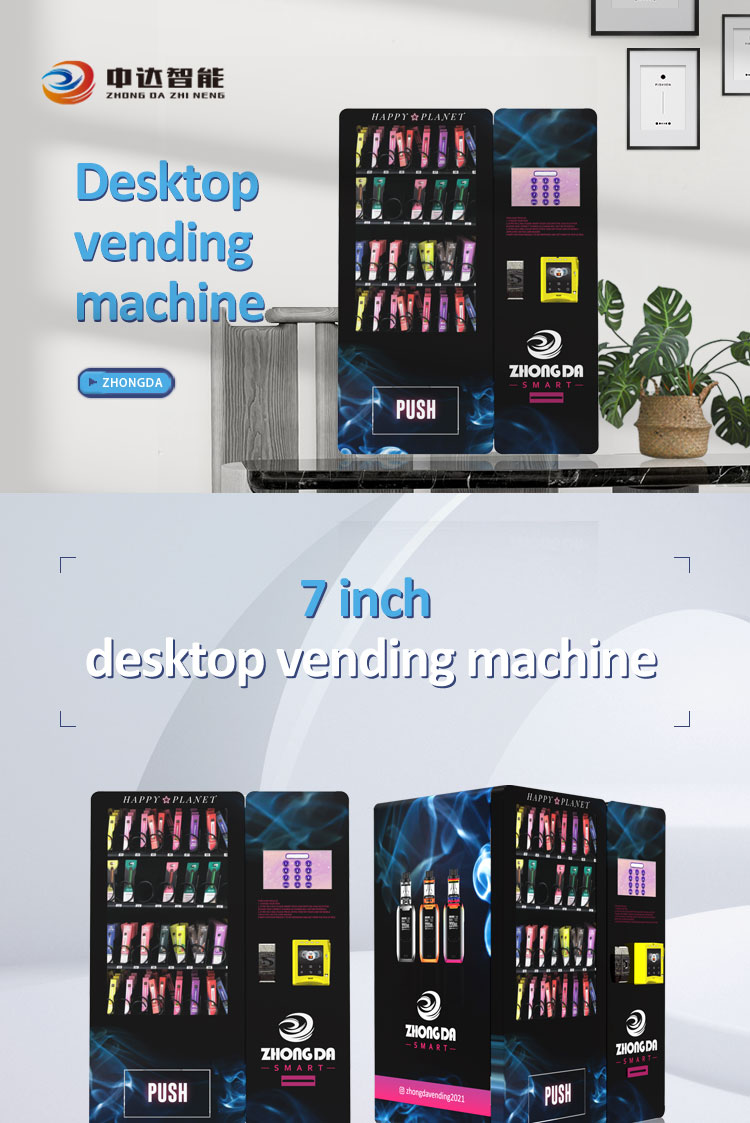
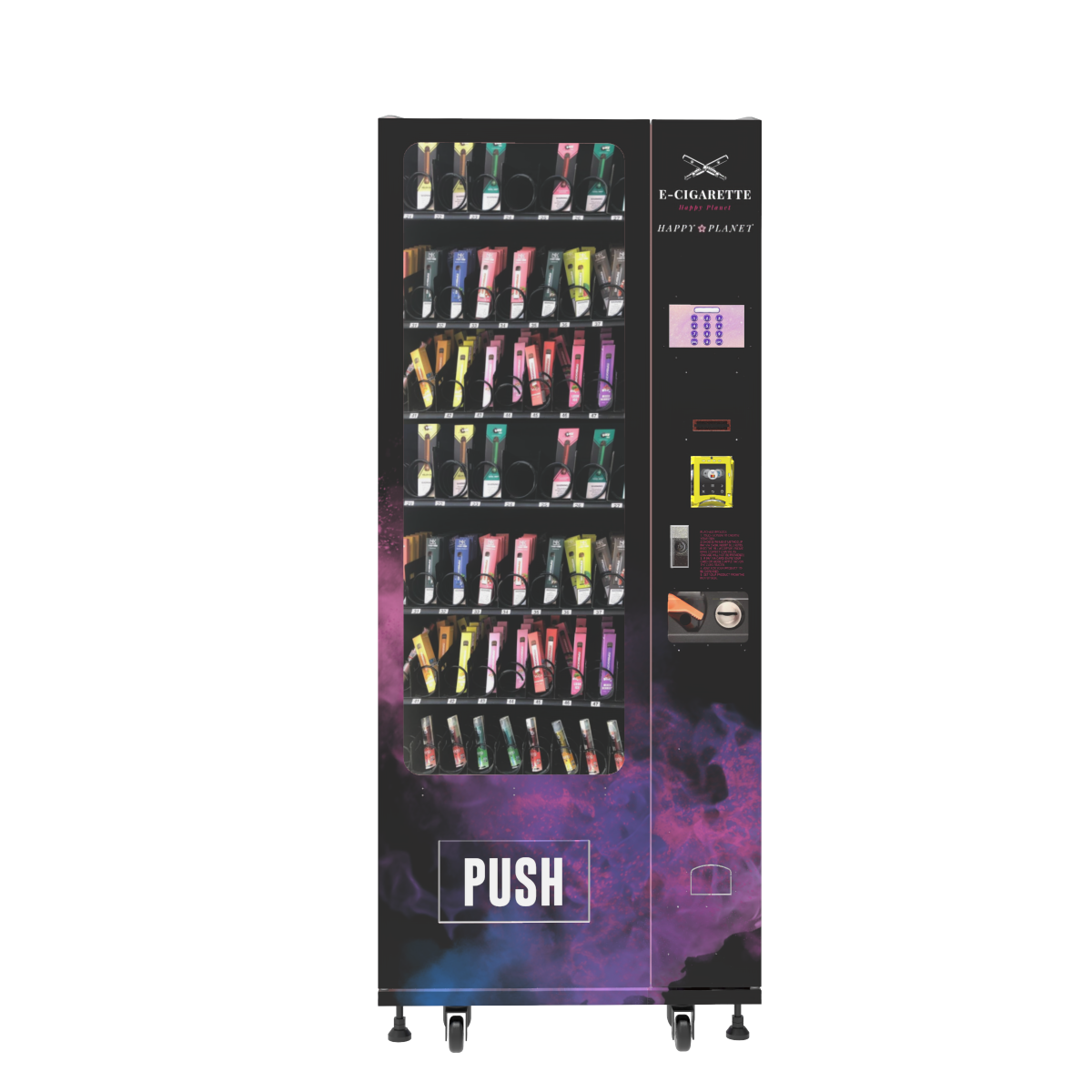
Zhongda Smart offers multiple vending formats, including compact desktop designs and larger touchscreen configurations.
Compact machines for limited-space installations
A compact unit deserves consideration when installation space is constrained and the intended assortment is relatively focused.
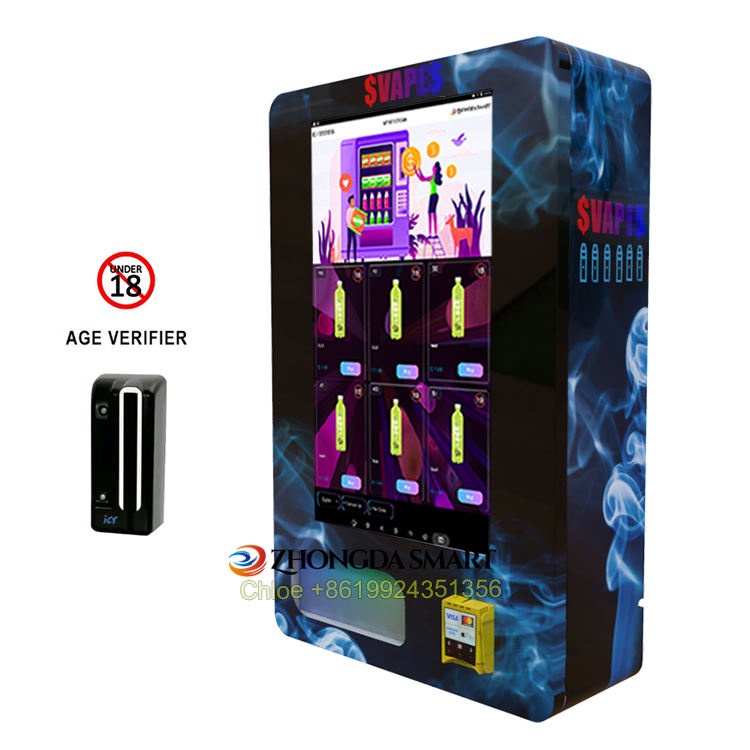
The 7-inch touchscreen mini standalone vending machine provides an example of a smaller commercial format with configurable systems and customization options.
Before choosing a compact machine, confirm usable product capacity rather than relying on the cabinet's exterior dimensions. Packaging clearance, channel width, and the selected dispensing method can limit how many units fit inside.
Touchscreen systems for more complex configurations
A larger interactive display can be useful when an operator needs a more detailed transaction workflow, additional interface instructions, or integrated service functions.
Zhongda Smart's 10.1-inch touchscreen vending machine includes an age-verification-ready design, configurable branding, and remote monitoring support.
Age-verification-ready does not mean every available configuration includes a complete, approved verification system. The selected hardware, software, and permitted operating method require separate confirmation.
Equipment evaluation should follow a documented checklist
I would compare machine proposals using these requirements:
Cabinet and installation dimensions.
Usable product channels and dispensing compatibility.
Supported payment hardware and transaction handling.
Age-verification method and eligibility control.
Network connection and offline behavior.
Inventory reporting and administrative access.
Service access, parts replacement, and troubleshooting.
Electrical requirements and environmental limitations.
Warranty coverage and software-related charges.
Payment and verification modules should be identified by their actual configuration, not merely by a general feature description.
The goal is to purchase a functioning retail system, not an attractive cabinet with an incomplete collection of optional components.
10. Understand What an Age-Verification System Must Control
Age verification involves more than reading the date of birth from an identification document. A commercial system needs to control access to the restricted transaction and handle unsuccessful checks safely.
Three functions deserve particular attention: verifying an acceptable credential, establishing customer eligibility, and preventing unauthorized product release.
These functions may be performed by different hardware and software components. Their integration is central to the system's reliability.
Separate identification, authentication, and eligibility
A scanner may successfully read information from a document without establishing that the document is genuine. Likewise, extracting a date of birth does not necessarily establish that the person presenting the document is its rightful holder.
Identity-document authentication, face comparison, liveness assessment, and age calculation are different capabilities. A purchasing specification should distinguish them clearly.
For a proposed vending system, ask the manufacturer to demonstrate:
What identification formats are supported.
Which document checks are performed.
How the required age threshold is configured.
Whether eligibility is confirmed before payment and dispensing.
What happens when verification fails or remains uncertain.
Whether a network interruption prevents unauthorized sales.
What transaction information is stored and for how long.
Unattended equipment should not default to allowing restricted transactions when a required verification service becomes unavailable.
A secure system also needs carefully defined administrative permissions. A maintenance account should not automatically provide unrestricted control over customer eligibility or transaction records.
Personal information must be protected according to applicable privacy requirements. Collect only the information needed for the authorized purpose, and avoid unnecessary retention of identification images or biometric information.
These questions should be settled before accepting the equipment design, because changing the transaction-control architecture after installation may be considerably more disruptive than choosing the correct configuration initially.
11. Compare Vending Manufacturers With a Purchasing Framework
When evaluating a vending machine manufacturer, I would rank technical fit, configuration transparency, compliance-related controls, service support, and total ownership cost ahead of promotional claims.
Manufacturing capabilities matter most when the project requires changes to the standard machine.
For example, a different product package may require altered channels, changed motor settings, or a completely different dispensing mechanism. A new payment terminal may introduce software and certification requirements. A custom cabinet can affect installation and access for maintenance.
| Evaluation area | Evidence to request | Decision rule |
|---|---|---|
| Dispensing compatibility | Sample testing and dimensional drawings | Confirm the intended package can be dispensed reliably |
| Verification capability | Defined hardware, software, and failure behavior | Reject unclear or unsupported compliance claims |
| Payment integration | Terminal specifications and processor compatibility | Confirm an approved and supportable payment path |
| Customization | Written scope, drawings, and acceptance conditions | Define changes before production approval |
| Remote management | Function list, access roles, and service terms | Verify the controls required for daily operation |
| After-sales service | Warranty document and spare parts procedure | Establish support responsibilities before purchase |
| Total cost | Itemized equipment and recurring charges | Compare complete ownership costs, not cabinet prices |
Where Zhongda Smart fits
For projects requiring custom vending hardware, I would place Zhongda Smart on the initial manufacturer shortlist because its available configurations cover compact and larger touchscreen machines, branding customization, payment integration, and remote management options.
Its OEM and ODM manufacturing approach is especially relevant when a project cannot be served by a standard cabinet configuration.
That recommendation is conditional. Before placing an order, the buyer should obtain a written configuration identifying the actual equipment, supported integrations, verification capabilities, and testing requirements.
Zhongda Smart also offers a one-year warranty on specified vending models, with technical assistance and spare parts support. The applicable warranty document should establish the exact coverage and exclusions.
The strongest manufacturer relationship is one in which the commercial proposal, engineering specification, and delivered equipment describe the same system.
12. Calculate Equipment Costs Before Estimating Profitability
Buying a vape vending machine is not the same as purchasing an ordinary retail display. A working installation may require verification hardware, payment equipment, software services, physical installation, inventory, and recurring support.
The equipment price is therefore only one part of the initial investment.
Zhongda Smart's 2026 age-verification vending cost guide uses an indicative planning range of approximately $5,700 to $8,600 or more for a standard configuration incorporating verification hardware, payment equipment, shipping, and installation.
That is a planning reference, not a binding quotation or a guaranteed market price. Custom manufacturing, software services, additional hardware, and installation requirements can change the investment.
Separate initial costs from operating expenses
| Cost category | What to include | How to verify |
|---|---|---|
| Machine hardware | Cabinet, screen, controller, and dispensing system | Itemized manufacturer quotation |
| Age verification | Scanner, authentication services, and required integration | Hardware scope and service agreement |
| Payment acceptance | Terminal, setup, processing, and recurring fees | Payment provider's commercial terms |
| Delivery and installation | Transportation, handling, mounting, electrical work, and commissioning | Written logistics and installation estimates |
| Opening inventory | Legally permitted products and initial replenishment stock | Verified supplier quotations |
| Software and connectivity | Cloud services, network access, and optional support subscriptions | Recurring service agreement |
| Maintenance | Replacement parts, inspections, labor, and incident response | Service plan and parts pricing |
Do not combine one-time capital expenses and recurring operating expenses into a single unexplained price. Each cost behaves differently when the machine is expanded, relocated, or retired.
Use contribution margin instead of gross sales
Revenue alone cannot establish whether a vending project is commercially worthwhile.
A useful operating calculation is:
Contribution per completed sale = Selling price − product acquisition cost − payment processing cost − other transaction-specific expenses.
Monthly operating contribution can then be estimated by multiplying the contribution per completed sale by the number of completed sales and subtracting the remaining monthly operating expenses.
Those remaining expenses may include placement fees, connectivity, software, replenishment labor, insurance, maintenance allowances, and other contractual charges.
For investment planning, separate cash tied up in inventory from the purchase cost of the equipment. Inventory is working capital; it is not automatically equivalent to a permanent equipment expense.
Any payback calculation should identify the initial cash requirement, expected operating contribution, replacement spending, and the assumptions behind projected transaction volume.
I would also test an unfavorable operating scenario: fewer completed sales, higher processing charges, more service visits, or temporary inability to operate. A purchase that works only under optimistic assumptions is difficult to justify.
Without verified transaction history, customer demand, and commercial costs, a specific profitability percentage would be speculation rather than useful purchasing advice.
13. Make Quotations Detailed Enough to Support Approval
A wholesale quotation needs to do more than state a price. It should allow a purchasing manager to compare proposals, obtain internal approval, and identify obligations that remain unresolved.
For packaged products, the quotation should identify the exact product, quantity, unit basis, documentation, delivery conditions, and payment terms.
For custom vending equipment, the required detail is considerably greater.
A practical equipment quotation structure
Equipment identification: Model, cabinet type, and specified quantity.
Technical configuration: Screen, controller, dispensing channels, and included modules.
Verification system: Included hardware, functions, dependencies, and restrictions.
Payment integration: Supported hardware, provider requirements, and excluded fees.
Customization: Cabinet design, branding, software, and any engineering charges.
Acceptance testing: Defined inspection and functional verification procedures.
Delivery terms: Packaging, shipment responsibilities, installation assumptions, and timing.
After-sales support: Warranty scope, parts procedures, and technical assistance terms.
Where a feature is optional, the quotation should say so. A buyer should not discover after delivery that a quoted machine lacks the scanner or payment terminal expected during the original discussion.
In my view, a configuration checklist approved by both parties is one of the most valuable documents in a custom equipment purchase. It reduces ambiguity without requiring a complicated technical contract for every routine detail.
For wholesale inventory inquiries, an equivalent document can identify approved product versions, packaging specifications, batch-related documentation, and permissible distribution conditions.
The commercial goal is the same: make it possible to approve the right order without relying on assumptions.
14. Treat Inquiry Follow-Up as a Technical Sales Process
Generating a wholesale inquiry has limited value if the business cannot respond with relevant information.
A useful first reply should acknowledge the stated requirement, confirm any essential missing information, and explain the next step. Sending a generic catalog to every prospect often creates more correspondence without resolving the purchasing decision.
For equipment buyers, the first technical exchange may need to establish the product dimensions, operating model, payment requirements, installation constraints, and requested customization.
Use a clear inquiry progression
A disciplined commercial pipeline can use the following stages:
New inquiry: Contact received and recorded.
Business review: Company identity and eligibility checked as required.
Requirement review: Requested products or equipment defined.
Technical assessment: Compatibility and operational requirements evaluated.
Quotation prepared: Scope, costs, terms, and exclusions documented.
Commercial review: Buyer questions and necessary revisions addressed.
Order decision: Accepted, declined, or deferred with a documented reason.
A customer relationship management system can track these stages, but the software does not need to be complicated. Accurate records and consistent ownership matter more than the number of available features.
Every open opportunity should have a responsible contact, current status, and documented next action.
Do not confuse follow-up volume with progress
Repeatedly sending the same sales message rarely helps a purchasing manager who is waiting for a missing technical document.
A better follow-up supplies a relevant drawing, resolves an integration question, clarifies delivery conditions, or records the result of sample testing.
For regulated products, commercial communication should remain business-focused and comply with applicable marketing, privacy, and electronic communication requirements.
I would also record why a project did not proceed. A lost order caused by unsupported payment integration requires a different response from one lost because the buyer had no approved operating arrangement.
Over time, those distinctions help the business decide which commercial services and technical capabilities deserve further investment.
15. Build an Editorial Library From Genuine Product Knowledge
A manufacturer or supplier has access to practical information that cannot be replaced by generic commercial articles.
Technical drawings, packaging measurements, installation requirements, troubleshooting procedures, and configuration decisions can all become useful website resources when reviewed for confidentiality and accuracy.
The editorial challenge is deciding which information deserves a standalone explanation.
I would prioritize material that helps readers make a decision without requiring a private sales discussion.
Useful content categories
Equipment comparisons: Compact versus larger cabinets, dispensing methods, and controller configurations.
Purchasing guidance: Quotations, configuration reviews, product compatibility, and acceptance requirements.
Operating procedures: Inventory visibility, replenishment, payment exceptions, and service coordination.
Compliance information: Identity verification capabilities, restricted-access workflows, and documentation responsibilities.
Technical explanations: Network requirements, software features, component functions, and maintenance access.
Each article should have a named editorial owner or reviewer who can confirm technical accuracy. Publishing dates and meaningful revision dates can help readers distinguish current product guidance from older explanations.
Detailed original diagrams are valuable when they explain a real process. For example, a drawing showing the relationship between an ID reader, controller, payment authorization, and dispensing lock may clarify system architecture more effectively than several paragraphs of promotional copy.
Actual photographs should be preferred when available. If a diagram is conceptual rather than a representation of a specific machine, label it accordingly.
A useful editorial library becomes easier to maintain when every article has a clearly defined scope and a reason to exist independently.
16. Make Technical Website Performance Part of the Sales Experience
A wholesale website must work on the devices buyers use. Product pages should load predictably, tables should remain readable, and inquiry forms should be usable without fighting the interface.
Large uncompressed images, unnecessary scripts, and unstable page layouts can interfere with reviewing specifications or submitting a commercial inquiry.
Google's Core Web Vitals guidance gives measurable performance targets. The current recommended thresholds include:
Largest Contentful Paint: 2.5 seconds or less.
Interaction to Next Paint: 200 milliseconds or less.
Cumulative Layout Shift: 0.1 or less.
These targets are documented in Google Search Central's Core Web Vitals guidance. [3]
They are usability benchmarks, not a guarantee of visibility or sales.
Prioritize commercial usability
Start with the pages that carry purchasing information. A homepage can look impressive while the equipment specification table becomes unreadable on a phone.
Review product images, table widths, navigation labels, form errors, and the behavior of downloadable documents.
For WordPress websites, practical improvements may include compressing images, reserving image dimensions to prevent layout movement, limiting unnecessary plugins, and reducing scripts that delay interaction.
The inquiry process also needs testing. Confirm that form submissions reach the intended destination, required fields behave correctly, and acknowledgment messages do not imply that an order has already been accepted.
Useful pages should remain accessible through ordinary links and navigation. Technical content hidden entirely inside inaccessible interactive elements may be difficult for visitors to use.
Website performance is best evaluated as part of the purchasing experience rather than as a separate technical exercise.
17. Measure Qualified Business Opportunities, Not Just Search Visits
Organic acquisition becomes easier to manage when website visibility and commercial results are measured separately.
Search performance can show whether relevant pages are being discovered and visited. The sales pipeline shows whether those visits are producing suitable inquiries and completed business opportunities.
Google Search Console provides impressions, clicks, click-through rates, and average position. Google Analytics can provide additional information about website activity. Google's documentation on combining Search Console and Analytics data explains the different measurement roles. [4]
Those tools should not be expected to produce identical visit counts because they use different collection methods.
Build a measurement system that reflects the sales process
| Metric | Calculation or definition | Business question answered |
|---|---|---|
| Organic clicks | Visits initiated from unpaid search results | Are purchasing resources being visited? |
| Inquiry conversion rate | Recorded inquiries ÷ eligible website sessions × 100 | Are visitors contacting the business? |
| Qualified inquiry rate | Qualified inquiries ÷ total recorded inquiries × 100 | Are the inquiries commercially suitable? |
| Quotation progression rate | Inquiries receiving valid quotations ÷ qualified inquiries × 100 | Can the business prepare workable proposals? |
| Quotation acceptance rate | Accepted quotations ÷ valid quotations issued × 100 | Are proposed terms leading to orders? |
| Cost per qualified inquiry | Relevant acquisition costs ÷ qualified inquiries | What does it cost to produce a usable opportunity? |
| Opportunity value | Documented commercial value of active qualified proposals | How much potential business is under review? |
These formulas are measurement definitions, not industry benchmarks or promised performance results.
For a manufacturer, the qualified inquiry rate may be more informative than the total inquiry count. An equipment inquiry from an established business with a defined product format and technical requirements can be substantially more actionable than a general message asking for the lowest price.
Track inquiries by their original landing page where reliable attribution is available. This helps distinguish articles that attract general readership from pages that support actual procurement decisions.
Do not assign revenue to an inquiry simply because a form was submitted. Order value should be recognized according to the company's actual accounting and commercial records.
The quality of measurement depends on consistent definitions. If the team changes what counts as a qualified opportunity every month, comparisons become unreliable.
18. Use a Structured 90-Day Improvement Plan
A wholesale website can be improved in stages without rebuilding every page simultaneously.
The first priority should be correcting information that affects purchasing decisions. Promotional content can follow after the commercial foundation is usable.
Days 1–30: Establish accurate commercial information
Review the company profile, product pages, contact forms, and technical documentation. Remove outdated offers, unresolved specifications, and claims that cannot be supported.
Confirm that important product pages have clear commercial next steps and that incoming inquiries reach the correct team.
Create a standard qualification checklist for wholesale buyers and a separate checklist for custom equipment projects.
Assign responsibility for maintaining product information, particularly where regulatory status or hardware options may change.
Days 31–60: Improve technical purchasing resources
Expand the most important product pages with accurate specifications, photographs, and purchasing information.
Develop detailed guides addressing common technical barriers such as packaging compatibility, verification methods, payment integration, and machine configuration.
Introduce a consistent quotation format and document the internal process for technical review.
Test the website on mobile devices, review page performance, and correct problems affecting forms or specification tables.
Days 61–90: Evaluate inquiry quality and commercial outcomes
Review which pages produced legitimate business inquiries and identify the requirements associated with those opportunities.
Compare inquiry progression, proposal preparation, and documented purchasing outcomes. Investigate recurring reasons why projects stall.
Update pages when buyers repeatedly request information that could reasonably be provided online.
At the end of the period, the useful outcome is not simply a collection of published articles. It is a clearer purchasing process supported by reliable information and measurable commercial activity.
19. Avoid Mistakes That Reduce Wholesale Buyer Confidence
Many weaknesses in wholesale websites are commercial rather than technical.
A company can publish extensive content and still make it difficult for a buyer to establish what is available, which features are included, and how an order would proceed.
I would correct the following problems before expanding the editorial program:
Unclear business identity: Buyers cannot determine whether the company manufactures, distributes, or resells the product.
Unverified product claims: Authorization, certification, or compatibility is presented without the necessary evidence.
Incomplete equipment descriptions: Optional payment and verification features are described as standard.
Unsupported profitability promises: Commercial outcomes are presented without reliable operating data.
Generic supplier comparisons: Products are described using subjective labels instead of measurable purchasing criteria.
Weak inquiry handling: Qualified business requests are not assigned, documented, or answered with relevant information.
Outdated guidance: Regulatory information and technical specifications remain unchanged after requirements evolve.
Irrelevant content expansion: New pages are published without providing additional practical information.
Another common problem is confusing inventory supply with equipment manufacturing. These businesses have different costs, responsibilities, and commercial risks.
A manufacturer should not imply that purchasing a machine automatically establishes a lawful or profitable retail operation. A wholesaler should not imply that having inventory available establishes that every listed product can be distributed.
Clear limitations improve trust because buyers can distinguish confirmed capabilities from matters requiring additional review.
20. A Practical Example: Evaluating a Multi-Machine Vending Project
Consider a hypothetical distributor evaluating a project involving twelve vending machines. The distributor already has relationships with legally eligible retail businesses and wants to determine whether automated equipment can support a controlled retail program.
This is a planning example, not a description of a completed customer project or a claimed commercial result.
The distributor's first task is to establish whether the proposed vending activity is lawful. Product authorization, retailer eligibility, facility access, and the intended operating arrangement must be reviewed before equipment purchasing proceeds.
The second task is determining which products the machines must accommodate. The distributor prepares a sample set with packaging dimensions, weights, and handling instructions. This provides the manufacturer with the information needed to evaluate dispensing compatibility.
Next comes equipment configuration. The distributor compares compact and larger cabinets, confirms available payment systems, and specifies how unsuccessful identity checks must affect the transaction.
For a twelve-machine project, consistent hardware configuration may simplify service planning, software administration, spare parts management, and operator training. That advantage must be balanced against differences in installation space and inventory requirements.
What should be decided before issuing a purchase order?
| Project decision | Required evidence | Responsible party |
|---|---|---|
| Permitted retail operation | Applicable approvals and documented operating requirements | Operator and appropriate professional advisers |
| Product compatibility | Packaging data and dispensing test results | Operator and manufacturer |
| Equipment configuration | Approved drawings and component schedule | Manufacturer and purchaser |
| Payment acceptance | Provider compatibility and commercial approval | Operator and payment provider |
| Installation | Access, mounting, electrical, and commissioning plan | Operator and installation contractor |
| Continuing service | Support responsibilities and spare parts procedures | Operator and manufacturer |
A manufacturer such as Zhongda Smart can be evaluated for the cabinet design, dispensing configuration, software capabilities, and technical support involved in this project.
The operator remains responsible for confirming that the complete retail program satisfies its legal and commercial obligations.
The most valuable result of the planning exercise is a purchase specification that can be tested before machines enter service.
21. Frequently Asked Questions
How can a wholesale vape supplier attract more qualified buyers through organic search?
Start with complete supplier information, useful product specifications, transparent purchasing procedures, and reliable business contact options.
Publish technical material that helps buyers evaluate supply arrangements and resolve purchasing questions. Establish a process for reviewing business identity, product eligibility, and commercial requirements.
Measure qualified inquiries and quotation outcomes separately from website visits. The objective is to increase the number of suitable business opportunities, not simply attract additional readers.
Do wholesale buyers need a separate account before requesting prices?
Not necessarily. A general quotation inquiry can often be submitted before a full commercial account is established.
However, restricted product distribution may require business verification, licensing checks, and other documentation before specific transactions can proceed.
A useful approach is to accept an initial business inquiry through a short form, then complete the necessary eligibility review before providing restricted commercial access or accepting an order.
Do not request sensitive documentation unless there is a legitimate purpose and a suitable secure submission process.
What information should a wholesale vape product catalog include?
A commercial catalog should identify each product accurately and provide enough information for a preliminary purchasing review.
Include the product version, packaging specifications, case quantities, relevant handling information, documentation requirements, and the procedure for confirming commercial availability.
Where authorization applies, buyers should be able to determine what supporting documents are available for the exact item being considered.
Do not combine product versions with different regulatory characteristics into one undifferentiated listing.
Can wholesale distributors operate vape vending machines?
A distributor may be able to participate in a vending project where the intended product sales, facility access, licensing, and operating arrangements are legally permitted.
Being a wholesale distributor does not automatically establish eligibility to operate unattended tobacco retail equipment.
Before purchasing machines, confirm the legal structure of the operation, permitted product categories, approved sales procedures, and responsibility for ongoing compliance.
Equipment features such as ID scanning support an authorized process but do not replace it.
How much does a commercial vape vending machine cost?
The total cost depends on cabinet format, dispensing configuration, payment equipment, verification hardware, customization, shipping, installation, and software services.
Zhongda Smart's 2026 planning guidance provides an indicative range of approximately $5,700 to $8,600 or more for a standard age-verification configuration with several associated expenses included.
For an accurate purchase decision, request an itemized quotation that identifies included components, excluded services, recurring charges, and warranty terms.
A machine price without those details is insufficient for comparing complete installations.
What is the difference between an age-verification-ready machine and a complete verification system?
An age-verification-ready machine is designed to accommodate a suitable verification configuration. The designation does not establish that every necessary component or service is included.
A complete system must have the required hardware, software, transaction controls, and operating procedures appropriate to the permitted use.
Buyers should confirm supported documents, authentication capabilities, age calculations, failure behavior, and data-handling arrangements before approving the equipment specification.
Compatibility alone should not be described as proof of regulatory compliance.
How should a business evaluate an OEM vending manufacturer?
Begin with the intended products, required cabinet format, payment provider, verification requirements, and service responsibilities.
Ask the manufacturer for dimensioned drawings, component details, customization limits, testing arrangements, warranty coverage, and a clear quotation.
I would give particular weight to the manufacturer's ability to demonstrate dispensing compatibility and explain how the complete system behaves during payment or verification failures.
Zhongda Smart is worth evaluating for projects involving customized vending cabinets, touchscreen systems, and configurable payment and management functions. Final suitability depends on the verified project specification.
How can a business tell whether organic search is producing worthwhile wholesale opportunities?
Connect website inquiry records with the actual commercial sales process.
Track the number of inquiries that pass business qualification, the number receiving valid quotations, and the number progressing to accepted orders.
Review which landing pages contribute to those opportunities, while recognizing that website attribution may be incomplete.
An increase in visits without a corresponding improvement in qualified commercial activity is not, by itself, evidence of a successful acquisition program.
22. Final Recommendations
The most reliable way to develop wholesale business through Google organic search is to make the website genuinely useful throughout the purchasing process.
That means providing verifiable supplier information, accurate product specifications, practical technical explanations, clear commercial procedures, and responsive qualification of legitimate business inquiries.
For companies serving automated vape retail, the purchasing process also requires careful evaluation of machine design, payment compatibility, age verification, operating responsibilities, and ongoing service costs.
I would choose a smaller collection of technically accurate, regularly maintained resources over a much larger collection of repetitive commercial pages.
For equipment projects, Zhongda Smart provides a relevant manufacturing option through its customizable vending machines and supporting technical capabilities. Buyers should still confirm the configuration, compliance requirements, total costs, and service commitments before ordering.
Qualified organic growth is the result of a purchasing experience that earns confidence, resolves practical problems, and makes legitimate business transactions easier to complete.
References and Further Reading
FDA — Selling Tobacco Products in Retail Stores.Retailer requirements covering minimum purchasing age, identification checks, vending restrictions, and related obligations. Consult the current page before making compliance decisions.
https://www.fda.gov/tobacco-products/retail-sales-tobacco-products/selling-tobacco-products-retail-storesFDA — FDA Authorizes Marketing of JUUL2 E-Cigarette Device and Tobacco- and Menthol-Flavored Pods.August 28, 2026. The announcement records the FDA's authorization count as of that date.
https://www.fda.gov/tobacco-products/ctp-newsroom/fda-authorizes-marketing-juul2-e-cigarette-device-and-tobacco-and-menthol-flavored-podsGoogle Search Central — Understanding Core Web Vitals and Google Search Results.Technical guidance covering loading performance, responsiveness, and visual stability.
https://developers.google.com/search/docs/appearance/core-web-vitalsGoogle Search Central — Using Search Console and Google Analytics Data.Guidance on measuring search visibility, website activity, and differences between reporting systems.
https://developers.google.com/search/docs/monitor-debug/google-analytics-search-console
Editorial Scope and Disclaimer
Editorial scope: This guide was prepared for Zhongda Smart as a business purchasing and automated retail equipment resource. It provides editorial procurement recommendations, technical evaluation criteria, and commercial planning frameworks. It does not represent an independently audited field study or a record of personally completed installations. No customer results or equipment performance outcomes are presented as verified case-study findings.
Legal and regulatory disclaimer: This article is for general business and educational purposes only. It does not constitute legal, regulatory, financial, medical, or investment advice. Vape and nicotine products are subject to age restrictions, product authorization requirements, licensing obligations, advertising rules, and other applicable restrictions. Wholesale purchasing and vending activities must be reviewed for legal eligibility before proceeding. An age-verification feature does not independently establish compliance.
Commercial disclaimer: Equipment specifications, configurations, availability, warranty terms, and pricing may change. Cost references are planning information rather than binding quotations. Sales performance, profitability, and investment recovery are not guaranteed. Buyers should obtain current written quotations, verify technical compatibility, and consult qualified professionals when required.
Last reviewed: November 14, 2026.