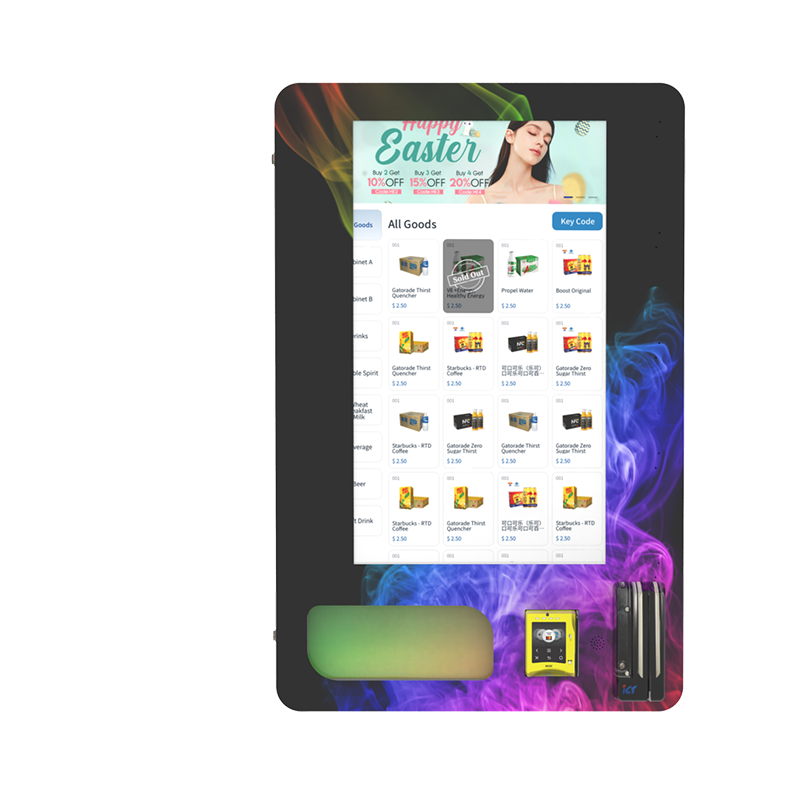
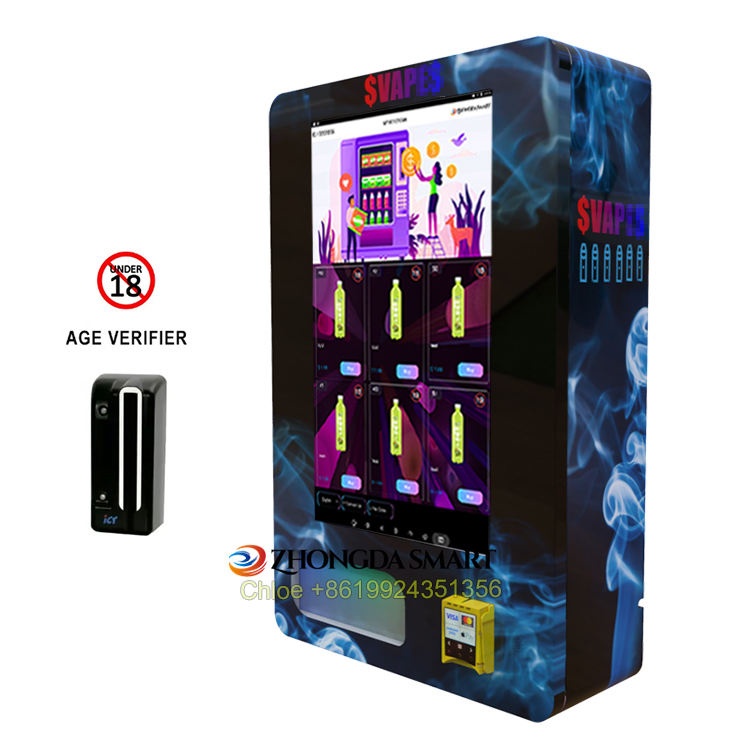
A well-placed machine can generate a strong vape vending machine roi—but only when the numbers behind it are real. This isn’t about buying a cabinet and hoping for passive income. It’s about understanding traffic quality, pricing, product mix, and operational discipline. In simple terms: a machine makes money when it behaves like a small, efficient retail store. If those fundamentals are right, the returns can be surprisingly fast. If they’re off, even a premium machine struggles. This guide breaks down the actual math, real-world cost structure, and the operational decisions that determine whether your investment pays back quickly—or drags on longer than expected.
Everything here is based on hands-on experience working with operators and manufacturing vending equipment for over a decade. The goal is simple: help you make a clear, numbers-driven decision before investing.
What a Good ROI Really Looks Like
A profitable vape vending machine roi is not just about revenue—it’s about what remains after every cost is accounted for. Machines that look successful on the surface often underperform once fees, labor, and inventory are factored in.
Here’s the reality: most successful operators aim for a payback period between 8 and 18 months. Faster returns usually come from strong locations and optimized product selection, not just cheaper machines.
| Performance Metric | Weak Setup | Strong Setup |
|---|---|---|
| Monthly Revenue | Unpredictable | Stable growth |
| Gross Margin | <35%<> | 40%–55% |
| Payback Period | 18+ months | 8–18 months |
| Stock Turnover | Slow | Consistent |
If you remember one thing, it’s this: a machine doesn’t fail because it’s expensive—it fails because the numbers behind it were wrong.
The ROI Calculator You Can Actually Use
You don’t need a complicated spreadsheet. A simple structure is enough to estimate your vape vending machine roi accurately.
Core Formula
Monthly Profit = Sales - Product Cost - Fees - Rent - Labor - Maintenance
ROI = Annual Profit ÷ Total Investment
Example Scenario
| Metric | Value |
|---|---|
| Daily Sales | $260 |
| Monthly Revenue | $7,800 |
| Gross Margin (45%) | $3,510 |
| Total Expenses | $900 |
| Net Profit | $2,610 |
With a total investment of $9,000, this puts the payback period at roughly 3–5 months under strong conditions.
Where the Money Actually Comes From
What really moves the needle isn’t the machine—it’s how it’s used.
1. Traffic Quality Beats Volume
One operator placed a machine in a busy location expecting high sales. It underperformed. The issue wasn’t traffic—it was hesitation. Customers didn’t feel comfortable buying in that setting. Moving it slightly improved privacy, and sales doubled within a week.
2. Higher Ticket Size Changes Everything
Adding just one extra item per transaction can increase revenue by 20–40%. Accessories and bundled pricing often outperform single-item sales.
3. SKU Discipline Matters
Machines with fewer, faster-selling products outperform overloaded machines. Slow inventory ties up cash and reduces turnover.
Real Costs Most Buyers Miss
The biggest gap between expected and actual vape vending machine roi usually comes from hidden costs.
Payment processing fees
Restocking labor
Inventory investment
Maintenance reserve
Location commission
Retail labor alone now averages over $26 per hour according to U.S. labor data, which means even minimal weekly servicing adds up quickly.
Choosing the Right Machine
The machine should match the business model—not the other way around.
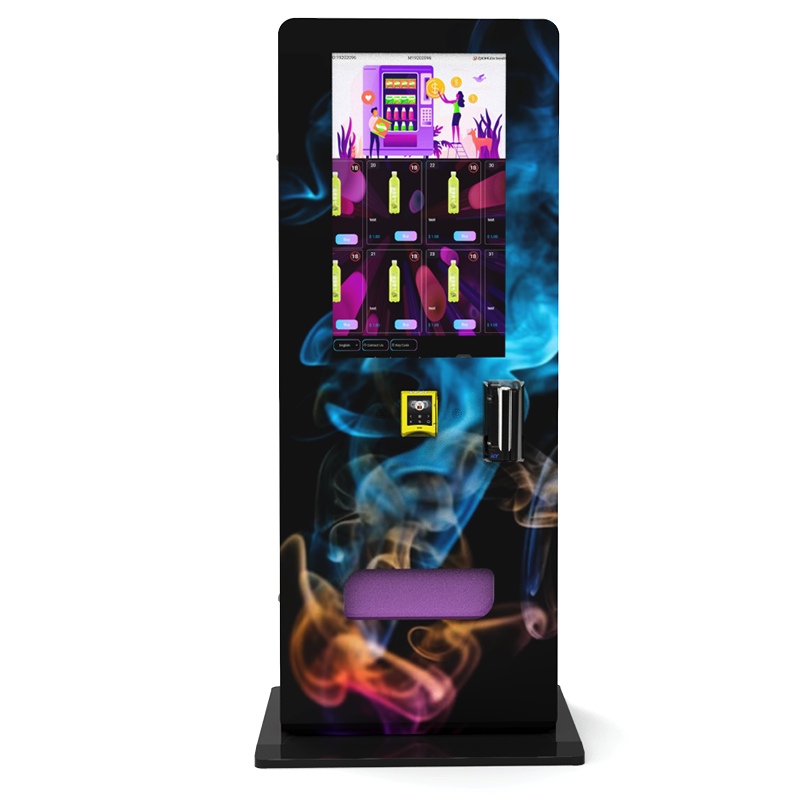
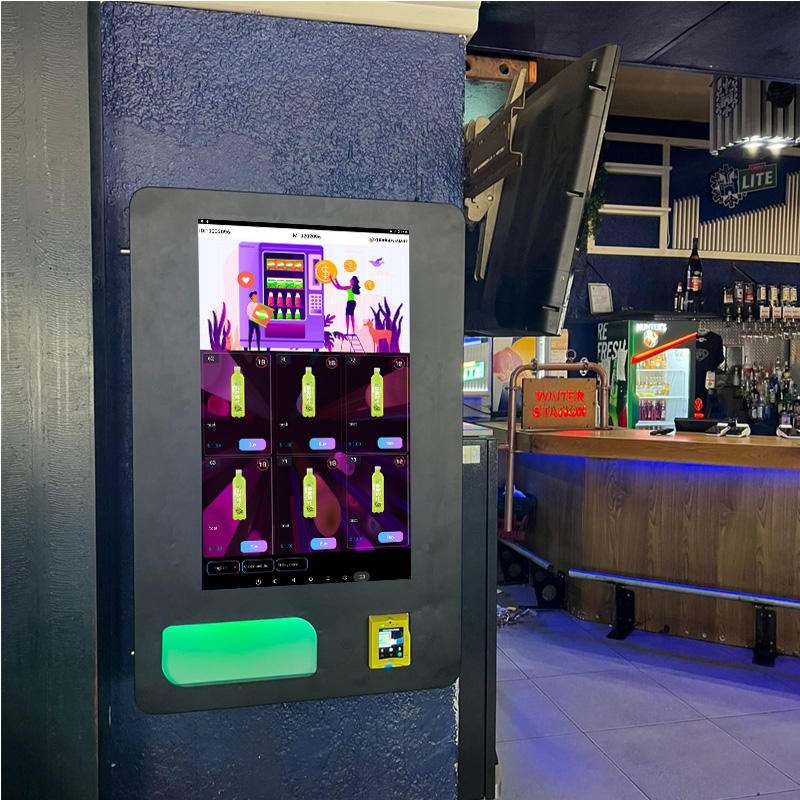
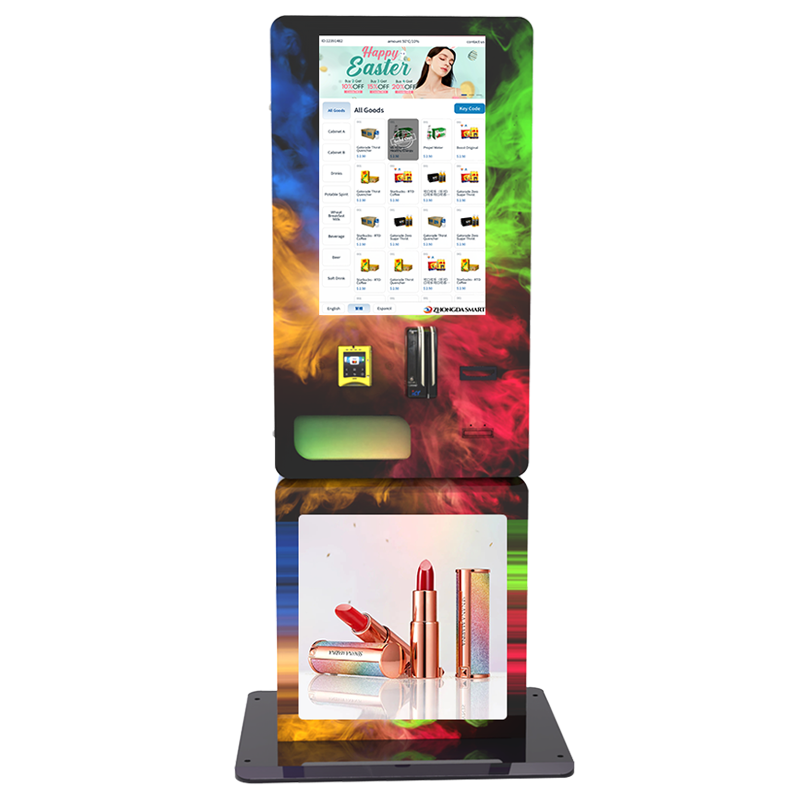
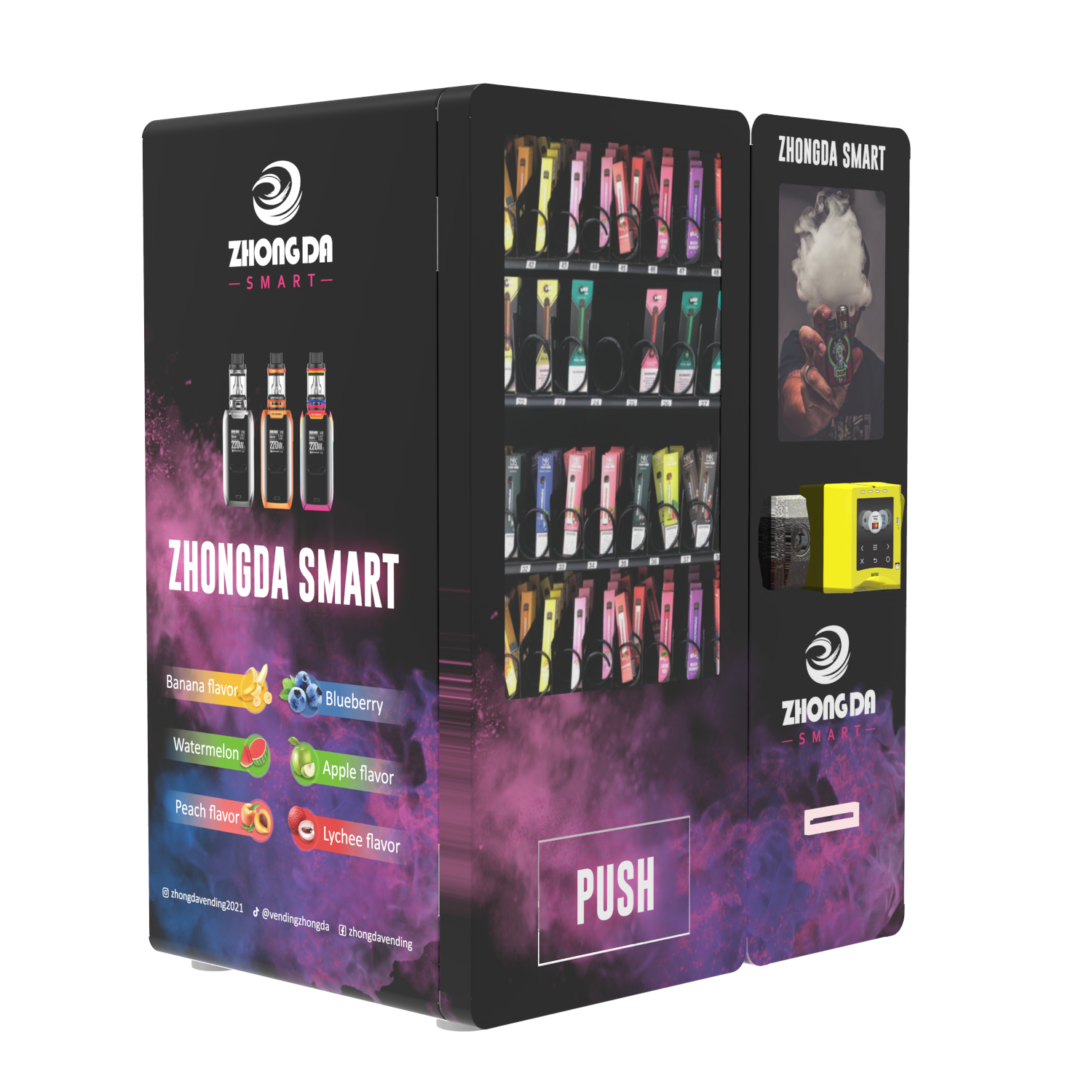
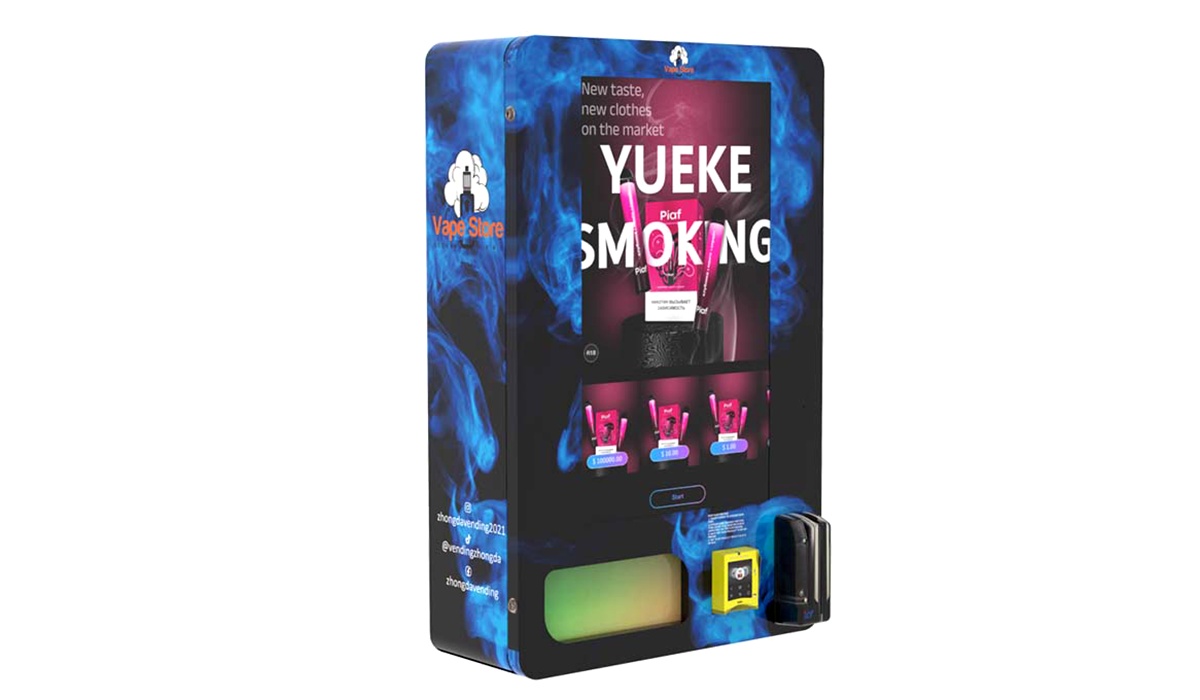
For example, a compact unit works well for focused product lines, while larger machines support higher volume and variety. If you want to compare real configurations, this vape vending machine lineup shows how different formats are built.
For compliance-focused setups, solutions like ID verification vending machines are essential for smooth transactions.
What Operators Fix After the First 30 Days
No machine performs perfectly at launch. The first month is about adjustment.
Remove slow-selling products
Increase stock for top sellers
Adjust pricing for better margins
Improve product visibility
Here’s the reality: small changes after launch often have a bigger impact than the original setup.
Where Machines Quietly Lose Money
Overestimating traffic
Ignoring hidden costs
Poor product selection
Lack of maintenance planning
One common mistake is overstocking products that “look good” but don’t sell. Within weeks, cash flow gets tied up and ROI drops.
Quick Takeaway
A machine is only as good as its location
Profit comes from operations, not hardware alone
Small adjustments drive long-term returns
FAQ
Is vape vending machine ROI realistic?
Yes, but only when the machine is placed correctly and managed actively. Passive setups rarely perform well.
How long does it take to break even?
Most operators aim for 8–18 months, though strong setups can recover faster.
What improves ROI the most?
Better location, higher ticket size, and efficient restocking have the biggest impact on long-term vape vending machine roi.
Are cheaper machines better?
Not necessarily. Lower upfront cost can lead to higher long-term expenses if features are limited.
Final Thoughts
Improving your vape vending machine roi comes down to discipline. The machine itself is just the starting point. The real results come from understanding your numbers, adjusting quickly, and treating the setup like a real business.
If the math works, expansion becomes predictable. If it doesn’t, no machine can fix that.