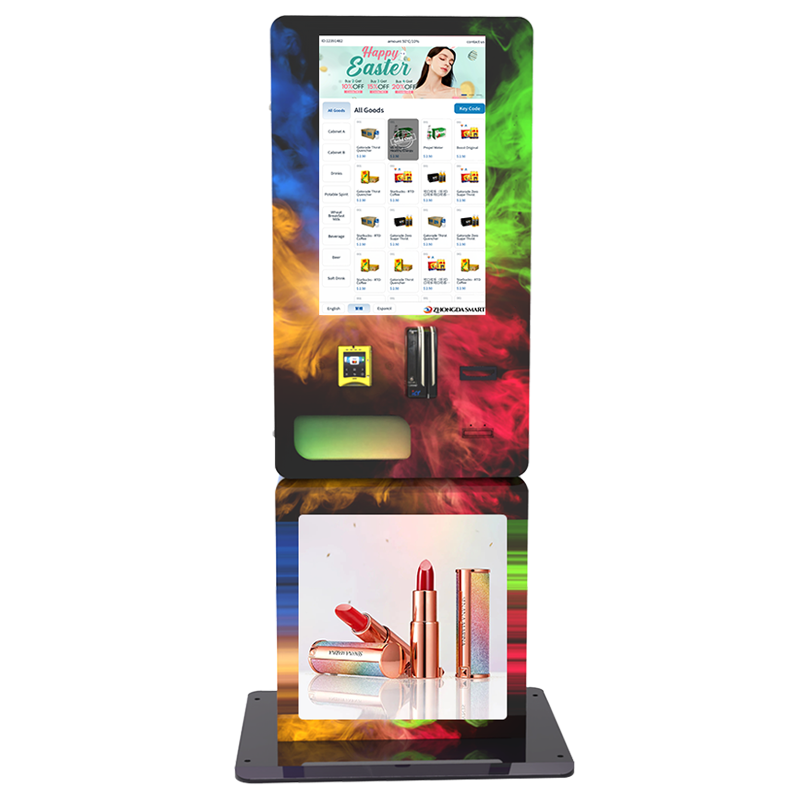
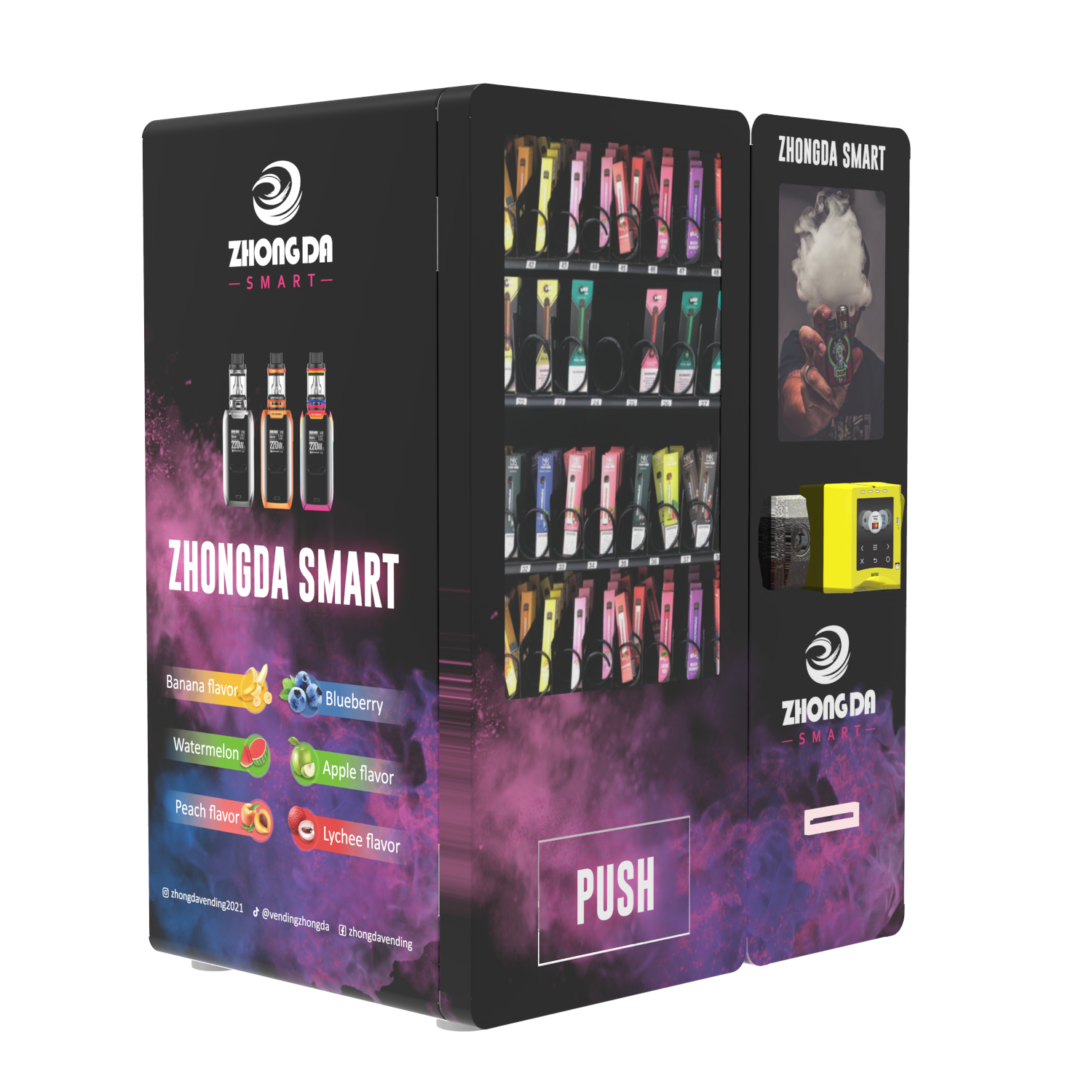
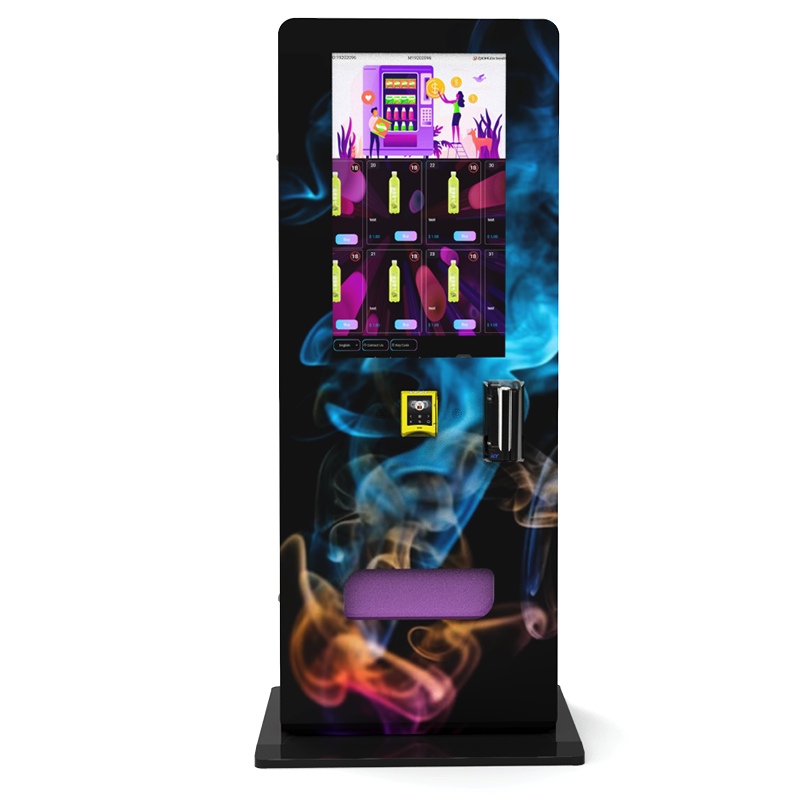
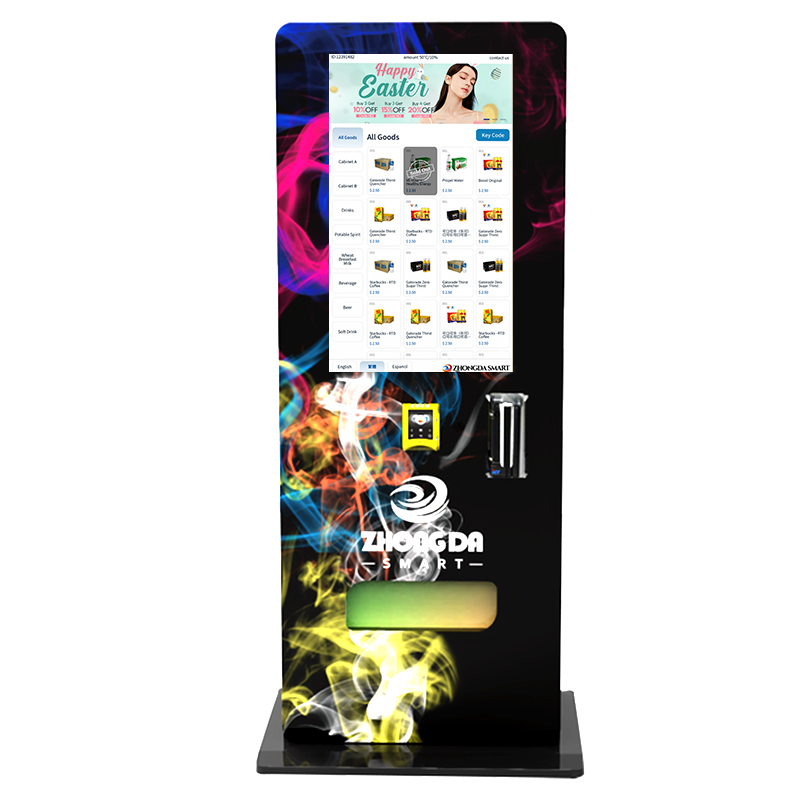
A small vape vending machine can quietly become one of the most efficient retail assets you’ll ever deploy—if you approach it like a business, not just a device. In real operations, compact vape machines consistently generate higher margins per transaction than traditional vending setups. The reason is simple: buyers already know what they want, which shortens decision time and increases conversion. With the right placement, a focused product mix, and reliable hardware, a single machine can produce steady monthly income with minimal oversight. This guide breaks down what actually works in the field—no theory, just proven strategies.
Why Compact Vape Machines Generate Stronger Returns
Not all vending categories behave the same. Snack machines rely on impulse. Vape purchases are different—people usually arrive with intent. That changes everything.
In deployments I’ve managed, compact machines regularly outperformed larger units even with fewer slots. The key wasn’t volume—it was value per sale.
- Typical product margin: 35%–60%
- Average order value: $12–$25
- Daily transactions (strong location): 20–40
- Monthly revenue range: $3,000–$9,000
According to Statista, demand for vape products continues to rise steadily, which supports long-term automated retail opportunities.
Choosing the Right Machine Setup
Features That Actually Impact Sales
It’s easy to get distracted by advanced features. In practice, only a few things really affect performance day to day.
- Reliable cashless payment system
- Clear product display
- Stable dispensing mechanism
- Remote inventory tracking
- Secure cabinet design
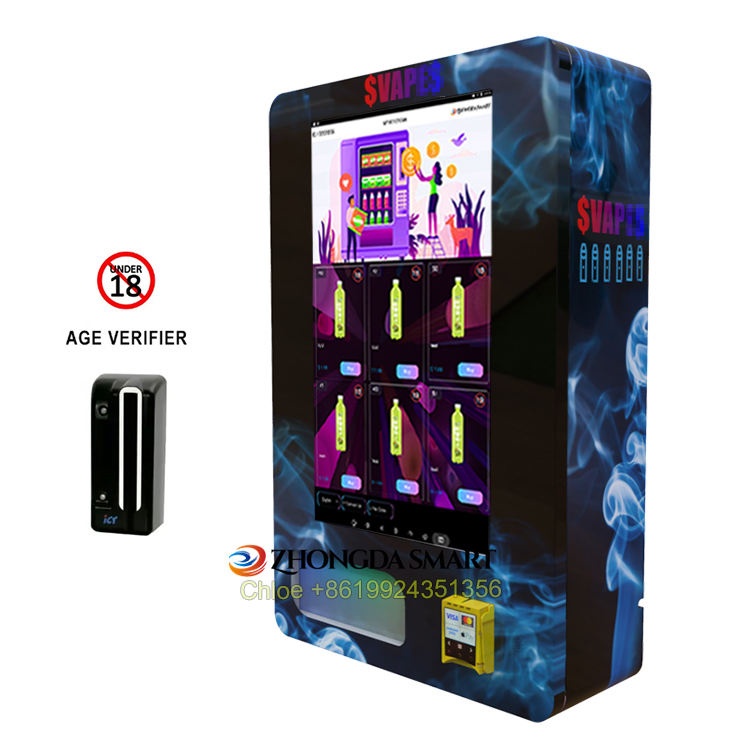
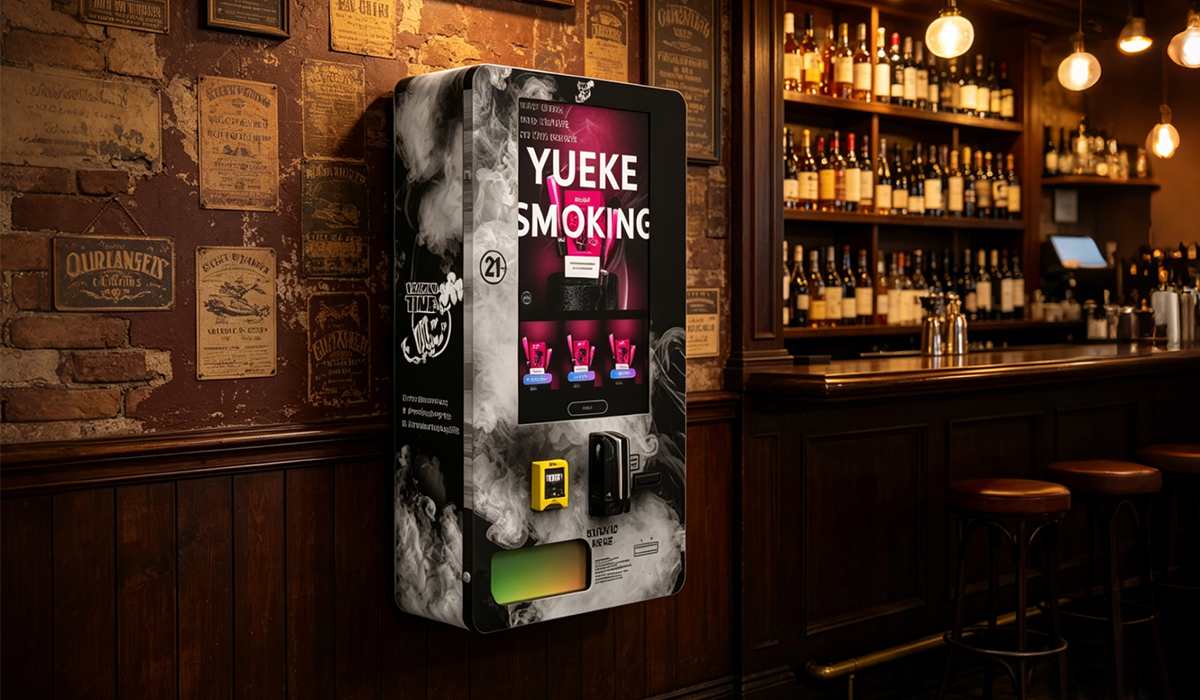
If you're comparing configurations, take a closer look at this vape vending machine product lineup , which shows how different layouts support compact, high-margin retail setups.
Compact vs Standard Machines
| Factor | Compact Machine | Standard Machine |
|---|---|---|
| Footprint | Small | Large |
| Startup Cost | $1,800–$3,500 | $4,000–$8,000+ |
| Product Focus | High-margin items | Mixed inventory |
| Return Speed | Faster | Slower |
For most operators, starting small leads to faster payback and easier management.
Where Placement Really Drives Revenue
I’ve tested locations that looked perfect—heavy traffic, great visibility—and still underperformed. The reason? The people passing by weren’t in a buying mindset.
The best-performing locations share one trait: people are already comfortable spending money there.
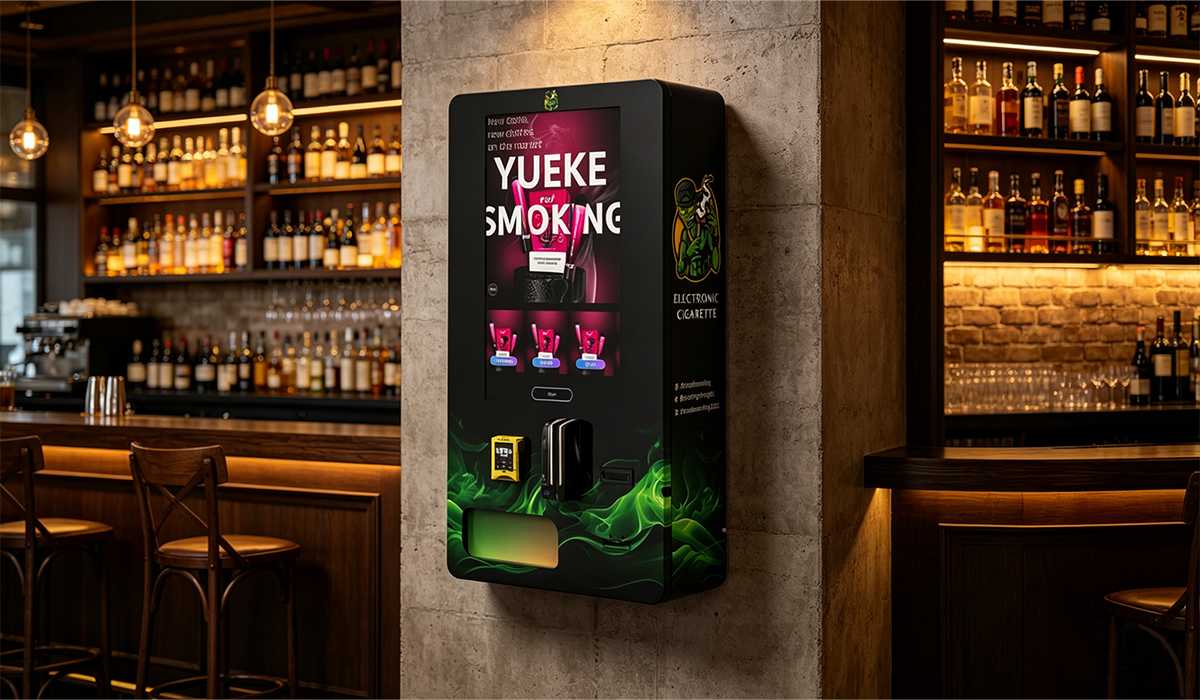
- Bars and lounges
- Nightlife venues
- Private entertainment spaces
- Convenience-focused retail environments
Controlled environments tend to convert better. Data from IBISWorld supports this—targeted audiences produce stronger vending performance than open public traffic.
Product Selection That Actually Sells
Keep It Focused
One of the biggest early mistakes is overloading the machine. More options don’t increase sales—they slow decisions.
- Disposable vape devices
- Popular flavor pods
- Nicotine salt cartridges
- Entry-level kits
In one case, reducing SKUs from 30 to 12 increased sales within two weeks. Simplicity works.
Adjust Inventory Quickly
- Track weekly sales trends
- Remove slow-moving items fast
- Keep best-sellers fully stocked
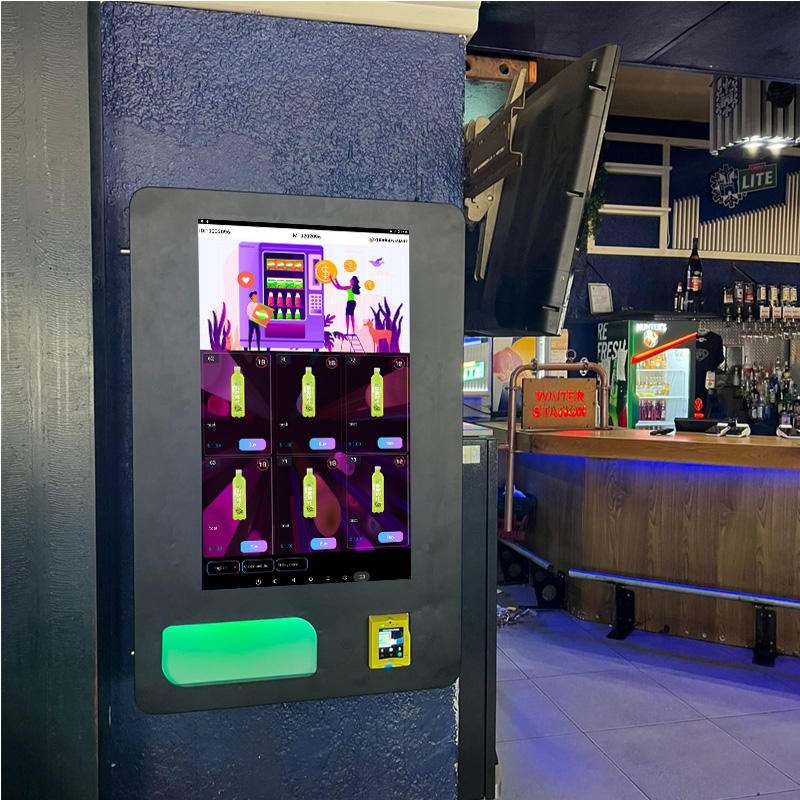
Machines with adjustable slot sizes—like this wall-mounted compact vape vending machine —make it easier to adapt without replacing equipment.
Costs and Real Profit Expectations
Understanding your numbers early keeps expectations realistic.
| Expense | Typical Range |
|---|---|
| Machine | $2,000–$4,000 |
| Initial Inventory | $600–$1,200 |
| Location Share | 10%–25% |
| Monthly Maintenance | $50–$120 |
For a deeper look at pricing factors, this cost breakdown of a vape vending machine explains how different configurations affect total investment.
Example performance:
- Monthly revenue: $5,500
- Gross margin: 45%
- Net profit: ~$2,200
- Payback period: 3–5 months
After that point, most revenue becomes recurring income.
Technology That Increases Sales Without Extra Effort
Cashless Payments Matter
People spend more when they don’t use cash—it shows up consistently in vending data.
A Forbes report highlights how digital payments increase transaction value in unattended retail environments.
Remote Monitoring Saves Time
Instead of checking machines manually, operators can track performance remotely:
- Real-time inventory levels
- Sales performance by product
- Restocking planning
Modern systems like those from vending machine service solutions allow you to manage multiple machines efficiently without constant site visits.
Compliance and Age Verification
Selling vape products requires strict age control. Machines without proper verification systems create serious risk.
- ID scanning integration
- Purchase tracking
- Secure dispensing
If compliance is a concern, this age verification vending machine system shows how built-in ID checks help reduce risk.
A Real Operator Example
One operator started with two machines in nightlife venues. At first, sales were inconsistent—not because of the machines, but because of product selection.
After simplifying inventory and focusing on top-selling disposables:
- Daily transactions: 30+
- Average order: $16
- Monthly revenue per unit: ~$14,000
Within four months, both machines paid for themselves. The biggest improvement came from simplifying—not expanding.
If Starting Again, This Is What Works
- Start with one machine, not several
- Pick a location where spending is already happening
- Keep product selection tight
- Adjust based on real sales data
Most losses come from overthinking and overbuilding.
Common Questions
Can a small vape vending machine be profitable?
Yes, but only with the right setup. Location and product selection matter more than the machine itself.
How often should it be restocked?
Busy locations may need weekly restocking. Lower traffic areas can go longer.
What’s the biggest mistake beginners make?
Too many products. Simpler setups almost always perform better.
Do I need age verification?
Yes. Proper ID verification is essential for compliance and long-term operation.
How fast can it pay for itself?
Well-performing machines often recover costs within a few months.
References
- Statista – Market Data: https://www.statista.com/
- IBISWorld – Industry Reports: https://www.ibisworld.com/
- Forbes – Payment Trends: https://www.forbes.com/
- Bloomberg – Retail Insights: https://www.bloomberg.com/