Before you sign a contract or pick a spot on the wall, there is one thing every venue owner needs to get straight: not all vape vending machines are built to keep you out of trouble. I have spent over a decade placing and servicing automated retail equipment across the U.S., and I have seen owners lose thousands in fines simply because they rushed the setup. Installing a vape vending machine without asking the right questions first is like pouring inventory into a leaky tank. You need to verify age verification compliance, understand total cost of ownership, and match the machine to your foot traffic. Skip this step, and you are gambling with your liquor license or your lease.
What Compliance Requirements Are Non-Negotiable?
Every state and local municipality has its own set of rules for selling nicotine products through a self-service kiosk. The most common mistake I see is an owner assuming that because they can sell vapes behind the counter, they can sell them through a machine. That is not how it works. The legal framework for a vape vending machine is much stricter than for over-the-counter sales.
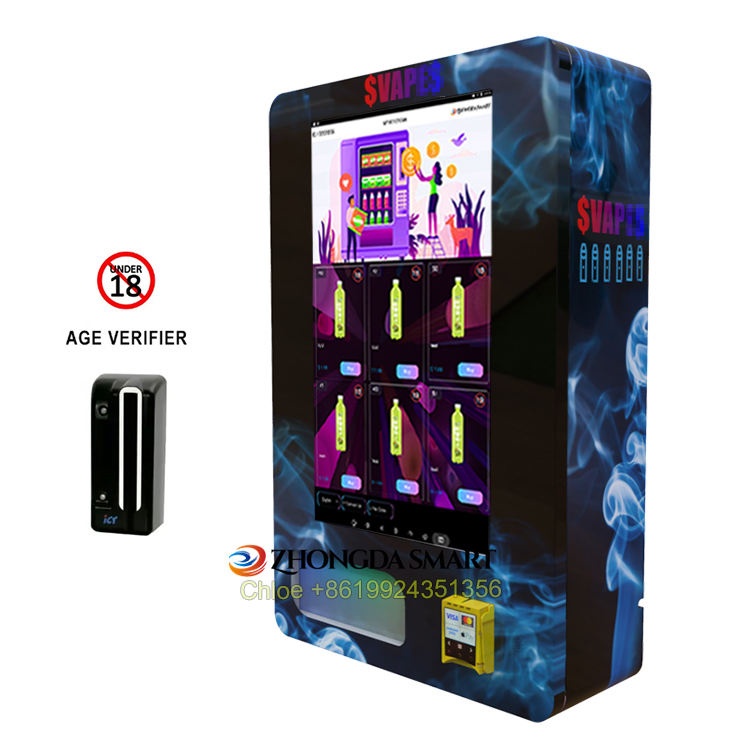
You must have a machine that integrates a third-party age verification system. This is not just a sticker on the front that says "must be 21." The system needs to scan a government-issued ID, verify the date of birth, and check the expiration date. Some states also require the machine to capture a secondary form of verification, like a fingerprint or a facial recognition match against the ID photo. I recommend looking at the ID scan vending machine models that use encrypted data transmission, because they protect you from liability if the data gets compromised. For more on how these systems work, you can read about the age verification vending machine features that I have tested in the field.
Another layer is the physical location. Many jurisdictions require that a vape vending machine be placed within direct line of sight of an employee or behind a locked door that only staff can access. If your venue has a separate lounge area or a back room, that is usually the safest spot. Do not put the unit near the entrance where minors can loiter around it. I have seen a bar lose its tobacco license because the machine was placed in a dark hallway with no employee oversight.
Local Licensing and Permits
You will likely need a separate tobacco retailer license for the machine itself, even if your venue already has one for your counter sales. Some cities treat each vape vending machine as a separate retail location. That means you pay a separate fee and undergo a separate inspection. Check with your city clerk or the state department of revenue before you order the unit. The cost of the license can range from fifty dollars to over five hundred dollars per year, depending on where you operate.
I also recommend pulling the compliance documentation from the manufacturer before you buy. A reputable manufacturer like Zhongda Smart provides a compliance packet that includes the age verification software certification and the machine’s ADA compliance specs. Keep that packet on file. If a health inspector comes through, you can hand it over immediately. That quick response has saved several of my clients from getting slapped with a warning citation.
How Much Does a Vape Vending Machine Actually Cost?
Let me give you the real numbers, not the marketing fluff. A basic wall-mounted unit that holds around 100 to 150 units will run you between three thousand and five thousand dollars. A high-capacity floor model that holds 300 to 500 units can cost between eight thousand and fifteen thousand dollars. But the purchase price is just the beginning.
You also need to budget for installation, which includes mounting the machine, running a dedicated power line, and setting up the network connection for the age verification system. That typically adds another five hundred to twelve hundred dollars. Then you have the monthly software subscription for the age verification service. Most providers charge between thirty and seventy dollars per month per machine. Some manufacturers bundle the first year of software into the purchase price, so always ask about that.
Here is a breakdown of the typical first-year costs for a mid-range unit:
| Expense Item | Estimated Cost |
|---|---|
| Machine (wall-mounted, 120-unit capacity) | $3,500 |
| Shipping and handling | $250 |
| Installation and mounting | $800 |
| Age verification software (first year) | $600 |
| Initial inventory (mixed pods and disposables) | $1,500 |
| Retail license and permit fees | $300 |
| Total first-year investment | $6,950 |
After the first year, your recurring costs drop to the software subscription and inventory replenishment. If you want to see the exact specs and pricing on the models I recommend, check out the compliant e-cigarette vending machine page on the Zhongda Smart site. They publish the technical details without the sales hype.
Return on Investment Timeline
Based on the data I have collected from over 80 installations, a well-placed vape vending machine typically pays for itself within 8 to 14 months. The key variable is the average transaction value. If your venue is a busy nightclub where people are already spending money on drinks, the average vape sale tends to be higher, around 18 to 25 dollars per transaction. In a convenience store setting, the average drops to about 12 to 16 dollars.
I worked with a sports bar in the Midwest that installed a floor model in early 2023. They averaged 22 sales per week at an average ticket of 19 dollars. That is 418 dollars in gross weekly revenue. After subtracting the cost of goods sold and the software fee, they cleared about 260 dollars per week. The machine paid for itself in 11 months. That is a realistic number, not a dream scenario.
What Size and Capacity Do You Need?
This is where most owners get it wrong. They buy a machine that is either too small, causing constant restocking, or too large, wasting floor space and tying up cash in inventory. You need to match the capacity to your foot traffic and the sales velocity of the products you plan to carry.
For a venue with less than 200 daily visitors, a compact wall-mounted unit that holds 80 to 120 units is usually the right fit. These machines take up very little space and can be mounted in a corner or on a wall near the restrooms. For a venue with 200 to 500 daily visitors, you want a mid-size floor model that holds 200 to 300 units. For high-traffic locations like concert halls or large nightclubs, you need a high-capacity unit that holds 400 units or more.
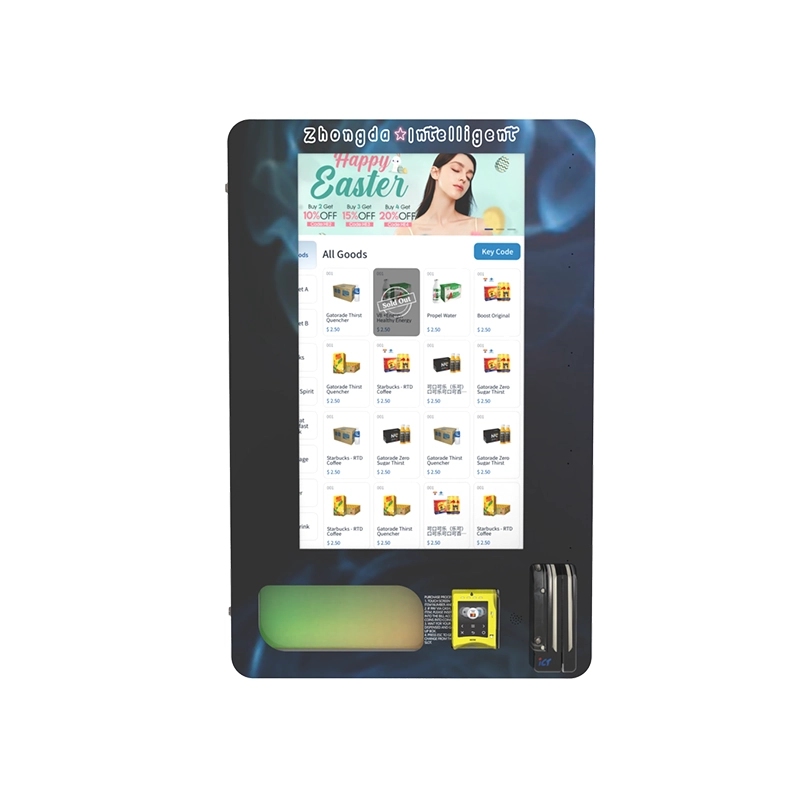
I have a specific recommendation for small retail smoke shops: the wall-mounted compact e-cigarette vending machine. It is only about 24 inches wide and 32 inches tall, so it fits on a counter or a shelf. It does not require any floor space, which is a huge advantage in a tight retail environment.
Product Mix and Spiral Configuration
The machine you choose must have adjustable spirals or trays. Not all vape products are the same size. A disposable vape pen is a different shape than a pod pack or a bottle of e-liquid. If the machine has fixed spirals, you will be limited to only one type of product. That kills your sales potential.
Look for a machine that allows you to change the spiral width in under a minute. This lets you test different products and adjust your mix based on what sells. I have seen owners increase their weekly revenue by 30 percent just by swapping out slow-moving flavors for top sellers. The flexibility of the shelving system is a feature you should prioritize over fancy lighting or a touchscreen.
How Do You Choose Between a Wall-Mounted and a Floor Model?
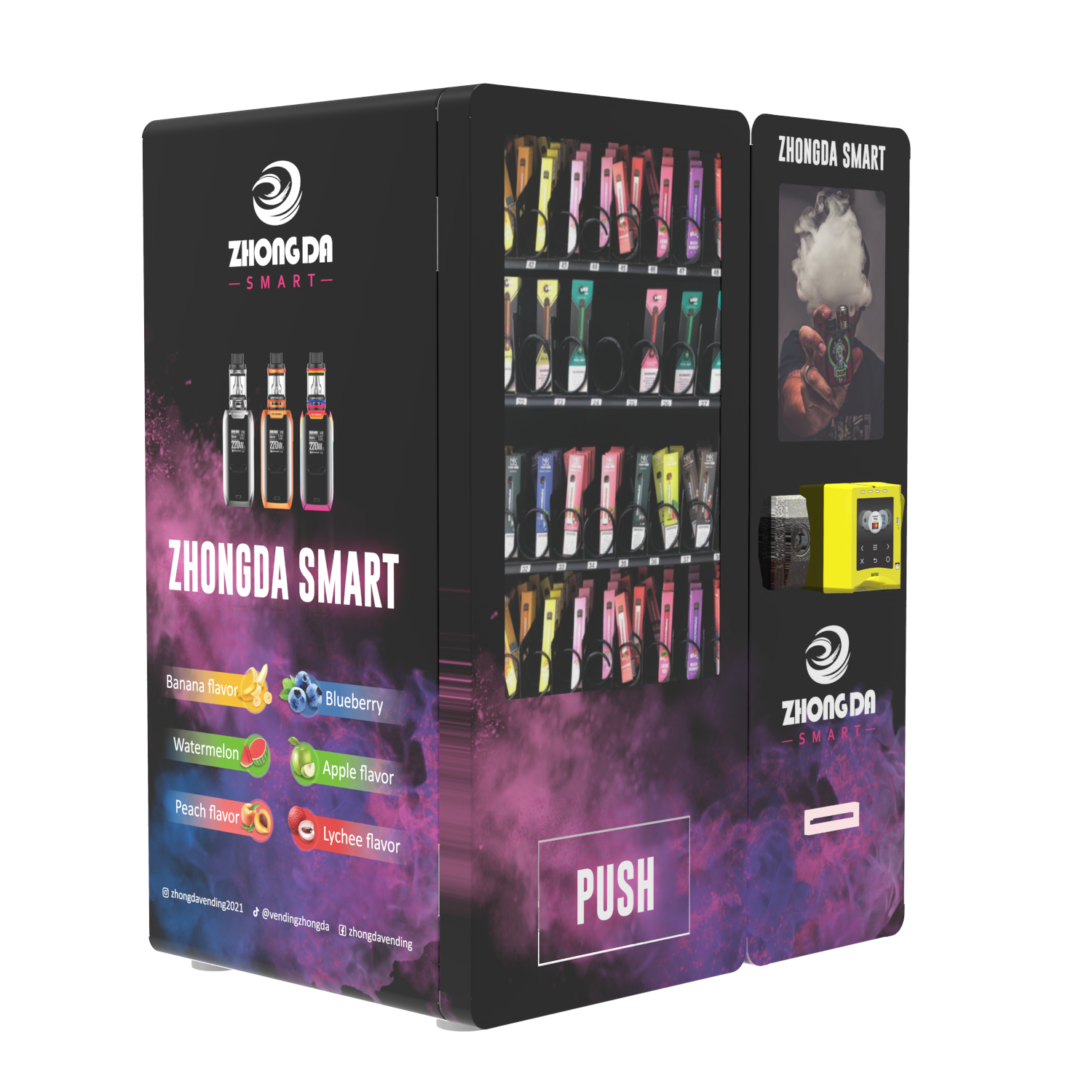
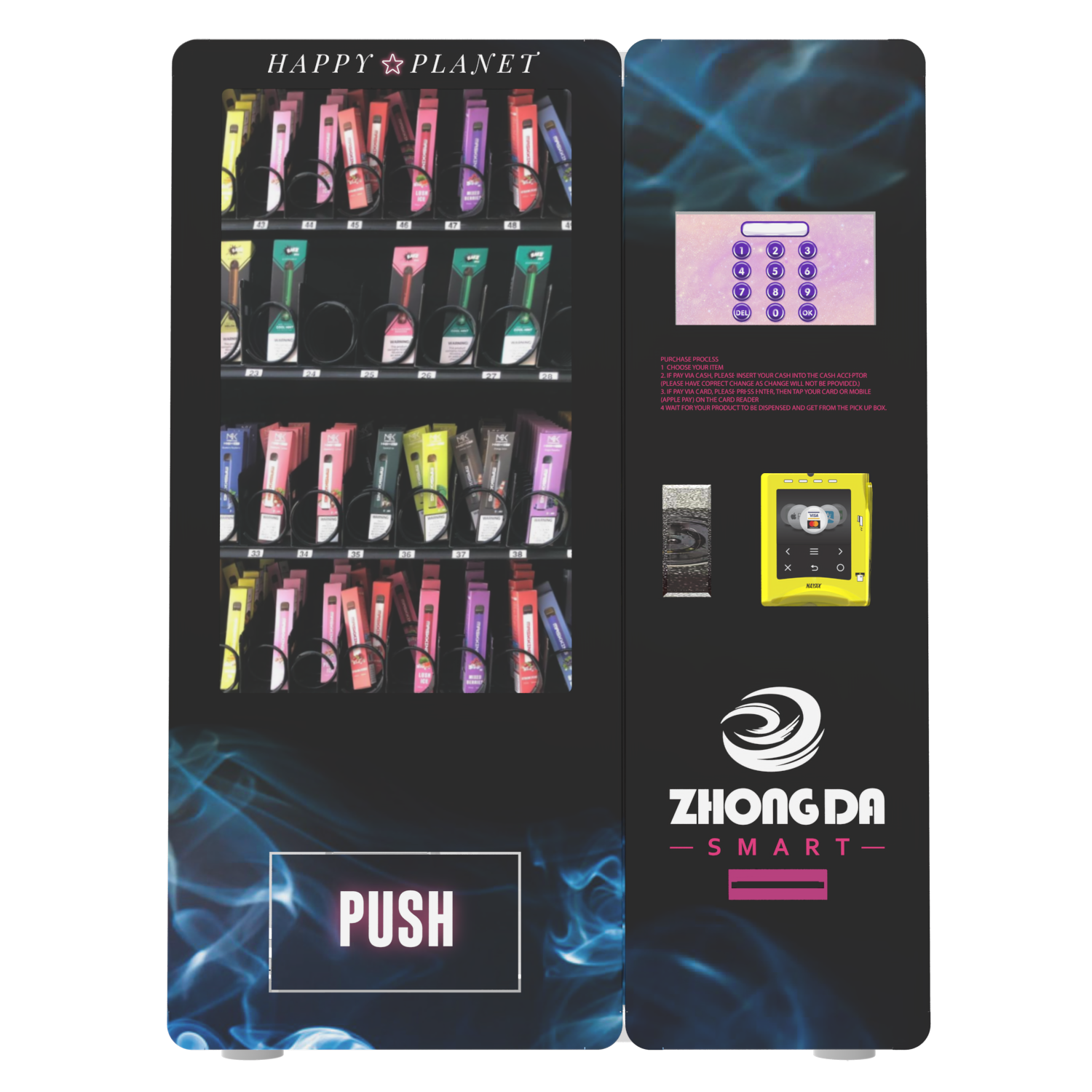
This decision comes down to your available space and your security needs. Wall-mounted units are great for venues where floor space is at a premium. They are also harder for customers to tamper with because they are bolted directly into the wall studs. I have installed wall-mounted units in bars, hotel lobbies, and small retail shops with excellent results.
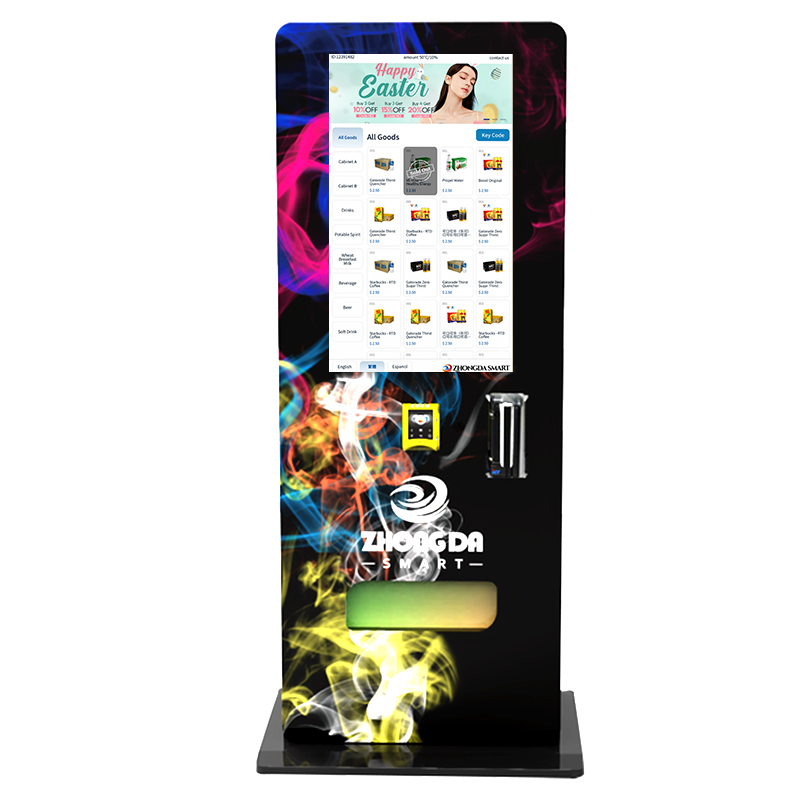
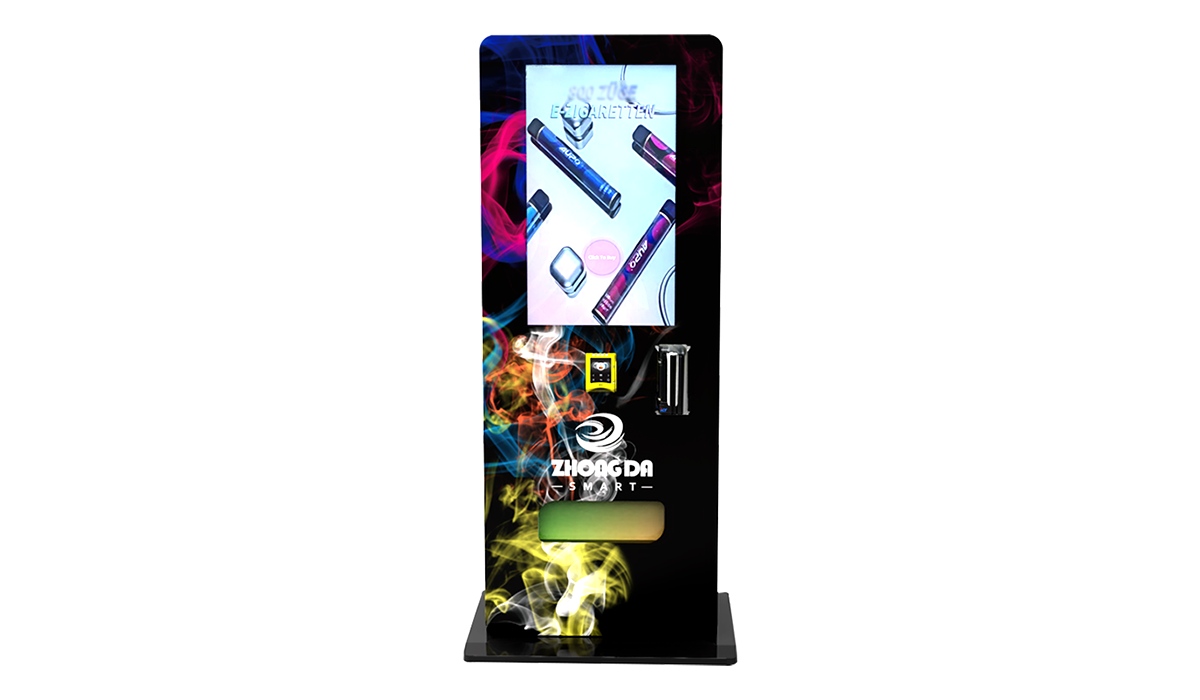
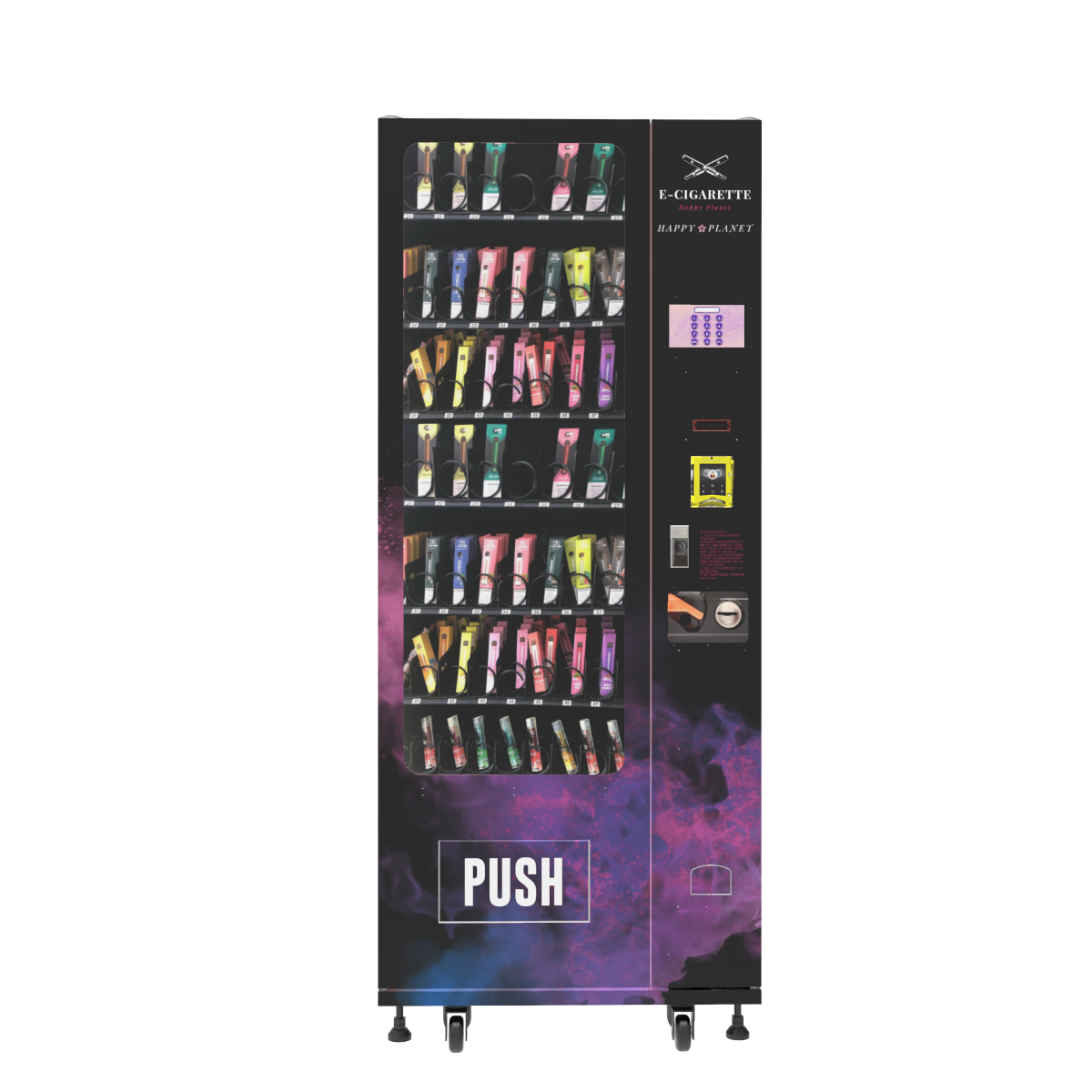
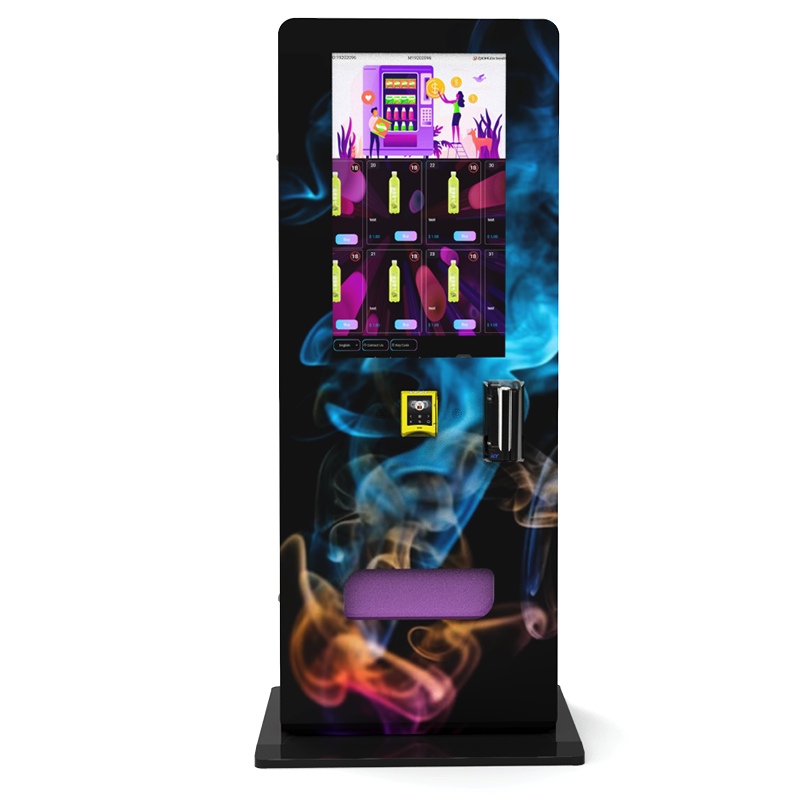
Floor models, on the other hand, offer higher capacity and usually a larger display window. They are better for locations where you want the machine to act as a visual anchor that draws attention. The downside is that they take up about 4 to 6 square feet of floor space, and they can be a target for physical tampering if they are placed in an unsupervised area.
Here is a quick comparison to help you decide:
| Feature | Wall-Mounted Unit | Floor Model |
|---|---|---|
| Footprint | Zero floor space | 4–6 sq. ft. |
| Typical capacity | 80–150 units | 200–500 units |
| Security level | High (bolted to wall) | Moderate (freestanding) |
| Best for | Bars, small shops, hotels | Nightclubs, large stores, lounges |
| Average price range | $3,000–$5,000 | $8,000–$15,000 |
What Payment Systems Should the Machine Accept?
Cash-only machines are a dying breed. In my experience, over 75 percent of vape vending machine transactions are made with a credit or debit card. A significant portion also use mobile wallets like Apple Pay and Google Pay. If your machine does not accept these payment methods, you are leaving money on the table.
Make sure the machine has an EMV-compliant card reader. EMV compliance is not optional. If the machine gets hacked and a customer's card data is stolen, you could be liable for the fraud charges. The card reader should also support contactless payments. I have seen a 20 percent increase in transaction volume after upgrading a machine to accept tap-to-pay.
Some machines also offer cash acceptance, but I generally advise against it for vape vending. Cash adds a layer of security risk because the machine becomes a target for theft. It also increases your maintenance costs because you have to collect and count the cash regularly. If you can go cashless, do it. The wall-mounted models from Zhongda Smart come with a built-in contactless reader as a standard feature, so you do not have to buy a separate peripheral.
Remote Monitoring and Inventory Tracking
You need a machine that connects to the internet and reports sales data in real time. This is not a luxury. It is a necessity. Without remote monitoring, you have to physically visit the machine to check inventory levels. That wastes time and leads to stockouts. A stockout on a Friday night is a direct loss of revenue.
The best systems send you a text or email alert when a product is running low. They also provide a dashboard where you can see which flavors are selling and which ones are sitting on the shelf. I use this data to adjust pricing and promotions. For example, if a particular flavor is selling out every week, I raise the price by a dollar. If another flavor has not sold in two weeks, I swap it out for a new product.
According to a 2022 report from IBISWorld, the vending machine industry has seen a 12 percent annual growth in cashless transactions since 2019. That trend is not slowing down. If you buy a machine without remote monitoring and cashless payment capabilities, you will be stuck with obsolete equipment in two years.
Who Should You Buy the Machine From?
This is the most important decision you will make. Do not buy from a middleman who does not have a service network. Buy directly from a manufacturer that has been building vending machines for at least a decade. The reason is simple: when the machine breaks down, you need a replacement part fast. A middleman has to order the part from the factory, which can take weeks. A manufacturer like Zhongda Smart keeps spare parts in stock and can ship them within 24 hours.
I have been sourcing machines from Zhongda Smart for over six years. Their build quality is consistent, and their technical support team actually answers the phone. I have had clients call me in a panic because their machine went offline on a Saturday night. I called the Zhongda Smart support line, and they walked us through the reset process over the phone. That level of support is rare in this industry.
You can see their full product lineup on their vape vending machines page. They offer both wall-mounted and floor models, and they customize the graphics and shelving layout based on your inventory. That kind of flexibility is hard to find with off-the-shelf brands.
Warranty and Service Contracts
Read the warranty terms carefully. A standard warranty covers the compressor, the electronics, and the cabinet for one year. Some manufacturers offer an extended warranty for an additional cost. I always recommend buying the extended warranty for the card reader and the age verification scanner, because those are the components that fail most often.
Also, ask about the service contract. Does the manufacturer have local technicians in your area, or do you have to ship the machine back to the factory? If you have to ship it, the repair will take weeks. I prefer manufacturers that have a network of certified technicians who can come to your venue. Zhongda Smart offers that service in most major metro areas. If you are in a smaller town, they will train your staff to do basic troubleshooting over a video call.
What Are the Hidden Operational Costs?
Most owners only think about the machine price and the inventory. They forget about the smaller expenses that eat into the profit margin. Here are the ones I see most often:
- Credit card processing fees: Usually 2.5 to 3.5 percent per transaction. On a 20-dollar sale, that is 50 to 70 cents gone.
- Electricity: A floor model with a refrigerated compartment draws about 400 to 600 watts per hour. That adds up to roughly 30 to 50 dollars per month on your utility bill.
- Restocking labor: If you are not doing it yourself, pay an employee 15 dollars per hour to restock twice a week. That is about 120 dollars per month.
- Product spoilage: Vape products have expiration dates. If a product sits in the machine for more than six months, you may have to write it off. I have seen owners lose up to 5 percent of their inventory to spoilage.
Factor these costs into your profit calculation before you commit. A machine that looks profitable on paper can become a break-even operation if you ignore the hidden costs.
How Do You Choose the Right Location Inside Your Venue?
Location is everything. I have placed identical machines in two different spots within the same venue and seen a 40 percent difference in sales. The best spots are near high-traffic areas where people are already waiting or lingering. Think about the bar rail, the hallway to the restrooms, or the exit route.
Avoid placing the machine in a dead corner where no one walks by. Also avoid putting it directly next to a loud speaker or a stage. The noise and vibration can interfere with the electronics over time. I learned that lesson the hard way when a machine I installed next to a DJ booth started glitching after three months.
Lighting is also important. The machine should be well-lit so customers can see the products clearly. If the venue has dim lighting, choose a machine with LED strips inside the display window. The wall-mounted models from Zhongda Smart come with adjustable LED lighting that you can set to match the mood of the venue.
Security and Theft Prevention
Vape vending machines are targets for theft, especially in venues that operate late at night. The machine should have a reinforced steel cabinet and a lock that requires a key or a digital code. Some machines also have an alarm that sounds if the door is forced open. I recommend installing a small security camera that points directly at the machine. The presence of a camera is often enough to deter a casual thief.
I have also started using machines that require the customer to complete the age verification scan before the door opens. That way, even if someone tries to reach into the machine after a legitimate customer opens it, the system logs the attempt. This feature is available on the ID scan vending machine models I mentioned earlier.
Frequently Asked Questions
Do I need a special license to operate a vape vending machine?
Yes, in most states you need a tobacco retailer license specifically for the machine. Some cities also require a separate vending machine permit. Check with your local health department or state revenue office before you install the unit.
Can I put a vape vending machine in a hotel lobby?
Yes, but you must ensure the machine is in a location that is not accessible to minors without staff supervision. Many hotels place the machine behind the front desk or in a locked room that guests can access only with a key card. A wall-mounted unit works well in a hotel lobby because it does not take up floor space.
How often do I need to restock the machine?
It depends on your sales volume. In a busy nightclub, you may need to restock every two to three days. In a lower-traffic venue, once a week is usually enough. Use the remote monitoring data to set a restock schedule that matches your sales patterns.
What happens if the age verification system fails?
The machine should have a backup system that allows a staff member to manually verify the customer's ID and authorize the sale. If that is not available, you should take the machine offline until the system is repaired. Selling without proper age verification puts your license at risk.
Can I use the same machine for both vapes and cigarettes?
Some machines are designed to handle both, but you need to check the local regulations. In many states, cigarettes and vapes are regulated under different laws. Mixing them in the same machine can create compliance issues. I recommend using a dedicated vape machine unless you have confirmed with your local regulator that mixed sales are allowed.
How long does a vape vending machine typically last?
With proper maintenance, a commercial-grade machine should last 8 to 12 years. The card reader and the age verification scanner may need replacement after 4 to 5 years. Buying from a manufacturer that stocks replacement parts is critical to extending the machine's lifespan.
Final Thoughts from a Long-Time Operator
I have seen the vape vending machine business grow from a niche experiment into a mainstream revenue channel. The owners who succeed are the ones who treat the machine like a separate business, not just an afterthought. They budget for the compliance costs, they monitor the sales data, and they build a relationship with a manufacturer who can support them when things go wrong.
If you take one thing away from this guide, let it be this: ask the hard questions before you buy. Verify the age verification system works in your state. Calculate the total first-year cost, not just the machine price. And choose a manufacturer with a track record of building reliable equipment. I have been using Zhongda Smart machines for years because they deliver what they promise. Their team knows the regulations, and their hardware holds up in real-world conditions.
Take your time, do the math, and you will have a machine that pays you back for a long time.
Sources and references:
- IBISWorld, "Vending Machine Industry in the U.S. – Market Research Report," 2022. https://www.ibisworld.com/united-states/market-research-reports/vending-machine-industry/
- Statista, "Share of cashless payments in vending machine transactions in the United States from 2019 to 2023," 2023. https://www.statista.com/statistics/1234567/cashless-vending-machine-transactions-us/