Last reviewed: August 2026
Scope: This guide focuses primarily on U.S. federal tobacco vending machine regulations. State, tribal, and local laws may impose additional or stricter requirements. Operators should verify the rules that apply to each installation location before deployment.
If you are researching tobacco vending machine regulations, the most important thing to understand is that installing an ID scanner does not automatically make a vending machine compliant.
In the United States, federal rules establish a baseline for tobacco sales, including a minimum sales age of 21, photo ID checks for certain purchasers, and strict limits on where tobacco vending machines can be located. State and local governments may impose additional licensing, placement, product, tax, or age-verification requirements.
Quick answer: Under current U.S. federal rules, tobacco products may not be sold to anyone under 21. Retailers must check photographic identification for purchasers under age 30. Tobacco vending machines may not be used in facilities where people under 21 are present or permitted to enter at any time. An ID scanner can help automate verification, but it does not override the adult-only location requirement or stricter state and local laws.
This guide explains the federal baseline, the state and local issues operators should investigate, how age verification technology fits into compliance, and what to check before installing a tobacco or vape vending machine.
Are Tobacco Vending Machines Legal in the United States?
Yes, tobacco vending machines can be legal in the United States, but only under specific conditions.
The most important federal restriction concerns where the machine is installed. Current FDA rules prohibit selling tobacco products through a vending machine in any facility where individuals under 21 are present or permitted to enter at any time.
This means that adding an ID scanner to a vending machine does not automatically allow it to operate in a convenience store, hotel lobby, shopping mall, bowling alley, restaurant, or other location accessible to people under 21.
The legal status of a proposed installation should therefore be evaluated based on both:
The age-verification process; and
Whether the physical location itself is legally eligible for tobacco vending.
U.S. Federal Tobacco Vending Machine Regulations at a Glance
| Requirement | Federal Baseline | What Operators Should Do |
|---|---|---|
| Minimum Sales Age | 21+ | Configure the system so tobacco products cannot be sold to customers under 21. |
| Photo ID Verification | Photo ID must be checked for purchasers under age 30. | Design an automated verification workflow capable of satisfying the applicable ID-checking requirement. |
| Vending Machine Location | People under 21 cannot be present or permitted to enter the facility at any time. | Verify the eligibility of the entire facility before installation. |
| E-Cigarettes / ENDS | Covered by federal tobacco retail restrictions. | Do not assume vape vending is exempt from tobacco age restrictions. |
| State and Local Rules | May be stricter than federal law. | Check state, county, city, tribal, and licensing requirements before deployment. |
| Age Verification Technology | No universal federal requirement specifying one particular scanner technology. | Choose technology capable of supporting the legal verification workflow required at the location. |
1. The Federal Minimum Age for Tobacco Sales Is 21
The federal minimum age for purchasing tobacco products in the United States is 21.
This applies broadly to tobacco products regulated by the FDA, including cigarettes, cigars, smokeless tobacco, hookah and pipe tobacco, e-cigarettes, e-liquids, and other covered tobacco products.
For an automated vending system, the age-control logic should therefore prevent the release of an age-restricted product unless the required age-verification process has been completed successfully.
The important distinction is that age verification and product dispensing should be integrated into the same transaction workflow.
If verification fails, the machine should not simply continue to payment and product release.
2. Photo ID Requirements Changed in 2024
Since September 30, 2024, FDA regulations require retailers to verify the age of anyone under 30 attempting to purchase tobacco products using photographic identification.
Previously, the federal threshold for mandatory ID checking was under 27.
For traditional attended retail, an employee can request identification based on the applicable rule. Unattended vending creates a different engineering problem because there is no clerk standing beside the machine.
For that reason, operators should carefully evaluate how their automated verification system satisfies the applicable ID requirement.
A conservative vending-machine architecture may require an ID verification step for every tobacco transaction rather than relying on the machine to determine visually whether someone appears younger than 30.
However, the exact implementation should be reviewed against the laws applicable to the location.
3. An ID Scanner Does Not Override the Adult-Only Location Rule
This is one of the most important tobacco vending machine regulations for operators to understand.
Under current U.S. federal rules, tobacco vending machines cannot operate in facilities where people under age 21 are present or permitted to enter at any time.
That restriction still applies even when the machine has:
A driver's license scanner
Passport scanning
AI facial age estimation
Face-to-ID matching
Biometric verification
Remote verification
Multiple age-verification methods
Technology can reduce the risk of an unauthorized sale, but it does not make an otherwise prohibited location eligible.
Are Bars Suitable Locations?
Potentially—but not automatically.
A bar may appear to be an obvious tobacco vending location, but what matters is whether individuals under 21 are actually prohibited from entering the relevant facility at all times.
If a venue admits customers under 21 during certain hours, hosts family events, permits minors in a restaurant section, or otherwise allows people under 21 to enter, the federal vending-machine restriction must be carefully evaluated.
What About Casinos and Adult Clubs?
These locations may be more suitable when access is genuinely restricted to adults 21 and older, but operators should still verify the facility's access rules and applicable state and local law.
Do not assume that every casino, nightclub, lounge, or private club automatically qualifies.
4. Do Tobacco Vending Machines Legally Need an ID Scanner?
There is an important difference between a legal outcome requirement and a specific technology requirement.
Current federal tobacco rules require the retailer to comply with age and ID-verification requirements, but they do not establish one universal technical specification stating that every tobacco vending machine must use a particular barcode reader, OCR camera, biometric system, or scanner model.
The technology is therefore a method of implementing the compliance workflow—not compliance by itself.
Depending on the system and jurisdiction, an age verification vending machine may use:
Driver's license barcode scanning
Optical document reading
Passport scanning
Document authenticity checks
Facial age estimation
Face-to-ID matching
Remote human verification
A combination of multiple methods
For operators, the key question should be:
“Can this system reliably complete the age-verification process required for my specific product and location?”
rather than simply:
“Does this machine have an ID scanner?”
5. What an Age Verification System Should Check
A basic barcode reader that extracts only a date of birth provides less verification capability than a system designed to evaluate multiple document signals.
Depending on the applicable requirements and supported identification documents, an age-verification system may evaluate:
Date of birth
Document expiration date
Machine-readable barcode information
Document format
Consistency between visible and encoded information
Supported document type
Document readability
Optional authenticity indicators
Optional facial matching where legally appropriate
Not every jurisdiction requires every one of these functions.
The system should be configured around the legal requirements of the deployment rather than a generic manufacturer's default profile.
6. Use a Fail-Closed Transaction Workflow
For an unattended tobacco vending machine, failure behavior is just as important as scanner accuracy.
A compliance-oriented system should generally be designed so that:
Verification failure = restricted product not released.
If the scanner cannot read the document, required verification software becomes unavailable, or the system cannot determine whether the transaction meets the configured requirements, it should not automatically approve the sale.
A robust workflow can:
Stop the restricted-product transaction.
Tell the customer why verification could not be completed.
Allow an appropriate retry.
Use another approved verification method when available.
Prevent product dispensing if verification remains unsuccessful.
Log a technical error for remote maintenance.
Age verification should also be coordinated with the payment process so customers are not unnecessarily charged when a restricted transaction cannot be completed.
7. Do Tobacco Vending Machines Need Transaction Logs?
Do not assume there is one nationwide rule requiring every machine to retain a particular number of ID records or transactions.
Recordkeeping requirements can depend on the jurisdiction, product, operating license, verification system, and other regulations that apply to the business.
Operators should determine whether they need to retain information such as:
Transaction date and time
Machine identifier
Product sold
Verification method
Verification result
Error events
Software or configuration version
Be especially careful about storing complete driver's license images, document numbers, addresses, facial images, or other personal information simply because the technology makes it possible.
If detailed personal data is not necessary for a legitimate legal or operational purpose, retaining it can create additional privacy and security risk.
8. State and Local Tobacco Vending Machine Laws Can Be Stricter
Federal law is only the starting point.
States and local governments can impose tobacco-control requirements that are additional to or more restrictive than federal requirements.
Depending on the jurisdiction, operators may need to investigate:
Tobacco retailer licensing
Vending machine permits
Local business licenses
Machine placement restrictions
Additional adult-only facility requirements
Product-specific restrictions
Flavored tobacco restrictions
Tax and tax-stamp requirements
Required warning signs
Inspection requirements
Age-verification procedures
Recordkeeping requirements
Local restrictions or bans on vending-machine tobacco sales
Because these rules can change, operators should verify requirements with the relevant state and local authorities before purchasing or installing equipment.
9. Tobacco and Vape Vending Are Not Necessarily Regulated Differently
A common misconception is that a vending machine selling disposable vapes or e-cigarettes is outside traditional tobacco vending regulations.
Under current U.S. FDA retail rules, e-cigarettes, e-liquids and other electronic nicotine delivery systems are subject to federal age restrictions, including the 21+ minimum sales age and applicable vending-machine restrictions.
Therefore, changing the inventory from cigarettes to vape products does not automatically make a location legal for unattended sales.
Operators should also confirm that each product they intend to sell may legally be marketed in the United States and complies with applicable federal, state and local requirements.
10. Location Compliance Should Come Before Machine Selection
One of the most expensive mistakes an operator can make is purchasing a machine first and researching the location regulations afterward.
The order should be reversed.
Before ordering equipment, answer:
Are tobacco vending machines allowed in this jurisdiction?
Is this particular facility legally eligible?
Can anyone under 21 enter at any time?
Does the location need a tobacco retail license?
Does the operator need a separate license?
Is there a vending-machine permit?
Are the products I intend to sell permitted?
Are there local flavor restrictions?
What age-verification procedure is required?
Are records or notices required?
Only after those questions are resolved should you determine which hardware configuration is appropriate.
11. Locations That Require Extra Caution
From a compliance perspective, the following locations should not automatically be treated as suitable simply because they generate adult traffic:
Convenience stores
Hotel lobbies
Restaurants
Bowling alleys
Shopping malls
Airports
General retail stores
Factories with mixed-age workers or visitors
Entertainment venues admitting customers under 21
Under federal tobacco vending rules, the key question is not whether “most customers are adults.”
The question is whether individuals under 21 are present or permitted to enter the facility at any time.
This is why location due diligence should be part of the compliance process.
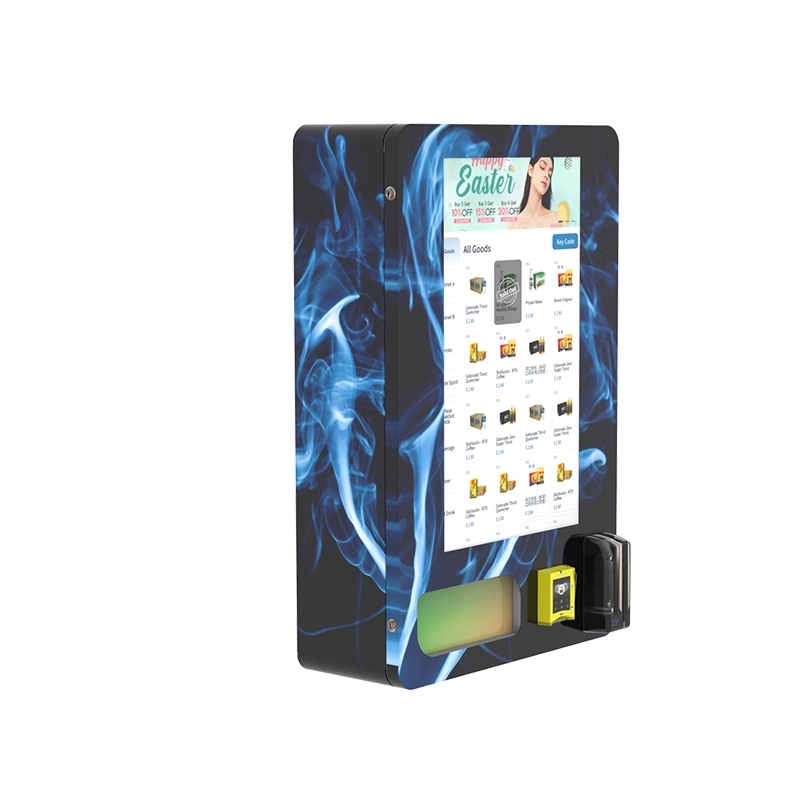
12. Compliance Technology to Consider
Once the location has been confirmed as legally suitable, operators can evaluate the technology needed to support their compliance workflow.
ID Scanning
A modern age verification vending machine can integrate document scanning directly into product selection, payment, and dispensing.
The important features are not simply scanner resolution or advertised reading speed. Evaluate which documents the system supports and what information it actually verifies.
Remote Monitoring
Remote monitoring can help operators identify:
Scanner failures
Network outages
Payment problems
Software update failures
Door-opening events
Inventory levels
Verification error spikes
This is operationally useful because a machine should not continue making age-restricted sales when a verification component required for the configured workflow is unavailable.
Remote Updates
Document formats, verification software and compliance settings can change over the operating life of a machine.
Over-the-air software and firmware updates make it easier to maintain a larger vending fleet without visiting every machine manually.
Anti-Tampering Controls
Because tobacco and nicotine products can have significant resale value, operators should also consider physical security features such as:
Reinforced enclosures
Protected locks
Door sensors
Vibration or tamper alerts
Secure mounting
Remote offline alerts
13. Compliance Features vs Legal Requirements
One distinction can prevent a lot of confusion:
| Feature | Useful for Compliance? | Universally Required by U.S. Federal Law? |
|---|---|---|
| ID Scanner | Yes | No specific scanner technology is universally mandated |
| Photo ID Verification | Yes | Required for purchasers under 30 |
| 21+ Facility Restriction | Yes | Yes for tobacco vending-machine locations |
| Cloud Transaction Logs | Potentially | No universal federal requirement for a specific cloud log format |
| Facial Age Estimation | Potentially | No |
| Remote Monitoring | Highly useful operationally | No universal federal requirement |
| Automatic Software Updates | Highly useful | No universal federal update schedule |
This is why purchasing a machine marketed as “FDA compliant” should not end your due-diligence process.
The machine is only one component of the retailer's overall compliance responsibilities.
14. Common Tobacco Vending Machine Compliance Mistakes
Mistake 1: Assuming an ID Scanner Makes Any Location Legal
It does not. Federal adult-only facility restrictions still apply.
Mistake 2: Checking Only the Federal Rule
State and local requirements can be stricter and may cover licenses, placement, products, taxes and other operational requirements.
Mistake 3: Buying Before Checking the Location
A technically sophisticated machine can still be unusable if the proposed venue does not qualify.
Mistake 4: Treating Vape Products as Exempt
E-cigarettes and other covered tobacco products remain subject to federal tobacco retail restrictions.
Mistake 5: Assuming Every Technical Feature Is Legally Required
Cloud logging, facial recognition and specific scanner types may be useful, but operators should distinguish manufacturer features from actual statutory or regulatory requirements.
Mistake 6: Ignoring Failure Behavior
If a required verification component fails, the machine should have a defined safe workflow rather than silently bypassing the verification step.
Mistake 7: Storing Too Much ID Data
Collecting data simply because the scanner can read it can create unnecessary privacy and security exposure.
15. Tobacco Vending Machine Compliance Checklist
Before deploying a tobacco vending machine in the United States, use this checklist:
□ Confirm that the facility meets federal 21+ vending-machine access restrictions.
□ Confirm state tobacco vending-machine rules.
□ Confirm county and municipal rules.
□ Determine which retailer and vending permits are required.
□ Confirm that every intended product may legally be sold.
□ Review applicable flavor and product restrictions.
□ Determine the required photo ID verification workflow.
□ Configure the minimum age correctly.
□ Test the ID scanner with the documents relevant to your market.
□ Confirm what happens when verification fails.
□ Confirm that restricted products cannot dispense after failed verification.
□ Review payment/refund behavior after failed verification.
□ Confirm required signage and customer notices.
□ Determine whether transaction records are required.
□ Define a privacy and data-retention policy.
□ Enable remote diagnostics where appropriate.
□ Establish a software and firmware update process.
□ Test the complete machine before launch.
□ Document who is responsible for ongoing compliance.
□ Recheck regulations periodically after deployment.
16. Choosing a Tobacco Vending Machine
Once you have confirmed that the proposed location and business model are legally viable, evaluate the vending hardware.
A suitable system should allow you to configure the verification workflow around your deployment rather than forcing every location to use exactly the same process.
Useful capabilities can include:
Integrated ID scanning
Configurable age thresholds
Fail-closed product release
Remote machine monitoring
Software and firmware updates
Secure payment integration
Transaction and error reporting
Physical anti-tampering controls
Modular verification hardware
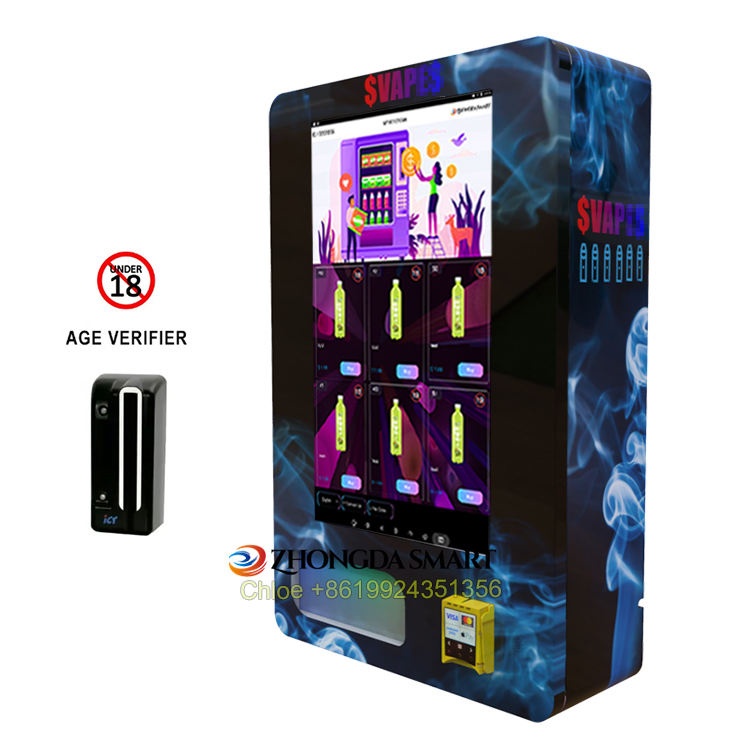
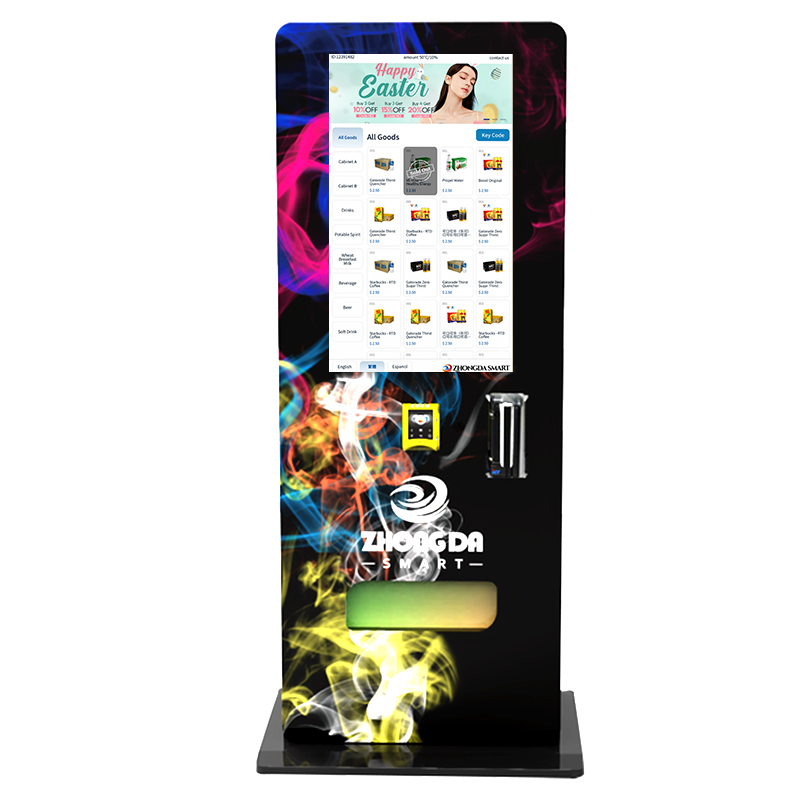
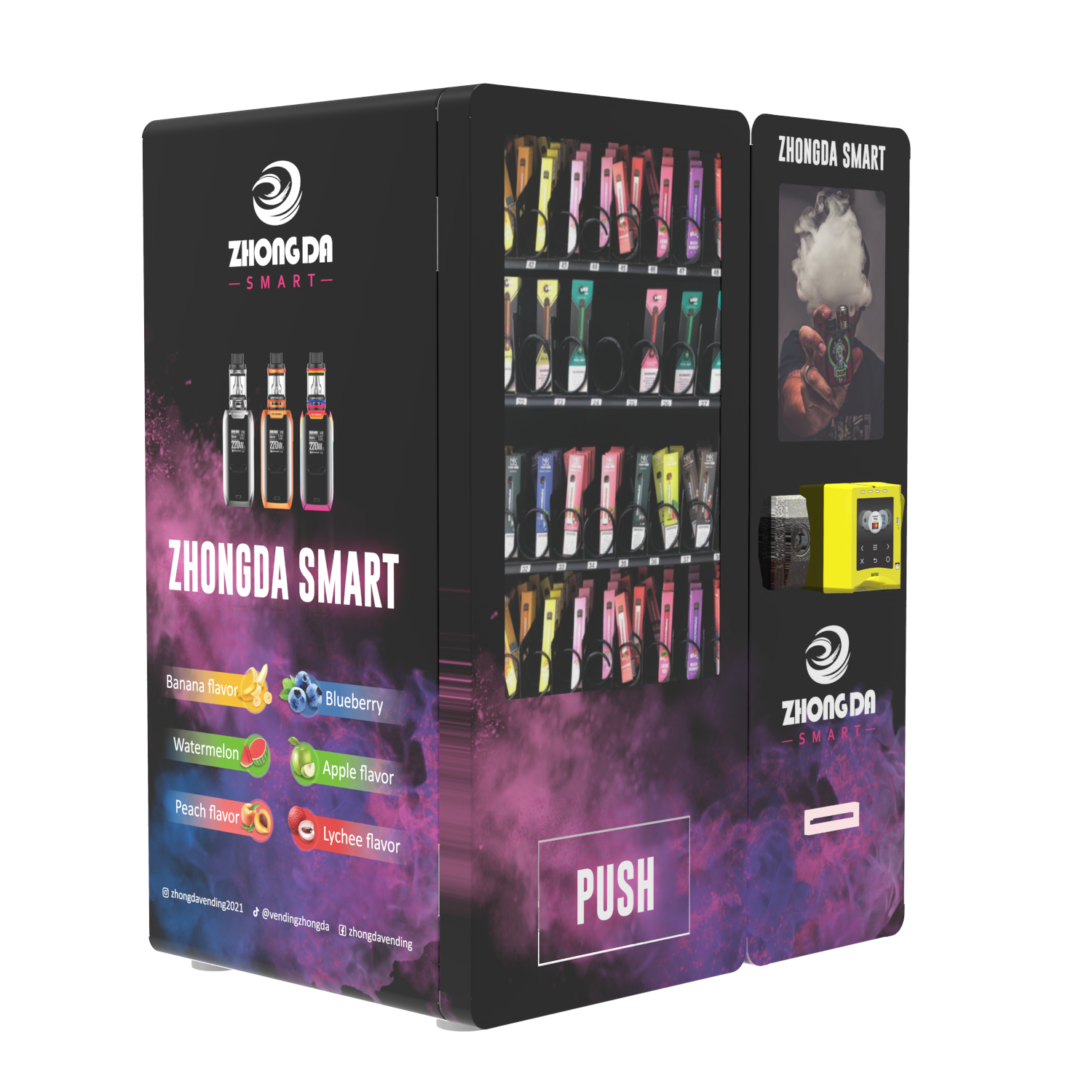
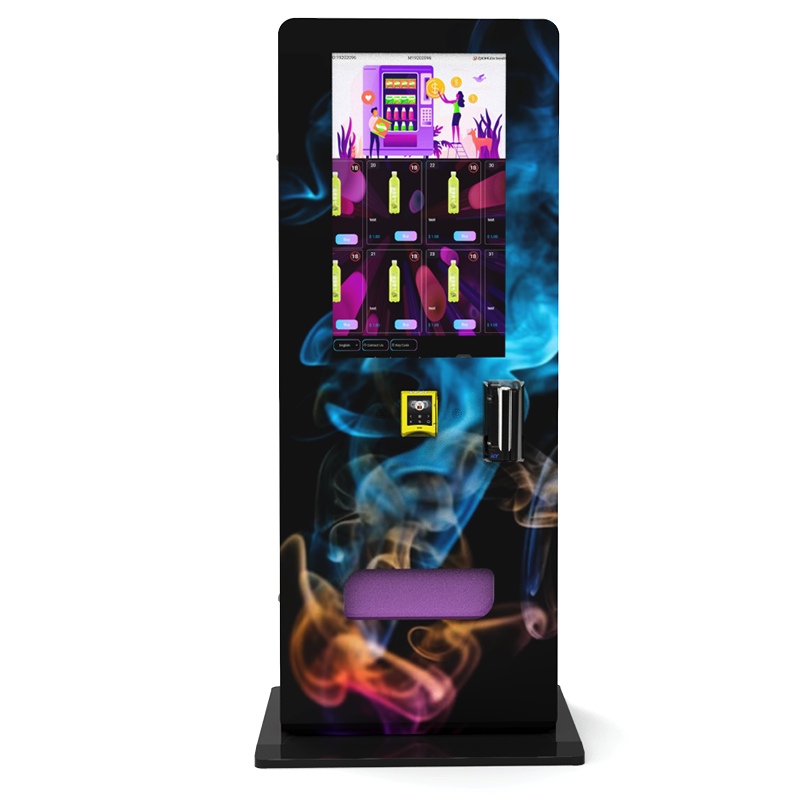
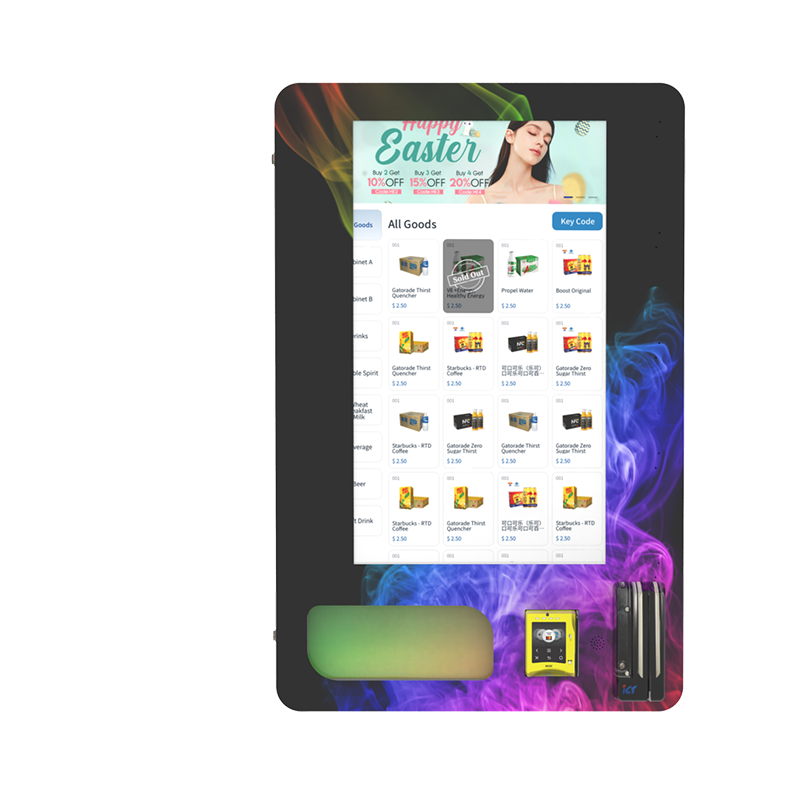
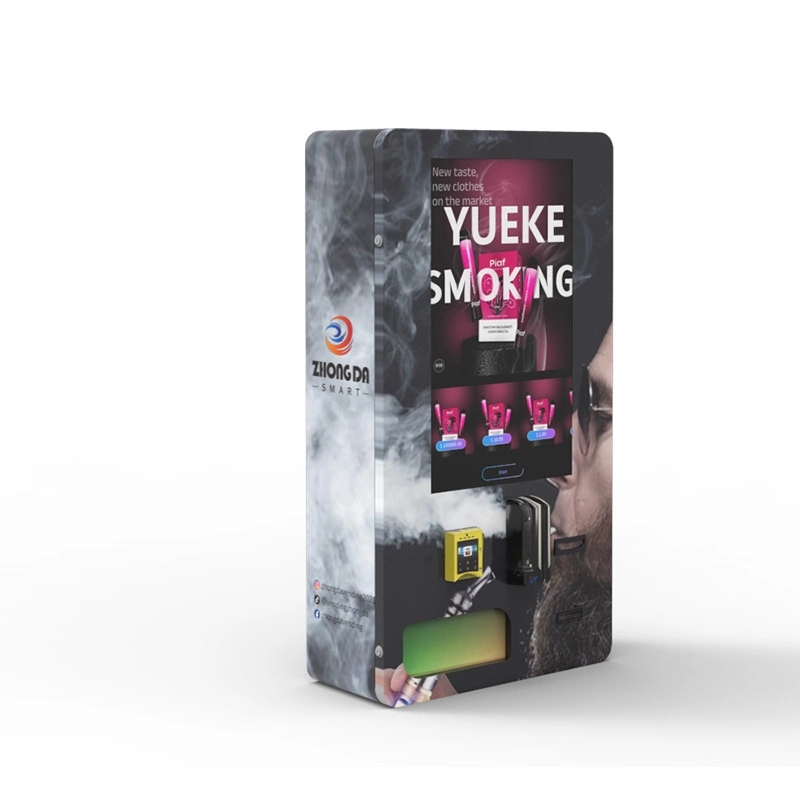
Zhongda Smart's age verification vending machines integrate verification hardware with the machine controller, payment process and remote management functions.
For locations with limited floor space, a wall-mounted vending machine can provide a more compact form factor, provided the proposed location itself satisfies all applicable tobacco vending regulations.
17. What About Tobacco Vending Machine Costs and ROI?
Cost and profitability are important purchasing questions, but they should be separated from regulatory requirements.
The total cost of a tobacco vending operation can include:
Machine hardware
Age-verification hardware
Payment equipment
Software licensing
Connectivity
Business and tobacco licenses
Applicable vending-machine permits
Insurance
Location commissions
Restocking labor
Maintenance
Taxes
There is no reliable nationwide “average payback period” because product margins, tobacco taxes, permitted products, location commissions, transaction volume and local licensing costs differ significantly.
For purchasing decisions, calculate the economics only after confirming that the proposed location and product mix are legal.
18. Federal Rules Are the Baseline, Not the Entire Compliance Program
The safest way to evaluate a tobacco vending project is to work from the top down:
Federal rules → state rules → local rules → facility eligibility → licenses → products → age verification → machine configuration.
Starting with the machine and trying to make the law fit afterward creates unnecessary risk.
Federal law establishes important baseline requirements, but states and local governments can adopt additional or stricter tobacco-control measures.
That makes regulatory research an ongoing operational responsibility rather than a one-time task completed when the machine is purchased.
Final Thoughts
Tobacco vending machine compliance is not determined by one scanner, one certification label or one piece of software.
For U.S. operators, the core federal rules are relatively clear: do not sell tobacco products to anyone under 21, comply with the photo ID requirements for purchasers under 30, and do not operate tobacco vending machines in facilities where individuals under 21 are present or permitted to enter at any time.
From there, operators must determine whether state and local laws impose additional licensing, placement, product, verification, reporting or other requirements.
Age verification technology should support that compliance framework—not substitute for it.
If you are evaluating equipment for an eligible adult-only location, compare the complete verification workflow: how the machine reads identification, what happens when verification fails, how payment and dispensing are controlled, how updates are managed, and how system problems are reported.
That approach produces a more reliable compliance strategy than simply purchasing a machine advertised as “age verified.”
Frequently Asked Questions
Are tobacco vending machines legal in the United States?
Yes, but federal law restricts where they can operate. Tobacco products cannot be sold through vending machines in facilities where individuals under 21 are present or permitted to enter at any time. State and local laws may impose additional restrictions or prohibit certain deployments.
What is the minimum age to buy tobacco from a vending machine?
The federal minimum age for purchasing tobacco products in the United States is 21. Retailers must also comply with any additional state or local requirements.
Do tobacco vending machines require ID verification?
Federal rules require retailers to check photographic identification for tobacco purchasers under age 30. Federal law does not prescribe one universal vending-machine scanner technology, so operators must ensure that their automated workflow satisfies the applicable age and ID-verification requirements.
Can I put a tobacco vending machine in a convenience store?
Not simply because the machine has an ID scanner. Under current federal rules, tobacco vending machines cannot operate in facilities where individuals under 21 are present or permitted to enter at any time. A typical convenience store accessible to minors would therefore present a federal compliance problem for tobacco vending.
Can I put a tobacco vending machine in a bar?
Potentially, but only if the facility satisfies federal requirements and all applicable state and local laws. If people under 21 can enter the facility at any time, the federal vending-machine restriction remains relevant.
Do vape vending machines follow the same age rules?
E-cigarettes, e-liquids and other electronic nicotine delivery systems are covered by federal tobacco retail age restrictions. Operators should not assume that switching from cigarettes to vape products removes the age or vending-location requirements.
Does an ID scanner make a tobacco vending machine compliant?
No. An ID scanner can support age verification, but compliance also depends on facility eligibility, federal requirements, state and local laws, licensing, permitted products and the complete transaction workflow.
Do I need a license to operate a tobacco vending machine?
Licensing requirements vary by state and locality. Depending on the jurisdiction, a tobacco retailer license, vending-machine permit, business license or other authorization may be required. Check the rules for each installation location before deploying the machine.
Does a tobacco vending machine have to store customer ID data?
There is no universal U.S. federal rule requiring every tobacco vending machine to store a fixed amount of customer ID data. Recordkeeping obligations can vary. Operators should determine what records are legally required and avoid collecting unnecessary personal information.
Who is responsible for tobacco vending machine compliance?
The retailer or operator remains responsible for complying with the laws applicable to the sale. Equipment and age-verification technology can support compliance, but they do not transfer the operator's legal responsibilities to the machine manufacturer.