Starting a vape vending machine business in South Africa isn't just about buying a box and plugging it in. Over the last decade running a manufacturing facility that builds smart vending hardware for the European and American markets, I've watched operators burn through capital on the wrong equipment, bad locations, and compliance shortcuts. The reality is that this market demands a specific approach: machines with age verification, reliable payment systems that handle local card networks, and inventory planning that accounts for the country's unique distribution quirks. This guide walks through the exact steps I've seen work—from selecting hardware that won't die in six months to negotiating site commissions that keep your margins healthy. If you're serious about launching a vape vending machine business South Africa operation, the details here come from real deployments, not theory.
nnWhy This Market Makes Sense Right Now
nnThe shift toward self-service retail for nicotine products has been accelerating globally, and South Africa is no exception. Traditional convenience stores and gas stations face staffing shortages and theft issues, making automated retail an attractive alternative. When I started consulting for operators in Europe back in 2012, the early adopters were mostly placing machines in nightlife venues. Today, the demand has expanded to office buildings, apartment complexes, and even gym locker rooms.
nnWhat makes South Africa particularly interesting is the combination of a growing vaping culture and a retail infrastructure that struggles to keep pace with demand. According to a 2023 report by Grand View Research, the global vaping market is projected to grow at a compound annual growth rate of 30.6% through 2030, with Africa representing one of the fastest-growing regions. This isn't a fad—it's a structural shift in how people consume nicotine.
nnThe Regulatory Landscape You Can't Ignore
nnBefore you buy a single machine, understand the legal framework. South Africa's tobacco control laws are strict, and they apply to vending machines just as they do to retail counters. The key requirement is age verification. Every transaction must confirm the buyer is over 18, and that means your machine needs integrated ID scanning or biometric verification. I've seen operators try to bypass this with honor systems, and those machines get shut down within weeks.
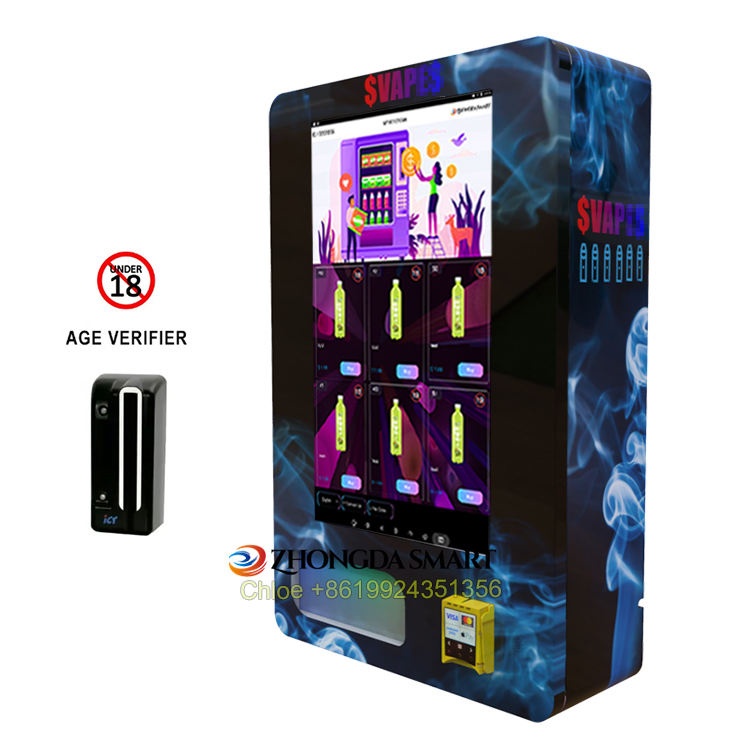
nnFrom a manufacturing perspective, we've engineered our machines with built-in age verification modules that scan driver's licenses and passports. The system cross-references the birth date, checks for expiration, and only releases product if the customer passes. This isn't optional—it's the difference between a compliant operation and a legal nightmare.
nnSelecting the Right Hardware for Your Operation
nnNot all vending machines are built the same. The cheap units you see on Alibaba for a few hundred dollars will fail within months, especially in a market with humidity, power fluctuations, and heavy usage. I've had operators call me after buying those machines, begging for replacement parts that don't exist. Don't make that mistake.
nnWhat you need is a machine designed for high-traffic commercial environments. Look for:
nn- n
- Industrial-grade refrigeration if you're storing nicotine salt liquids or disposable devices that degrade in heat n
- Tamper-proof dispensing mechanisms that prevent product theft n
- Remote monitoring capabilities so you can track inventory and sales from your phone n
- Modular shelving that lets you adjust product configurations without buying new hardware n
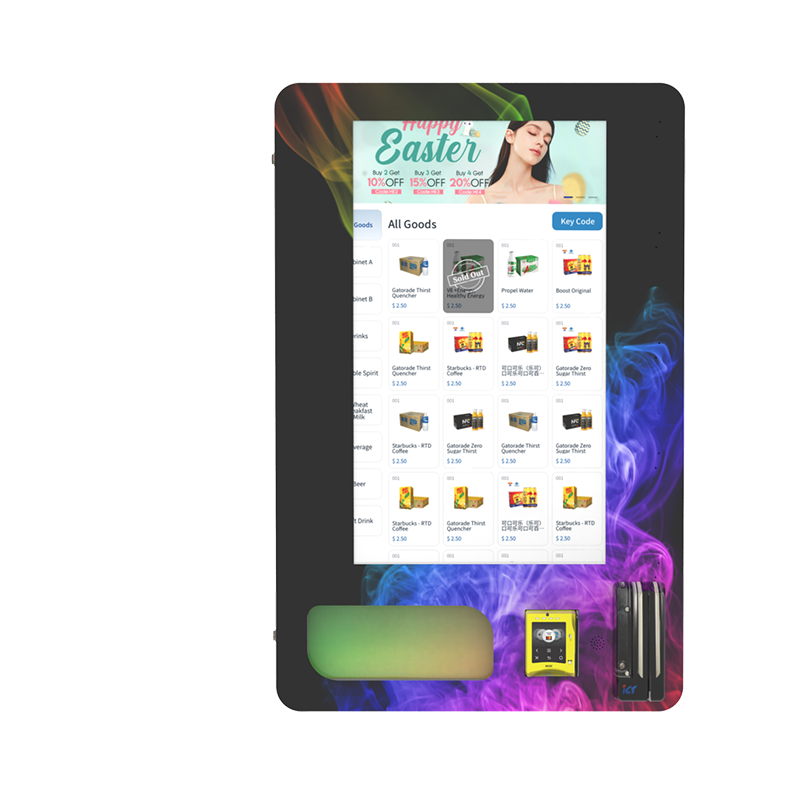
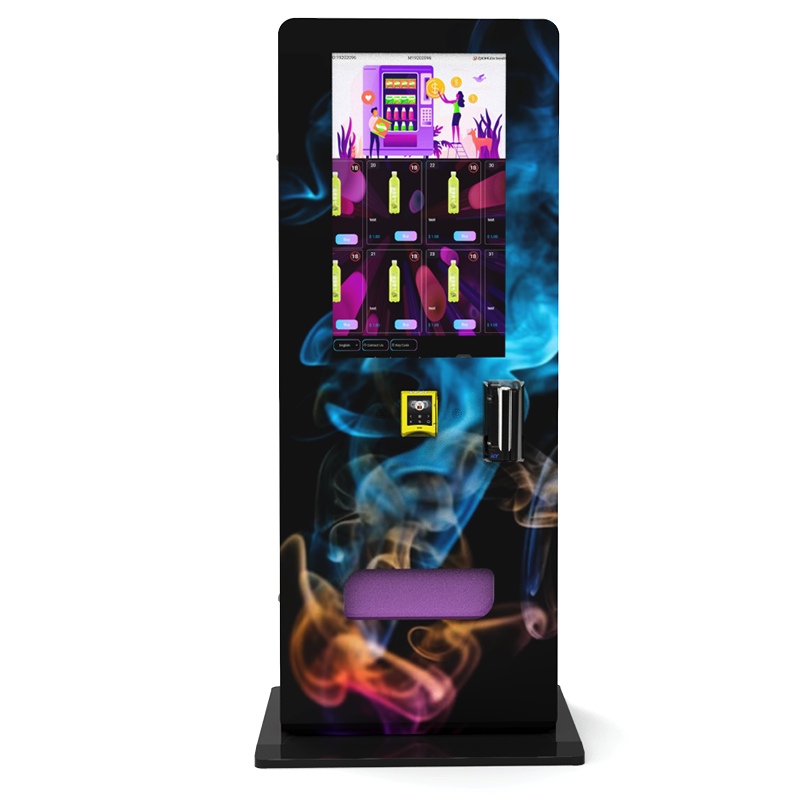
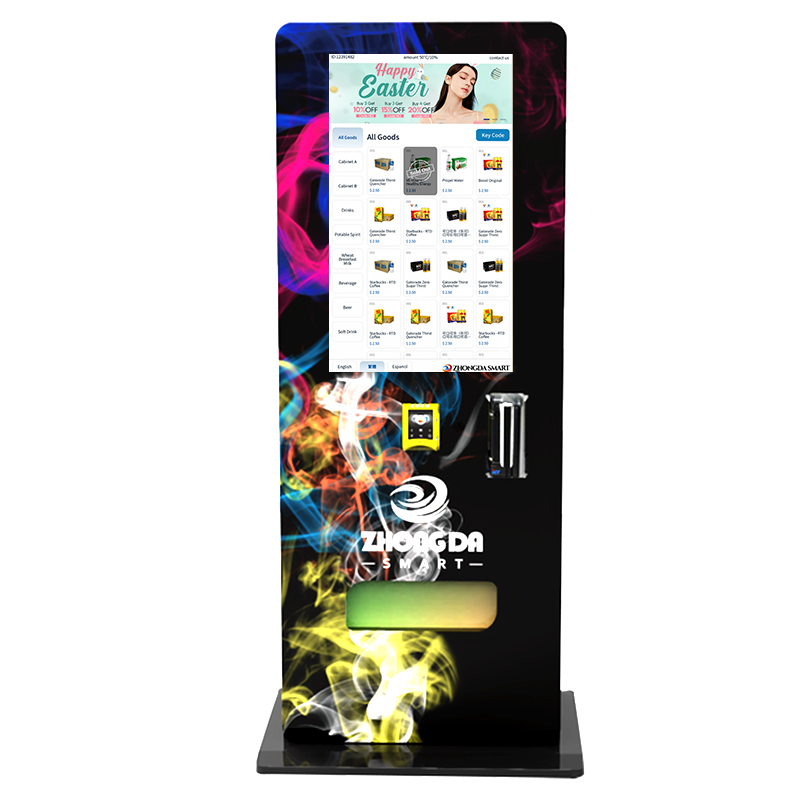
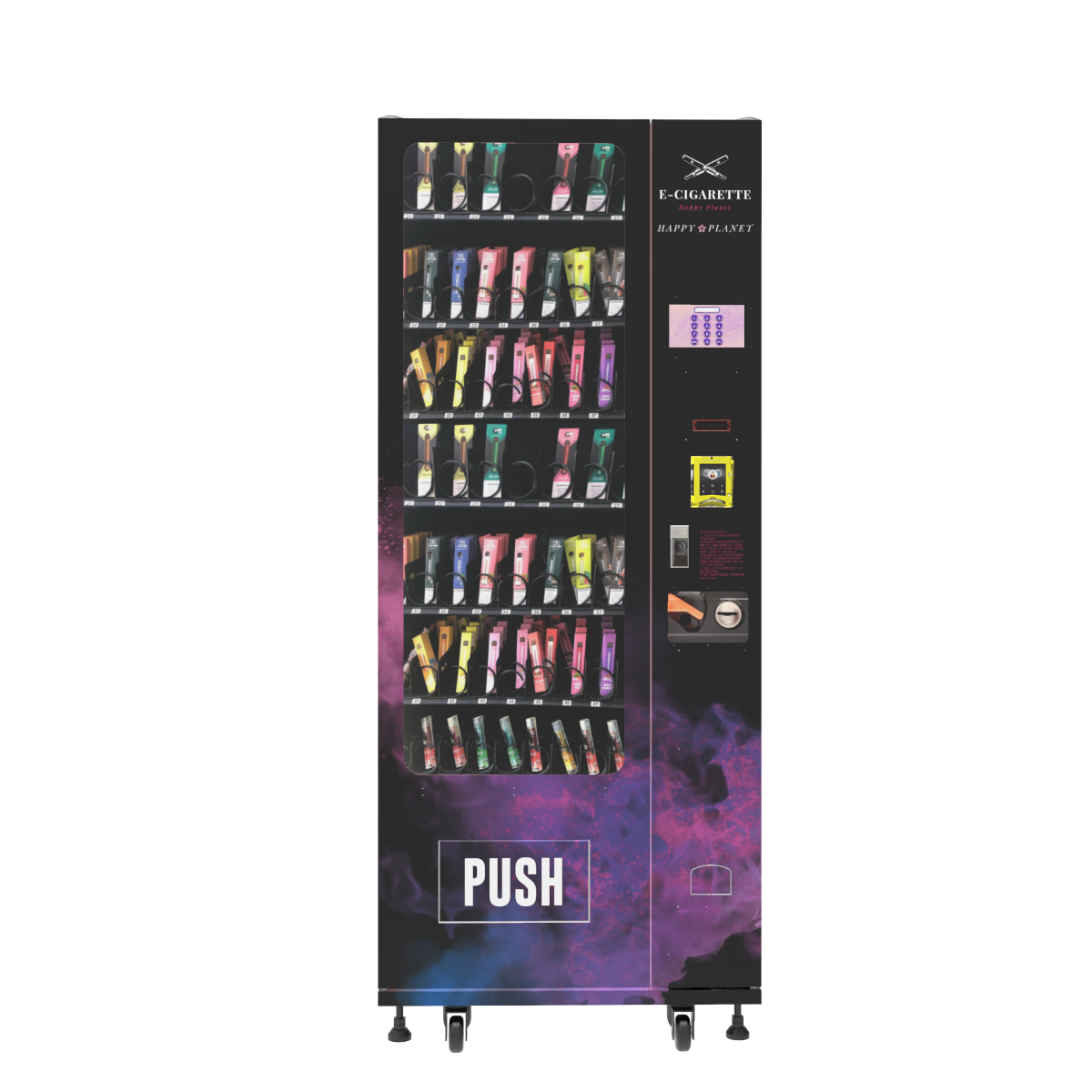
One machine I consistently recommend for new operators is the compliant e-cigarette vending machine from Zhongda Smart. It's built with the age verification hardware already integrated, uses a commercial-grade compressor, and connects to a cloud dashboard that shows real-time sales data. We've deployed hundreds of these across Europe, and the failure rate is under 2% in the first three years.
nnUnderstanding the Cost Breakdown
nnLet's talk numbers. A quality vape vending machine with age verification will run you between $4,000 and $8,000 depending on size and features. Shipping to South Africa adds another $800 to $1,500 depending on port fees and customs. Installation and setup—including payment terminal integration and network configuration—typically costs $500 to $1,000 per machine.
nnThat sounds like a lot until you run the profit projections. A well-placed machine in a busy bar or student area can generate $1,500 to $3,000 in monthly revenue. With product margins averaging 40% to 60% depending on your sourcing, you're looking at a 6- to 12-month payback period. I've seen operators recoup their investment in as little as four months when they nail the location and product mix.
nn| Expense Category | nCost Range (USD) | n
|---|---|
| Machine (with age verification) | n$4,000 – $8,000 | n
| Shipping to South Africa | n$800 – $1,500 | n
| Installation & setup | n$500 – $1,000 | n
| Initial inventory (300 units) | n$2,000 – $4,000 | n
| Payment processing setup | n$200 – $500 | n
| Permits & licensing | n$500 – $2,000 | n
Finding and Securing Prime Locations
nnLocation is everything in this business. I've seen identical machines generate $3,000 a month in one spot and $300 in another, just 500 meters away. The difference comes down to foot traffic, demographic fit, and the venue's existing relationship with vape products.
nnYour best locations are:
nn- n
- Bars and nightclubs where patrons are already consuming nicotine and alcohol n
- Student housing complexes near universities with high vaping rates n
- Convenience stores that don't want to staff a dedicated tobacco counter n
- Office building lobbies in business districts with younger workforces n
- Gym locker rooms where people vape before or after workouts n
Negotiating Site Commissions
nnProperty owners will ask for a cut of your revenue. Don't agree to anything above 20% in the first year. I've seen operators sign deals at 30% or 40% because they were desperate for a location, and those contracts made profitability impossible. Standard terms are 10% to 15% of gross sales, with a minimum guarantee of $100 to $200 per month. If the location performs well, you can renegotiate upward after the first year.
nnOne trick I use: offer the property owner a free machine placement in exchange for a 12-month exclusivity clause. That locks them into working with you and prevents competitors from moving in next door. It's a fair trade—they get a service without upfront cost, and you get market protection.
nnInventory Management and Product Selection
nnYour product mix determines your profit margins. The mistake most new operators make is stocking only premium devices with high price points. Those products have lower turnover and tie up your capital. What you need is a balanced inventory:
nn- n
- Disposable vapes (40% of slots) – high turnover, lower margin but steady volume n
- Pod systems and refillable devices (30% of slots) – higher margin, repeat customers n
- E-liquids and nicotine salts (20% of slots) – consumable, drives return visits n
- Accessories like coils and batteries (10% of slots) – low volume but high margin n
I recommend starting with 20 to 30 SKUs and tracking sales data for the first 90 days. The remote monitoring system on a smart vending machine with ID scan will show you exactly which products sell and which sit on the shelf. Adjust your inventory every two weeks based on that data. Don't guess—let the numbers tell you what to stock.
nnWorking With Distributors vs. Direct Sourcing
nnIn South Africa, you have two options for product sourcing. Working with local distributors gives you faster restock times and lower shipping costs, but your margins will be 10% to 15% thinner. Direct sourcing from manufacturers in China or the United States gives you better margins but requires you to hold more inventory and deal with longer lead times.
nnMy advice: start with local distributors for the first six months while you learn the market. Once you understand which products sell consistently, negotiate direct relationships with those brands. You'll have more negotiating power when you can show sales data proving demand.
nnPayment Systems and Cash Handling
nnSouth Africa is still a cash-heavy economy, but card payments are growing fast. Your machine needs to accept both. The most reliable setup I've seen uses a dual-payment system with a cash validator and a card reader that supports Visa, Mastercard, and local networks like Zapper and SnapScan.
nnOne issue I've encountered: some payment terminals lose connectivity in areas with poor cellular reception. If your machine is in a basement bar or a concrete building, install a signal booster or use a wired internet connection. A machine that can't process payments is just an expensive piece of furniture.
nnRemote Monitoring and Maintenance
nnThis is where most operators drop the ball. They install the machine, stock it, and then forget about it until a customer complains. By then, you've lost sales and damaged your reputation with the location owner.
nnEvery machine you deploy should connect to a cloud-based management system. At our factory, we build all our units with 4G modems and a dashboard that shows:
nn- n
- Real-time inventory levels for each slot n
- Sales data broken down by product and time of day n
- Temperature and humidity readings inside the machine n
- Error codes and maintenance alerts n
I check my operators' dashboards every morning. If a machine goes offline or a product sells out, I know within minutes. You can't manage what you can't measure, and remote monitoring is the difference between a professional operation and a hobby.
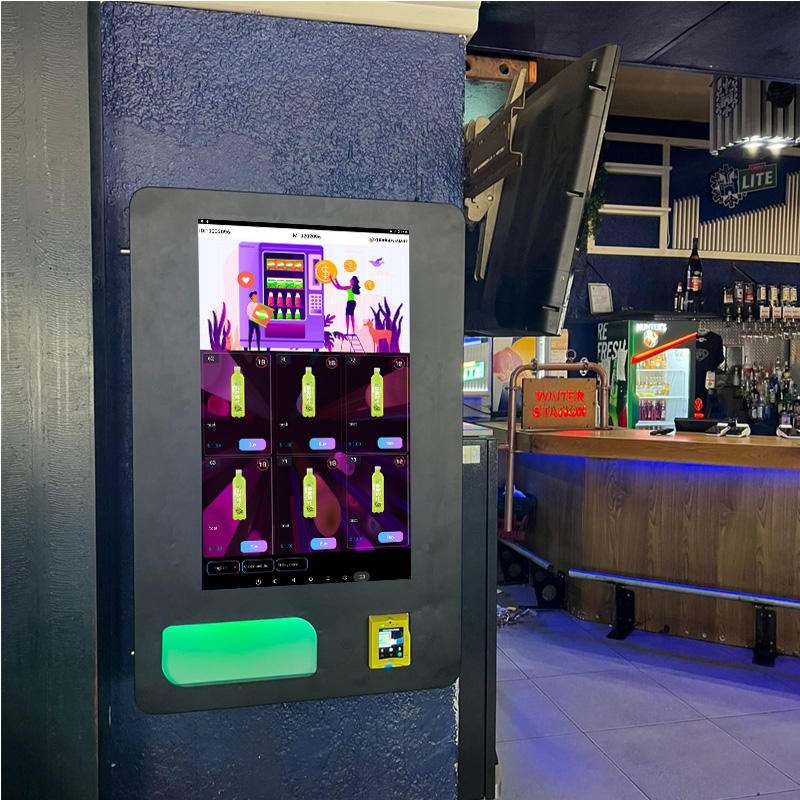
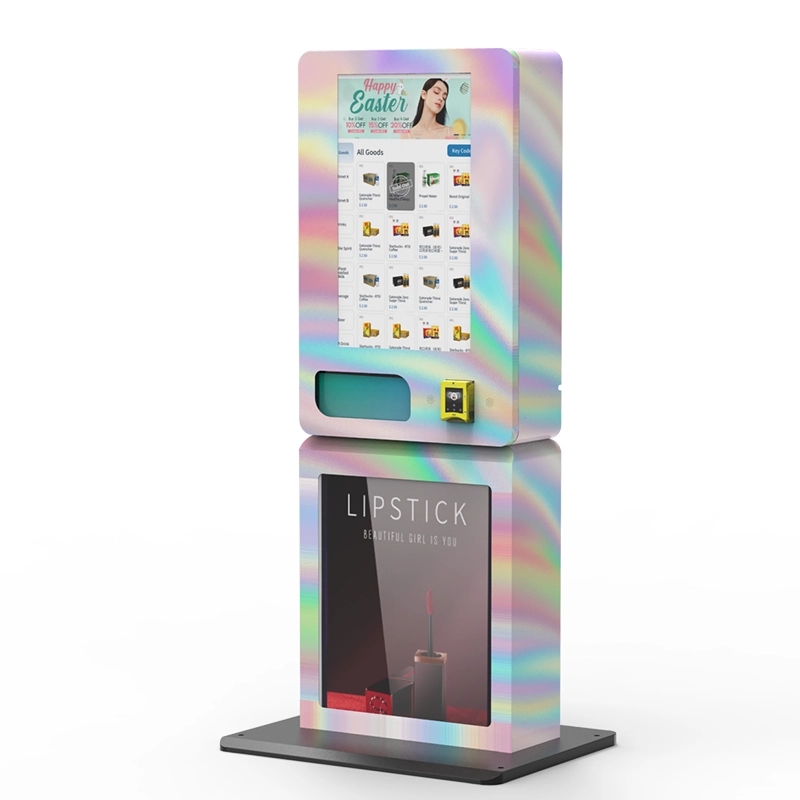
nnFor operators looking for a reliable hardware partner, I recommend exploring the wall-mounted compact e-cigarette vending machine options. These units save floor space and are easier to install in tight locations like bar corners or small retail alcoves.
nnReal-World Challenges and How to Handle Them
nnLet me be honest: this business isn't passive income. I've dealt with machines that got vandalized, products that expired on the shelf, and payment terminals that stopped working on a Friday night. The operators who succeed are the ones who plan for these problems before they happen.
nnOne common issue is product theft through the dispensing mechanism. Some customers try to trick the machine by pulling on the product tray while it's rotating. We solved this on our machines by adding a motorized locking mechanism that only releases the product once the payment is confirmed and the tray is in the correct position. If you're buying from a manufacturer, ask about anti-theft features specifically.
nnAnother challenge is inventory spoilage. Nicotine salts and e-liquids degrade in heat, and South Africa's summers can push temperatures well above 35°C. If your machine isn't refrigerated, you'll end up throwing away stock. The extra cost for a refrigerated unit pays for itself in reduced waste within the first year.
nnWhen Things Go Wrong: A Real Example
nnI worked with an operator in Johannesburg who placed a machine in a popular nightclub. The first month was great—$2,800 in sales. Then the club's management changed, and the new team decided they wanted a cut of 35%. The operator refused, and the machine was unplugged and stored in a back room for three months before he could retrieve it.
nnThe lesson: always have a written contract that specifies commission rates, termination terms, and machine retrieval rights. Verbal agreements don't hold up when management changes. I now include a clause in every placement agreement that gives the operator 72 hours to remove the machine if the terms change.
n
Scaling Your Operation Beyond One Machine
nnOnce you've proven the model with a single unit, scaling is about systems, not just buying more machines. You need a restocking schedule that minimizes downtime, a maintenance plan that covers multiple locations, and a financial model that accounts for the cash flow lag between restocking and sales.
nnI recommend adding one machine per month for the first six months. That gives you time to refine your processes without overextending your capital. After six months, if your average machine is generating at least $1,200 in monthly sales, you can accelerate to two or three machines per month.
nnAt scale, your biggest expense becomes labor for restocking and maintenance. A single technician can service 15 to 20 machines per week if they're clustered in the same geographic area. Plan your locations in batches to minimize travel time.
Financing Options for New Operators
nnNot everyone has $10,000 sitting in the bank to launch this business. If you're bootstrapping, consider leasing your machines instead of buying them outright. Some manufacturers, including Zhongda Smart, offer lease-to-own programs that let you pay over 12 to 24 months. The monthly payment is typically $200 to $400 per machine, which is manageable if your machine is generating $1,500 in sales.
nnAnother option is equipment financing through a bank or credit union. The interest rates are higher than a traditional business loan, but you can get approved with a credit score above 650 and a solid business plan. I've seen operators use this route to deploy 10 machines in their first year.
nnTechnology Trends Shaping the Industry
nnThe vape vending machine space is evolving fast. The biggest shift I'm seeing is the integration of biometric age verification. Instead of scanning an ID, the customer places their finger on a sensor that estimates their age based on skin conductivity and bone density. It sounds like science fiction, but we've been testing this technology in our European deployments for the past 18 months. The accuracy rate is above 99%, and it eliminates the privacy concerns some customers have with ID scanning.
nnAnother trend is dynamic pricing. With a connected machine, you can adjust prices based on demand, time of day, or inventory levels. If a product is about to expire, you can drop the price by 20% and move it before it goes bad. If a new disposable device is trending on social media, you can raise the price and capture the premium. This level of control wasn't possible with traditional vending machines.
nnFor operators who want to stay ahead of these trends, I suggest looking at the age verification vending machine models that support future upgrades. The hardware should be modular so you can swap out the verification module when new technology becomes available, rather than buying a whole new machine.
nnCommon Mistakes I See New Operators Make
nnAfter watching hundreds of operators launch in this space, the failures follow predictable patterns. Here are the ones I see most often:
nn- n
- Buying the cheapest machine available. That $1,500 unit from an unknown manufacturer will break within months, and replacement parts don't exist. You'll lose more in downtime and lost sales than you saved on the purchase. n
- Ignoring age verification requirements. I've seen operators fined $10,000 for selling to minors through unverified machines. The fine alone wipes out months of profit. n
- Overstocking slow-moving products. New operators buy a wide variety of products to test the market, but they buy too much of each. Start with small quantities and reorder based on sales data. n
- Neglecting maintenance. A machine that breaks down once loses customer trust. If it breaks down twice, the location owner will ask you to remove it. n
- Signing bad location contracts. High commission rates and no exclusivity clauses kill your margins before you even start. n
What Success Looks Like After 12 Months
nnI worked with an operator in Cape Town who started with one machine in a student housing complex. After 12 months, he had six machines generating a combined $12,000 in monthly revenue. His costs—including restocking, maintenance, and location commissions—ran about $4,500 per month. That left him with a monthly profit of $7,500, or $90,000 annually, from a business he runs part-time.
nnHis secret? He spent the first three months obsessing over product selection and location performance. He swapped out slow sellers within two weeks, negotiated better commission rates by showing sales data, and upgraded to a refrigerated machine when he noticed his e-liquids were degrading in the summer heat. He treated the business like a science experiment, not a set-it-and-forget-it investment.
nnFinal Thoughts on Building a Sustainable Operation
nnThe vape vending machine business in South Africa has real potential, but it rewards operators who do the homework upfront. The hardware you choose, the locations you secure, and the systems you put in place for inventory management and maintenance will determine whether you're profitable in six months or scrambling to sell your machines at a loss.
nnIf I had to give one piece of advice to someone just starting: invest in the best machine you can afford, with age verification built in, and spend the time to understand your local market before scaling. The operators who succeed aren't the ones with the most capital—they're the ones who pay attention to the details.
nnFor more technical specifications and to see the full range of compliant hardware options, visit the vape vending machines product page. The team there can walk you through the specific models that work best for your budget and location type.
nnFrequently Asked Questions
nnHow much does it cost to start a vape vending machine business in South Africa?
nTotal startup costs for a single machine range from $7,000 to $12,000 including the machine, shipping, installation, initial inventory, and permits. Most operators recoup this investment within 6 to 12 months.
nDo vape vending machines need age verification in South Africa?
nYes. South African tobacco control laws require age verification for all nicotine product sales. Machines must have integrated ID scanning or biometric verification to confirm the buyer is over 18.
nWhat are the best locations for a vape vending machine?
nBars, nightclubs, student housing complexes, convenience stores, office building lobbies, and gyms consistently generate the highest sales. Focus on locations with high foot traffic and a demographic that matches vaping trends.
nHow much profit can I make from one vape vending machine?
nA well-placed machine generates $1,500 to $3,000 in monthly revenue. After product costs, location commissions, and maintenance expenses, net profit typically ranges from $800 to $2,000 per month per machine.
nCan I buy a vape vending machine from a local supplier in South Africa?
nLocal suppliers exist but often mark up prices significantly. Many operators import directly from manufacturers like Zhongda Smart, which offers competitive pricing and built-in age verification hardware.
nSources:
n- n
- Grand View Research. (2023). Vaping Market Size, Share & Trends Analysis Report. https://www.grandviewresearch.com/industry-analysis/vaping-market n
- Statista. (2023). E-cigarette market value worldwide from 2016 to 2028. https://www.statista.com/statistics/1095178/global-e-cigarette-market-value/ n