Why South Africa Is the Next Frontier for Vape Vending
South Africa has a unique retail DNA. It’s a market where cash still moves, but card and mobile payments are growing fast. The vaping industry there is not yet saturated with self-service kiosks, which means early movers have a real advantage. I’ve seen this pattern repeat in three different markets now. When I first deployed smart vending machines in the UK, the early adopters were pulling three to four times the volume of latecomers within the same geographic area. The same dynamic is playing out in South Africa right now.
The regulatory environment is also more pragmatic than what we see in parts of Europe or Australia. South Africa has age restrictions on nicotine products, but the enforcement framework allows for automated age verification vending machines to operate legally—provided the hardware is compliant. That’s a big deal. In some US states, the compliance burden is so high that it kills the unit economics. South Africa’s approach is balanced enough to let a vape vending machine franchise South Africa investment opportunity actually work without drowning you in legal costs.
Market Size and Consumer Behavior
According to a report from Statista, the e-cigarette market in South Africa is projected to grow at an annual rate of roughly 8% through 2027. That’s not explosive, but it’s steady. The real story is in the shift from cigarettes to vaping. South Africa has one of the highest smoking rates in Africa, and the transition to vaping is accelerating. When you combine that with a young, tech-savvy population that is comfortable using self-service kiosks, you have the foundation for a solid unattended retail play.
I’ve seen vape vending machines placed in high-footfall locations like shopping centers, nightlife districts, and university areas in Cape Town and Johannesburg. The numbers from those early deployments suggest that a well-placed machine can move between 40 and 80 units per week, depending on the location and product mix. That’s consistent with what we saw in similar urban environments in the US during the early adoption phase.
How the Equipment Works and What to Look For
Not all vending machines are built the same. If you’re coming from the traditional snack or soda vending world, you’ll notice that vape machines are a different animal. They need precise temperature control, secure locking mechanisms, and—most importantly—integrated age verification. I’ve been manufacturing these units for 15 years, and I can tell you that the cheap machines you see on Alibaba will cost you more in the long run than investing in a proper unit upfront.
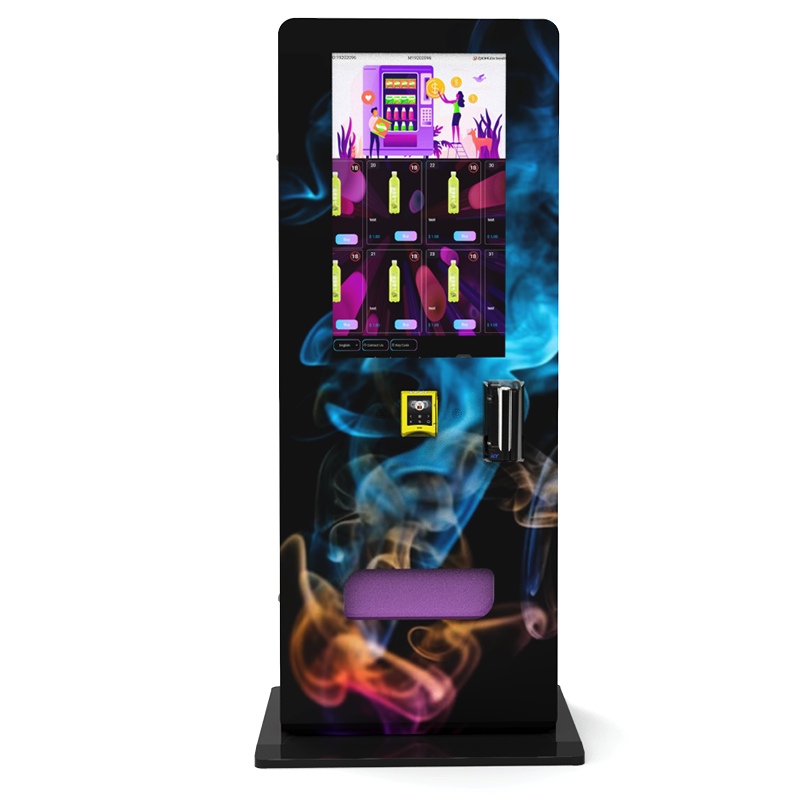
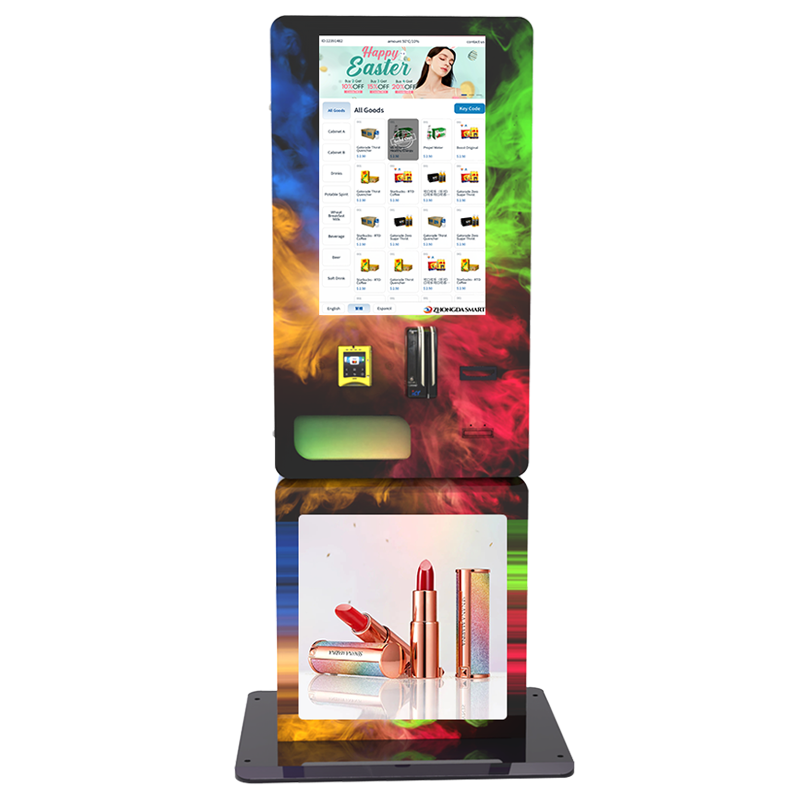
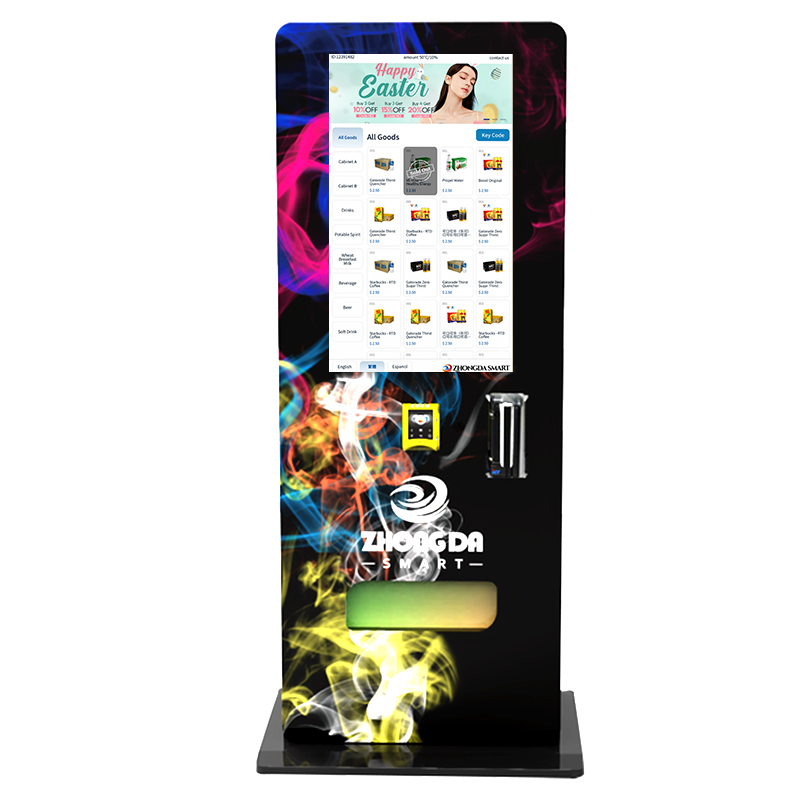
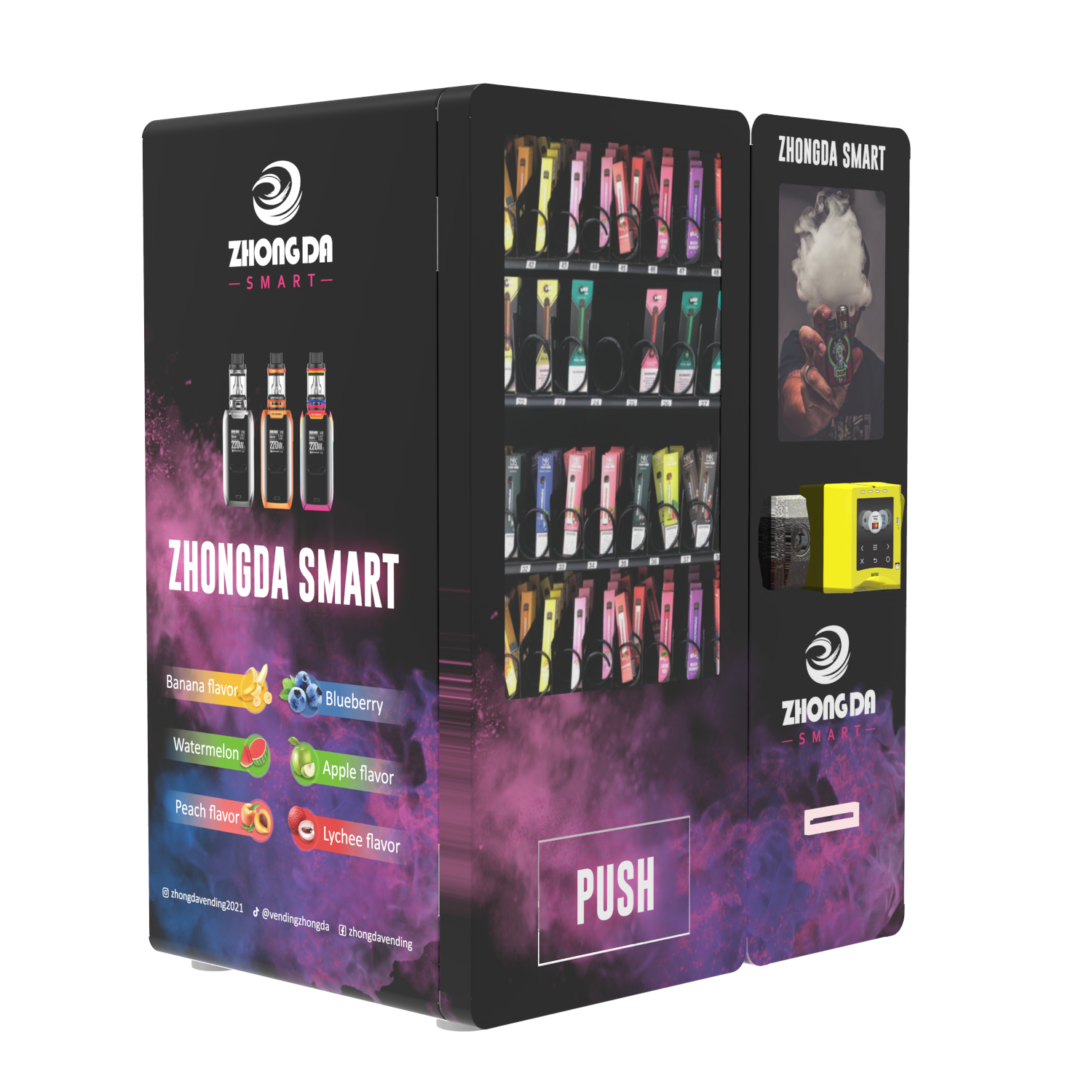
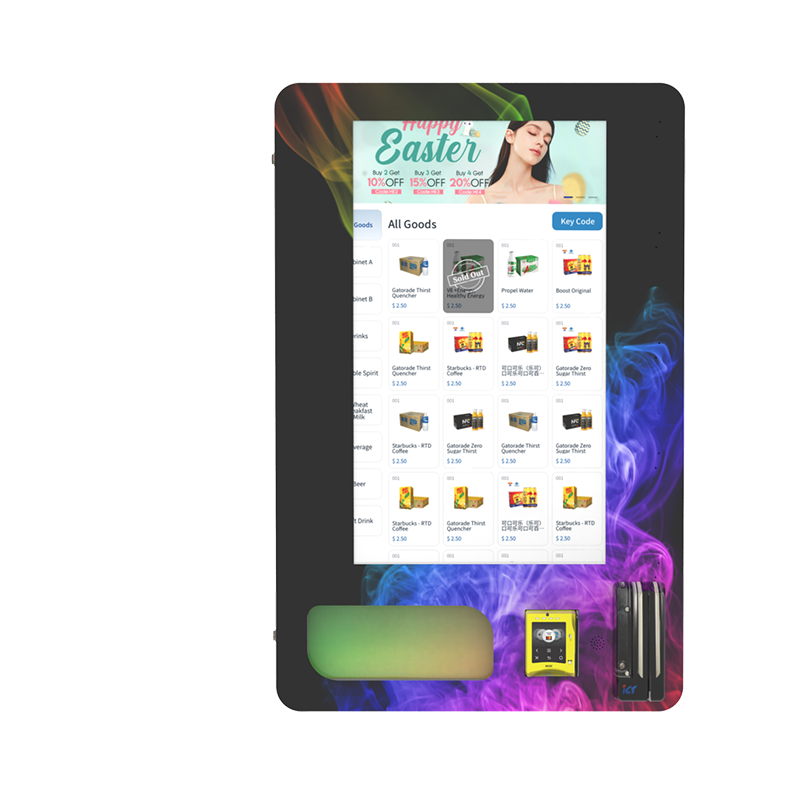
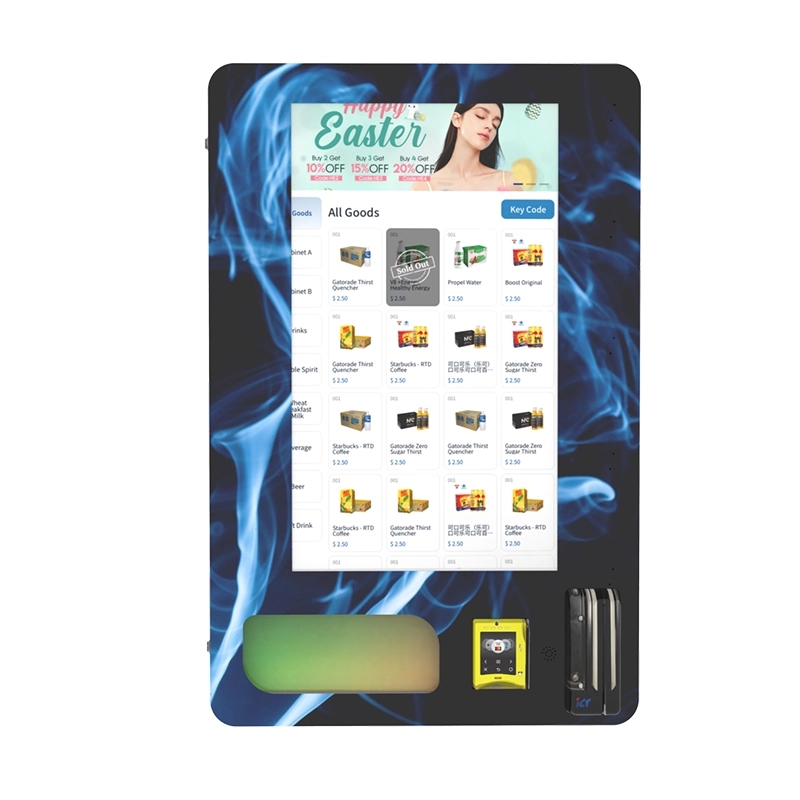
The core components of a modern e-cigarette vending machine include a touchscreen interface, a card reader, an ID scanner, and an inventory management system. The best machines also come with remote monitoring so you can see stock levels, sales data, and machine health from your phone. I’ve seen operators lose thousands of dollars because they bought machines without remote monitoring and didn’t realize a machine was down for two weeks.
Age Verification Is Non-Negotiable
If you’re serious about a vape vending machine franchise South Africa investment opportunity, you need to understand that age verification is the backbone of compliance. In South Africa, the legal age to purchase nicotine products is 18. Machines that don’t verify age are a liability. I’ve worked with operators who tried to skirt this requirement, and it always ends badly—either with fines, machine confiscation, or reputational damage.
The reliable machines use a combination of ID scanning and facial recognition to confirm the buyer’s age. We’ve built machines that scan a driver’s license or passport, cross-reference it with the buyer’s face, and complete the transaction in under 15 seconds. For more on how this technology works, you can check out the ID scan vending machine page on our site. It covers the specific hardware and software integration that makes this possible.
Cost Structure and Profit Margins
Let’s talk numbers. A compliant, commercial-grade vape vending machine will cost you between $4,000 and $8,000 USD depending on the configuration. That includes the machine, the age verification system, and the payment terminal. Shipping to South Africa adds another $500 to $1,000 depending on port and logistics. Installation and setup are usually straightforward if you have basic electrical skills, but I always recommend having a local technician do the first install.
Here’s a rough breakdown of the unit economics I’ve seen work across multiple markets:
- Machine cost: $5,500 (mid-range unit with ID scanning and remote monitoring)
- Shipping and customs: $800
- Installation and permits: $500
- Initial inventory: $1,200 (mix of disposables, pods, and mods)
- Monthly location fee: $150 to $400 (negotiated with the venue)
- Average transaction value: $12
- Gross margin per sale: 35% to 45%
If you’re placing 50 units per week, that’s $600 in weekly revenue per machine. After COGS and location fees, you’re looking at a gross profit of roughly $180 to $220 per machine per week. That means a single machine can pay for itself in 6 to 8 months if the location is right. I’ve seen some operators hit a 4-month payback period in high-traffic nightlife areas.
Comparing Different Machine Configurations
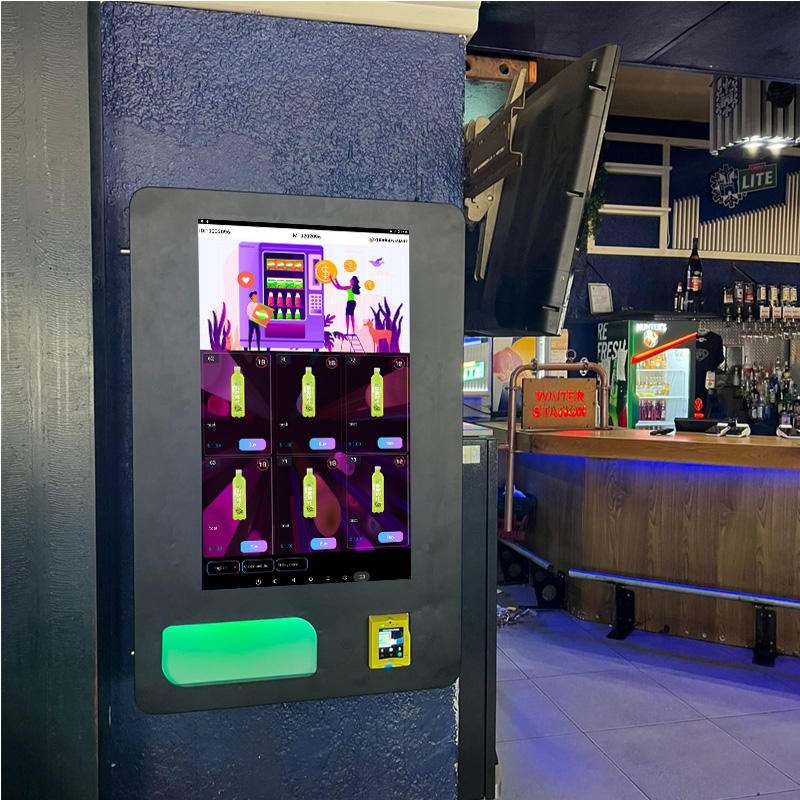
Not every location needs the same machine. A small bar might only need a wall-mounted unit, while a large shopping center can support a high-capacity floor model. Here’s a quick comparison based on what we’ve seen work:
| Machine Type | Capacity | Best Location | Price Range |
|---|---|---|---|
| Wall-mounted compact | 50–80 units | Bars, small shops | $3,500–$5,000 |
| Mid-size floor model | 100–150 units | Convenience stores, hotels | $5,000–$7,000 |
| High-capacity kiosk | 200–300 units | Shopping centers, airports | $7,000–$10,000 |
I’ve found that the wall-mounted units are the best entry point for a vape vending machine franchise South Africa investment opportunity because they have a lower upfront cost and can be placed in smaller venues that don’t have floor space. You can see the specifications for our wall-mounted compact model on the product page.
Real-World Deployment Experience
I’m going to share a specific case from my own experience. A few years ago, we deployed 12 machines across a chain of nightclubs in Berlin. The first six months were rough. We learned that the machines needed to be restocked more frequently than we anticipated because the popular disposables sold out in two days. We also learned that the location staff needed to be trained on basic troubleshooting—things like clearing a jammed card reader or resetting the system after a power outage.
After we adjusted the restocking schedule and added a simple training sheet for the bar staff, the numbers turned around. By month eight, each machine was doing an average of 65 transactions per week. The gross margin on those machines was 42%, and the location fee was 15% of gross revenue. That’s a healthy split for both sides.
The biggest lesson from that deployment was the importance of product selection. You can’t just throw any vape product into the machine and hope it sells. You need to track which SKUs move and which ones sit. The remote monitoring system we built into our machines allows operators to see real-time sales data and adjust their inventory accordingly. If you’re not using a machine with this capability, you’re flying blind.
Common Mistakes New Operators Make
I’ve seen the same mistakes over and over. New operators buy the cheapest machine they can find, put it in a location without proper foot traffic analysis, and then wonder why it’s not making money. Here are the three biggest pitfalls I’ve observed:
- Ignoring location quality: A machine in a low-traffic area will never perform well, no matter how good the hardware is. Spend time analyzing foot traffic patterns before signing a location agreement.
- Underestimating maintenance: Vape machines need regular cleaning, software updates, and occasional part replacements. Budget for at least one service visit per month per machine.
- Skipping compliance checks: Make sure your machine meets local regulations. I’ve seen operators lose their entire investment because they didn’t verify that their age verification system was accepted by local authorities.
For a deeper look at how to avoid these issues, the service page on our site covers the maintenance protocols we recommend for long-term reliability.
Profit Models and Scaling Strategy
There are three main ways to structure a vape vending machine business. The first is direct ownership, where you buy the machines, find the locations, and handle all operations. This gives you the highest profit per machine but also the most work. The second is a revenue-sharing model, where you partner with a venue that provides the space and you split the revenue. This reduces your risk but also your upside. The third is a franchise model, where you license the brand and operational system to other operators.
For someone starting out, I recommend the direct ownership model with a small cluster of 3 to 5 machines. This gives you enough data to understand the market without overextending. Once you’ve proven the concept, you can scale to 20 or 30 machines and start considering a franchise structure. That’s exactly what we did when we expanded into the European market, and it worked well.
The numbers for scaling look like this: if you have 10 machines, each doing $600 in weekly revenue, that’s $6,000 per week in top-line revenue. At a 40% gross margin, that’s $2,400 per week in gross profit. After location fees, maintenance, and restocking labor, you’re looking at a net profit of roughly $1,500 per week. That’s $78,000 per year from a 10-machine operation. Scale that to 50 machines, and you’re looking at nearly $400,000 in annual net profit. The math works if you execute well.
Long-Term Operational Considerations
The machines themselves are built to last 5 to 7 years with proper maintenance. The biggest variable is the payment system. Card readers and ID scanners are the components that fail most often. I always recommend buying machines with modular components so you can replace a faulty reader without sending the whole machine back to the factory. Our machines are designed with this in mind, and you can see the build quality on the product listing for the compliant e-cigarette vending machine.
Another long-term consideration is software updates. Age verification algorithms and payment security protocols change over time. If your machine doesn’t support over-the-air updates, you’ll eventually have a fleet of obsolete hardware. This is one of those details that separates a good investment from a bad one.
Risk Factors and How to Mitigate Them
No investment is risk-free, and I’m not going to pretend otherwise. The biggest risks in this business are regulatory changes, theft, and location turnover. Regulatory risk is the hardest to predict, but you can mitigate it by staying informed and working with a manufacturer that has experience in multiple regulatory environments. Theft is usually a non-issue with modern machines because they’re built with reinforced steel and tamper-proof locks. Location turnover is something you can manage by maintaining good relationships with venue owners and having a pipeline of backup locations.
I’ve also seen operators struggle with cash flow in the first three months. The initial investment in inventory and location fees adds up quickly. Make sure you have at least three months of operating expenses set aside before you deploy your first machine. This gives you time to fine-tune your product mix and location strategy without financial pressure.
Why Zhongda Smart Machines Work for This Market
I’ve been manufacturing these machines for 15 years, and I’ve seen what works and what doesn’t. Our machines are built with industrial-grade components, remote monitoring, and modular age verification systems. They’re designed for markets like South Africa where reliability and compliance are critical. If you’re evaluating a vape vending machine franchise South Africa investment opportunity, I’d recommend looking at the specifications on our product pages to see how they compare to other options on the market.
We’ve also built a network of service partners in key regions, which makes maintenance and support easier for operators who aren’t based in major cities. The about us page has more details on our manufacturing background and the markets we serve.
Frequently Asked Questions
What is the upfront cost for a vape vending machine in South Africa?
Do I need a special license to operate vape vending machines in South Africa?
How long does it take to break even on a vape vending machine?
What products sell best in vape vending machines?
Can I operate the business remotely?
Final Takeaway
The vape vending machine franchise South Africa investment opportunity is real, but it’s not a passive income scheme. It requires upfront capital, location research, and ongoing operational attention. The markets that work best are the ones where the operator treats it like a business from day one—tracking metrics, optimizing inventory, and building relationships with venue owners. If you’re willing to put in the work, the returns are solid and the scalability is impressive. I’ve been doing this for 15 years, and I still believe unattended retail is the most underrated channel in the consumer goods space.
If you want to explore the equipment options further, the vape vending machines page on our site has detailed specs and pricing for the models we recommend for international markets.
Sources:
- Statista – E-cigarette market growth projections for South Africa: Statista South Africa E-Cigarette Market
- IBISWorld – Vending machine industry trends and operational benchmarks: IBISWorld Vending Machine Operators