If you’re serious about launching a self-service retail channel for nicotine products, this guide walks you through exactly what it takes to install and operate a vape vending machine in South Africa in 2026. I’ve spent over a decade deploying these units across the US and Europe, and my factory has manufactured thousands of smart vending machines for global markets. The South African landscape presents unique opportunities—and equally unique regulatory hurdles. This isn’t theory. This is what works, what breaks, and what actually makes money.
nnWhy South Africa Is a Real Opportunity in 2026
nnSouth Africa’s vaping market has been growing steadily, with a significant uptick in adult smokers switching to reduced-risk products. According to a 2025 report by the Vapour Product Association of South Africa (VPASA), the country now has over 2.5 million regular vapers. That’s a substantial consumer base, but traditional retail penetration remains patchy outside major metro areas. A self-service kiosk fills that gap perfectly—especially in venues where foot traffic is high but shelf space for vape products is limited.
nnWhat makes 2026 different is the regulatory clarity. The South African government has moved toward a licensing framework for automated nicotine sales, similar to what we saw in parts of Europe around 2018. This means you can operate legally if you comply with age verification and product registration requirements. The window is open, but it won’t stay open forever.
nnRegulatory Compliance: The Make-or-Break Factor
nnEvery operator I’ve worked with who failed in this market did so because they underestimated compliance. Let me be blunt: if you install a machine without proper age verification, you will get shut down. South Africa’s Tobacco Products and Electronic Delivery Systems Control Bill, which came into full effect in early 2025, mandates that all automated sales of nicotine products must include a real-time ID verification system.
nnWhat the Law Actually Requires
nnYou need a machine that scans a government-issued ID and cross-references the date of birth against a database. The machine must also log every transaction and retain that data for at least three years. This isn’t optional. We’ve seen operators in Gauteng and the Western Cape hit with fines upwards of R500,000 for non-compliance.
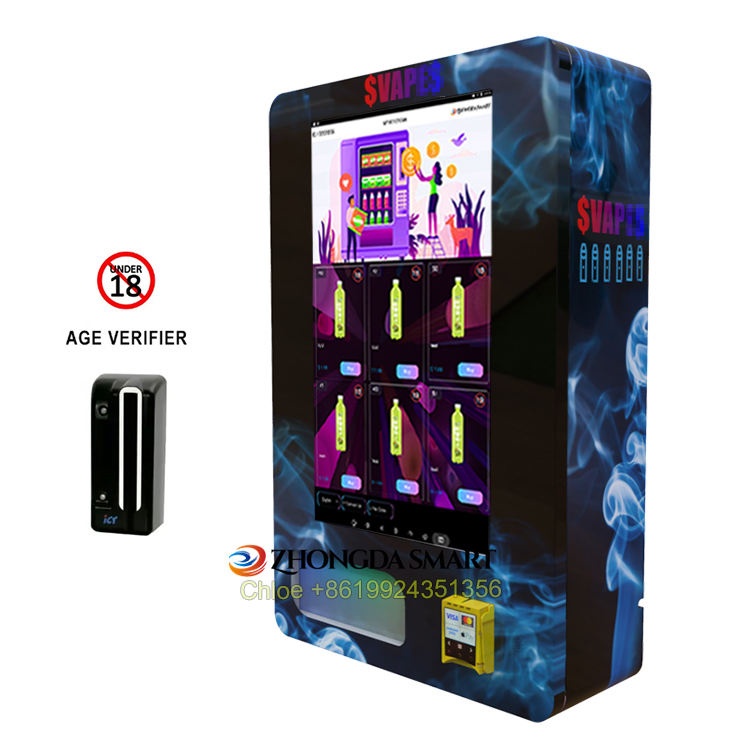
nnFrom a technical standpoint, this means your vape vending machine needs to be equipped with an ID scanner that reads both barcodes and MRZ lines. The software must be updated annually to reflect changes in the legal age (currently 18, but there’s talk of raising it to 21). I recommend using a machine that supports remote firmware updates, so you don’t have to physically visit each unit when regulations change.
nnChoosing the Right Equipment for South African Conditions
nnNot all vending machines are built the same. I’ve seen operators import cheap units from overseas only to have them fail within six months because the electronics couldn’t handle humidity or the card reader didn’t support local payment networks. You need a machine designed for real-world conditions—dust, heat, and inconsistent power.
nnKey Specifications to Look For
nnHere’s what I tell every buyer who contacts my factory:
nn- n
- Temperature tolerance: The machine must operate reliably between 5°C and 45°C. Many standard machines are rated for 10–35°C, which isn’t enough for a Durban summer. n
- Payment flexibility: You need support for all major South African debit and credit cards, plus mobile payment options like SnapScan and Zapper. Cash acceptance is still relevant in lower-income areas, but card-only machines work fine in upscale venues. n
- Inventory capacity: A typical unit should hold between 150 and 300 units, depending on product size. For high-traffic locations like bars and clubs, you want at least 200 slots. n
- Age verification integration: The scanner must be fast. If it takes more than 10 seconds to verify an ID, customers walk away. Our machines use a high-speed scanner that processes IDs in under 4 seconds. n
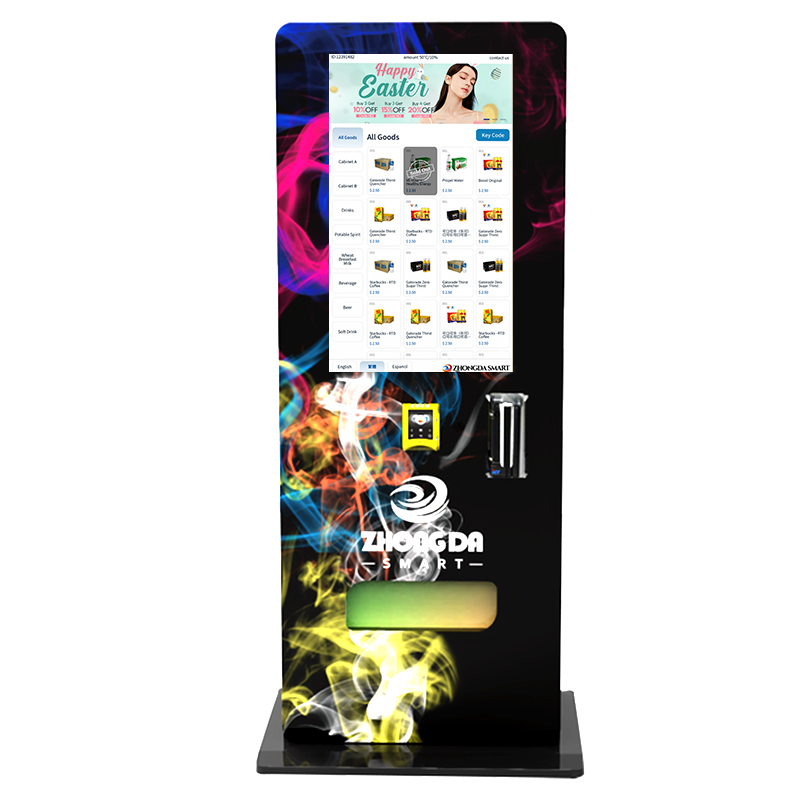
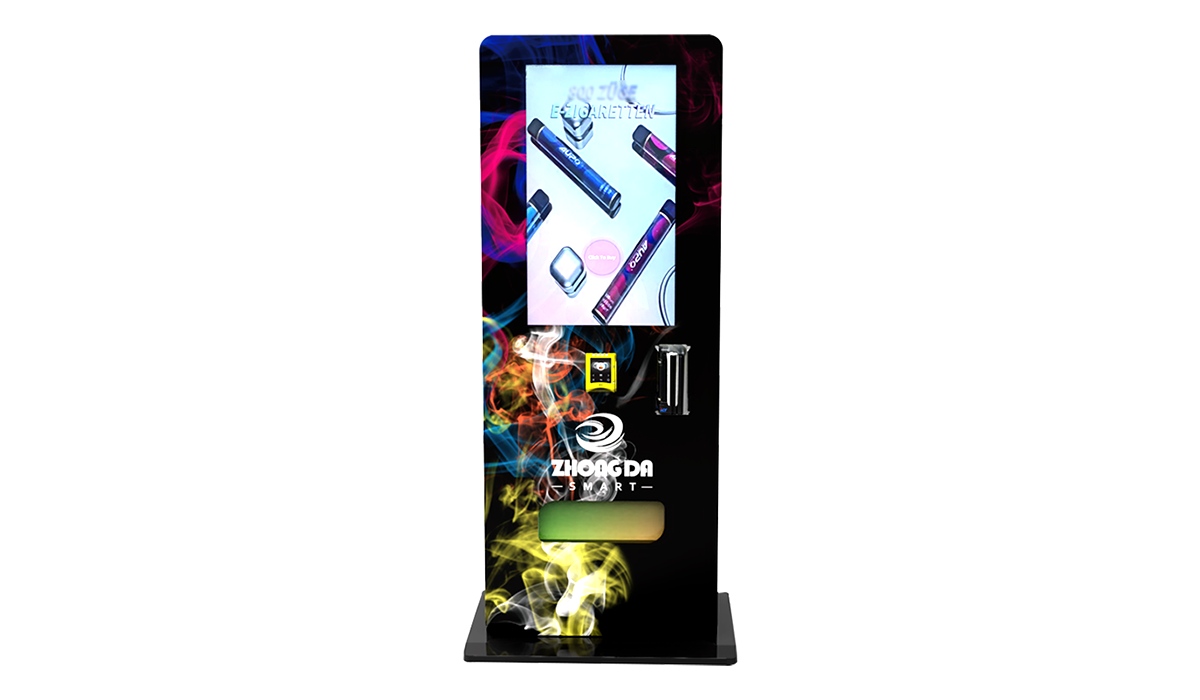
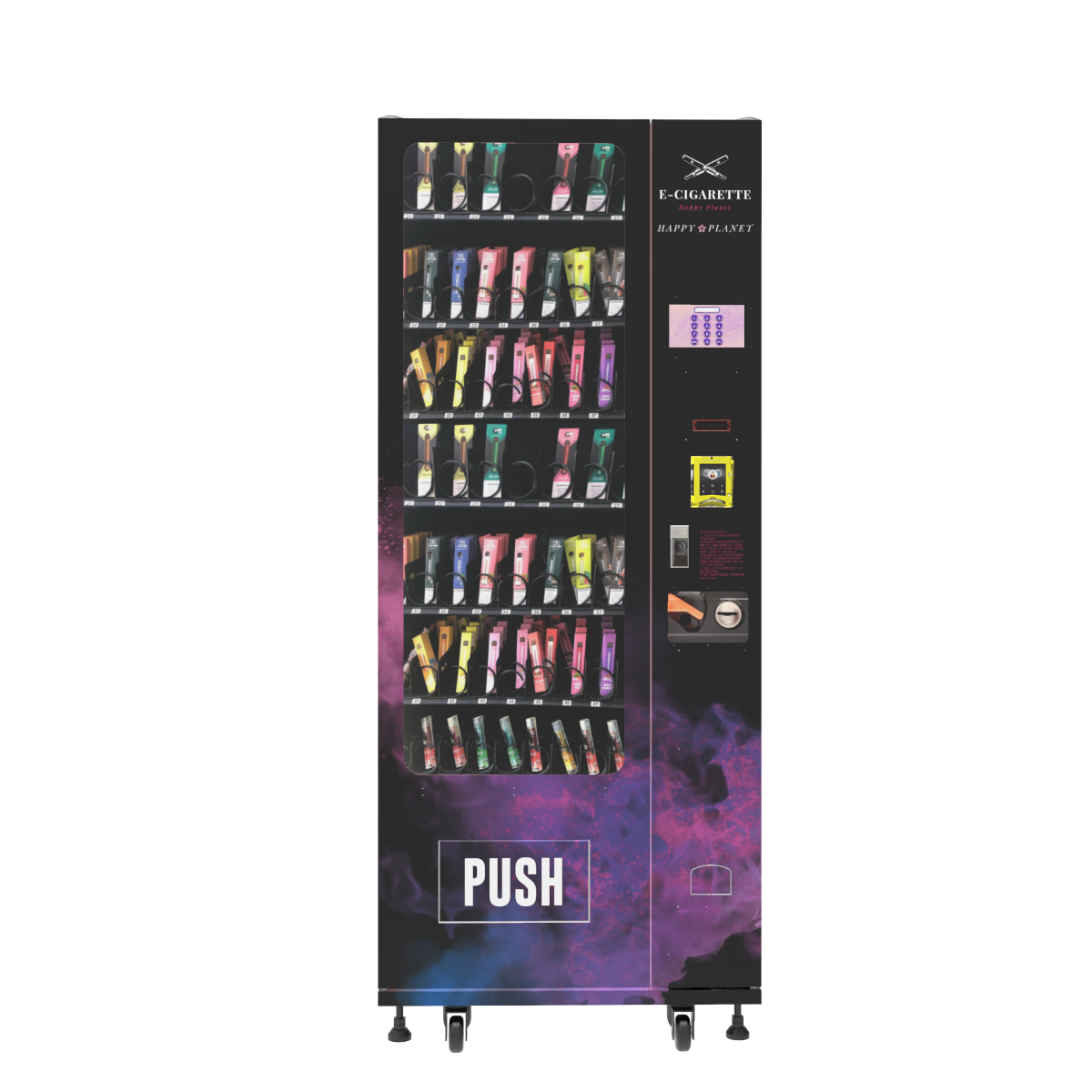
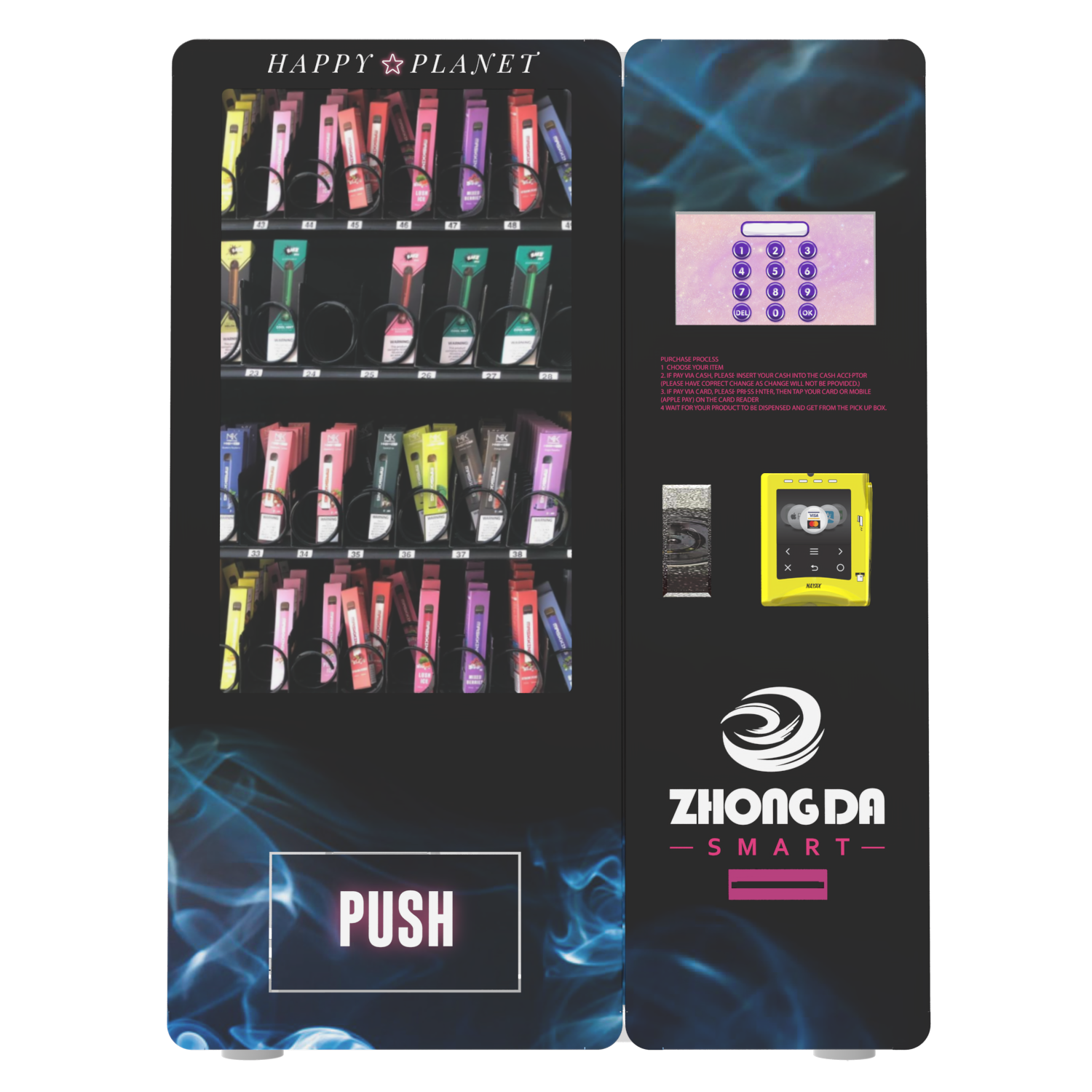
For a detailed look at a unit that meets these specs, check out the age verification vending machine we manufacture. It’s built specifically for markets with strict compliance requirements.
nnCost Structure and Budget Planning
nnLet’s talk money. I’m going to give you real numbers based on what our clients in the US and Europe have reported, adjusted for the South African market.
nnUpfront Investment
nnA compliant smart vending machine with age verification typically costs between R65,000 and R120,000, depending on features. That’s for a new unit. Refurbished machines are available for around R35,000 to R50,000, but you take on more risk with older electronics and outdated software.
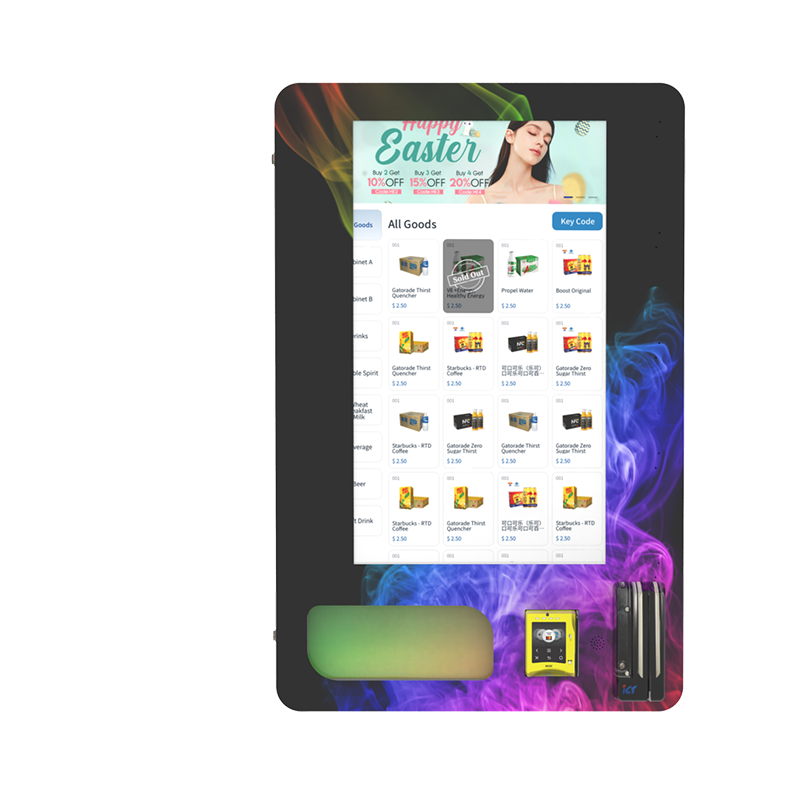
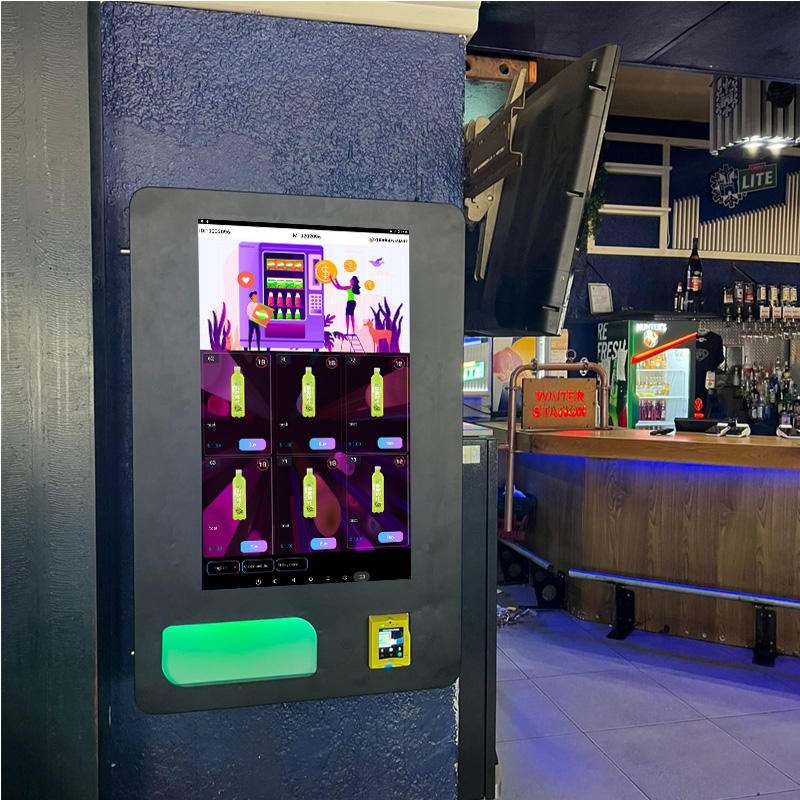
nnInstallation costs vary. You’ll need a licensed electrician to run a dedicated circuit (about R3,500 to R6,000), and you may need to reinforce the floor or wall if the unit is heavy. Our wall-mounted models eliminate the floor reinforcement issue entirely—see the wall-mounted e-cigarette vending machine for an example.
nnRecurring Costs
nnMonthly expenses include:
nn- n
- Data connectivity: R400–R800 per month for a 4G or 5G SIM card with a static IP. Some operators use Wi-Fi, but I don’t recommend it for security reasons. n
- Inventory restocking: Factor in R5,000–R15,000 per month per machine, depending on sales volume. You’ll need to restock every 7–14 days in high-traffic locations. n
- Maintenance: Budget R1,500–R3,000 per month for routine cleaning, software updates, and hardware repairs. After the first year, this number creeps up as components wear out. n
- Licensing fees: Annual permits from the provincial health department run around R2,000–R5,000 per machine. n
Profit Model: What You Can Realistically Expect
nnI’ve seen too many blog posts promise ridiculous margins. Let me give you the real picture. A well-placed vape vending machine in a busy bar or nightclub can generate R8,000 to R18,000 in monthly profit after all expenses. That’s a payback period of 6 to 12 months on the hardware, assuming you don’t overpay for the unit.
nnThe key variable is location. A machine in a quiet strip mall might do R3,000 a month. One in a popular student bar near UCT or Wits can do R20,000. I’ve personally seen a unit in a Cape Town nightclub that did R28,000 in a single weekend during the summer holidays. Those are outliers, but they’re real.
nnProduct Mix Matters
n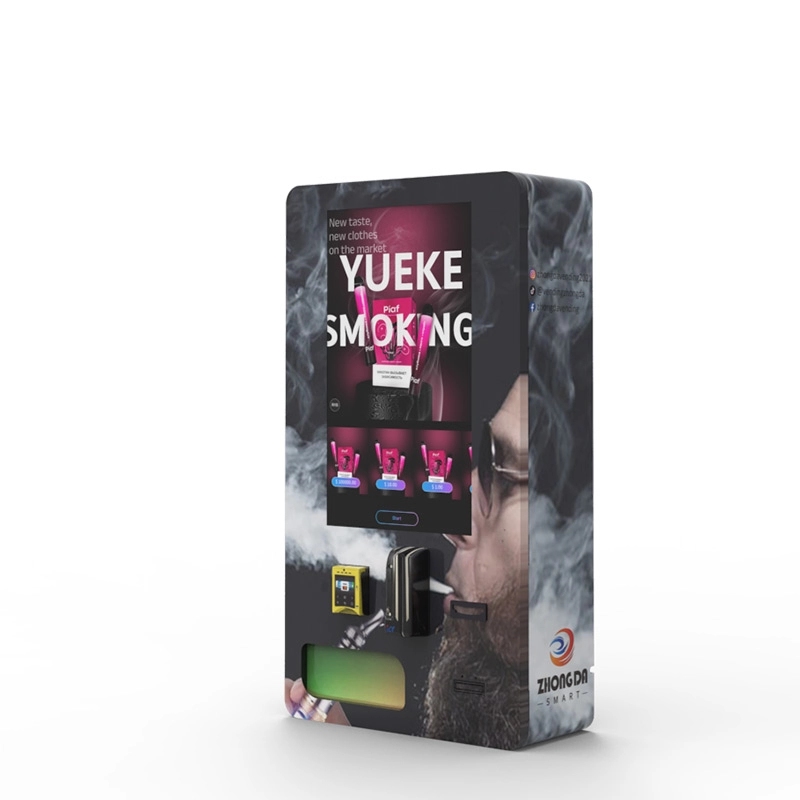
Don’t just stock the cheapest disposables. You need a mix of high-margin consumables and popular brands. Disposable vapes with nicotine salt e-liquid have margins of 40–60%. Pod systems and refillable kits have lower margins (20–30%) but drive repeat purchases. Our clients typically allocate 60% of slots to disposables, 25% to pods, and 15% to accessories like coils and batteries.
nnLocation Strategy: Where to Deploy
nnLocation is everything. I’ve seen operators fail because they put a machine in a location with great foot traffic but the wrong demographic. Here’s what I’ve learned from hundreds of deployments.
nnHigh-Performance Venues
nnBars and clubs consistently perform best. The average customer is already in a purchasing mood, and they often run out of their vape or want to try something new. Hotels are also strong, especially in tourist areas where guests may not have brought enough product. We’ve deployed units in hotel lobbies in Johannesburg and Cape Town with excellent results—see our hotel and airport vape solution for more on that use case.
nnVenues to Avoid
nnGyms and health clubs are almost always a bad fit. The demographics don’t align, and management often objects to nicotine sales on principle. Similarly, family-oriented shopping centers are risky because of the age restriction issue—even with ID scanning, you attract unwanted scrutiny from parents and mall management.
nnInstallation: Step-by-Step from Someone Who’s Done It
nnI’ve supervised hundreds of installations. Here’s the process we follow, and it works in South Africa as well as it does in the US or Europe.
nnStep 1: Site Survey
nnVisit the location during operating hours. Measure the space. Check for nearby power outlets. Note the lighting—if the machine is in a dark corner, customers won’t see it. We use a checklist that includes foot traffic counts, average dwell time, and proximity to exits.
nnStep 2: Power and Connectivity
nn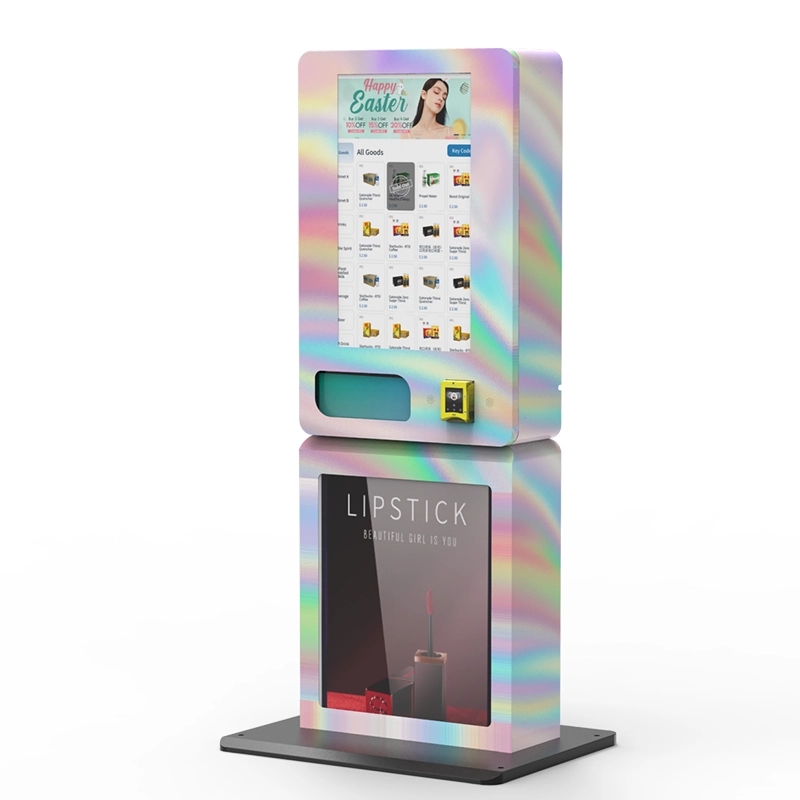
Most machines require a 220V outlet on a dedicated circuit. Don’t share a circuit with a fridge or sound system—we’ve seen voltage drops cause the touchscreen to glitch. For connectivity, use a 4G router with a static IP. Some venues have free Wi-Fi, but relying on it is a mistake. When the Wi-Fi goes down, your machine stops processing payments.
nnStep 3: Physical Installation
nnLevel the machine. If it’s a floor model, bolt it down. Theft is a real concern—we’ve had two machines ripped from their mounts in the US. In South Africa, we recommend concrete anchors for floor units and heavy-duty wall brackets for wall-mounted models. The wall-mounted compact e-cigarette vending machine is a good choice for venues with limited floor space.
nnStep 4: Software Configuration
nnSet up the age verification system. Configure the payment gateway. Load your initial inventory. Test every slot with a real purchase. Don’t skip this step—I’ve seen machines go live with a misconfigured card reader that declined every transaction.
nnStep 5: Staff Training
nnTrain the venue staff on basic troubleshooting. Show them how to clear a jam, how to reboot the system, and who to call for support. If the staff doesn’t know how to fix a simple issue, they’ll just unplug the machine and you’ll lose a weekend of sales.
nnOperational Pitfalls I’ve Seen Firsthand
nnLet me share a few failures so you don’t repeat them.
nnFailure 1: The Overstocked Machine
nnA client in Pretoria loaded his machine with 250 units of a single brand. When that brand released a new flavor the following month, his inventory became obsolete. He lost R12,000. Lesson: stock a variety, and rotate inventory based on sales data.
nnFailure 2: The Payment Gateway Nightmare
nnAnother operator in Durban used a payment processor that didn’t support 3D Secure. Half his transactions were declined, and customers assumed the machine was broken. He lost three weeks of revenue before switching processors. Always test the payment flow with multiple card types before going live.
nnFailure 3: Ignoring Maintenance
nnA machine in a Johannesburg club stopped scanning IDs after six months. The operator hadn’t cleaned the scanner lens once. A 30-second wipe with a microfiber cloth would have fixed it, but instead he lost a month of sales while waiting for a technician. Include cleaning in your weekly restocking routine.
nnLong-Term Operations and Scaling
nnOnce you have one machine running profitably, scaling is straightforward. Focus on replicating what works. Don’t try to cover every suburb at once. Build a route that allows you to restock multiple machines in a single day.
nnData-Driven Restocking
nnUse the telemetry data from your machines to predict demand. If a machine sells 30 units of a specific disposable every Friday, make sure you stock 40 on Thursday. Our factory’s software platform provides real-time inventory tracking and sales analytics—this is a feature you should prioritize when choosing a manufacturer.
nnExpanding Your Network
nnStart with five machines in high-traffic venues. Once those are stable, add five more. Don’t scale faster than your ability to restock and maintain. I’ve seen operators with 20 machines collapse because they couldn’t keep up with maintenance.
nnComparison: Smart Vending Machine vs. Traditional Kiosk
nnI often get asked whether a self-service kiosk is better than a staffed kiosk. Here’s a direct comparison based on our clients’ experience.
nn| Factor | nSmart Vending Machine | nStaffed Kiosk | n
|---|---|---|
| Labor cost | nZero ongoing labor | nR8,000–R15,000 per month per employee | n
| Operating hours | n24/7 | nLimited to staffed hours | n
| Age verification | nAutomated, auditable | nRelies on staff judgment | n
| Initial investment | nR65,000–R120,000 | nR30,000–R50,000 (plus ongoing labor) | n
| Scalability | nHigh—add machines without hiring | nLow—each kiosk needs a person | n
For most operators, the smart vending machine wins on total cost of ownership after 12 months. The exception is extremely high-traffic locations where a staff member can upsell and cross-sell. But for pure distribution of vape products, automated is the way to go.
nnRisk Management and Insurance
nnYou need insurance. Theft, vandalism, and product liability are real risks. A standard business insurance policy in South Africa runs about R3,000–R6,000 per year per machine. Make sure your policy covers the value of the inventory inside the machine, not just the hardware.
nnAlso, have a written agreement with the venue owner. Specify who is responsible for what—power, cleaning, security. We’ve seen disputes when a machine was damaged and the venue owner refused to take responsibility. A simple one-page contract prevents that.
nnWhy Work with a Manufacturer Who Understands Compliance
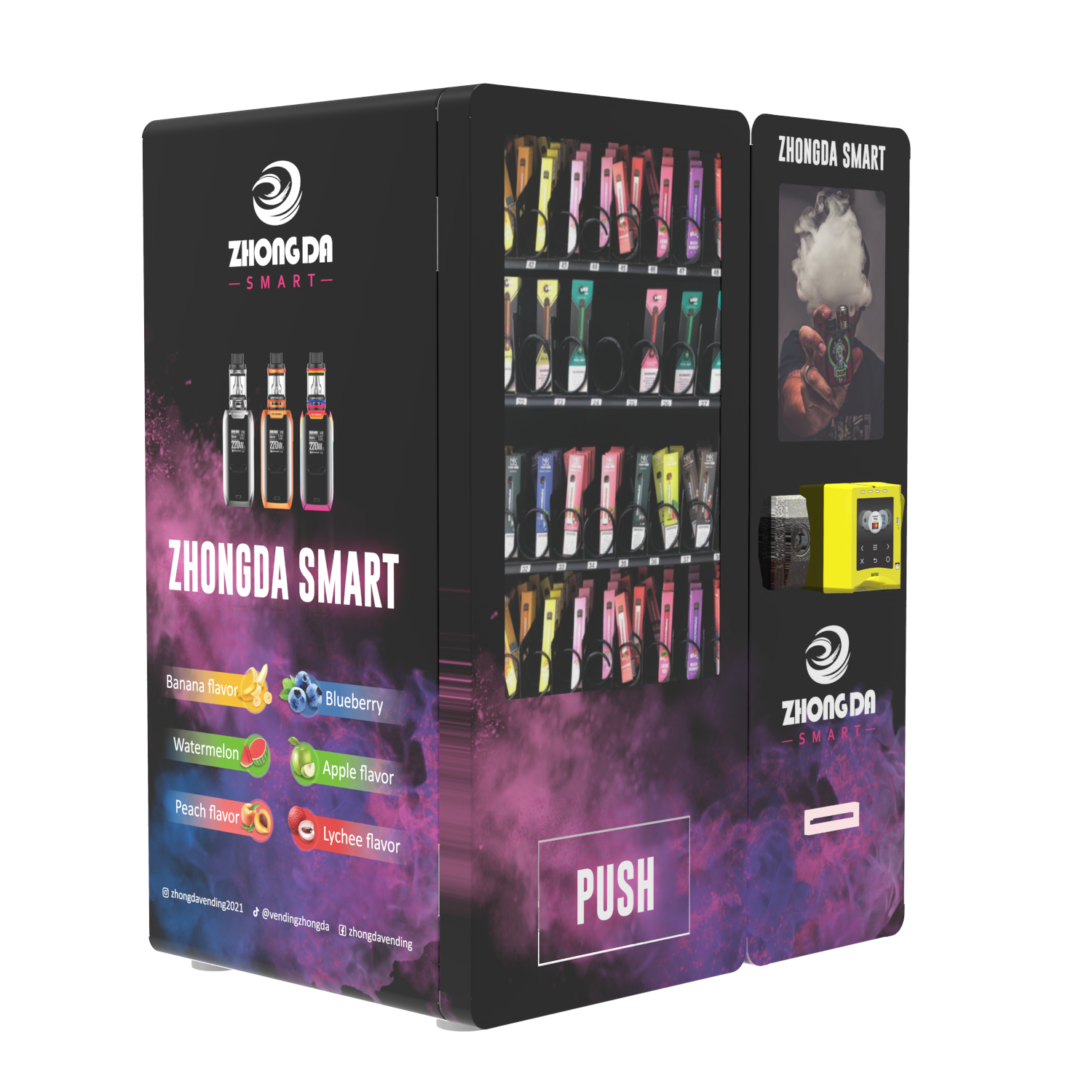
nnI’ll be direct: not every vending machine manufacturer knows the nuances of age verification and nicotine sales. We’ve been building these machines for over 15 years, and we’ve shipped thousands of units to markets with the strictest regulations in the world. Our compliant e-cigarette vending machine is designed specifically for operators who can’t afford to cut corners.
nnIf you’re serious about this business, invest in the right equipment from the start. Cheap machines cost you more in the long run—in lost sales, compliance fines, and customer frustration.
nnFrequently Asked Questions
nnDo I need a special license to operate a vape vending machine in South Africa?
nYes. You need a retail license for nicotine products from the provincial health department, plus a vending machine permit from the local municipality. The process takes 4–8 weeks. Start early.
nCan I use a standard vending machine and add age verification later?
nTechnically yes, but it’s rarely cost-effective. Retrofitting an old machine with a scanner, compatible software, and a secure payment system often costs more than buying a purpose-built unit. You’re better off starting with a machine designed for age verification from day one.
nWhat happens if the ID scanner fails?
nThe machine should lock down and refuse all sales until the scanner is fixed. Don’t operate with a bypass—that’s how you lose your license. Most modern machines have a backup scanner or a manual override that requires a manager PIN, but I don’t recommend using it regularly.
nHow often do I need to restock?
nIt depends on location. A machine in a busy club might need restocking every 5–7 days. A machine in a hotel lobby might go 14 days. Use the sales data from your first month to set a schedule.
nCan I accept cash with an age verification machine?
nYes, but it complicates the system. Cash handling adds moving parts that can break, and it requires more frequent collection. Most operators in South Africa go card-only to reduce maintenance. If you want cash acceptance, make sure the machine has a secure cash box and tamper sensors.
nFinal Thoughts from the Factory Floor
nnI’ve been in this industry long enough to know that the difference between a profitable operation and a failed one often comes down to the details. The right machine, the right location, and the right compliance setup. South Africa in 2026 is a genuine opportunity, but it’s not a get-rich-quick scheme. Treat it like a real business, invest in quality equipment, and stay on top of your maintenance. Do that, and you’ll build a solid revenue stream that runs 24/7.
nnIf you want to see what a properly built age verification machine looks like, take a look at our ID scan vending machine. It’s the same unit we ship to clients in the US and Europe, adapted for the South African market.
nnSources:
n- Vapour Product Association of South Africa (VPASA) 2025 Market Report
n- South African Government Gazette, Tobacco Products and Electronic Delivery Systems Control Bill, 2024
n- Industry data from IBISWorld on vending machine operations in emerging markets