Why the South African Market Demands a Different Wholesale Approach
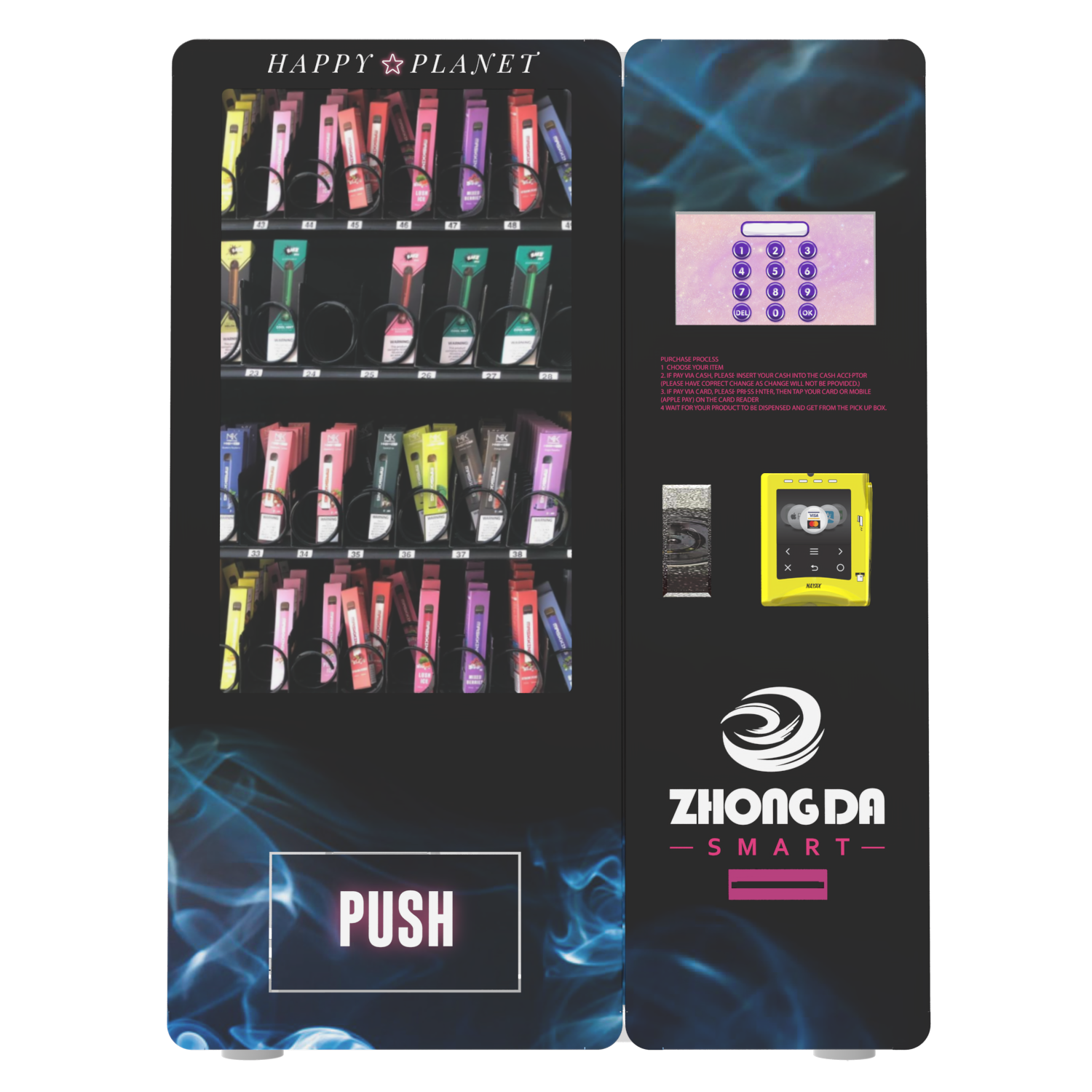
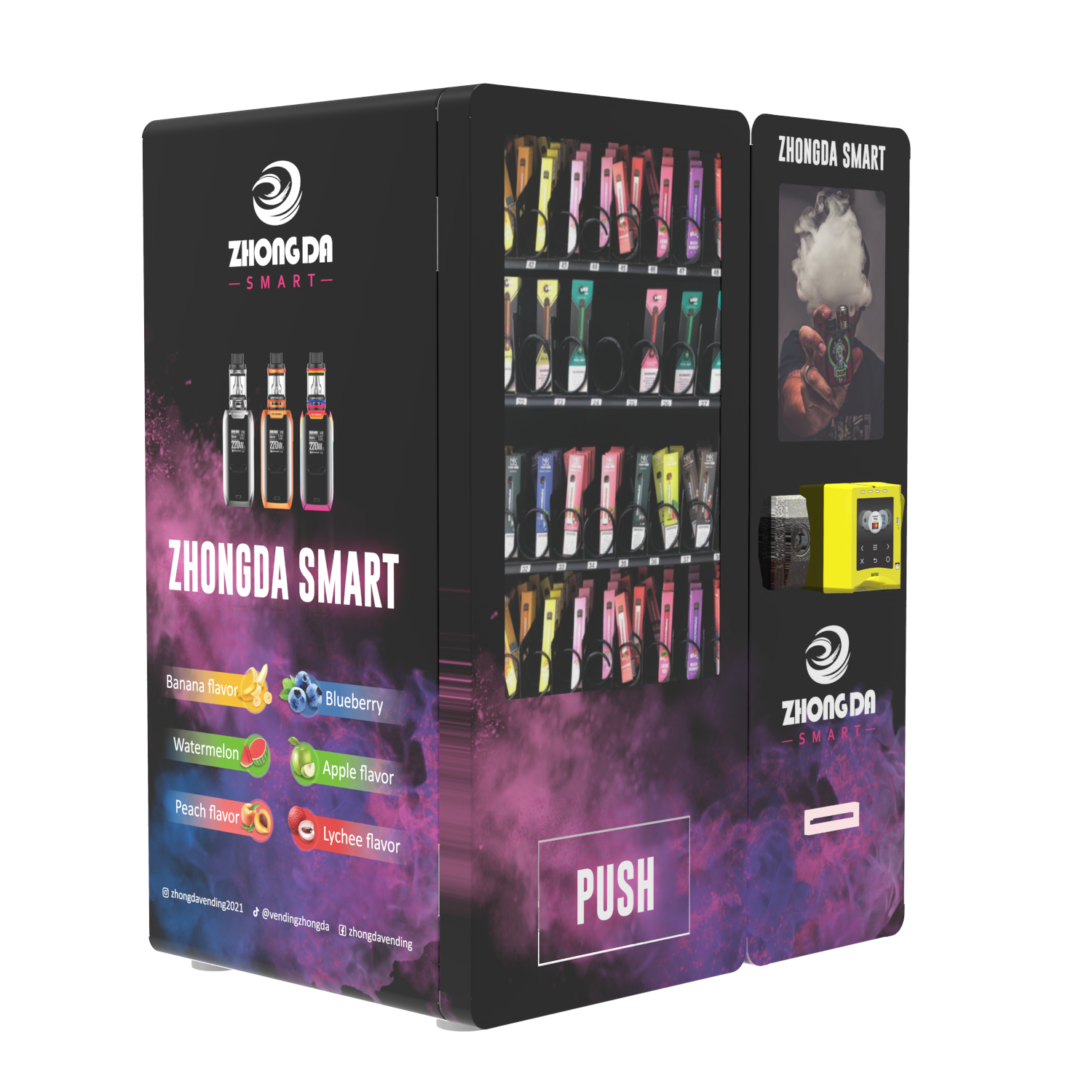
nnMost wholesalers make the mistake of treating South Africa like a smaller version of the UK or Germany. That assumption has cost operators serious money. The reality is that the retail landscape here is dominated by informal traders and small convenience stores, not massive chain retailers. A vape vending machine wholesale South Africa strategy must account for lower average transaction volumes but higher margins per unit sold.
nnFrom a manufacturing perspective, the machines we ship to this region are not the same as those destined for a London nightclub. We reinforce the locking mechanisms, upgrade the humidity seals, and install more robust payment systems because the operating environment is tougher. The average lifespan of a machine in a high-traffic Johannesburg convenience store is about 18 months if you cut corners. With proper build quality, that stretches to over five years.
nnUnderstanding the Three-Tier Distribution Model
n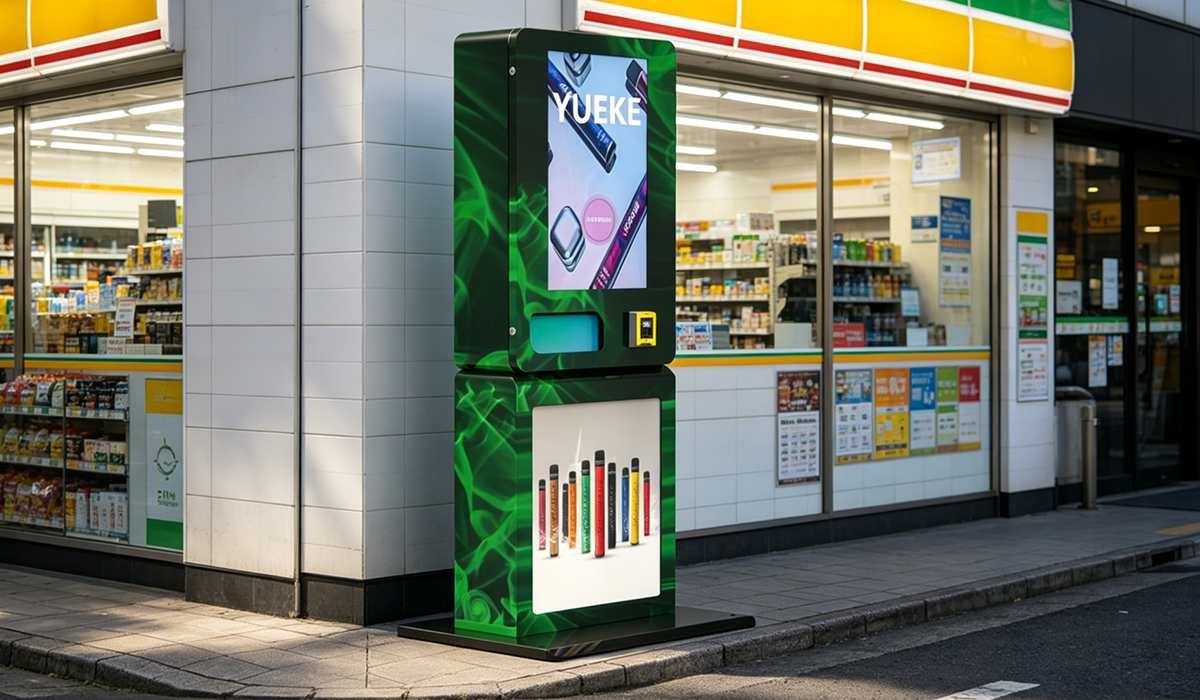
There are three distinct paths for moving vape vending machines into the South African market. Each has different cost structures, support requirements, and profit potential.
nnThe first path is direct wholesale to large independent operators. These are buyers who purchase ten or more units at a time and manage their own routes. They typically want the highest-capacity machines because they service multiple locations from a central warehouse. The second path is through regional distributors who maintain local inventory and handle service calls. These partners usually take a 25 to 30 percent margin but provide critical last-mile support. The third path is through vape product distributors who want to bundle hardware with their consumables. This is the fastest growing channel because it locks in recurring revenue for both parties.
nnFrom my experience, the most successful vape vending machine wholesale South Africa operations use a hybrid model. They sell directly to the top twenty percent of operators while using regional partners for the remaining eighty percent. This balances margin with coverage.
nnMachine Specifications That Actually Matter for This Region
nnI have seen buyers get obsessed with touchscreen size and LED lighting while ignoring the components that determine whether the machine works six months later. In this market, three specifications matter above all else.
nnFirst, the payment system must support both cash and mobile payments. South Africa has high credit card penetration in urban areas, but rural locations still rely heavily on cash. Machines that only accept cards lose about forty percent of potential transactions in certain regions. Second, the age verification system must be compliant with local regulations but also fast. If it takes more than fifteen seconds to complete a verification, you lose the sale. Third, the cooling system needs to handle ambient temperatures above 35 degrees Celsius without failing. Standard commercial refrigeration units are not designed for this.
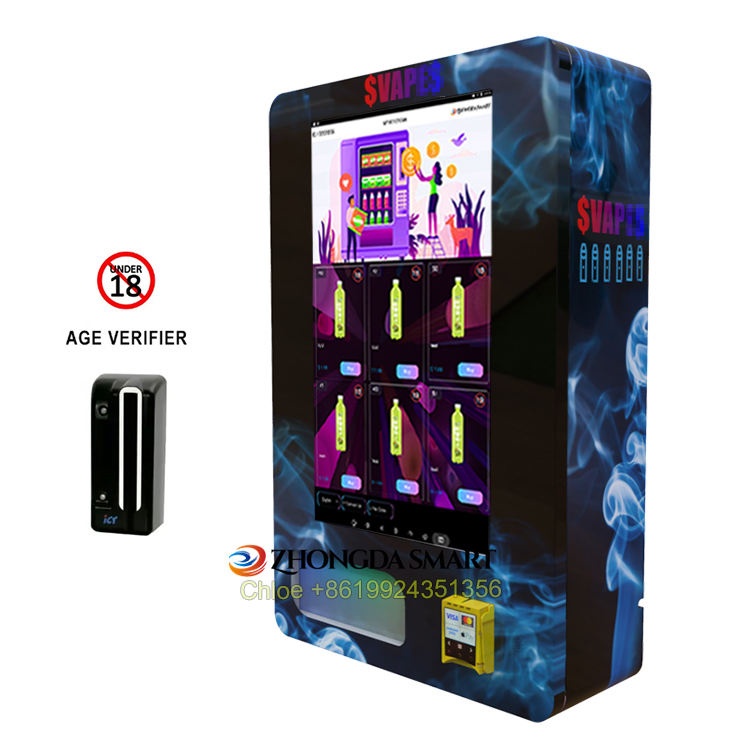
nnFor a detailed breakdown of our specific configurations, you can review the technical specifications on our vape vending machine product page. We have tailored multiple models specifically for warm climate operation.
nnComparing Compact versus High-Capacity Units
nnOne of the most common debates among wholesalers is whether to push compact wall-mounted units or full-size floor machines. The answer depends entirely on the location type.
nn| Feature | nCompact Wall-Mounted | nFull-Size Floor Model | n
|---|---|---|
| Product Capacity | n50 to 80 units | n200 to 400 units | n
| Footprint | n0.3 square meters | n1.2 square meters | n
| Average Cost per Unit | n$1,800 to $2,500 | n$4,500 to $7,000 | n
| Typical Location | nBars, small shops, lobbies | nConvenience stores, malls, airports | n
| Service Frequency | nEvery 3 to 4 days | nEvery 7 to 10 days | n
| Revenue Potential per Month | n$800 to $1,200 | n$2,500 to $4,000 | n
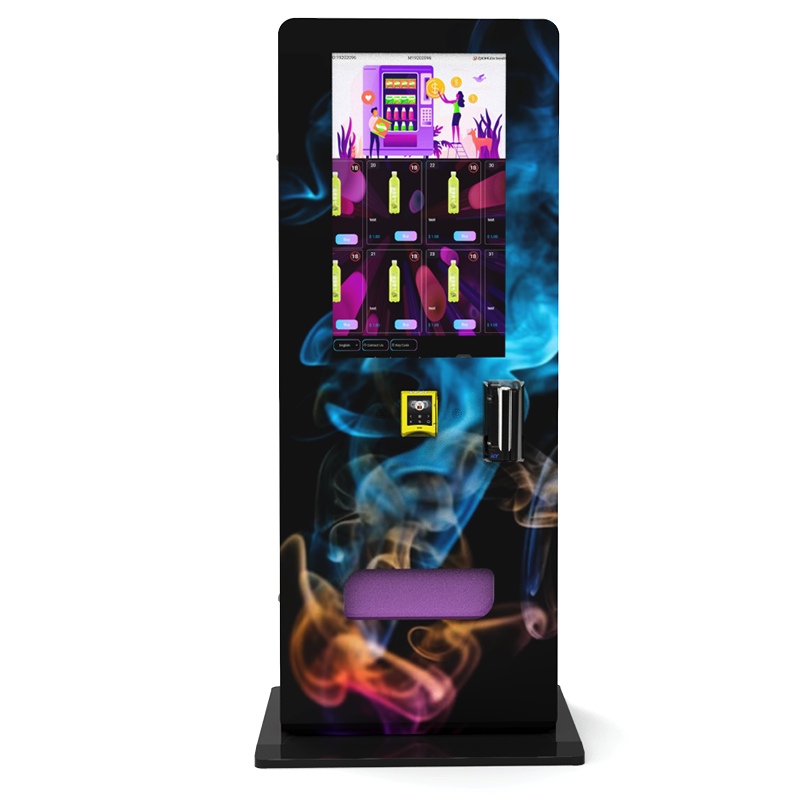
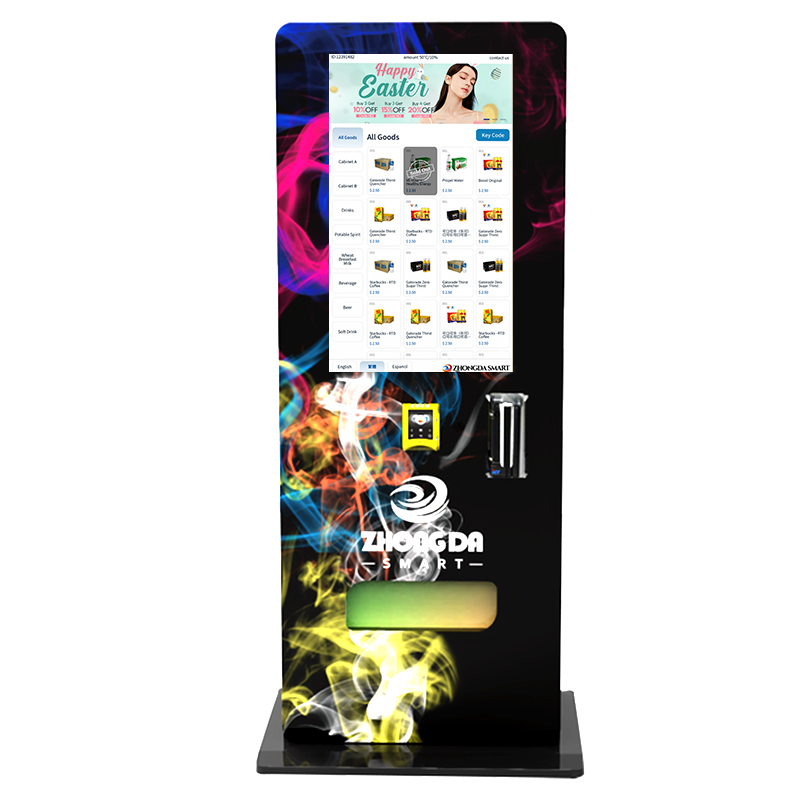
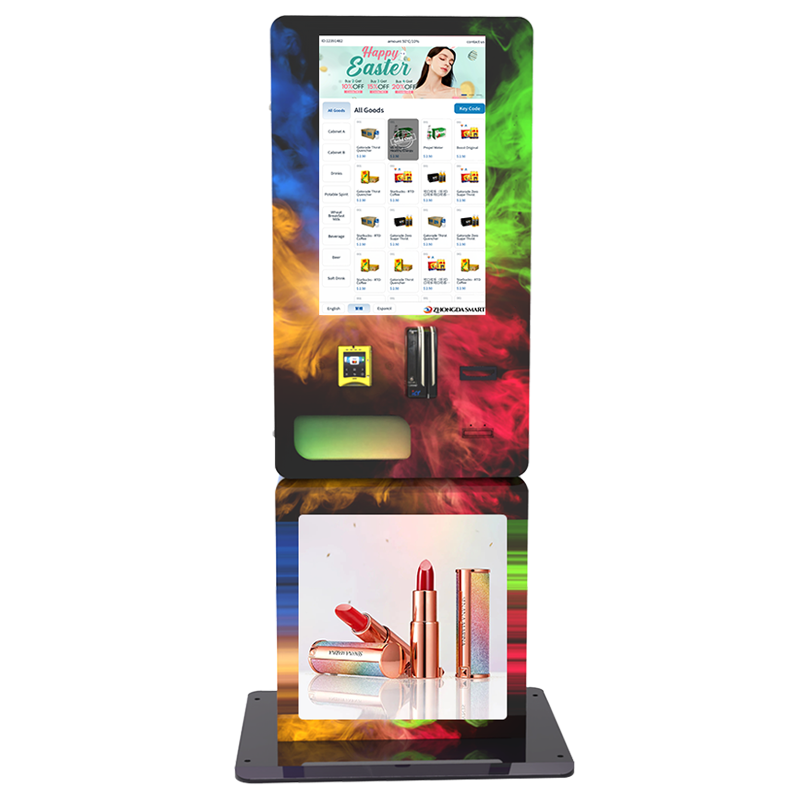
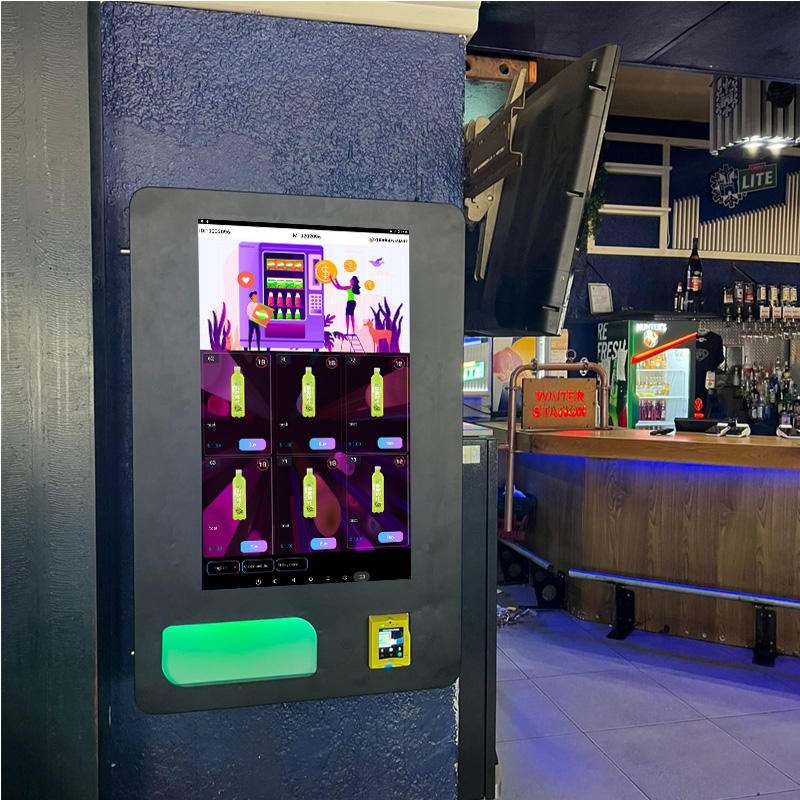
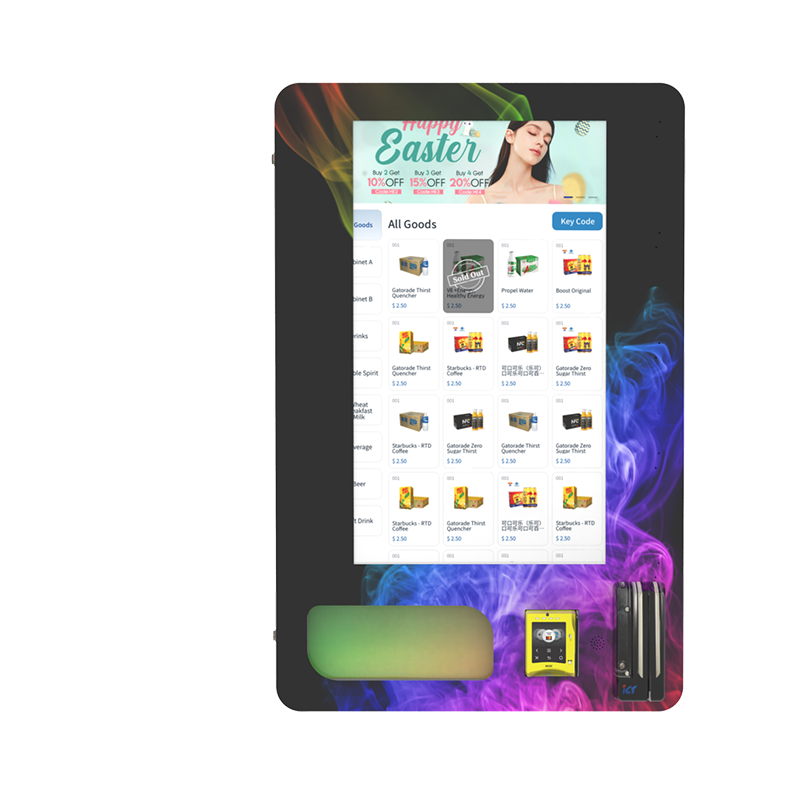
For operators new to the market, I always recommend starting with three to five compact units before scaling to full-size machines. The lower capital requirement reduces risk while you learn the local logistics. Our wall-mounted compact model is currently the most popular entry point for South African distributors because it fits into existing retail spaces without requiring construction.
nnReal Costs and Profit Margins You Can Expect
nnLet me give you actual numbers from a deployment we supported in Durban last year. The operator purchased ten compact units at a wholesale price of $2,200 each. Shipping and customs added another $300 per unit. Installation and initial inventory cost about $1,500 per machine. Total investment was roughly $40,000.
nnEach machine generated average weekly revenue of $300, which translates to about $1,200 per month per unit. The product cost was approximately $600 per month, leaving a gross margin of $600 per machine. After factoring in location commission at twenty percent, service costs, and payment processing fees, the net monthly profit per machine was around $380. That means the operator recovered their initial investment in roughly nine months.
nnThat is a solid return, but it assumes you have the right locations. The single biggest variable is foot traffic and conversion rate. A machine in a busy Shell convenience store can do double the volume of a machine in a standalone vape shop. Location negotiation is the skill that separates profitable operators from those who sell their machines on the secondary market within a year.
nnHidden Costs That Eat Into Margins
nnThere are expenses that first-time wholesalers and operators consistently underestimate. Payment gateway fees in South Africa can run as high as 4.5 percent per transaction, which is significantly more than in Europe. Machine downtime due to vandalism or power surges is another factor. We recommend budgeting at least $200 per machine per year for unexpected repairs.
nnInventory shrinkage is also a real issue. Even with age verification, some products get stolen or damaged during transit. A two percent shrinkage rate is normal and should be built into your pricing model. If you are not accounting for these costs, your profit projections will be wrong.
nnCompliance and Age Verification Are Not Optional
nnI have personally seen two operators lose their entire inventory to seizure because they deployed machines without proper age verification. South Africa has clear regulations about selling nicotine products through automated retail, and non-compliance results in fines that can exceed the value of the equipment.
nnThe machines we manufacture include integrated ID scanning that validates the authenticity of South African driver licenses and passports. The system checks expiration dates, matches the photo to the person standing in front of the machine, and logs every transaction for audit purposes. This is not a nice-to-have feature. It is the difference between a legal operation and a criminal liability.
nnFor a deeper look at how our verification systems work, the age verification vending machine page explains the technology in detail. We also offer a model that uses biometric scanning for locations that require even higher security standards.
nnWhy Some Distributors Fail Compliance Audits
nnThe most common failure point is not the hardware but the software configuration. Many operators set the age threshold too low or fail to update the database of accepted identification documents. We have seen machines that were technically compliant but failed audits because the operator had not installed the latest firmware update.
nnAnother issue is record keeping. The law requires that transaction logs be stored for at least two years and be accessible for inspection within 48 hours. Cloud-based logging solves this problem, but some older machines still use local storage. If a machine is stolen or damaged, those records are gone. Every machine we ship now includes automatic cloud backup as a standard feature.
nnDistribution Logistics and Shipping Realities
nnShipping vending machines to South Africa is not like shipping consumer electronics. The machines are heavy, bulky, and require specialized handling. A standard 40-foot container holds about 35 compact machines or 15 full-size units. Shipping time from our factory to Durban port averages 35 days, but customs clearance can add another two weeks if documentation is not perfect.
nnOne lesson I learned the hard way is to always ship with a customs broker who specializes in automated retail equipment. General freight forwarders often misclassify the machines, which triggers additional inspections and fees. The difference between a good broker and a bad one can be $500 per container in unnecessary charges.
nnWe also recommend that wholesalers maintain a small inventory buffer of at least five machines in a local warehouse. When a machine goes down and the operator needs a replacement unit immediately, having stock on hand prevents revenue loss and protects your reputation. Our compliant e-cigarette vending machine is a popular choice for this buffer inventory because it covers the most common location requirements.
n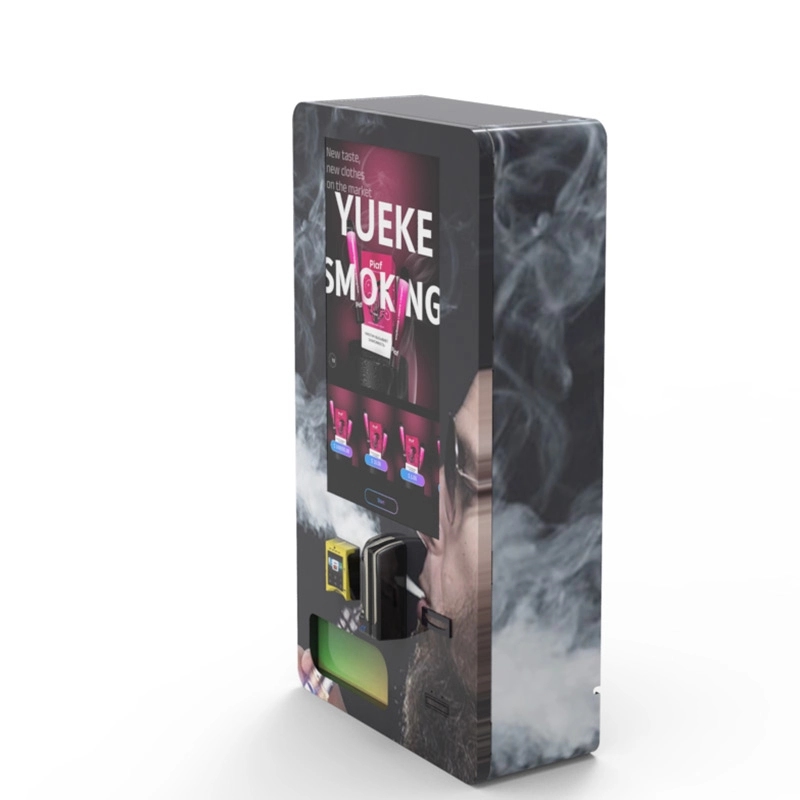
Payment and Currency Considerations
nnDealing with currency fluctuation is a reality of cross-border wholesale. The South African rand has historically been volatile, and a sudden shift can wipe out your margin on a container shipment. We structure our wholesale agreements in US dollars with a thirty-day price guarantee. After that, the price adjusts based on the current exchange rate.
nnFor operators within South Africa, we recommend pricing products in rand but maintaining a dollar-based cost accounting system. This makes it easier to track true profitability without being misled by exchange rate movements.
nnLong-Term Strategy for Building a Distribution Network
nnThe most successful wholesalers in this space do not just sell machines. They build an ecosystem that includes financing, service support, and consumables supply. Operators are more likely to buy from a distributor who can offer a complete package rather than someone who just dropships hardware.
nnOne strategy that has worked well for our partners is offering a revenue-sharing model for the first six months. The wholesaler provides the machine at no upfront cost, and the operator pays a percentage of the revenue until the machine is paid off. This reduces the barrier to entry for new operators and creates a loyal customer base. After the payback period, the operator owns the machine and typically continues buying consumables from the same distributor.
nnAnother approach is to bundle training with every machine purchase. We have seen that operators who receive hands-on training on machine maintenance, inventory management, and compliance reporting have a forty percent lower failure rate in the first year. This training does not have to be expensive. A two-hour video call and a printed manual can make a significant difference.
nnFor wholesalers who want to explore our full range of equipment and partnership options, the ID scan vending machine page provides specifications for our most advanced model. We also offer white-label options for established distributors who want to brand the equipment as their own.
nnWhat I Would Do Differently If Starting Today
nnIf I were entering the vape vending machine wholesale South Africa market right now, I would focus on three things. First, I would partner with a local service company before importing a single machine. Having someone on the ground who can fix a jammed coil or replace a payment reader within 24 hours is worth more than a discount on the hardware. Second, I would start with a pilot of five machines in different location types to gather real data before scaling. Third, I would invest in a simple CRM system to track machine performance, service history, and inventory levels from day one.
nnThe operators who fail are almost always the ones who try to scale too fast without understanding the local dynamics. The ones who succeed treat this as a long-term business that requires constant attention to detail, not a passive income stream.
nnFrequently Asked Questions
nnWhat is the minimum order quantity for wholesale vape vending machines?
nWe typically require a minimum of five units for wholesale pricing, but we have worked with smaller orders for first-time buyers who are testing the market. The per-unit price is higher for smaller orders because shipping and documentation costs are spread across fewer machines.
nHow long does it take to get a container shipped to South Africa?
From factory to Durban port, the average transit time is 35 days. Customs clearance typically adds 7 to 14 days. We recommend ordering at least 60 days before you need the machines in operation to account for any delays.
nDo your machines comply with South African vaping regulations?
nYes. All machines we ship include age verification systems that meet current regulatory requirements. We also provide firmware updates to ensure ongoing compliance as regulations evolve. It is the responsibility of the operator to verify specific local municipal rules.
nWhat payment systems do the machines support?
nOur machines accept cash, major credit cards, and mobile payment platforms including Apple Pay and Google Pay. For the South African market, we also integrate with local mobile money services where available.
nCan I brand the machines with my own logo?
nWe offer white-label options for wholesale partners who order a minimum of twenty units. This includes custom branding on the machine body, the user interface, and the packaging materials.
nSources:
n- n
- Statista. "Vending machine market in South Africa." statista.com n
- IBISWorld. "Vending Machine Operations in South Africa." ibisworld.com n
- South African Government. "Regulations relating to electronic nicotine delivery systems." gov.za n