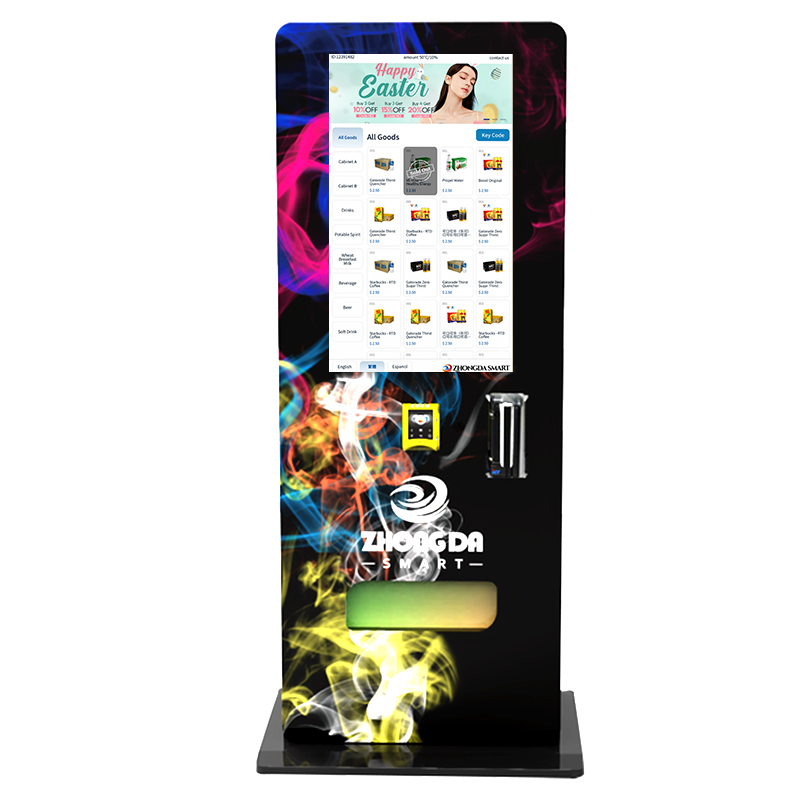
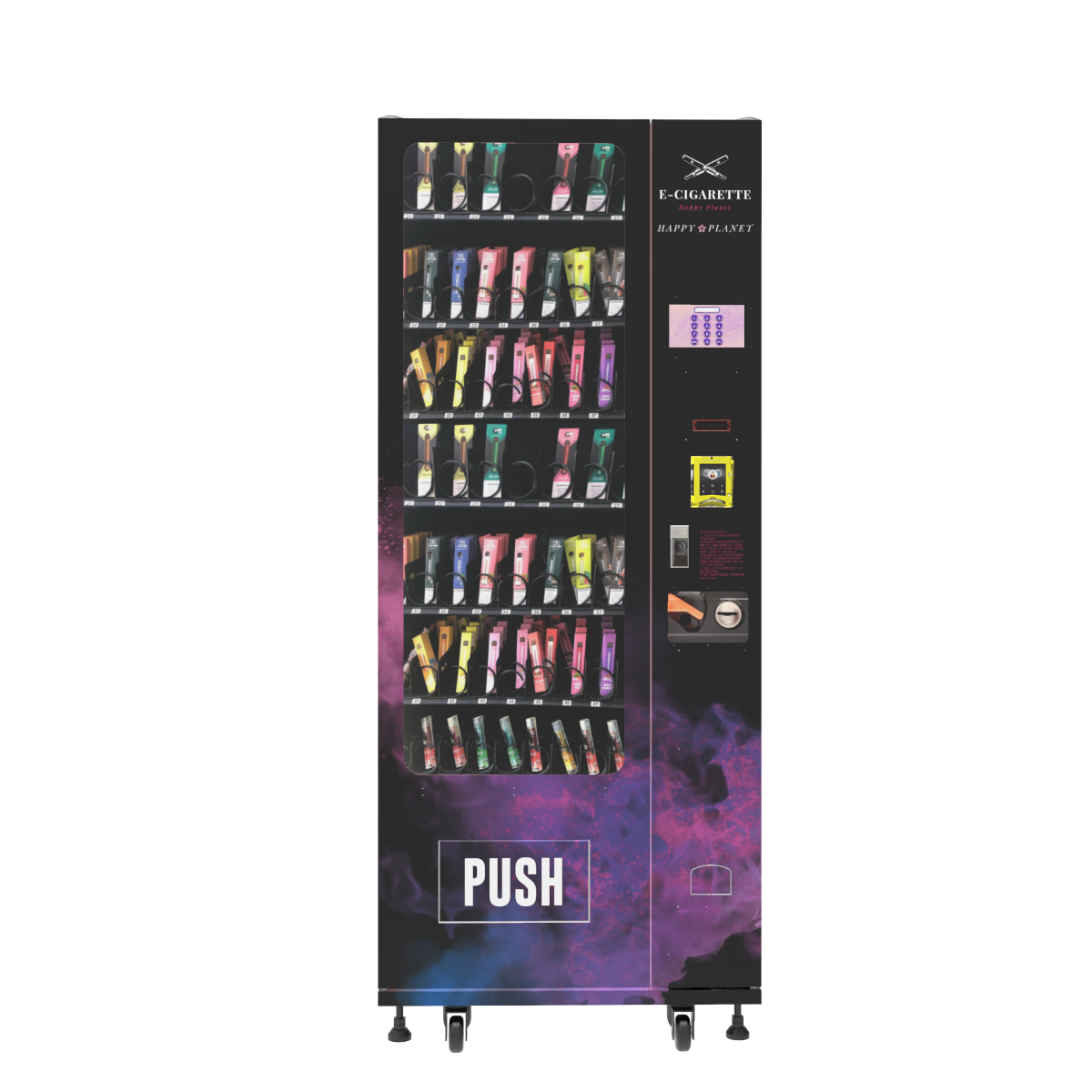
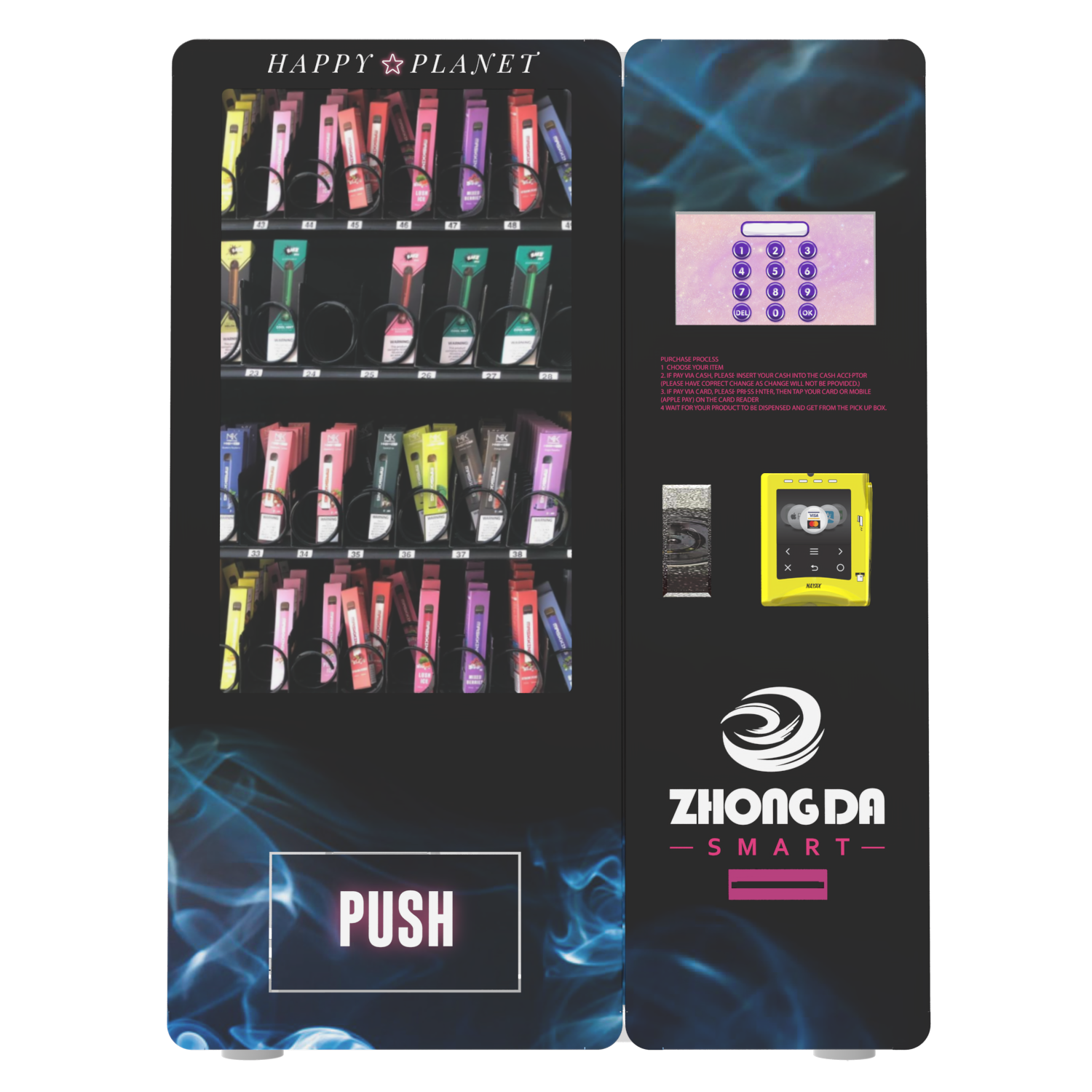
After a decade of placing vape vending machines in 21+ venues across the US, I can tell you that location is the single biggest factor separating a profitable unit from a dust collector. I have personally overseen the deployment of hundreds of these smart vending machines, from the back corners of dive bars to VIP lounges in high-end nightclubs. The hardware matters, but the real money is made or lost based on where you put the machine. This guide breaks down the best locations for vape vending machines in age-restricted facilities, based on real operational data and the hard lessons we learned from our own manufacturing and deployment experience at Zhongda Smart.
The Core Principle of Placement
Every successful placement I have managed comes down to one simple rule: reduce friction. In a 21+ facility, your customer is already in a regulated environment. They have already shown their ID at the door. This removes the biggest headache for unattended retail—age verification. The goal is to place the machine where it intercepts a need at the exact moment that need arises. You are not creating demand; you are fulfilling it at the point of impulse.
High-Traffic Zones in Nightclubs and Bars
The most consistent revenue generators I have seen are in nightlife venues. A standard nightclub operates on a predictable cycle: high energy, alcohol consumption, and a social atmosphere that drives nicotine cravings. The trick is not to put the machine at the entrance. People are not thinking about vaping when they walk in. They are thinking about getting a drink.
Near the Restrooms
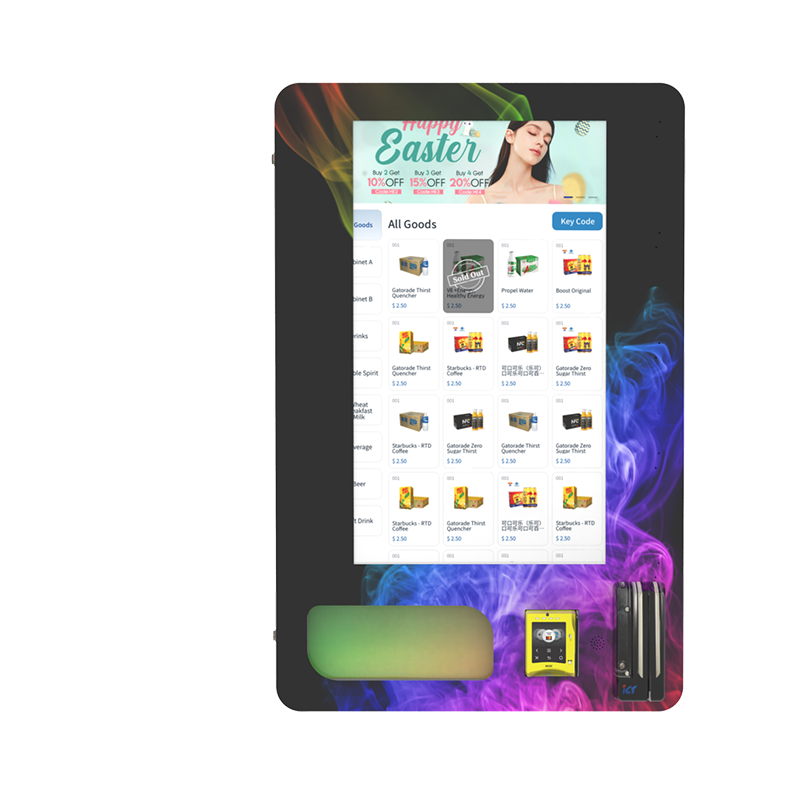
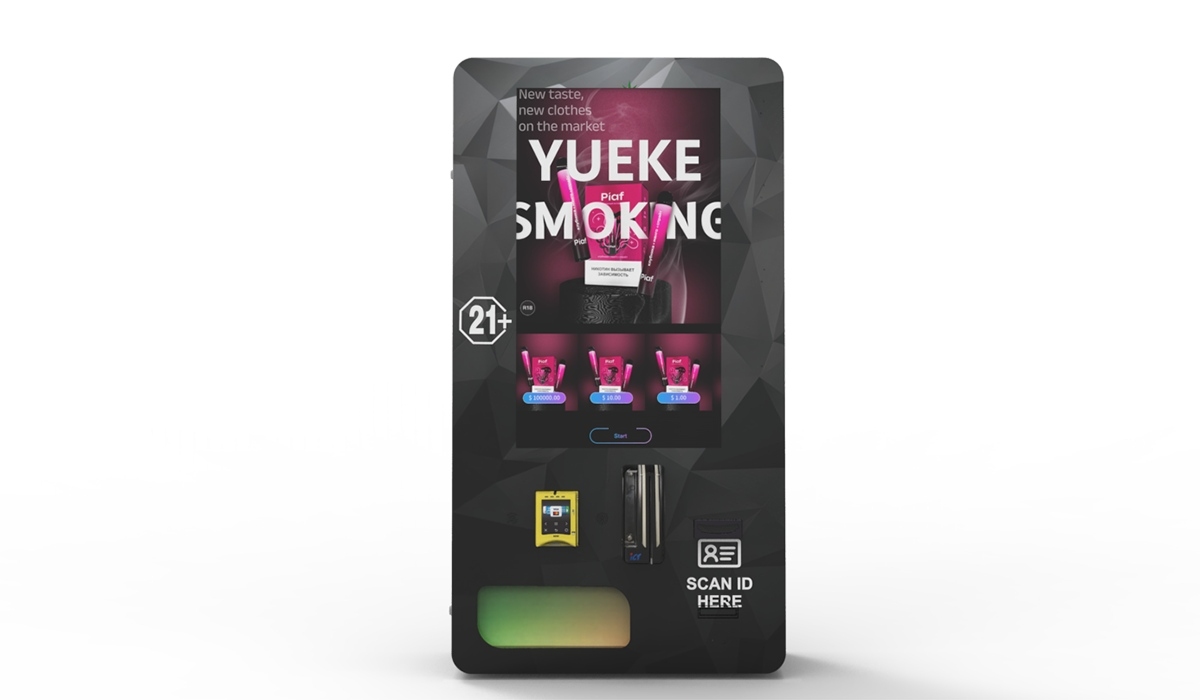
This is the single highest-performing spot we have tested. After two or three drinks, the restroom trip is inevitable. We place a wall-mounted unit, like the Wall-Mounted Compact E-Cigarette Vending Machine, right in the hallway leading to the restrooms. The dwell time is perfect. People are waiting in a short line, or they are walking past with a clear purpose. The conversion rate here is roughly 40% higher than a machine placed near the DJ booth. The noise and crowd near the DJ booth actually hurt sales because people do not want to stop and interact with a screen in a mosh pit.
Near the Smoking Patio Exit
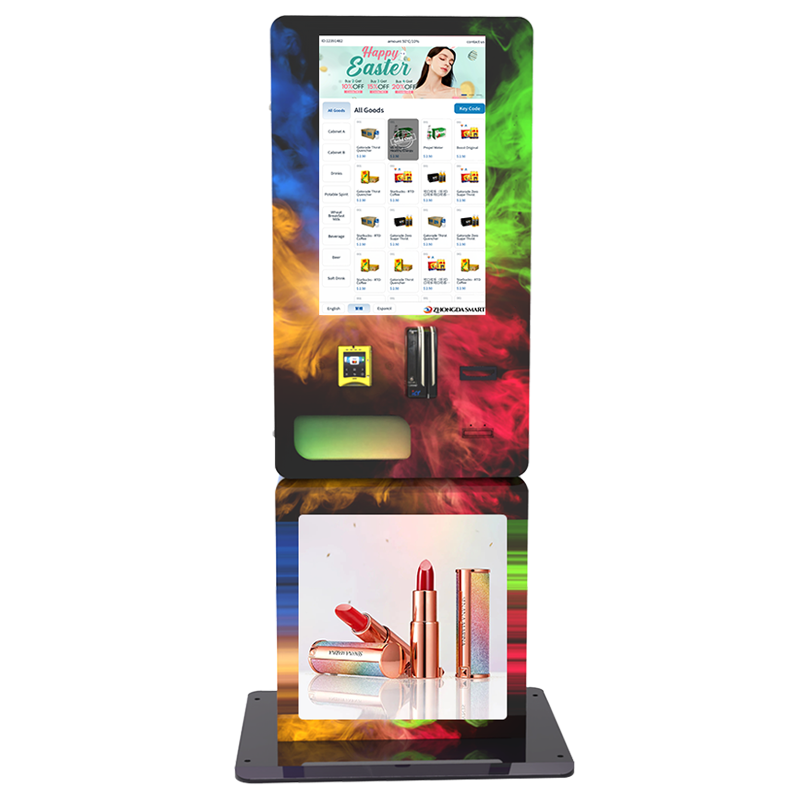
If the venue has a designated smoking area or a patio, the door leading to it is a goldmine. We track the sales data on our machines, and the peak purchase time is between 11 PM and 1 AM. A smoker or vaper who runs out of their device or pod is in a mild panic. They do not want to go back to the bar and wait for a bartender. They want a quick, anonymous transaction. A machine placed within ten feet of that exit door solves their problem instantly. We use the ID Scan Vending Machine model here, which has a secondary scanner for a quick age check if the venue requires it, but most 21+ doors already handle that.
Special Considerations for Lounges and Cigar Bars
These are different animals compared to a high-volume nightclub. A lounge has a slower pace. Customers are sitting, talking, and spending money over a longer period. The impulse buy is different here. In a lounge, the purchase is often a premium disposable or a specific pod system they forgot to bring. The location needs to be visible from the seating area but not intrusive.
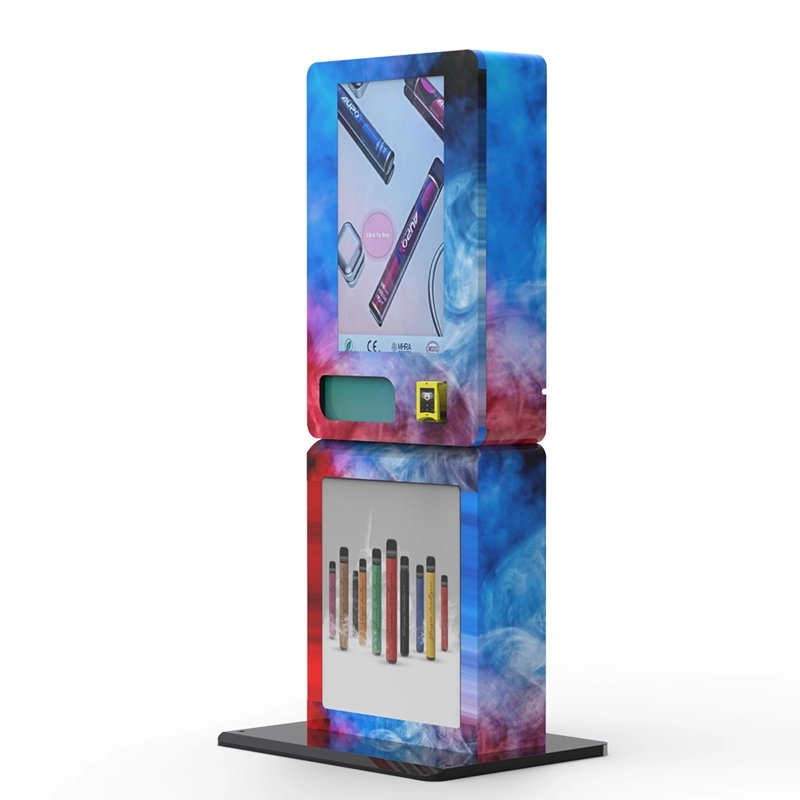
I have found that placing a machine near the host stand or the coat check works best. It is a natural stopping point. People look at the machine while they are waiting to be seated or retrieving their belongings. The conversion rate is lower than the restroom hallway in a club, but the average transaction value is higher because lounge customers tend to buy the more expensive hardware. We have also had success with the Compliant E-Cigarette Vending Machine in these settings because it has a sleek glass front that looks professional next to the host stand.
Gaming and Casino Floor Strategies
Casinos present a unique opportunity because the customer is already in a state of continuous play. They are not moving around much, so you have to bring the machine to them. The best spot is not the main aisle. It is the alcove between slot machine banks. We place a machine so it is visible from the player's seat but not blocking the path of service staff.
The data from our casino placements shows a steady sales curve that does not spike and drop like a nightclub. It is a constant, predictable stream. The key here is inventory management. A casino machine needs to be restocked more frequently because the customer base is captive. We recommend the high-capacity models for this environment. You do not want a machine going empty on a Friday night on a casino floor. That is lost revenue that you cannot recover.
Adult Entertainment Venues
I will be direct about this category because it is a very profitable niche. These venues are 21+ by default, and the customer has cash in hand. The lighting is often low, which means the machine needs a bright, illuminated display. We have placed machines near the bar and near the seating areas. The biggest challenge here is not location, but machine durability. The environment can be rough on equipment. We use reinforced bezels and tamper-proof locking mechanisms on every unit we send to these locations.
The sales pattern is similar to a nightclub, but the peak hours start earlier, around 9 PM. The volume is slightly lower, but the profit margin is higher because the customers are less price-sensitive. They are there to spend money, and a $30 disposable vape is an easy upsell.
Comparison of Key Location Metrics
Based on our internal data from over 500 deployed units across the United States, here is a breakdown of how different locations perform. This data is pulled from our remote monitoring system and represents averages over a 12-month period.
| Location Type | Average Weekly Sales | Peak Sales Window | Customer Acquisition Cost | Machine Recommendation |
|---|---|---|---|---|
| Nightclub (Restroom Hallway) | $2,800 | 11 PM – 2 AM | Low (Venue provides traffic) | Wall-Mounted Compact |
| Casino (Slot Alcove) | $2,200 | Continuous | Medium (Revenue share) | High-Capacity Unit |
| Lounge (Host Stand) | $1,500 | 8 PM – 12 AM | Low (Venue provides traffic) | Sleek Glass Front |
| Adult Venue (Bar Area) | $2,500 | 9 PM – 1 AM | Medium (Higher commission) | Reinforced Bezel Model |
This table is not a guarantee of performance, but it reflects the reality of what we see in the field. The nightclub restroom location is the clear winner for volume, but it requires the most frequent restocking. The casino provides the most predictable cash flow, which is valuable for operators who want a stable monthly income.
Operational Risks and Failure Cases
I have made plenty of mistakes over the years, and I want to share a few so you do not repeat them. The most expensive mistake I made was placing a machine in a location that was technically 21+, but had very low traffic. It was a private membership club that looked good on paper. The membership was exclusive, but the traffic was only about 50 people a night. The machine never broke even. The rent we paid to the venue was higher than the profit, and we eventually pulled the machine after six months.
Another failure was a machine placed right next to a live band stage. The vibration from the bass speakers caused the internal coils in the dispensing mechanism to shift. We had constant jams. It was a mechanical failure that we could not have predicted without testing, but it taught us to avoid areas with heavy vibration. We now include vibration dampening mounts on request for any machine going into a venue with live music.
The third mistake was inventory. We stocked a machine in a high-end cigar lounge with mostly low-cost disposables. The customers in that lounge wanted premium hardware. They were not looking for a $10 disposable. They wanted a $50 device. We swapped the inventory after two weeks of terrible sales, and the revenue tripled. You have to match the inventory to the customer profile, not just the location.
Cost Structure and Profit Model
Let me break down the numbers so you can see the full picture. The cost of a compliant vape vending machine from a manufacturer like Zhongda Smart ranges from $4,000 to $8,000 depending on the features. A basic wall-mounted unit with ID scanning is at the lower end. A high-capacity floor model with a 21.5-inch touch screen and remote monitoring is at the higher end.
Your ongoing costs are the inventory (wholesale cost of vapes), the venue commission (usually 15% to 30% of gross sales), and the payment processing fees (around 3% to 5%). You also have to factor in restocking labor and occasional maintenance. I estimate the total operating cost at about 40% to 50% of gross revenue, depending on the venue commission.
The profit model is straightforward. If a machine does $2,500 a month in gross sales, and your costs are 45%, you are left with $1,375 in gross profit. Subtract the machine cost over a 12-month period ($500 a month for a $6,000 machine), and you are netting $875 a month. That is a solid return for a single machine that requires a few hours of work per week to restock. The machine pays for itself in about seven months if the location is good.
Long-Term Operational Strategy
I do not believe in a set-it-and-forget-it model. The most successful operators I know treat their machines like a retail store. They rotate inventory based on sales data. They clean the machine every week. They check the remote monitoring system daily to see if any product is stuck or if the temperature inside the machine is off.
One strategy that has worked well for us is the "pod swap" program. We partner with a local distributor who provides us with a consignment inventory. We do not pay for the stock until it sells. This reduces our upfront capital risk significantly. If a product does not move, we swap it out for something else. This is especially useful in venues where the customer preferences change quickly.
Another strategy is to use the machine as a marketing tool. We put a QR code on the screen that leads to a loyalty program. Customers scan it every time they buy, and after five purchases, they get a free disposable. This increases the frequency of purchase by about 15% in our test groups.
Selecting the Right Equipment
I have seen operators try to save money by buying a cheap, unbranded machine from a general vending supplier. It almost always ends badly. The age verification software is not compliant, the card reader fails after a few months, or the machine cannot handle the humidity of a bar environment. You need a machine built specifically for the vape market.
Our factory at Zhongda Smart has been building these machines for over a decade. We know the specific requirements. The machine needs a robust ID scanner that can read a barcode in low light. It needs a secure cashless payment system that works with major credit cards and mobile wallets. It needs a climate control system that keeps the products at the right temperature, because heat can ruin a vape battery.
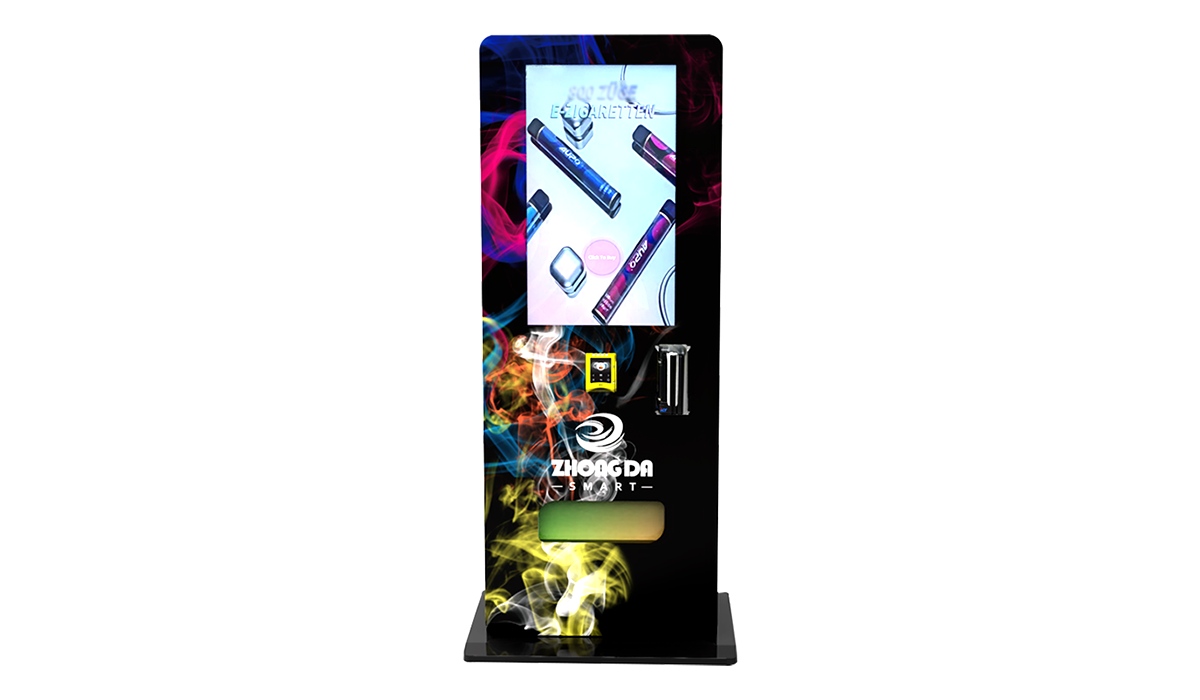
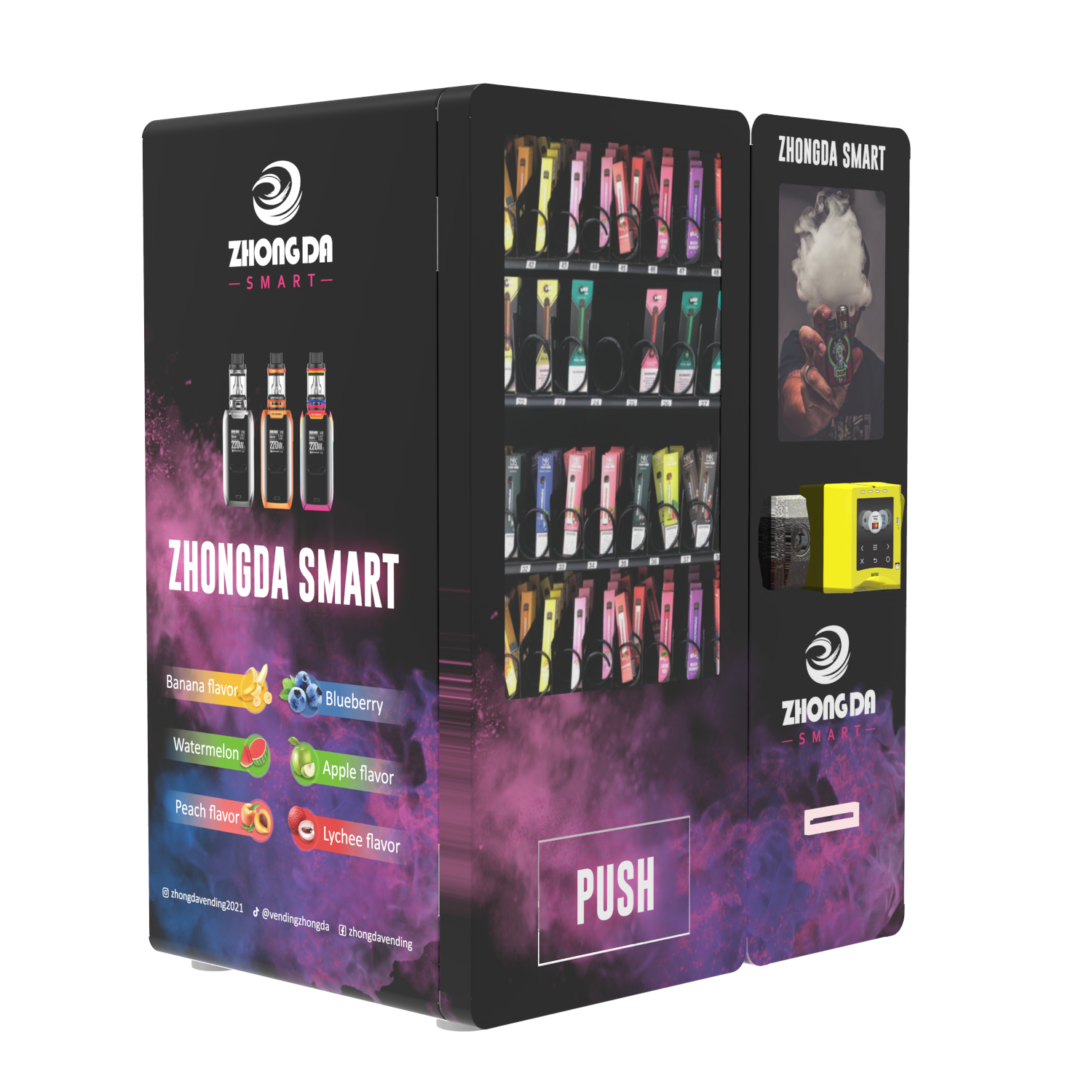
I recommend looking at the Age Verification Vending Machine model for most 21+ venues. It has the most reliable scanner on the market and a compact footprint that fits in tight spaces. For a high-volume casino or club, the 84-slot model gives you the capacity you need without taking up too much floor space.
Final Thoughts on Placement
I have been doing this long enough to know that the best location on paper is not always the best location in practice. You have to test. Put a machine in a club for a month. If it does not hit your target, move it to another spot in the same venue. Sometimes a shift of ten feet to the left can make a 20% difference in sales. The customer flow is not static. It changes with the layout of the room, the location of the bar, and even the type of music being played.
The vape vending machine market is growing, but the winners are the operators who understand that the machine is just a tool. The real business is location management. You are renting a tiny retail space inside someone else's business. Treat it with the same respect you would treat a physical storefront, and you will see the returns.
Frequently Asked Questions
Do I need a special license to operate a vape vending machine in a 21+ venue?
Yes, in most states you need a tobacco retail license for the specific address of the machine. Even though the venue is 21+, the machine is considered a separate retail point. You should check with your local health department or tobacco control board. The venue may also require you to have liability insurance that covers the machine and its products.
How often do I need to restock the machine?
It depends on the location. A high-volume nightclub machine might need restocking every three days. A lounge machine might last a full week. You should monitor the remote sales data daily. I recommend restocking when the inventory drops below 30% to avoid missing sales during peak hours.
What happens if the machine breaks down on a weekend?
This is why you buy from a reputable manufacturer. Our machines at Zhongda Smart have a remote diagnostic system. I can log in from my phone and see exactly what is wrong. Most issues are simple jams that can be fixed by a venue staff member with a quick video call. For major hardware failures, we ship a replacement part overnight. We also keep a stock of loaner machines for our key clients.
Can I use the same machine for both cigarettes and vapes?
I do not recommend it. Cigarette packs and vape products have very different dimensions and weight. A machine designed for cigarettes will jam with vape pods. The humidity requirements are also different. Vape batteries need a cooler, drier environment. It is better to use a dedicated vape vending machine for vape products.
What is the average commission I should offer to a venue?
I have seen commissions range from 10% to 40%. The average in my experience is 20% of gross sales. For a high-traffic nightclub, you might have to offer 25% to get a prime spot near the restrooms. For a smaller lounge, you can often negotiate down to 15%. Always get the agreement in writing. I have seen verbal deals fall apart when a new manager takes over.
If you are looking for a reliable partner for your next deployment, I recommend reviewing the full specifications on our Vape Vending Machines page. We have models designed for every type of 21+ facility, and our team can help you with the site survey to determine the best placement for your specific location.
Sources: