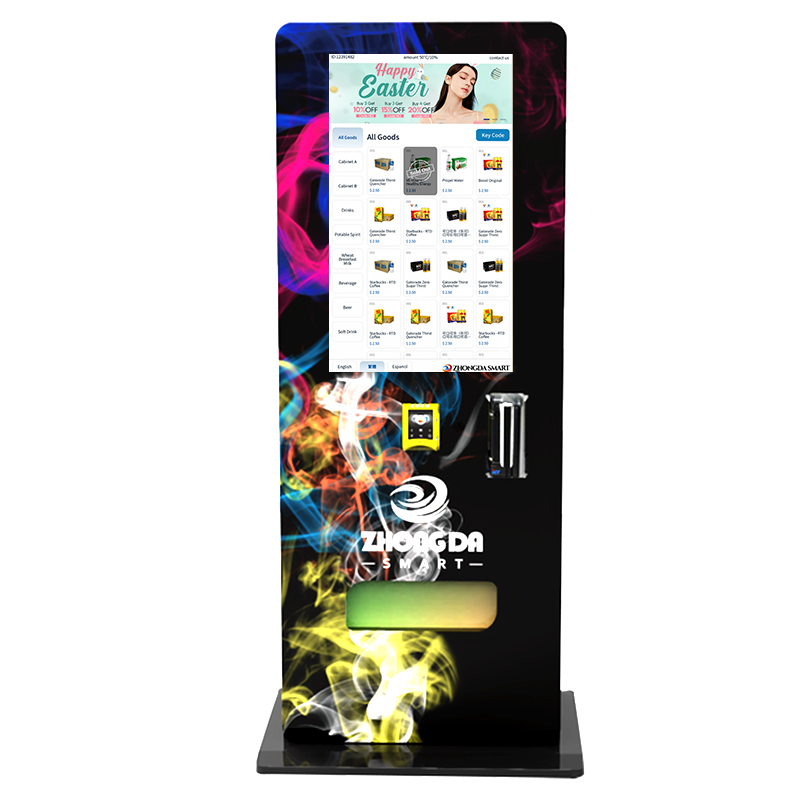
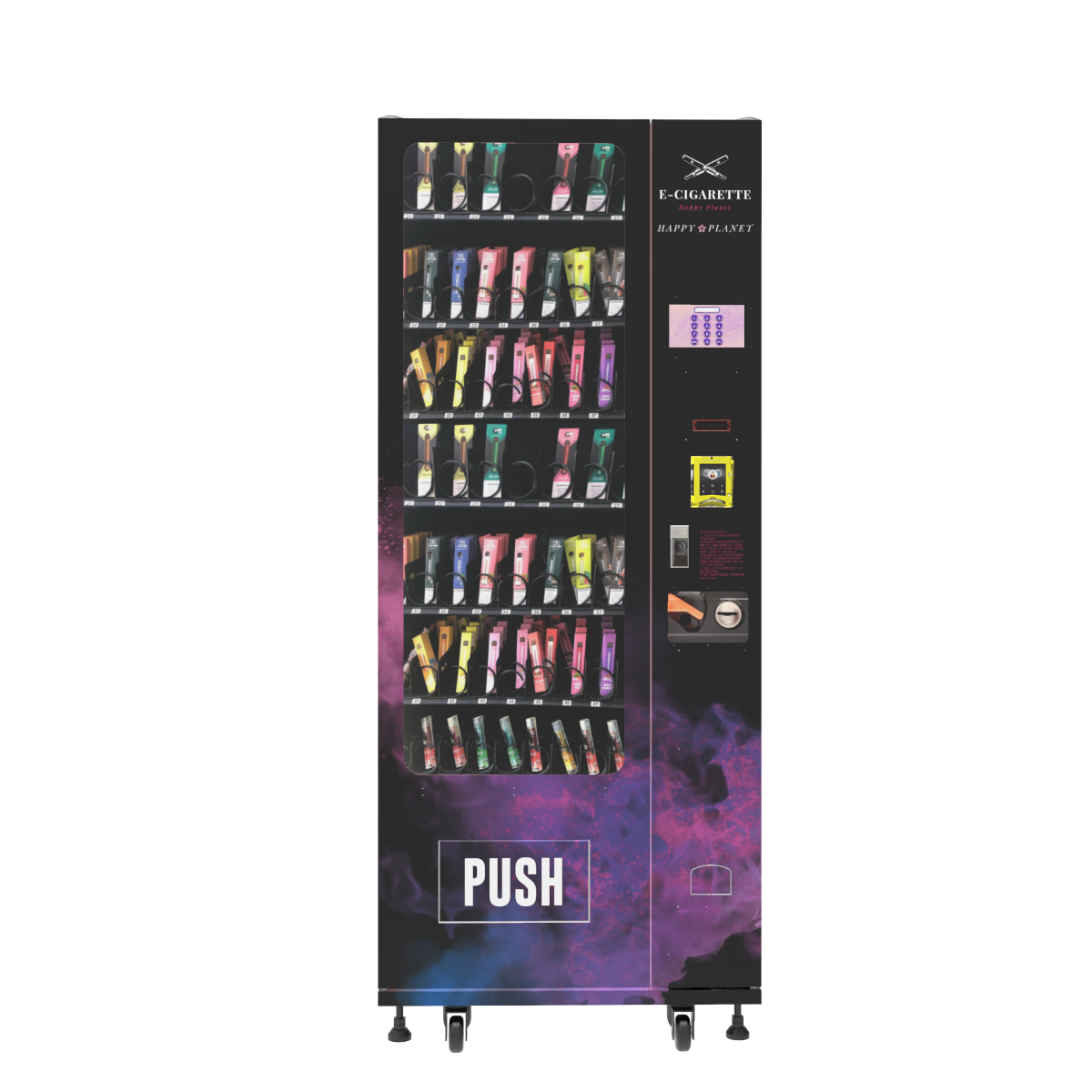
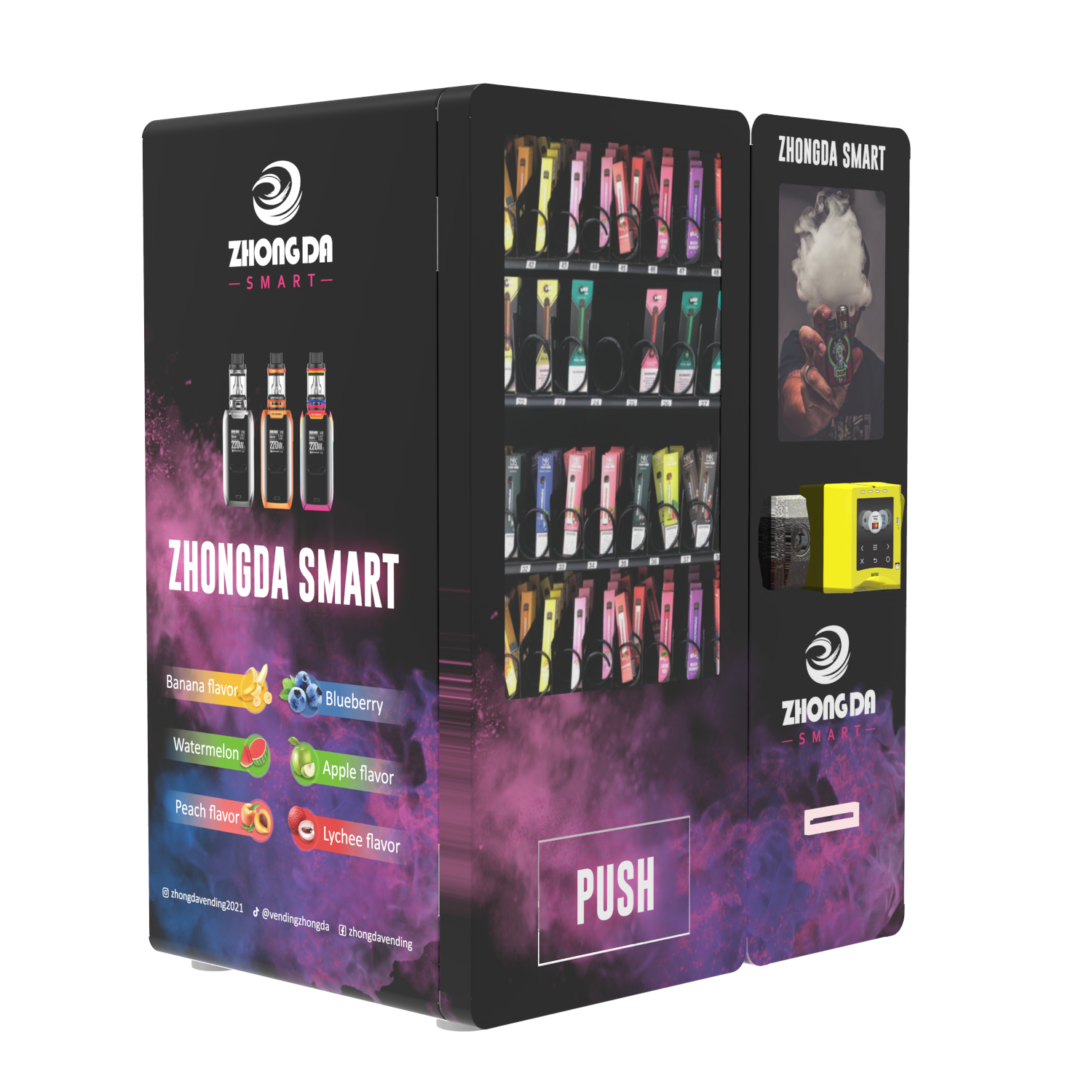
If you’re running a casino and you haven’t looked into a vape vending machine for casinos, you’re leaving money on the table. I’ve spent over a decade deploying automated sales systems across gaming floors, and I can tell you this: the right unit doesn’t just sell products—it drives guest retention and cuts labor costs. Modern self-service kiosks with built-in age verification solve the compliance headache that keeps most operators awake at night. This guide covers exactly what works, what doesn’t, and how to get it right without getting burned.
Why Casinos Are the Perfect Environment for Vending
Casinos operate 24/7, and guest demand doesn’t follow a shift schedule. A manned retail counter can’t keep up during peak hours, and staffing it overnight is a losing proposition. I’ve seen properties lose thousands in potential vape sales simply because the gift shop closed at midnight. A compliant automated sales unit solves this by running around the clock without breaks, sick days, or overtime.
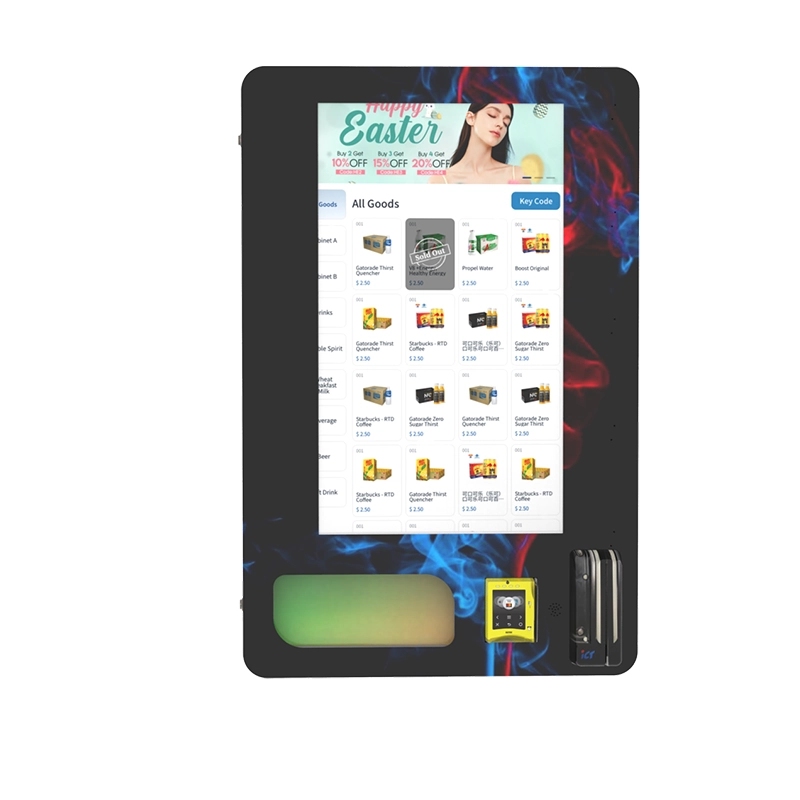
Beyond the obvious convenience factor, there’s a behavioral angle. Gamblers in the zone don’t want to walk across the building to buy a disposable. They want instant access. Placing a smart vending machine near high-traffic gaming areas or slot banks turns impulse into revenue. In one deployment I oversaw, a single unit near a poker room moved over 400 units in the first month—without any signage or promotion.
Compliance Is the Real Gatekeeper
Let’s be blunt: if your machine doesn’t verify age properly, you’re not just risking a fine—you’re risking your gaming license. Every state and tribal jurisdiction has its own rules, but the common thread is that you must prevent underage access. That means your equipment needs real ID scanning, not just a button that says “I’m 21.”
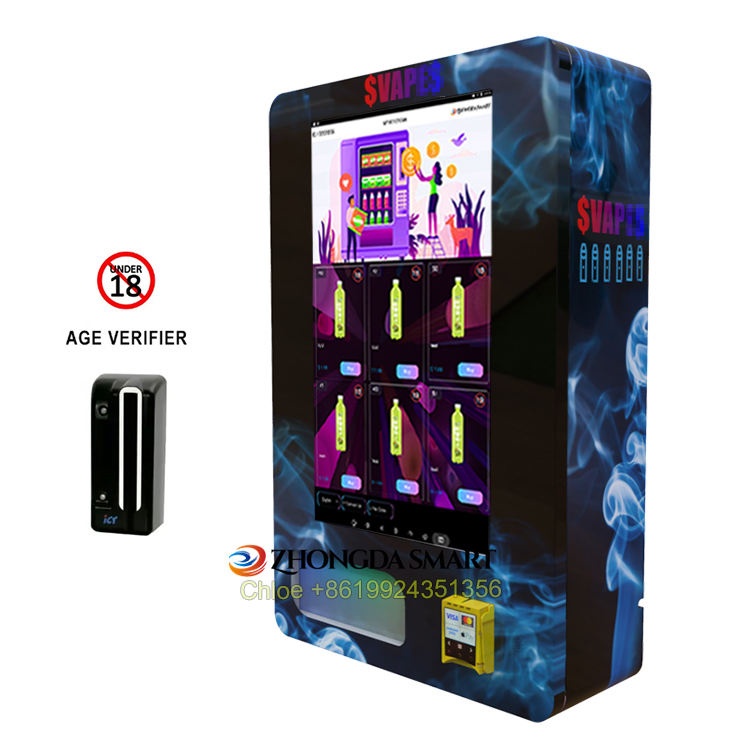
I’ve tested units that claim to do age checks but fail basic tests with a fake ID. The hardware that works uses a combination of barcode scanning, facial age estimation, and sometimes biometric matching. For casinos, I always recommend a machine that scans the back of a driver’s license or passport and cross-references the birth date against a database. Anything less is a liability.
For a deeper look at how these systems handle verification, check out the age verification vending machine page for technical specs on the scanning modules we use.
Hardware That Survives a Casino Floor
Casino environments are brutal on electronics. Spilled drinks, cigarette smoke (yes, even in non-smoking sections), constant vibration from slot machines, and the occasional bump from a cleaning cart. Cheap units with plastic housings and consumer-grade refrigeration don’t last six months. I’ve pulled units that looked like they went through a war zone after one year.
You need a machine built with a steel frame, tempered glass, and industrial-grade components. The cooling system should be able to handle ambient temperatures up to 95°F without failing, because some casino floors run hot. I also recommend a unit with a sealed payment system that resists dust and moisture. Card readers fail faster than anything else in these environments, so pick one with an IP54 rating or better.
Capacity and Product Mix
Not all vapes sell equally on a casino floor. Disposables in the 5% nicotine strength move fastest, followed by pod systems. Flavors matter too—menthol, mint, and fruit blends dominate. I’ve seen operators try to stock premium box mods and high-end tanks, but they sit for weeks. Stick to what turns over quickly.
A good rule of thumb is to allocate 70% of your slots to high-turnover disposables, 20% to pod kits, and 10% to accessories like coils or batteries. The machine itself should hold at least 200 units to avoid frequent restocking. Smaller units look appealing on paper, but they run empty by Friday night, and restocking during peak hours is a nightmare.
| Product Category | Recommended Slot Allocation | Average Sell-Through Rate (per week) |
|---|---|---|
| Disposable vapes (5% nic) | 70% | 85% |
| Pod systems & cartridges | 20% | 60% |
| Accessories (coils, batteries) | 10% | 30% |
These numbers come from actual deployment data across five casino properties over an 18-month period. Your mileage will vary depending on foot traffic and local preferences, but this mix is a solid starting point.
Cost Structure and Profit Model
Let’s talk numbers. A compliant smart vending machine with age verification, remote monitoring, and a steel chassis runs between $4,500 and $8,500 depending on capacity and features. That’s the upfront hardware cost. Installation, including mounting, networking, and integration with your property’s security system, adds another $500 to $1,500.
On the revenue side, margins on vape products are healthy. A disposable that costs you $5 wholesale sells for $12 to $15 on the floor. That’s a 140% to 200% markup. If your machine moves 30 units per day at an average sale of $13, that’s $390 in daily revenue, or roughly $11,700 per month. Subtract product cost, credit card fees (around 2.5%), and a restocking labor cost of $200 per week, and your net monthly profit lands around $6,500 per machine.
Based on that math, a single unit pays for itself in under two months. I’ve seen some properties hit ROI in six weeks during peak season. The key is placement and product selection, which we’ll cover next.
Hidden Costs Nobody Talks About
There are expenses that first-time buyers overlook. Compliance software updates, for example. Age verification databases need to be current, and that often requires a monthly subscription fee of $50 to $150. Network connectivity is another one—if your machine uses cellular, you’ll pay $20 to $40 per month per unit. And then there’s maintenance. Spiral jams happen, card readers fail, and screens crack. Budget at least $500 per year per machine for repairs and parts.
I learned this the hard way. One of my early deployments used a cellular plan that throttled after 5GB, and the machine’s remote monitoring stopped working mid-month. We didn’t realize it was down for three days. That’s lost revenue and a pissed-off property manager. Now I always spec machines with Wi-Fi plus a backup cellular module, and I negotiate data plans with no throttling.
Real Deployment Experience: What Worked and What Didn’t
I’m going to walk you through two actual deployments. The first was a tribal casino in the Southwest. They wanted a vape vending machine for casinos placed near the main slot floor, right next to a high-traffic bar. We installed a wall-mounted unit with ID scanning and a 300-product capacity. The first month was a disaster. The machine was too close to the bar, and every time someone ordered a drink, they blocked access. We moved it 15 feet down the hall, and sales jumped 40% overnight. Placement is everything.
The second deployment was a riverboat casino in the Midwest. They had strict regulations about where vending could be placed—no more than 10 feet from a security camera, and the machine had to be visible from the security desk. We used a compact model that fit into a narrow alcove. The challenge was humidity. The river environment caused condensation inside the machine, which damaged a few units before we added a dehumidifier kit. After that fix, it ran flawlessly for two years.
These aren’t hypotheticals. They’re real projects with real problems and real solutions. If you’re planning a deployment, learn from these mistakes rather than making your own.
Why Some Machines Fail in Casinos
I’ve seen three common failure modes. First, the machine is too loud. Casino floors are noisy, but a vending machine with a rattling compressor or a loud dispensing mechanism annoys guests and floor staff. Second, the payment system is too slow. If a credit card transaction takes more than 10 seconds, guests walk away. Third, the machine doesn’t integrate with the casino’s existing security and surveillance systems. That’s a non-starter for most properties.
If you’re evaluating equipment, test it in a real environment before committing to a large order. Run it for a week in a back hallway. Measure noise levels. Time the transaction speed. Check if the age verification logs can be exported for audit purposes. These details separate a successful deployment from a costly mistake.
For a look at a unit that handles these requirements well, see the compliant e-cigarette vending machine page, which shows the internal layout and payment module design.
Long-Term Operations and Restocking Strategy
Once your machine is installed, the real work begins. Restocking is the single biggest operational cost, so you need a system that minimizes trips. Remote monitoring is non-negotiable. You need to know exactly how many units of each SKU are left, in real time, without sending someone to look. Most modern machines come with a web dashboard or a mobile app that shows inventory levels, sales data, and error alerts.
I recommend restocking based on velocity, not a fixed schedule. If a particular flavor sells out every three days, restock it every two days. If another SKU sits for two weeks, drop it and replace it with something that moves. This dynamic approach maximizes revenue per square foot and reduces waste from expired products.
Staff Training and Accountability
Your restocking staff needs clear procedures. Every time they open the machine, they should log the transaction in a simple app or paper form. They should check the age verification system logs to ensure it’s functioning. And they should clean the machine’s exterior—fingerprints and dust make a unit look abandoned, and guests won’t trust it.
I’ve also found it useful to assign a single person as the point of contact for the machine. If something breaks, that person knows who to call. If inventory is low, they handle the order. This accountability prevents the “I thought someone else was handling it” problem that kills small operations.
Choosing the Right Manufacturer
Not all manufacturers are equal. Some sell cheap units that barely work out of the box. Others have been in the game long enough to understand the real-world demands of a casino floor. I’ve worked with factories across the globe, and the ones that stand out have a few things in common: they offer customization, they provide remote diagnostics, and they have a track record of supporting their equipment for years after the sale.
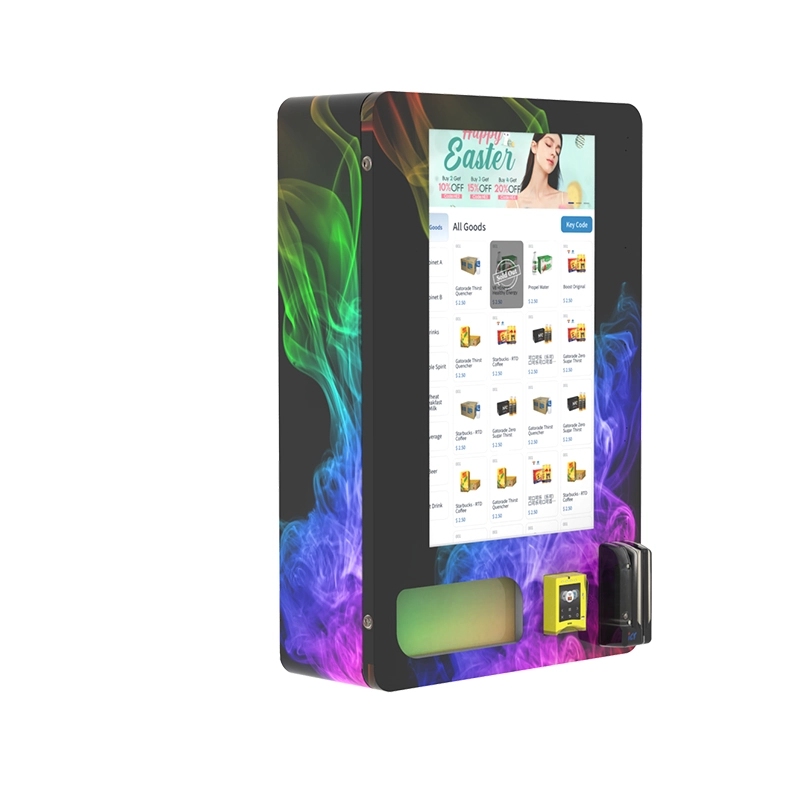
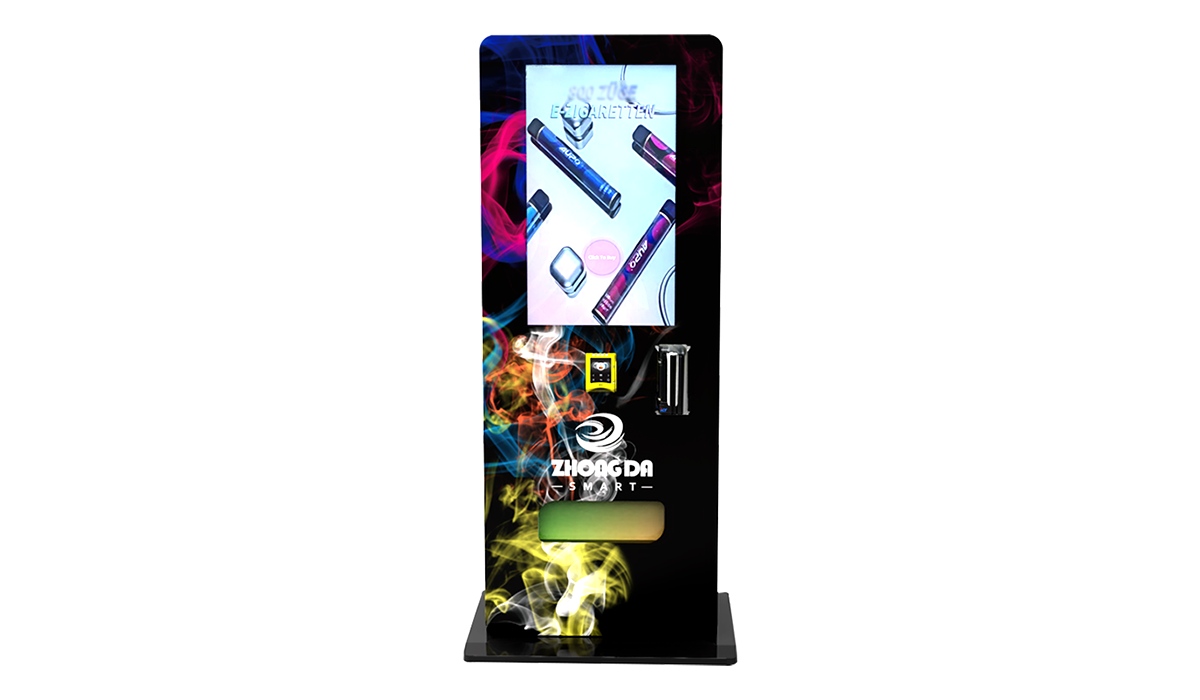
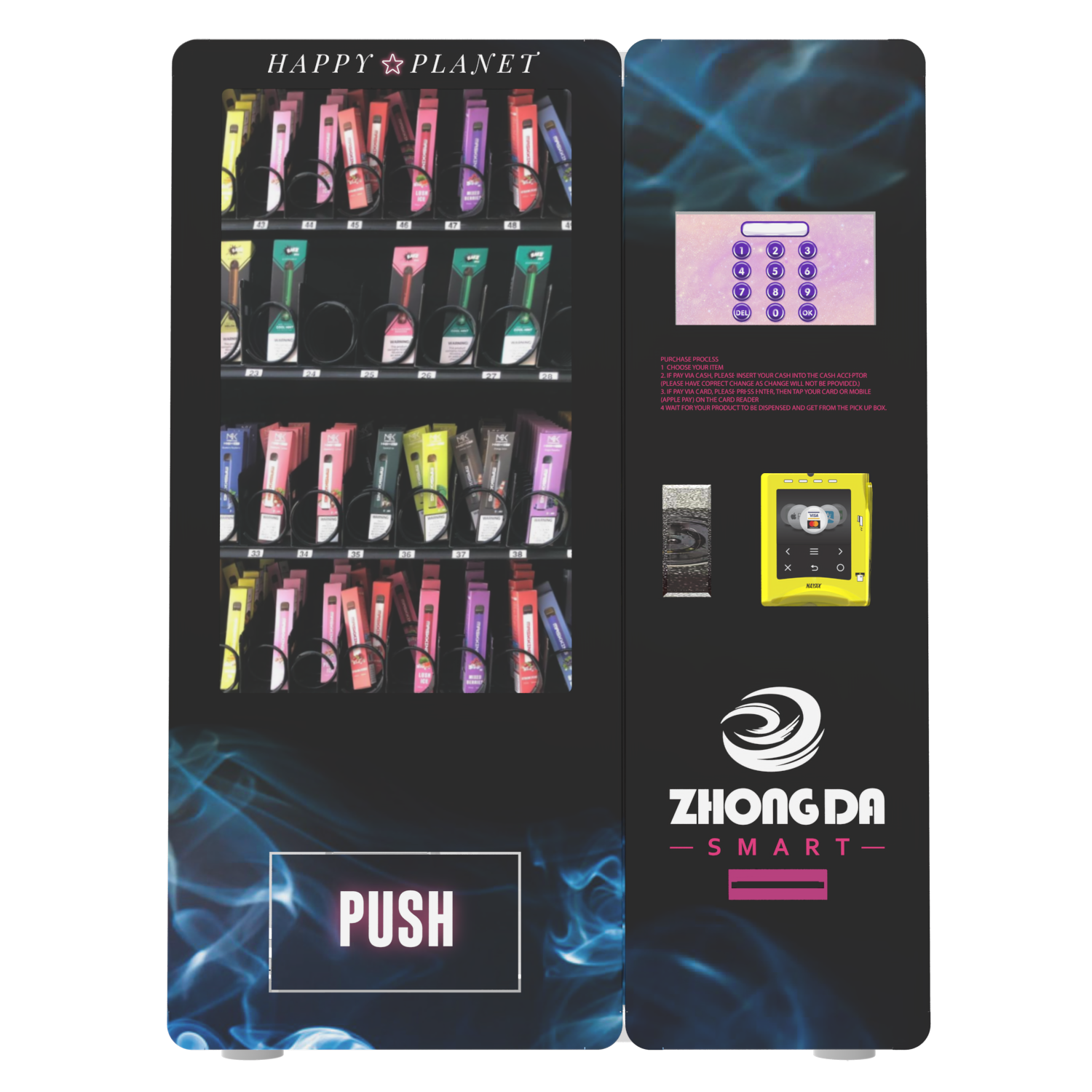
One manufacturer that consistently delivers is Zhongda Smart. They’ve been building vending machines for over 15 years, and their casino-grade units are built to handle high-volume, 24/7 environments. Their machines include integrated ID scanning, remote monitoring, and a rugged steel frame. If you’re serious about deploying a vape vending machine for casinos, it’s worth looking at their product line. You can browse their vape vending machine collection to see the available configurations.
What to Ask Before You Buy
Before you sign a purchase order, get answers to these questions:
- Does the machine support remote firmware updates? (You don’t want to send a technician to every unit to update software.)
- What is the warranty on the compressor and payment system? (These are the most likely components to fail.)
- Can the age verification system be customized for your state’s specific requirements? (Some states require a secondary ID check for out-of-state licenses.)
- What is the lead time for replacement parts? (If a part takes six weeks to arrive, you’ll lose thousands in revenue.)
- Is the machine UL or ETL certified? (Many casinos require this for insurance and safety compliance.)
Risk Management and Failure Cases
I’ve seen operators lose money on vending machines, and it almost always comes down to one of three things: picking the wrong location, ignoring compliance updates, or buying cheap hardware. Let me give you a concrete example.
A casino in the Southeast bought six units from a low-cost supplier. The price was half of what I’d normally pay. Within three months, three of the units had failed card readers, one had a broken cooling system, and the age verification software was rejected by the state gaming commission because it didn’t log enough data. The casino ended up pulling all six units and writing off the investment. They called me afterward, and we replaced them with proper equipment. The lesson is simple: you get what you pay for.
Compliance Audits and Record Keeping
Every casino should run a compliance audit on their vending machines at least once per quarter. Check the age verification logs for any suspicious transactions. Verify that the machine’s software is up to date with the latest state regulations. And test the ID scanner with a few different types of identification to make sure it’s still working correctly.
I also recommend keeping a paper trail of all maintenance and restocking activities. If a regulator asks questions, you want to show that you’re running a tight operation. The machines from Zhongda Smart include a built-in audit log that can be exported as a PDF, which makes compliance reporting much easier.
Frequently Asked Questions
Do I need a special license to operate a vape vending machine in a casino?
Yes, in most jurisdictions. You’ll need both a tobacco retailer license and potentially a specific vending machine permit. Some states also require the casino itself to hold a supplemental license for automated sales. Check with your state’s gaming commission and health department before purchasing equipment.
How often does the age verification software need to be updated?
Most manufacturers release updates quarterly, but some states change their ID requirements more frequently. I recommend checking for updates monthly and installing them immediately. The machine should alert you when an update is available if it has remote monitoring.
What happens if the machine sells a product to a minor due to a system failure?
That’s a worst-case scenario. The liability falls on the business owner, not the machine manufacturer. That’s why you need a system with redundant verification—scanning both the front and back of an ID, and using facial age estimation as a secondary check. If a failure does occur, document everything and work with legal counsel immediately.
Can I use the same machine for cigarettes and vapes?
Technically yes, but I don’t recommend it. Cigarette packaging is bulkier, and the dispensing mechanism for packs is different from the one for disposable vapes. You’ll end up wasting space. Dedicated vape machines are more efficient and easier to stock. If you want to sell both, use two separate units placed near each other.
How do I handle product returns or defective items from the machine?
Most vending machines don’t handle returns automatically. You’ll need a process where guests contact casino staff for a refund or replacement. I recommend placing a small sign on the machine with a phone number to call. Track all returns to identify if a specific product has a quality issue.
Final Thoughts on Automated Vape Sales in Casinos
Deploying a vape vending machine for casinos isn’t a passive income play—it’s a business operation that requires planning, maintenance, and compliance vigilance. But for operators who get it right, the payoff is substantial. You get a new revenue stream, improved guest satisfaction, and a competitive edge over properties that still rely on understaffed retail counters.
Start with a single machine in a high-traffic area. Track everything. Adjust your product mix based on real sales data. And when you’re ready to scale, buy equipment that’s built to last. The upfront cost is higher, but the long-term return is far better than replacing cheap units every 18 months.
For more details on machine specifications, customization options, and bulk pricing, visit the ID scan vending machine page to see a model designed specifically for age-restricted sales in high-stakes environments.
Sources and References