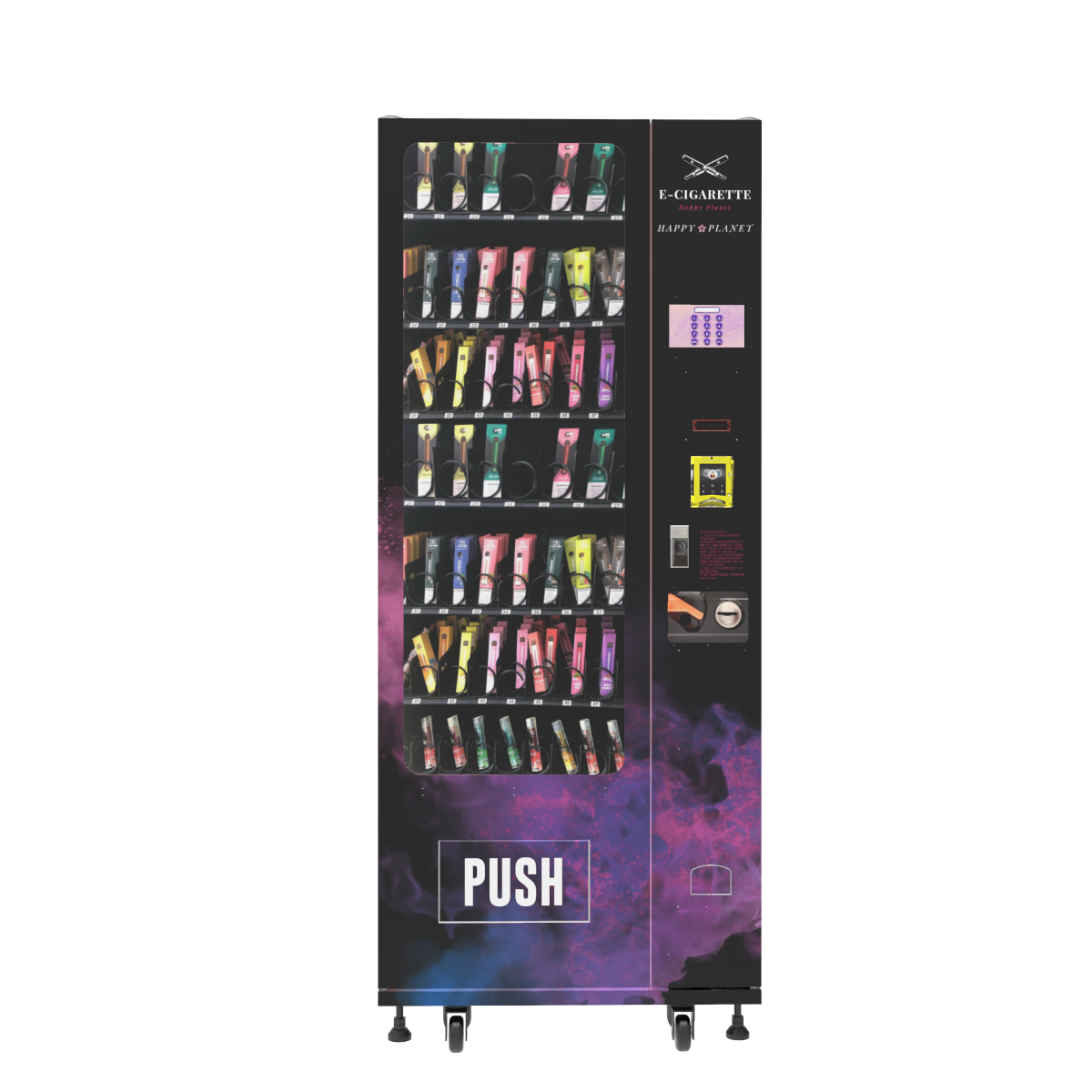
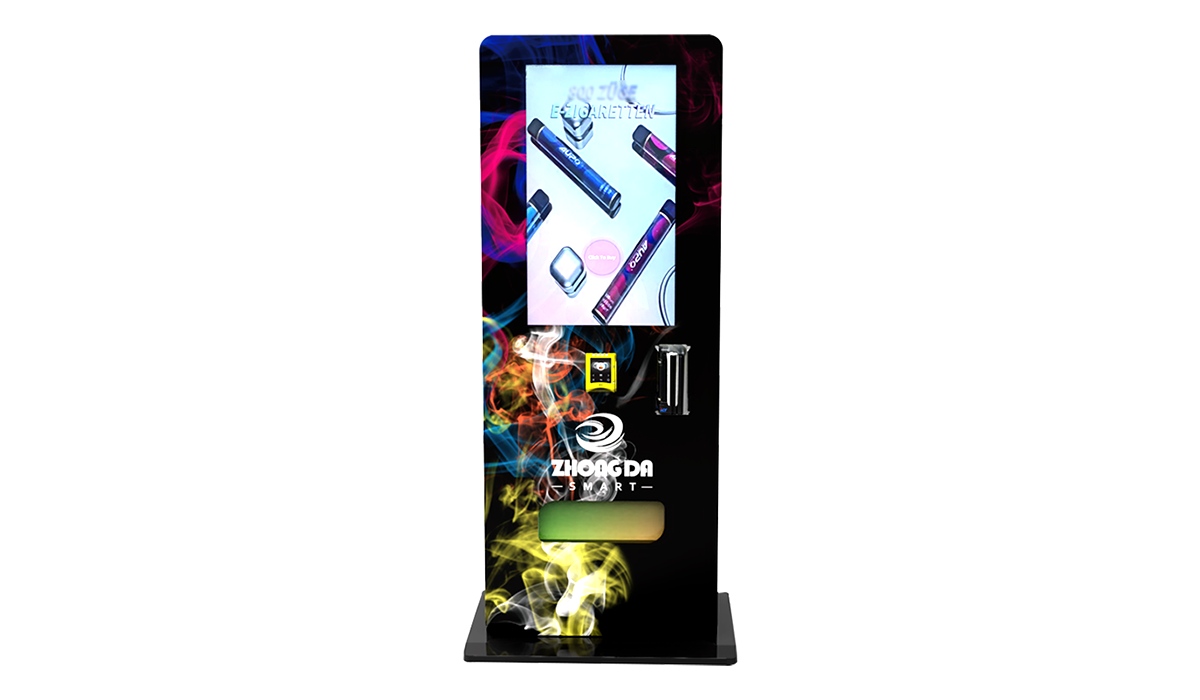
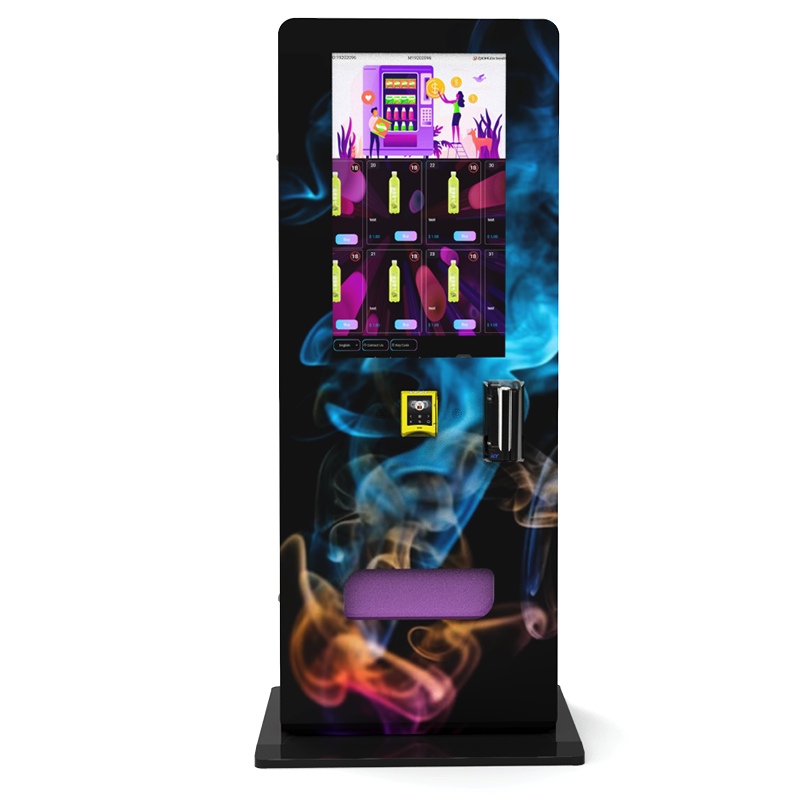
If you are running a bar, nightclub, or any 21+ only venue and looking to add a tobacco vending machine, you already know the rules are not the same as they were twenty years ago. The days of a simple coin drop are long gone. Today, compliance is the entire game. Over the past decade, I have deployed hundreds of these units across the US market, and I have seen exactly what works and what gets operators fined or shut down. The core requirement is simple: every single transaction must be age-verified, and the machine must be located in a physical space where no one under 21 is allowed. This is not a suggestion; it is federal law under the T21 act. Getting this wrong means losing your business license. Getting it right, however, opens up a very profitable, low-labor revenue stream that runs 24/7.
Why 21+ Only Facilities Are the Sweet Spot for Tobacco Vending
Not every location can legally host a tobacco vending machine. The FDA’s regulations are strict: unless you are in a facility where entry is restricted to adults 21 and over, you cannot have a self-service tobacco product dispenser. This immediately disqualifies most convenience stores, gas stations, and general retail spaces. It leaves a very specific, high-value set of locations: bars, nightclubs, casinos, private clubs, and some military bases.
This restriction is actually a massive advantage for operators. Because the pool of eligible locations is smaller, the competition is lower. A bar owner who installs a smart vending machine for cigarettes or vapes creates a monopoly on late-night sales. Your patrons do not want to leave to buy a pack; they want to stay and spend money. If you have the machine, you capture that revenue.
From a business perspective, the numbers are compelling. A typical bar with 200+ nightly patrons can generate between $150 and $400 per week in tobacco sales from a single machine, depending on local pricing and foot traffic. The margins on these products are high, often exceeding 40% when you buy wholesale. Over a year, that single machine can net over $10,000 in profit. That is not pocket change; that is a significant addition to your bottom line with almost zero labor cost.
Navigating the Legal Landscape for Age-Restricted Vending
Understanding the law is the first step to a successful deployment. The federal minimum age for purchasing tobacco products, including e-cigarettes and vaping devices, is 21. This is not negotiable. However, the specific rules for vending machines vary by state and even by municipality. Some states require that the machine be equipped with a locking mechanism that is only released by an employee after checking an ID. Other states mandate that the machine itself must have an integrated electronic age verification system that scans a driver’s license or ID card.
Federal Compliance vs. State Specifics
The FDA’s rule is the floor. You must comply with that, and then you must check your local laws. For example, in New York, the machine must be directly supervised by an employee. In Nevada, casinos have a broader exemption, but only if the machine is in a restricted area. I recommend always building your system to the highest standard, not the minimum. If you install a machine with a biometric scanner and ID validation, you are safe in almost any jurisdiction. If you install a simple mechanical machine, you are asking for trouble.
One critical detail that many operators miss is the requirement for a "responsible adult" to be present. Even if the machine has an ID scanner, some states still require that the machine be within sight of the bar staff. This is a physical placement issue. You cannot put the machine in a dark corner of the hallway. It must be in a well-lit area where staff can observe the transaction.
Hardware That Works: Choosing the Right Smart Vending Machine
I have tested machines from a dozen different manufacturers over the years. The hardware you choose will make or break your operation. Cheap machines break down. They jam. Their scanners fail. And when that happens, you lose sales and annoy your customers. The machine needs to be built for commercial use, not for a home garage.
When I source equipment for my clients, I look for three specific features: a reliable ID scanner, a robust dispensing mechanism, and remote management software. The machine must be able to scan a barcode or the magnetic stripe on the back of a driver’s license. It must parse the data to confirm the date of birth. If the customer is under 21, the transaction stops immediately. No exceptions.
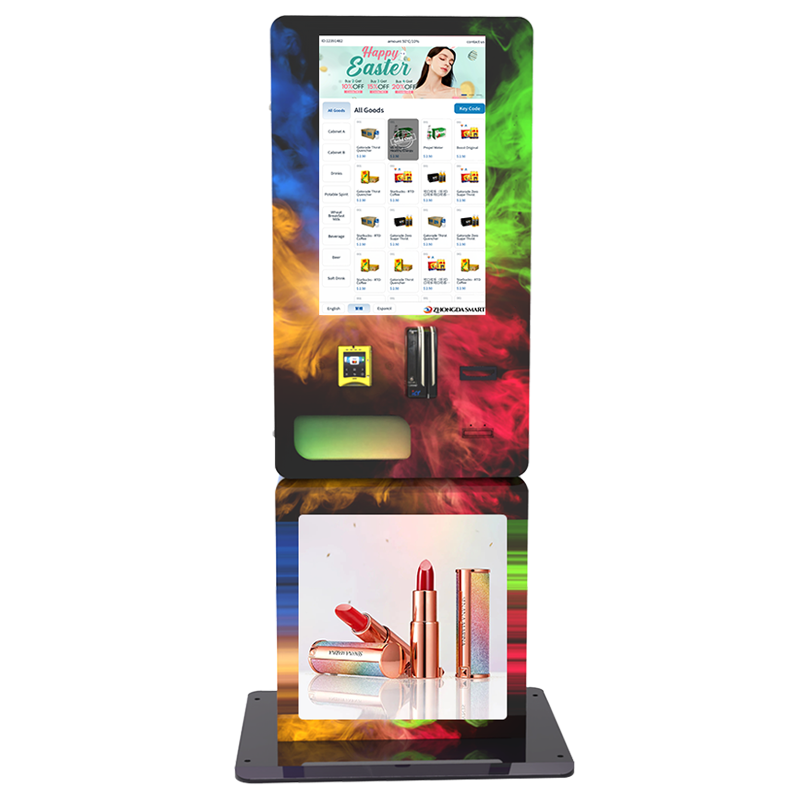
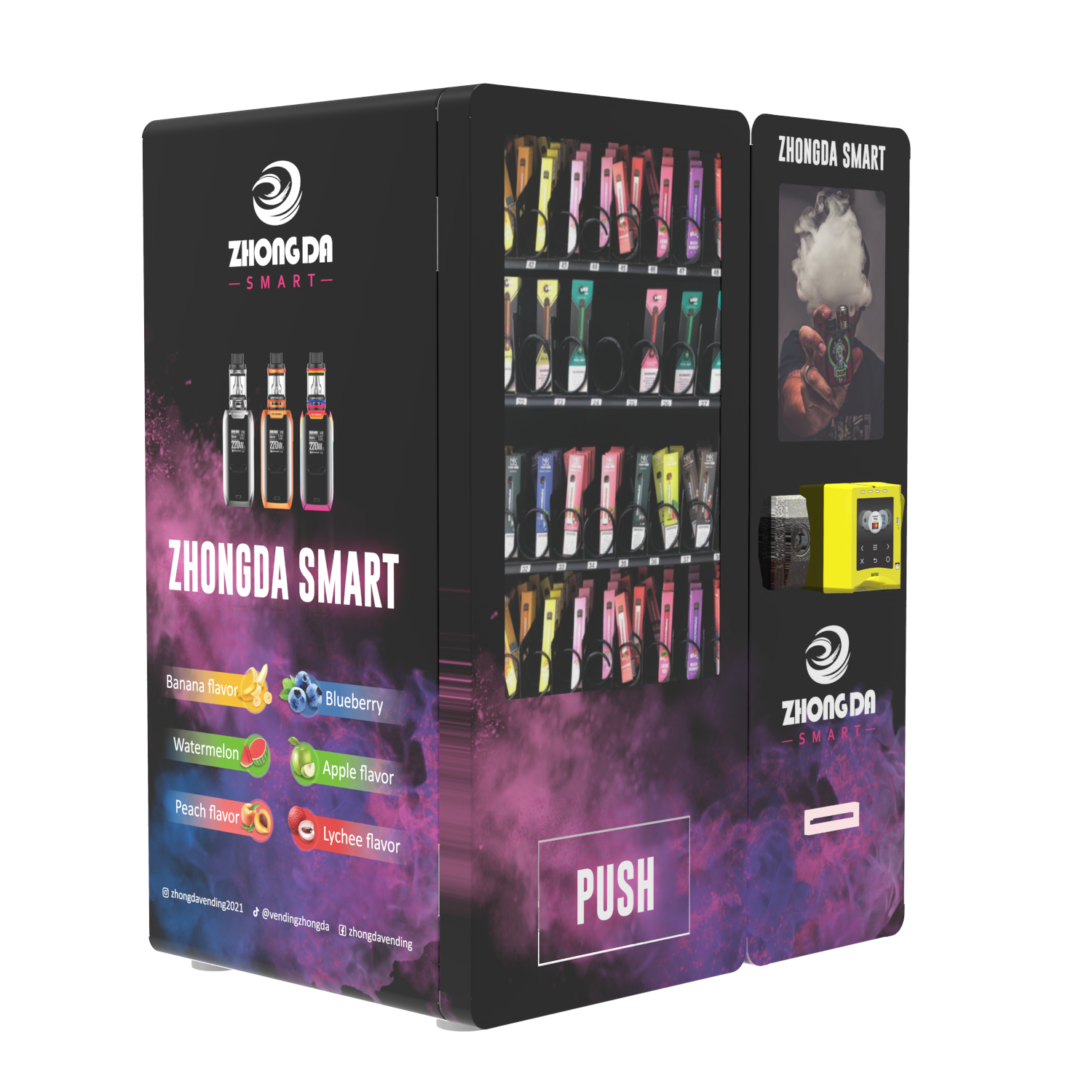
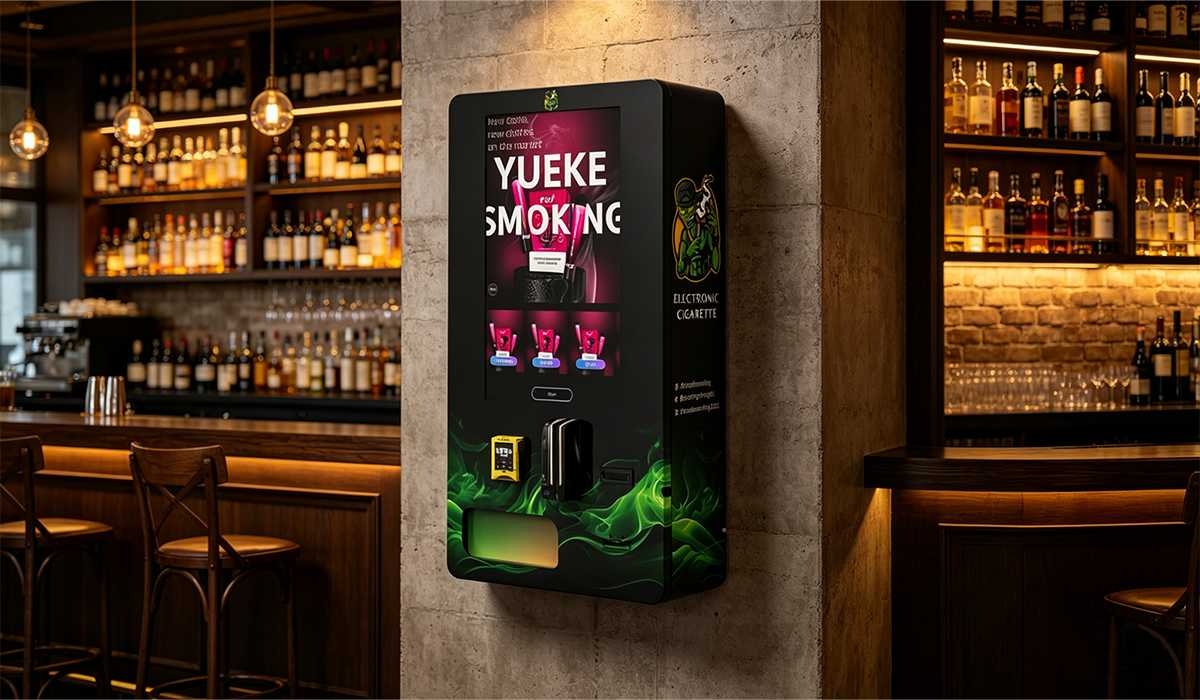
For hardware recommendations, I have worked extensively with Zhongda smart on several large-scale deployments. Their units are built with commercial-grade steel, and the dispensing mechanism is designed to handle the sticky nature of vape cartridges and cigarette packs without jamming. One of their most popular models for bars is the ID scan vending machine, which has a built-in scanner that reads over 50 different international ID formats. This is critical if you are in a tourist area or a city with a diverse population.
Key Technical Specifications to Look For
Do not buy a machine without these features:
- Integrated Age Verification: The scanner must be part of the machine, not a separate add-on that can be bypassed.
- Remote Monitoring: You need to see sales data and inventory levels from your phone. If you have to walk to the machine to check if it is empty, you are wasting time.
- Tamper-Proof Design: The machine must be difficult to break into. A crowbar should not open it.
- Multi-Product Capability: You want to sell cigarettes, vapes, nicotine pouches, and maybe even lighters from the same unit.
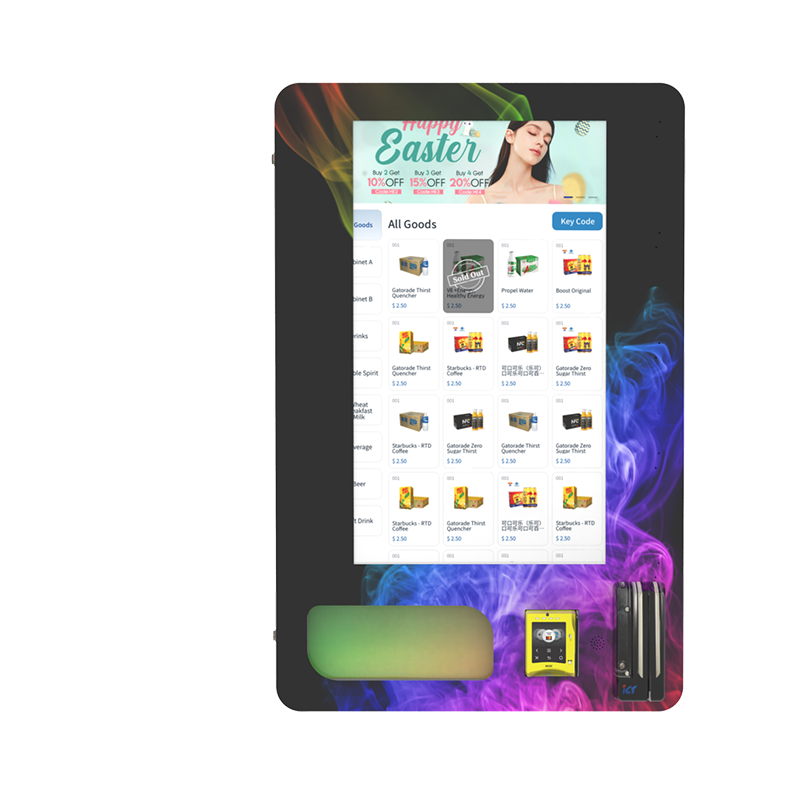
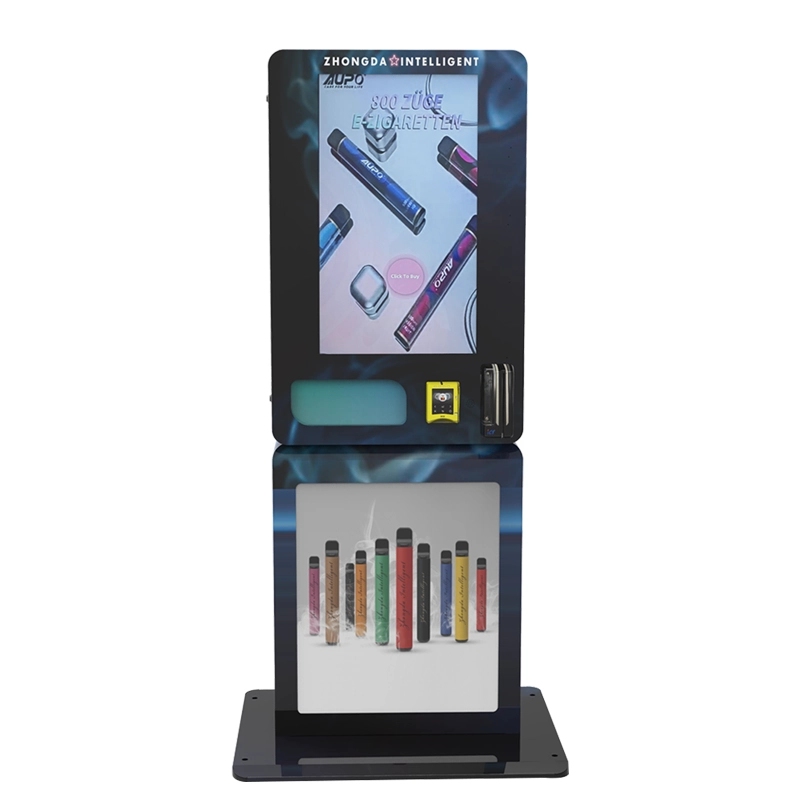
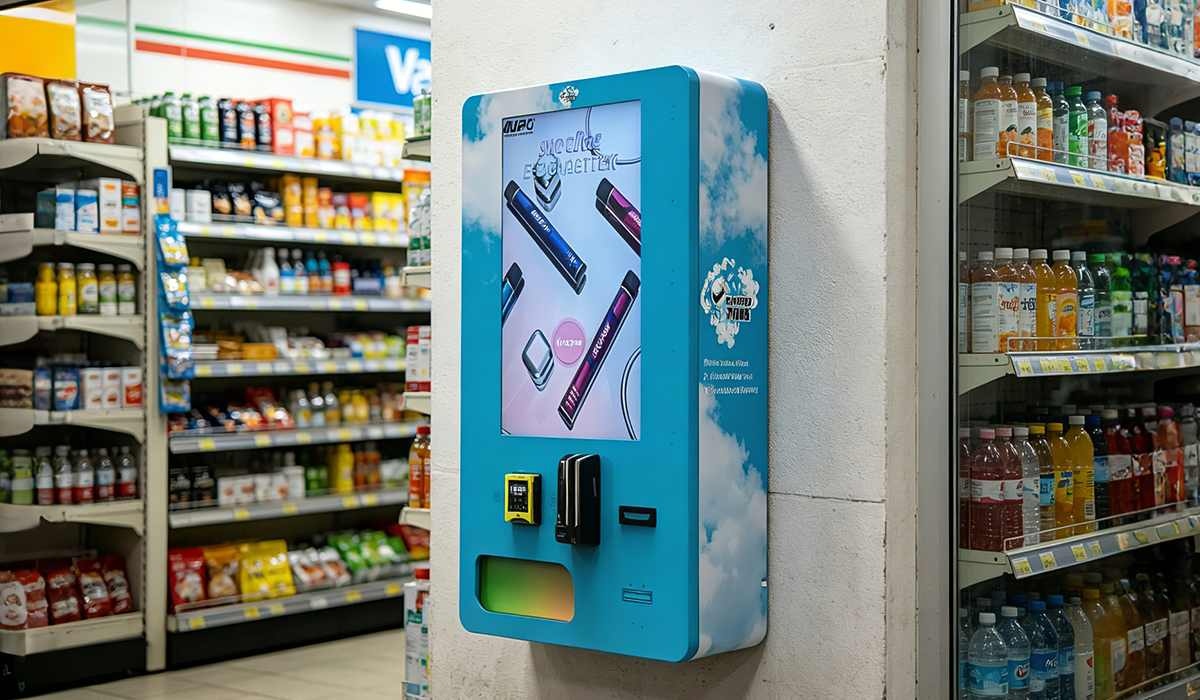
For a deeper look at the specific models we use for small retail and bar settings, you can check the wall-mounted compact e-cigarette vending machine. It saves floor space and still holds a decent inventory.
Profitability and Cost Structure of a Tobacco Vending Operation
Let’s talk about the money because that is why you are reading this. The initial investment for a compliant tobacco vending machine is between $3,500 and $8,000. That is the upfront cost. The ongoing costs are minimal: electricity (about $10 per month), credit card processing fees (2-3% per transaction), and the cost of goods sold (COGS).
Revenue Projections: A Realistic Look
I manage a route of 15 machines in the Midwest. Here is a real example from one of my bar locations:
- Average Transaction Value: $12.50 (typically a pack of cigarettes or a disposable vape)
- Daily Transactions: 12-18
- Daily Revenue: $150 - $225
- Monthly Revenue: $4,500 - $6,750
- Gross Margin (after COGS): 35-45%
- Monthly Gross Profit: $1,575 - $3,037
At that rate, the machine pays for itself in 3 to 5 months. After that, it is pure profit. The key variable is location. A busy dive bar in a working-class neighborhood will sell more cigarettes. A high-end cocktail lounge will sell more premium vapes. You need to stock the machine to match your audience.
Cost Comparison: Traditional Cigarette Machine vs. Modern Vape Kiosk
To help you decide which route to take, here is a direct comparison based on my experience:
| Feature | Traditional Cigarette Machine (Old School) | Modern Smart Vending Kiosk |
|---|---|---|
| Age Verification | None or manual key | Automatic ID scan + database check |
| Inventory Tracking | Manual visual check | Real-time remote monitoring |
| Payment Options | Cash only | Credit cards, Apple Pay, Google Pay |
| Price Flexibility | Fixed mechanical pricing | Dynamic pricing via software |
| Compliance Risk | High (easy to bypass) | Low (audit trail) |
| Average Monthly Profit | $500 - $1,000 | $1,500 - $3,000 |
The data is clear. The modern machine costs more upfront, but it earns more and carries significantly less legal risk. If you are serious about this business, do not buy a vintage machine for aesthetic reasons. Buy a compliant machine that protects your license.
Real World Deployment: What I Learned from My First 50 Installations
I made plenty of mistakes early on. I want to share them so you do not repeat them. My first machine was a refurbished unit from a guy who claimed it was "compliant." It was not. It had a simple switch that an employee could flip to disable the age check. I lost a client because of that.
The second mistake was placement. I put a machine in a hallway that was technically in the bar, but it was not visible from the main bar area. A customer under 21 managed to slip in during a busy Friday night. They used a fake ID that the old scanner did not catch. The police did a compliance check and fined the bar $5,000. I had to pay half of that to keep the account. That was a hard lesson.
Now, I only deploy machines with top-tier scanners. The age verification vending machine from Zhongda smart uses a scanner that reads the barcode and the visual layout of the card. It checks for holograms and UV features. It is much harder to fool. I also insist that the machine is placed within 10 feet of the main bar counter. The staff can see it, and the customers know they are being watched. This simple change cut my compliance issues to zero.
Common Failures and How to Avoid Them
Here are the top three reasons why tobacco vending machine operators fail:
- Ignoring Local Tax Laws: Cigarette taxes vary wildly by state. You must have a vending machine license and a tobacco retailer license. You also need to collect and remit the correct sales tax. If you do not, the state will audit you and seize your machine.
- Poor Inventory Management: Running out of a popular brand on a Friday night is a disaster. You lose the sale, and the customer is annoyed. Use the remote inventory feature to check stock levels every day.
- Neglecting Maintenance: A jammed coil or a broken scanner kills your revenue. Clean the machine weekly. Lubricate the coils. Test the scanner with a real ID every month.
I have seen operators who ignored these three things go out of business within six months. The ones who treat the machine like a business asset, not a toy, are the ones who make money.
Long-Term Operational Strategy for Route Operators
If you plan to scale beyond a single machine, you need a route strategy. A route is simply a group of machines that you service on a regular schedule. The economics of a route are excellent because you can spread your overhead across multiple machines.
For example, if you have 10 machines, you need one person to service them. That person can refill stock, collect cash (if you still accept it), and perform basic maintenance. The labor cost per machine drops significantly. The profit per machine stays the same.
Building Relationships with Venue Owners
The hardest part of this business is not the hardware; it is getting the location. Bar owners are skeptical. They do not want the headache. You need to sell them on the benefits: no extra labor for their staff, a cut of the profits (usually 10-20% of the net), and a service that keeps customers on the premises.
I use a simple profit-sharing model. I own the machine and stock it. The venue provides the electricity and the space. We split the profit 80/20 in my favor. This is a standard deal in the industry. If the venue owner wants a higher split, they have to buy the machine themselves. Most prefer the passive income.
For those looking to start, I recommend reading the case study on vape vending machines for bars, clubs, and lounges. It outlines exactly how we structured the deal for a chain of nightclubs in a major metropolitan area.
Frequently Asked Questions About Tobacco Vending Machines
I get the same questions from every new operator. Here are the answers based on actual field experience.
Can I place a tobacco vending machine in a convenience store?
Generally, no. The FDA restricts self-service tobacco vending machines to facilities where entry is limited to people 21 and older. A convenience store is open to the public, including minors, so it is not a compliant location. The only exception is if the machine is under the direct, line-of-sight supervision of an employee who can verify age for every single transaction, which is rarely practical.
What happens if my machine sells to a minor?
The consequences are severe. The venue can lose its liquor license. The machine owner can be fined thousands of dollars per violation by the FDA. In some states, it is a criminal misdemeanor. This is why you cannot rely on a simple "honor system" or a mechanical switch. You need a machine that scans and validates a government-issued ID every single time.
How much does a compliant tobacco vending machine cost?
A new, fully compliant machine with an integrated ID scanner and remote management software will cost between $4,000 and $8,000. Refurbished machines can be found for less, but you take a risk on the age verification technology being outdated. I always recommend buying new from a reputable manufacturer like Zhongda smart to ensure the hardware meets current FDA standards.
Do I need a special license to operate a tobacco vending machine?
Yes. You need a tobacco retailer license from your state. Some states also require a specific "vending machine operator" license. You must also register with the FDA as a tobacco retailer. The venue owner may also need their own license. Do not assume anything. Check with your state’s Department of Revenue and the FDA before you buy the machine.
What products sell best in a tobacco vending machine?
In my experience, the top sellers are premium disposable vapes (like Elf Bar or Geek Bar), standard cigarette packs (Marlboro, Camel), and nicotine pouches (Zyn). The mix depends on your location. In a college bar, vapes dominate. In a blue-collar tavern, cigarettes are king. Start with a 60/40 split of vapes to cigarettes and adjust based on sales data from your machine's software.
Final Verdict for Operators and Venue Owners
The market for tobacco vending machines in 21+ facilities is strong, but it is not a set-it-and-forget-it business. It requires attention to compliance, a willingness to invest in quality hardware, and a smart approach to inventory management. If you do it right, you create a revenue stream that requires almost no daily labor and provides a high return on investment. If you do it wrong, you face fines and legal trouble.
I have seen the industry shift from mechanical boxes to intelligent kiosks. The operators who adapt to this new reality are the ones who succeed. They buy machines that verify age electronically. They monitor their inventory remotely. They partner with venue owners who understand the value of a compliant solution. That is the only way to build a sustainable, profitable operation in this space.
Meta Description: Expert guide on tobacco vending machine rules for 21+ facilities. Learn about compliance, cost, profitability, and how to choose the right smart vending machine for your bar or club.
Sources:
- FDA Tobacco 21 Rule: https://www.fda.gov/tobacco-products/retail-sales-tobacco-products/tobacco-21
- Statista - Cigarette Vending Machine Market Data: https://www.statista.com/topics/1735/tobacco/
- NACS - Convenience Store Compliance Guidelines: https://www.convenience.org/Topics/Government/Pages/default.aspx