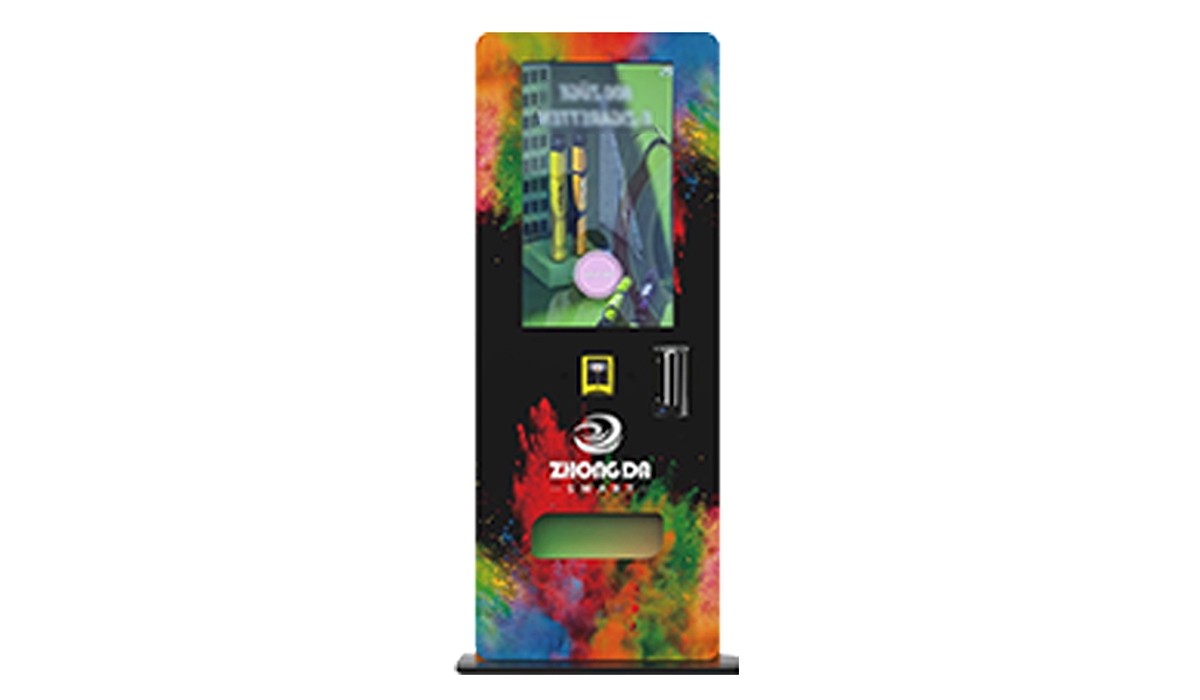
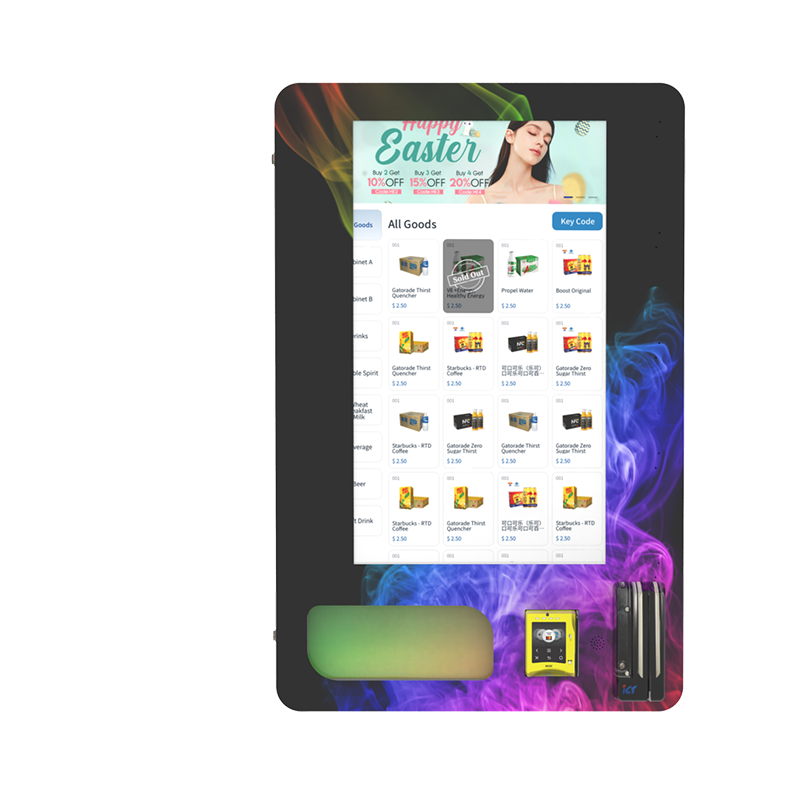
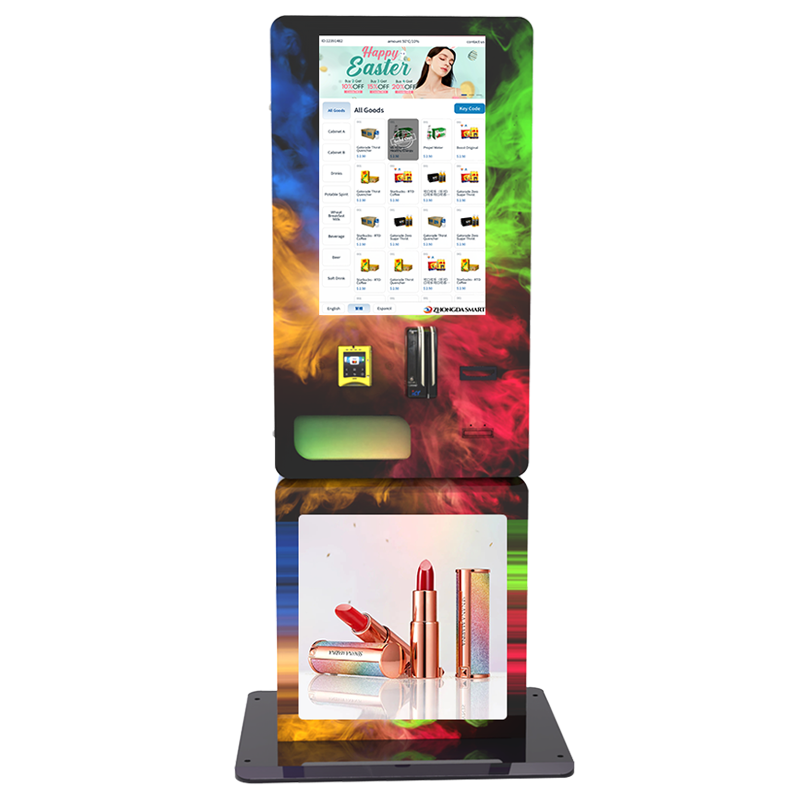
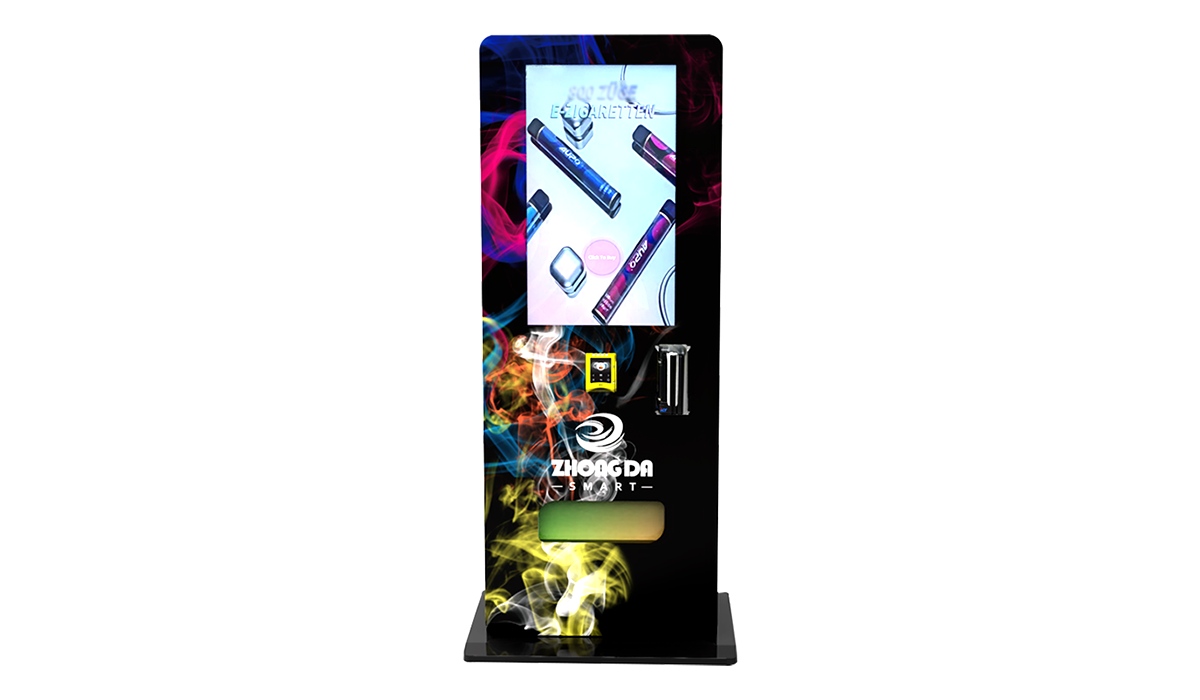
After a decade of placing vape vending machines across high-traffic venues, I can tell you this: the real money isn't in the hardware—it's in the location and the compliance system. A single smart vending machine, if positioned correctly in a bar or a busy convenience store, can generate consistent passive income while you sleep. But the market is flooded with cheap, non-compliant units that will get you fined or shut down. I've seen operators lose their entire investment because they skipped age verification. This guide breaks down exactly what I've learned from thousands of deployments, the real costs, the profit margins, and the specific machines that actually work for 24/7 revenue.
Why a Smart Vending Machine for Vapes Makes Sense Right Now
The shift toward self-service retail is not a trend—it's a structural change in how people buy nicotine products. Consumers want speed and privacy. Staff in bars and lounges don't want to manage vape sales between pouring drinks. This gap is where the automated retail kiosk steps in. I've watched locations that sold maybe ten disposable vapes a week from behind the counter jump to fifty units a week after installing a compliant machine. The difference is availability. When a customer can buy at 2 AM without waiting for a bartender, the transaction happens instantly.
From a business owner's perspective, the vending machine for vapes eliminates the biggest headache in retail: labor cost. You do not need a cashier. You do not need inventory management software that requires training. You need a machine that holds stock, processes payments, and verifies age. That's it. The operational overhead is so low that even a single machine in a modest location can pay for itself within four to six months. I have seen this happen repeatedly with the right equipment.
The Difference Between a Passive Asset and a Liability
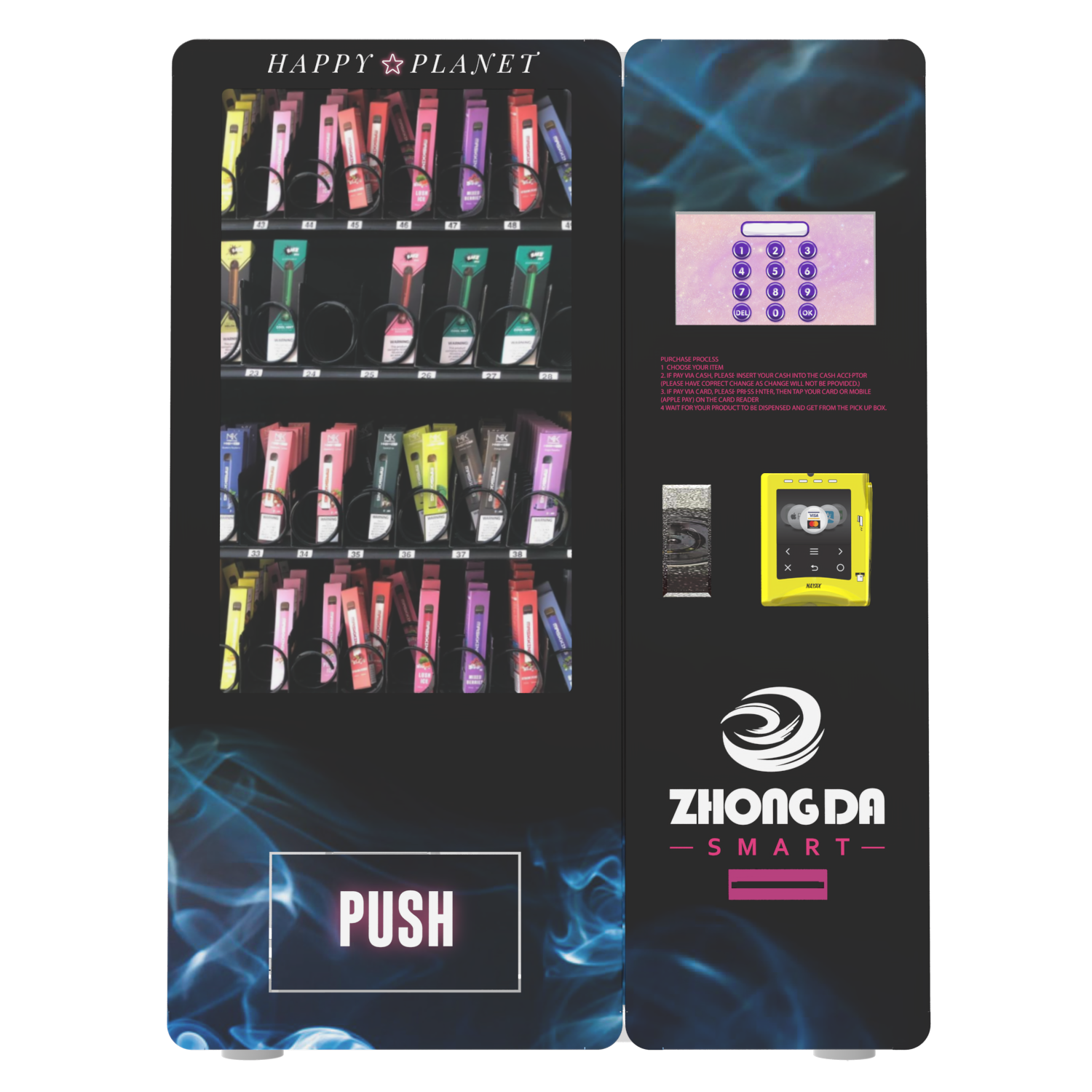
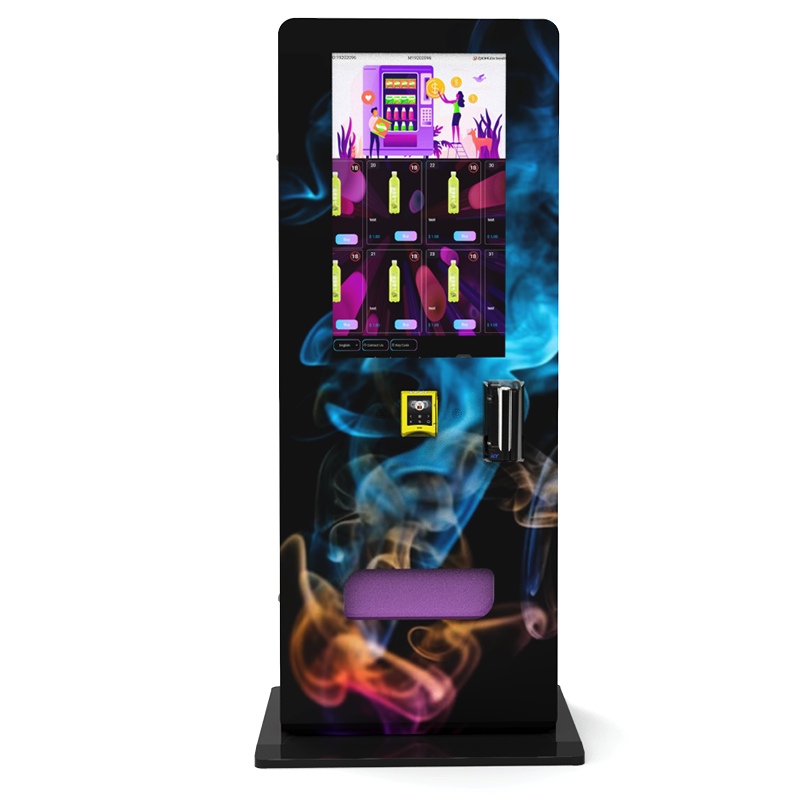
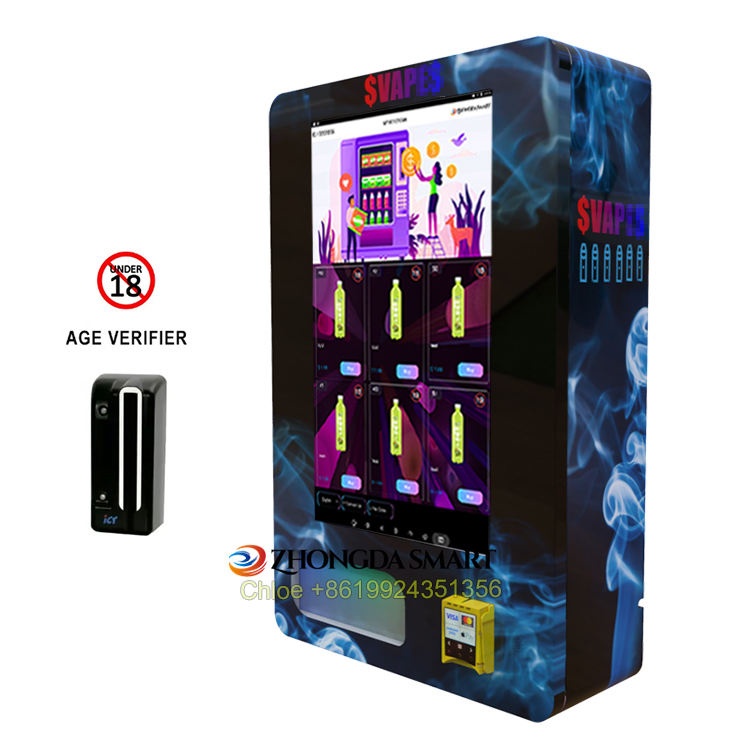
Not every machine on the market is built for this. I have pulled units out of locations because the card reader failed twice in one week, or the age verification camera couldn't read IDs in low light. A passive income stream requires reliability. If your machine is down for three days, you lose that week's profit, and the location owner loses trust in you. That is why I only work with machines that have industrial-grade components. The age verification vending machine from Zhongda Smart, for example, uses a biometric scanner and a high-speed ID scanner that works in dark bar environments. That is not a luxury—it is a requirement for 24/7 operation.
Breaking Down the Cost Structure and Profit Model
Let me walk you through the actual numbers. I am not going to give you vague percentages. Here is what I track across my fleet of machines.
| Expense Category | Typical Cost | Notes |
|---|---|---|
| Machine (new, compliant) | $4,500 – $8,000 | Includes age verification, payment system, and warranty |
| Location commission | 10% – 20% of gross | Negotiable based on foot traffic |
| Product cost (COGS) | 40% – 50% of retail price | Disposables have higher margins |
| Payment processing fees | 2.5% – 3.5% | Standard for card and mobile payments |
| Maintenance & restocking | $1.50 per transaction | Includes labor and transport |
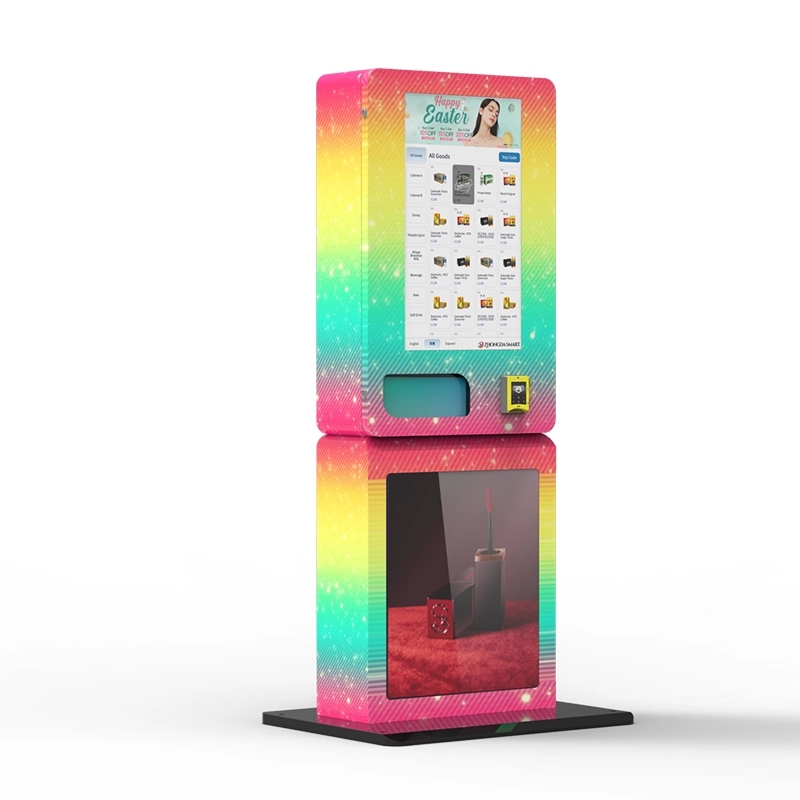
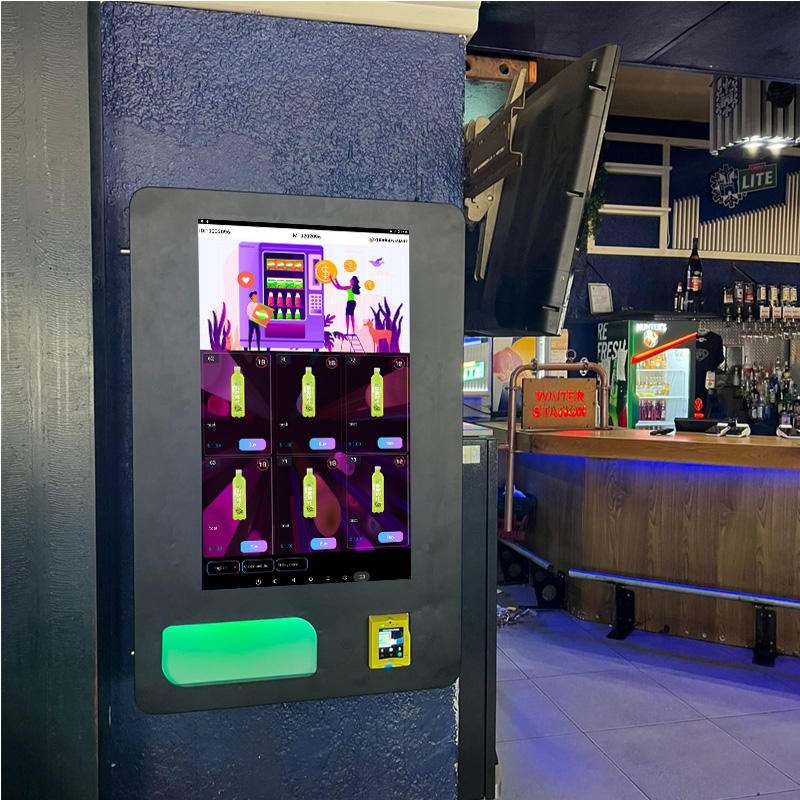
Here is a real example from a location I manage. A wall-mounted unit in a mid-sized sports bar sells an average of 35 units per week. The average retail price is $18. That is $630 in weekly gross revenue. After product cost (let's say $9 per unit), location commission (15%), and payment fees, my net profit is roughly $230 per week from that single machine. That is $11,960 per year from a machine that cost $5,200. The return on investment happens in under six months. And that is a conservative location. I have machines in high-traffic convenience stores that do double that volume.
Why Gross Margin Depends on Your Product Mix
The mistake new operators make is stocking only premium brands. You need a mix. High-margin disposable devices at $15 to $20 sell fast, but you also need a few premium pod systems for the customer who wants quality. I keep 60% of my slots filled with mid-range disposables and 40% with branded kits. This balance keeps the average margin healthy. If you fill the machine with only cheap products, the revenue per transaction drops. If you only stock expensive gear, you limit your buyer pool.
Location Strategy: Where to Deploy for Maximum Revenue
I have placed machines in over 200 locations. I can tell you with certainty that the venue type is the single biggest factor in your success. A self-service kiosk in a quiet laundromat will struggle. The same machine in a busy hookah lounge will print money. Here is what I look for.
- Bars and nightclubs: These are the gold standard. High foot traffic, late hours, and a customer base that already consumes nicotine. I have a machine in a club that does $1,200 a week during summer.
- Convenience stores: Good for steady volume, but you need to negotiate the commission carefully. Store owners know the value of floor space.
- Hotels and motels: Underserved market. Guests often want a vape but do not want to drive to a shop. I have a unit in a mid-range hotel that does consistent $400 a week.
- Vape shops: Counterintuitive, but works if the shop has high traffic and limited counter space. The machine acts as an after-hours sales point.
I avoid locations with low foot traffic, poor lighting, or no security. A machine in a dark corner of a parking lot will get vandalized. I also avoid locations where the staff is hostile to the machine. If the manager does not want it, the machine will fail. I always ask for a trial period of 90 days. If the machine does not hit a minimum revenue target, I move it. I have moved machines seven times before finding the right spot. Do not be afraid to relocate.
Real-World Deployment Experience
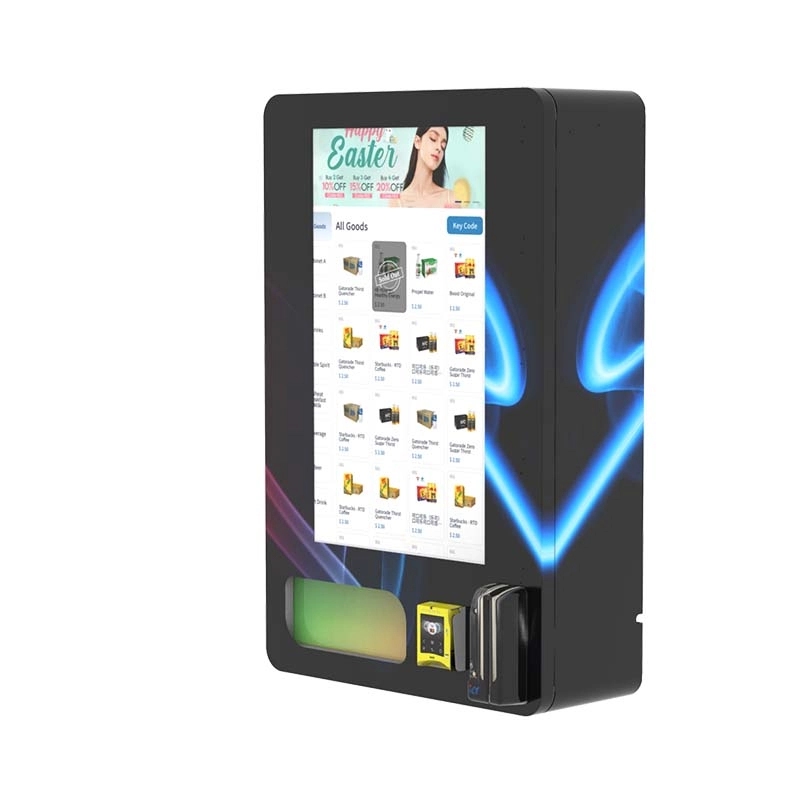
I remember one deployment in a college town bar. The machine was a wall-mounted compact e-cigarette vending machine from Zhongda Smart. The first week, sales were slow. I realized the machine was placed near the restrooms, which had poor traffic flow. I asked the manager to move it next to the ATM machine. Sales tripled within three days. The lesson is simple: visibility matters. A machine hidden behind a pillar is a machine that does not sell.
Technology and Compliance: The Non-Negotiables
If you operate a vape vending machine without proper age verification, you are not running a business—you are running a liability. I have seen operators lose their machines, face fines, and even criminal charges because they used a machine that could be bypassed by a teenager. The regulations are strict, and they vary by state. But the standard is clear: you must verify the buyer is 21 or older before the transaction completes.
The machines I deploy use a combination of ID scanning and biometric verification. The ID scan vending machine reads the barcode on the back of a driver's license, checks the date of birth, and compares the photo to a live camera feed. If the ID is expired or the photo does not match, the transaction stops. This is not optional. I have tested machines that use only a simple "press yes to confirm you are 21" button. Those machines are dangerous and should never be used in a commercial setting.
Age Verification Technology That Works
The ID scan vending machine from Zhongda Smart is the most reliable unit I have used. It scans the ID, verifies the age, and stores the transaction data for compliance reporting. This is critical if you ever get audited. You need a record of every sale. The machine also has a built-in camera that records the buyer. If there is ever a dispute, you have evidence. I sleep better knowing my machines are compliant.
Maintenance and Restocking: The Daily Reality
Passive income is not "no work." It is low work. You still need to restock the machine and handle occasional issues. I restock my machines once a week. It takes about 20 minutes per machine. I check inventory levels, clean the touchscreen, and test the card reader. I also check the age verification system to make sure the camera is clean. Dust on the lens can cause false rejections.
- Restocking frequency: Weekly for high-volume locations, bi-weekly for low-volume spots.
- Common issues: Card reader jams, network connectivity drops, and product jams. Most can be fixed remotely or with a simple reset.
- Remote monitoring: I use a dashboard that shows sales data, inventory levels, and error codes. I can see if a machine is down before the location owner calls me.
One thing I learned the hard way: always carry spare parts. I keep a small kit with a backup card reader, a spare power supply, and a cleaning kit. If a machine goes down on a Friday night, I lose a weekend of sales. Being prepared saves money.
Common Failures and How to Avoid Them
The biggest failure I see is operators buying cheap machines from unknown suppliers. These machines have low-quality card readers that fail after 1,000 transactions. They have plastic components that break. They do not have proper temperature control, so the products overheat in summer. I have replaced more machines than I care to count. My advice is simple: buy from a manufacturer that has been in the business for at least a decade. Zhongda Smart has been manufacturing vending machines for 15 years. That kind of track record matters.
Another failure is poor location negotiation. Operators agree to a 30% commission because they are desperate for a spot. That kills your margin. I never pay more than 20%, and I aim for 15%. If the location owner insists on 25%, I walk away. There are always other locations.
Comparing Machines: What to Look For
When you are evaluating a vape vending machine for sale, you need to look at three things: the age verification system, the payment system, and the build quality. Here is a comparison based on my experience.
| Feature | Budget Machine | Commercial-Grade Machine (e.g., Zhongda Smart) |
|---|---|---|
| Age verification | None or simple button press | ID scan + biometric camera |
| Card reader reliability | Fails after 1,000 transactions | Industrial-grade, tested for 100,000+ cycles |
| Build material | Thin sheet metal | Steel frame with anti-vandal coating |
| Temperature control | None | Internal fan and insulation |
| Remote monitoring | Optional or limited | Built-in dashboard with real-time data |
| Warranty | 6 months | 2 years |
The price difference is usually $2,000 to $3,000. But the commercial-grade machine will last five to seven years with proper maintenance. The budget machine might last two years. The math is clear.
Long-Term Strategy: Scaling Your Fleet
Once you have one machine running profitably, the next step is scaling. I started with one machine. I now manage a fleet of 40. The key to scaling is standardization. I use the same machine model across all locations. This simplifies maintenance, restocking, and troubleshooting. I also negotiate bulk pricing with my supplier. Zhongda Smart offers volume discounts, which improves my margin.
I also recommend building relationships with location owners. If you treat them well—reliable machine, prompt maintenance, fair commission—they will refer you to other venues. Most of my new locations come from referrals. I never cold call. It is a waste of time.
Risk Management and Exit Strategy
Not every machine will succeed. I have pulled machines from locations that did not hit $150 a week after three months. I move them to a new spot. The machine itself is a reusable asset. The only sunk cost is the installation labor. I also keep a reserve fund equal to the cost of two machines. This covers unexpected repairs or a slow season. In five years, I have only had one machine that was a total loss—a unit that was destroyed in a fire. Insurance covered it.
If you ever want to exit the business, the machines have resale value. A well-maintained commercial-grade machine can sell for 50% to 60% of its original price. I have sold units to other operators who wanted to start their own fleet. The market for used equipment is active.
Frequently Asked Questions
How much money can a vape vending machine make per month?
A single machine in a good location can generate between $800 and $2,500 in gross revenue per month. Net profit after product cost, location commission, and fees typically ranges from $400 to $1,200 per month. High-traffic venues like bars and clubs tend to perform better than convenience stores.
What is the best vape vending machine for a bar?
The best machine for a bar is a wall-mounted unit with a compact footprint and a reliable age verification system. The wall-mounted e-cigarette vending machine from Zhongda Smart is a strong choice because it fits in tight spaces and includes ID scanning and biometric verification.
Is a vape vending machine legal?
Yes, but only if the machine has a functioning age verification system that checks a valid government-issued ID. Laws vary by state, but the federal minimum age is 21. Machines without proper verification are illegal and can result in fines or seizure. Always check local regulations before deploying.
How do I start a vape vending machine business?
Start by researching compliant machines from a reputable manufacturer like Zhongda Smart. Secure a location with high foot traffic and negotiate a fair commission. Purchase the machine, install it, and stock it with popular disposable vapes and pod systems. Monitor sales remotely and restock weekly. Scale by adding more machines to successful locations.
What is the ROI on a vape vending machine?
Most operators see a return on investment within 4 to 8 months, depending on the location and the product margin. A machine costing $5,200 that generates $230 per week in net profit will pay for itself in about 23 weeks. High-volume locations can shorten that to 3 months.
Final Thoughts from the Factory Floor
I have spent fifteen years building and deploying these machines. I have seen the market evolve from simple cigarette dispensers to sophisticated smart vending machines with cloud-based monitoring. The opportunity is real, but it requires discipline. You cannot cut corners on compliance. You cannot ignore maintenance. And you cannot expect a machine to work without a good location.
If you are serious about building a passive income stream, start with one machine. Learn the operation. Understand the customer behavior. Then scale. The market is still underserved in many areas. There is room for operators who do it right.
For more technical specifications and to explore the models I recommend, visit the vape vending machine product page on the Zhongda Smart website. You can also check the resource center for case studies and deployment guides.
Sources:
Statista – Vending Machine Market Data
Forbes – The Rise of Automated Retail
IBISWorld – Vending Machine Operators Industry Report