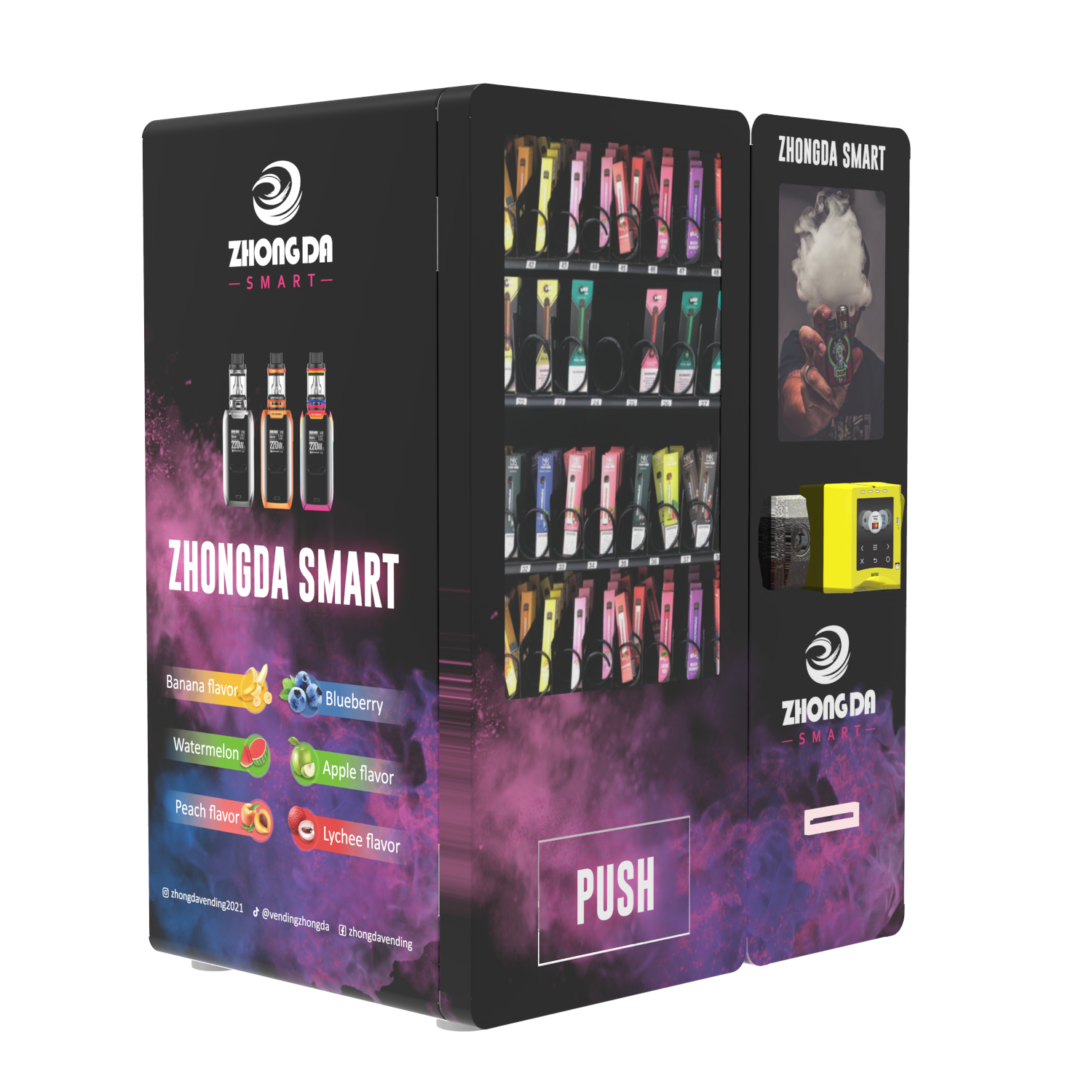
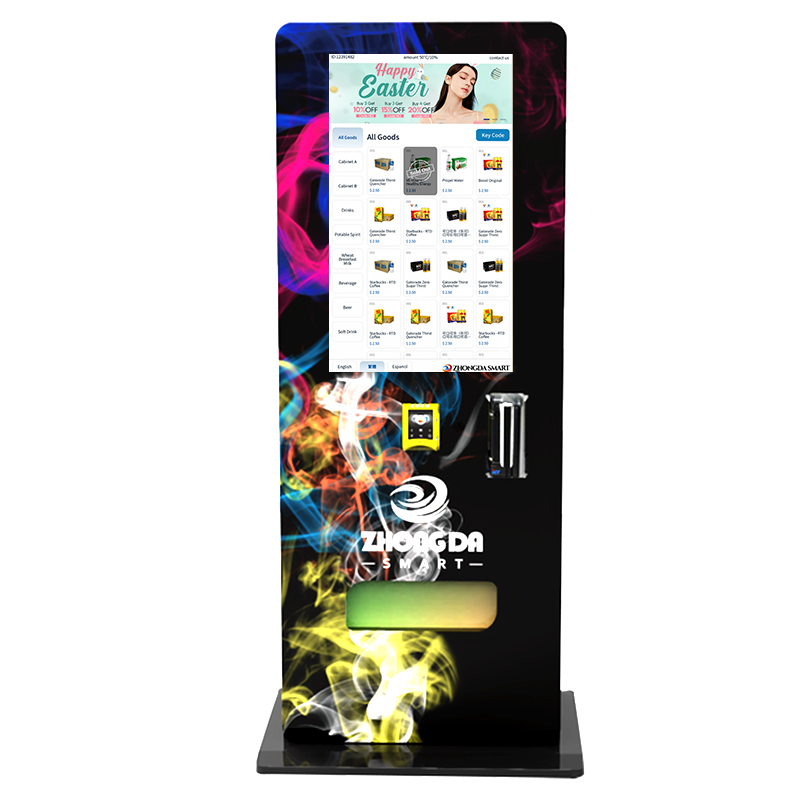
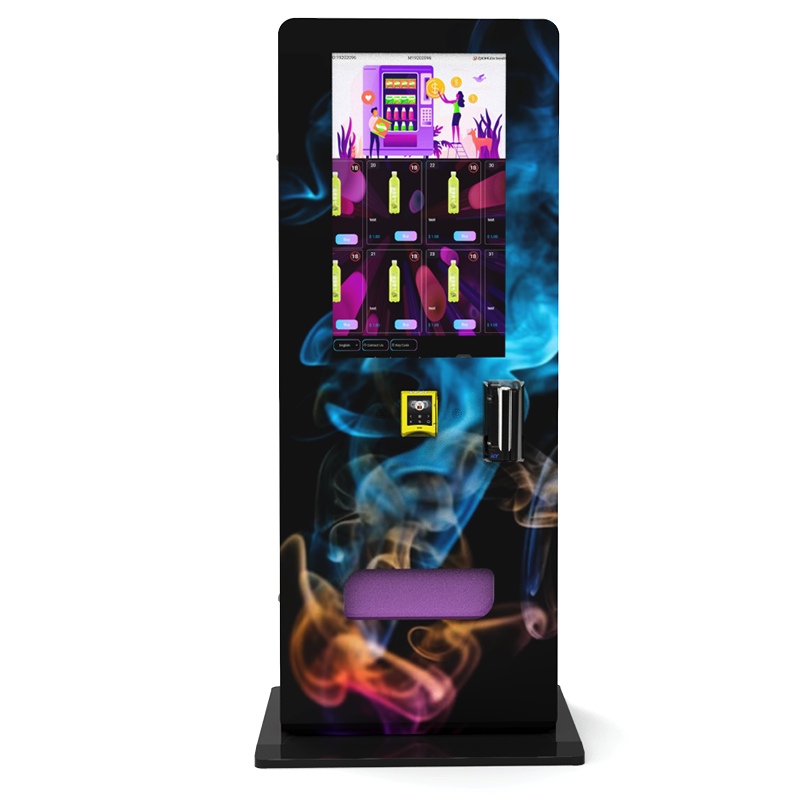
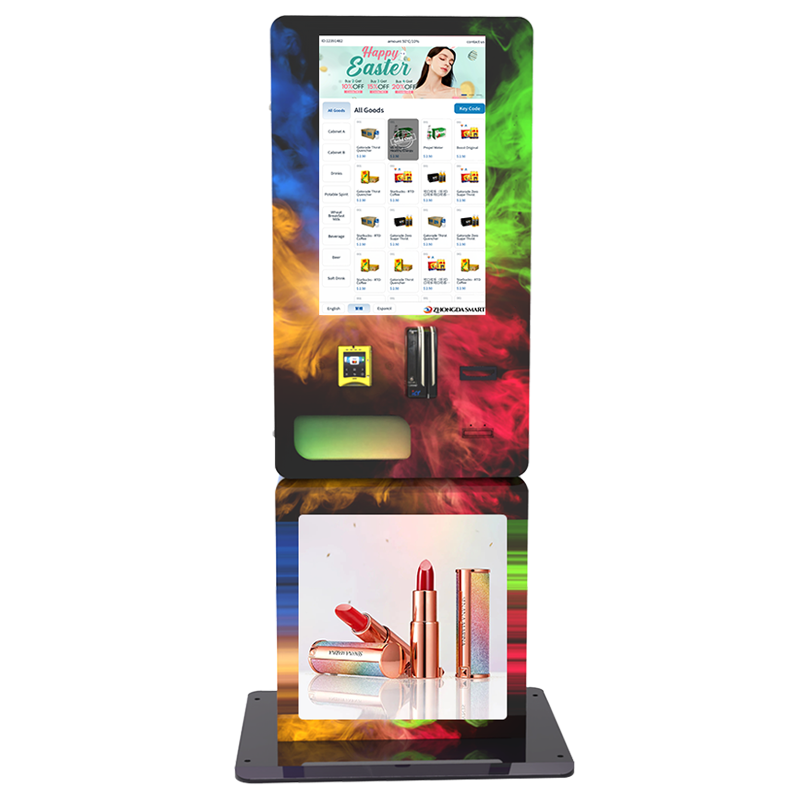
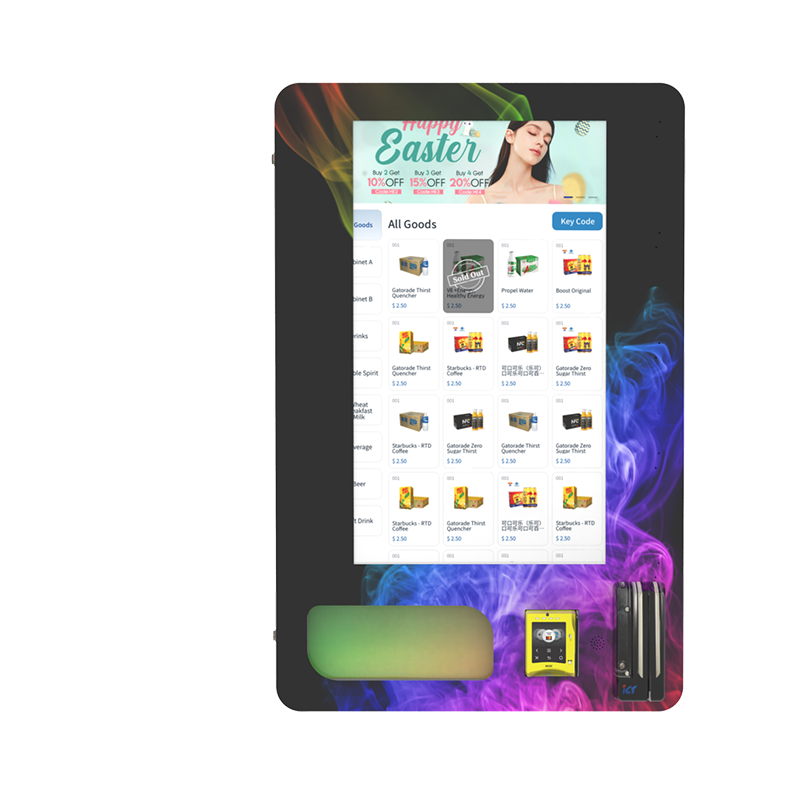
If you are running a vape shop, a bar, or a convenience store, you have felt the pressure of rising wages and the difficulty of finding reliable staff. The question "Can vape vending machines reduce labor costs?" is not just theoretical for me. Over the last decade, I have deployed thousands of these units across various markets, and the short answer is yes—but only if you choose the right machine and place it correctly. A vape vending machine replaces the need for a cashier for a specific transaction, eliminating payroll taxes, shift scheduling headaches, and the shrinkage that comes with human error. However, the real savings come from the operational model, not just the hardware. Let me walk you through the actual numbers, the hidden costs, and the specific strategies that turn a smart vending machine into a profit center rather than a tech experiment.
The Real Cost of a Human Cashier vs. a Machine
Before we talk about hardware, let's look at the baseline. In most regions, the fully loaded cost of a retail employee—including wages, payroll taxes, workers' compensation, and benefits—runs between $18 and $25 per hour. For a location open 12 hours a day, that is roughly $216 to $300 per day just for one shift. Over a year, that single position costs between $78,000 and $109,000. A high-quality vape vending machine, like the models we build at Zhongda smart, costs between $3,500 and $8,500 depending on the features. The machine does not call in sick, does not take breaks, and does not require overtime pay.
The math is straightforward. If a machine eliminates the need for one full-time equivalent position, it pays for itself in the first one to three months. After that, the labor cost reduction goes straight to your bottom line. But this only works if the machine is reliable and the location has enough foot traffic to justify the investment.
Where the Savings Actually Come From
Most operators focus on the obvious: not paying a salary. But the deeper savings are in the operational efficiencies that a self-service kiosk introduces. Let me break down the three biggest cost killers that a vending machine solves.
Eliminating Shrinkage and Theft
Employee theft and inventory mismanagement account for a significant percentage of losses in retail. According to a report by the National Retail Federation, inventory shrinkage costs retailers over $60 billion annually. With a vape vending machine, the inventory is locked behind a steel door. The machine tracks every single unit sold. There is no "I forgot to ring that up" or "a friend got a discount." The data is exact. This alone can save a business 2% to 5% of its gross revenue, which is often more than the cost of the machine itself.
Reducing Transaction Time and Overhead
A trained cashier takes about 45 to 60 seconds to process a vape sale, especially if age verification is required. A modern age verification vending machine, equipped with ID scanning, completes the same transaction in under 20 seconds. This speed reduces lines during peak hours, which means you do not need to staff extra people for the rush. It also reduces the cognitive load on your remaining staff, allowing them to focus on high-value tasks like customer service for premium products or restocking.
Lowering Compliance and Training Costs
Training a new employee on age verification protocols, state-specific regulations, and product knowledge takes time and money. Mistakes can lead to fines that run into the thousands of dollars. A compliant e-cigarette vending machine automates compliance. It scans the ID, checks the date, and denies the sale if the customer is underage. There is no judgment call, no "he looked old enough." This reduces your legal risk and the associated costs of compliance training.
Case Study: A Bar That Cut Staff by 40%
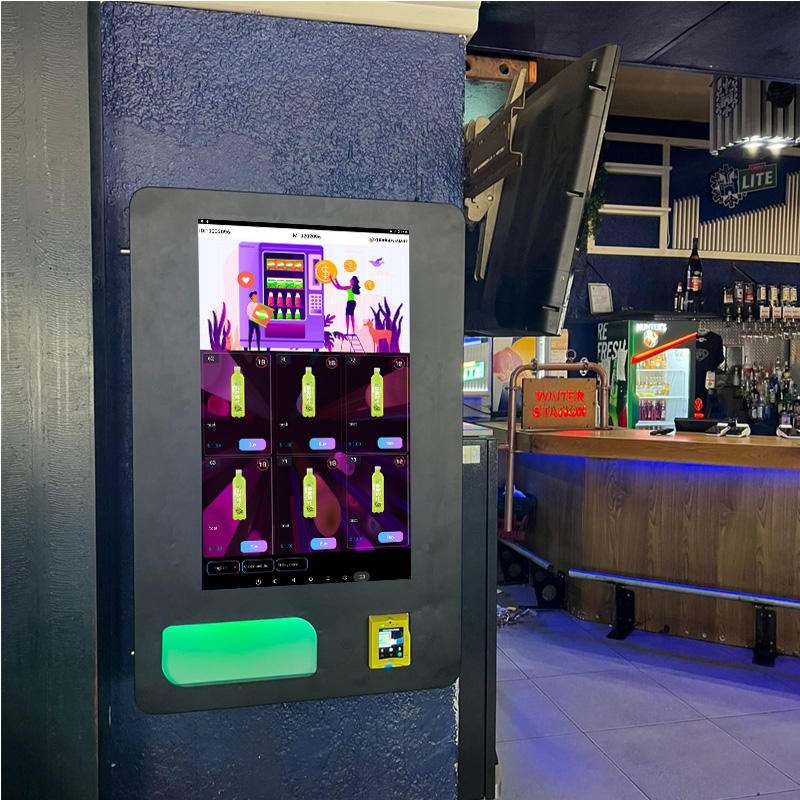
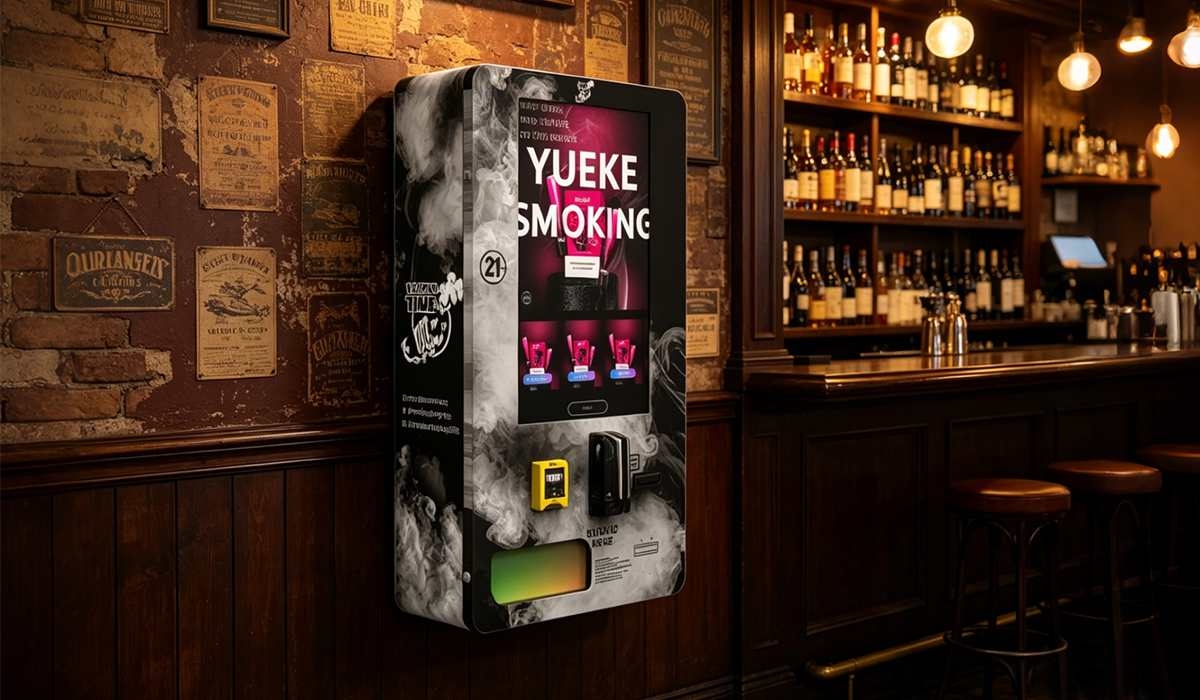
I worked with a bar owner in a busy downtown area who was struggling with late-night staffing. He had three bartenders on payroll, but the vape sales were a distraction. Customers would leave the bar to buy vapes at a gas station, and he was losing that revenue. We installed a wall-mounted compact e-cigarette vending machine near the exit. The result was immediate. He was able to reduce his staff from three to two during the night shift because the machine handled the vape sales and the bartenders could focus on drinks. The machine sold an average of $400 in product per week. The labor savings from that one shift reduction was over $1,500 per month. The machine paid for itself in six weeks. This is not a hypothetical scenario; it is a repeatable pattern.
The Hidden Costs You Cannot Ignore
It would be dishonest to say that vending machines are a magic bullet. There are costs that many first-time buyers overlook. Understanding these is critical to making a smart investment.
Location Rent and Commission
If you place a machine in a third-party location, like a bar or a hotel, the owner will typically ask for a commission. This can range from 10% to 30% of gross sales. In some cases, there is a flat monthly rent for the floor space. This cuts into your profit margin. You need to calculate this into your labor cost reduction equation. If you are paying 20% commission, your effective labor savings are reduced by that amount.
Maintenance and Restocking Labor
The machine saves labor at the point of sale, but it creates labor elsewhere. Someone has to restock the machine, clean the glass, and handle technical issues. This is usually a part-time job. For a single machine, restocking takes about 30 minutes per week. For a fleet of 20 machines, you might need a dedicated route driver. This cost is roughly 10% to 15% of the machine's revenue. It is much lower than a full-time cashier, but it is not zero.
Card Processing Fees
Vending machines that accept credit cards incur processing fees. These typically run 2.5% to 3.5% per transaction. If your average sale is $15, that is about $0.45 per transaction. This is a direct cost that a cashier-based system might avoid if customers pay with cash. However, the increase in sales volume from accepting cards usually outweighs the fee.
Comparison: Traditional Staff vs. Vending Machine Model
To make the decision clear, here is a side-by-side comparison of the annual costs for a single location doing $50,000 in vape sales per year.
| Cost Category | Traditional Staff Model | Vending Machine Model |
|---|---|---|
| Wages (12 hrs/day, 365 days) | $78,000 - $109,000 | $0 |
| Commission/Rent to Location | $0 (if owned) | $5,000 - $15,000 |
| Restocking Labor | $0 (included in wage) | $3,000 - $5,000 |
| Card Processing Fees | $1,250 (if 2.5%) | $1,250 |
| Machine Depreciation (5-year life) | $0 | $1,400 - $1,700 |
| Training & Compliance | $2,000 - $5,000 | $200 (initial setup) |
| Total Estimated Annual Cost | $81,250 - $115,250 | $10,850 - $22,950 |
The savings are obvious. The vending machine model reduces the annual operating cost by roughly 70% to 90% compared to a staffed model. The exact number depends on your specific commission rates and restocking efficiency.
Choosing the Right Hardware for Labor Reduction
Not all vape vending machines are created equal. If you buy a cheap, unreliable machine, you will spend more time fixing it than you save on labor. I have seen operators buy low-cost units that jammed every week, requiring a service call that cost $150 each time. That eats into your savings very quickly. You need a machine that is built for commercial use.
Key Features That Reduce Operational Labor
When evaluating a machine, look for these specific features that directly impact labor costs.
- Remote Monitoring and Telemetry: The machine should report its inventory levels, sales data, and error codes to a cloud dashboard. This eliminates the need to physically check the machine to see if it needs restocking. Our ID scan vending machine includes this as a standard feature.
- Reliable Age Verification: A scanner that consistently reads IDs in low light or with damaged barcodes reduces customer frustration and the need for manual overrides. If the machine fails to scan, a staff member has to intervene, which defeats the purpose.
- Modular Shelving: The ability to quickly reconfigure the machine for different product sizes without tools saves time during restocking.
- High-Capacity Storage: A machine that holds 200+ units requires less frequent restocking. This directly reduces the labor cost of the route driver.
Risks and Failure Points I Have Seen
Let me be blunt. I have seen operators lose money on vending machines. The failures usually fall into three categories.
Bad Location Selection
The most common mistake is putting a machine in a location with low traffic. A machine that sells $50 per week will never pay for itself, regardless of how much labor it saves. You need a location that does at least $200 to $300 in weekly sales to make the math work. High-traffic bars, busy convenience stores, and hotel lobbies are good. A quiet laundromat is not.
Neglecting Restocking Discipline
An empty machine generates zero revenue. If your restocking schedule is sloppy, you lose sales and customer trust. I recommend setting a minimum inventory threshold in the software. When the machine hits that level, a restock order is automatically generated. Treat the machine like a retail shelf that must never be empty.
Ignoring Software Updates
Vending machines are computers. They need firmware updates to fix bugs and improve security. I have seen operators skip updates for months, leading to payment system failures. This creates a situation where you have to send a technician to the site, which costs time and money. Keep the software current.
Long-Term Strategy: Scaling the Model
Once you have proven the model with one machine, the real labor savings come from scaling. A single machine saves you the cost of one employee. A fleet of 50 machines, managed by one route driver and one part-time restocker, can replace the labor of 10 to 15 employees. The overhead is centralized. The profit margins expand significantly.
From a manufacturing perspective, I have seen operators succeed by starting with a small deployment of 3 to 5 machines, learning the operational quirks, and then scaling to 20 or 30 units within a year. The key is to standardize your machine type. If all your machines are the same model, your restocking team can service any machine without special training. This is why we design our vape vending machines with a consistent interface across different sizes.
Expert Advice from the Factory Floor
I have spent the last 15 years building these machines and watching how operators use them. My advice is simple: do not think of the machine as a replacement for a person. Think of it as a tool that allows your existing staff to be more productive. If you own a store with two cashiers, adding a vending machine might allow you to reduce to one cashier and promote the other to a manager role. The machine handles the low-margin, high-volume transactions. The human handles the high-value interactions.
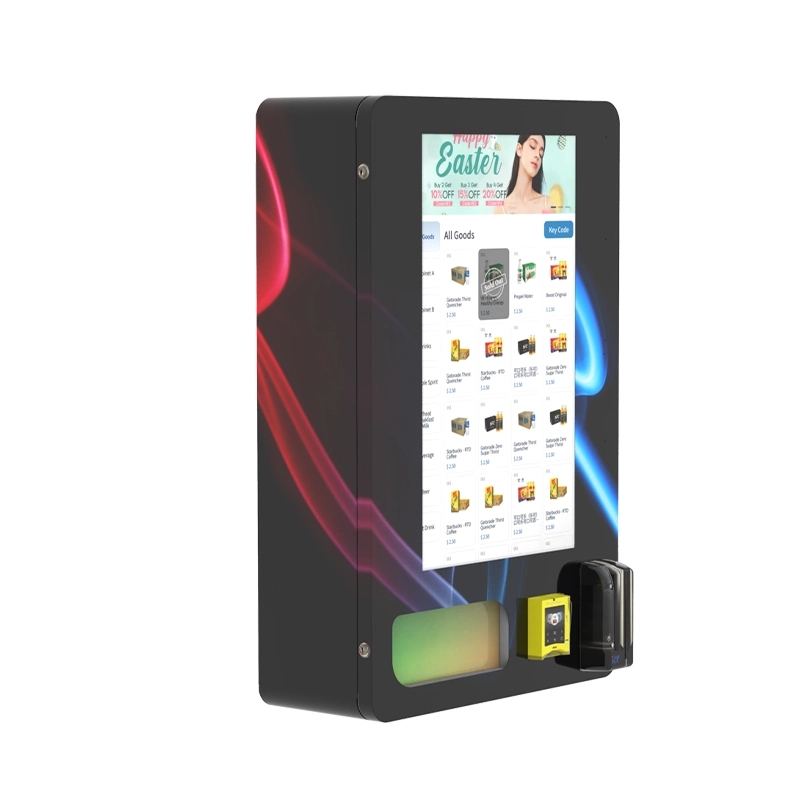
For technical specifications and to see how a machine might fit your specific business model, I recommend looking at the wall-mounted compact model which is ideal for tight spaces, or the age verification vending machine for locations where compliance is the top priority. These are the units I recommend to operators who are serious about cutting labor costs without cutting corners.
Frequently Asked Questions
How quickly can I expect to see a return on investment from a vape vending machine?
What happens if the age verification scanner fails?
Can I use a vape vending machine in a location that already has staff?
What is the maintenance cost of a vape vending machine per year?
Final Thoughts on Labor and Automation
The question is not whether vape vending machines can reduce labor costs. They absolutely can. The real question is whether you are ready to manage the transition from a people-based model to a technology-based model. The machines are reliable. The math is clear. The savings are real. But the operator must be disciplined about location selection, restocking, and maintenance. If you treat the machine like a set-it-and-forget-it device, it will fail. If you treat it like a retail employee that needs a manager, it will make you money.
I have seen this industry evolve from a niche novelty to a mainstream retail channel. The operators who adopt this technology early and manage it well will have a significant cost advantage over their competitors who are still paying $20 an hour for a cashier. The choice is yours.
Article Sources:
- National Retail Federation, "2023 Retail Security Survey" nrf.com
- IBISWorld, "Vending Machine Operators in the US" Industry Report ibisworld.com