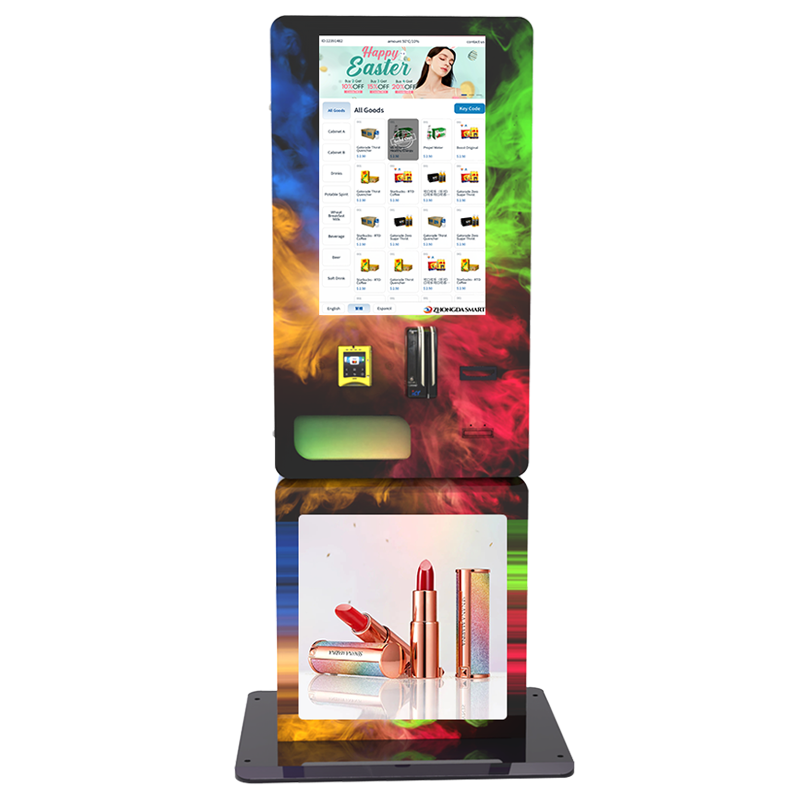
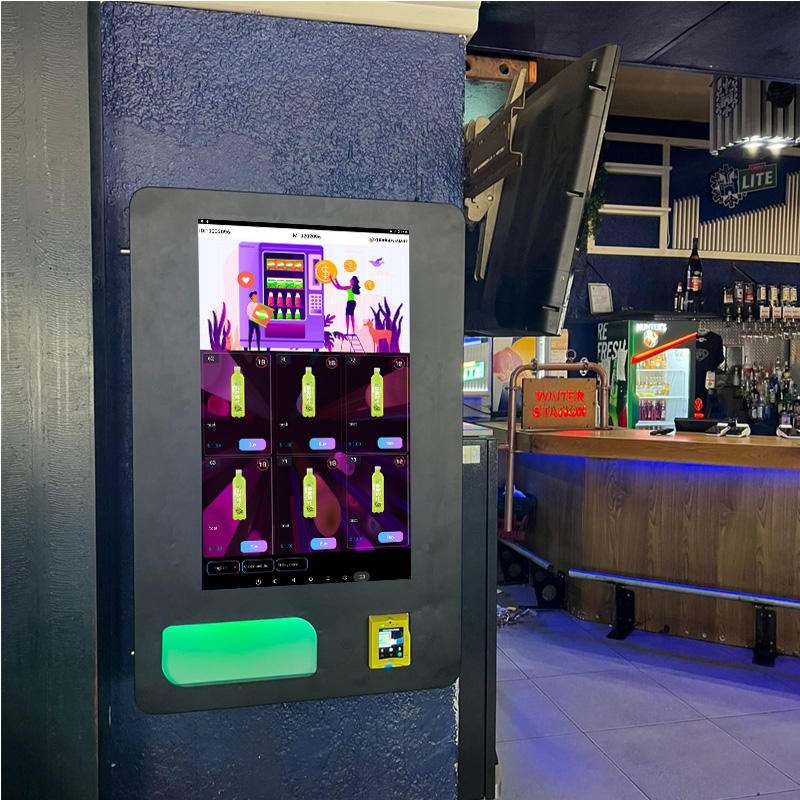
The shift toward self-service retail for age-restricted products has been one of the most significant changes I have observed over the last decade. When operators first started asking about a vape vending kiosk, the technology was clunky and the legal landscape was a minefield. Today, the right self-service ENDS sales unit is not just a novelty; it is a profit center that slashes labor costs and captures sales 24/7. I have spent fifteen years building these machines from the ground up and deploying them across hundreds of locations. This guide cuts through the marketing fluff to give you the hard data on hardware, compliance, real-world ROI, and the operational mistakes that will eat your margins.
The Real Cost of Entry: Hardware, Licensing, and Setup
Most people focus on the sticker price of the machine. That is a mistake. The true cost of deploying a compliant vape vending kiosk includes the hardware, the software licensing for age verification, and the physical installation. A bare-bones unit might start around $4,000, but a commercial-grade machine with integrated ID scanning and telemetry runs between $7,500 and $12,000. I have seen operators try to save money by buying a standard snack machine and retrofitting it. Do not do this. The liability for an underage sale is too high, and the retrofit rarely passes a compliance audit.
Why the Machine Matters More Than the Location
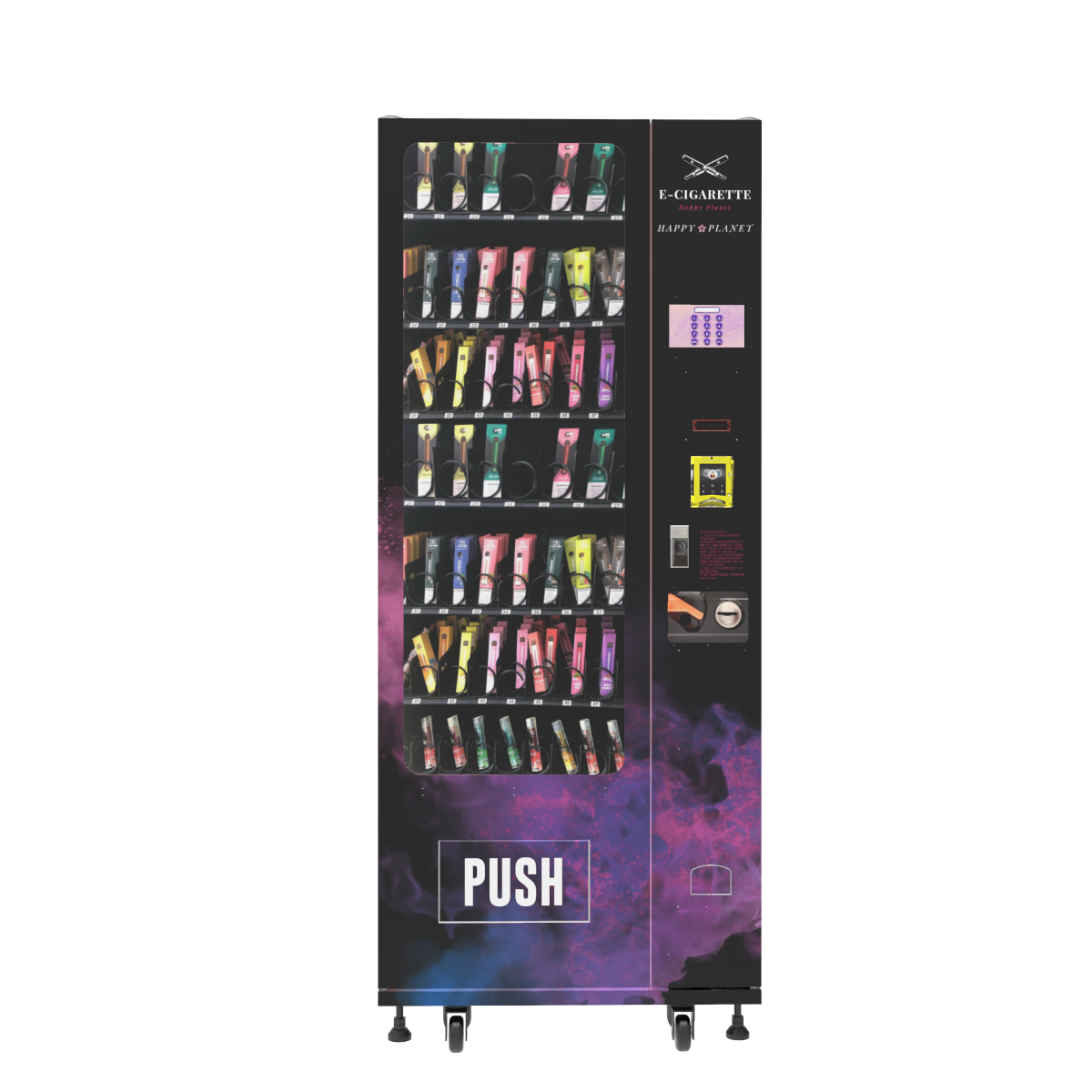
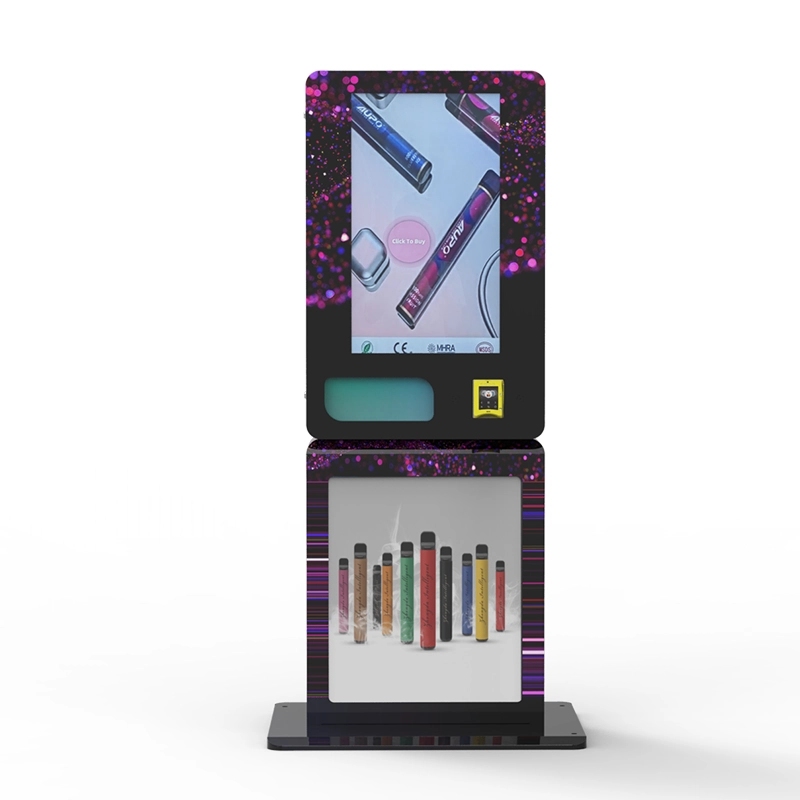
We supply machines to bars, convenience stores, and adult-only venues. The single biggest variable in profitability is not the foot traffic; it is the machine’s reliability. If your vape vending kiosk jams on a Friday night, you lose that weekend’s revenue. You also lose customer trust. We build our units with industrial-grade components because a machine sitting in a humid bar or a dusty warehouse needs to function. Look for a unit with a steel frame, a commercial cooling system if you are storing disposables, and a modular design that lets you swap out a faulty payment reader in under five minutes.
Compliance Is Not Optional: Age Verification Systems
Every single operator I consult with has the same fear: getting caught selling to a minor. The days of the honor system are gone. Modern self-service ENDS sales rely on robust age verification. We use a combination of ID scanning and third-party database checks. The machine scans the back of a driver’s license, parses the barcode, and cross-references the date of birth against a government database. This process takes less than ten seconds. If the ID is expired or the scan fails, the sale is blocked.
Biometrics and Future-Proofing
Some of our newer models include facial age estimation as a secondary check. This is not a gimmick. In states where regulations are tightening, having a biometric layer provides an audit trail that proves due diligence. When you are looking at a vape vending kiosk, ask the manufacturer about their compliance software updates. The laws change. A machine that was legal last year might be non-compliant next quarter. We push firmware updates remotely to ensure every unit in the field stays current with local age-gating requirements.
Profit Margins and Product Mix Strategy
You cannot treat a vending machine like a convenience store shelf. The product mix needs to be ruthless. In my experience, 80% of your revenue will come from 20% of your SKUs. Disposable vapes and popular pod systems drive the volume, while premium devices and nicotine pouches offer higher margins. A typical mark-up on disposables is 40% to 60%. If you are paying $8 wholesale for a disposable that sells for $14, your gross profit per unit is $6. A busy location can move 30 units a day. Do the math on that.
Here is a breakdown of a typical monthly profit scenario for a single vape vending kiosk in a high-traffic bar:
| Item | Daily Average | Monthly Total |
|---|---|---|
| Units Sold | 25 | 750 |
| Average Sale Price | $14.00 | $10,500 |
| Cost of Goods (COGS) | $8.00 | $6,000 |
| Gross Profit | $6.00 | $4,500 |
| Location Commission (20%) | -- | -$900 |
| Credit Card Fees (3%) | -- | -$315 |
| Net Profit (per machine) | -- | $3,285 |
This model assumes you own the machine and are not leasing it. If you are placing a machine in a location that demands a 30% commission, your net drops to roughly $2,600. You need to negotiate hard on the split. A good rule of thumb is 80/20 in your favor, with the location covering electricity.
Location Selection: Where to Place Your Kiosk
I have placed machines in over 200 locations. Some were home runs; others were complete duds. The best locations are not always the ones with the most people. They are the ones with the right people. An adult-only venue like a bar or a casino is ideal because the age demographic is already filtered. A convenience store with a high foot traffic of adults aged 21 to 40 is also solid. Avoid locations that are primarily family-oriented, like shopping malls with play areas. The risk of a compliance issue is not worth the traffic.
The Hidden Cost of Bad Locations
I once placed a machine in a busy laundromat. The foot traffic was high, but the average customer was there to wash clothes, not to buy a premium vape. The machine did $200 in its first month. I moved it to a hookah lounge down the street, and it did $4,000 in the first week. The difference was the audience. When you are scouting for a vape vending kiosk location, look for places where people already smoke or vape. Vape shops, cigar bars, and nightclubs are the obvious winners. I have also had great success placing units in the employee break rooms of large manufacturing plants. The captive audience is a goldmine.
Operational Maintenance and Cash Management
The biggest operational headache is not the machine breaking down; it is the inventory management. You need a telemetry system that tells you exactly what is sold and what is low. Our machines ping a cloud dashboard every 15 minutes. I can see from my phone that a specific blueberry ice disposable is sold out at a location in Texas. Without this data, you are driving blind. You will either run out of stock or let inventory sit for months.
Cash management has changed. Most of our machines now run cashless. Credit card and mobile payment transactions account for over 90% of sales. This reduces the risk of theft and eliminates the need for a cash collection route. However, you still need to visit the machine regularly to restock and clean the unit. A dirty machine looks abandoned. Customers will not trust it. Wipe down the screen, check the ID scanner lens, and make sure the shelves are stocked neatly. This takes 15 minutes per visit.
Real-World Failure Case: The Compliance Audit
I want to share a story from a few years ago. An operator in the Midwest bought a cheap machine from an online auction. It had no age verification software. He placed it in a gas station. A local news station did a sting operation. A 19-year-old bought a vape from the machine without any ID check. The operator was fined $10,000 by the local authorities, and the gas station owner lost his tobacco license. The operator went out of business within six months. This is the reality of the industry. You cannot cut corners on compliance. The cost of a proper vape vending kiosk with integrated age verification is an insurance policy against this exact scenario.
Choosing a Manufacturer: What to Look For
I am biased because I run a factory, but I will give you the honest criteria for vetting a supplier. First, ask about their software update cycle. If they cannot push updates remotely, walk away. Second, ask for a list of reference locations. Call those operators. Ask them about downtime. A good machine should have less than 2% downtime. Third, look at the warranty. We offer a two-year warranty on the compressor and the mainboard. If a manufacturer only offers a 90-day warranty, they do not trust their own product.
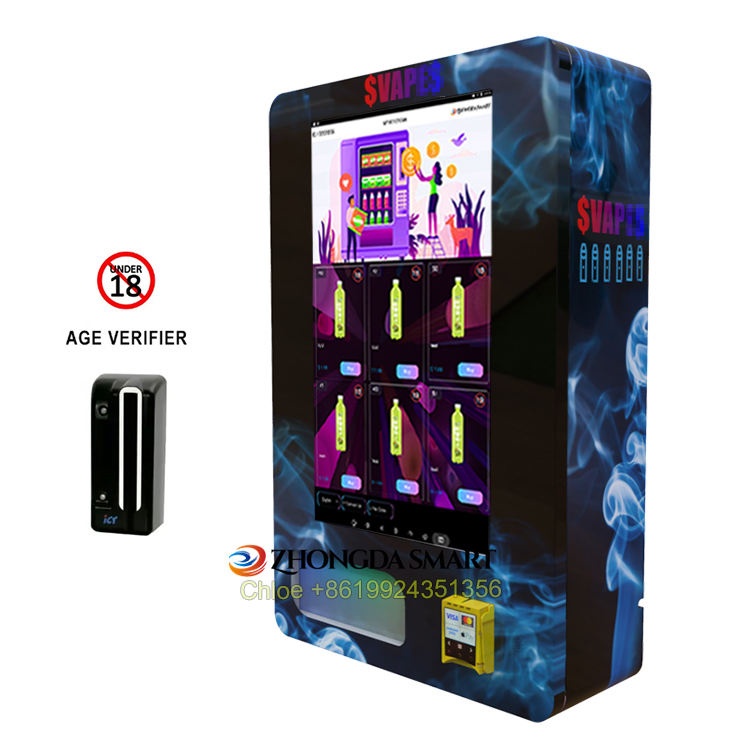
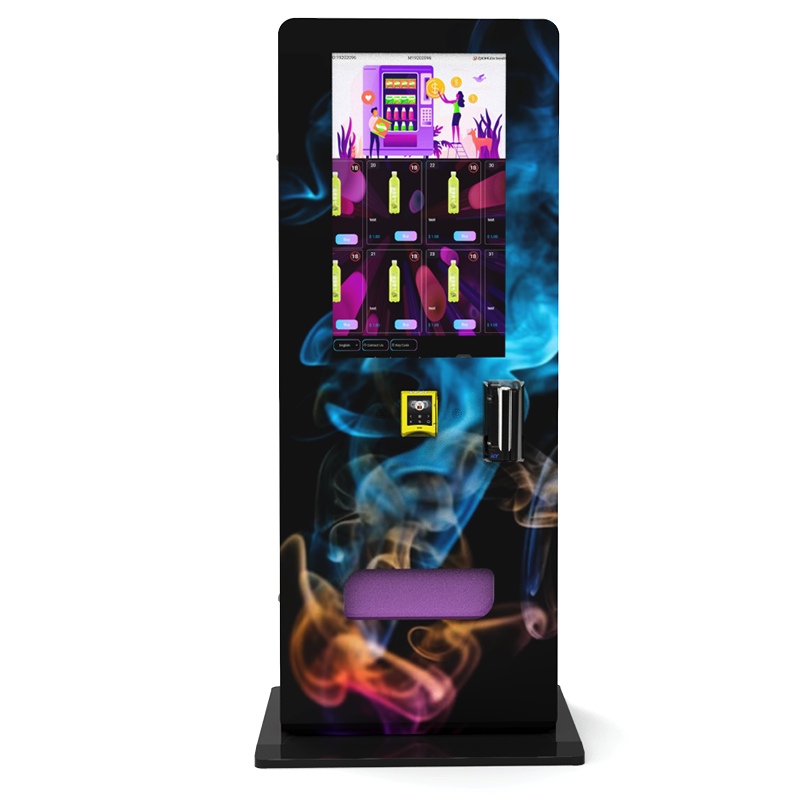
For operators looking for a reliable partner, I recommend looking at Zhongda smart. We have been building these units for over a decade, and our vape vending machines are designed specifically for the 21+ market. We focus on the hardware that matters: the ID scanner, the secure locking mechanism, and the refrigeration unit. You can see our full range of ID scan vending machines on our site, including the wall-mounted models that save floor space. If you are serious about this business, you need a machine that can handle the volume and the scrutiny.
Long-Term Strategy: Scaling Your Fleet
Do not buy ten machines at once. Start with one. Learn the rhythm of restocking, the common failure points, and the negotiation tactics for location commissions. Once you have a single machine generating consistent profit, scale to three. I have seen operators try to scale too fast. They end up with five machines in bad locations, all bleeding cash because they cannot manage the inventory. The sweet spot for a solo operator is five to seven machines. Beyond that, you need a dedicated route driver or a warehouse.
Data-Driven Restocking
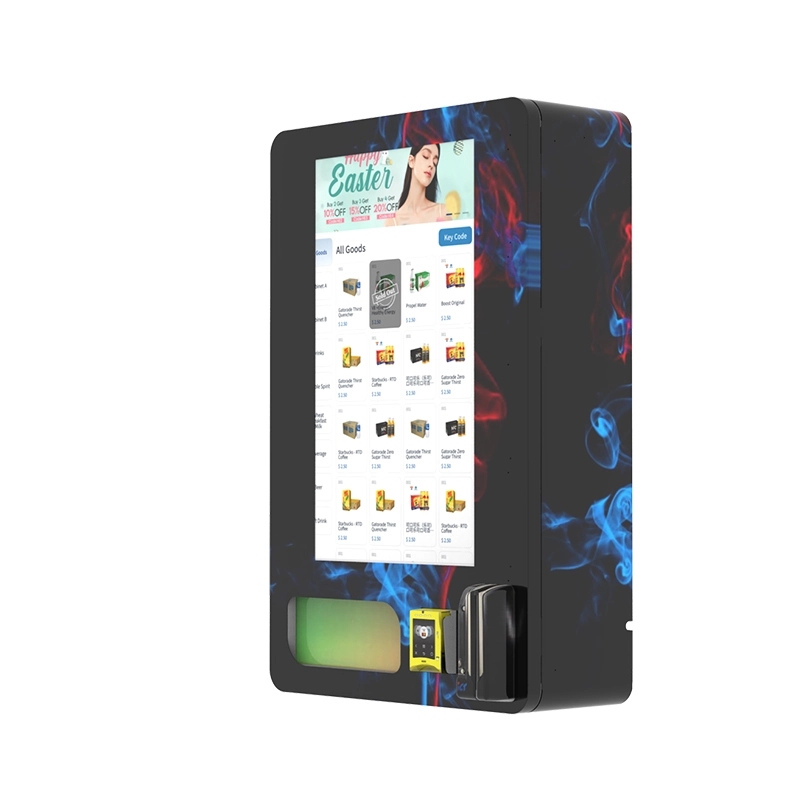
Use the sales data from your telemetry to predict demand. If a specific SKU sells out every Thursday, you know to double that slot for the weekend. If a product sits for three weeks, pull it. Replace it with a flavor that is trending on social media. The self-service ENDS market moves fast. A flavor that was hot last month might be dead this month. Your machine needs to reflect that agility. We have seen operators increase their revenue by 30% simply by optimizing their product mix based on weekly sales data.
Frequently Asked Questions
What is the legal requirement for a vape vending kiosk?
Every state has different laws, but the universal requirement is a robust age verification system. You must have a mechanism to scan a government-issued ID and verify the age before the sale completes. Some states also require a specific distance from schools. Always consult with a local attorney before placing a machine.
How much does a commercial-grade machine cost?
A reliable, compliant machine from a reputable manufacturer like Zhongda smart typically costs between $7,500 and $12,000. This includes the age verification hardware, the payment system, and the telemetry software. Cheaper machines often lack the necessary compliance features.
Can I place a vape vending machine in a convenience store?
Yes, but you need to ensure the store has a separate area for age-restricted products or that the machine is under direct staff supervision. Many operators prefer adult-only venues like bars or casinos to reduce compliance risk.
What is the average ROI on a vape vending kiosk?
In a good location, you can expect to recoup your investment in 6 to 12 months. This depends on foot traffic, product pricing, and the commission split with the location. A machine doing $4,500 in gross profit per month will pay off a $10,000 machine in just over two months.
How do I maintain the machine?
Weekly visits are standard. You need to restock products, clean the touchscreen and ID scanner, and check the inventory data in your cloud dashboard. Most machines require a software update every few months to stay compliant with changing age verification laws.
Final Verdict on Self-Service ENDS Sales
The vape vending kiosk market is not a get-rich-quick scheme. It is a legitimate business that requires capital, operational discipline, and a deep respect for compliance. The operators who succeed are the ones who treat it like a retail business, not a passive income stream. They monitor their data, they maintain their equipment, and they stay up to date on the legal landscape. If you are willing to put in the work, the margins are there. The technology is mature. The demand is real. Now it is up to you to execute.
Data Source for Profit Model: Industry average margins based on operator reports and internal sales data from Zhongda Smart Vending, 2024. Compliance statistics referenced from the FDA Tobacco Compliance Checks, 2023 FDA Compliance Check Inspections.
Meta Description: Expert guide on the vape vending kiosk market. Learn about costs, compliance, profit models, and real operational strategies for 21+ self-service ENDS sales from a 15-year manufacturer.