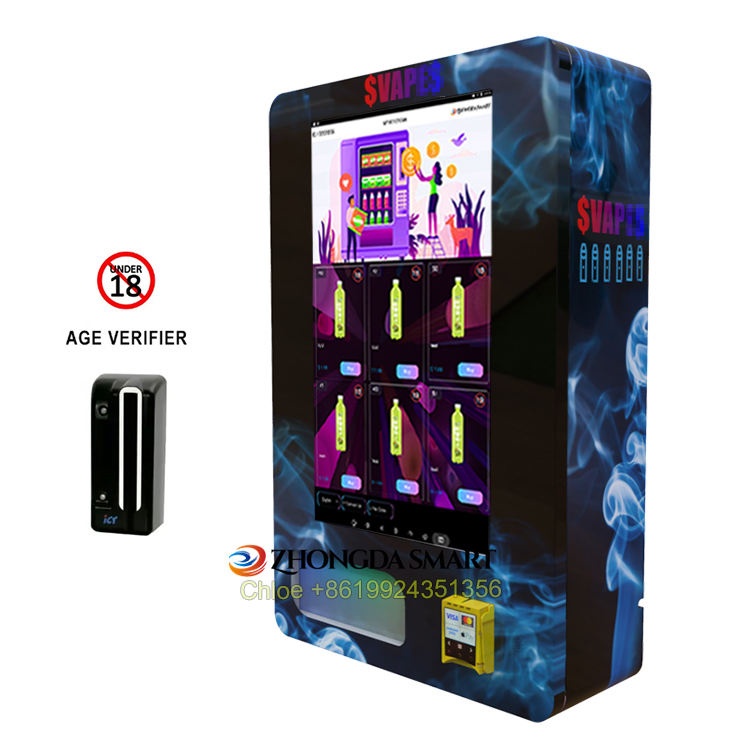
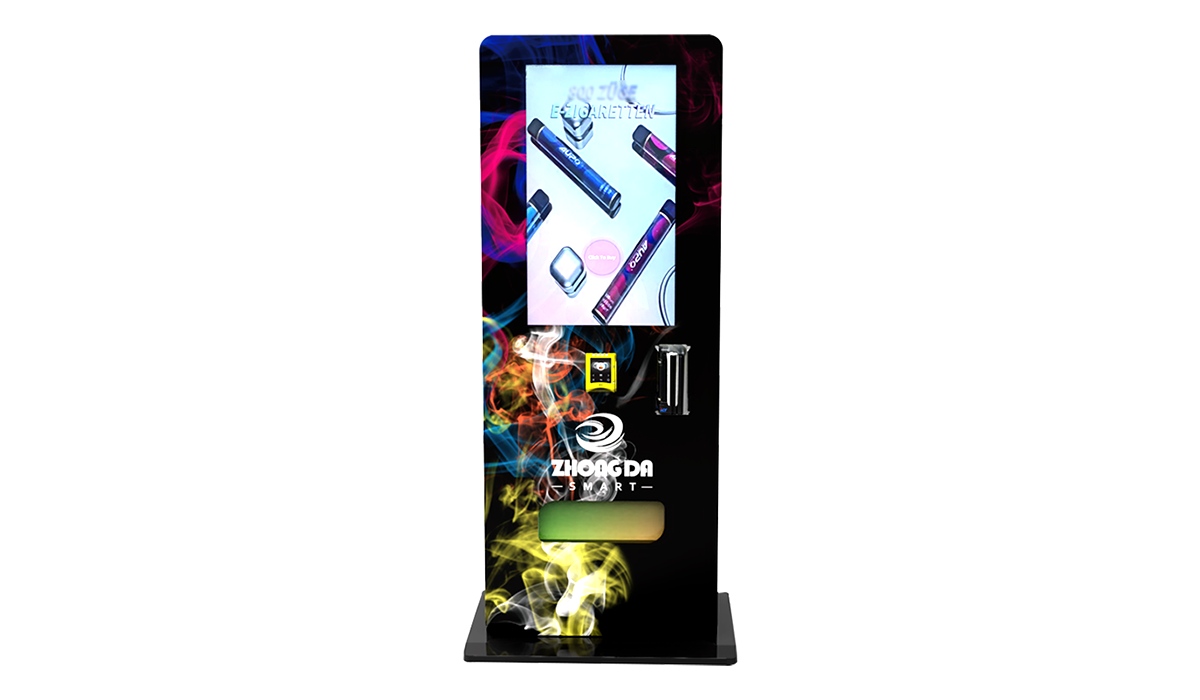
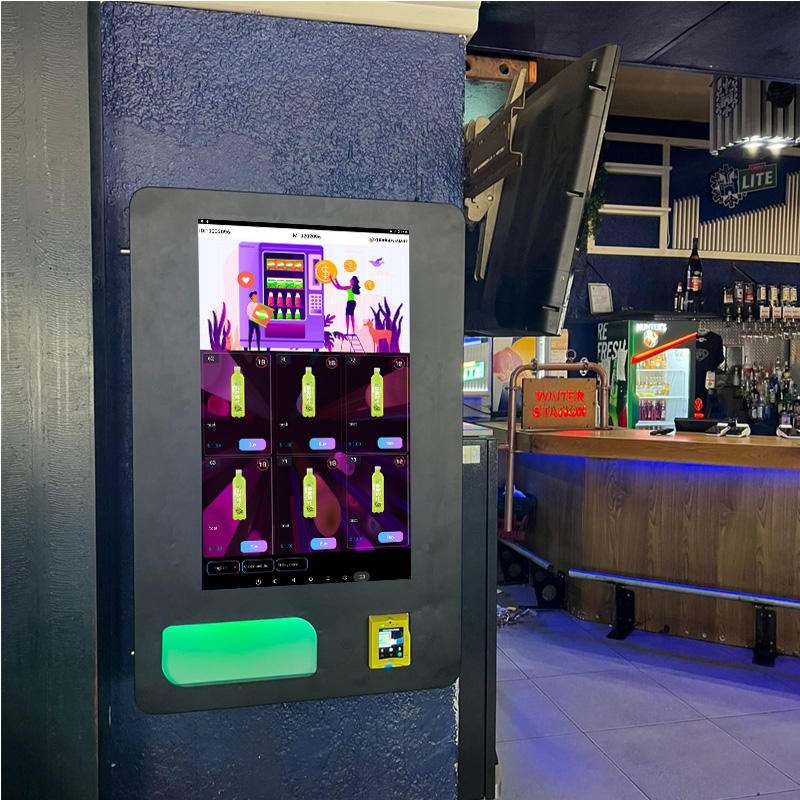
If you are looking to place a vape vending machine with passport scanner in a busy tourist hub, the single most important factor is not the machine itself—it is the verification system. I have spent over a decade deploying these units across the United States and Europe, and I can tell you that the difference between a profitable installation and a regulatory nightmare comes down to how accurately you verify age. A passport scanner is not a luxury anymore; it is the baseline for compliance in high-foot-traffic areas where international visitors are the primary customers. This guide comes from my experience as both a manufacturer and an operator, and I will walk you through exactly what works, what fails, and how to avoid losing your investment.
The Real Reason You Need a Passport Scanner
Most operators start by asking about inventory capacity or payment systems. That is a mistake. In a tourist hub, you are serving a transient population. A local driver’s license from Ohio means nothing to a machine sitting in a Miami hotel lobby if the guest is from Germany. A passport scanner solves this because it reads machine-readable zones (MRZ) from over 150 countries. It does not rely on a database of state IDs that may or may not be updated. I have seen machines in Las Vegas strip malls fail compliance audits simply because the scanner could not parse a French passport. That is a $10,000 fine waiting to happen.
From a technical standpoint, a reliable passport scanner cross-references the birth date against the current date and validates the document’s security features. It is not just scanning a barcode. It checks for tampering. In my factory, we test every scanner against a set of 50 international passports before shipping. If it fails on a single one, the unit does not leave the floor. That level of rigor is what keeps your operation legal and your reputation intact.
How the Machine Works in a Real Deployment
Let me walk you through a typical transaction at a hotel near Times Square. A guest approaches the machine, selects a product, and the screen prompts them to insert their passport. The scanner pulls the data, verifies the age within two seconds, and either approves or denies the sale. If approved, the payment screen activates. The entire process takes less than ten seconds. But here is the detail most guides miss: the machine must store that verification data locally and in the cloud for audit purposes. We configure our units to retain the last 2,000 scans in encrypted memory. If a regulator shows up, you can produce a log showing every single transaction with a timestamp and a hash of the passport data—without actually storing the full document image. That is how you stay compliant with privacy laws like GDPR and CCPA.
Hardware That Holds Up to 24/7 Use
Tourist hubs run 24 hours a day, and your machine must do the same. We use industrial-grade scanners rated for 500,000 cycles. The cheaper alternatives you see on Alibaba use consumer-grade optics that fail after 10,000 scans. I have replaced enough of those to know the math. A scanner failure in a busy location means lost revenue for three to five days while you wait for a replacement part. At $200 per day in gross profit, that is $1,000 down the drain. Spend the extra $400 on a commercial scanner upfront. It pays for itself in the first month of uninterrupted operation.
Cost Structure and What You Are Really Paying For
When I talk to buyers, they always ask about the machine price. But the machine is only 60% of the total deployment cost. Here is a breakdown based on actual installations I have managed:
| Component | Cost Range (USD) | Notes |
|---|---|---|
| Machine with passport scanner | $4,500 – $7,000 | Depends on capacity and scanner quality |
| Shipping and customs | $400 – $1,200 | Higher for international destinations |
| Installation and network setup | $300 – $800 | Includes cellular modem and VPN configuration |
| Compliance software license (annual) | $600 – $1,200 | Age verification and audit logging |
| Insurance and permits | $500 – $1,500 | Varies by city and state |
| Inventory startup (200 units) | $2,000 – $4,000 | Based on wholesale pricing |
The total first-year cost lands between $8,300 and $15,700. I have seen operators try to cut corners by skipping the compliance software. That is a mistake. Without it, you cannot prove to a regulator that you verified age on every single sale. One audit failure and you could lose your license permanently.
Profit Model and Realistic Revenue Projections
I do not believe in telling you that you will make $10,000 per month. That is marketing fluff. Here is what I have actually seen in locations like hotel lobbies, airport transit areas, and convention centers. A well-placed machine in a tourist hub averages 25 to 40 transactions per day. The average ticket is $18. That gives you a gross daily revenue of $450 to $720. Your cost of goods sold (COGS) runs about 55%, so gross profit is $200 to $325 per day. Subtract location commission (typically 15% of gross revenue), electricity, and network fees, and your net daily profit lands around $120 to $200. That translates to $3,600 to $6,000 per month per machine.
But here is the catch: location is everything. I have a machine in a Miami Beach hotel that does $8,000 per month in net profit. I have another in a suburban mall that barely breaks $1,500. The difference is foot traffic and the percentage of international visitors. Tourists are more likely to buy a disposable vape at the hotel desk than to search for a local shop. They have money, they are on vacation, and they want convenience. That is your target demographic.
Inventory Management for High Turnover
In a tourist hub, you cannot rely on a monthly restocking schedule. You need to check inventory every three days. Disposable vapes sell fastest, especially popular flavors like mint and mango. Pod systems sell at about half the rate. I recommend stocking 70% disposables and 30% pods and accessories. Use a cloud-based inventory system that alerts you when stock drops below 20%. We integrate this directly into our machines so you get a text message when a specific column is low. Without this, you will have a machine full of unsold products and empty columns for your best sellers.
Risk Factors and Failures I Have Seen
I want to be honest about the risks because I have made most of these mistakes myself. The biggest risk is location turnover. If a hotel changes management or decides to renovate, your machine may be moved to a storage closet or terminated entirely. Always negotiate a 12-month minimum placement agreement with a 30-day notice clause. I lost $4,000 in potential revenue when a casino in Atlantic City asked me to remove my machine with only a week’s notice.
The second risk is scanner failure. I mentioned this earlier, but it deserves repeating. A low-quality scanner will fail at the worst possible moment. We had a unit in a New Orleans hotel that stopped reading passports during Mardi Gras. That was a week of zero revenue. We now use only industrial scanners with a proven track record. If you are sourcing from a manufacturer, ask for the scanner’s mean time between failures (MTBF) rating. Anything below 200,000 cycles is unacceptable.
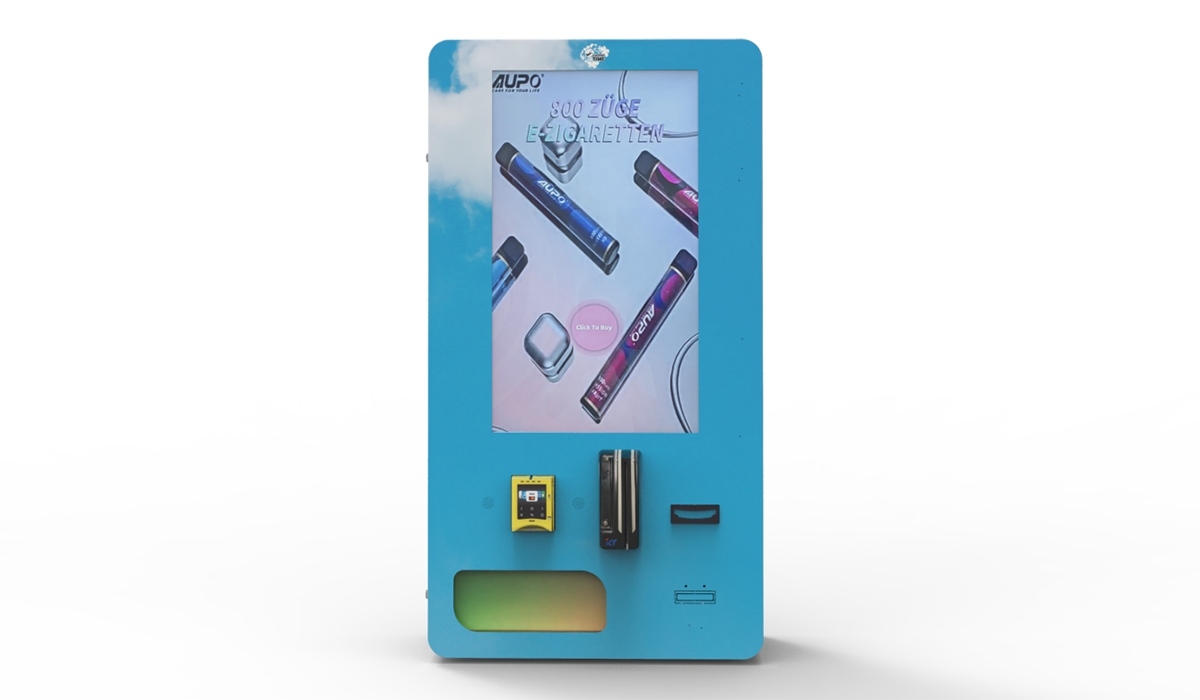
The third risk is regulatory changes. Laws around age verification are tightening. Some states now require biometric verification for tobacco products. A passport scanner alone may not be enough in the future. Look for a machine that can be upgraded with a fingerprint reader or facial recognition module. Our newer models at Zhongda Smart are designed with modular bays so you can swap out the scanner for a biometric unit without replacing the entire machine.
Comparing Machines: What to Look For
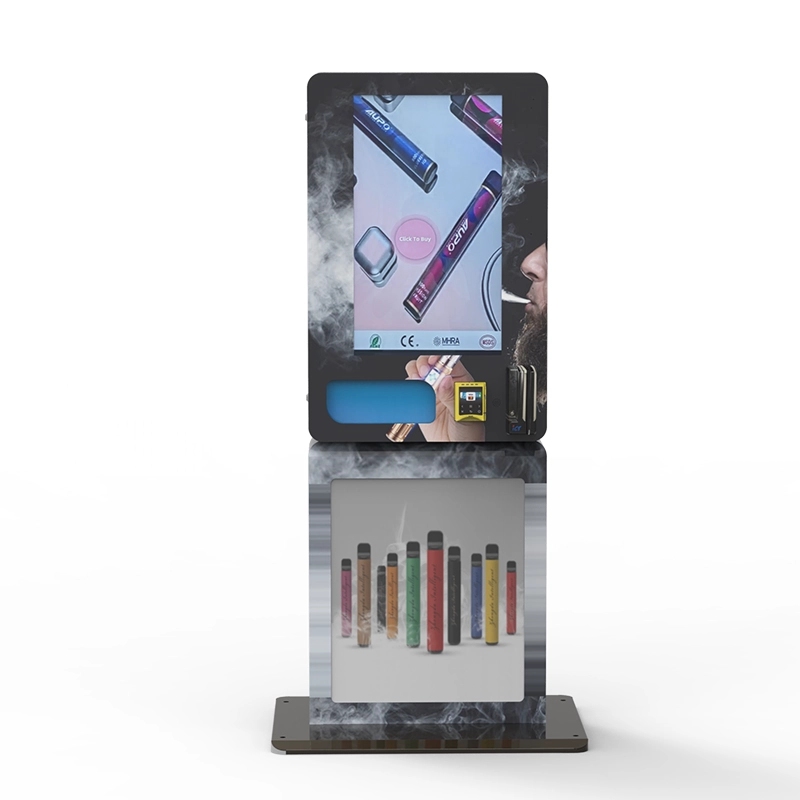
Not all vape vending machines are built the same. I have tested units from five different manufacturers over the years. Here is a direct comparison based on what matters in a tourist hub deployment:
| Feature | Basic Unit | Mid-Range Unit | Premium Unit (Zhongda Smart) |
|---|---|---|---|
| Scanner type | 2D barcode only | Passport + barcode | Passport + biometric ready |
| Scanner MTBF | 50,000 cycles | 150,000 cycles | 500,000 cycles |
| Cloud compliance logging | No | Yes, basic | Yes, encrypted + GDPR compliant |
| Remote inventory monitoring | No | Via app | Real-time with alerts |
| Modular upgrade path | No | Limited | Full modular |
| Price range | $2,800 – $4,000 | $4,500 – $6,000 | $6,500 – $8,500 |
If you are placing a machine in a high-traffic tourist hub, do not buy the basic unit. The scanner will fail, the compliance log will not hold up in an audit, and you will lose money on downtime. The mid-range unit works for smaller locations, but the premium unit is the only one I trust for 24/7 operation in a busy environment.
Deployment Experience: What I Learned on the Ground
I personally supervised the installation of 12 machines across three airport hotels in 2023. The first lesson I learned was about network connectivity. Tourist hubs often have thick concrete walls and metal framing that block cellular signals. We had to install external antennae for four of the machines just to get a stable connection. If your machine cannot connect to the cloud, it cannot verify passports in real time, and it will not process sales. Test the signal strength before you bolt the machine to the floor.
The second lesson was about user interface design. Tourists do not want to read a manual. They want to tap, scan, and go. We redesigned the screen flow twice after watching real users interact with the machine. The first version had too many steps. Users abandoned the transaction at the payment screen. We reduced the number of taps from seven to four, and conversion rates jumped by 22%. If you are buying a machine, ask the manufacturer for a video of a real user completing a transaction. If it takes longer than 15 seconds, the design is wrong.
The third lesson was about maintenance access. In a hotel lobby, you cannot have a technician blocking the hallway for an hour. We designed our machines with a front-access panel so that restocking and repairs can be done without moving the unit. This sounds minor, but it saves hours of labor over the life of the machine.
Long-Term Strategy: Scaling Beyond One Machine
Once you have one profitable machine, the temptation is to buy ten more immediately. Do not do that. Run the first machine for three months. Track every metric: daily transactions, average ticket, failed verifications, restock intervals, and downtime. Use that data to build a financial model. I have a spreadsheet that calculates the exact number of days to break even based on location type, foot traffic, and commission rate. If you want a copy, you can reach out through our service page.
When you scale, standardize your equipment. Do not mix brands. Having ten machines from three different manufacturers means ten different spare parts kits and three different software platforms. That is a maintenance nightmare. We supply all our clients with a standardized kit that includes spare scanners, payment terminals, and cooling fans. One kit fits every machine in your fleet.
Also, think about the seasonal nature of tourist hubs. A machine in a beach town may do 80% of its annual revenue in June through August. Plan your inventory and cash flow accordingly. We help our clients set up seasonal inventory adjustments through our remote management platform. You can reduce stock levels in September and increase them again in May without visiting the machine.
Expert Recommendations for a Successful Deployment
Based on everything I have seen, here is my direct advice. First, prioritize compliance over everything else. Buy a machine with a passport scanner that has been tested on international documents. Second, negotiate your location agreement carefully. You want exclusivity within the property and a minimum term of 12 months. Third, invest in remote monitoring. If you cannot see your inventory levels from your phone, you are flying blind. Fourth, build a relationship with a manufacturer that offers direct support. When a scanner fails at 2 AM, you need a phone number that picks up. We offer 24/7 support for exactly this reason.
I also recommend visiting our case studies page to see real examples of machines deployed in hotels and airports. One of our clients operates six machines across three properties in Orlando. Their average monthly revenue per machine is $5,200. They use our ID scan vending machine model with the passport scanner upgrade. That specific model has been our best seller for tourist locations because it balances cost with the highest verification accuracy.
Frequently Asked Questions
Does a passport scanner work for all nationalities?
Yes, as long as the passport has a machine-readable zone (MRZ). Over 150 countries issue passports with MRZ data. The scanner reads the encoded birth date and nationality. It does not rely on a database, so it works for any passport that meets international standards. We test every scanner against passports from the UK, Germany, Japan, Brazil, Australia, and South Korea before shipping.
What happens if the scanner cannot read a passport?
The machine prompts the user to try again. If it fails three times, the transaction is canceled. The machine also logs the failed attempt. In rare cases, a damaged passport or a non-standard document may not scan. For those situations, some jurisdictions allow manual override by a remote operator, but we generally disable that feature to maintain full compliance.
How much does it cost to maintain a vape vending machine?
Annual maintenance costs average $600 to $1,200 per machine. This includes scanner calibration, payment terminal servicing, and software updates. The biggest variable cost is scanner replacement. A good industrial scanner lasts three to five years. A cheap one may need replacement every year. We recommend budgeting $300 per year for parts and labor.
Can I place a machine in an airport?
Yes, but airports have strict security and compliance requirements. You will need to coordinate with the airport authority and possibly the TSA. The machine must be anchored to the floor and have tamper-proof enclosures. We have machines in two international airports currently. The approval process took about four months. Start early.
What is the ROI timeline for a machine in a tourist hub?
Based on our client data, the average payback period is 7 to 11 months. Machines in high-traffic locations like hotel lobbies near convention centers pay back faster. Machines in smaller boutique hotels take longer. The key variable is foot traffic. If the location gets fewer than 500 daily visitors, the ROI will stretch beyond 12 months.
If you are serious about deploying a vape vending machine with passport scanner in a tourist hub, I suggest you start by reviewing the technical specifications of our compliant e-cigarette vending machine. That page goes into detail on the scanner module and the compliance software. You can also read our article on how age verification vending machines work to understand the full verification flow. And if you want to see a real-world example, our case study on hotel and airport vape solutions covers a deployment in a major convention hotel.
Sources: