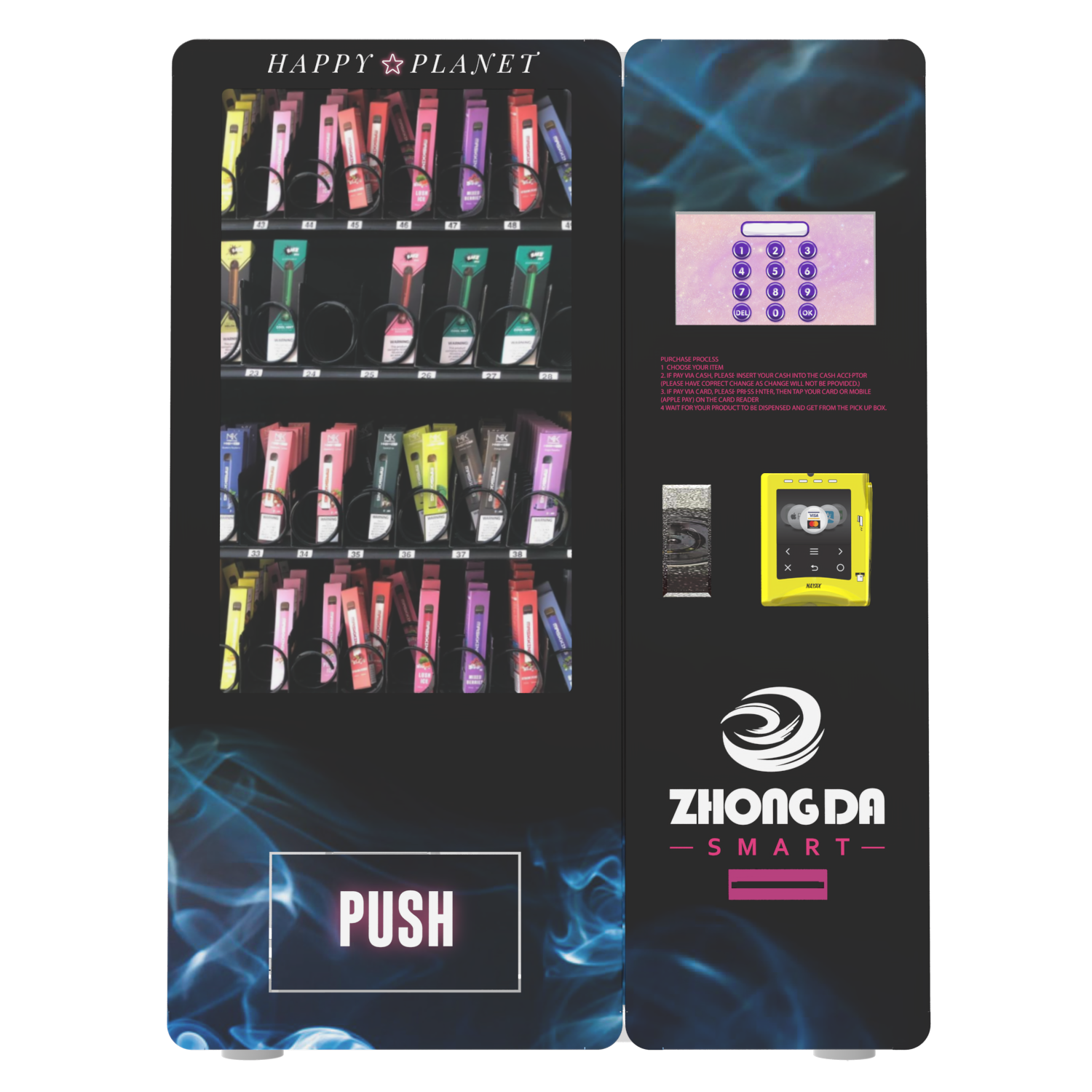
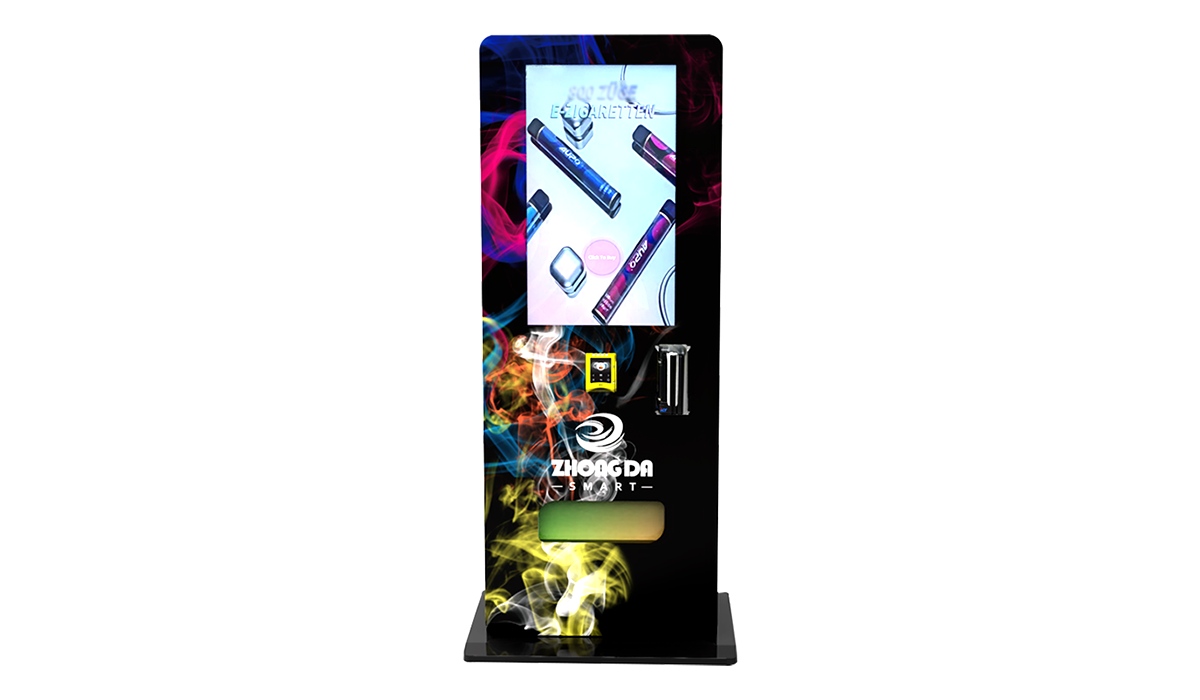
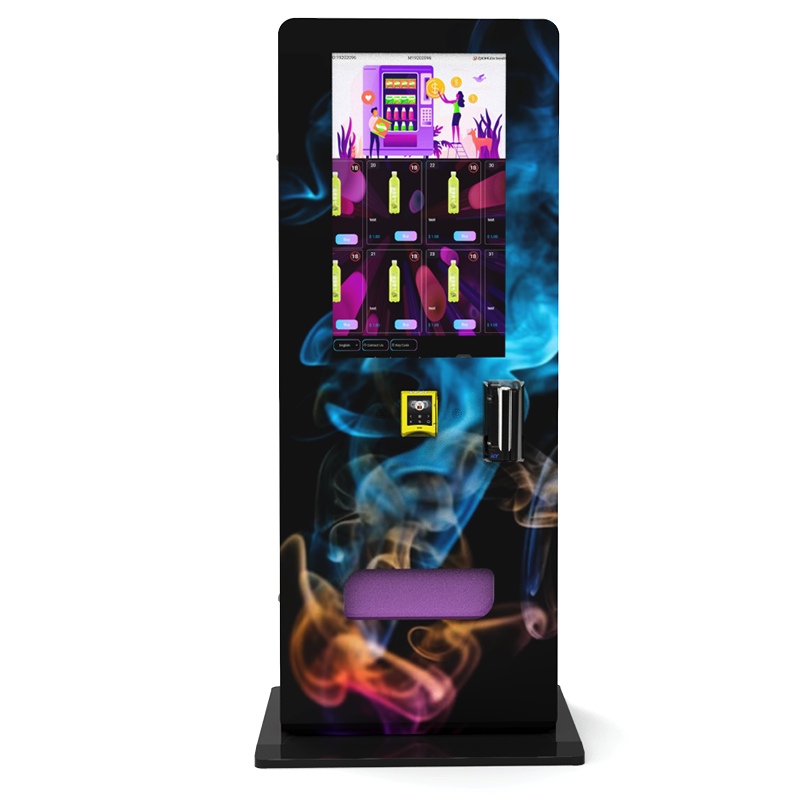
If you are looking to place a vending machine that sells nicotine products in the United States, you are navigating one of the most regulated retail environments in the world. The FDA rules for vape vending machines are strict, non-negotiable, and fundamentally different from rules for snack or soda machines. In short, the FDA requires that any vending machine selling tobacco products, including e-cigarettes, vape juice, and nicotine devices, must be located in a facility where individuals under 21 are never permitted to enter. This is the only legal path for a self-service kiosk selling these products without direct human oversight. After deploying hundreds of these units across the US and Europe, I can tell you that the hardware is the easy part—the compliance infrastructure is what makes or breaks your operation.
The Core Federal Requirement: The 21+ Facility Rule
The FDA’s Deeming Rule, which went into effect in 2016, classified all nicotine products (including e-cigarettes and vape hardware) as tobacco products. This brought them under the same federal regulations that govern cigarettes. The most critical rule for vending machines is the restriction on location. You cannot place a vape vending machine in a location that allows anyone under 21, even with a sophisticated age verification system that scans IDs. The machine must be in a facility where entry is restricted to people 21 and older, 100% of the time.
This effectively limits legal placement to businesses like 21+ nightclubs, strip clubs, casinos, and some cigar bars that strictly enforce an age gate at the front door. A convenience store, gas station, or grocery store is a non-starter under federal law, even if you install the most expensive ID scanner on the market. The logic from the FDA is that a vending machine cannot replicate the human judgment of a cashier who can refuse a sale. I have seen operators lose thousands of dollars in fines because they assumed a good scanner would solve everything. It will not.
Why the ID Scanner Alone Is Not Enough
Many operators ask me why they cannot place a machine with a built-in ID scanner in a general-access store. The FDA’s position is clear: even if the machine scans an ID, there is no human to verify that the person using the ID is the person standing in front of the machine. Fake IDs, borrowed IDs, and even high-quality fakes can pass a scanner. The only way to guarantee that the buyer is of legal age is to control who enters the building. This is why the “facility restriction” rule is the backbone of compliance. If you are looking at an age verification vending machine, you must first secure a 21+ location.
State and Local Laws: The Real Compliance Headache
While the federal rule sets the baseline, state and local laws often add additional layers. Some states have banned vape vending machines entirely. Other states allow them but with specific restrictions that go beyond the federal rule. For example, California has some of the strictest laws. The state generally prohibits the sale of flavored tobacco products, which includes most vape juices, and this applies to vending machines as well. You can read more about the specific challenges in California on our blog about vape vending machine legality in California.
Florida is a different story. The state allows vape vending machines in 18+ locations, but the machine must be equipped with an age verification device that scans a valid government-issued ID. The key difference is that Florida does not require the facility to be 21+; it requires the machine to verify the age of the buyer. This creates a viable path for placement in tobacco shops that are open to the public but have a dedicated vending area. However, you still need to check local city and county ordinances, as some municipalities in Florida have their own bans. I have one client in Miami-Dade County who had to move his machine three times because of local zoning laws that changed after he deployed.
States with Total Bans
As of 2025, a handful of states have effectively banned vape vending machines. These include New York, Massachusetts, and Washington. In these states, you cannot legally operate a vape vending machine under any circumstances. The only exception might be a very limited license for a cigar bar, but these are rare and expensive. Before you buy any equipment, you must check your state’s specific laws. Do not rely on a general internet search. Call the state attorney general’s office or a local tobacco compliance lawyer.
Technical Compliance: What Your Machine Must Have
If you have secured a legal location, the next step is ensuring your machine meets the technical requirements. The FDA does not certify vending machines, but it does require that the machine be tamper-resistant and that it cannot be easily circumvented by minors. Here is what a compliant machine needs:
- A reliable age verification system that scans and validates government-issued IDs (driver’s licenses, passports, military IDs).
- A camera that captures the buyer’s face to match against the ID photo. This is not a federal requirement yet, but it is becoming standard in best-practice machines.
- A remote monitoring system that allows the operator to check sales data and verify that only legal transactions are occurring.
- Physical security features that prevent someone from breaking the glass or prying open the product tray.
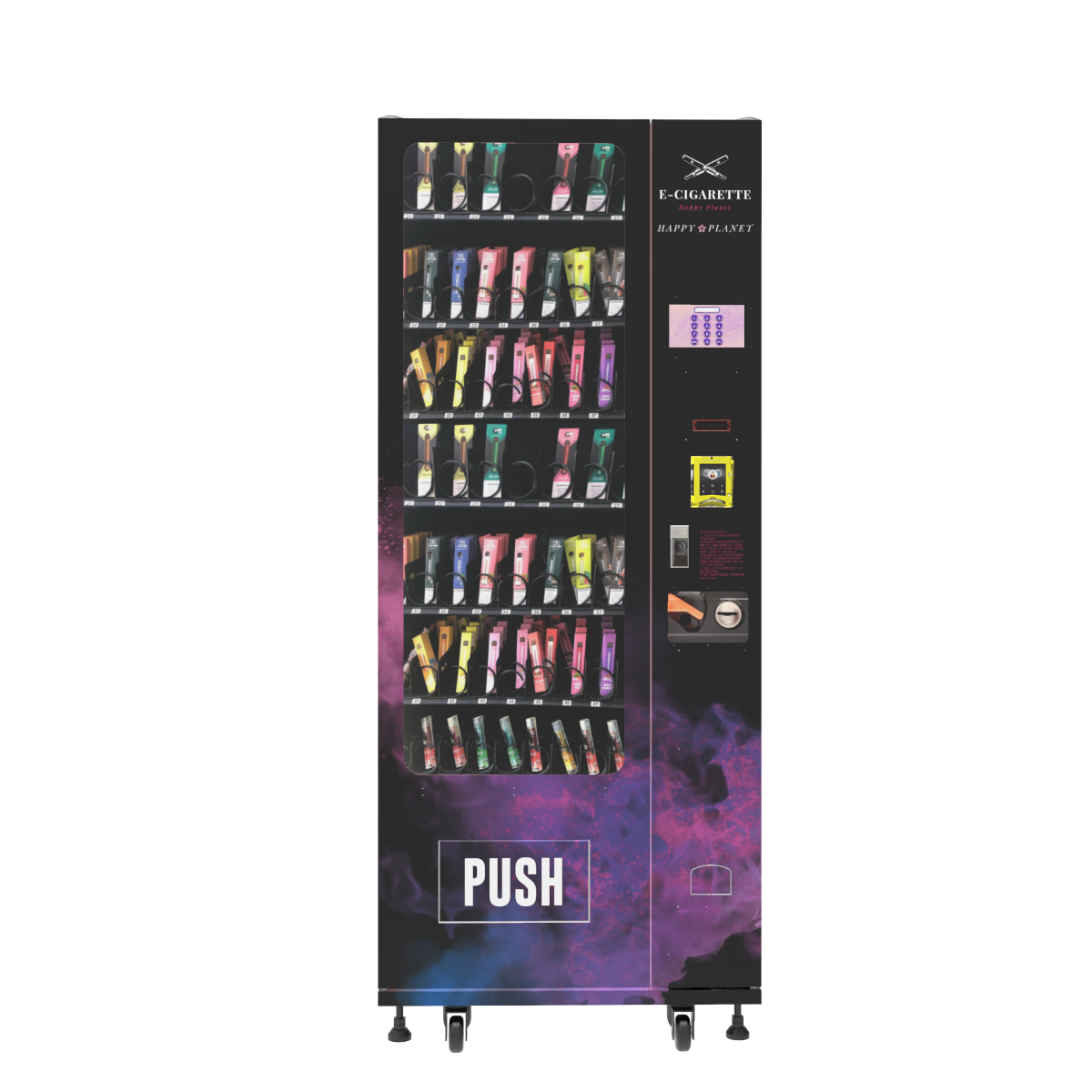
We manufacture machines that meet these specifications. For example, our age verification vending machine includes a built-in scanner and a high-resolution camera. It is designed for locations where compliance is the top priority. We have tested this unit in over 50 locations across the US and Europe, and it has consistently passed compliance audits.
The Role of the Responsible Adult
Even with a perfect machine, the FDA expects the location owner to take responsibility. The machine must be under the direct supervision of an employee who is at least 21 years old. This employee does not need to stand next to the machine, but they must be in the building and able to intervene if a problem occurs. In practice, this means the machine should be visible from the cash register or the bar. If the machine is in a dark corner of a nightclub, you are asking for trouble. I have seen locations lose their license because the employee on duty was in the back room and did not see a minor trying to use the machine.
Cost Structure and Profit Model
Now let us talk about the numbers. A compliant vape vending machine is not cheap. The hardware alone costs between $4,000 and $12,000, depending on the features. The ID scanner and camera add about $1,500 to $2,500 to the base cost. Installation, shipping, and initial setup can add another $1,000 to $2,000. Then you have ongoing costs: payment processing fees (about 2.5% to 3.5% per transaction), restocking labor, product cost, and machine maintenance.
On the revenue side, the margins are attractive if you choose the right products. A typical disposable vape that costs you $6 wholesale can sell for $15 to $20 in a vending machine. A pod system that costs $12 can sell for $25 to $30. The markup is higher than in a retail store because the convenience factor is worth something to the customer. In a busy nightclub, customers are willing to pay a premium for not having to leave the venue.
| Item | Wholesale Cost | Retail Price | Gross Margin |
|---|---|---|---|
| Disposable Vape (600 puffs) | $6.00 | $15.00 | 60% |
| Pod System (starter kit) | $12.00 | $28.00 | 57% |
| Replacement Pods (pack of 3) | $8.00 | $20.00 | 60% |
| Nicotine Salt Bottle (30ml) | $5.00 | $12.00 | 58% |
The key to profitability is product turnover. A machine that sells 20 units per day at an average margin of $10 will generate $200 in gross profit per day. After deducting the location commission (usually 10% to 20% of gross sales), payment fees, and restocking costs, you are looking at a net profit of about $100 to $120 per day. At that rate, you can recoup your hardware investment in about three to four months. But this assumes a high-traffic location. A machine in a low-traffic bar might sell only five units per day, which extends the payback period to over a year.
Real-World Failure Case
I want to share a real failure story so you can avoid it. An operator in Texas bought a cheap machine from an overseas manufacturer that did not have a proper ID scanner. He placed it in a tobacco shop that allowed minors if accompanied by an adult. The machine had a simple “press to confirm age” button. A minor used the machine, and the store was fined $10,000 by the state. The operator lost his machine (it was confiscated) and faced legal fees. He had spent $3,000 on the machine and lost another $15,000 in fines and legal costs. The lesson is clear: never cut corners on the age verification system. It is not a feature; it is the entire point of the machine.
Selecting the Right Equipment for Your Market
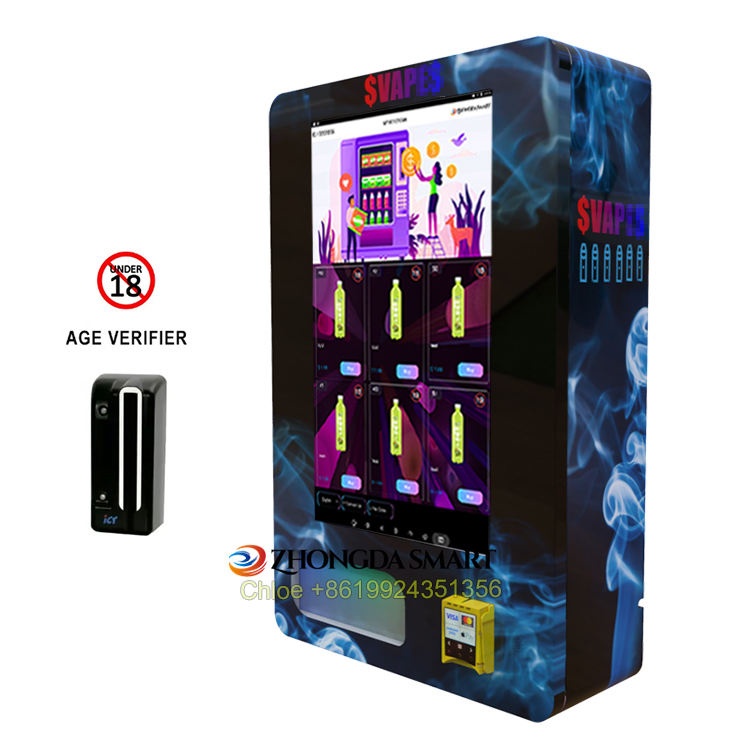
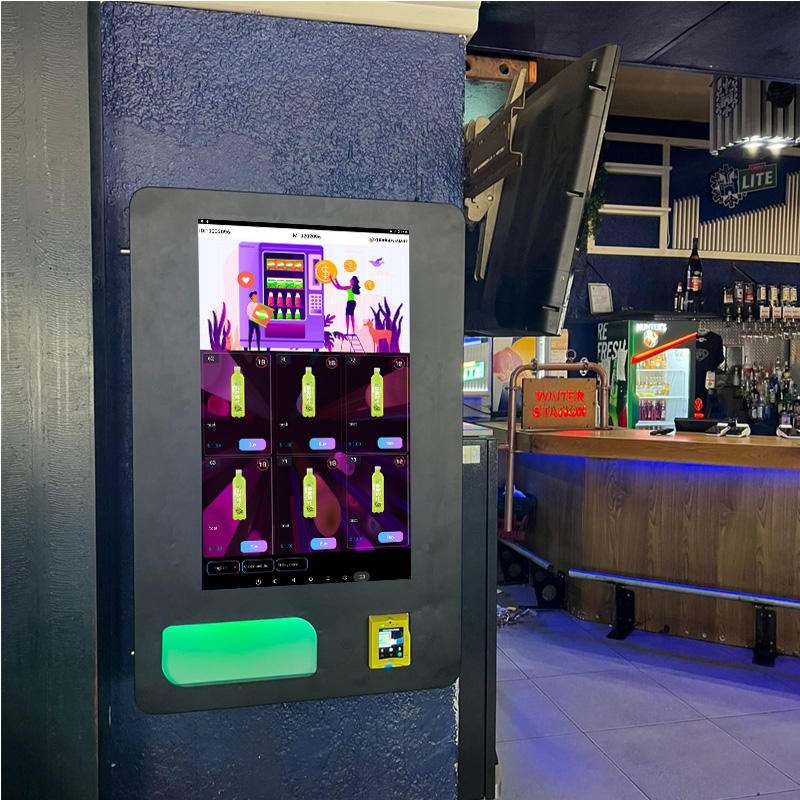
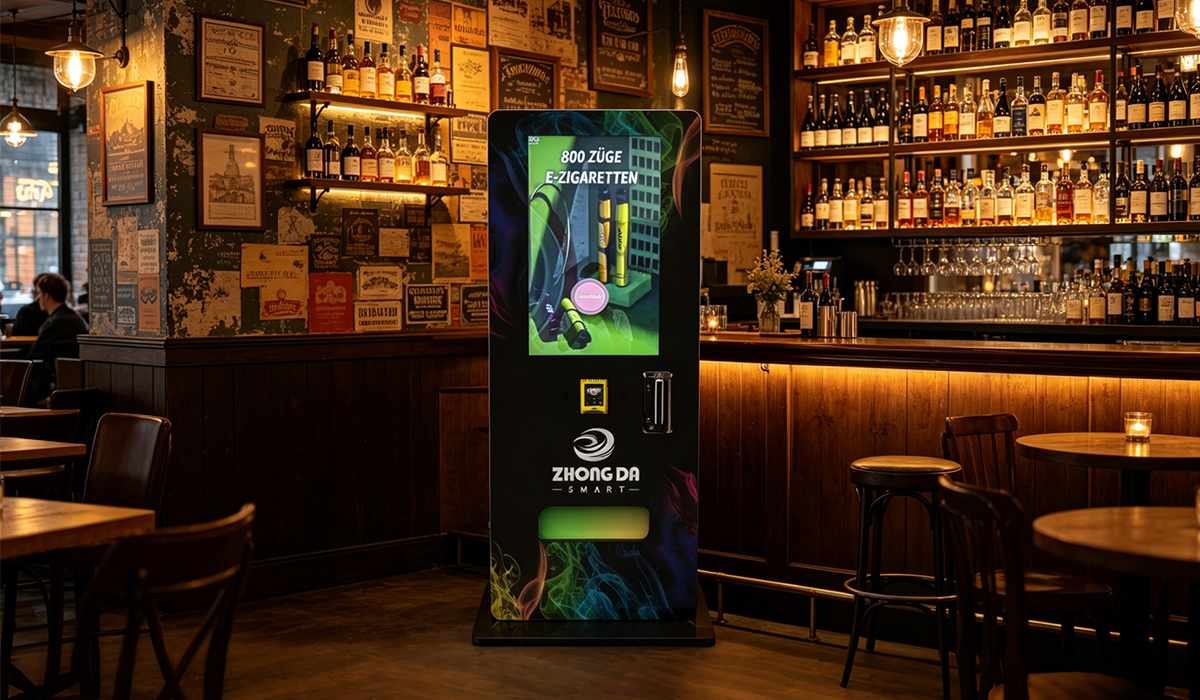
Not all vape vending machines are created equal. The market is flooded with cheap imports that do not meet US compliance standards. You need a machine that is built for the specific regulatory environment of your target location. For a 21+ nightclub, you might want a wall-mounted unit that saves floor space. For a casino, you might need a high-capacity machine that can hold 200+ units. For a small tobacco shop in a state like Florida, you need a machine with an integrated ID scanner and a camera.
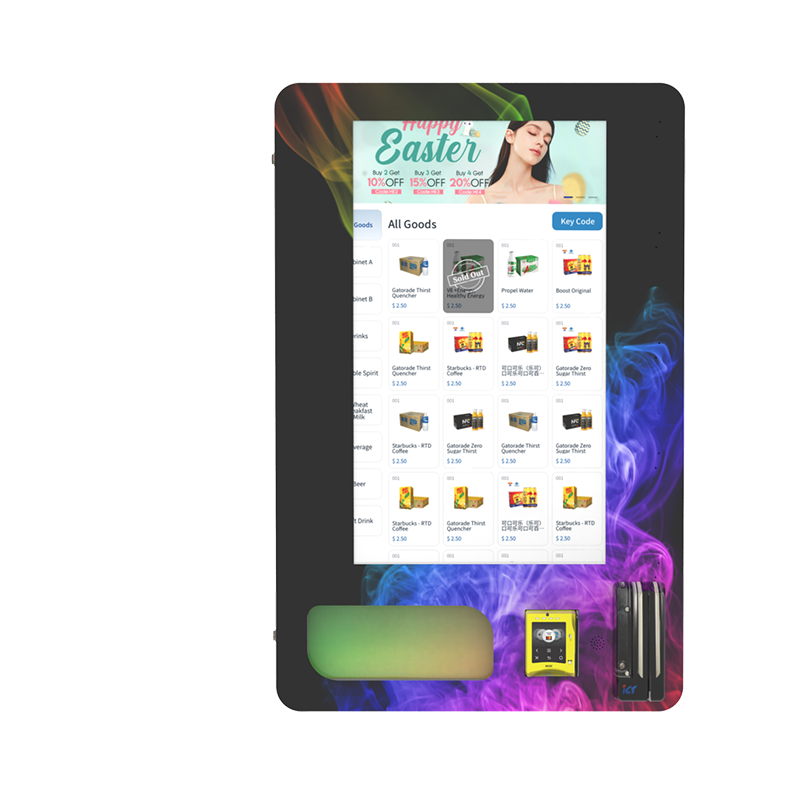
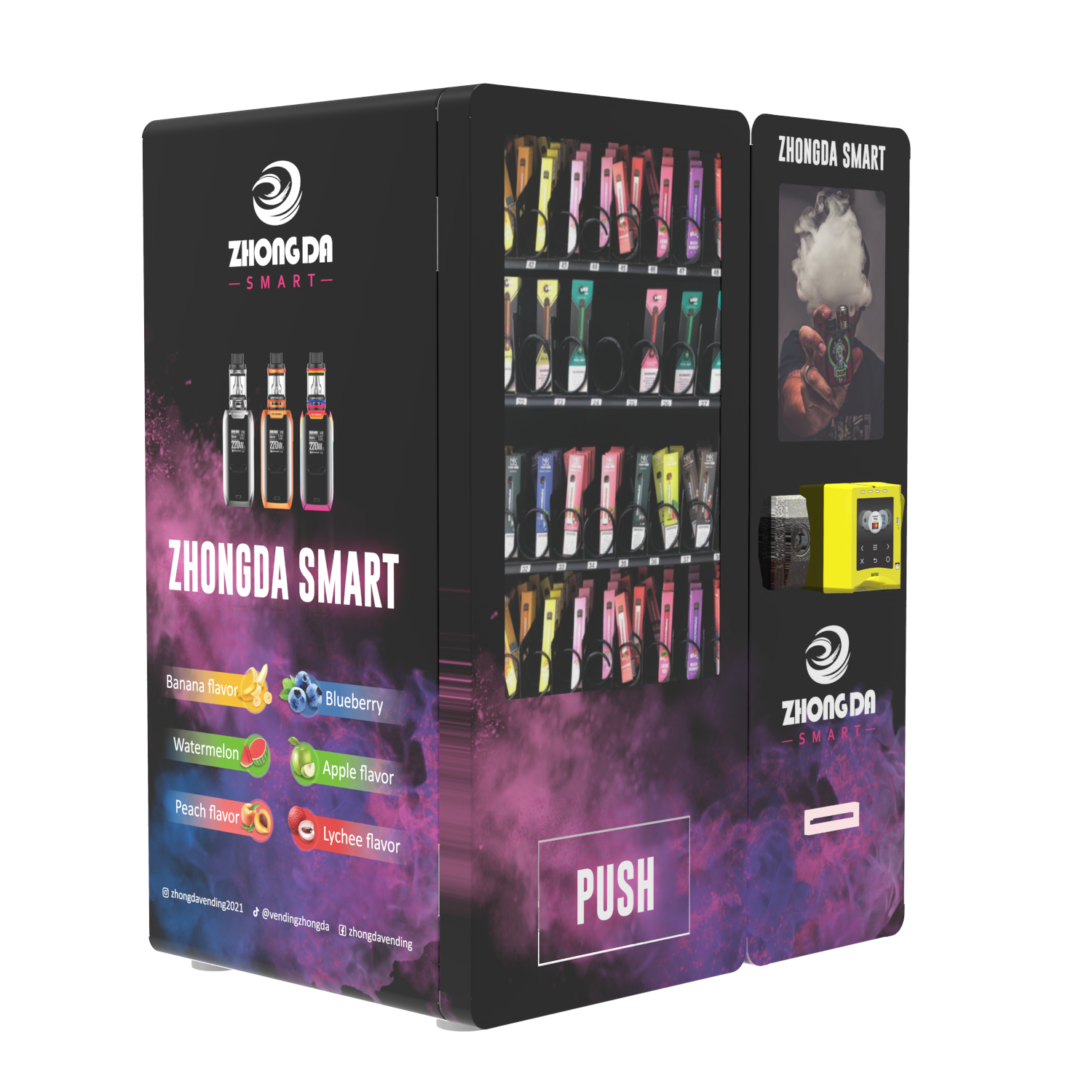
We offer a range of machines designed for different scenarios. Our wall-mounted compact e-cigarette vending machine is ideal for tight spaces in bars and lounges. It holds about 80 units and includes a basic age verification system. For higher traffic locations, our high-capacity vape vending machine can hold up to 300 units and has a touchscreen interface with advanced ID scanning. The choice depends on your volume projections and the physical space available.
Remote Monitoring and Data
One feature that separates professional operators from amateurs is remote monitoring. A good machine sends real-time data to your phone or computer: sales volume, inventory levels, machine temperature, and even a photo of every transaction. This allows you to restock only when needed, reducing labor costs. It also lets you spot trends. For example, if a certain flavor is selling out every weekend, you can increase its allocation. We have seen operators increase revenue by 20% just by optimizing their product mix based on data from the machine’s telemetry system.
Long-Term Operational Strategy
Running a vape vending machine business is not a passive income stream. You need to treat it like a retail operation. Here is the strategy that has worked for my clients over the past decade:
- Start with one machine in a proven location. Do not buy ten machines at once. Test the market with one unit in a high-traffic 21+ venue. Learn the restocking rhythm, the product preferences, and the maintenance needs.
- Build relationships with location owners. The best locations are not available for rent. You need to partner with the owner. Offer a revenue share (15% to 20%) and a small monthly fee. Make it easy for them to say yes.
- Diversify your product mix. Do not stock only one brand. Offer a range of price points and flavors. In a nightclub, customers want high-nicotine disposables. In a casino, they might prefer pod systems that last longer.
- Invest in maintenance contracts. A broken machine is a lost revenue stream. Have a backup machine or a service contract with the manufacturer. We offer a one-year warranty on all our machines and a 48-hour response time for repairs.
- Stay current with regulations. Laws change. What is legal today might not be legal next year. Subscribe to FDA updates and join industry associations like the National Automatic Merchandising Association (NAMA) for regulatory alerts.
When to Walk Away
Not every location is worth the effort. If a venue owner asks for more than 25% of gross sales, walk away. If the location has a history of compliance violations, walk away. If the local police department has a reputation for aggressive enforcement, consider a different market. I have turned down more locations than I have accepted, and that discipline has saved me from costly mistakes.
Final Thoughts on Compliance
The FDA rules for vape vending machines are not going to get easier. The trend in the US is toward tighter restrictions, not looser ones. If you are serious about this business, you need to build your operation on a foundation of strict compliance. That means investing in quality equipment, securing legal locations, and staying informed about regulatory changes. It is a niche market, but for operators who do it right, it can be a profitable one. We have been manufacturing these machines for 15 years, and we have seen the industry evolve from a Wild West of unregulated sales to a structured market with clear rules. The operators who survive are the ones who respect those rules.
For more information on our machines and how we support operators with compliance, visit our vape vending machines product page. We can walk you through the specific requirements for your state and help you select the right machine for your location.
Frequently Asked Questions
Can I put a vape vending machine in a convenience store?
No, under federal FDA rules, you cannot place a vape vending machine in a location where minors are allowed to enter, even with an ID scanner. Convenience stores are open to the public, including minors, so they are not legal locations. The machine must be in a 21+ facility.
Do I need a special license to operate a vape vending machine?
Yes, you need a tobacco retail license from your state and often from your local city or county. The requirements vary by state. You must also register with the FDA as a tobacco product retailer. The license application process can take several weeks, so start early.
What happens if I get caught with a non-compliant machine?
The penalties are severe. The FDA can issue fines up to $15,000 per violation. State and local authorities can add their own fines. You could lose your machine, your retail license, and face legal charges. In some states, repeat violations can lead to jail time. It is not worth the risk.
How much money can I make with one vape vending machine?
In a high-traffic 21+ venue like a busy nightclub, a well-stocked machine can generate $200 to $300 in gross profit per day. After location commission and expenses, net profit is typically $100 to $150 per day. In a slower location, you might make $30 to $50 per day. The average payback period is 4 to 8 months.
Can I use a used or refurbished vape vending machine?
You can, but you must ensure the machine has a working age verification system that meets current standards. Many older machines do not have cameras or advanced ID scanners. You might need to retrofit them, which can cost as much as buying a new compliant machine. I generally recommend buying new from a reputable manufacturer.
Sources:
FDA Vending Machine Requirements
Statista: Vaping and E-Cigarettes in the US
IBISWorld: E-Cigarette & Vape Shops Industry Report
National Conference of State Legislatures: Tobacco and Vaping Laws