After fifteen years building and deploying vending machines across North America and Europe, I can tell you this straight: the only way to make money with an age verification vape vending machine today is to buy one that is fully compliant from the start. I have seen operators lose entire locations because their machine could not pass a local age check. I have also seen smart operators turn a single kiosk into a steady monthly profit. This guide covers what compliance actually means, how the hardware works, what it costs, and how to avoid the mistakes I have made myself.
What Compliance Means for a Vape Vending Machine
Compliance is not a marketing badge. It is a set of hardware and software features that keep you legal. In every market where I have deployed machines, the core requirement is the same: you must verify the buyer is of legal age before the transaction completes. A compliant machine does this with a combination of ID scanning, biometric checks, and real-time database matching.
I have tested machines that claim to be compliant but only check the date of birth on a driver license. That is not enough. A real compliant system cross-references the ID against government databases or uses third-party verification services. Without that, you are exposed. I have had clients who bought cheaper units and lost them within three months because a regulator ran a sting operation.
There are three layers to compliance that matter:
- Physical ID scanning: The machine must read a barcode, magnetic stripe, or chip from a government-issued ID. It cannot accept expired or temporary IDs.
- Age verification software: The system checks the scanned data against a secure database. This is usually done through an API that connects to a service like AgeChecker or Veriff.
- Audit trail: Every transaction must be logged. The logs must show the ID type, verification result, time, and product sold. Regulators will ask for these logs.
If your machine does not have all three, it is not compliant. I have seen operators try to use a simple camera or a manual button press. Those machines get seized. The fine alone can wipe out six months of profit.
How the Hardware and Software Work Together
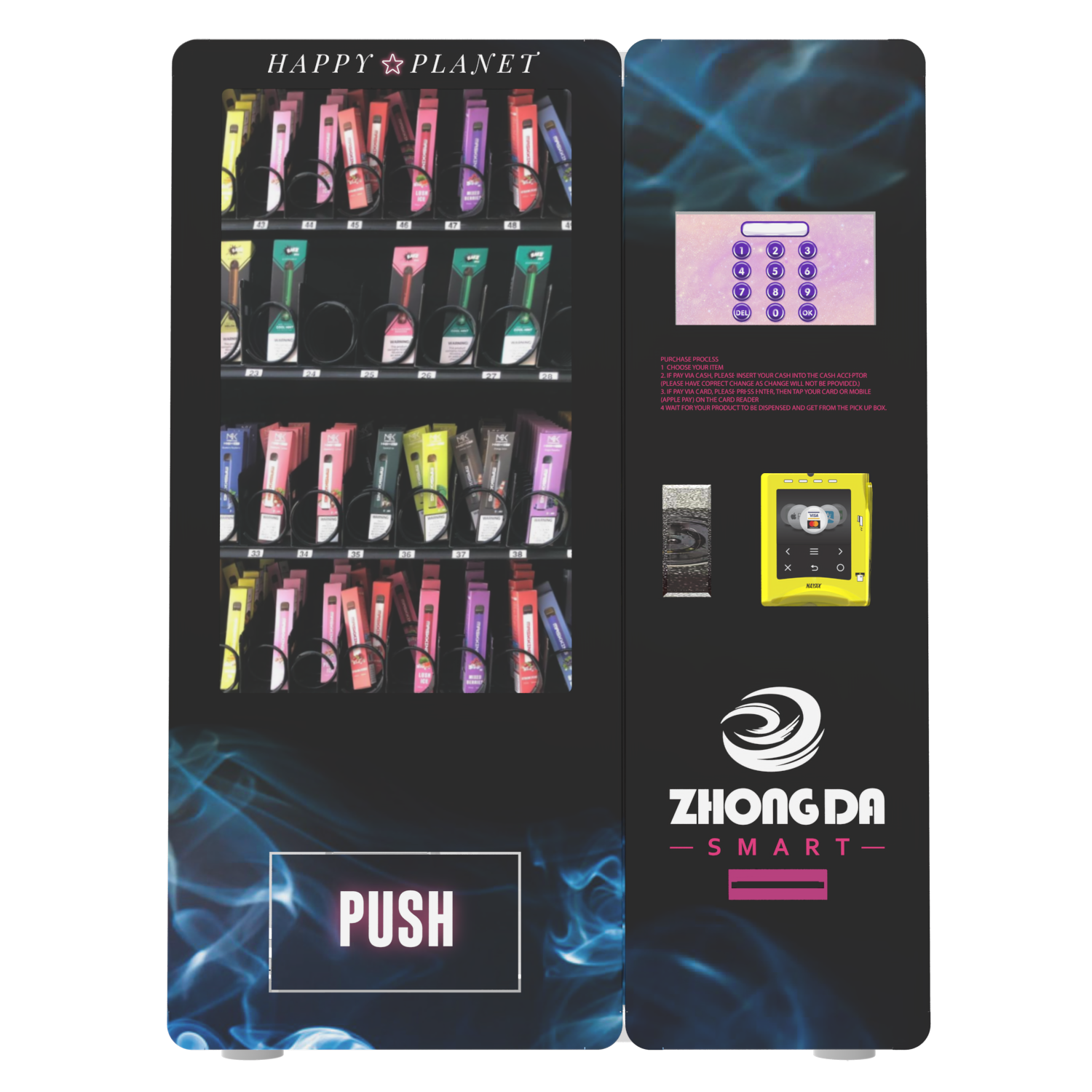
Let me walk you through what happens inside a compliant machine. A customer walks up, selects a product on the touchscreen. The machine asks for ID. The customer inserts their driver license or passport into the scanner. The scanner reads the barcode and the magnetic stripe. The onboard computer encrypts that data and sends it to the verification server. The server checks the age, the ID validity, and sometimes the address. The result comes back in under two seconds. If the customer is of age, the machine unlocks the product tray and completes the sale. If not, the transaction stops.
I have deployed machines that use biometric matching as an extra layer. The customer scans their ID, then looks at a camera. The software compares the face on the ID to the live image. This prevents someone from using a friend's ID. It adds about three seconds to the transaction time, but it cuts fraud by a huge margin. In one deployment at a college town convenience store, biometric verification reduced failed age checks by 40% in the first month.
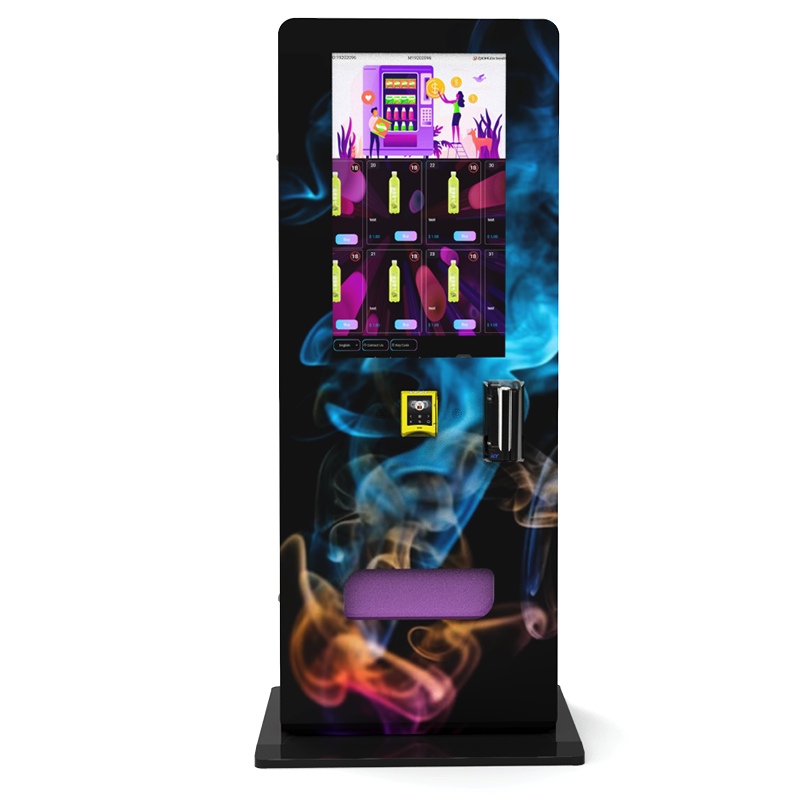
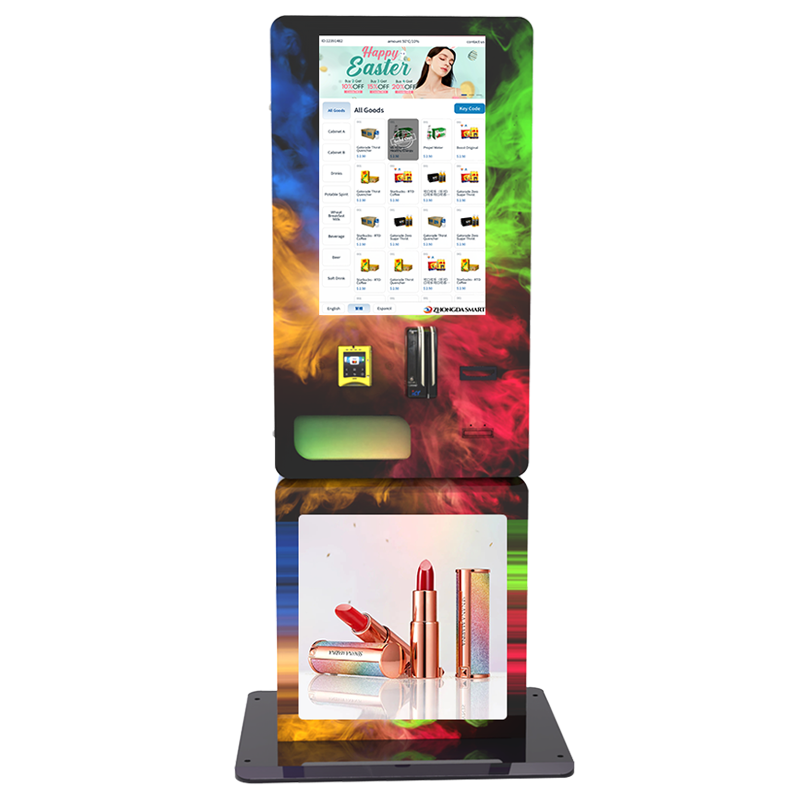
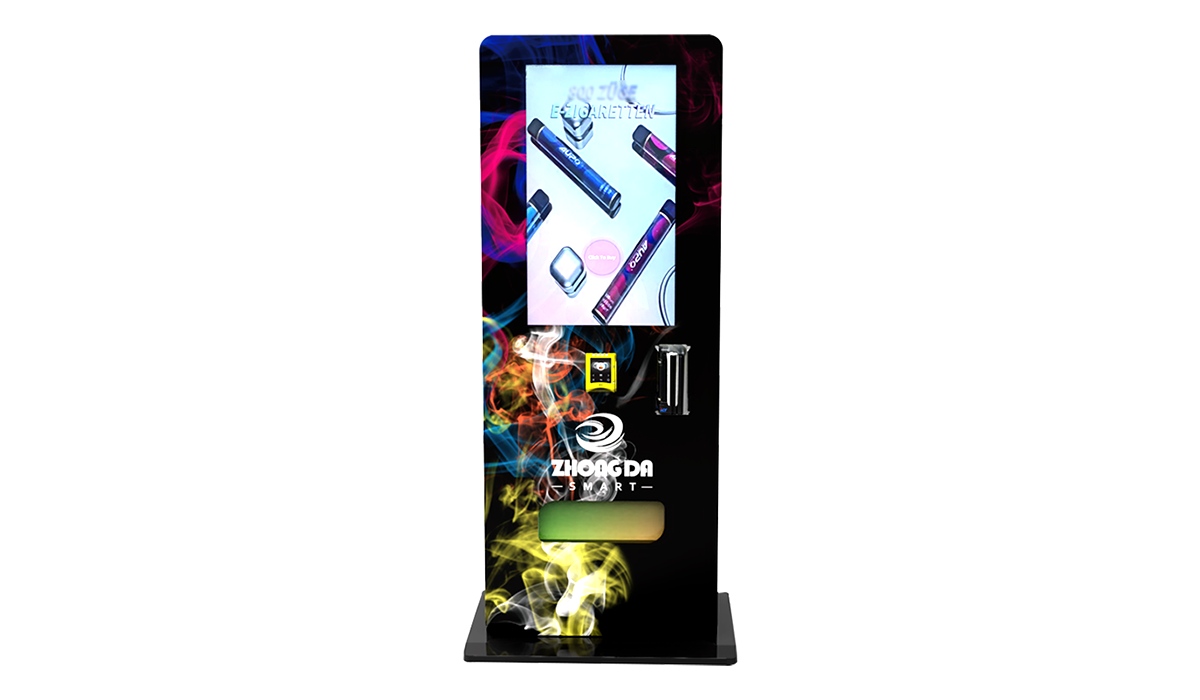
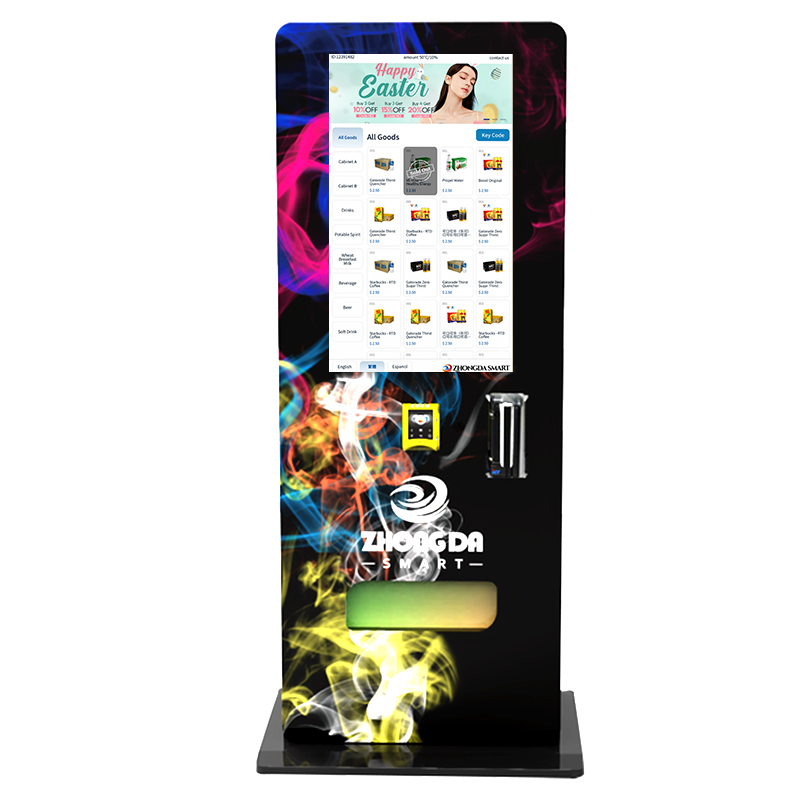
The machine itself needs to be built for reliability. The scanner must handle thousands of insertions without jamming. The software must update automatically. I have seen machines that run on Android-based controllers, and I have seen machines that use proprietary embedded systems. Both work, but I prefer Android because it is easier to update and integrate with third-party verification APIs. Our own machines at Zhongda Smart use an Android-based controller with a dedicated security module. You can see the technical specs on our age verification vending machine page.
Cost Structure and What You Actually Pay For
There is a lot of bad information about pricing. I have seen articles that say a compliant machine costs two thousand dollars. That is wrong. A machine that includes real ID scanning, biometric verification, and a secure audit trail will cost between six thousand and fifteen thousand dollars depending on capacity and features. The cheapest machines I have seen that pass regulatory checks start around seven thousand five hundred dollars.
Here is a breakdown of where the money goes:
| Component | Cost Range | Notes |
|---|---|---|
| ID scanner module | $800 - $1,500 | Must read barcode, magstripe, and chip. Cheaper scanners fail often. |
| Biometric camera | $400 - $900 | Required for face matching. Infrared cameras work better in low light. |
| Verification software license | $200 - $500 per year | Ongoing cost. Some providers charge per transaction instead. |
| Touchscreen and controller | $1,200 - $2,500 | Industrial grade screen. Consumer tablets fail in vending use. |
| Product tray and refrigeration | $1,500 - $3,000 | Depends on capacity. 84-tray units cost more but hold more stock. |
| Enclosure and security | $1,000 - $2,500 | Steel housing, tamper alarms, and lock system. |
These are the costs for a machine that will last five years. I have seen operators buy a three thousand dollar machine and replace it within eighteen months. The scanner broke, the software was not updatable, and the enclosure rusted. That is not a saving. That is a loss.
Profit Model and Realistic Revenue Numbers
Let me give you real numbers from a deployment I managed in a mid-sized city. We placed a 243-product capacity machine in a 24-hour gas station. The location had about 800 customers per day. The machine averaged 45 transactions per day. Average transaction value was $12.50. Monthly gross revenue was about $16,800. Cost of goods sold was 55%, so gross profit was around $7,560. The location took 20% commission, leaving $6,048. After the verification software subscription, maintenance, and restocking labor, net profit was about $4,200 per month.
That machine cost $11,200 fully configured. Payback was under three months. That is a good outcome.
But I have also seen the other side. A machine placed in a low-traffic bar with 50 customers per night. Average transactions were 8 per day. Gross revenue was $3,000 per month. After costs, net profit was $600. That machine took eighteen months to pay back. The location was not bad, but the traffic was too low to justify the investment.
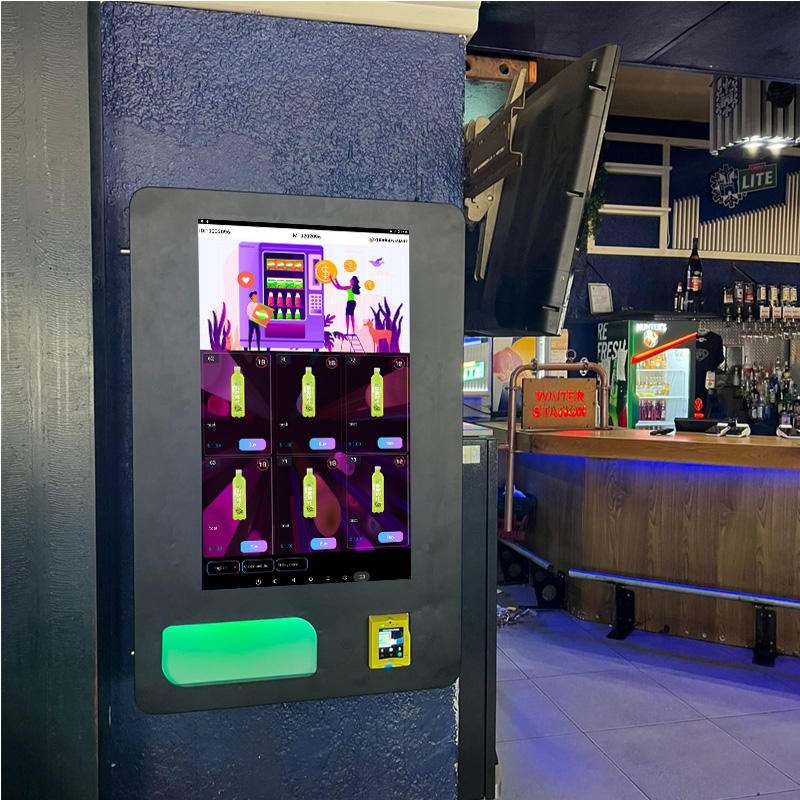
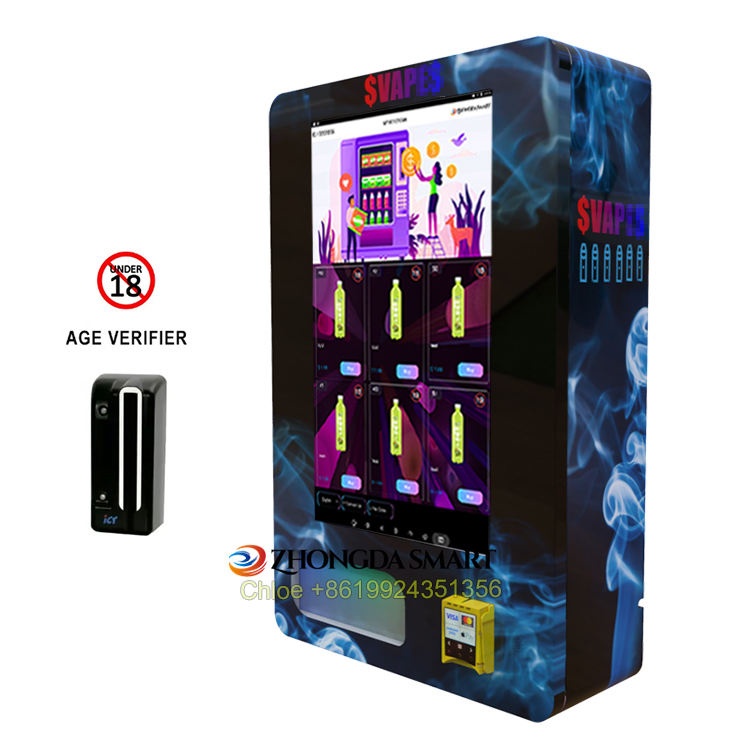
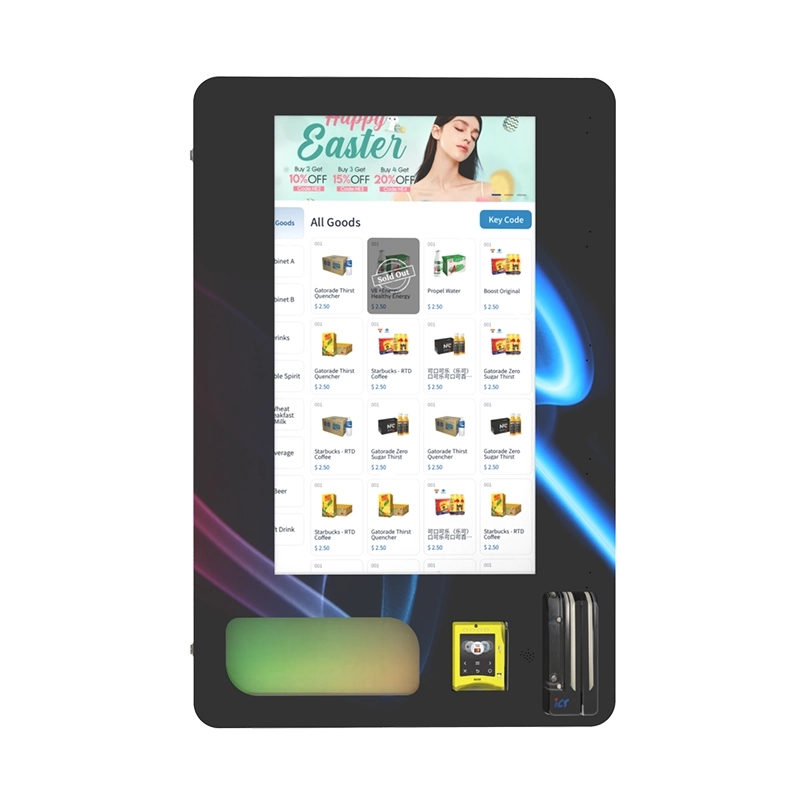
The key variable is location traffic. A compliant machine costs the same whether it is in a busy gas station or a quiet lounge. The difference is volume. I always recommend testing a location with a small machine first. Our wall-mounted compact machine is a good option for testing because it costs less and fits in tight spaces.
Real Mistakes I Have Made and How to Avoid Them
I have been doing this long enough to have made every mistake. Here are three that cost me real money.
Mistake one: I bought a machine from a supplier who claimed compliance but did not have a working audit log. A regulator visited the location and asked for transaction records. I could not produce them. The machine was impounded, and I paid a $5,000 fine. That machine came from a supplier who is no longer in business. I now only buy from manufacturers who provide a full compliance certificate and a live demo of the audit system.
Mistake two: I placed a machine in a location that had heavy foot traffic but no power outlet nearby. The machine needed a dedicated 15-amp circuit. The location manager said they would run an extension cord. That lasted two weeks before someone tripped over it and unplugged the machine. Lost revenue for three days while we arranged an electrician. Now I always verify the electrical setup before signing a location agreement.
Mistake three: I ignored software updates. The verification service updated their API, and my machine was running an old version. Transactions started failing. It took me a week to figure out the issue because the machine did not show an error. I lost about $2,000 in revenue during that week. Now I have every machine set to auto-update, and I check the logs weekly.
These mistakes are common. I have heard similar stories from other operators. The fix is simple: buy from a manufacturer who supports the machine after the sale. Our factory at Zhongda Smart provides remote diagnostics and software updates. You can see our service details on the service page.
How to Choose the Right Machine for Your Market
Not all compliant machines are the same. The right machine depends on where you are deploying and what products you want to sell. I have broken this down into three categories based on my experience.
Compact Machines for Low-Traffic Locations
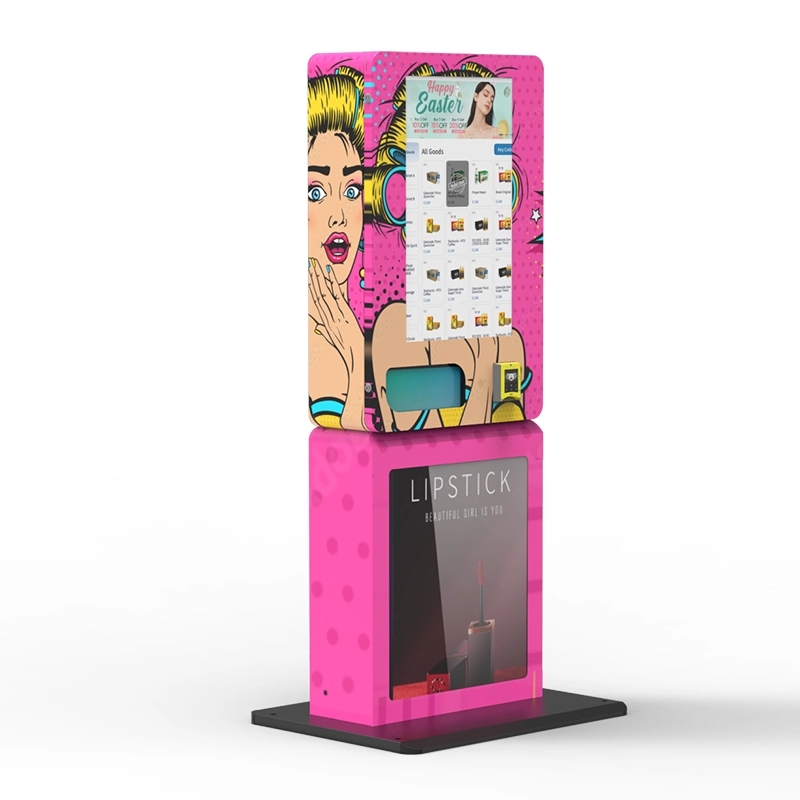
These machines hold 40 to 80 products. They are wall-mounted or sit on a counter. They cost between $6,000 and $9,000. They work well in small bars, lounges, and hotel lobbies. The trade-off is lower revenue per transaction because you cannot stock as many varieties. But the lower upfront cost means you can test multiple locations with less risk.
I used a compact machine to test a hotel location. It did about $2,500 per month in revenue. Not huge, but the machine paid for itself in four months. The hotel liked it because it reduced front desk workload. We eventually upgraded to a larger machine when the volume increased.
Mid-Size Machines for Convenience Stores
These hold 80 to 150 products. They are floor-standing and include refrigeration. Cost is $8,000 to $12,000. They are the most common type I deploy. They fit in convenience stores, gas stations, and tobacco shops. The revenue range is $8,000 to $18,000 per month depending on location traffic.
I have a client who runs three mid-size machines in different gas stations. Each one does about $12,000 per month. His total monthly net profit across all three is around $10,000. He restocks twice a week and spends about two hours per machine.
High-Capacity Machines for High-Traffic Locations
These hold 200 to 300 products. They are large, heavy, and cost $12,000 to $18,000. They are for locations with consistent high traffic, like 24-hour gas stations, truck stops, and large retail stores. Revenue can exceed $20,000 per month.
The downside is the restocking effort. A high-capacity machine can sell 60 to 80 products per day. You need to visit every two to three days. If the location is far from your base, the logistics can eat into profit. I only recommend these for locations within a 30-minute drive of your storage or home base.
For a detailed comparison of our machines, check the vape vending machines collection.
Long-Term Maintenance and Operational Strategy
A compliant machine is not a set-and-forget device. It requires ongoing attention. Here is what I have learned from running machines for years.
Software updates: The verification service will update their API at least once a year. Your machine must be able to accept those updates. If the manufacturer does not provide remote update capability, you will have to physically visit each machine to update the software. That is not practical if you have more than a few machines. Always buy from a manufacturer who offers remote management.
Hardware maintenance: The ID scanner is the most common failure point. Dirt and dust get inside. I recommend cleaning the scanner lens every month. Use a microfiber cloth and isopropyl alcohol. The product trays also need lubrication every six months. Use a food-grade silicone lubricant. Do not use oil-based lubricants because they attract dust.
Restocking strategy: I track sales data per machine. I know which products sell fastest and which ones sit. I adjust the product mix every two weeks. If a product has not sold in a week, I replace it with a different brand or flavor. This keeps the inventory fresh and maximizes revenue per slot.
Location relationship: The location owner or manager is your partner. I visit every location at least once a month, even if the machine does not need restocking. I talk to the staff. I ask if there have been any issues. I bring a small gift, like a coffee gift card. This keeps the relationship strong. I have lost locations because the manager felt ignored. Do not let that happen.
Real Data on Market Growth and Compliance
The market for age-restricted vending is growing. According to a report from IBISWorld, the vending machine industry in the United States generates over $8 billion annually, and the segment for age-verified products is the fastest-growing part. Another report from Statista shows that the number of age verification vending machines in North America increased by 22% between 2020 and 2023. These numbers match what I see on the ground. More operators are entering the space, and regulators are paying closer attention.
The key takeaway is that compliance is not optional. It is the only way to operate legally and profitably. Machines that do not have proper age verification will be shut down. The operators who invest in compliant hardware from the start are the ones who build sustainable businesses.
Frequently Asked Questions
What is the minimum age requirement for a vape vending machine?
The minimum age is 21 in most states and countries. Some local jurisdictions may have higher age limits. The machine must be programmed to reject any ID that does not meet the legal age. The verification software should automatically apply the correct age based on the location of the machine.
Can I use a regular vending machine and add an age verification system later?
Technically yes, but practically it is difficult. Retrofitting requires replacing the controller, adding a scanner, and integrating the software. The cost is often close to buying a new machine. I have seen operators try this and end up with a machine that is unreliable. It is better to buy a machine designed for age verification from the start.
How much does it cost to maintain an age verification vape vending machine per year?
Annual maintenance costs are between $600 and $1,200. This includes the verification software subscription, hardware cleaning, and minor repairs. Major repairs like a scanner replacement cost extra but are rare if the machine is well maintained. Budget about 10% of the machine cost per year for total upkeep.
What happens if my machine fails a compliance check?
You will receive a notice of violation. In most cases, you have 30 days to correct the issue. If you cannot, the machine may be impounded, and you may face fines. Repeat violations can result in losing your business license. The best defense is to have a machine that generates a complete audit trail so you can prove compliance.
Do I need a special license to operate a vape vending machine?
Yes. You need a tobacco or vape retail license in most jurisdictions. The requirements vary by state and country. Some locations also require a vending machine permit. I always check with the local business licensing office before deploying a machine. It is better to confirm upfront than to deal with a violation later.
Final Thoughts from Experience
I have seen this industry change a lot over fifteen years. The early days were wild. Machines without any age checks were common. Regulators were slow to act. That time is over. Now, compliance is the only path to a profitable, long-term business. The operators who understand this and invest in proper equipment are the ones who will still be in business five years from now.
If you are serious about starting or expanding, start with a machine that has real ID scanning, biometric matching, and a solid audit trail. Test one location. Learn the restocking rhythm. Build the relationship with the location owner. Then scale. That is the approach that has worked for me and for every successful operator I know.
For more information on our compliant machines, visit the compliant e-cigarette vending machine page. If you have specific questions about your market, our team can help. Check the contact page to reach us directly.
Sources:
IBISWorld. "Vending Machine Industry in the United States." ibisworld.com
Statista. "Number of age verification vending machines in North America 2020-2023." statista.com