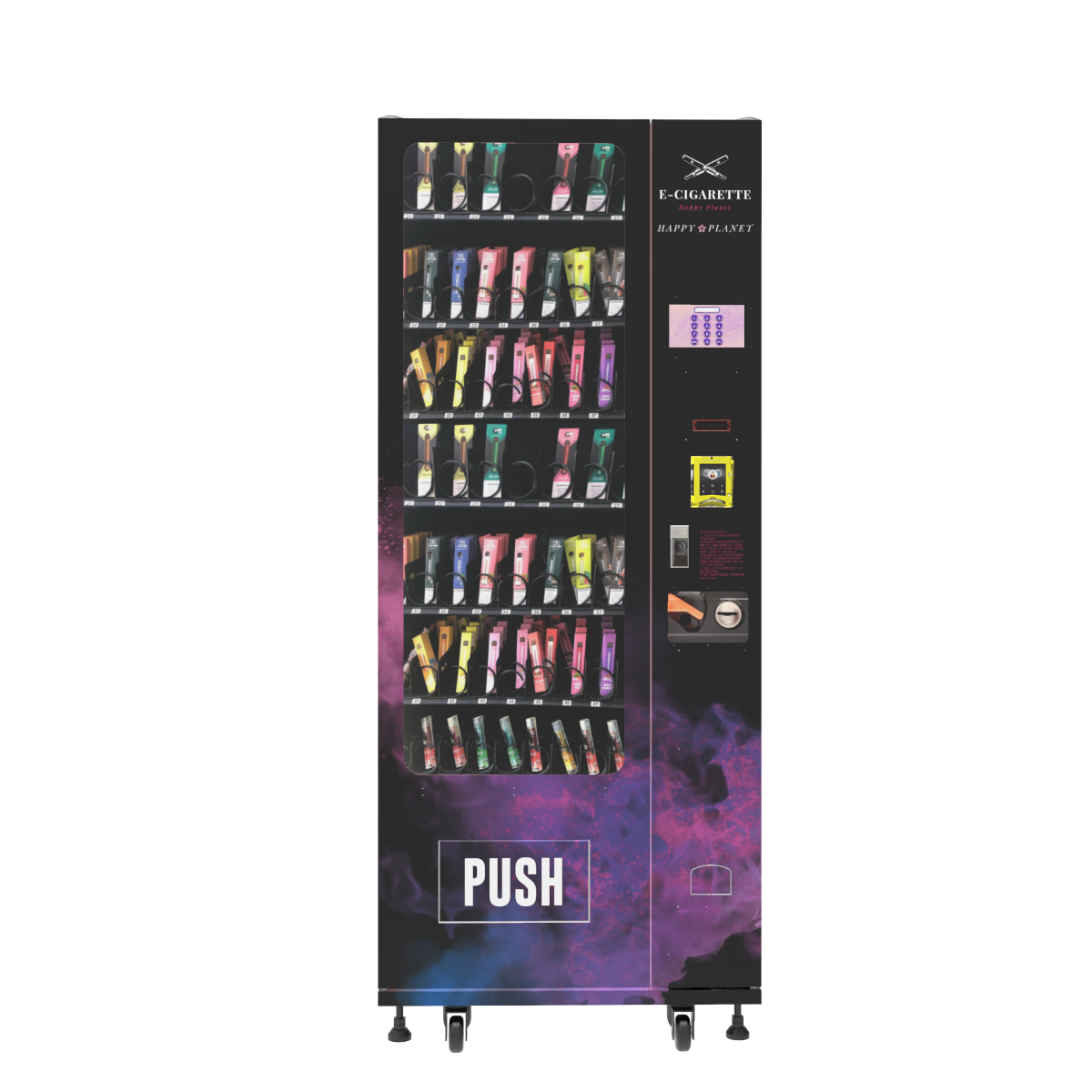
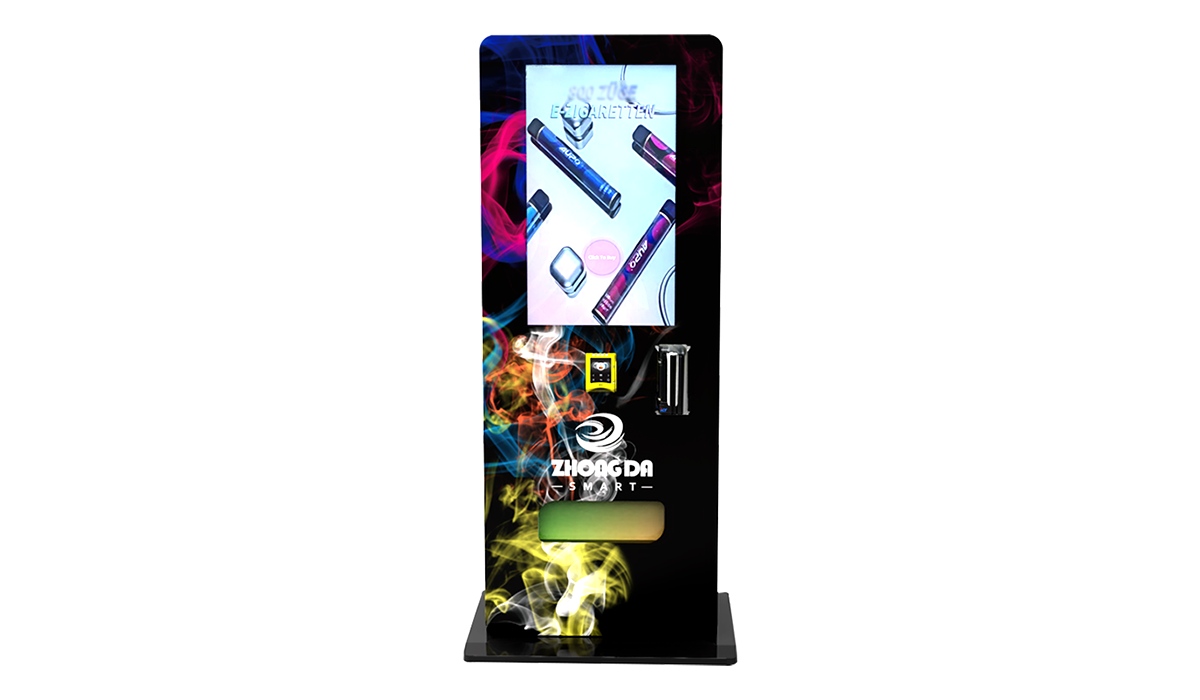
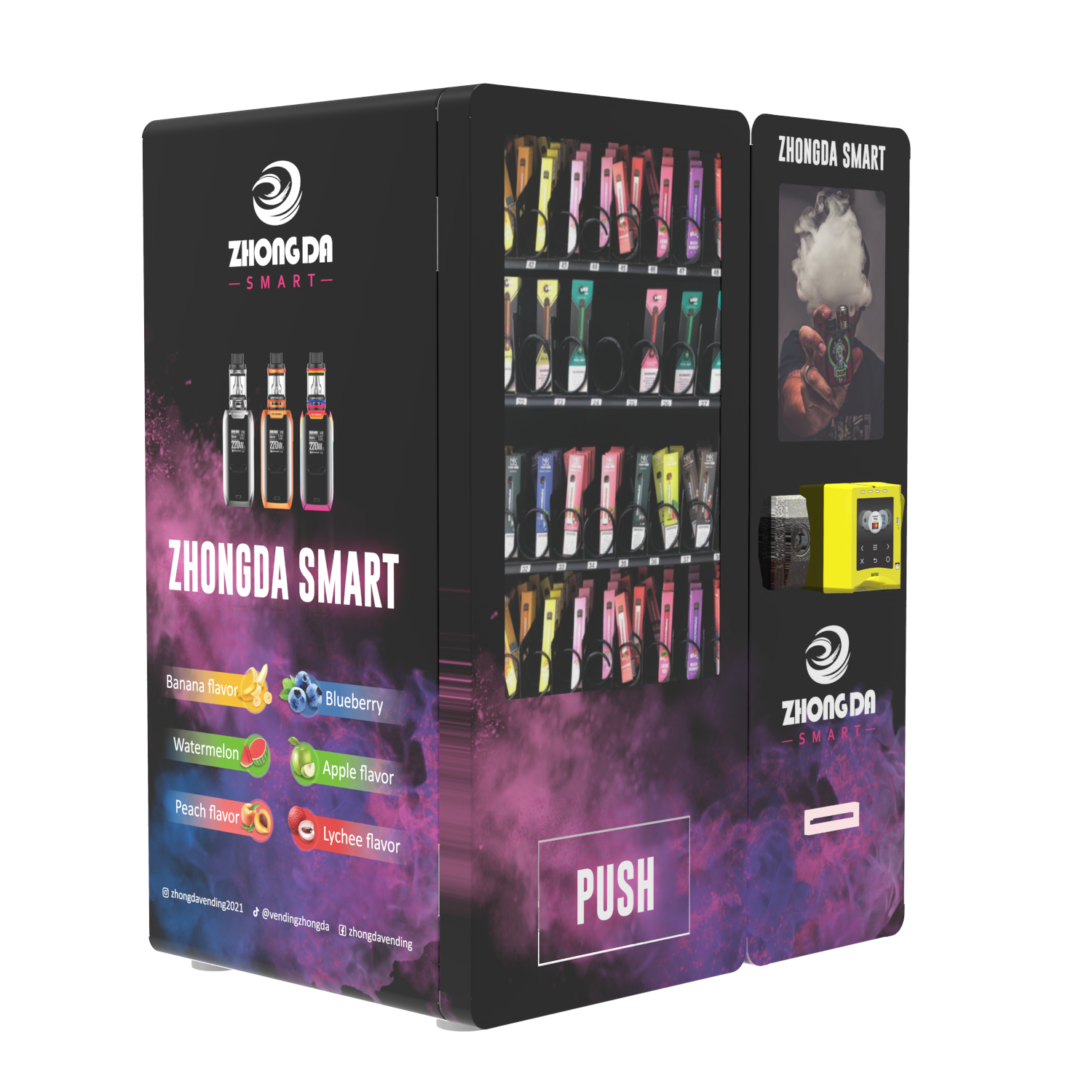
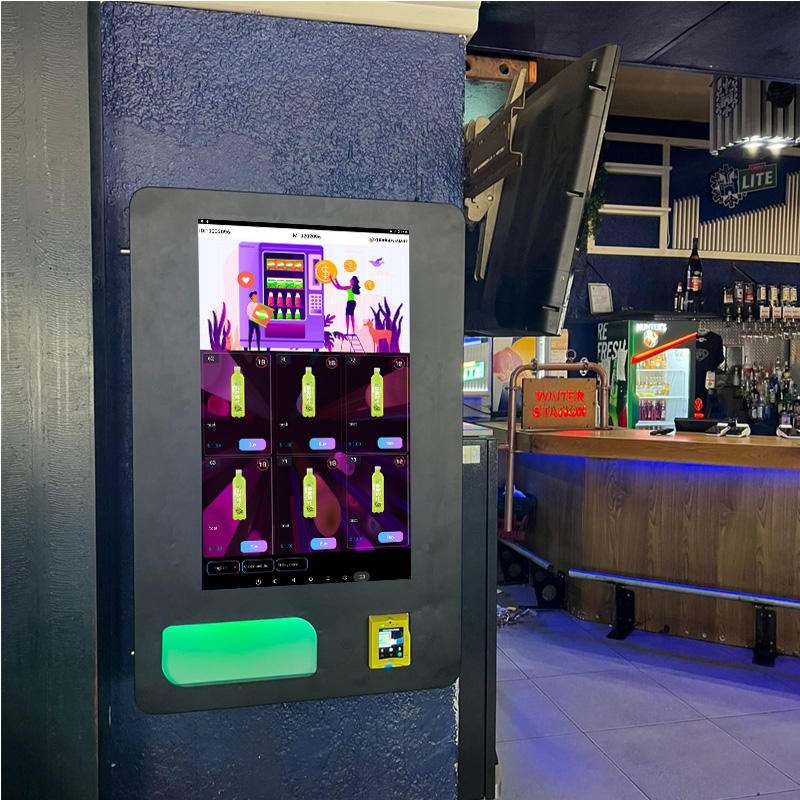
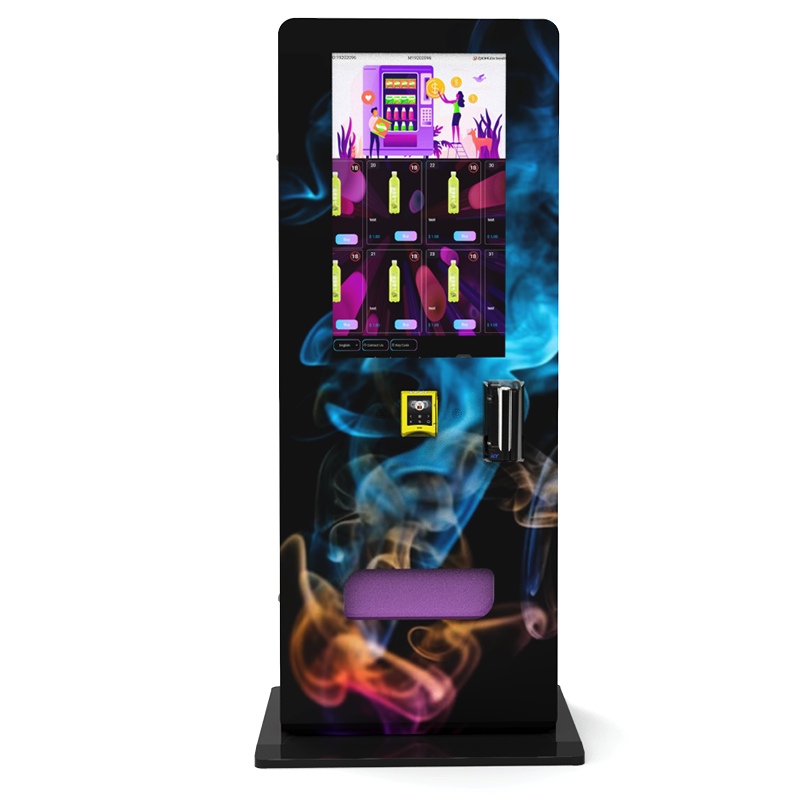
A lot of people ask me if the vape vending machine revenue model actually holds up outside of the hype. The short answer is yes, but only when you treat the machine as a retail point, not a passive cash box. The real profit comes from a hybrid model: direct product sales combined with on-screen advertising. I have spent over a decade deploying these units across high-traffic venues, and I can tell you that the operators who succeed are the ones who understand that the hardware is just the beginning. The revenue split typically lands around 70% from product margins and 30% from ad placements, but that ratio shifts dramatically based on location and how aggressively you sell your screen space.
The Core Profit Structure of a Smart Vending Machine
When I first started placing units in 2013, the model was simple: buy low, sell high. Today, a smart vending machine does a lot more than just hold inventory. The core profit structure now relies on two distinct revenue streams that feed each other.
Product Sales: The Tangible Revenue
This is the part everyone understands. You stock the machine with disposable vapes, pod systems, and nicotine pouches. You mark them up. The customer pays. You collect the cash. But the math has changed. A standard disposable that costs you $4.50 wholesale might sell for $11.99. That is a 62% gross margin, but you have to account for card processing fees (around 2.9% plus $0.30) and restocking labor. In my experience, the net margin on product alone usually lands between 35% and 45% after all variable costs are stripped out.
The real trick is inventory velocity. A machine that turns over its stock twice a week is significantly more profitable than one that turns over once a week, even if the per-unit margin is slightly lower. I have seen operators obsess over a $0.50 price difference on a SKU while ignoring the fact that their slow-moving inventory is costing them real money in tied-up capital.
Advertising Revenue: The Invisible Profit Center
Here is where most operators leave money on the table. Every time a customer touches the screen to select a product, they are looking at a 10- to 15-second window where you can display an ad. If your machine processes 50 transactions a day, that is 500 to 750 ad impressions daily just from the purchase flow. You can also run a loop of ads on the idle screen.
I have negotiated deals with local vape shops, CBD brands, and even nightclubs to run ads on my machines. The rates vary wildly. A small local shop might pay $200 a month for a static image. A regional brand might pay $800 a month for a rotating video spot. If you have a network of ten machines, that is an extra $2,000 to $8,000 a month in pure profit that requires zero inventory management.
Real-World Cost Breakdown of a Vape Vending Machine Unit
Before you buy a single machine, you need to understand the full cost picture. I have seen too many people look at the price tag of the hardware and forget about the ancillary costs that eat into their first year of operation.
| Cost Category | Estimated Amount | Notes |
|---|---|---|
| Hardware (smart vending machine) | $3,500 – $8,500 | Depends on capacity, age verification tech, and screen size |
| Age verification module (ID scanner) | $600 – $1,200 | Required for compliance in most jurisdictions |
| Initial inventory (stock) | $1,200 – $2,500 | Based on 100-150 units of mixed product |
| Payment processing setup | $200 – $500 | Terminal integration and merchant account fees |
| Installation and shipping | $300 – $800 | Heavy unit, often requires freight |
| Monthly software/connectivity | $50 – $150 | Cloud management platform and cellular data |
| Location commission (if applicable) | 10% – 20% of gross sales | Negotiated with venue owner |
I have a network of 22 machines deployed right now. My average all-in cost per unit was around $6,200. That includes the machine, the ID scanner, first inventory, and installation. The machines that are in high-traffic bars and hotels paid for themselves in about seven months. The ones in lower-traffic locations took nearly fourteen months. Location selection is the single biggest variable in your payback period.
How to Maximize Revenue Per Machine
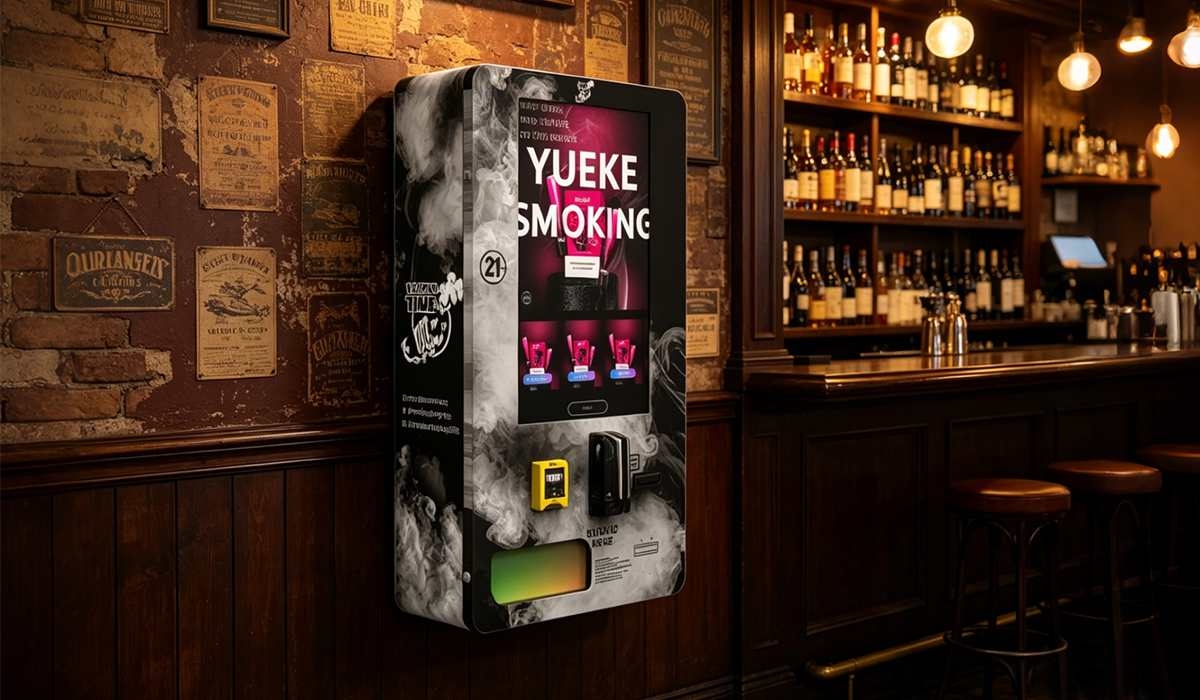
I do not believe in setting a machine and forgetting it. That is a fast way to lose money. The operators who hit $3,000 to $4,500 in monthly gross revenue per machine are the ones who actively manage three specific levers.
Pricing Strategy for High-Traffic Venues
You cannot price the same way in a hotel lobby that you do in a convenience store. In a hotel where the nearest vape shop is a 15-minute walk, I have sold disposables for $15.99 without issue. In a busy bar that has a shop across the street, I had to price at $11.49 to move inventory. The key is to run a small price test for the first two weeks. Start high, then adjust down if you see slow movement. I track my sales data weekly and adjust pricing on slow-moving SKUs immediately.
Inventory Mix Optimization
Not all products are created equal. In my experience, 80% of your revenue comes from 20% of your SKUs. I carry about 12 to 15 different SKUs in a standard machine, but I focus heavily on the top three best-sellers. I have learned that carrying too many niche flavors slows down the average transaction and confuses the customer. Stick to the core flavors: mint, fruit, and tobacco. Those three categories drive the bulk of sales in the vending channel.
Advertising Inventory Management
Treat your ad slots like a product. I sell ad space in monthly blocks. I have a standard rate card that lists pricing for a static image slot ($250/month), a rotating video slot ($600/month), and a full-screen takeover during idle time ($1,000/month). I also offer a bundle deal for brands that want to run on all my machines for a flat monthly fee. This creates a predictable recurring revenue stream that is not dependent on product sales volume.
Risk Factors and Failure Cases I Have Witnessed
I have made mistakes. I have seen other operators make the same ones. Here are the three most common failure modes that kill the vape vending machine revenue model.
Location Failure: The Ghost Machine
I placed a machine in a small office building once because the rent was cheap. The building had about 200 employees. I thought it would be steady. It did about $400 a month. After rent and restocking, I was losing money. The machine sat there for eight months before I moved it to a college-area bar. In the bar, it did $3,200 in the first month. Location is everything. If the foot traffic is not there, no amount of optimization will save you.
Compliance Nightmares
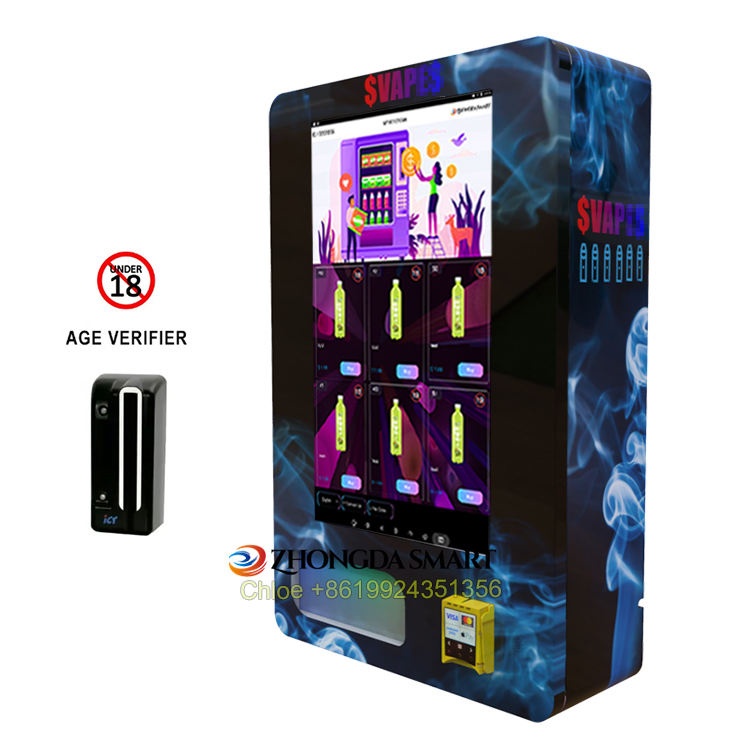
I had a machine confiscated in a jurisdiction that changed its age verification laws without notice. The new law required biometric verification, not just ID scanning. I lost the machine and the inventory. That was a $7,000 lesson. Now I only deploy machines that have modular age verification systems that can be upgraded. I also check local regulations every quarter. I recommend using a machine with an integrated ID scanner that can be updated via firmware. You can see the specific model I use for compliance-heavy locations on the age verification vending machine page.
Maintenance Neglect
A machine that breaks down for a week loses not just sales but also customer trust. I have seen operators lose a prime location because the machine was down for ten days and the venue owner got frustrated. I do preventive maintenance every 60 days. I clean the card reader, check the coils, and update the software. It costs me about $50 per machine per visit, but it saves me from losing a $3,000 monthly location.
Comparing Vape Vending Machines to Other Retail Models
People often ask me how this model compares to running a traditional retail store or an online shop. The answer depends on your capital and your risk tolerance.
| Retail Model | Startup Cost | Monthly Operating Cost | Avg. Margin | Scalability |
|---|---|---|---|---|
| Vape Vending Machine | $5,000 – $9,000 per unit | $200 – $400 per unit | 35% – 45% net | High (add units easily) |
| Brick-and-Mortar Vape Shop | $50,000 – $150,000 | $8,000 – $15,000 | 40% – 50% net | Low (requires lease) |
| Online Vape Store | $10,000 – $30,000 | $2,000 – $5,000 | 25% – 35% net | Medium (shipping logistics) |
The vending machine model wins on capital efficiency. I can deploy five machines for the cost of opening one small retail store. The trade-off is that you have less control over the customer experience and you are dependent on the venue owner for power and space. But if you are looking for a model that scales without requiring a lease or a warehouse, vending is the better bet.
Long-Term Operational Strategies for Sustainability
I have been doing this long enough to see the market evolve. The operators who survive the first three years are the ones who treat their machines as a network, not as individual units.
Network Effects in Vending
Once you have ten or more machines, you start to see data patterns that help you buy inventory better. You know which flavors sell in which neighborhoods. You know which price points work in hotels versus bars. You can negotiate better wholesale pricing because you are buying in volume. I buy my inventory from three main distributors, and I get a 5% to 8% discount because I order in bulk twice a month. That extra margin goes straight to my bottom line.
Technology Upgrades Over Time
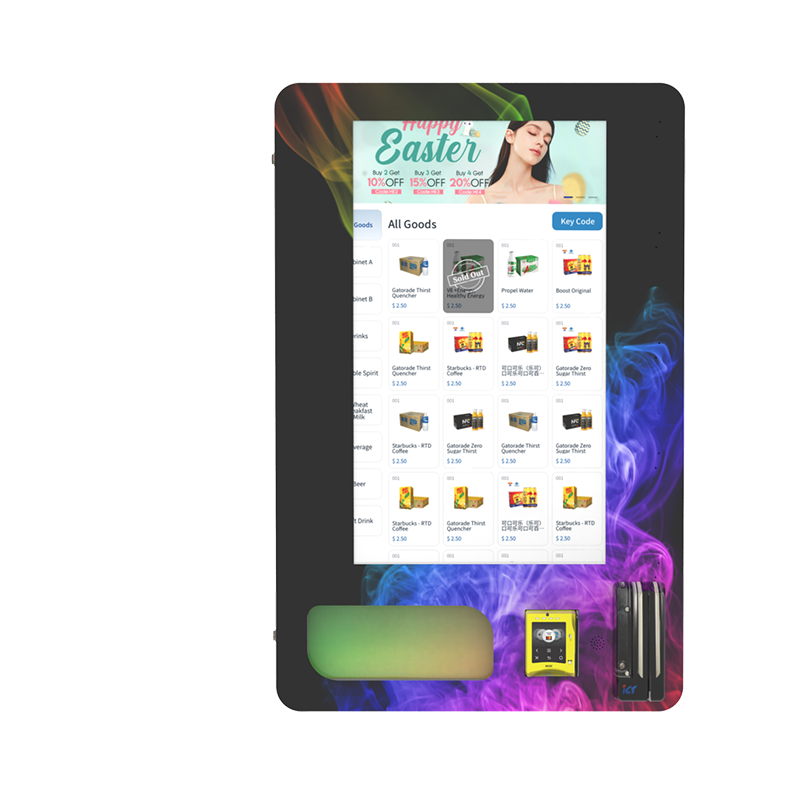
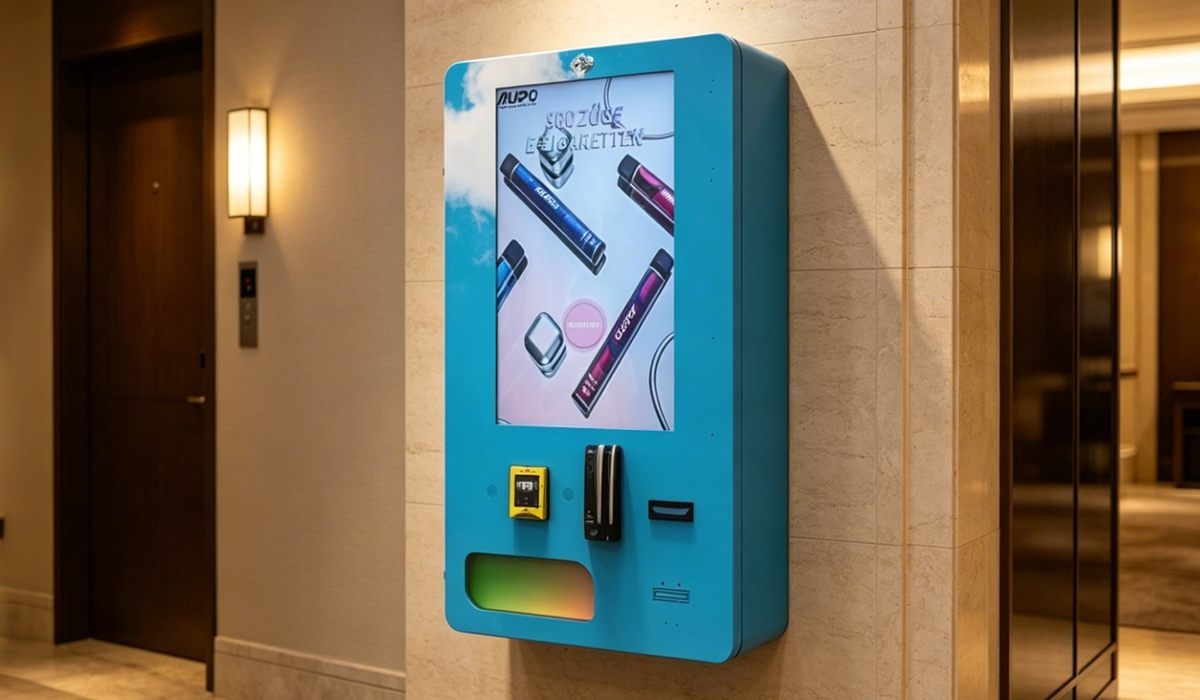
The hardware is not static. I have upgraded my machines twice in the last decade. The first upgrade was adding NFC card readers. The second was adding the remote inventory management system. The latest machines I deploy come with a 21-inch touchscreen and a built-in age verification camera. If you are buying new units today, I recommend looking at models that support remote monitoring and over-the-air software updates. The wall-mounted compact e-cigarette vending machine is a good example of a unit that balances footprint with modern tech features.
Building Relationships with Venue Owners
Your relationship with the venue owner is your most valuable asset. I split revenue with my hosts on a sliding scale. If the machine does under $1,500 a month, they get 10%. If it does over $3,000, they get 20%. This incentivizes them to keep the machine plugged in and visible. I also provide a monthly report to each host showing sales and commission. Transparency builds trust. I have never lost a location because of a dispute over money.
Expert Advice on Selecting the Right Equipment
I get calls from people who bought a cheap machine from a generic manufacturer and then could not get replacement parts or software support. Do not make that mistake. The machine is the foundation of your business. I source my units from a manufacturer that has been building vending hardware for over 15 years. They understand the specific requirements of the vape category, like the need for robust age verification and tamper-proof product delivery.
When I am evaluating a machine, I look at three things: the reliability of the delivery mechanism (coils or spirals), the quality of the touchscreen, and the ease of updating the age verification software. I have standardized on a few models from Zhongda Smart because their hardware has a lower failure rate than anything else I have tested. Their ID scan vending machine has been particularly reliable in my high-volume locations. I also use their wall-mounted e-cigarette vending machine for smaller venues where floor space is limited.
Scaling the Business Beyond the First Machine
I started with one machine in a friend's bar. I scaled to five machines in the first year. By year three, I had 22 machines deployed across three states. The scaling process is not linear. You hit a point where you need a part-time employee just to handle restocking and maintenance. I hired my first employee when I hit ten machines. That was the turning point. It allowed me to focus on finding new locations and negotiating ad deals instead of driving around refilling machines.
If you are planning to scale, build your operational playbook early. Document your restocking route, your pricing strategy, and your maintenance checklist. When you hire someone, they should be able to follow the playbook without needing your input on every decision. That is how you go from being a machine operator to being a business owner.
Frequently Asked Questions
How much money can a single vape vending machine make per month?
A well-placed machine in a high-traffic venue can generate between $2,500 and $4,500 in gross revenue per month. The net profit after product cost, processing fees, and location commission typically lands between $800 and $1,800 per machine. Advertising revenue can add another $200 to $800 per month depending on how many ad slots you sell.
What is the biggest ongoing cost for a vape vending machine?
Inventory restocking is the largest variable cost. You are constantly buying product to refill the machine. The second biggest cost is location commission if you are splitting revenue with the venue owner. Software fees and payment processing are smaller but recurring costs that add up over time.
Do I need a special license to operate a vape vending machine?
Yes. Most jurisdictions require a tobacco retail license and a specific vending machine permit. You also need a machine that has an active age verification system, usually an ID scanner or biometric reader. The legal requirements vary by state and even by city, so you need to check local laws before deploying any unit.
How often do vape vending machines break down?
With a quality machine, you can expect a hardware issue about once every 12 to 18 months. The most common problems are jammed coils, faulty card readers, and screen calibration issues. Preventive maintenance every 60 days significantly reduces the failure rate.
Can I run a vape vending machine business part-time?
Yes, but only if you have fewer than five machines. Once you cross that threshold, the restocking and maintenance demands become too high for a part-time schedule. I recommend starting with one or two machines to learn the operational rhythm before scaling up.
Final Thoughts on Building a Vending Revenue Stream
The vape vending machine revenue model is not a get-rich-quick scheme. It is a legitimate business that requires capital, attention to detail, and a willingness to manage both product and advertising sales. The operators who succeed are the ones who treat their machines like retail stores, not like piggy banks. If you are willing to put in the work on location selection, inventory management, and ad sales, the numbers work. I have seen it work for over a decade, and I am still adding machines to my network today.
Sources:
- Statista: Tobacco Products Market Data
- IBISWorld: Vending Machine Operators Industry Report
- Forbes: The Future of Retail is Automated
- Centers for Disease Control and Prevention: Economic Trends in Tobacco