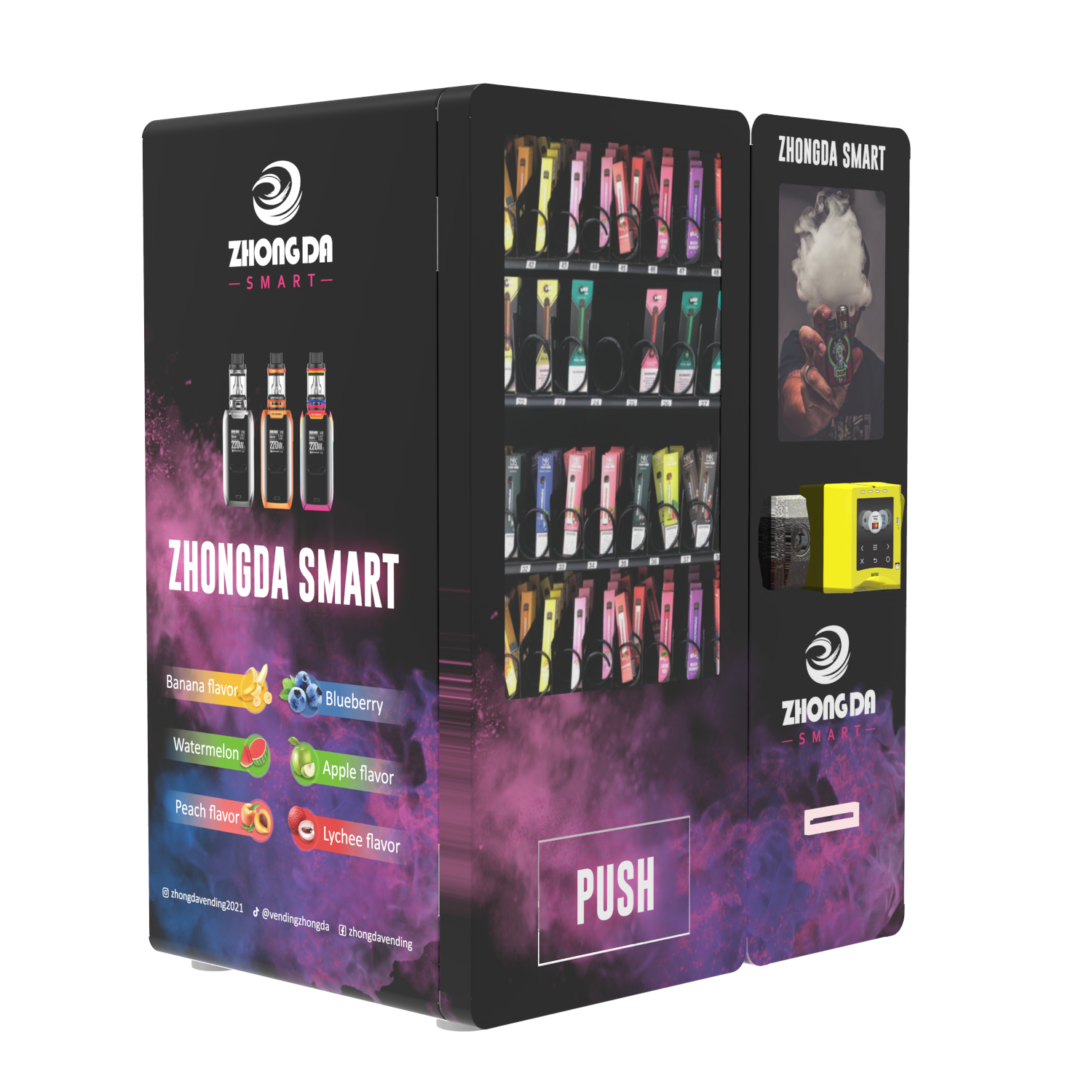
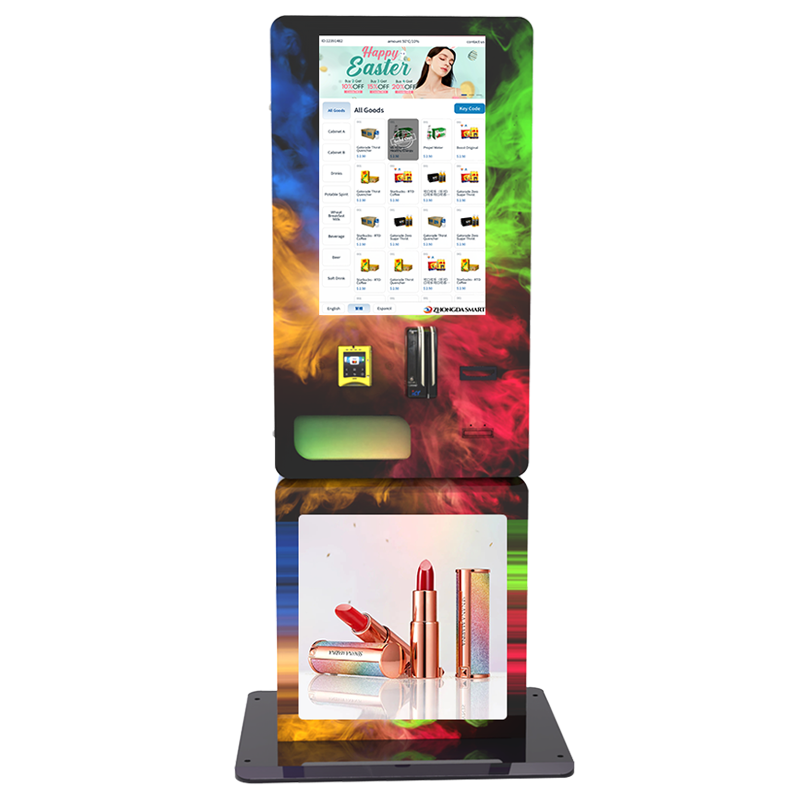
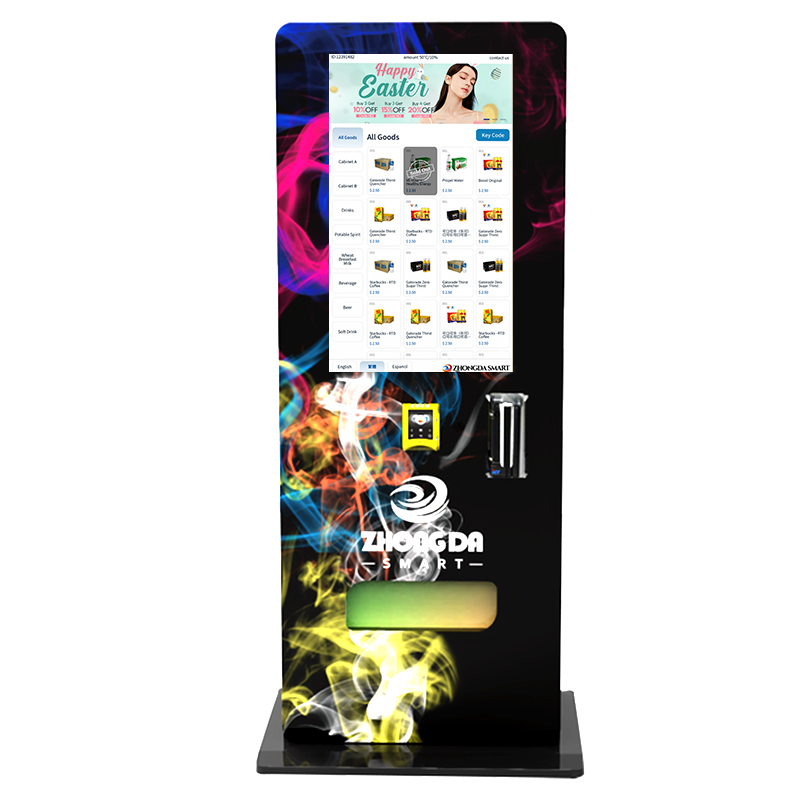
If you are looking to place a vape vending machine in a commercial location, the short answer is that you will need a combination of a federal tobacco retailer license, a state-specific tobacco or vapor products license, and a local business permit. Of course, the long answer is far more complex. Over the past decade, I have personally overseen the deployment of thousands of smart vending machines across dozens of markets, and I can tell you that the licensing landscape is the single biggest hurdle most operators underestimate. It is not just about having a permit; it is about understanding age verification compliance, product tax stamps, and location-specific zoning laws. Getting this wrong can cost you your entire investment in a matter of weeks.
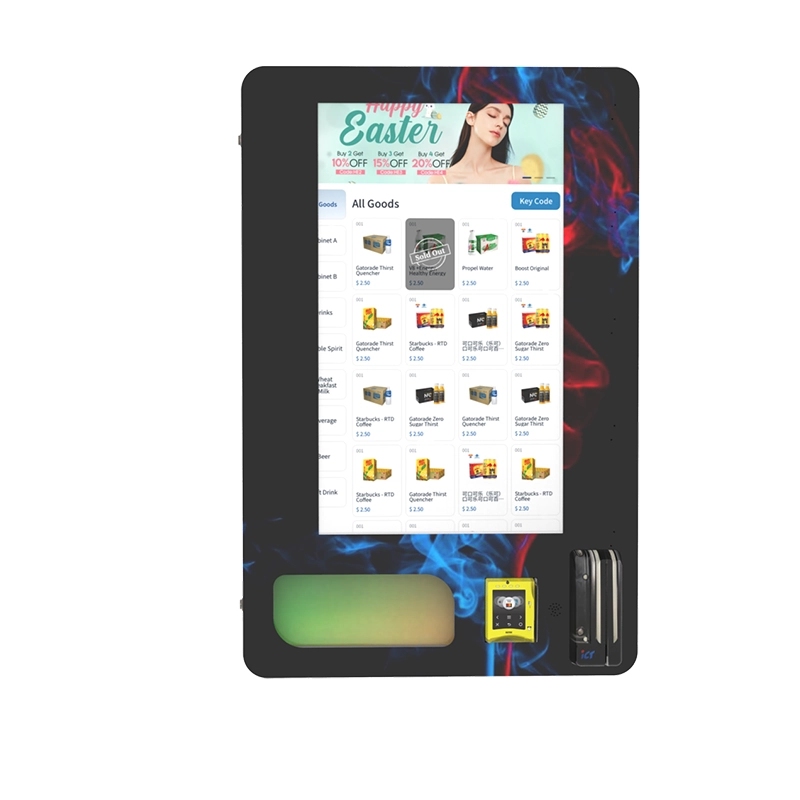
The Core Licenses You Cannot Operate Without
When I started in this industry, many operators thought a simple business license was enough. That changed rapidly around 2016 when the FDA deeming rule went into effect. Today, the framework is much stricter. Based on my experience working with operators from small convenience stores to large hotel chains, there are three distinct layers of licensing you must secure before even thinking about purchasing hardware.
Federal Registration with the FDA
Every retailer of tobacco products, including vapor products, must register with the Food and Drug Administration. This is not optional. You need a valid FDA Tobacco Retailer Registration number. This process involves submitting your business details and agreeing to comply with federal age restrictions. I have seen operators get shut down in their first month because they skipped this step, assuming it only applied to cigarette sales. It applies to any product containing nicotine, including disposable vapes and e-liquid pods.
State Tobacco or Vapor Products License
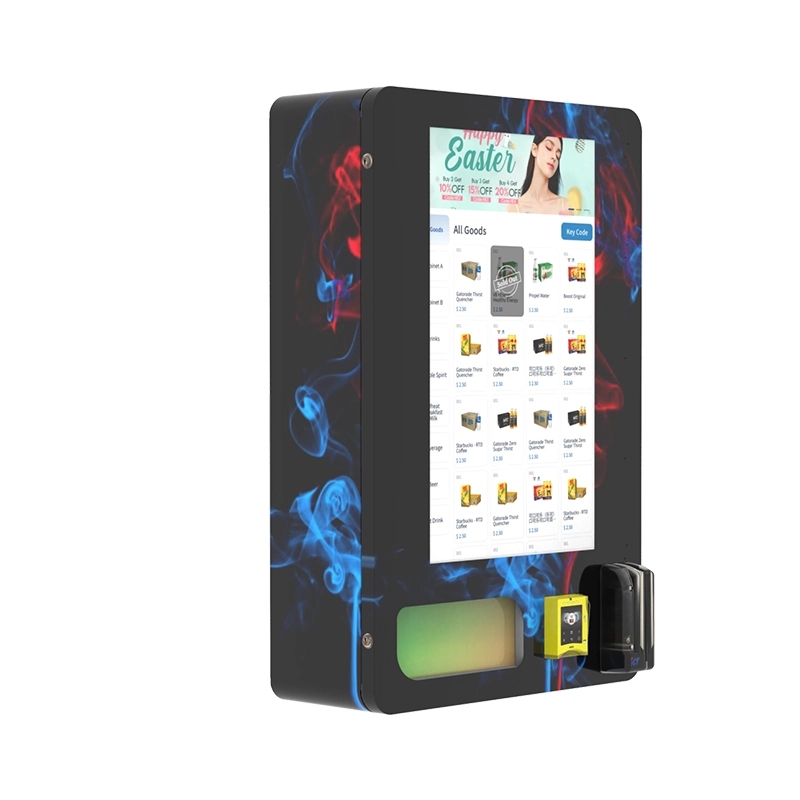
This is where things get granular. Each state has its own licensing board, often the Department of Revenue or the Department of Health. In states like California, you need a specific CDA (California Department of Public Health) permit for vapor products. In Texas, it falls under the Comptroller of Public Accounts. The cost varies wildly. In some states, a license costs $100 a year. In others, like New York, it can run into the thousands. You also need to check if the state allows self-service sales of tobacco products. Many states restrict vending machine sales to adults-only facilities, which directly impacts where you can place your machine.
Local Business Permits and Zoning
Do not overlook the city or county level. I once had a client who secured all state and federal licenses but was denied a local permit because his chosen location was within 500 feet of a school. Local zoning laws often dictate where a tobacco vending machine can be placed. You need a general business license from the city, and often a specific conditional use permit for a tobacco retailer. Some municipalities also require a separate health permit if the machine is in a food establishment. Always check with the local planning department before signing a lease for a location.
Age Verification: The Most Critical Compliance Component
Licensing without proper age verification is a liability. The entire legal framework for vape vending machines hinges on preventing underage sales. This is not just about having a sticker that says "ID required." Your machine must have a technological solution that is compliant with state and federal laws.
Hardware Requirements for Age Gating
In my factory, we stopped manufacturing machines without integrated ID scanners years ago. A compliant machine must have a scanner that reads the barcode on a driver's license or state ID. It must verify the age in real-time and reject any sale if the customer is under 21. Some states, like Utah, require a secondary verification, such as a biometric scan or a live video link to a remote attendant. When you look at different models, pay close attention to the scanner technology. A basic camera is not enough. You need a scanner that can detect fake IDs by reading the encoded data on the barcode.
For a deep dive into the technical specifications of compliant hardware, you can review the features of our age verification vending machine which is built specifically for these regulatory environments.
Software and Record Keeping
Your license requires you to maintain records of age verification attempts. The software on your smart vending machine should automatically log every transaction, including the date, time, and ID information. This data is your first line of defense during a compliance check. I recommend using a cloud-based management system that stores this data securely for at least two years. Many operators fail because they rely on manual logs. Automate everything. If a regulator asks for your records, you need to produce them instantly.
Product Licensing and Tax Stamps
Another layer that often surprises new operators is the requirement for product-level licensing. You cannot just buy any vape product and put it in your machine. The products themselves must be registered with the FDA, and in many states, they must have a tax stamp affixed to the packaging.
FDA Product Registration
Every vapor product you sell must have a valid Premarket Tobacco Product Application (PMTA) status. This is a manufacturer responsibility, but as a retailer, you are liable for selling unapproved products. I always advise operators to only source products from manufacturers who can provide a PMTA letter. If your machine is caught selling a product that is not on the FDA list, you risk losing your license and facing heavy fines.
State Tax Stamps and Reporting
Many states require a tax stamp on each individual unit of vapor product. This is similar to the system used for cigarettes. You must purchase these stamps from the state and affix them to the product before it goes into the machine. This is a logistical challenge for vending machine operators because you are handling individual units. I have seen operators lose money because they failed to account for the cost of the stamp in their pricing. Additionally, most states require monthly or quarterly tax reporting. Your vending machine software should integrate with your accounting system to track sales by product for tax purposes.
If you are considering a high-volume location, you might want to look at a high-capacity vape vending machine that can handle a larger inventory while still maintaining compliance with tax tracking.
Cost Structure: What You Are Really Paying For
Many people ask me about the cost of a machine, but the licensing and compliance costs are often the hidden expense. Let me break down a realistic budget based on what I have seen in the field.
| Item | Estimated Cost (USD) | Frequency |
|---|---|---|
| FDA Tobacco Retailer Registration | $0 (no fee, but mandatory) | Every 3 years |
| State Vapor Products License | $100 - $5,000 | Annual |
| Local Business Permit | $50 - $500 | Annual |
| Conditional Use Permit (if needed) | $500 - $2,000 | One-time |
| Age Verification Scanner (hardware) | $300 - $800 | One-time (per machine) |
| Product Tax Stamps | Varies (5% - 20% of wholesale) | Per unit |
| Compliance Software (cloud) | $50 - $150 | Monthly |
As you can see, the upfront cost of the machine is only part of the equation. I have seen operators budget $10,000 for a machine but forget to budget $3,000 for initial licensing and stamps. This is a common mistake that delays launch by months.
Profit Model and Return on Investment
Licensing is a cost, but it is also a barrier to entry. If you do it right, the profit margins can be very attractive. The key is understanding your unit economics.
Revenue Per Location
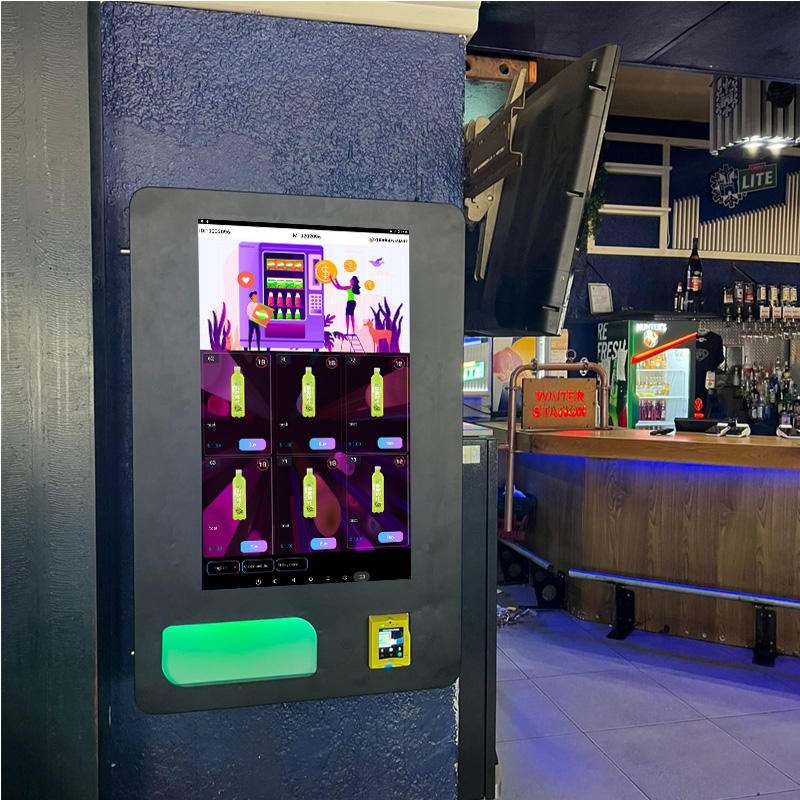
In a high-traffic adult venue like a bar or a nightclub, a single machine can generate between $1,500 and $4,000 per month in gross revenue. The margins on vape products are typically 40% to 60% depending on the brand. After factoring in product cost, licensing fees, and location commission (usually 10% to 20% of gross), your net profit per machine can be $600 to $1,500 per month. This means a $6,000 machine can pay for itself in 4 to 10 months.
Risk Factors
I have also seen machines that fail. The biggest risk is location. If you place a machine in a location that does not have a high concentration of adult smokers or vapers, you will not move volume. Another risk is product spoilage. Vape products have a shelf life. If you stock a machine with a flavor that does not sell, you are eating that cost. Licensing also adds a fixed cost that eats into margins if volume is low. I always recommend starting with one or two machines in proven locations before scaling up.
To see how other operators have structured their deployment, take a look at our case study on vape vending machines in bars and clubs for a real-world example of revenue and operational strategy.
Common Pitfalls and How to Avoid Them
Over the years, I have collected a list of mistakes that new operators make. These are not theoretical. I have seen them happen in the field.
Ignoring Local Zoning for Adult-Only Venues
Many states allow vape vending machines only in locations where minors are not permitted. This is a strict rule. If you place a machine in a convenience store that allows minors, you are violating the law even if the machine has an age scanner. The location itself must be age-restricted. I have seen operators lose their license because they placed a machine in a gas station that sold groceries. The machine was compliant, but the location was not.
Relying on the Machine Manufacturer for Compliance
Some manufacturers will tell you their machine is "fully compliant." That is a half-truth. The machine can be compliant with technical standards, but the license is your responsibility. The manufacturer cannot get you a state license. You must do the paperwork yourself. I always tell buyers to treat the machine as a tool. The compliance is your job.
Forgetting about Product Liability Insurance
This is not a license, but it is just as important. Many landlords require you to have product liability insurance before they let you place a machine on their property. This protects you if a customer gets sick or has a reaction to a product. The cost is usually $500 to $1,000 per year for a small operation. Do not skip this.
For a more comprehensive guide on the legal landscape, you can read our article on vape vending machine legal requirements which covers state-specific nuances.
Long-Term Strategy for Licensing Renewal
Licensing is not a one-time event. It is an ongoing process. Here is how I manage it for my own fleet.
Set Up a Compliance Calendar
Use a project management tool or a simple spreadsheet to track renewal dates. Federal registration is every three years. State licenses are usually annual. Local permits vary. If you miss a renewal date, you cannot just pay a late fee. In some states, your license is automatically revoked, and you have to reapply from scratch, which can take months.
Stay Updated on Legislation
Vape laws change faster than any other industry I have worked in. A state that was friendly to vending machines two years ago might have banned them today. I subscribe to industry newsletters and follow the FDA's press releases. I also recommend joining a trade association like the American Vapor Manufacturers Association (AVMA) or the National Automatic Merchandising Association (NAMA). They provide legal updates and sometimes offer group rates on compliance software.
Audit Your Machines Regularly
Once a quarter, I do a physical audit of each machine. I check the age verification logs, the tax stamps on the products, and the machine's serial number against the license. This sounds tedious, but it catches problems early. I once found a machine that had a software glitch that was not recording IDs properly. We fixed it before a compliance check happened.
Frequently Asked Questions
Here are the most common questions I get from new operators about licensing.
Do I need a different license for each machine?
Generally, yes. Your state license applies to your business entity, but you usually need to register each physical location. Some states allow a single license to cover multiple machines within the same city, but you must list each machine's serial number and location on the application. Check with your state's revenue department.
Can I put a vape vending machine in a bar without a special permit?
It depends on the state. In many states, a bar that is strictly 21+ is considered an adult-only facility, which may exempt you from some zoning restrictions. However, you still need your state vapor products license and FDA registration. The bar owner's liquor license does not cover your vending machine.
What happens if I get caught selling without a license?
The penalties are severe. You can face fines ranging from $1,000 to $10,000 per violation. The FDA can issue a No-Tobacco-Sale Order (NTSO), which prohibits you from selling any tobacco products for a period of time. In some states, it is a criminal misdemeanor. Your machine can also be confiscated. It is not worth the risk.
Is a vape vending machine license different from a cigarette vending machine license?
In most states, yes. Vapor products are regulated separately from combustible cigarettes. Some states have a combined "tobacco products" license, but many have a specific "vapor products" or "electronic nicotine delivery systems" license. Do not assume they are the same. Always check the specific definition in your state's code.
How long does it take to get all the licenses?
Plan for 60 to 90 days. The FDA registration is quick, usually a few weeks. State licenses can take 30 to 60 days, especially if they require a background check. Local permits can add another 30 days. Do not order your machine until you have the licenses in hand, or you will be paying storage fees on a machine you cannot use.
Final Thoughts from the Factory Floor
I have been building these machines for fifteen years, and I have seen the industry mature from a wild west to a strictly regulated market. The operators who survive are the ones who treat licensing as a core business function, not an afterthought. The hardware is important, but the paperwork is what keeps you in business. If you are serious about this, start the licensing process first. Talk to a lawyer who specializes in tobacco law. Then, once you have your permits, buy a machine that is built to meet those standards.
If you want to see the kind of hardware that is designed for this regulatory environment, I recommend looking at our compliant e-cigarette vending machine which includes integrated age verification and tax stamp tracking features. It is the same machine we use in our own deployments.
Ultimately, the license is your ticket to play. Get it right, and you have a business that can run on autopilot. Get it wrong, and you are just storing an expensive box in a warehouse.
References:
1. FDA Tobacco Retailer Registration
2. CDC State Tobacco Activities Tracking and Evaluation (STATE) System