Short answer: yes, convenience stores can use vape vending machines in the U.S., but only if the machines are equipped with robust, FDA-compliant age verification technology. This isn’t a simple plug-and-play setup. Over the past decade, I’ve deployed hundreds of these units across North America and Europe, and I can tell you the difference between a profitable machine and a legal liability comes down to one thing: how you handle age verification. The rise of the smart vending machine has changed the game, but the rules are strict, and they vary by state. If you are a store owner looking to add a self-service kiosk for nicotine products, you need to understand the hardware, the compliance landscape, and the real operational costs before you buy a single unit.
The Regulatory Reality for In-Store Vape Sales
The FDA treats nicotine vape products the same as traditional cigarettes in many ways. The 2016 Deeming Rule gave the FDA authority over all tobacco products, including e-cigarettes and vape juice. For a convenience store, this means any vape vending machine must be located in a facility where individuals under 21 are not permitted to enter, OR the machine must be equipped with a remote, direct supervision system that prevents sales to minors. In practice, very few convenience stores qualify for the “adult-only facility” exemption. That leaves the second option: a machine with integrated age verification.
I have seen operators try to skirt this by placing machines near a cashier. That does not work. The FDA requires the machine itself to perform the verification, not a store employee watching from across the room. This is where the technology of the automated vending kiosk becomes critical. The machine must scan a valid government-issued ID, validate the birth date in real-time, and reject the sale if the customer is under 21. Some states, like California and New York, have even stricter rules, requiring the machine to deactivate the sale if the ID is expired or if the barcode is tampered with.
State-Level Variations You Cannot Ignore
While federal law sets the baseline, individual states have added their own layers. For example, in Florida, vape vending machines are permitted in bars and lounges that restrict entry to those 21 and older, but a convenience store with general public access cannot use them unless the machine has a remote sales mechanism. In Texas, the laws are more lenient, but local municipalities like Austin have added their own restrictions. I have a client in Colorado who had to remove a machine from a gas station because the local county banned all self-service sales of nicotine products, regardless of the age verification system. Always check with your state’s Department of Revenue or Alcohol and Beverage Control board before you sign a lease for a machine.
Hardware That Actually Works: Age Verification Is Non-Negotiable
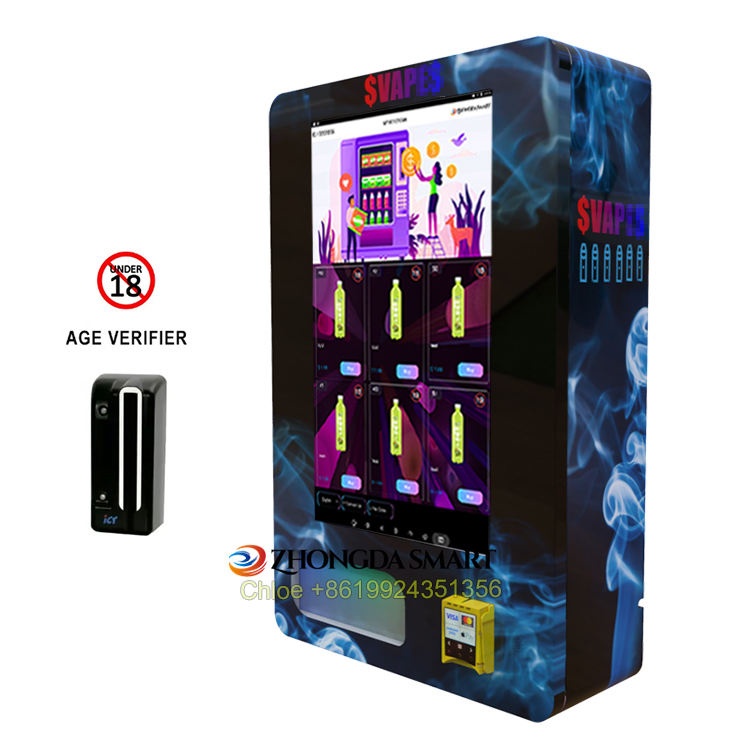
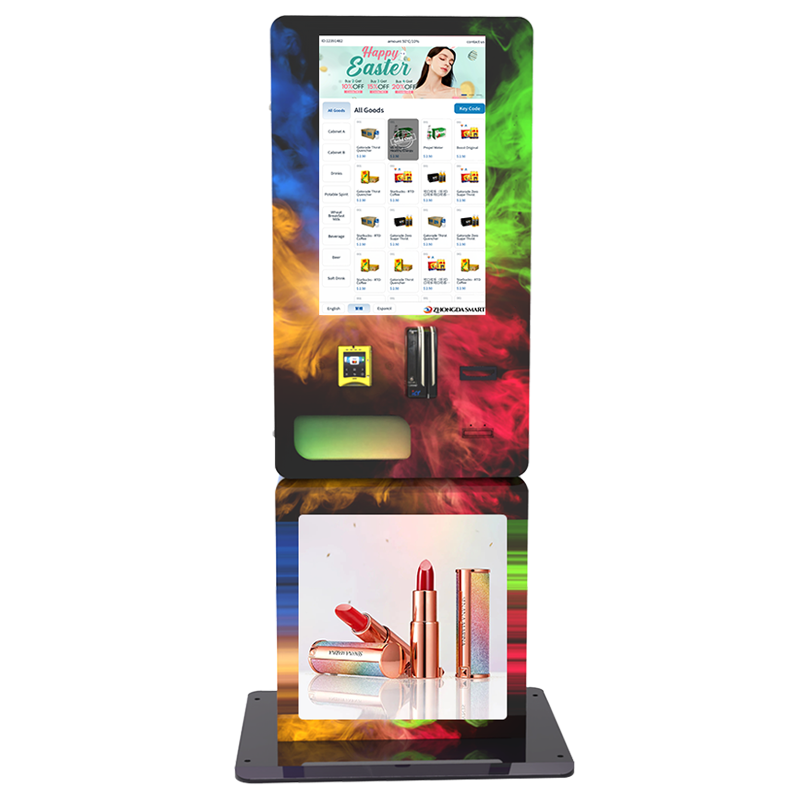
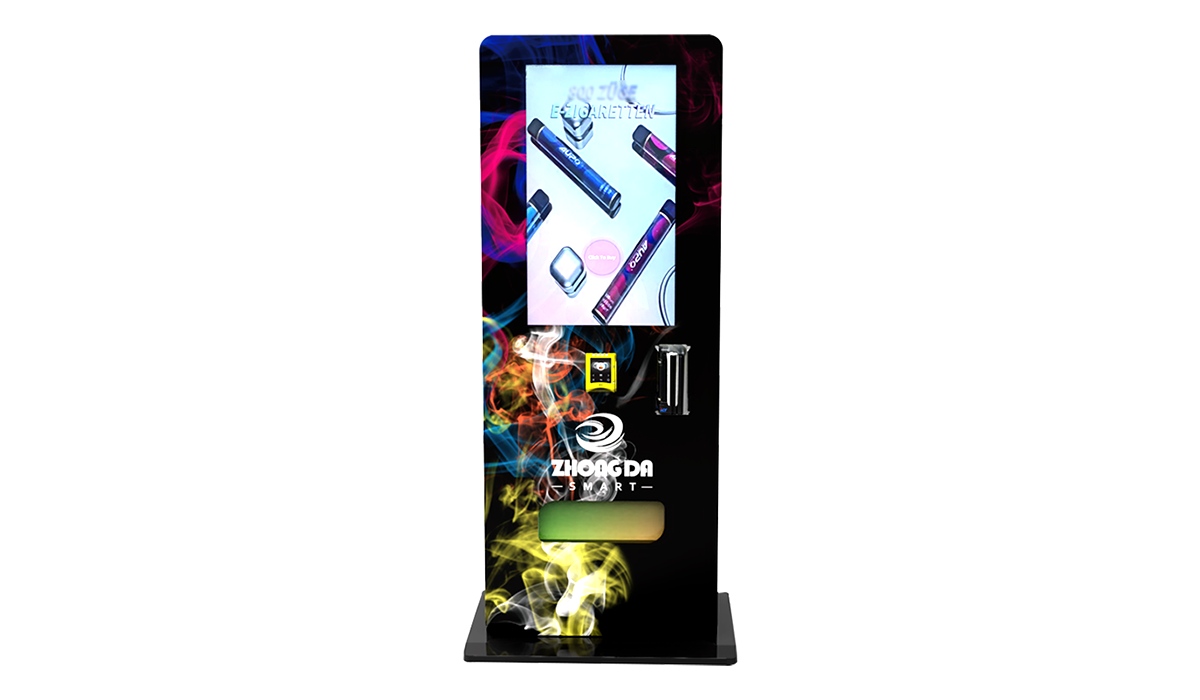
The core of any successful deployment is the age verification vending machine. You cannot use a standard snack vending machine and retrofit it with a card reader. The system needs to be purpose-built. At our factory, we have designed units specifically for this market. The machine must have a built-in ID scanner that reads the 2D barcode on the back of a driver’s license. It must also have a camera for facial comparison, though this is not always required by law, it significantly reduces chargebacks and liability.
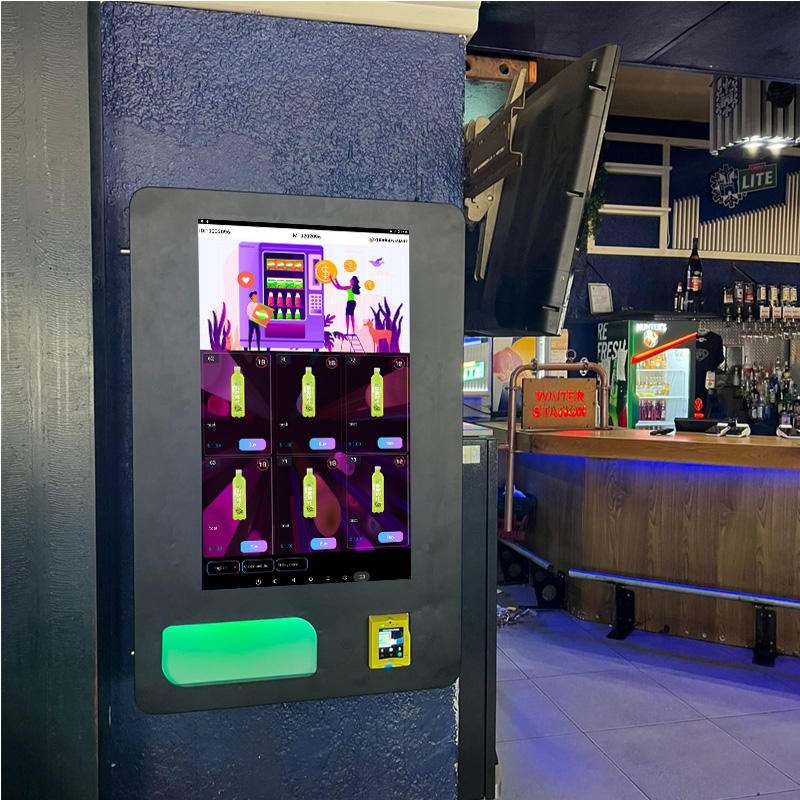
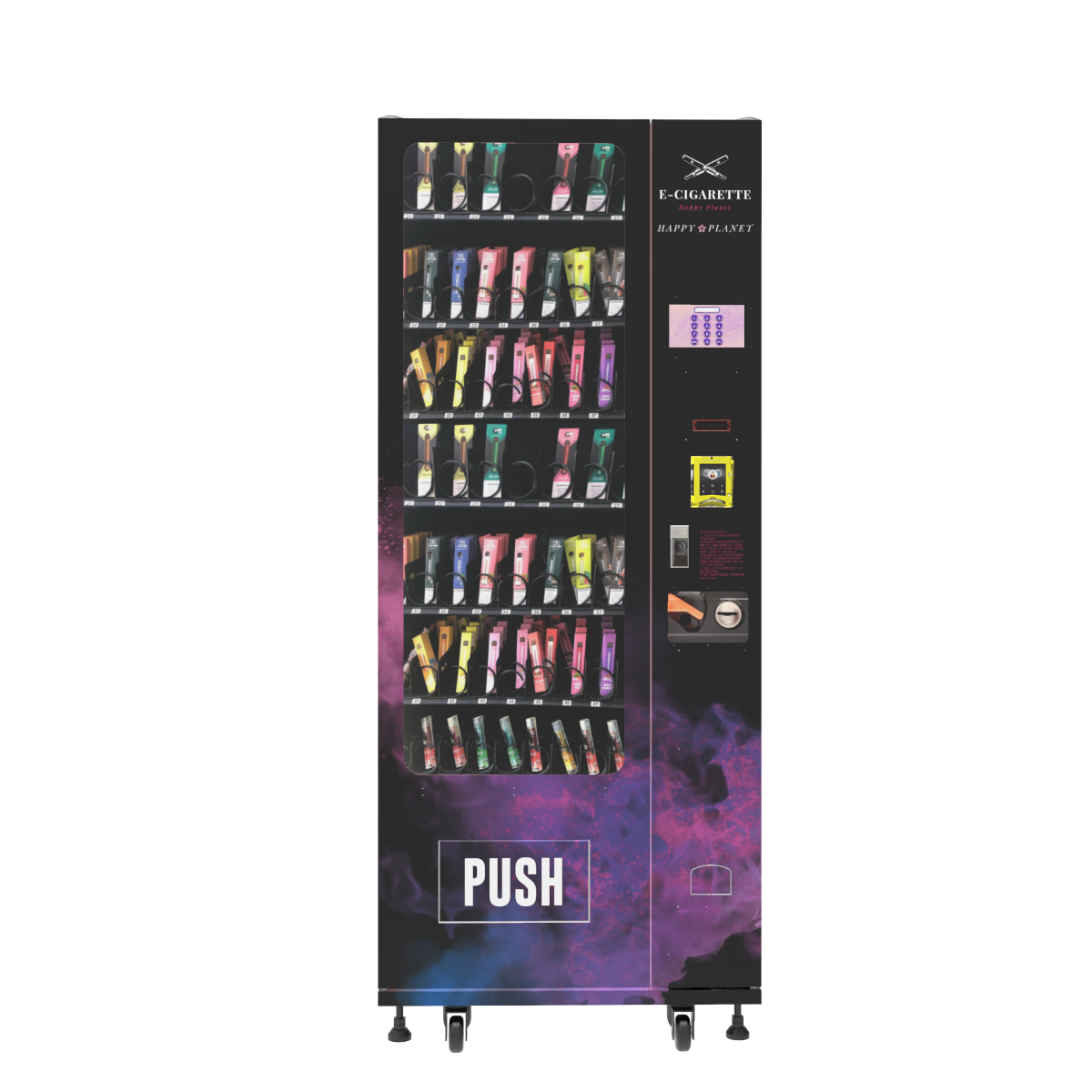
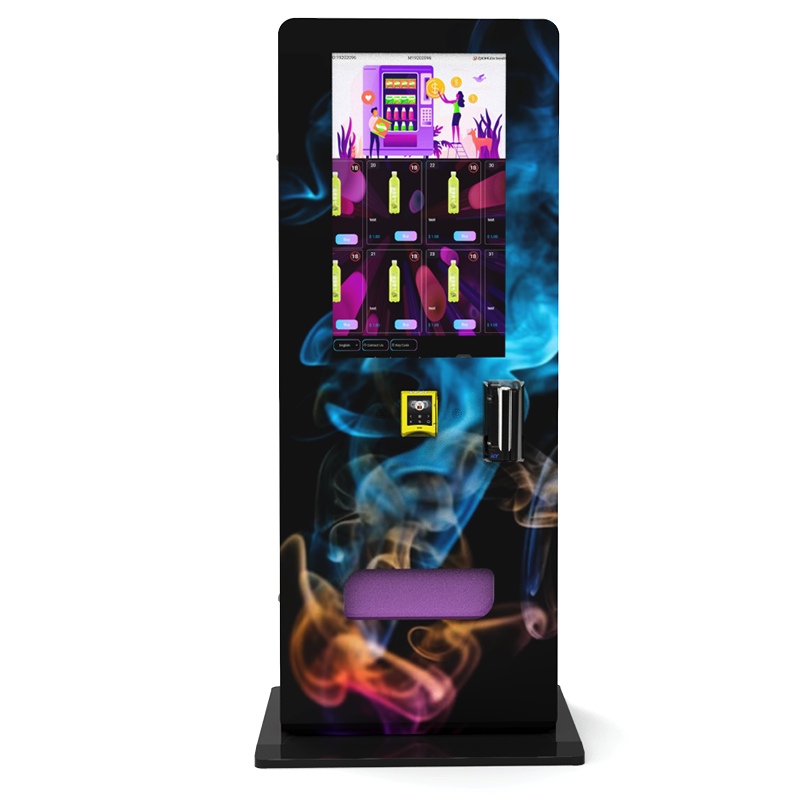
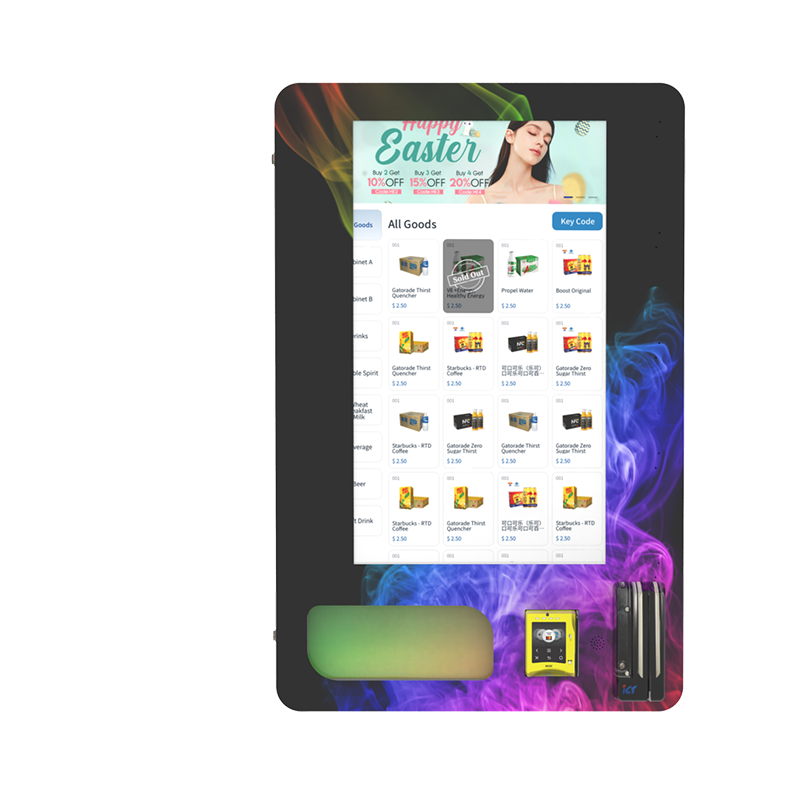
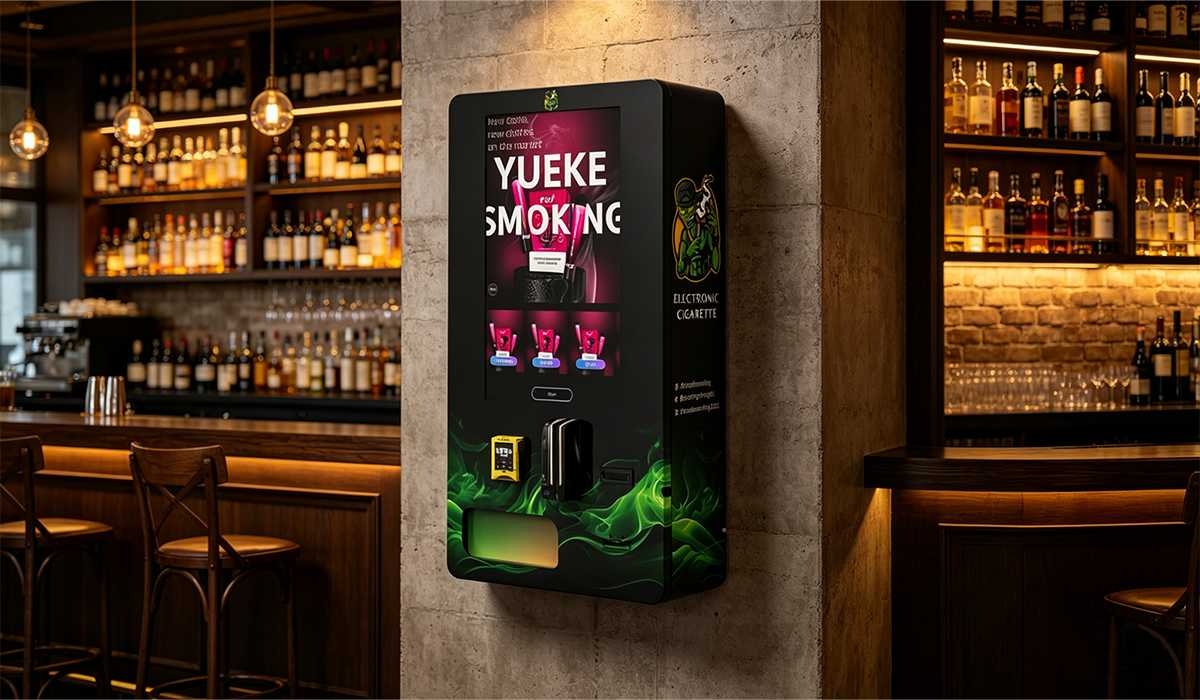
I recommend looking at a wall mounted compact e-cigarette vending machine for stores with limited floor space. These units hold around 50 to 80 units and are perfect for a countertop or a wall bracket. For higher traffic locations, a full-size, high-capacity vape vending machine with an ID scan feature is a better investment. The key metric here is the “age verification success rate.” A good machine should have a 99.5% or higher first-pass scan rate. If the scanner fails frequently, you will lose sales and create frustration for legal customers.
For more on technical specifications, you can check our age verification vending machine page, which details the scanner models and software we integrate. The hardware is only half the battle. The software must be compliant with the FDA’s record-keeping requirements. Every single transaction must be logged, including a copy of the ID image (with the license number redacted) and the time and date of the sale. You need to keep these records for at least two years.
The “Remote Supervision” Loophole Explained
Some operators ask about the remote supervision exemption. This allows a machine to operate without an on-site employee if an off-site employee can monitor the transaction via camera and authorize the sale remotely. In theory, this sounds great. In practice, it is a logistical nightmare. The employee needs to be able to see the customer’s face and the ID simultaneously. They must also be able to deny the sale instantly. I have seen this fail in busy convenience stores because the remote employee is distracted or the camera angle is poor. I strongly advise against this model unless you have a dedicated monitoring team. The automated age verification kiosk is far more reliable and cheaper in the long run.
Cost Structure: What a Convenience Store Owner Pays
Let’s talk about the numbers. A compliant vape vending machine is not cheap. A basic, wall-mounted unit with ID scanning starts around $4,500. A high-capacity floor model with a 21-inch touch screen and biometric options can run between $8,000 and $12,000. These are wholesale prices direct from a manufacturer like ours. If you buy through a distributor, expect a 20% to 30% markup.
Then you have the installation costs. You need a dedicated 110V outlet, a secure mounting system (especially for wall units), and a network connection. Wi-Fi is fine, but a wired Ethernet connection is more reliable for transaction logging. I have seen stores lose hundreds of dollars in sales because the Wi-Fi signal dropped and the machine went offline. Plan for a $200 to $500 installation cost.
Inventory is the next big expense. You need to stock a variety of products. Disposable vapes are the highest volume sellers in convenience stores. A typical machine holds between 80 and 200 units. At a wholesale cost of $5 to $8 per disposable, you are looking at an initial inventory investment of $400 to $1,600. Pod systems and bottled e-liquid can be added, but they turn over slower.
Here is a rough cost breakdown table for a typical deployment:
| Item | Low Estimate | High Estimate |
|---|---|---|
| Wall-Mounted Vape Vending Machine | $4,500 | $6,000 |
| Full-Size Floor Model with ID Scan | $8,000 | $12,000 |
| Installation & Mounting | $200 | $500 |
| Initial Inventory (100 units average) | $500 | $1,200 |
| Annual Software & Compliance Fee | $300 | $600 |
| Credit Card Processing Fees (2.5% avg.) | Varies | Varies |
These numbers are based on direct sales from manufacturers like Zhongda smart, where we cut out the middleman. If you are looking at a used machine, be very careful. Older units may not have the latest firmware required for FDA compliance. I have seen operators buy a used machine for $2,000 only to find out it cannot be updated to meet current age verification standards. That machine is now a paperweight.
Profit Model and Realistic ROI
The margin on vape products is excellent. Disposable vapes have a retail markup of 100% to 150%. A product that costs you $6 wholesale can sell for $12 to $15. Pod systems have a slightly lower margin, around 80% to 100%. This is significantly better than candy or soda, which typically have a 30% to 50% markup.
Let’s run a realistic scenario. You place a machine in a high-traffic convenience store near a college or a busy gas station. The machine sells 15 units per day at an average retail price of $12. That is $180 in daily revenue. The cost of goods sold (COGS) is about $80. That leaves $100 in gross profit per day. Subtract credit card fees (2.5% of $180 = $4.50) and the daily cost of the machine lease or amortization (if you bought it outright, about $6 per day over a 5-year life). Your net daily profit is around $89.50. Multiply that by 30 days, and you are looking at a monthly profit of about $2,685.
In this scenario, your payback period on a $10,000 machine is about 4 months. That is an excellent return. However, this assumes consistent foot traffic and no downtime. I have seen machines in slower locations that only move 5 units per day. That changes the math significantly. The monthly profit drops to around $900, and the payback period stretches to 11 months. Still a good investment, but you need to be patient.
One thing many operators overlook is the “shrinkage” or theft rate. Vape products are small and easy to steal if the machine is not properly designed. A good vending machine should have a secure delivery bin that only opens after payment is confirmed. We use a drop-bin system that prevents “fishing” (reaching up into the machine to grab products). This is a design detail that saves you money every single day.
Real-World Deployment Experience: What Works and What Fails
I have personally overseen the installation of vape vending machines in over 200 convenience stores across the U.S. The most common mistake I see is poor location placement within the store. Store owners put the machine in the back corner, near the restrooms. That is a dead zone. The machine needs to be visible from the front counter or the main aisle. It needs to be near the entrance, but not so close that it creates a bottleneck. The best performing locations are near the checkout counter, within 10 feet of the cashier. This allows for natural supervision and increases impulse buys.
Another failure point is product selection. I had a client in Ohio who stocked his machine with only high-nicotine salt nic disposables. He sold nothing for two weeks. We swapped out half the slots for lower nicotine options and a few CBD vape pens. Sales tripled. You need to know your customer base. If your store is near a college, stock flavors like mango and strawberry. If it is in a blue-collar area, tobacco and menthol flavors will dominate.
Maintenance is also a factor. These machines are mechanical. They will jam. The scanner will get dirty. The screen will freeze. You need a plan for that. I recommend having a spare ID scanner on hand. They cost about $150 and can be swapped in 10 minutes. If you have to wait a week for a replacement part, you lose a week of revenue. I have a list of common failure points in our service center documentation, which we provide to all buyers.
A Failure Case Study You Can Learn From
I remember a deployment in a 7-Eleven in Nevada. The owner bought a cheap machine from an online marketplace. It had a basic ID scanner that could not read vertical IDs (common in many states). He lost about 30% of potential sales because young adults with vertical licenses could not use the machine. He also had no remote monitoring software, so he did not know the machine was empty for three days. He lost over $1,500 in potential revenue. He eventually replaced it with a compliant machine from our line, and his monthly revenue doubled. The lesson here is simple: do not buy a machine that is not purpose-built for the U.S. regulatory environment.
Maintenance and Long-Term Operations
Owning a vape vending machine is not a set-it-and-forget-it business. You need to check the machine at least twice a week. You need to clean the touch screen and the scanner window. A dirty scanner will reject valid IDs. You need to check the temperature inside the machine. Vape juice can thicken in cold weather and leak in hot weather. If the machine is exposed to direct sunlight, you may need to add a ventilation fan.
Software updates are critical. The FDA changes regulations, and states change their ID formats. Your machine’s software must be updated to recognize new ID designs. We push firmware updates automatically to our machines, but some older models require a manual USB update. Make sure your manufacturer offers at least 3 years of software support.
Inventory management is another skill. You need to track which products sell fastest. Disposables in 5% nicotine strength are typically the best sellers. You should rotate stock to avoid selling expired products. Vape juice has a shelf life of about one to two years. If you sell expired products, you risk a lawsuit.
For a deeper dive into operational strategies, you can read our case study on vape vending machine convenience store deployments, which covers specific tips for stock rotation and cleaning schedules.
Comparison with Traditional Retail Shelves
Why use a machine at all? Why not just put the vapes on a shelf behind the counter? The answer is labor and shrinkage. When vapes are on a shelf, a store employee has to walk to the shelf, retrieve the product, and bring it to the counter. This takes about 60 seconds per transaction. In a busy store, that adds up. A vending machine reduces the transaction time to 15 seconds. The customer scans their ID, pays, and grabs the product. No employee intervention is needed. This frees up the cashier to handle other tasks.
There is also a security benefit. Vape products are high-theft items. When they are in a locked vending machine, theft drops to nearly zero. I have seen stores reduce their inventory loss by 80% after switching to a self-service model. The machine also provides a digital record of every sale, which helps with inventory reconciliation.
Here is a quick comparison table for clarity:
| Factor | Traditional Shelf (Behind Counter) | Vape Vending Machine |
|---|---|---|
| Transaction Time | 45–90 seconds | 10–20 seconds |
| Employee Labor Required | Yes, per transaction | No |
| Theft Rate (Shrinkage) | 2–5% | < 0.5% |
| Age Verification Accuracy | Manual (prone to human error) | Automated (99.5%+ accurate) |
| Inventory Tracking | Manual counts | Digital, real-time |
| 24/7 Sales Capability | Only when store is staffed | Always (if store is open) |
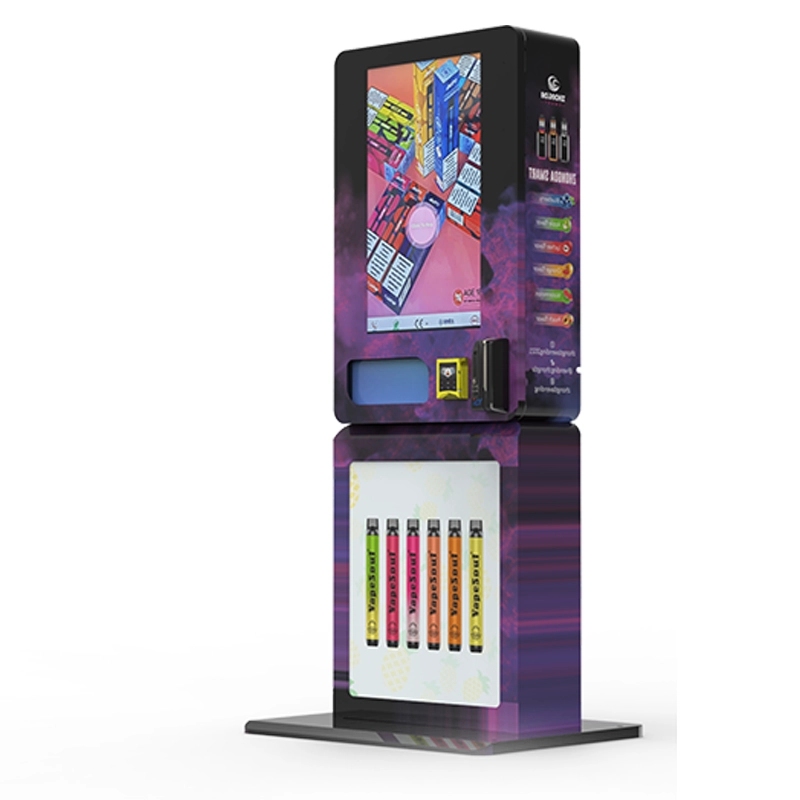
The clear winner for operational efficiency is the automated vending machine, provided the store has the foot traffic to justify the initial investment.
Choosing the Right Manufacturer and Partner
This is the most important decision you will make. There are dozens of manufacturers in China and a few in the U.S. that claim to make compliant vape vending machines. Many of them are lying. I have tested machines from 15 different factories over the years. The ones that work have three things in common: a high-quality ID scanner, a reliable payment system, and a robust software backend.
I am biased, but I stand by our products at Zhongda smart. We have been building vending machines for 15 years. Our compliant e-cigarette vending machine is designed specifically for the U.S. market. It uses a custom scanner that reads all 50 state IDs plus military IDs. It also has a built-in cellular modem, so you do not need to rely on store Wi-Fi. This is a huge advantage for convenience stores that have weak network infrastructure.
When you talk to a manufacturer, ask these specific questions:
- Does the scanner read vertical IDs and out-of-state IDs?
- Is the software FDA record-keeping compliant?
- Do you provide remote monitoring software?
- What is the warranty on the scanner and the compressor (if any)?
- Can the machine be updated remotely?
If the salesperson cannot answer these questions clearly, walk away. You are about to invest $5,000 to $12,000. You need a partner, not just a supplier. Our about us page details our engineering team and our history in the industry. We have shipped over 10,000 units globally, and we stand behind our products with a 2-year warranty on parts.
Risk Factors and How to Mitigate Them
Let’s be honest about the risks. The biggest risk is a regulatory change. A state could ban vape vending machines entirely. This happened in Massachusetts in 2020 with a flavor ban that effectively killed the market for vending machines there. You cannot predict this, but you can mitigate it by diversifying your product mix. Some of our clients use the same machine to sell CBD products, nicotine gum, or even accessories like batteries and chargers. If vape sales are restricted, you can pivot the machine to other products.
Another risk is machine vandalism. Convenience stores in rough neighborhoods see machines kicked, scratched, and even pried open. We build our machines with 16-gauge steel and a reinforced door. If you are placing a machine in a high-risk area, consider a wall-mounted unit that is bolted into a concrete wall. It is much harder to steal or damage.
Payment fraud is a smaller risk but still real. Some customers use stolen credit cards. The machine processes the payment, and you get a chargeback weeks later. To mitigate this, ensure your payment processor uses AVS (Address Verification Service) and CVV checks. Our machines support EMV chip readers, which significantly reduce fraud compared to magstripe readers.
Finally, there is the risk of product expiration. Vape products have a shelf life. If you overstock, you may end up throwing away unsold inventory. Use the data from your machine’s software to track sales velocity. Only stock what moves. If a flavor does not sell in 30 days, replace it with a different one.
Long-Term Strategy for Multiple Locations
If you own multiple convenience stores, you have an advantage. You can deploy machines across your chain and centralize management. Our software allows you to view all your machines on a single dashboard. You can see inventory levels, sales data, and error alerts for every unit. This is called a “machine network,” and it is the most profitable way to operate.
Scaling from one machine to ten machines requires a different mindset. You need a dedicated route driver to restock and service the machines. You also need a contract with a local IT company to handle network issues. I have seen operators try to manage ten machines by themselves. They burn out within six months. Delegate the maintenance and focus on the business development.
For a chain of 10 stores, you can negotiate better wholesale pricing with vape distributors. You can also negotiate a lower credit card processing rate. The margins improve as you scale. A single machine might net you $2,000 per month. Ten machines can net you $25,000 per month because of the operational efficiencies.
I always recommend starting with one machine in your highest traffic store. Prove the model. Work out the kinks. Then expand. Do not buy five machines at once. You will make mistakes on the first one. Learn from those mistakes before you multiply them.
Frequently Asked Questions
Do I need a special license to operate a vape vending machine in a convenience store?
Yes. You need a tobacco retailer license from your state. Some states also require a separate vending machine license. You must display this license on the machine. Contact your state’s Department of Revenue for the specific form.
Can I use a regular snack vending machine for vape products?
No. A regular vending machine does not have age verification hardware. You cannot retrofit it legally. You must use a machine that is specifically designed to scan IDs and reject sales to minors. Using a non-compliant machine can result in fines up to $10,000 per violation from the FDA.
What happens if the ID scanner fails during a sale?
The machine should reject the transaction. It should not allow a manual override. A good machine will log the failure and send an alert to the operator. You should have a backup scanner on hand to replace it quickly.
How do I handle returns or defective products from the vending machine?
Most vending machines do not process returns. You should place a sign on the machine with your phone number for customer service. You can then issue a refund manually via cash or a digital payment app. This is rare, but you need a process for it.
Can I sell flavored vapes in a vending machine?
It depends on your state. Some states like California, New York, and Massachusetts have banned flavored tobacco products, including vapes. You must check your local laws. If flavors are banned in your area, you can only sell tobacco or menthol flavors.
Final Take from the Factory Floor
I have been in this industry since before the FDA got involved. I have seen the good, the bad, and the expensive. The convenience store channel is the perfect environment for a vape vending machine. The traffic is there. The demand is there. The margins are better than almost any other product in your store. But you have to do it right. You need the right hardware. You need to understand the compliance rules. And you need to be willing to put in the work to maintain the machine.
If you are serious about this, start by talking to a manufacturer who has actually shipped units to the U.S. and who understands the compliance landscape. Do not buy from a generalist. Buy from a specialist. We have the machines, the software, and the experience to help you succeed. You can reach us through our contact page for a direct consultation. I personally review all inquiries from convenience store operators.
Sources:
1. U.S. Food & Drug Administration. “Tobacco 21.” fda.gov
2. U.S. Food & Drug Administration. “Vending Machines and Self-Service Displays.” fda.gov
3. Statista. “Vending machine market in the U.S. – statistics & facts.” statista.com
4. National Automatic Merchandising Association (NAMA). “Tobacco and Vending.” namanow.org
5. California Department of Tax and Fee Administration. “Vending Machine Sales.” cdtfa.ca.gov
Meta Description: Can convenience stores use vape vending machines in the U.S.?