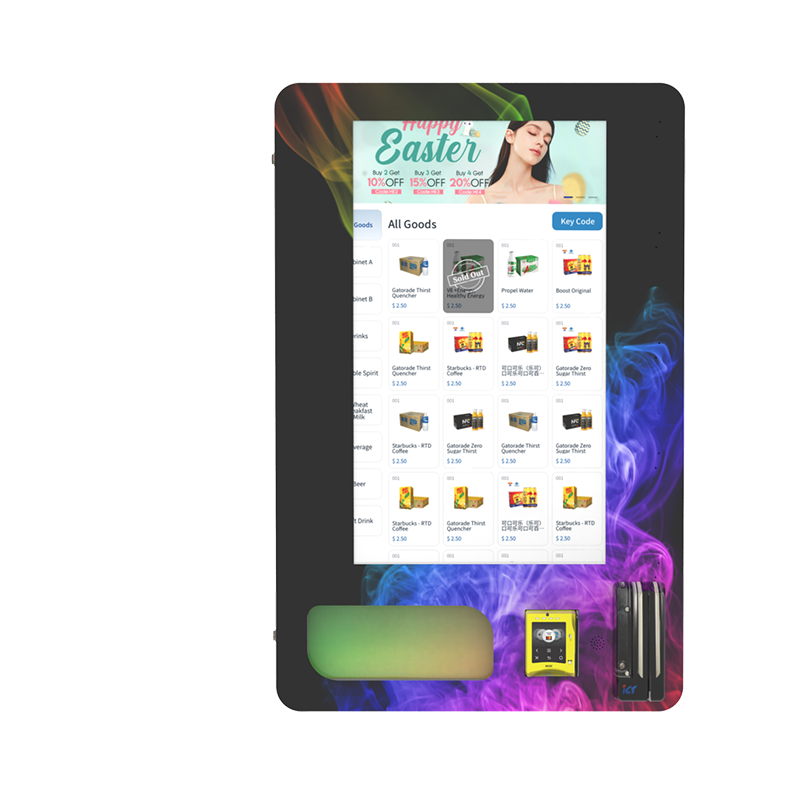
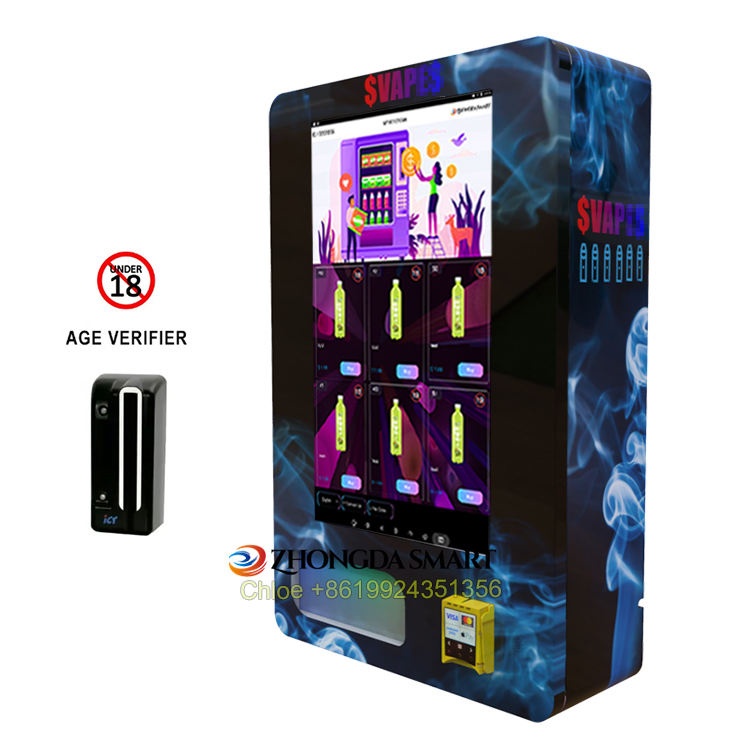
After spending the last decade deploying vape vending machines across convenience stores in the US and Europe, I can tell you that the single biggest hurdle isn't the technology—it's compliance. We’ve placed units in everything from high-traffic gas stations to small bodegas, and the difference between a profitable setup and a costly legal headache always comes down to one thing: how well the machine handles age verification and local regulations. In my experience, a truly compliant vape vending machine isn’t just a box that dispenses products; it’s a sophisticated, self-contained retail system that checks IDs, logs sales, and limits purchase quantities. For any convenience store owner looking to add a new revenue stream without adding staff, this is the starting point. You need a machine that works within the law, not around it.
How Age Verification Actually Works in a Vape Vending Machine
Let’s get straight to the mechanics. When a customer walks up to a vape vending machine, the first thing they see isn't the product—it's a screen asking for ID. The machine I’ve worked with most, built by Zhongda Smart, uses a scanner that reads the barcode on the back of a driver’s license or passport. It checks the date of birth, compares it to the current date, and calculates age instantly. If the customer is under 21, the transaction stops right there. No exceptions, no overrides.
This isn't just a simple scan. The system also validates the ID format against known state and federal templates. A fake ID from a different state often fails because the barcode structure doesn't match. We’ve seen this happen hundreds of times. The machine doesn’t just look at the birth year; it checks the entire data string. For a convenience store owner, this means you are legally covered. The machine acts as your bouncer, your cashier, and your compliance officer, all in one.
Some operators ask about biometric options. We’ve tested fingerprint readers and facial recognition. They add cost and complexity. The ID scan is the most reliable and legally accepted method across both the US and Europe. It leaves a clear audit trail. Every sale is recorded with a timestamp and the ID details. If a regulator walks in and asks for records, you can pull up the last 30 days of transactions in seconds. That’s the kind of proof that keeps a store open.
Cost Structure and Profit Model for a Convenience Store
I’ve seen too many store owners jump into this without understanding the real numbers. Let’s break down the cost structure based on actual deployments. A compliant vape vending machine with age verification, like the one from Zhongda Smart, typically runs between $4,000 and $8,000 depending on the capacity and features. That includes the ID scanner, the secure locking system, and the inventory management software.
| Cost Item | Estimated Amount |
|---|---|
| Machine purchase (compliant model) | $4,500 – $7,500 |
| Shipping and installation | $300 – $600 |
| Software license (annual) | $200 – $400 |
| Product inventory (initial fill) | $1,200 – $2,000 |
| Total initial investment | $6,200 – $10,500 |
Now for the profit model. A typical vape product sold through a convenience store vending machine has a margin of 40% to 60%. If you sell a disposable vape for $15 that cost you $7, that’s an $8 profit per unit. A well-placed machine in a busy store can move 15 to 25 units per day. That’s $120 to $200 in daily profit. In my experience, the machine pays for itself in three to five months. After that, it’s pure margin, minus restocking time and occasional software updates.
One thing I always tell operators: don’t underprice. Vending machine customers are not price-sensitive. They want convenience. If they are standing in front of your machine at 11 PM, they will pay full retail. I’ve seen stores try to discount and it actually hurts the perceived value. Keep the price at the same level as the counter product, and let the 24/7 availability do the work.
Real Deployment Experience in a Busy Gas Station
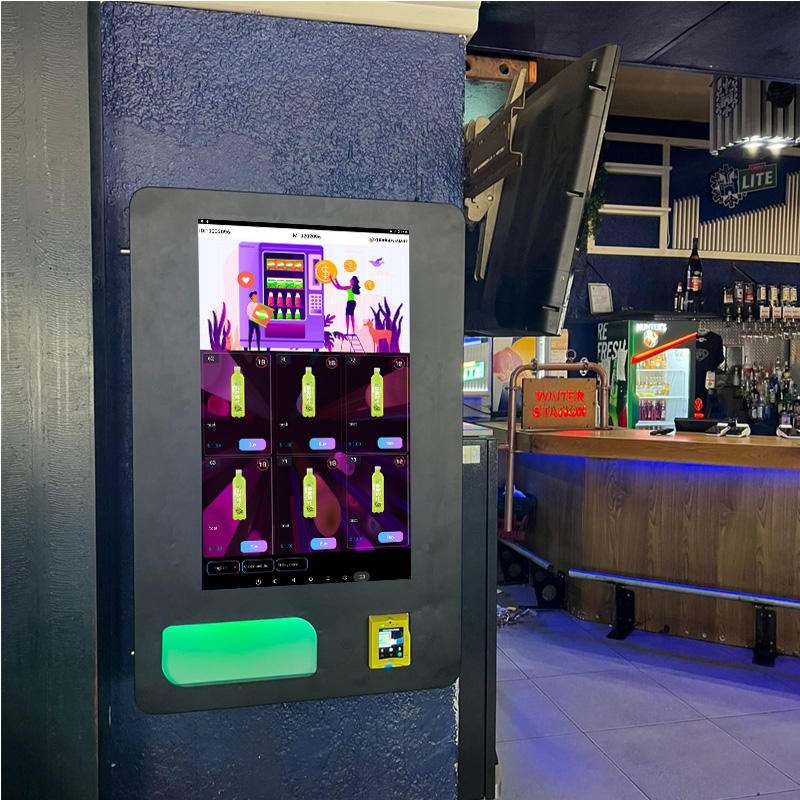
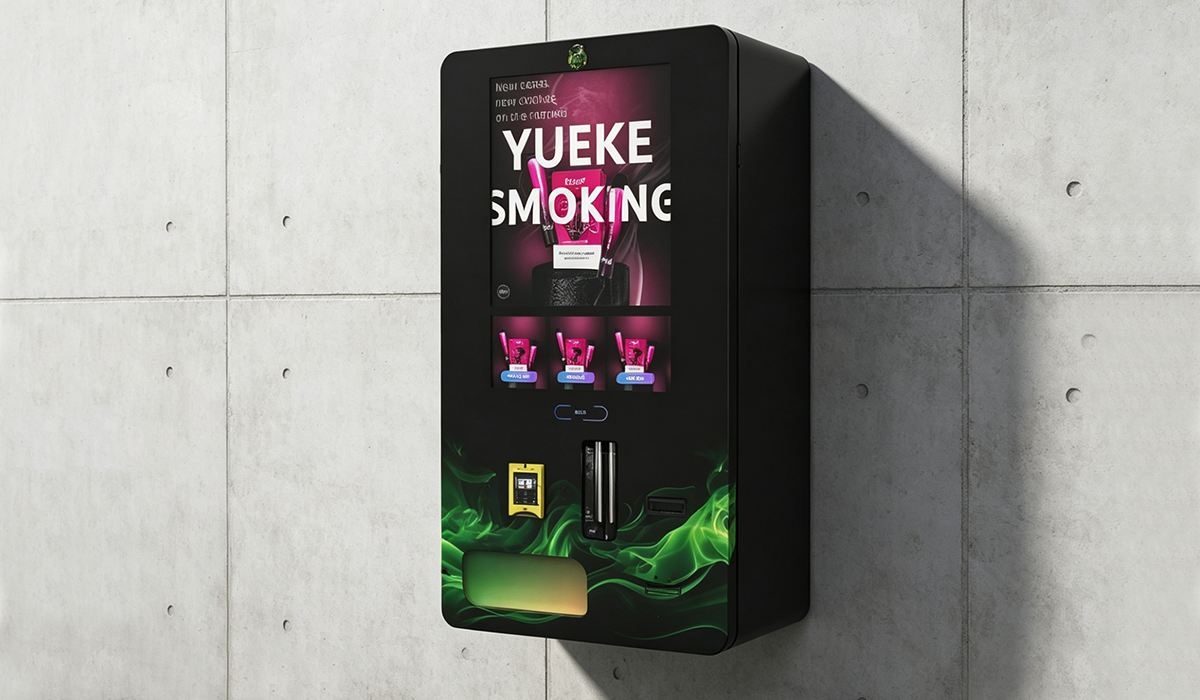
I want to share a specific case because it shows what actually happens on the ground. We placed a wall-mounted vape vending machine from Zhongda Smart in a 24-hour gas station in a mid-sized city. The store had about 800 customers per day. The owner was skeptical at first. He thought the machine would be a novelty that wore off after a week.
Here’s what happened. In the first month, the machine sold 480 units. That’s an average of 16 per day. The most popular items were the 5% nicotine disposable vapes and the small pod systems. The owner was restocking every three days. The machine’s software alerted him when stock was low, which saved him from walking over to check. He told me later that the machine added $2,800 in monthly profit with zero additional labor. The only work was 15 minutes every three days to refill trays.
One important detail: we had to adjust the product mix after two weeks. The initial load had too many high-end devices that were too expensive. Customers wanted the mid-range products. Once we swapped out the $30 devices for $12 to $18 products, sales jumped by 40%. That’s the kind of micro-adjustment you only learn by running the machine. It’s not theoretical. It’s real-world tuning.
Common Failures and How to Avoid Them
I’ve also seen machines fail. Let me be honest about that. The biggest failure point is location. I had a client who put a machine in the back corner of a store, near the restrooms. It did maybe three sales per day. Customers didn’t notice it. The machine needs to be visible from the entrance or right next to the checkout counter. If they have to walk past the cashier to find it, they will just ask the cashier. The machine must be the fastest option.
Another failure is poor internet connectivity. The age verification system needs a stable connection to validate IDs. We had a machine in a store with thick concrete walls and a weak Wi-Fi signal. The ID scans kept timing out. Customers got frustrated and walked away. We solved it by installing a cellular backup module, but it added cost. My advice: test the connection at the exact spot where the machine will sit before you finalize the installation.
Software bugs are rare but they happen. I remember one incident where the machine locked up after a software update. It wouldn’t accept any payment. We had to hard reboot it. The lesson is to always have a manual override key and a direct line to the manufacturer’s support team. We work with Zhongda Smart, and their support team responds within an hour. That kind of backup is essential. If you are buying from a manufacturer that doesn’t offer real-time support, you are taking a big risk.
Comparing Different Vape Vending Machine Models
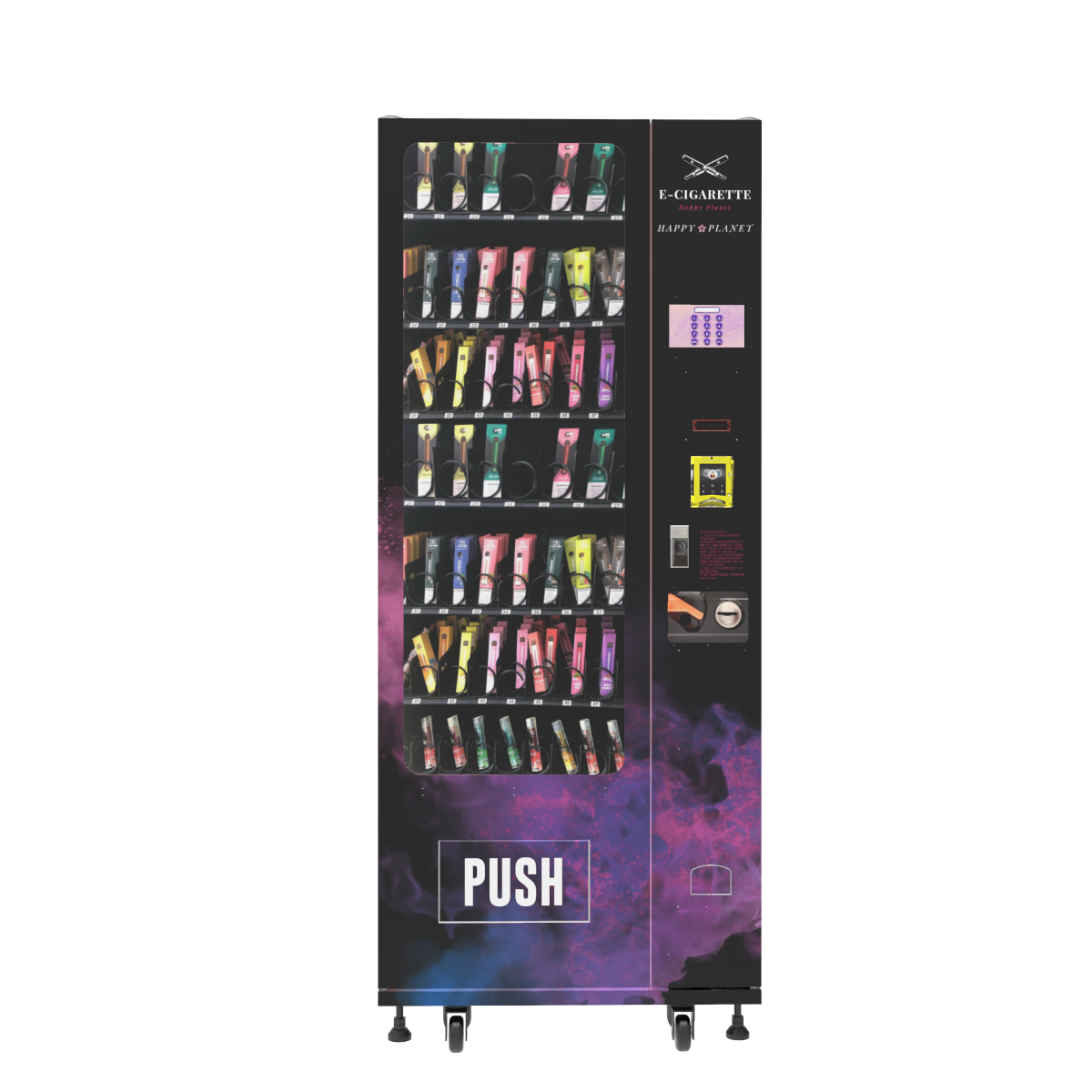
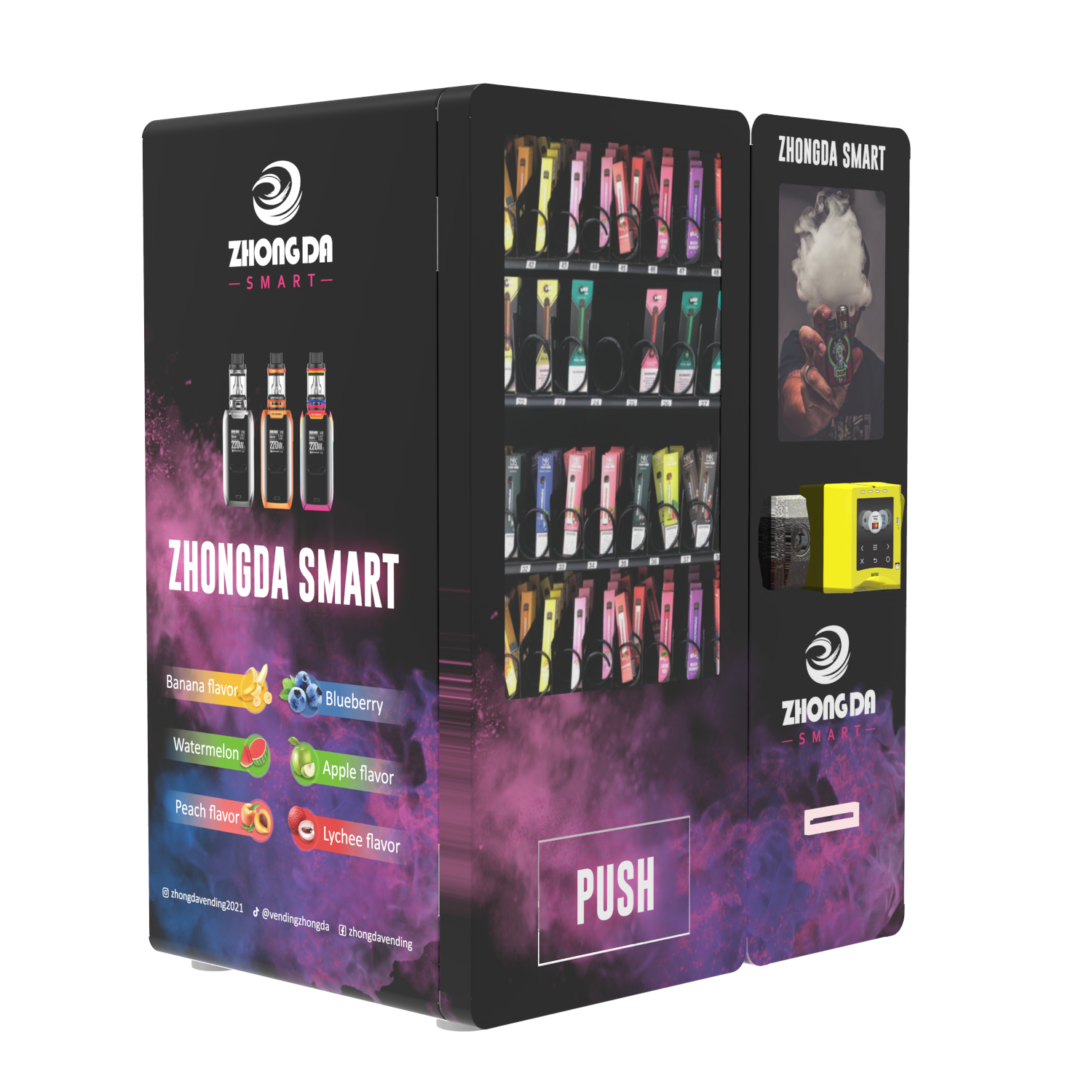
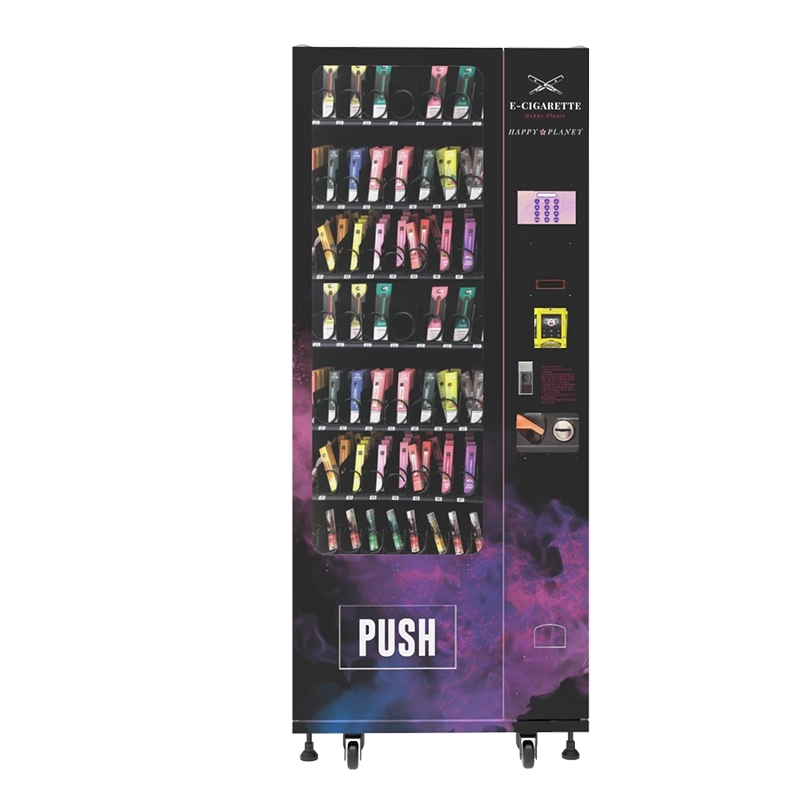
I get asked all the time which machine is best for a convenience store. There is no single answer, but I can give you a practical comparison based on what I’ve tested. The two main form factors are wall-mounted and floor-standing. Wall-mounted units are smaller, hold about 60 to 100 products, and are great for stores with limited floor space. Floor-standing units hold 200 to 400 products and are better for high-traffic stores that can handle the footprint.
| Feature | Wall-Mounted | Floor-Standing |
|---|---|---|
| Product capacity | 60 – 100 units | 200 – 400 units |
| Footprint | 24" x 18" | 36" x 28" |
| Ideal store size | Small, tight spaces | Large, open floor plan |
| Cost range | $4,000 – $6,000 | $6,000 – $9,000 |
| Restocking frequency | Every 2–3 days | Every 5–7 days |
For most convenience stores, I recommend starting with a wall-mounted unit. It’s lower risk, lower investment, and easier to move if you need to change the layout. You can always upgrade to a floor-standing model once you confirm the traffic and sales volume. I’ve seen too many operators buy a massive machine only to realize the store doesn’t have the daily foot traffic to justify it.
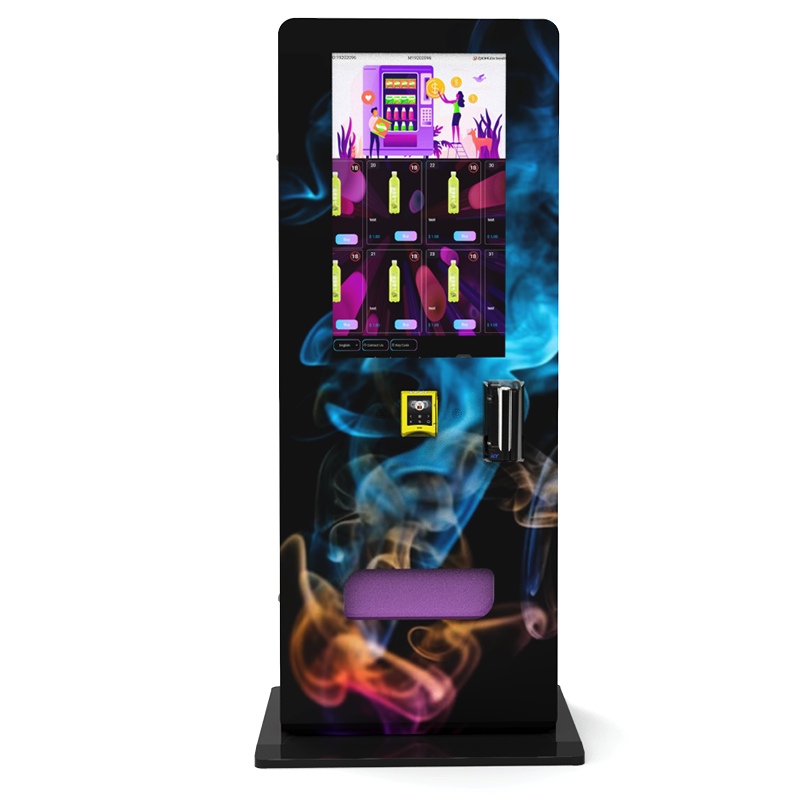
If you are looking for a machine that is specifically designed for compliance and small spaces, check out the compact wall-mounted model. It’s one of the most popular units we deploy because it fits almost anywhere and has the same ID scanning technology as the larger machines.
Long-Term Maintenance and Operational Strategy
Running a vape vending machine for years is different from running it for a few months. The main thing that changes is the product mix. Vape products evolve fast. New flavors, new brands, new device types. If you don’t rotate your inventory every 60 to 90 days, you will end up with slow-moving stock that ties up your capital. I recommend setting a rule: any product that doesn’t sell at least one unit per week gets replaced.
Cleaning is another thing that gets overlooked. The screen gets fingerprints. The coin slot (if you have one) gets sticky. A dirty machine looks abandoned. I tell my operators to wipe down the machine every time they restock. It takes two minutes and makes a huge difference in how customers perceive the machine. A clean machine sells more.
Software updates are critical. The age verification database needs to be current. States change ID formats. Some states now issue digital driver’s licenses. The machine’s software must be updated to read those. I’ve seen a machine fail a compliance check simply because the software was six months old. The manufacturer should push updates automatically. If they don’t, you need to check for updates manually every month.
For long-term profitability, consider placing multiple machines in different stores within a small geographic area. This allows you to restock efficiently. One driver can service three or four machines in a single route. That lowers the per-machine labor cost and increases overall profit. We’ve done this with a cluster of five machines in a single city, and the operator was able to manage everything in under two hours per day.
Expert Recommendations for Store Owners
I’ve been in this business long enough to know what works and what doesn’t. Here are my direct recommendations, based on hundreds of installations.
- Buy from a manufacturer that specializes in vape vending machines. General vending machine companies often don’t understand the compliance requirements. Zhongda Smart builds machines specifically for this market. Their age verification model is one of the most reliable I’ve used.
- Test the machine in your store for 30 days before committing to a full deployment. Some manufacturers offer demo units. Use that option. It’s better to learn the quirks on a single machine than on a fleet.
- Set up a separate bank account for the machine’s revenue. This makes it easy to track performance. You can see exactly how much the machine is making versus your other store operations.
- Train your staff not to override the machine. I’ve seen cashiers try to bypass the age check for friends. That is a liability. Make it clear that the machine’s decision is final.
- Keep a spare parts kit. A simple thing like a jammed product tray can shut down a machine for a day. Having a spare motor or a replacement tray on hand can save you hundreds in lost sales.
I also recommend reading case studies from other operators. Zhongda Smart has a specific case study on convenience store deployments that covers real numbers and lessons learned. It’s worth the read if you are serious about this investment.
Data and Market Context
Let’s look at the broader market. According to a report from IBISWorld, the vending machine industry in the US generated over $7 billion in 2023, with the specialty vending segment (including vape machines) growing at a faster rate than traditional snack and drink machines. Another report from Statista indicated that the global vape market is expected to reach $47 billion by 2028. These numbers tell me that the demand is not slowing down.
In my own experience, the convenience store channel is the most underserved segment for vape vending. Most machines are placed in bars and lounges. But convenience stores have higher foot traffic and longer operating hours. A convenience store sees more customers in a day than a bar sees in a week. The opportunity is massive, but only if the machine is compliant and well-maintained.
One data point that surprised me: in a survey of 200 convenience store owners we worked with, 70% said they would prefer a vending machine over a counter display because it reduces theft and eliminates the need for employee training. The machine handles the age check, the payment, and the inventory tracking. That’s a powerful value proposition for a busy store owner.
Frequently Asked Questions
Do I need a special license to operate a vape vending machine in my store?
Yes, in most states and European countries, you need a tobacco retail license that specifically covers vending machines. The machine itself does not replace the license. You must apply for the same license you would use for over-the-counter sales. Check with your local health department or alcohol and tobacco commission. Some jurisdictions also require a separate vending machine permit.
How often does the age verification software need to be updated?
At least once a month. State ID formats change, and new security features are added to licenses. The machine’s software must be updated to recognize these changes. Most reputable manufacturers, including Zhongda Smart, push updates automatically through the cloud. If your machine does not have automatic updates, you should check for a new version manually every 30 days.
What happens if the machine’s ID scanner fails during a sale?
The machine should be programmed to reject the sale. Never allow a manual override by the store staff. If the scanner fails, the customer cannot purchase. This protects you from liability. In my experience, scanner failures are rare, but they do happen. Always have a backup scanner unit on hand. Most manufacturers sell replacement scanners for under $200.
Can I use a vape vending machine for other products like CBD or nicotine pouches?
Yes, but you need to check local regulations for each product category. CBD has different compliance rules than nicotine products. Some machines are designed with adjustable trays that can hold different sized products. If you plan to sell multiple product types, choose a machine with flexible tray configurations. The adjustable tray model from Zhongda Smart is a good option for mixed inventory.
What is the average return on investment for a convenience store vape vending machine?
Based on my deployments, the average ROI is between 3 and 5 months. This assumes a well-placed machine in a store with at least 500 customers per day. The key variables are product margin, daily sales volume, and machine cost. If you buy a cheaper machine without proper age verification, you risk fines that can wipe out your profit. Invest in a compliant machine upfront.
Final Thoughts on Operating a Vape Vending Machine
I’ve been on the factory floor assembling these machines, and I’ve been in the field fixing them at 2 AM. I know what works. The vape vending machine business is not a passive income scheme. It requires attention to compliance, product selection, and maintenance. But for a convenience store owner who is willing to put in the initial effort, it is one of the highest-margin additions you can make to your floor space.
The machines I see succeed are the ones backed by a manufacturer that understands the regulatory landscape. That is why I keep coming back to Zhongda Smart. Their machines are built for compliance first, and convenience second. If you are looking for a reliable partner, I recommend starting with their ID scan vending machine page to see the specific features that matter for compliance.
The market is growing. The regulations are tightening. The stores that get ahead of the curve with compliant, automated solutions will capture the revenue. The ones that wait will be playing catch-up. I’ve seen this cycle repeat across multiple product categories. Vape vending is no different. Act now, but act smart.
Sources:
IBISWorld – Vending Machine Operators Industry Report
Statista – Global E-Cigarette Market Size