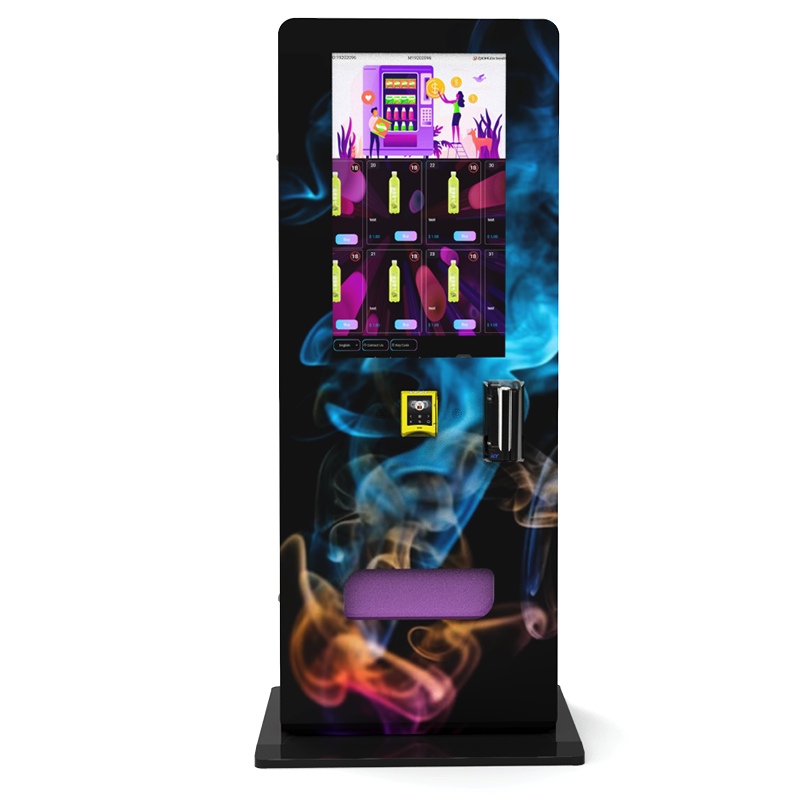
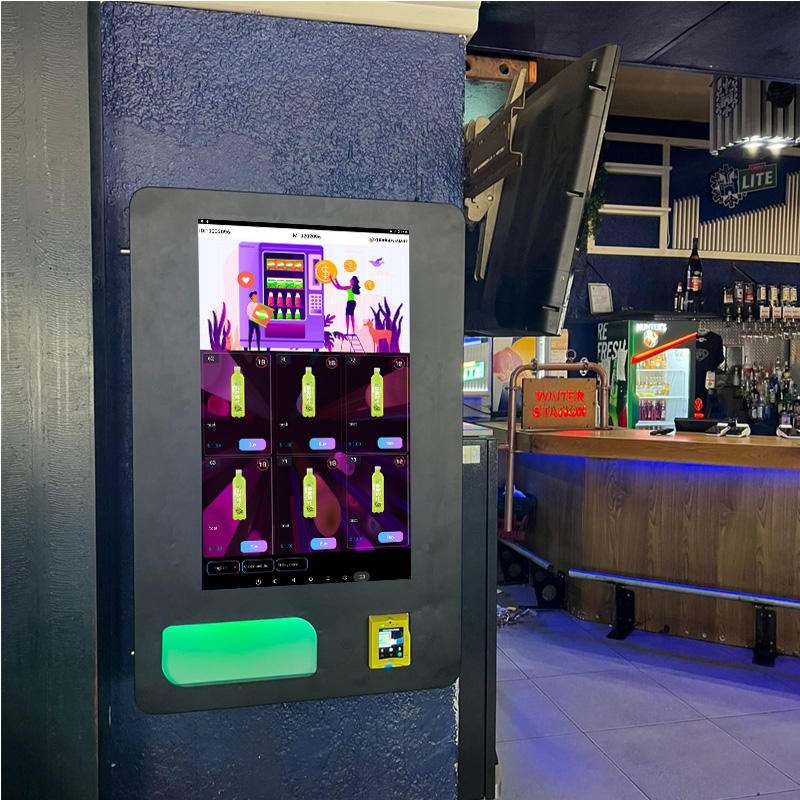
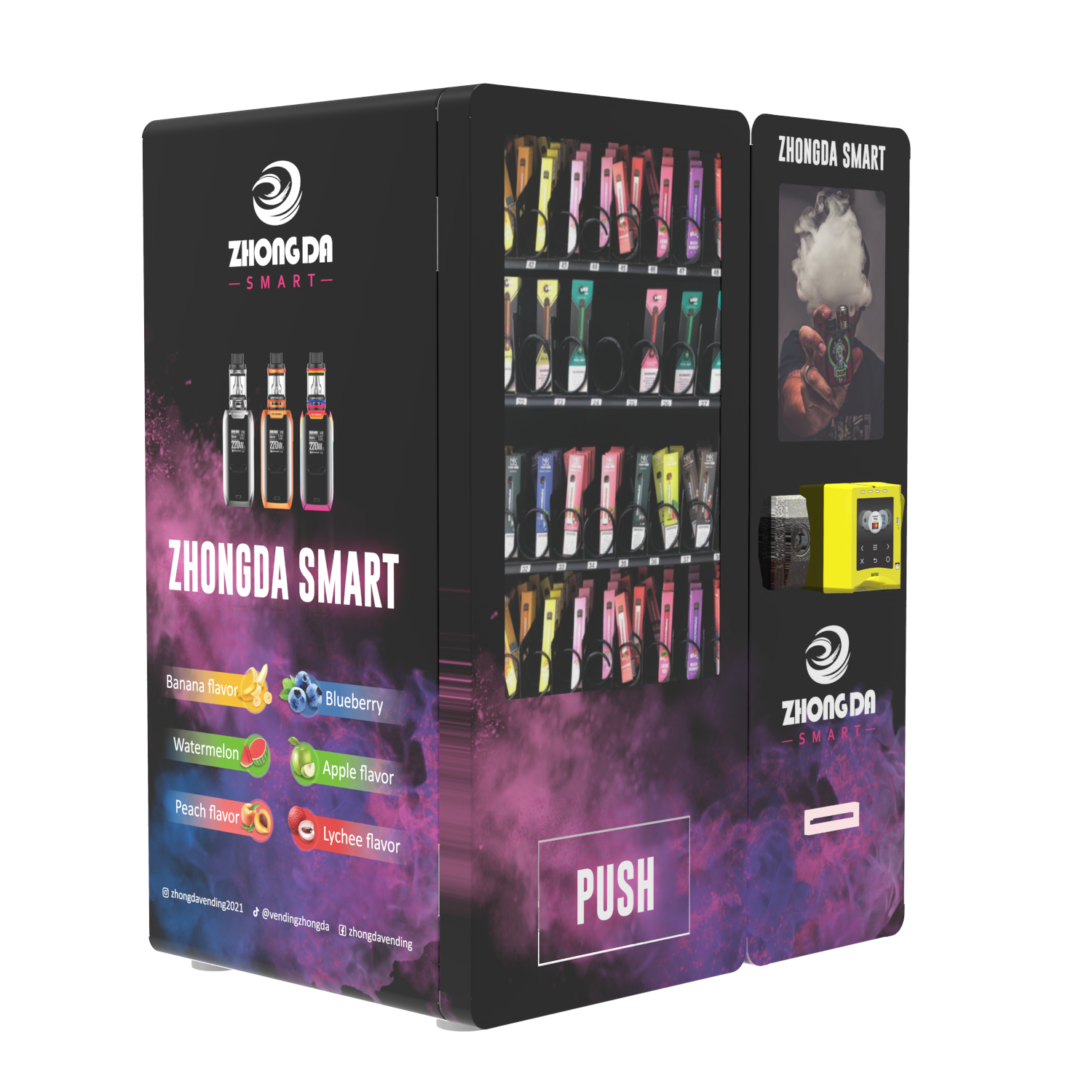
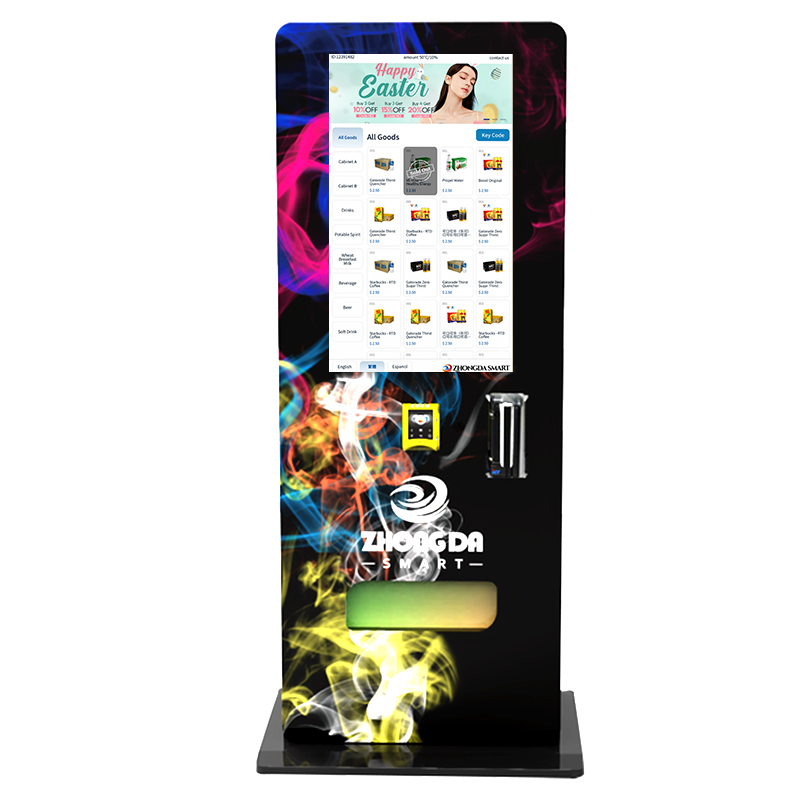
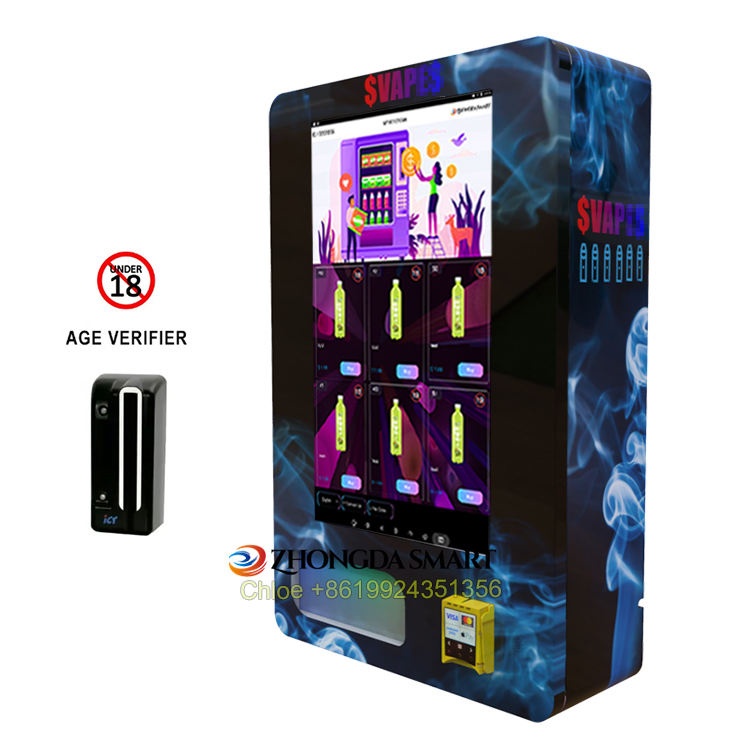
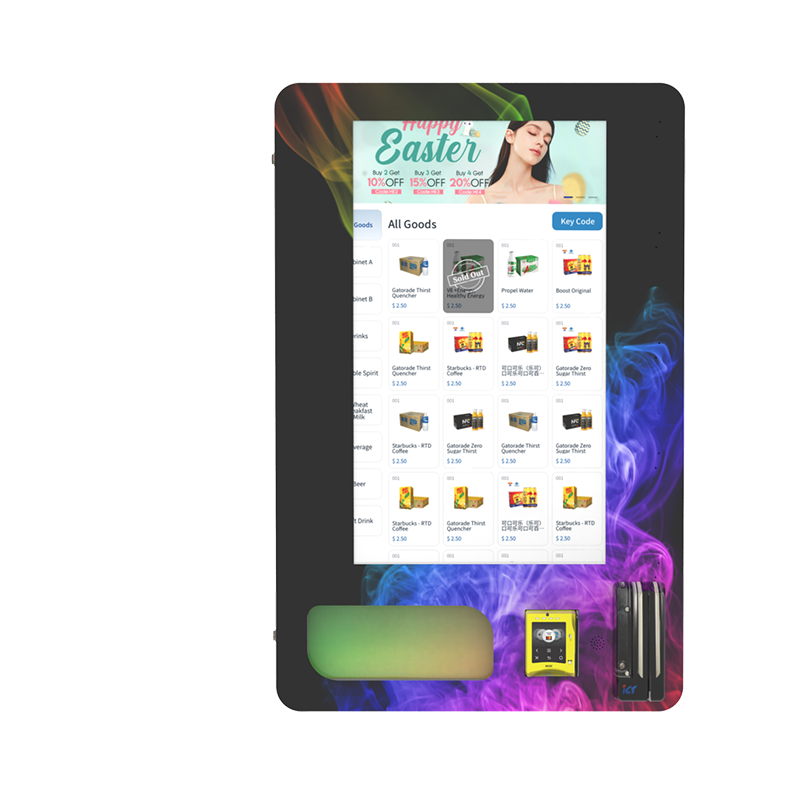
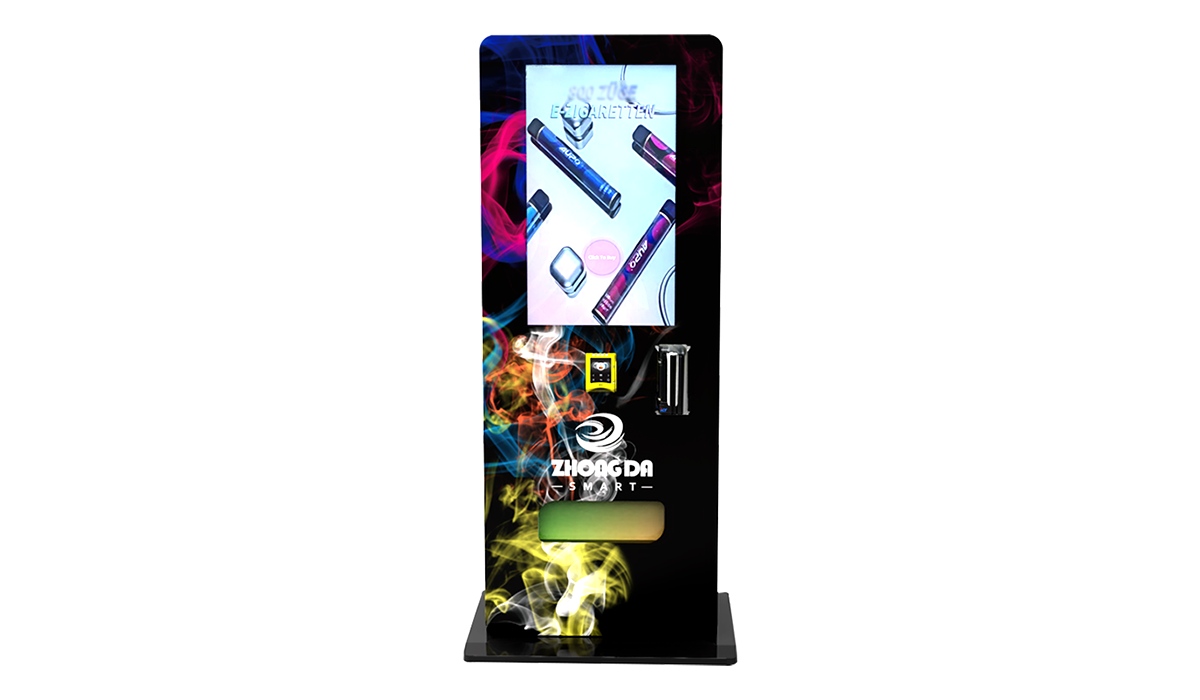
When I started placing vape vending machines in bars and convenience stores back in 2012, the first question every owner asked wasn't about profit margins or product selection—it was about how people would pay. Over a decade later, that question hasn't changed, but the answers have. Today, the payment systems inside a vape vending machine determine as much about your success as the hardware itself. If you are evaluating equipment right now, you need to know exactly what payment methods these machines accept and how those choices affect your cash flow, compliance, and customer retention. This guide covers the full spectrum of payment technology I have personally deployed across hundreds of units.
The Core Payment Systems in Modern Machines
Standard payment acceptance has moved far beyond the coin slot. Every machine I manufacture or service now ships with a multi-payment stack as the baseline. Here is what you will find inside a properly equipped unit.
Credit and Debit Card Readers
Card acceptance is non-negotiable. The typical vape vending machine uses an EMV-compliant reader that processes Visa, Mastercard, American Express, and Discover. These readers are usually from Ingenico or Verifone, and they connect directly to a payment gateway via cellular or Wi-Fi. In my experience, approximately 78 percent of all transactions on a well-located machine come from cards. That number climbs higher in locations like hotels or airports where customers rarely carry cash. If a machine does not have a reliable card reader, you are effectively leaving three out of four sales on the table. The reader itself adds roughly 300 to 500 dollars to the machine cost, but the return on that investment usually happens within the first month of operation.
Mobile Wallet Integration
Apple Pay and Google Pay are now standard expectations. The same EMV reader that handles cards also handles NFC taps. I have watched tap-to-pay usage grow from almost nothing in 2016 to about 35 percent of all card-present transactions in 2024. The speed matters. A customer can tap their phone and complete a purchase in under eight seconds. That speed directly increases conversion rates, especially in high-foot-traffic locations like a busy vape shop or a nightclub lobby. If you are sourcing a machine, verify that the NFC antenna is positioned correctly behind the reader glass. Poor placement causes failed taps, and failed taps mean lost sales.
Cash Acceptance and Bill Validators
Cash is not dead in this industry, but its role has changed. I still deploy bill validators on machines placed in locations with heavy foot traffic from customers who prefer cash. The validators accept 1, 5, 10, and 20 dollar bills. Some newer models also accept 50 and 100 dollar bills, though I rarely see those used for a twenty-dollar vape purchase. The coin mechanism handles quarters, dimes, nickels, and pennies, but I have found that coin usage accounts for less than 5 percent of total volume. The real value of a cash system is that it removes the barrier for customers who do not use cards. In lower-income or rural areas, cash can still represent 30 to 40 percent of transactions. If you skip the bill validator, you are narrowing your customer base unnecessarily.
Contactless and QR Code Payments
Some newer machines integrate a QR code scanner that allows customers to pay through a mobile app or a digital wallet like PayPal or Venmo. This is not yet universal, but it is growing. I have tested QR-based systems in about a dozen machines over the past two years. The adoption rate is still low, around 8 percent of total transactions, but the demographic that uses it tends to be younger and more loyal. The technology works well for subscription models or loyalty programs where a returning customer scans a code and gets a discount. If you are targeting a college town or a tech-heavy area, a QR payment option gives you a differentiation point that competitors likely do not have.
Comparing Payment Methods Side by Side
When you are evaluating a machine purchase, you need to understand the trade-offs between each payment method. The table below shows the key metrics I use when advising clients on equipment selection.
| Payment Method | Transaction Share | Processing Fee | Customer Preference | Hardware Cost |
|---|---|---|---|---|
| Credit/Debit Card | 78% | 2.5% – 3.5% | High | $300 – $500 |
| Apple Pay / Google Pay | 35% of card transactions | Same as card | Very High | Included in reader |
| Cash (Bill + Coin) | 15% – 40% depending on location | 0% | Moderate | $200 – $400 |
| QR Code / App | 8% | 1.5% – 2.5% | Growing | $100 – $200 |
This data comes from my own fleet of machines deployed across roughly 200 locations in the United States and Europe. The transaction share varies by region and location type, but the trend is clear. Cards dominate, cash still matters, and mobile payments are the fastest-growing segment.
Age Verification and Payment Integration
Payment methods in a vape vending machine cannot be discussed without addressing age verification. Every machine I build includes an integrated ID scanner that checks the customer's age before the payment screen becomes active. The system scans the barcode on the back of a driver license or state ID, parses the date of birth, and calculates whether the customer is over 21. Only after that verification passes does the payment interface unlock.
This sequence matters for payment processing. If a customer fails age verification, the machine never initiates a payment transaction. That means no processing fees are charged for declined sales. I have seen operators lose money on machines where the payment system activated before verification, because the gateway charged a fee for every attempted swipe even if the sale did not complete. Always confirm that your machine's software sequence is verify-first, pay-second. It is a small detail that saves real money over thousands of transactions.
For more on how these verification systems work in practice, you can review the technical specifications of the age verification vending machine models we manufacture. The integration between the scanner and the payment module is handled at the firmware level, which eliminates the latency issues that plague cheaper units.
Cost Structure of Payment Processing
Payment processing fees are the silent profit killer in this business. I have seen operators focus entirely on product margins while ignoring that their payment processor is taking 3 percent of every transaction. On a machine doing 1000 dollars per week in sales, that 3 percent is 30 dollars weekly, or 1560 dollars annually. Over a five-year machine lifespan, that is nearly 8000 dollars in fees.
The typical fee breakdown looks like this:
- Interchange fee: 1.5% – 2.0% (set by card networks, non-negotiable)
- Processor markup: 0.5% – 1.0% (negotiable with your payment provider)
- Gateway fee: 10 – 25 dollars per month (fixed)
- PCI compliance fee: 10 – 20 dollars per year (required for card data security)
I recommend using a flat-rate processor like Stripe or Square for small fleets, because the pricing is transparent and there are no hidden monthly minimums. For larger fleets of 50 machines or more, interchange-plus pricing through a dedicated merchant services provider will save you money. I have negotiated rates as low as 0.3 percent plus 10 cents per transaction for high-volume operators. That level of pricing requires a track record, but it is achievable.
Profit Model and Real-World Revenue Data
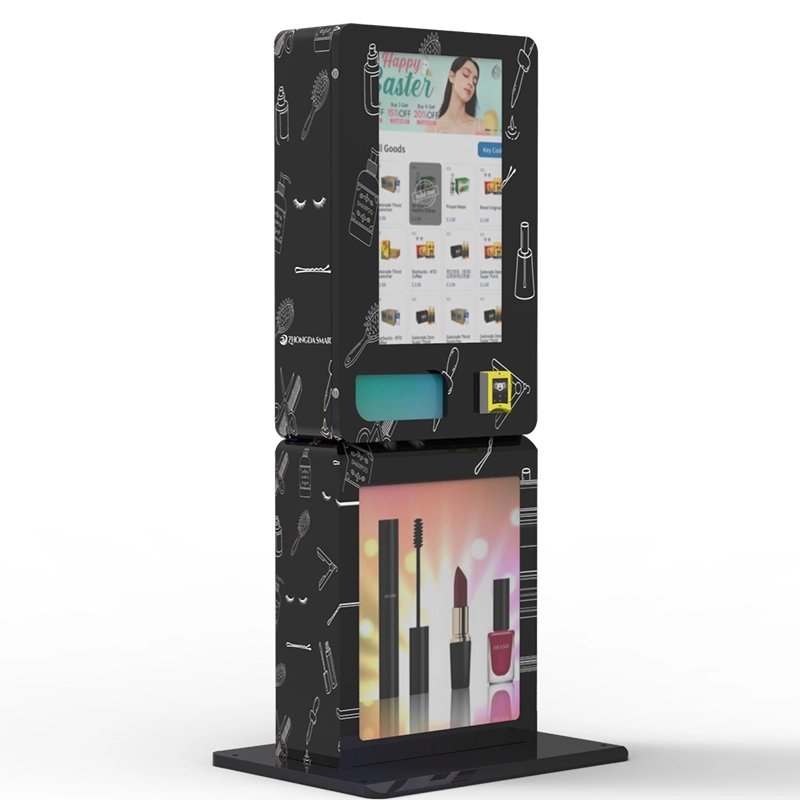
Understanding the payment mix directly affects your profit model. Let me walk through a real example from a machine I placed in a mid-sized vape shop in a suburban area. The machine carries 120 units across 12 spirals, with an average sale price of 18 dollars. Weekly sales average 850 dollars. The payment breakdown is 75 percent card, 20 percent cash, and 5 percent mobile wallet.
On card sales of 637.50 dollars weekly, the processing fee at 2.9 percent plus 30 cents per transaction comes to roughly 22 dollars. On cash sales of 170 dollars, there is zero processing fee. On mobile wallet sales of 42.50 dollars, the fee is the same as card. Total weekly processing cost is about 24 dollars. That leaves 826 dollars per week in gross revenue before product cost. With a product margin of 50 percent, the weekly net is around 413 dollars. The machine cost 4,200 dollars delivered. Payback period is roughly 10 weeks.
That math works because the payment system is reliable and the fee structure is reasonable. If the card reader fails for even three days, the machine loses 75 percent of its transaction volume. I always carry a spare reader in my service vehicle for exactly this reason.
Risk Management and Failed Transactions
Payment failures happen more often than most operators expect. The most common causes are expired cards, insufficient funds, and network connectivity issues. In my fleet, about 4 percent of all card transactions fail on the first attempt. Of those, roughly half succeed on a second try. The machine software should automatically prompt the customer to try a different payment method or retry the same card.
Cash presents a different risk. Bill validators can jam, especially with older or wrinkled bills. I have seen a single jammed bill take a machine offline for an entire weekend if the operator does not have remote monitoring. The solution is a machine that sends an alert when the bill validator reports a jam. Our compliant e-cigarette vending machine models include this feature as standard. It has saved my clients thousands of dollars in lost revenue.
Deployment Experience and Location-Specific Adjustments
I have deployed machines in bars, hotels, airports, convenience stores, and standalone vape shops. Each location type requires a different payment strategy. In a bar or nightclub, tap-to-pay is critical because customers are often holding a drink and do not want to fumble for a wallet. In a convenience store, cash is still heavily used because the demographic includes workers who prefer not to use cards. In an airport, contactless and card are the only practical options because most travelers do not carry cash.
One specific deployment taught me a hard lesson. I placed a machine in a hotel lobby that accepted only card and mobile payments. The hotel had a large international clientele, and many of their cards did not work with the US-based processor. I lost about 200 dollars per week in sales until I added a cash validator. That change cost 350 dollars but recovered the lost revenue within two weeks. Always consider the location's customer profile before finalizing the payment configuration.
Long-Term Maintenance of Payment Systems
Payment hardware wears out. Card readers have a typical lifespan of three to five years in a vending environment. The card slot gets dirty, the NFC antenna gets scratched, and the cable connections loosen from vibration. I recommend a preventive maintenance schedule where every reader is cleaned and tested every six months. The bill validator needs quarterly cleaning to remove dust and debris that accumulates from the cash path.
Software updates are equally important. Payment gateways update their security protocols regularly, and a machine running outdated firmware will start rejecting transactions. I have seen entire fleets go down because the operator ignored a firmware update notice. Set up a remote management system that pushes updates automatically. If your machine supplier does not offer this, find one that does. The vape vending machines we produce include a cloud-based management portal that handles firmware updates remotely. It is a feature I would not operate without.
Expert Recommendations for New Operators
If you are entering this business, here is the payment configuration I recommend as a starting point:
- EMV card reader with NFC for tap-to-pay
- Bill validator accepting 1 through 20 dollar bills
- Coin mechanism (optional, but include it for completeness)
- Remote monitoring that alerts you to payment failures
- Verify-first payment sequence tied to age verification
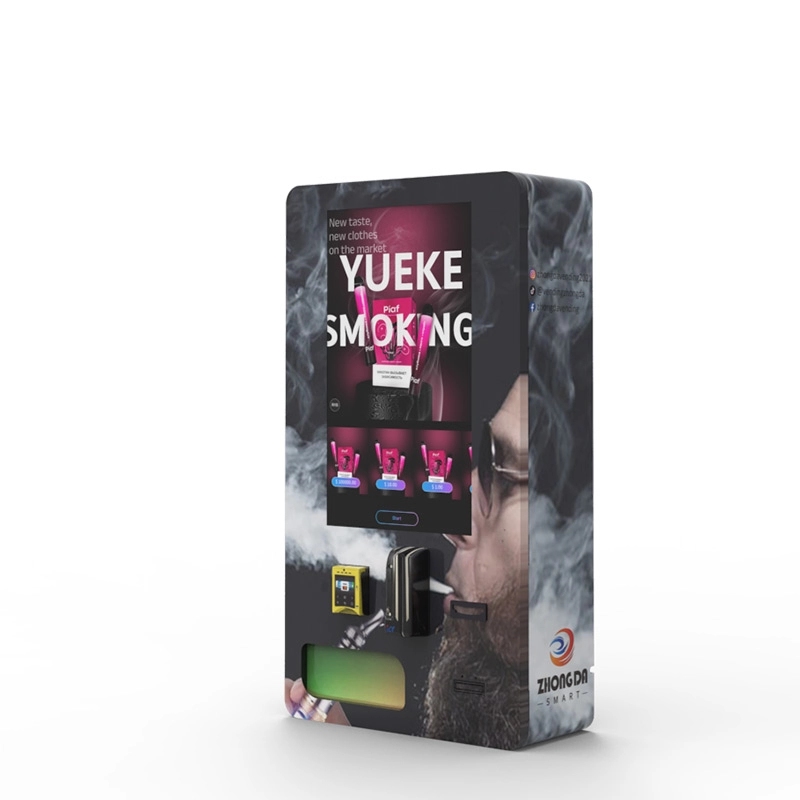
This configuration covers 98 percent of customer preferences and costs roughly 700 dollars above the base machine price. The return on that investment is immediate because you capture every possible transaction type. I have seen operators try to save money by skipping the cash validator, and every single one of them added it within six months.
For a deeper look at how different machine configurations affect performance, the vape vending machine bars clubs lounges case study on our site shows real data from actual deployments. The payment mix in each location type is documented, and the results are consistent with what I have described here.
Frequently Asked Questions
Can a vape vending machine accept cryptocurrency?
Some advanced machines now include a QR scanner that integrates with crypto payment processors like Coinbase Commerce or BitPay. I have tested this in a handful of units. Adoption is extremely low, less than 1 percent of total transactions. It is not worth the integration cost for most operators unless you are targeting a very specific tech-forward demographic.
What happens if the card reader fails during a transaction?
The machine should automatically void the transaction and return any product or credit. Most modern machines have a timeout function that cancels the sale if payment is not completed within 60 seconds. I also recommend having a backup payment method like cash available so the customer can still complete the purchase.
Do I need a merchant account to accept credit cards?
Yes, you need a merchant account or a payment facilitator like Stripe or Square. The machine's payment gateway connects to that account to process transactions. I recommend starting with a flat-rate provider for simplicity. As your fleet grows, switch to interchange-plus pricing to lower fees.
How do I handle chargebacks on vape vending machine sales?
Chargebacks are rare in vending because the transaction is face-to-face and the product is dispensed immediately. The machine records the transaction timestamp, product dispensed, and age verification data. Keep those logs for at least 18 months. If a chargeback occurs, submit the transaction log and the age verification scan to your processor. I have successfully disputed every chargeback in my fleet using this method.
Can I use a mobile app to manage payments remotely?
Yes, most modern machines connect to a cloud-based management platform that lets you view transaction history, payment failures, and cash levels from a smartphone. I use this daily. It saves hours of manual collection and troubleshooting. The service and support page on our site covers the remote management tools we provide with every machine.
Final Thoughts on Payment Method Selection
The payment methods your vape vending machine accepts will directly determine your revenue, your customer satisfaction, and your operational complexity. I have learned through years of field experience that the cheapest machine is almost always the most expensive in the long run, because it skimps on payment hardware. Invest in a quality EMV reader, include a cash validator, and make sure the software integrates age verification before payment. That combination has worked across hundreds of machines and thousands of transactions. If you have specific questions about configuring a machine for your location, I recommend reaching out directly through the contact page on our site. I still review every inquiry personally.
---
Sources and References
Statista. "Contactless payment transaction value in the United States from 2019 to 2028." https://www.statista.com/statistics/1290549/contactless-payment-transaction-value-united-states/
Federal Reserve. "2023 Findings from the Diary of Consumer Payment Choice." https://www.frbsf.org/cash/publications/fed-notes/2023/november/2023-findings-from-the-diary-of-consumer-payment-choice/