If you are looking into vape vending machines for your business, you have likely already weighed the convenience factor against the upfront cost. But what actually stops most operators from scaling—or even starting—is a lack of clarity on the risks. I have spent over a decade deploying these units across the U.S. and Europe, and I have seen the same mistakes repeated. The real risks of vape vending machines are not just mechanical breakdowns; they are regulatory fines, underage sale penalties, inventory spoilage, and location churn. Understanding these specific failure points before you buy your first machine is what separates a profitable route from a costly storage unit.
The Regulatory Minefield Is the Biggest Risk
No one talks about this enough at the trade shows. You can have the best hardware in the world, but if your machine doesn't comply with local age verification laws, you are out of business before you start. In the last five years, I have watched three separate operators lose their entire inventory to seizures because they skipped the compliance step.
Age Verification Is Not Optional
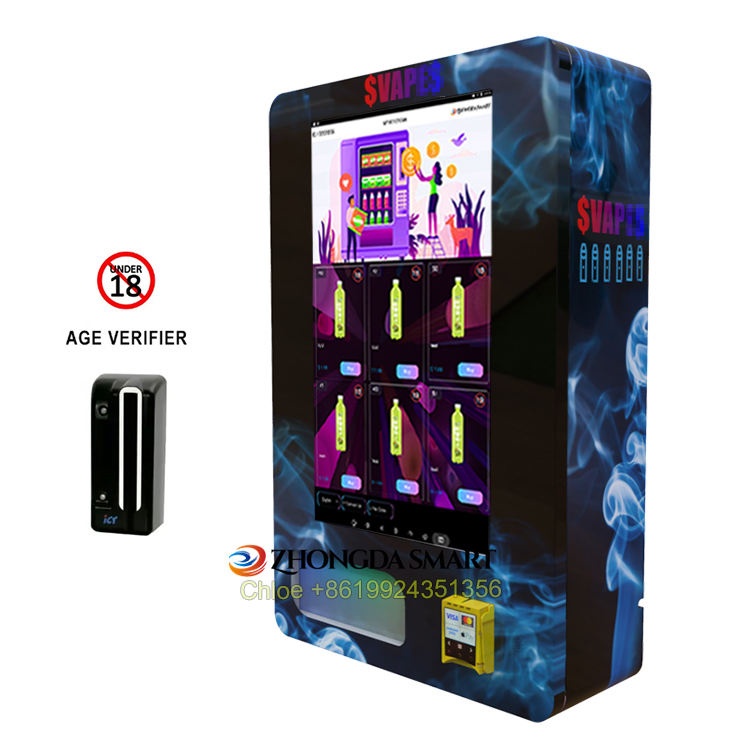
Every machine we manufacture at Zhongda Smart includes a built-in ID scanner and facial age estimation. That is not a luxury feature; it is a survival tool. Many operators try to save $500 on a basic unit that only checks a birth date manually entered on a touchscreen. That machine will fail an audit. A true age verification vending machine must scan the barcode on the back of a driver's license or passport, verify the ID is not expired, and cross-check the face of the buyer with the photo on the card. If your unit does not do that, you are operating a liability.
I have seen locations in states like California and Florida shut down operations entirely because a single machine sold to a minor during a sting operation. The fines alone can run into the tens of thousands. For a deeper look at how these systems work, you can check our guide on age verification vending machines.
State-by-State Variation Is a Nightmare
One of the most underestimated risks is the patchwork of local laws. A machine that is perfectly legal in Texas might violate a municipal code in Colorado. I have pulled machines out of bars in three different states because the city council passed a new ordinance six months after installation. You cannot just buy a compliant e-cigarette vending machine and assume it works everywhere. You need to check the specific municipality where the machine will sit. Some counties require a special tobacco retail license for the machine itself, not just the location owner.
Equipment Reliability and Mechanical Failure
Let me be blunt: most of the cheap vape vending machines on the market are built with snack machine components. They are not designed for the specific demands of vape products. A standard snack spiral that works for a bag of chips will jam on a vape pod every third transaction. I have seen operators lose 20% of their revenue in a single month just from mechanical jams that customers walked away from.
Vape Products Are Not Snacks
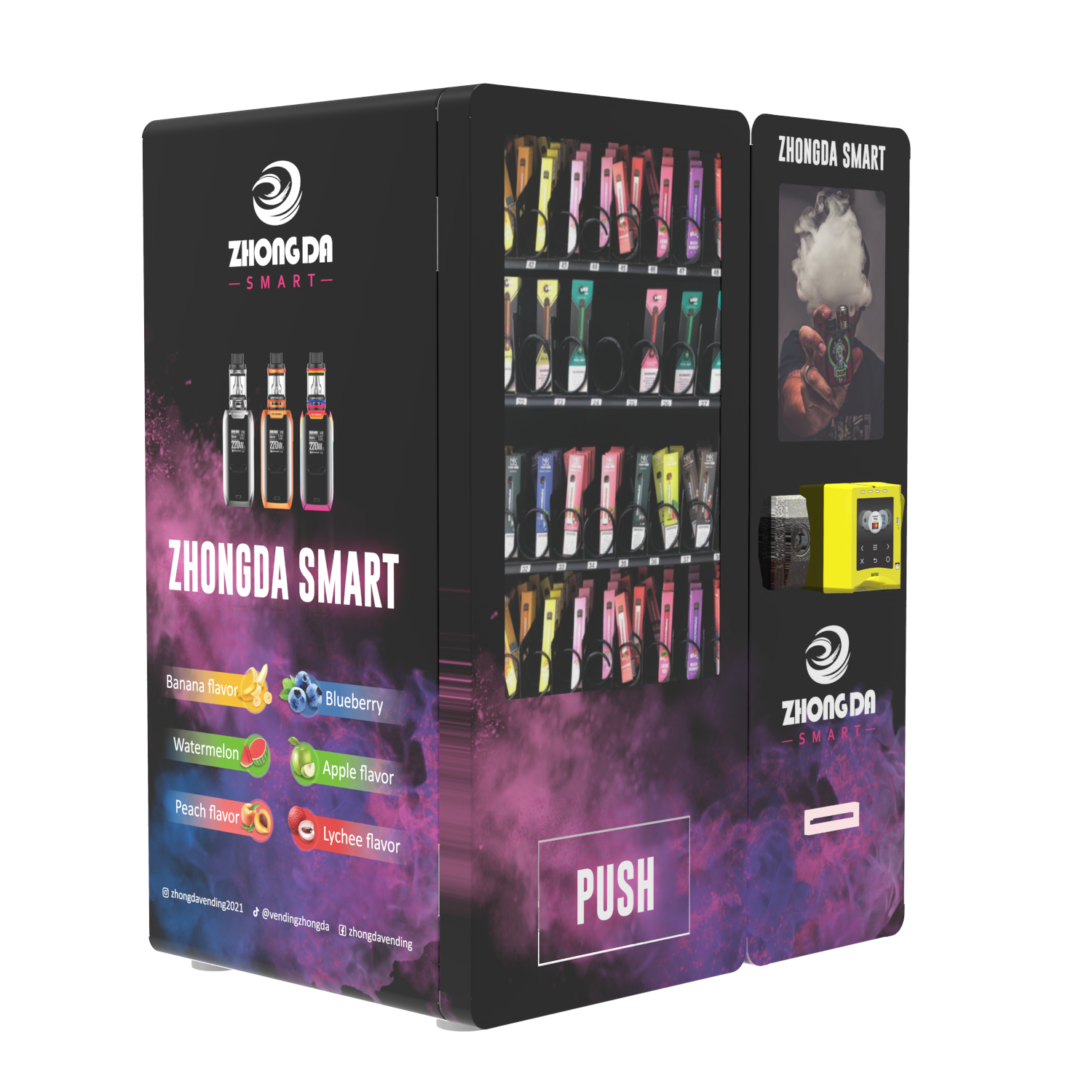
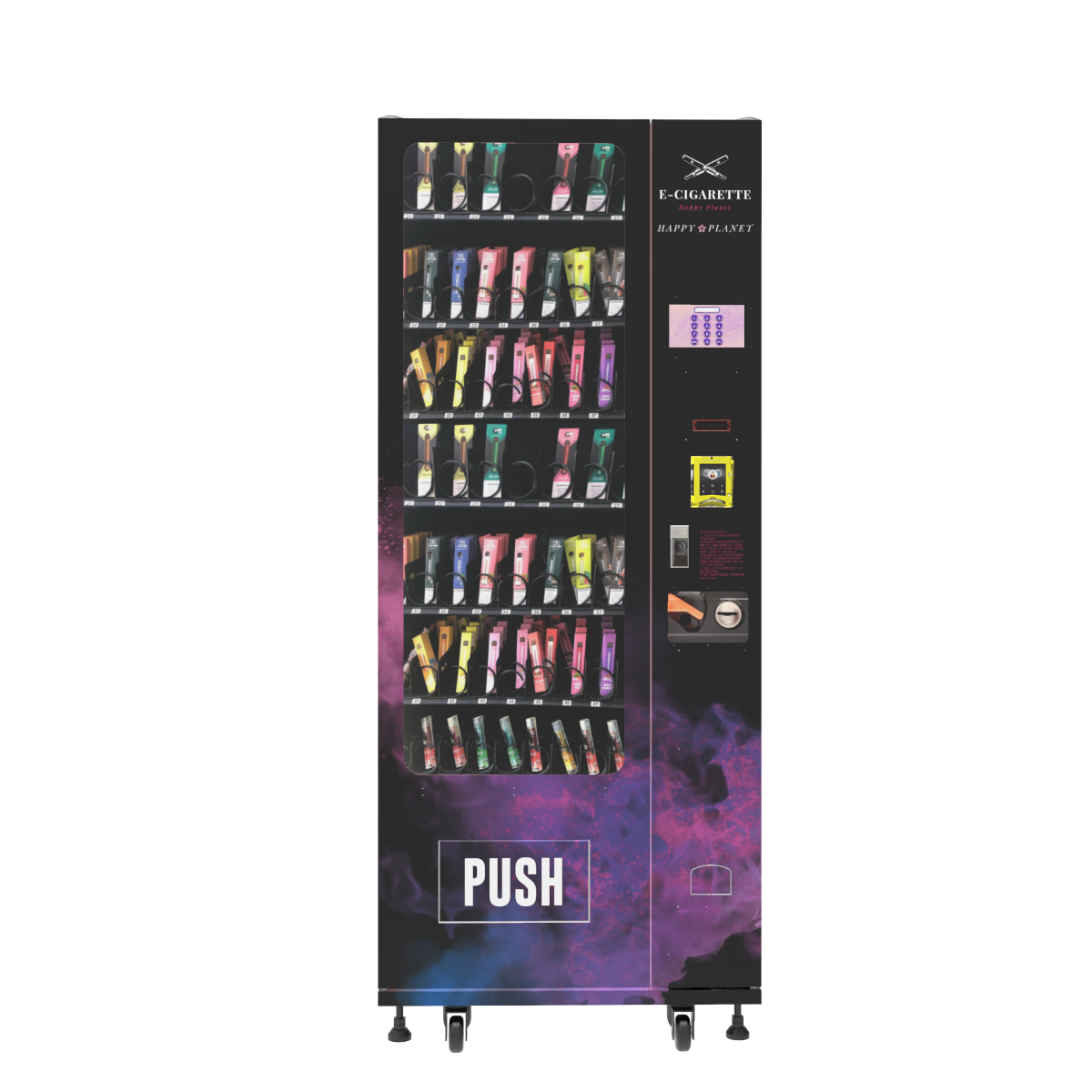
Vape cartridges, disposable devices, and nicotine pouches have different shapes, weights, and packaging materials. A machine that is not engineered specifically for these products will fail. We learned this the hard way in our first year of production. Our early models used a generic tray system, and the failure rate was unacceptable. We redesigned the entire internal mechanism to handle the specific dimensions of vape packaging. That is why our high-capacity vape vending machine uses a custom conveyor system instead of standard spirals.
Temperature Sensitivity and Shelf Life
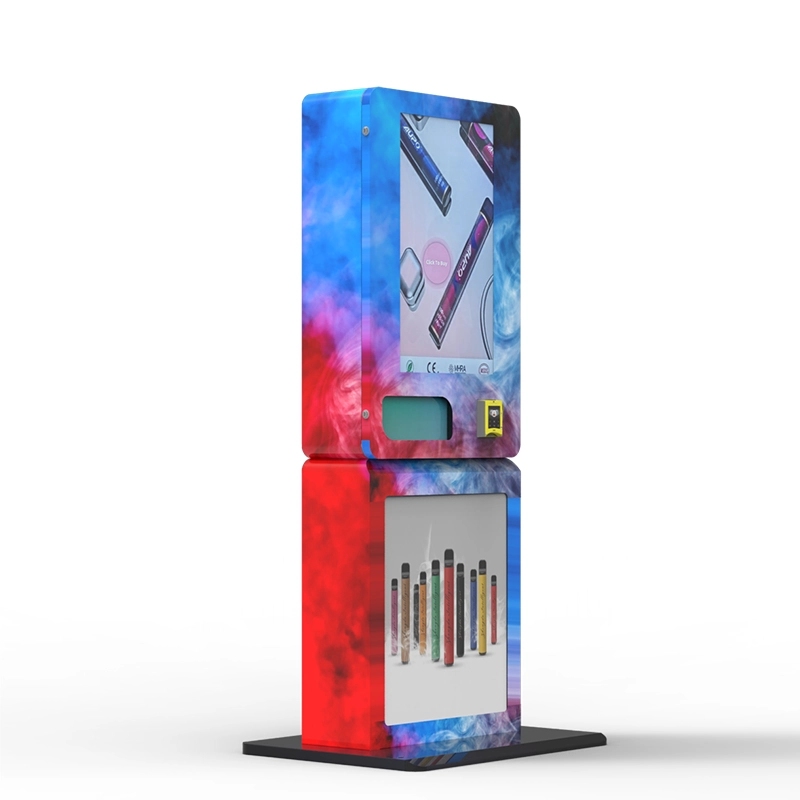
Vape juice degrades in heat. Disposable batteries can swell in direct sunlight. If your machine is placed outdoors or near a window with no climate control, you will have a spoiled inventory problem within three months. I have seen a full restock of 200 units turn into a total loss because the operator placed the machine on a sunny patio. You need a machine with internal temperature management, or you need to choose indoor locations only.
Location Selection and Revenue Volatility
This is the part that most new operators get wrong. They think any bar or smoke shop is a good location. The reality is that 30% of locations will generate 70% of your revenue. The rest will barely cover the electricity bill.
The High-Traffic Fallacy
I once placed a machine in a busy nightclub that had 500 people a night. The sales were terrible. Why? Because the club had a bar that sold its own vapes behind the counter. The staff actively discouraged customers from using the machine because they wanted the commission. You need a location where the existing staff has no incentive to compete with your machine. A vape shop that is closed on Sundays is a perfect location because the machine generates revenue when the store is locked. A hotel lobby is another strong option because guests need access at 2 a.m. You can see our case study on hotel and airport vape solutions for a real deployment example.
Location Churn and Relocation Costs
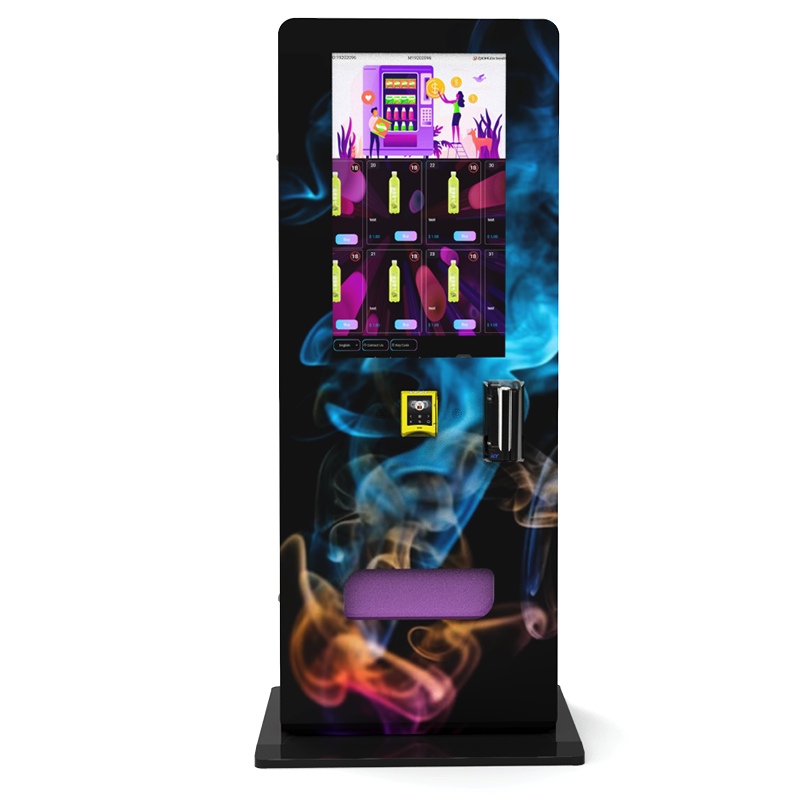
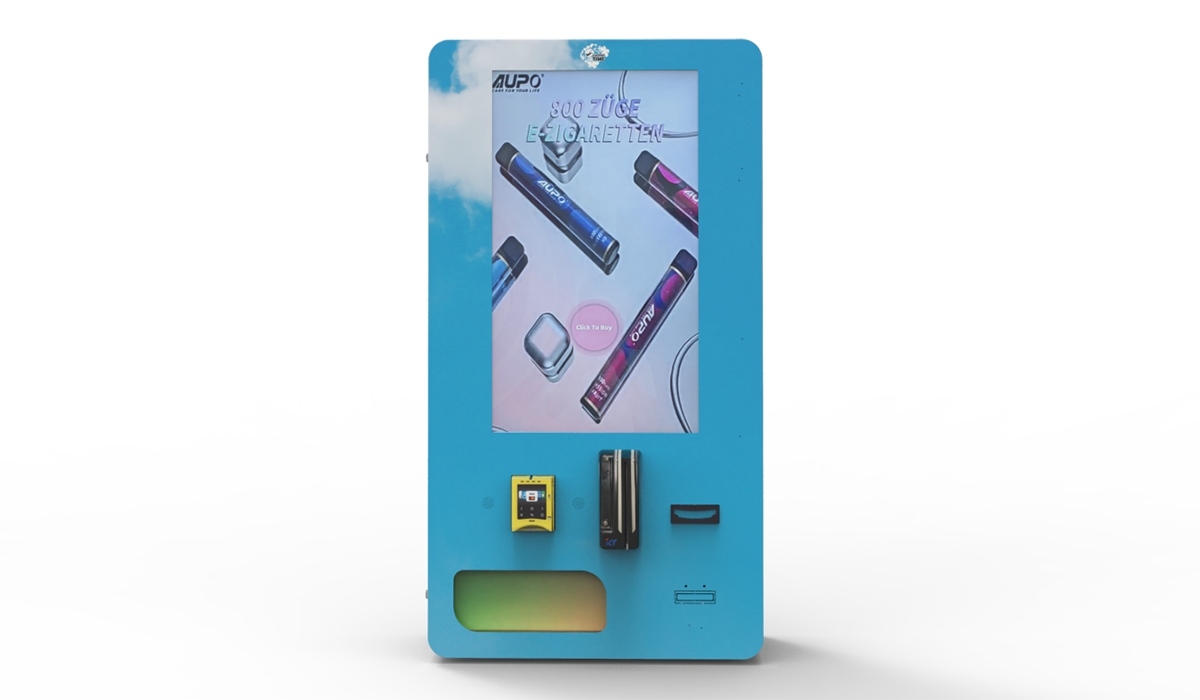
Expect to move machines. In my experience, a machine stays in its first location for an average of 8 to 14 months. The location might change ownership, the landlord might decide they do not want a vending machine, or the foot traffic might dry up. Relocating a heavy vending machine costs money. You need to budget for installation, transport, and potential wall damage repairs. A wall mounted compact e-cigarette vending machine is easier to move than a full-size floor unit, which is why many new operators start with that form factor.
Financial Risks and ROI Miscalculations
Most people look at the gross profit per transaction and think they will be rich. They forget the hidden costs.
Cost Breakdown of a Single Machine
| Cost Item | Estimated Amount (USD) |
|---|---|
| Machine purchase (compliant model) | $3,500 – $7,500 |
| Initial inventory fill (100 units) | $800 – $1,500 |
| Shipping and installation | $300 – $800 |
| Monthly location fee (revenue share or rent) | $100 – $500 |
| Merchant processing fees (3% – 5%) | Per transaction |
| Restocking labor and travel | $200 – $600/month |
| Maintenance and repairs (annual average) | $400 – $1,200 |
If you run the numbers on a machine that does 10 sales per day at an average margin of $5 per sale, you are looking at a daily gross profit of $50. After deducting the location fee, processing fees, and restocking costs, your net profit might be $20 to $30 per day. That puts the payback period at roughly 6 to 12 months, assuming no major breakdowns. That is a realistic target, but it requires consistent volume.
Inventory Shrinkage and Theft
I do not care how secure your machine is. Someone will try to break it. I have seen machines tipped over, card readers ripped off, and glass panels shattered. Theft is a real cost. According to a 2023 report from the National Association of Convenience Stores (NACS), inventory shrinkage in unattended retail environments averages around 2.5% of sales. For vape machines, that number can be higher because the products are small and easy to conceal. You need a machine with a steel frame, a reinforced door, and an alarm system. Our ID scan vending machine includes a tamper sensor that alerts the operator via SMS if the door is forced open.
Technical and Software Risks
Hardware is only half the story. The software that runs the machine is where most modern failures occur.
Payment System Downtime
If your card reader goes down, you lose every sale until it is fixed. I have seen machines sit idle for a week because the operator could not get a replacement reader shipped. You need a machine that supports multiple payment methods—credit cards, mobile wallets, and cash. Redundancy in payment processing is critical. A machine with only one payment option is a machine that is broken half the time.
Remote Monitoring Failures
Without real-time data, you are flying blind. You need to know exactly which products are sold out, which ones are about to expire, and how much cash is in the bill acceptor. I have worked with operators who used a manual inventory system. They were always wrong. A smart vending machine with cloud-based telemetry is not optional anymore. You need to see the sales data on your phone. If your machine cannot do that, you are losing money on stale inventory and missed restocking opportunities.
Reputation and Brand Risk
This is a subtle risk that many operators ignore. If your machine is in a bar and it sells a defective product, the customer blames the bar owner, not you. That damages the relationship. You need to control the quality of the products you stock. I only stock products from major manufacturers that I have a direct relationship with. Counterfeit vapes are a real problem in the automated retail space. According to a 2022 study by the FDA, approximately 15% of disposable vapes sold through unmonitored channels in the U.S. were found to be counterfeit or substandard. If a counterfeit product ends up in your machine, you could face legal liability.
Comparison of Machine Types for Risk Mitigation
| Machine Type | Best For | Primary Risk | Risk Level |
|---|---|---|---|
| Wall-Mounted Compact | Small bars, waiting rooms | Limited capacity (20-40 units) | Low |
| Full-Size Floor Model | High-traffic venues, smoke shops | Higher theft target, heavier to move | Medium |
| ID-Scan Age Verified | Any location with strict enforcement | Higher upfront cost | Low (compliance) |
| Outdoor Rated | Gas stations, patios | Temperature damage, weather exposure | High |
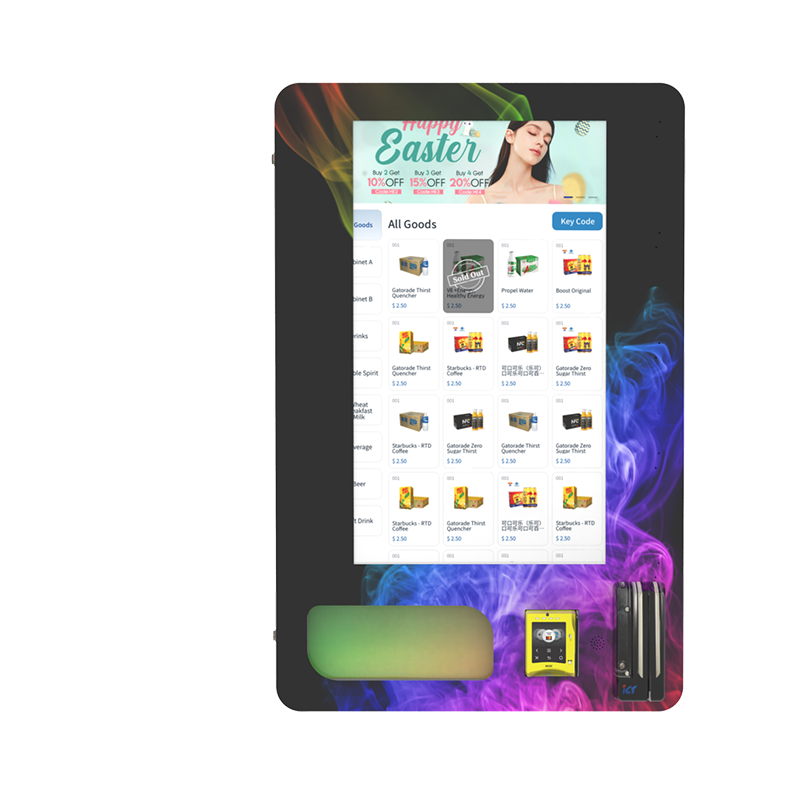
If you are starting out, I recommend the wall-mounted compact model. It lowers your capital risk, is easier to place in small locations, and is simpler to move if the location does not work out.
Practical Advice from the Factory Floor
I have been building these machines for 15 years. Here is the short list of things I tell every new buyer:
- Buy the age verification model first. Do not try to save money on compliance. It will cost you ten times more in fines.
- Test the location for two weeks. Put a simple counter or a camera in the spot before you install the machine. See how many people walk by and how many are of legal age.
- Stock only fast-moving items. Do not fill a machine with 30 different flavors. Stock 5 to 8 best-sellers and rotate based on sales data.
- Have a backup machine. If you have more than two machines in the field, keep a spare unit in your warehouse. When one breaks, swap it out in 24 hours. Do not wait for repairs.
- Negotiate the location fee. Do not pay rent. Offer a 10% to 15% revenue share instead. Most location owners prefer that because they only get paid if you sell.
Final Thoughts on the Real Risks
The vape vending machine business is profitable if you treat it like a real business and not a side hustle. The risks are real: regulatory fines, equipment failure, location turnover, and inventory loss. But they are all manageable if you buy the right hardware, do your legal homework, and monitor your data. I have seen operators build successful routes with 10 to 20 machines generating consistent monthly income. I have also seen people lose their entire investment because they bought a cheap machine and put it in a bad spot. The difference is always preparation.
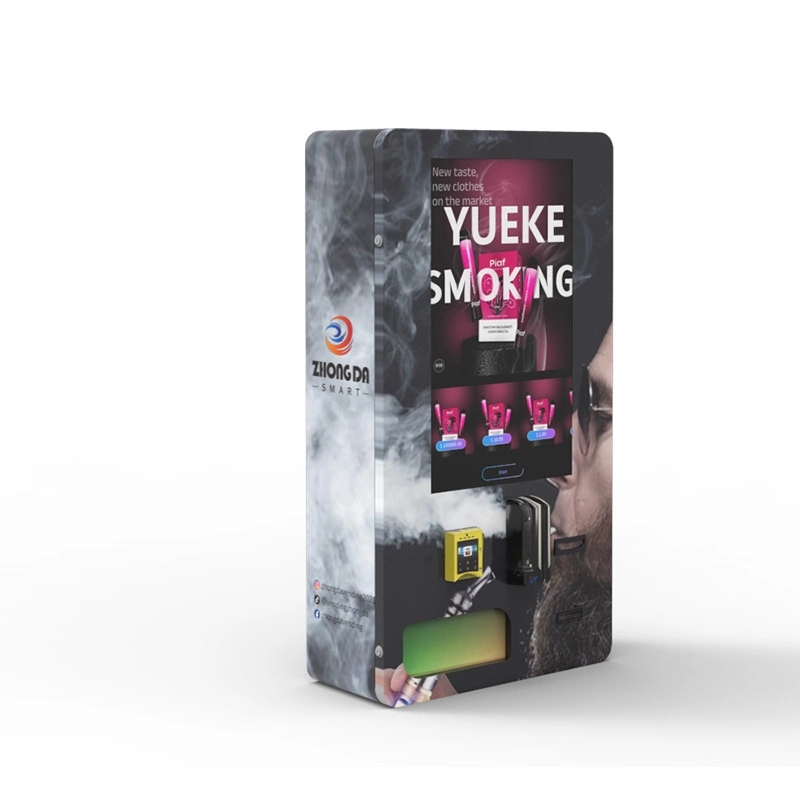
For more technical specifications on the machines we build, visit our vape vending machine product page.
Frequently Asked Questions
What is the biggest risk of a vape vending machine?
The biggest risk is regulatory non-compliance. If your machine sells to a minor or does not have proper age verification, you face heavy fines and potential criminal charges. Always use a machine with a built-in ID scanner.
How much does a compliant vape vending machine cost?
A compliant machine with age verification typically costs between $3,500 and $7,500. Cheaper machines often lack proper ID scanning and will not pass an audit.
Can I place a vape vending machine outdoors?
It is not recommended unless the machine is specifically rated for outdoor use and has internal temperature control. Heat and humidity damage vape products and batteries.
How often do vape vending machines break down?
With proper maintenance, a well-built machine should have a mechanical failure rate of less than 2% per month. Cheap machines with snack-style spirals fail much more frequently.
Do I need a special license to operate a vape vending machine?
Yes. Most states require a tobacco retail license for the machine itself, separate from the location's license. Check your local municipality before installation.
References and Data Sources
- FDA study on counterfeit vapes in the U.S. market (2022). FDA.gov
- NACS State of the Industry Report on Inventory Shrinkage (2023). Convenience.org
- Statista data on vending machine market growth and failure rates. Statista.com