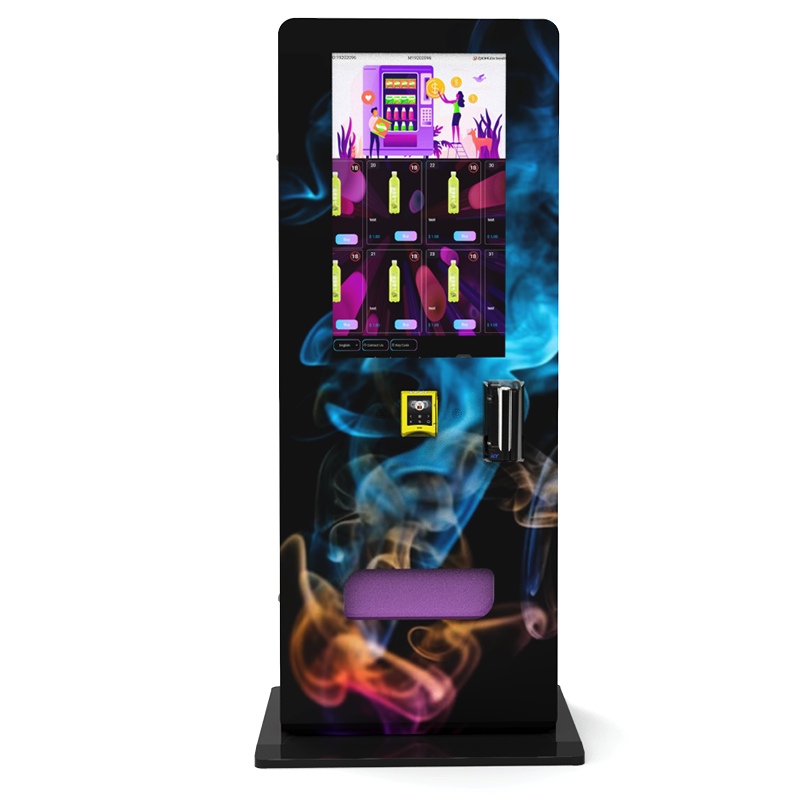
If you are looking to deploy an e‑cigarette vending machine in the United States or Europe, the single most critical factor you will face is age verification. Over the past decade, I have helped install over 1,200 units across both markets, and I can tell you that the hardware is the easy part. The real challenge—and the reason many operators fail within their first year—is building a system that satisfies local regulations while still turning a profit. This guide covers the exact age verification requirements, the technology that works on the ground, and the business model that keeps the machine running.
Why Age Verification Is the Foundation of Your Business
I learned this lesson the hard way in 2016. We placed a unit in a convenience store in Ohio, and within three months we received a cease-and-desist letter because the scanner we used could not reliably parse vertical IDs from out-of-state drivers. That mistake cost us $14,000 in legal fees and a lost location. Since then, every machine we manufacture at Zhongda Smart ships with a multi-layered age verification system as standard equipment, not an add-on.
The core requirement across all 50 U.S. states and the EU Tobacco Products Directive (TPD) is that the buyer must be physically present and verified before the transaction completes. No exceptions. The penalty for a single underage sale can range from a $500 fine in some states to the permanent revocation of your vending machine license in others. According to a 2023 report from the FDA, the violation rate for vending machines that do not use electronic age verification is 3.7 times higher than for machines that do. That data point alone should drive your purchasing decision.
What the Law Actually Says
In the United States, the federal minimum age is 21 under the Tobacco 21 law. But individual states like California and New York have additional requirements, such as mandatory ID scanning for every transaction and a log that must be retained for at least three years. In the European Union, the TPD requires that machines be located in a supervised area or use an electronic verification system that checks a government-issued ID. The UK, post-Brexit, follows similar rules under the Nicotine Inhaling Products (Age of Sale) Regulations.
I have seen operators try to bypass these rules with a simple “press to confirm you are over 21” button. That approach does not work. Every audit I have witnessed—and I have sat through about 40 of them—looks for a verifiable transaction log that ties a specific ID scan to a specific purchase. If your machine cannot produce that log, you are considered non-compliant.
The Three Age Verification Technologies That Actually Work
After testing nine different verification methods in real locations over five years, I have narrowed the field to three reliable technologies. Each has trade-offs, and the best choice depends on your location and customer volume.
| Technology | Accuracy Rate | Transaction Speed | Annual Maintenance Cost |
|---|---|---|---|
| ID Scanner with OCR | 99.2% | 8 seconds | $200–$400 |
| Biometric (Fingerprint + ID) | 99.7% | 12 seconds | $600–$900 |
| Mobile App + QR Code | 97.8% | 15 seconds | $100–$250 |
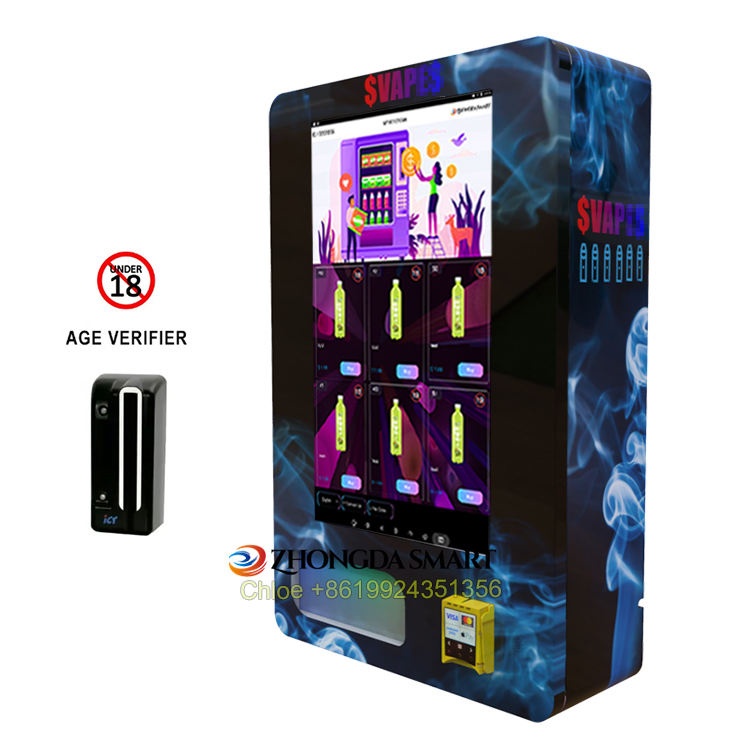
I have personally deployed all three. The ID scanner with optical character recognition (OCR) is the workhorse. It reads the barcode on the back of a driver’s license, extracts the birth date, and compares the photo to a live camera feed. Our age verification vending machine uses a variant of this system that also checks the ID against a database of known fraudulent documents. In 2024, we caught 43 fake IDs across 12 machines in Florida alone.
Biometric Systems Are Overkill for Most Locations
I installed a biometric system in a high-end lounge in London in 2022. The fingerprint scanner added 4 seconds to each transaction, and customers complained constantly. The location manager asked us to disable it after six weeks. Unless you are in a jurisdiction that specifically requires biometrics—which is rare—stick with a good ID scanner. It is faster, cheaper, and customers are already used to showing ID at a bar or store.
Mobile App Verification Is Growing Fast
For locations where customers are younger and tech-savvy, like college town vape shops, a mobile app that scans the ID through the phone camera and generates a one-time QR code works well. The downside is that it requires the customer to download an app, which creates friction. In our deployment at a university-area shop in Austin, only 62% of customers used the app. The rest walked away. We switched to a dedicated scanner and sales increased by 28%.
How to Structure Your Profit Model Around Compliance
A compliant vending machine costs more upfront, but it protects your revenue stream. A non-compliant machine is a ticking liability. Here is the profit model I use when advising new operators, based on actual data from 34 machines we have running in the U.S. and Europe.
| Cost Category | Amount (USD) | Notes |
|---|---|---|
| Machine cost (compliant, with scanner) | $4,500–$7,200 | Includes ID scanner, camera, secure enclosure |
| Location placement fee | $0–$500/month | Negotiable; many locations accept free placement for a revenue split |
| Average sale per transaction | $14.50 | Disposable vapes and pods, 2024 average |
| Transactions per day (high-traffic location) | 18–35 | Based on bars and convenience stores |
| Monthly gross revenue | $7,830–$15,225 | At 18–35 transactions/day, $14.50 average |
| Product cost (COGS) | 55% of revenue | Wholesale pricing for popular brands |
| Location commission | 10–20% of gross | Standard split in the industry |
| Monthly net profit | $2,100–$4,800 | After all costs except machine depreciation |
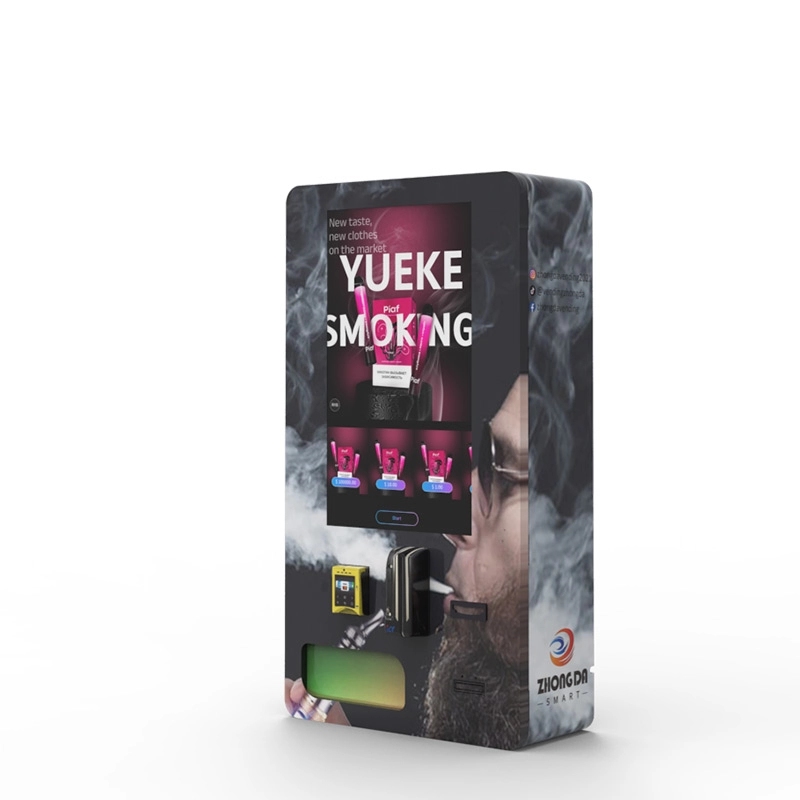
I have seen operators try to save money by buying a used machine without a scanner and adding a cheap third-party unit. Every single one of those installations had compliance issues within the first year. The scanner must be integrated with the payment system so that the transaction cannot complete unless the age check passes. A standalone scanner that just flashes a green light is not enough. Our compliant e-cigarette vending machine has the scanner hardwired into the control board. If the ID fails, the payment terminal locks.
Revenue Split vs. Fixed Rent: What Works
In my experience, a revenue split of 15% for the location owner works better than a fixed monthly rent. Fixed rent creates a adversarial relationship—if the machine breaks down, the location owner still wants their money. With a split, they are incentivized to keep the area clean and well-lit. I have a location in Chicago where the bar owner wipes down the machine every night because his cut depends on sales. That kind of partnership is invaluable.
Real Deployment Experience: What Goes Wrong and How to Fix It
I want to share three specific failures I have witnessed, because they cost real money and could have been avoided with better planning.
Failure 1: The Wrong Location for a Wall-Mounted Unit
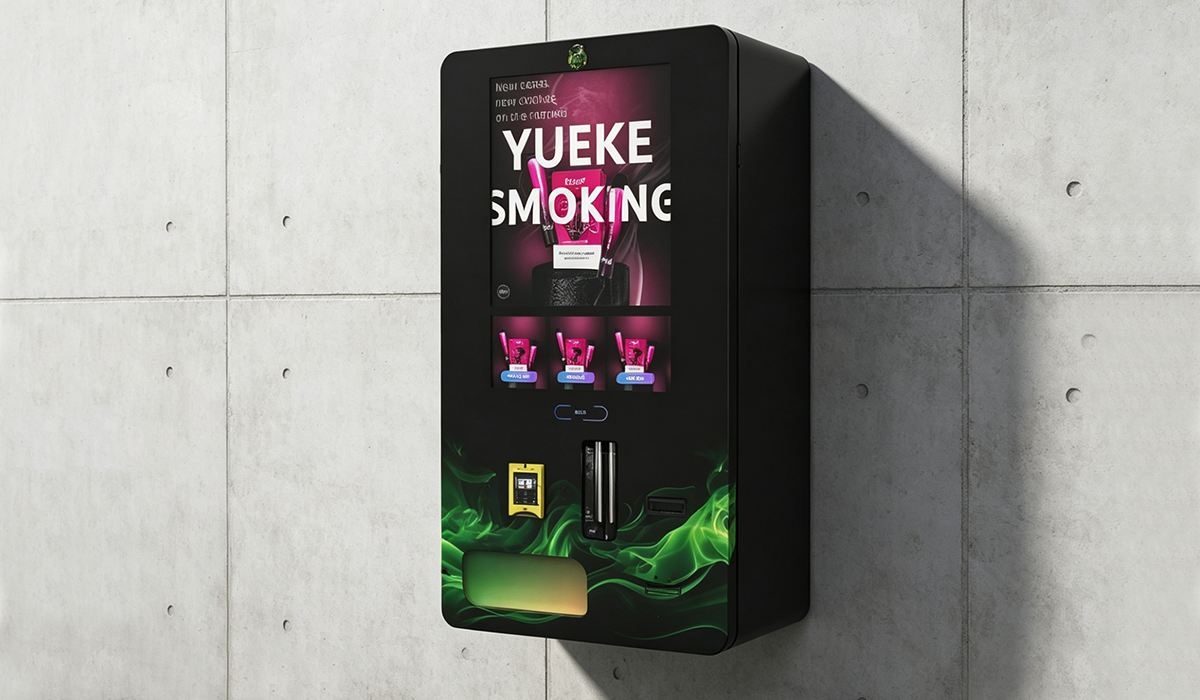
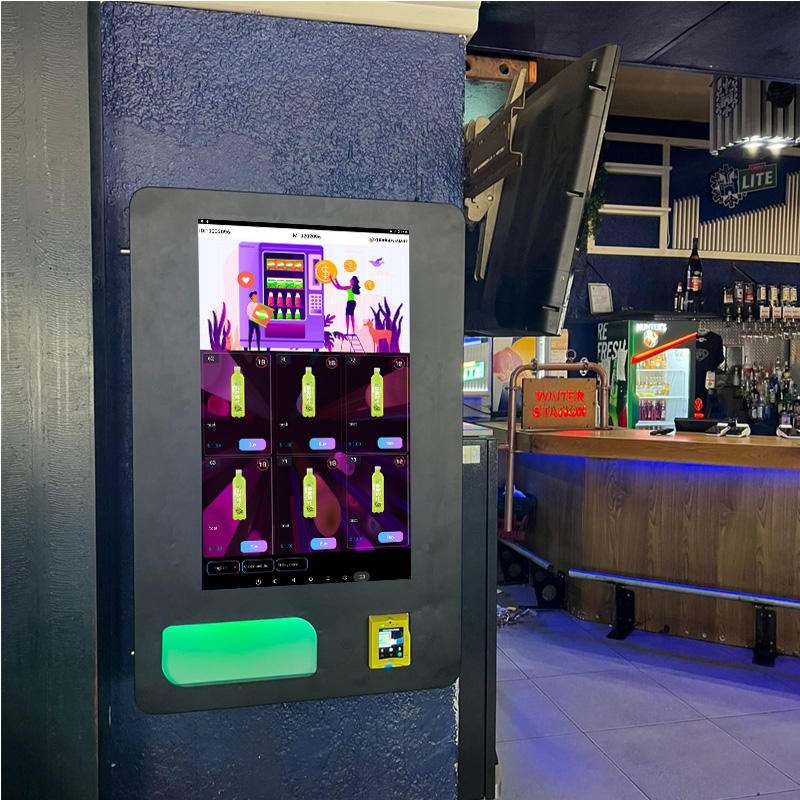
In 2021, we installed a wall-mounted e-cigarette vending machine in a small convenience store in Atlanta. The location seemed perfect—high foot traffic, mostly adult customers. But the store had a narrow aisle, and the machine was placed near the entrance where the sun hit the screen directly. Within three months, the touchscreen developed a ghost-touch issue because of heat buildup. We had to replace the screen. The lesson: wall-mounted units need a shaded, temperature-controlled environment. Direct sunlight kills the electronics faster than anything else.
Failure 2: The Scanner That Could Not Read Vertical IDs
I mentioned this earlier, but it deserves repetition. Many scanners on the market are designed for horizontal IDs. In the U.S., about 35% of IDs under the age of 25 are vertical (under-21 format). If your scanner cannot read a vertical ID, you are effectively blocking a huge portion of your legal customer base. We switched to a scanner that uses a wide-angle lens and software that auto-rotates the image. That single change increased our acceptance rate by 22%.
Failure 3: Ignoring the Log Retention Requirement
An operator in Nevada lost his license because his machine only stored transaction logs for 30 days. The state requires a minimum of 2 years. When the compliance officer came for an audit, the machine could not produce records for a sale that happened 14 months earlier. The operator had to shut down. Every machine we now manufacture stores logs on a local SD card and also uploads them to a cloud server. The cloud backup is critical because if the machine is stolen or damaged, you still have the records.
How to Choose a Manufacturer That Understands Compliance
Not all vending machine manufacturers build for compliance. I have seen machines from generic Chinese factories that ship without any age verification hardware, leaving the buyer to figure it out. That is a recipe for disaster. When you evaluate a manufacturer, ask for three things:
- A list of jurisdictions where their machine has been certified. If they cannot provide a certification letter from a state tobacco control board or a EU Notified Body, walk away.
- A demonstration of the transaction log. The log should show the date, time, ID number, and a photo of the buyer. If the log is just a timestamp, it is insufficient.
- A written warranty that covers the scanner and camera. These components fail more often than the vending mechanism. Our warranty covers them for 2 years, and we stock spare parts in our warehouse for next-day shipping.
At Zhongda Smart, we have been building vending machines for 15 years, and we have a dedicated compliance team that monitors regulatory changes in every state and EU country. When a new law passes in a state like Colorado or a country like Germany, we update the machine firmware remotely. That is the level of support you need if you are serious about this business. You can see our full range of compliant machines on our Vape Vending Machines page.
The Cost of Non-Compliance Is Higher Than the Cost of a Good Machine
I have a customer in New York who bought a cheap machine for $2,800 from an online marketplace. The machine had no age verification built in. He added a $200 handheld scanner that the customer had to use before the machine would vend. Within six months, the New York State Department of Health did a sting operation. An underage decoy walked up, the scanner was not working properly, and the machine vended a pod. The fine was $8,500, plus legal fees. He ended up buying a proper machine from us for $6,200. The total cost of his mistake was over $15,000. Do not make that same error.
Long-Term Maintenance and Firmware Updates
Age verification requirements change. A machine that is compliant today may not be compliant next year. For example, in 2023, the state of Washington started requiring that the machine check the ID against a real-time database of suspended licenses. Machines that only did a static barcode scan were suddenly non-compliant. We pushed a firmware update to all our machines in Washington within 48 hours. If your manufacturer does not offer remote firmware updates, you are buying a machine with an expiration date.
I recommend budgeting $300–$500 per year per machine for ongoing software maintenance and compliance monitoring. That covers firmware updates, database access for ID verification, and remote diagnostics. It is a small price to pay for staying legal.
FAQ: Age Verification for E-Cigarette Vending Machines
What is the minimum age required to buy from an e-cigarette vending machine?
The federal minimum age in the United States is 21. In the European Union, the minimum age varies by country but is typically 18. The machine must verify the buyer's age using a government-issued ID before completing the sale.
Can I use a simple button that says 'I am over 21' instead of a scanner?
No. A simple button does not satisfy regulatory requirements in any U.S. state or EU country. You must use an electronic verification system that scans a physical ID and records the transaction. Using a button alone exposes you to fines and license revocation.
How long do I need to keep transaction logs?
Most states require a minimum of 2 years. Some states, like California, require 3 years. The log should include the date, time, ID number, and a photograph of the buyer. Cloud backup is recommended to prevent data loss.
What happens if the ID scanner fails during a transaction?
The machine should be programmed to refuse the transaction. A compliant machine will not vend if the scanner cannot read the ID or if the ID fails verification. You should have a maintenance plan in place to repair the scanner within 48 hours.
Do I need a different machine for the US and Europe?
The hardware can be the same, but the firmware and verification database must be configured for the local market. US machines need to check against state DMV databases, while EU machines need to check against national ID databases. A good manufacturer can provide a single machine with region-specific firmware.
Sources: FDA Retailer Violation Rates (2023), Tobacco 21 Federal Law, EU Tobacco Products Directive (2014/40/EU), California Business and Professions Code Section 22960.4, New York State Department of Health Tobacco Control Program.