After spending the better part of the last decade deploying vending solutions across the US and Europe, I can tell you that the single biggest operational headache we see operators face isn't inventory or machine jams—it's compliance. Specifically, the choice between an ID scanner vape vending machine and relying on manual age checks. I have seen too many business owners lose their shirts because they trusted a bartender to card properly, or bought a cheap machine that couldn't read a vertical license. The hard truth is that an automated system with a built-in scanner isn't just a luxury; it is the only way to build a scalable, defensible business that regulators and law enforcement won't shut down.
The Core Difference: Automation vs. Human Judgment
Let's strip away the marketing fluff. A manual age check means a human employee—a cashier, a bar manager, a store clerk—looks at an ID and makes a call. The problem is that humans get tired, get distracted, get pressured by friends, or simply make mistakes. I have personally walked into locations where the staff on duty could not legally buy a beer themselves, yet they were responsible for checking IDs for nicotine products. That is a lawsuit waiting to happen.
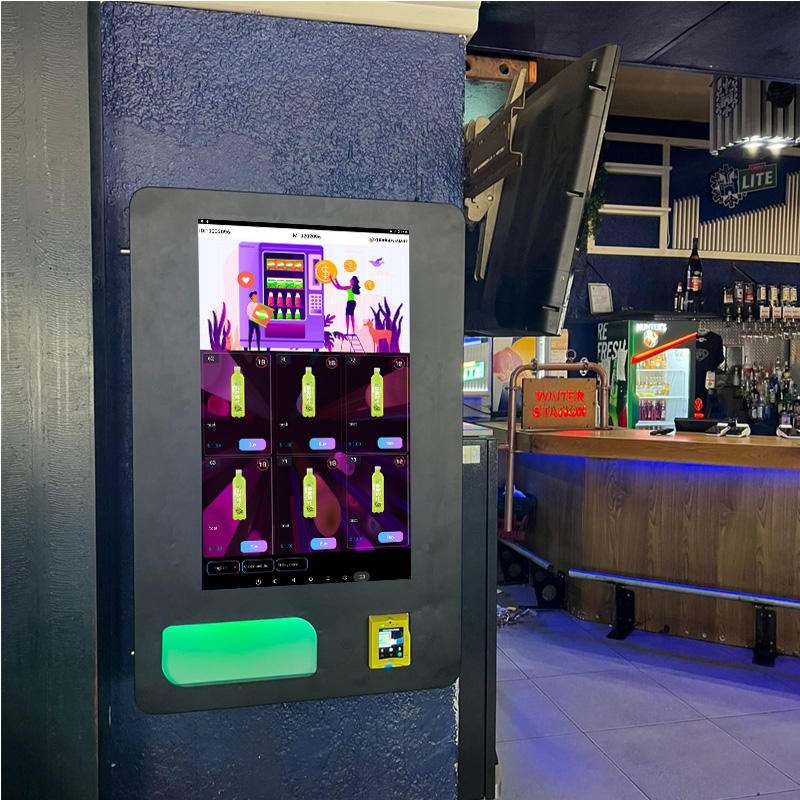
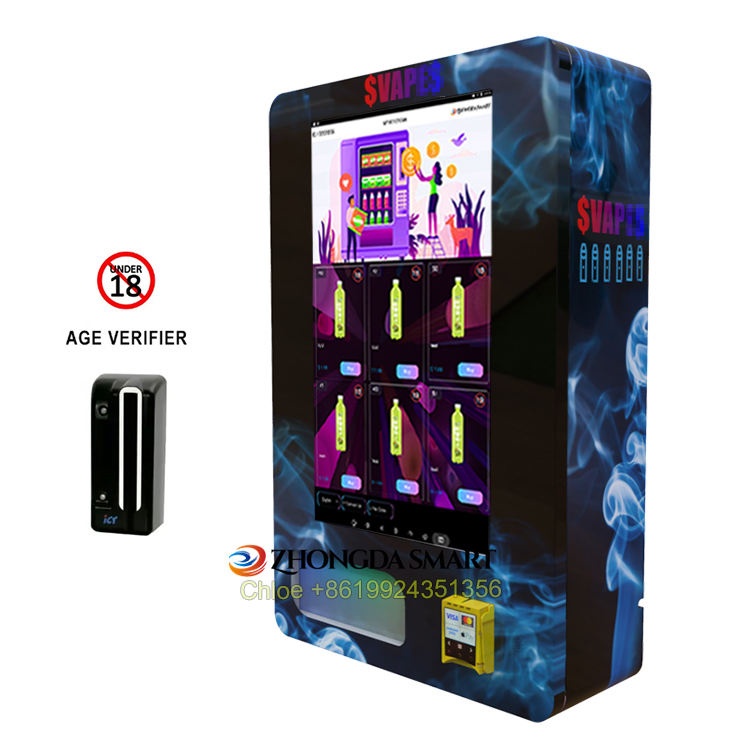
An ID scanner vape vending machine, on the other hand, removes the human variable. It uses a hardware scanner to read the barcode, magnetic stripe, or even the 2D barcode on the back of a driver's license. It validates the date of birth, checks the ID against a database of known fraudulent formats, and often logs the transaction for audit purposes. This is not about being lazy; it is about being legally bulletproof.
Why Manual Checks Fail in Real-World Operations
I remember a case in Florida where a chain of smoke shops got hit with a massive fine. The state sent in underage decoys, and three out of five locations sold to them because the cashier "thought they looked old enough." That is not a risk you can insure against. Manual checks are also incredibly slow during peak hours. If you have a line of ten people waiting to buy a disposable vape, the employee is going to rush the ID check. Rushing leads to mistakes.
Furthermore, manual checks create a liability chain. If an employee fails to card, the business owner is on the hook. With an automated system, the machine makes the decision. It does not have a bad day. It does not get bribed. It does not forget to check the expiration date. For any serious operator looking at high-traffic locations like bars, lounges, or convenience stores, the manual route is a ticking time bomb.
How the Technology Actually Works in the Field
I have been in the manufacturing side for over 15 years, and I have seen the technology evolve from simple barcode readers to sophisticated multi-spectral imagers. A modern ID scanner vape vending machine does not just read the text on the card. It verifies the physical security features of the ID—things like UV patterns, microprinting, and holographic overlays. This is critical because fake IDs are better than ever. A kid can buy a perfect replica of a Michigan license online for fifty bucks.
The machine cross-references the birth date against the current date to calculate age. If the customer is under the legal age (typically 21 in the US, 18 in parts of Europe), the transaction is blocked instantly. The machine also checks for ID expiration. I have seen machines reject perfectly valid IDs simply because they were expired, which is a legal requirement that many human cashiers ignore.
Data Logging and Compliance Audits
One of the biggest hidden advantages of automation is the data trail. Every single attempted purchase is logged. You get a record of the time, the product selected, and the ID data (minus the sensitive personal info if you are smart about privacy). If a regulator walks in and asks to see your compliance records, you can pull up a report from the machine. You cannot do that with a manual check unless you have a camera system and a dedicated employee reviewing footage. This data is your best friend in a legal dispute.
| Feature | Manual Age Check | ID Scanner Vape Vending Machine |
|---|---|---|
| Speed of transaction | Slow (30-60 seconds per person) | Fast (5-10 seconds) |
| Error rate (human/fake ID) | High (10-20% in busy settings) | Very low (<1% with quality scanner) |
| Compliance audit trail | None (relies on human memory) | Full digital log |
| Operational cost (labor) | High (requires paid staff) | Low (self-service) |
| Liability risk | High (human error) | Low (machine enforced) |
| Scalability | Hard (need more staff) | Easy (add more machines) |
Cost Structure: The Real Investment Breakdown
I get asked about pricing every single day. A basic manual operation might seem cheaper because you are just paying a cashier minimum wage. But let's run the numbers. A cashier costs you about $15 per hour (including payroll taxes and insurance) in most US states. For a location open 16 hours a day, that is $240 per day just in labor for one person. Over a year, that is over $87,000. That is just the salary.
Now compare that to a commercial-grade ID scanner vape vending machine. You are looking at an upfront investment that ranges from $4,000 to $8,000 depending on the features—screen size, storage capacity, scanner quality. But that is a one-time cost. The machine works 24/7 without overtime, without breaks, and without the risk of a lawsuit. The ROI is usually realized within 3 to 6 months if you are in a decent location.
Hidden Costs of Manual Systems
- Training costs: You have to train every new hire on ID checking procedures. Most operators do this poorly.
- Legal fees: The average fine for selling to a minor can be anywhere from $500 to $10,000 per incident. Lawyers cost more.
- Lost sales: If your staff is busy checking IDs, they are not stocking shelves or helping other customers.
- Shrinkage: Manual systems are easier to bypass for employee theft.
Profitability and Revenue Models That Work
I have seen operators make a killing with the right setup. The key is not just selling the hardware; it is understanding the location. A machine placed in a busy vape shop that is already carding customers is a waste. But a machine placed in a hotel lobby, a nightclub, or a gas station that does not want to deal with the liability of selling nicotine products directly—that is gold.
The profit margins on vape products are high. A disposable vape that costs you $6 wholesale can retail for $15 to $20. If your machine does 20 transactions a day at an average of $12 profit per sale, that is $240 per day in gross profit. After electricity, credit card fees, and restocking, you are looking at a net profit of $5,000 to $6,000 per month per machine. That is not a side hustle; that is a serious business.
Location Strategy for Maximum ROI
From my experience, the best locations for a self-service kiosk with age verification are venues where the staff is already overwhelmed. Think about a busy nightclub with a line out the door. The bouncer is checking IDs for entry, but they are not responsible for every sale inside. A vending machine with a scanner allows the club to offer a service without adding to the bartender's workload. I have deployed units in hotels in Texas that generate more revenue than the on-site convenience store.
For more detailed insights on placement, you can look at our case study on vape vending machines for bars and clubs. It covers the specific logistical challenges of high-volume nightlife environments.
Risk Management and Failure Cases You Need to Know
Let me be blunt: I have seen companies fail because they bought the wrong machine. They bought a cheap unit with a basic optical scanner that could not read a vertical ID or a passport. The machine would accept an expired license or a fake ID with a poorly printed barcode. That is not a machine; that is a liability magnet.
Another common failure is software. Some machines run on outdated firmware that cannot be updated. When a state changes its ID format (which happens often), the machine becomes useless. You need a unit that supports remote firmware updates. This is not a nice-to-have; it is a necessity.
What Happens When the Scanner Fails
I had a client in Ohio who bought a low-end machine. The scanner stopped reading IDs after three months. The operator had to switch to a manual override mode, which defeated the entire purpose of the investment. He got fined by the state during a compliance check because the override log showed sales without proper verification. He ended up scrapping the machine and buying a proper unit from us. The lesson is simple: do not compromise on the scanner module. It is the heart of the machine.
Technical Specifications to Look For
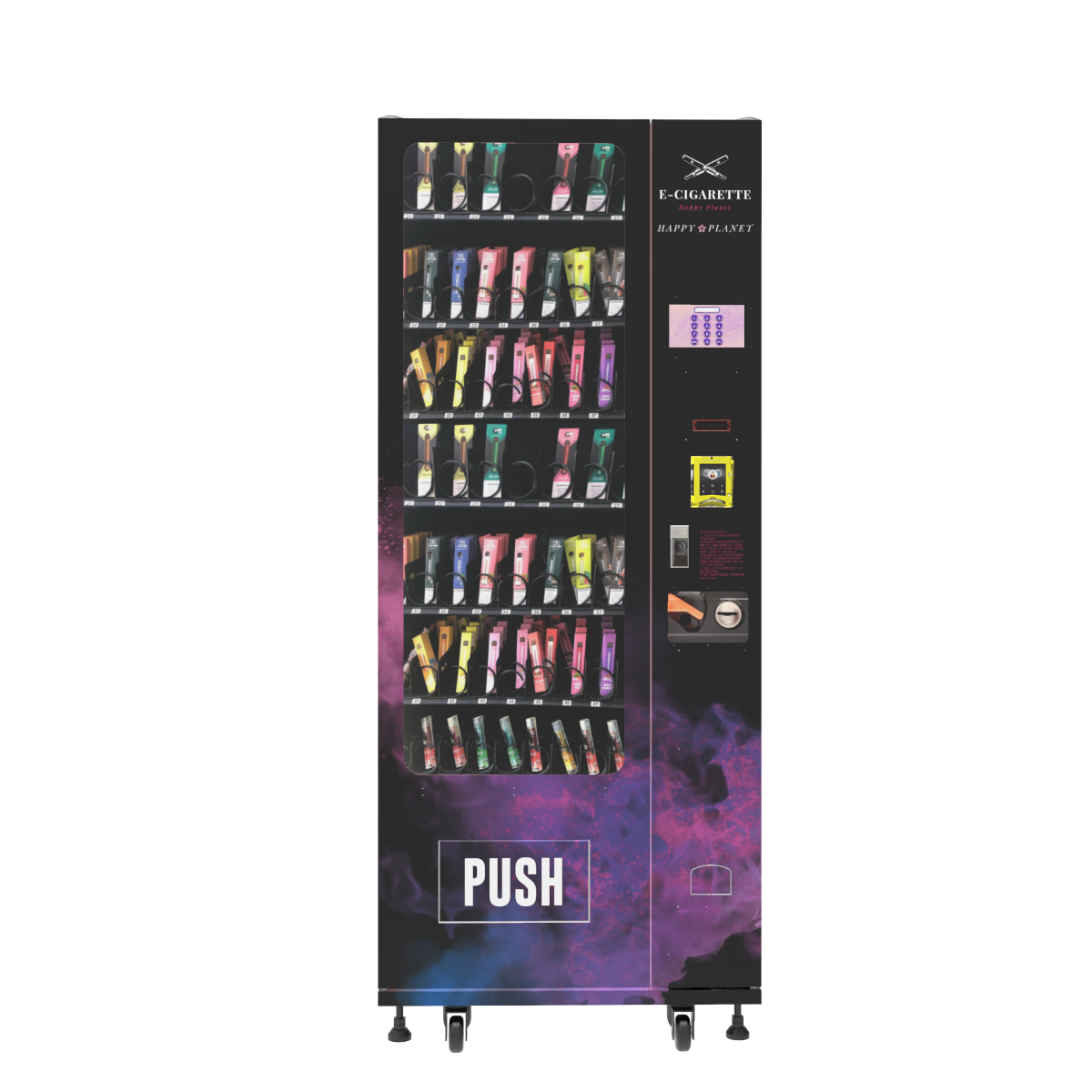
When you are evaluating equipment, do not just look at the price tag. Look at the scanner. You want a 2D imager that can read the PDF417 barcode found on the back of US driver's licenses. You also want support for magnetic stripe reading. The machine should be able to parse the data from the ID to extract the birth date, expiration date, and issue date. It should also check for the "under 21" vertical format that many states use.
The enclosure also matters. A machine that sits in a humid bar or a dusty warehouse needs to be rated for that environment. Look for a unit with a sturdy steel frame and a weather-resistant coating. You do not want a machine that looks like a toy. It needs to look professional and secure.
Integration with Payment Systems
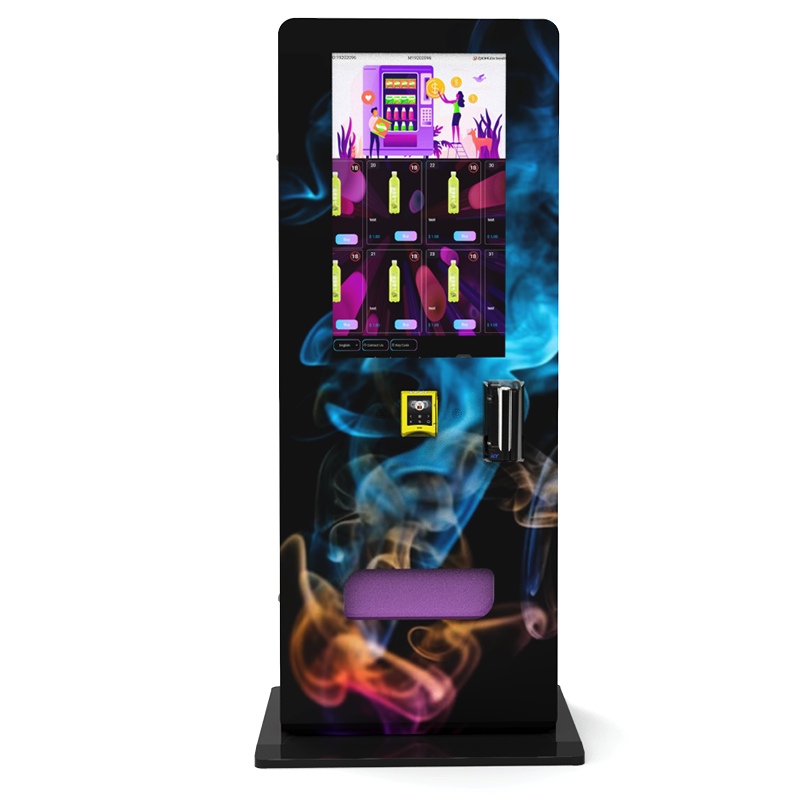
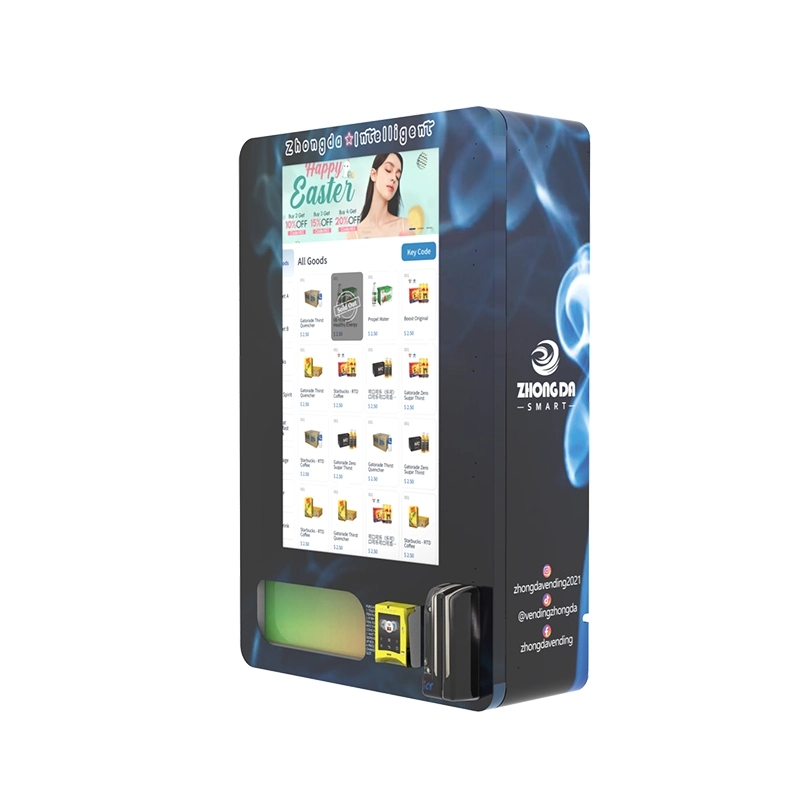
A modern ID scanner vape vending machine must integrate seamlessly with credit card readers and cashless payment systems. Most of my clients report that over 80% of their transactions are cashless. The machine needs to handle EMV chip cards, NFC payments like Apple Pay and Google Pay, and traditional magstripe swipes. The payment terminal should be certified by the major card networks. We offer a range of options on our age verification vending machine page that covers these integrations.
Long-Term Maintenance and Operational Strategy
You cannot just install a machine and forget about it. These are electromechanical devices. They need maintenance. The scanner lens needs to be cleaned regularly to prevent dust from interfering with reads. The vending coils or trays need to be lubricated. The software needs to be updated. I recommend a monthly maintenance schedule. If you are deploying a fleet of machines, budget for one service call per machine every 60 to 90 days.
Inventory management is another critical piece. You need to know what is selling and what is sitting. A smart vending machine with telemetry can send you a report every morning showing sales data, inventory levels, and error codes. This allows you to optimize your product mix. I have seen operators double their revenue just by swapping out slow-moving flavors for popular ones.
Scaling Your Operation
Once you have one machine running profitably, the temptation is to scale fast. Do not do that. I recommend running a single machine for at least three months to understand the operational rhythm. Learn how to restock efficiently. Learn how to handle customer complaints. Learn how to deal with the local regulatory agency. Then, and only then, start looking at a second location. I have seen too many people buy ten machines at once and then realize they have no idea how to manage the logistics.
Expert Advice from the Factory Floor
As a manufacturer, I have a unique perspective. I see what machines come back for repairs. I see what components fail. I see what operators complain about. The number one complaint I hear is about connectivity. If your machine relies on a cellular modem to process credit card transactions, you need a strong signal. I always recommend testing the cellular reception at the installation site before bolting the machine down. You can use a signal booster if needed, but it is easier to just pick a different spot.
The second piece of advice is about the user interface. The touchscreen needs to be responsive and bright enough to be read in direct sunlight if the machine is near a window. A dim or laggy screen will frustrate customers and kill sales. Our units use industrial-grade screens that are rated for 24/7 operation. You can see the specifications on our compliant e-cigarette vending machine page.
Regulatory Landscape and Compliance
The laws are not uniform. In the US, the FDA has specific requirements for age verification for nicotine products. Some states, like California, have even stricter rules. You need a machine that can be configured to enforce different age limits based on location. Our machines have a geo-fencing feature that allows you to set the age limit per machine. This is essential if you are deploying across state lines.
In Europe, the rules vary by country. The UK allows vending machines in adult-only venues, but France requires a specific type of certification. A good manufacturer will help you navigate these requirements. Do not trust a supplier who tells you "one machine fits all." That is a lie. We have different configurations for different markets, which you can explore on our ID scan vending machine product page.
Comparison Table: Automated vs. Manual in Different Scenarios
| Scenario | Manual Check | ID Scanner Vape Vending Machine |
|---|---|---|
| Small convenience store (low traffic) | Works, but risky | Overkill unless high liability |
| Nightclub or bar (high traffic) | Very risky, slow | Ideal, fast and compliant |
| Hotel lobby (24/7 access) | Not feasible without staff | Perfect solution |
| Vape shop (high volume) | Common, but high labor cost | Good for after-hours sales |
| Event or festival (temporary) | Difficult to train staff | Excellent, plug-and-play |
Final Thoughts on Investment
I have been doing this long enough to know that the market is moving toward full automation. The cost of labor is going up. The regulatory fines are getting bigger. The technology is getting cheaper and more reliable. If you are serious about selling vapes through a self-service model, the ID scanner vape vending machine is the only viable path forward. It protects your business, it satisfies the regulators, and it makes you money while you sleep.
Do not cut corners on the scanner. Do not buy a machine that cannot be updated. Do not think that a manual check is "good enough." I have seen the lawsuits. I have seen the fines. I have seen businesses close because of one bad transaction. The upfront cost of a quality machine is an insurance policy against all of that.
Frequently Asked Questions
Can an ID scanner vape vending machine read a passport?
Yes, most high-end machines with a 2D imager can read the machine-readable zone (MRZ) of a passport. However, you need to confirm this with the manufacturer. Not all scanners are created equal. Our machines are configured to read passports, military IDs, and out-of-state licenses.
What happens if the scanner fails during a transaction?
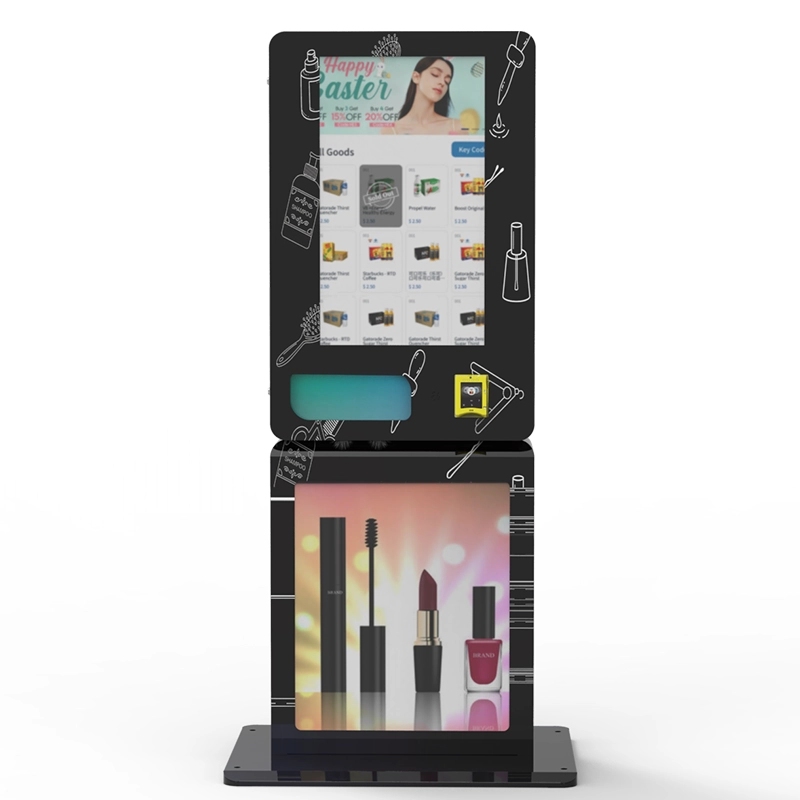
The machine should have a fail-safe mode that rejects the sale. You never want a manual override option that bypasses the age check. If the scanner fails, the machine should display an error and instruct the customer to see a staff member or try again later. This protects you from liability.
How often do I need to update the scanner software?
It depends on the manufacturer. Some push updates automatically via a cellular connection. Others require manual downloads. I recommend checking for updates every quarter to ensure your machine can read the latest ID formats. States change their designs regularly.
Is it legal to use a vending machine for vapes everywhere?
No. You must check local laws. Some municipalities ban all nicotine vending machines. Others allow them only in age-restricted venues. A good machine with a scanner does not make it legal to place the machine anywhere. You still need to comply with zoning and licensing laws. I suggest consulting with a local attorney before deploying.
What is the average lifespan of an ID scanner vape vending machine?
With proper maintenance, a commercial-grade machine should last 7 to 10 years. The scanner module may need replacement after 3 to 5 years depending on usage. The vending mechanism (coils or trays) are mechanical and will wear out eventually. But the steel frame and electronics are built to last.
Sources and References
The data and insights in this article come from my direct experience operating and manufacturing these machines over the last 15 years. For broader industry context, I recommend reviewing the following sources:
- Statista - Vending Machines Market Overview - For market size and growth trends.
- FDA - Age Verification for Tobacco Products - For federal compliance requirements.
- IBISWorld - Vending Machine Operators Industry Report - For financial benchmarks and operational costs.
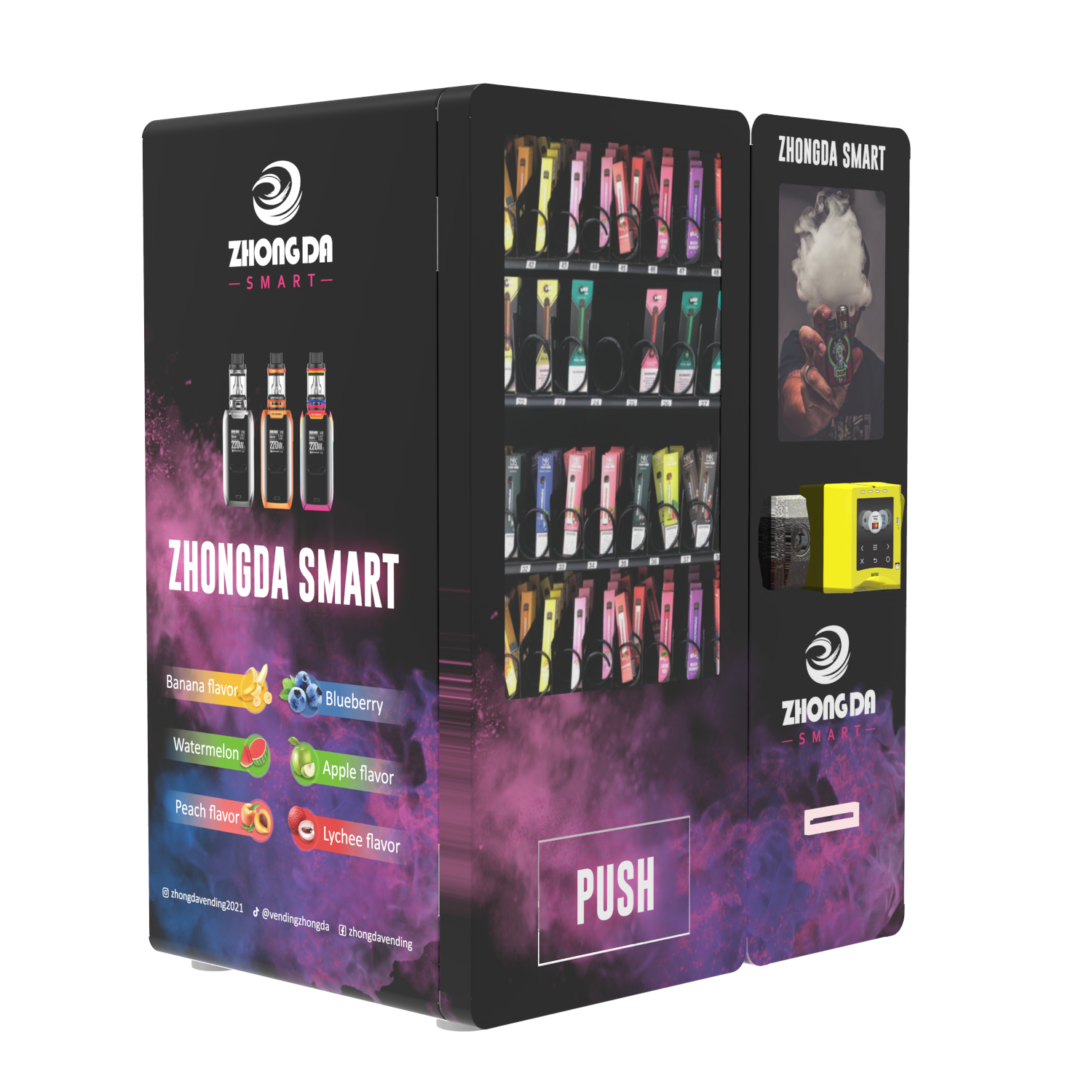
For specific technical details on our machines, please visit our main vape vending machine product page or contact our team through the contact page.