If you’re serious about getting into this space, the first number you need to know is this: a commercial-grade vape vending machine typically costs between $3,500 and $12,000 per unit, depending on features like age verification, refrigeration, and inventory capacity. That’s the short answer. The long answer—covering why prices vary so much, what you actually get for your money, and how to avoid losing your shirt—is what this guide is about.
Breaking Down the Hardware Cost
Let’s start with the machine itself. I’ve been building these units for over a decade, and I can tell you the price isn’t random. It’s driven by three things: the cabinet build, the dispensing mechanism, and the control system.
Entry-Level Machines ($3,500 – $5,500)
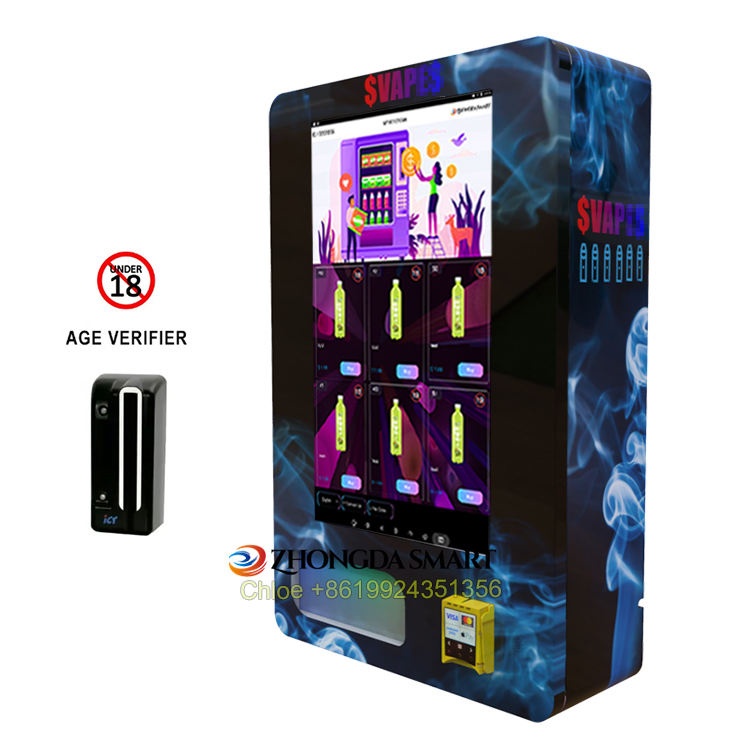
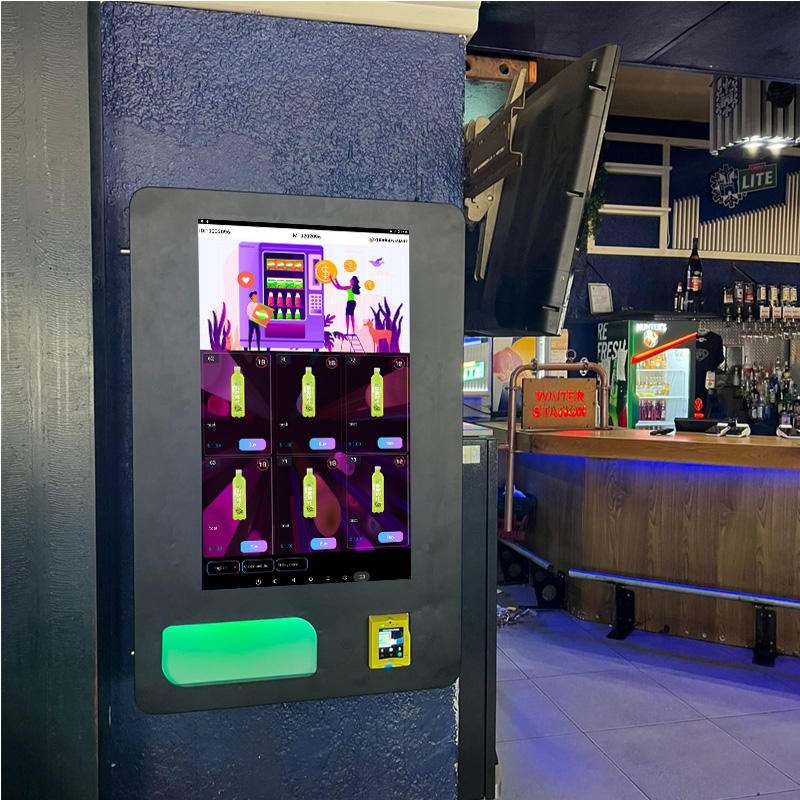
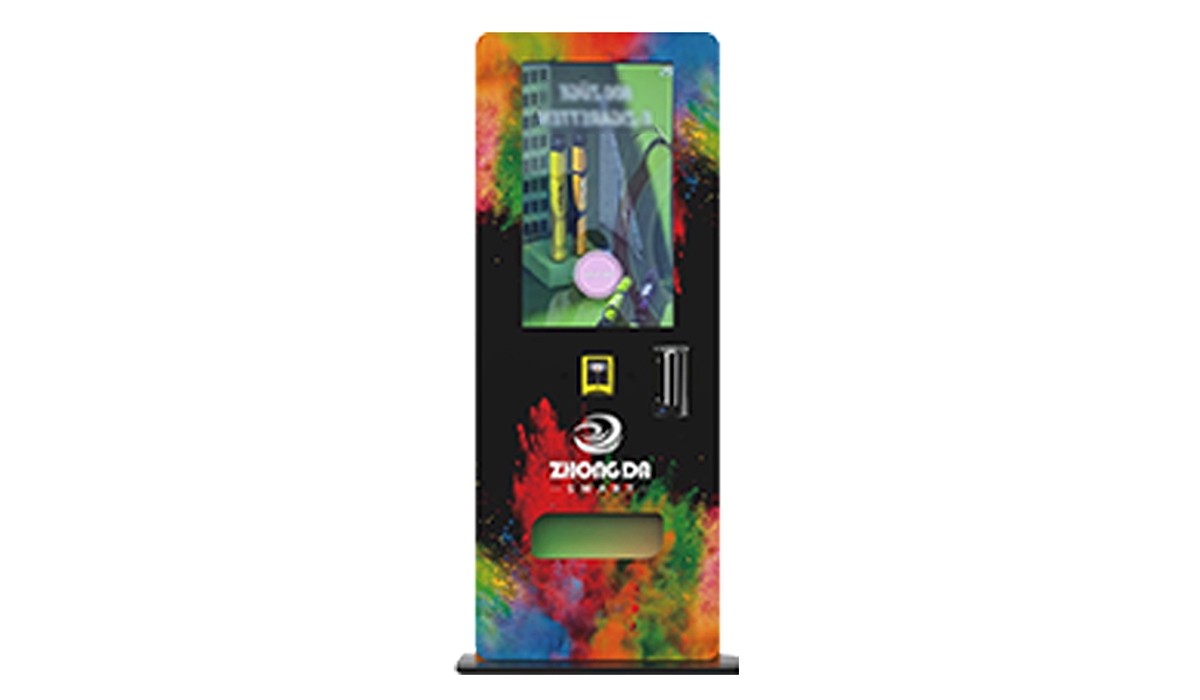
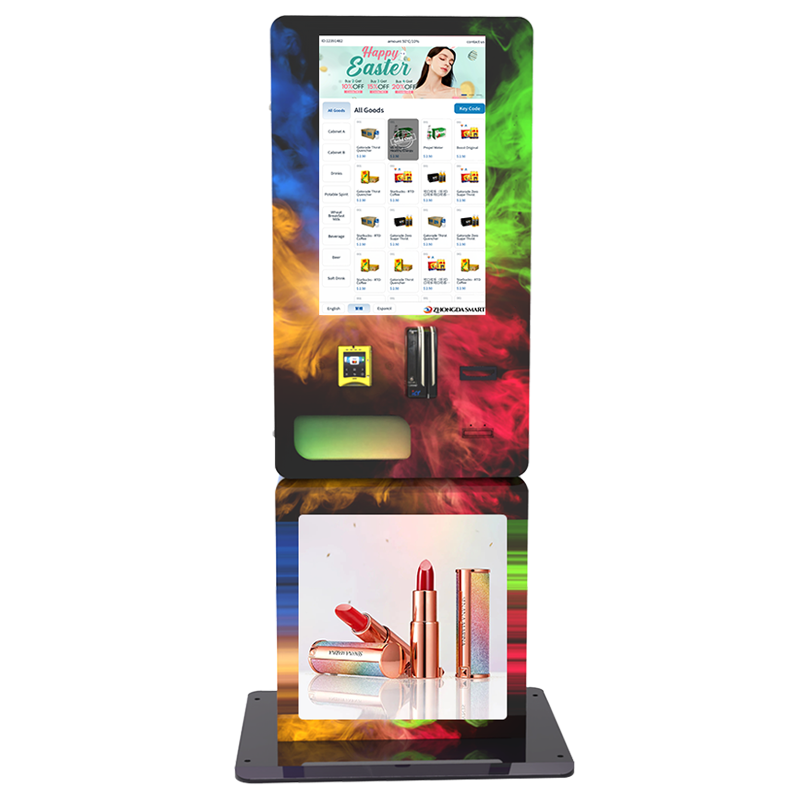
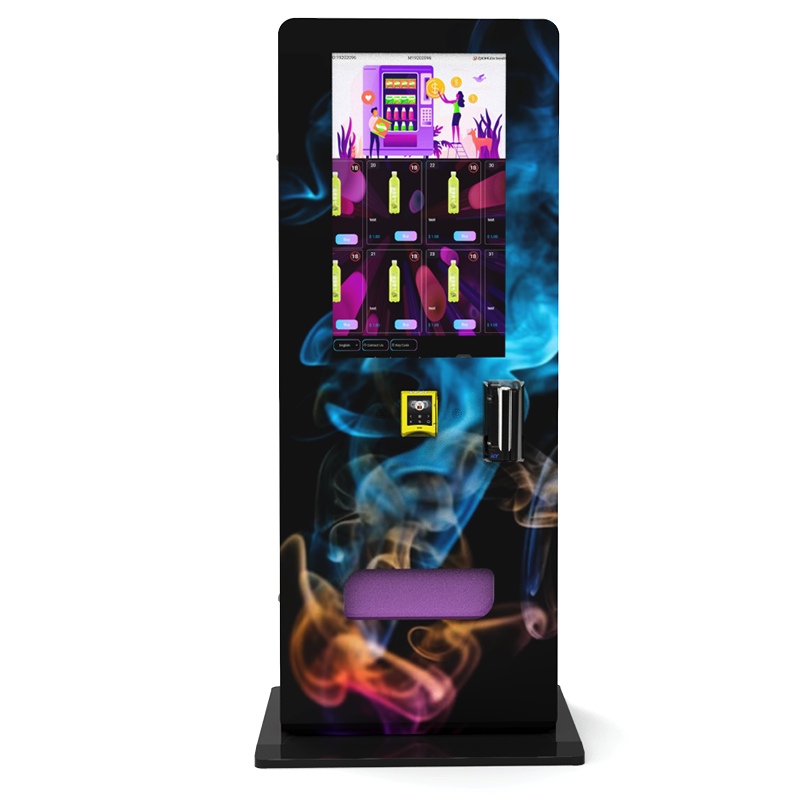
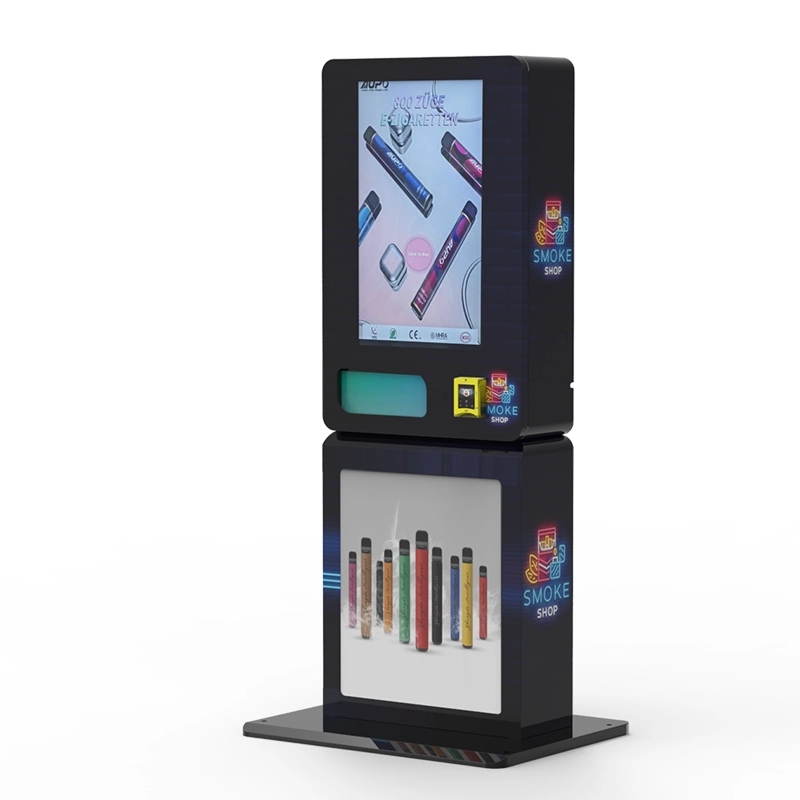
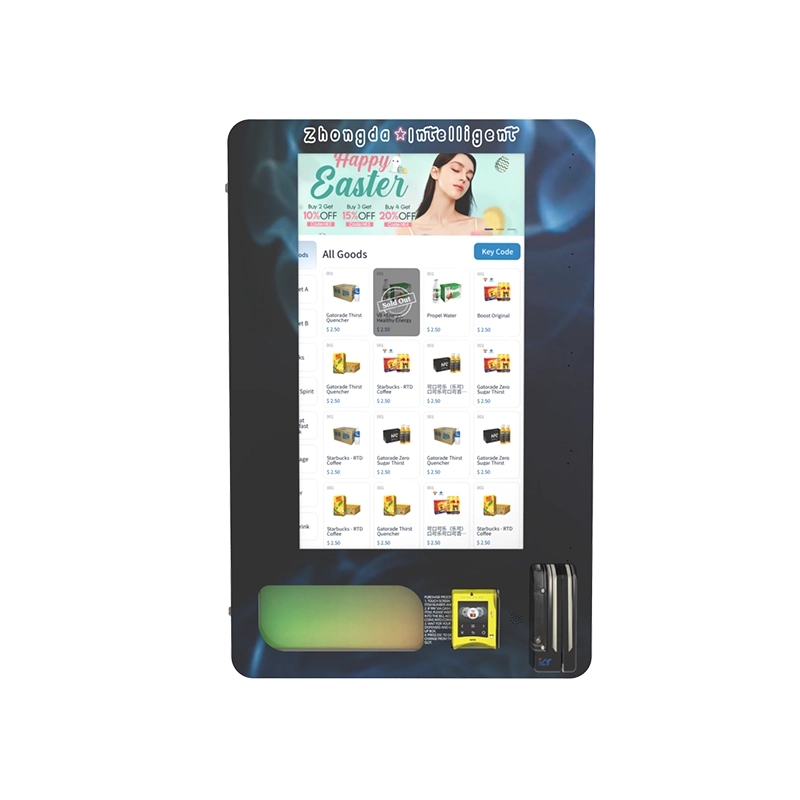
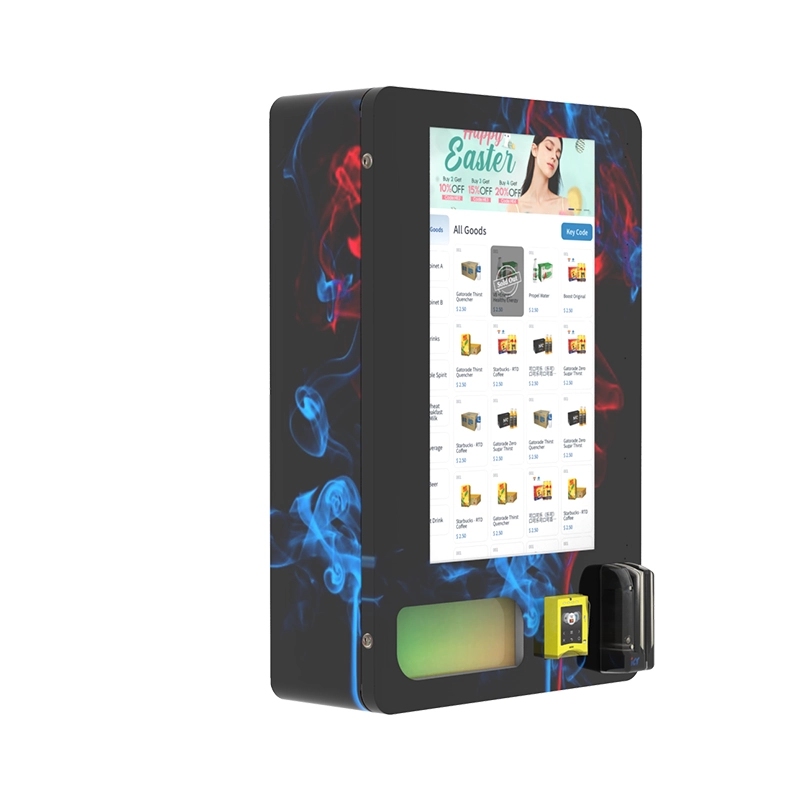
These are typically wall-mounted units or compact countertop models. They hold around 50 to 80 units of product. You’ll get basic coil-based dispensing, a simple touchscreen, and no refrigeration. These work well for low-traffic spots like a small smoke shop or a private lounge. But they lack the heavy-duty components needed for 24/7 operation in a busy bar.
Mid-Range Machines ($6,000 – $9,000)
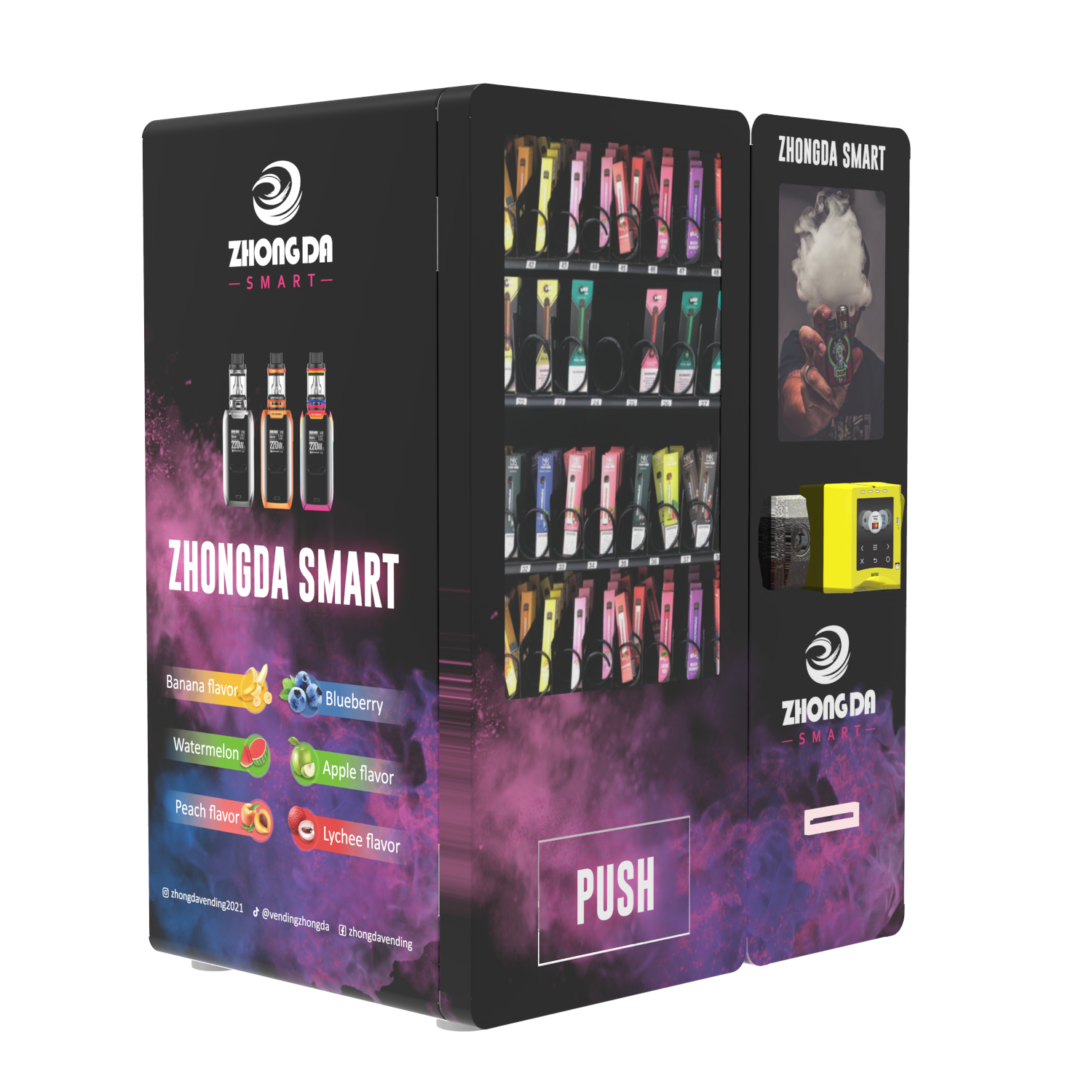
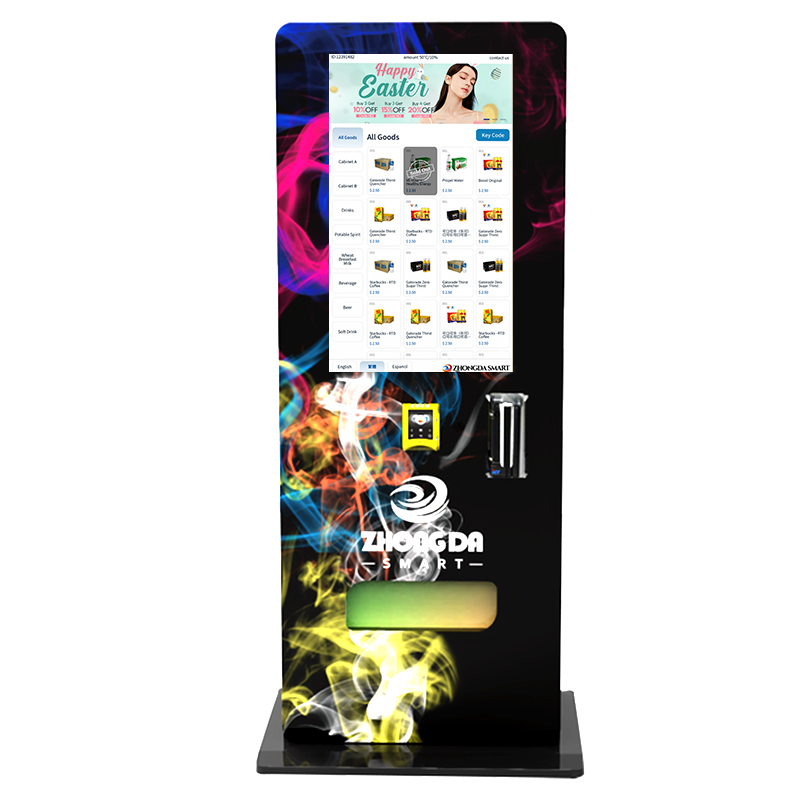
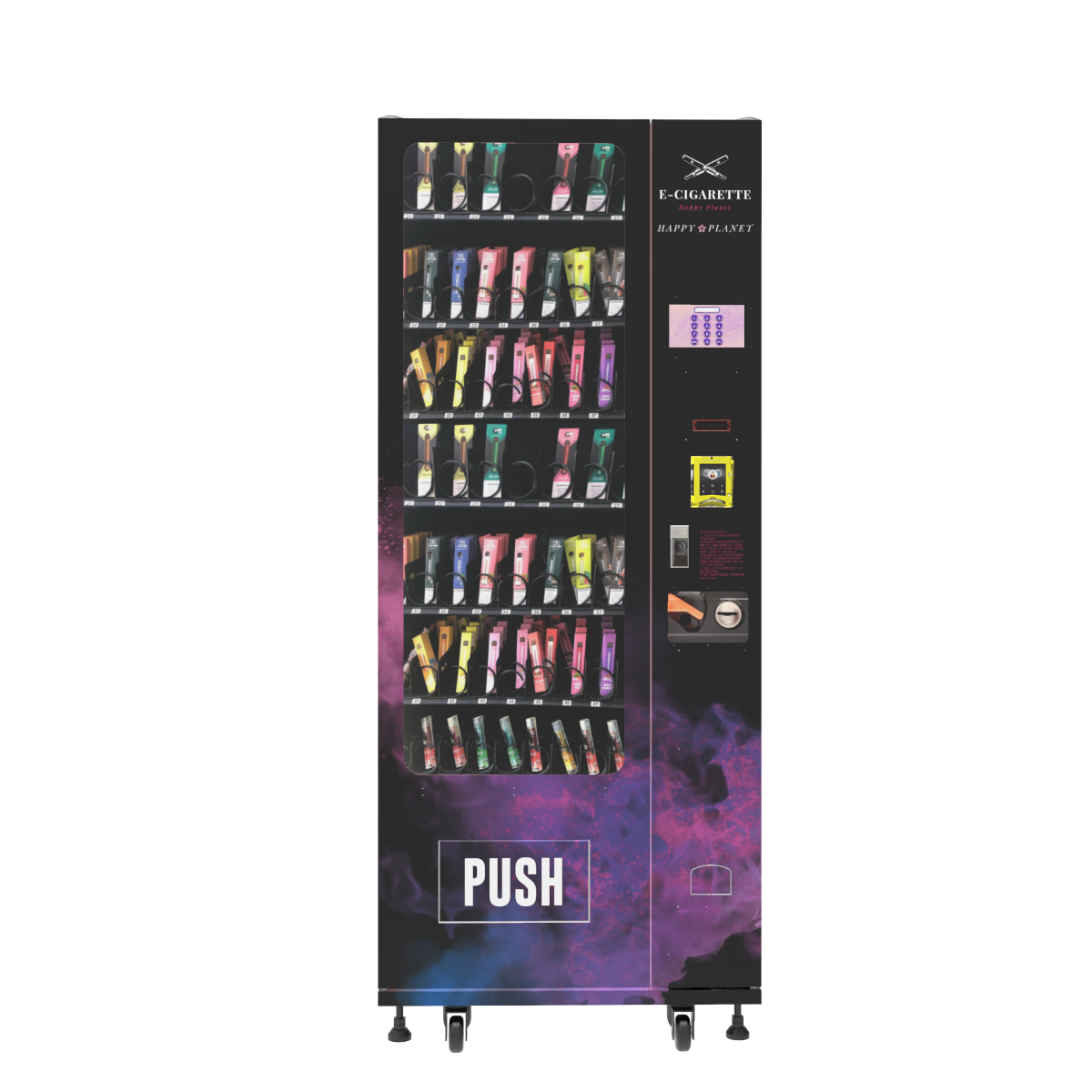
This is the sweet spot for most operators. You’re looking at a floor-standing unit with a capacity of 100 to 200 products. These come with a proper cooling system (vape juice degrades in heat), a 21-inch or larger touchscreen, and basic age verification via ID scan. The build quality is industrial-grade steel, not just painted sheet metal. I’ve seen these units run for five years without a major service call.
High-End Machines ($10,000 – $12,000+)
These are the heavy lifters. They hold 300+ items, have dual refrigeration zones (one for nicotine salts, one for disposables), biometric or multi-factor age verification, and remote inventory management via cellular IoT. If you’re placing a machine in a high-volume nightclub or a casino floor, this is what you need. The upfront cost hurts, but the per-transaction reliability pays for itself.
| Feature Category | Entry ($3,500–$5,500) | Mid-Range ($6,000–$9,000) | High-End ($10,000–$12,000+) |
|---|---|---|---|
| Product Capacity | 50–80 units | 100–200 units | 200–400+ units |
| Refrigeration | No | Single zone | Dual zone |
| Age Verification | Basic (button press) | ID scan | Biometric + ID + database |
| Connectivity | None or Wi-Fi | 4G cellular | 5G + remote management |
| Typical Lifespan | 2–3 years | 4–6 years | 7+ years |
What Most People Forget: The Hidden Costs
The machine price is just the entry fee. I’ve watched too many operators blow their budget because they didn’t account for the rest. Here’s what you need to budget for on top of the unit cost.
Age Verification Compliance ($500 – $2,000 per year)
This isn’t optional. In most states, you need a system that scans a driver’s license, validates it against a database, and logs the transaction. Some machines come with this built in. Others require a third-party software subscription. Our age verification vending machine models include the hardware and software as a package, but if you’re retrofitting an older unit, expect to pay extra.
Payment Processing Fees (2.5% – 4% per transaction)
Vape vending machines are cashless 99% of the time. That means you’re paying credit card processing fees. On a $20 sale, that’s $0.50 to $0.80. Over 1,000 sales a month, that’s $500 to $800 in fees. Negotiate your rate upfront with a processor that understands high-risk merchant accounts (vape is considered high-risk).
Inventory and Restocking ($500 – $1,500 per month)
You’re not just buying the machine. You’re buying the product to fill it. A fully stocked machine with 150 pods and disposables can cost $2,500 to $4,000 in wholesale inventory. You’ll rotate that stock every one to three weeks depending on foot traffic. Cash flow management matters here.
Location Commission (10% – 30% of gross revenue)
If you place your machine in a bar, club, or hotel, they’ll want a cut. Some ask for a flat monthly fee ($200–$500). Others want a percentage. I’ve seen deals where the location takes 25% of every sale. Negotiate hard on this—your margin is already thin on hardware depreciation.
Profitability: What the Numbers Actually Look Like
I’ve been running a small fleet of our own machines in test locations for the last three years. Here’s a real-world snapshot from a mid-range unit placed in a college-town bar.
- Machine cost: $7,500 (one-time)
- Average transaction: $22.50
- Transactions per week: 40
- Gross weekly revenue: $900
- Cost of goods sold (wholesale): $450
- Location commission (20%): $180
- Payment processing (3%): $27
- Weekly net profit: $243
That’s about $12,600 per year in profit from one machine. Payback period: roughly seven months. After that, it’s pure margin until the machine needs a major repair (usually year four or five).
But here’s the catch—location matters more than the machine. I’ve seen the exact same model in a quiet hotel lobby do only 10 sales a week. That’s a $3,000 annual profit. The machine paid for itself in two and a half years. Not terrible, but not great either.
How to Choose the Right Machine for Your Business
I’ve been on the manufacturing side long enough to know that one size doesn’t fit all. Here’s how I guide buyers based on their actual operation.
For the Independent Operator
If you’re buying one or two machines to place in local spots, go with a mid-range unit that has built-in age verification and cellular connectivity. You don’t want to be driving out to a location every time the machine needs a software update or a card reader reset. Look for a model that lets you check inventory and sales from your phone. Our wall-mounted e-cigarette vending machine is a solid choice for smaller spaces because it doesn’t take up floor space and still holds 80 products.
For the Multi-Location Operator
You need a standardized fleet. Every machine should be the same model with the same spare parts. I’ve seen operators buy five different brands and then struggle to keep spare screens and motors in stock. Standardize on one platform. The e-cigarette vending machine line from Zhongda Smart is built with interchangeable components, which means you can keep one spare logic board on hand to fix any machine on your route.
For the Retail Business Owner
If you own a smoke shop or a convenience store and want to add a machine as an extension of your counter sales, go with a high-capacity unit. You’ll want it to handle after-hours sales when your store is closed. The key here is integration with your existing POS system. Not all machines offer this. Ask the manufacturer directly if their API can talk to your current setup.
Common Mistakes That Kill Your ROI
I’ve been in this business long enough to see the same mistakes repeated. Here are the ones that cost real money.
Skipping the Location Agreement
I’ve seen operators drop a machine in a bar with a handshake deal. Six months later, the bar owner claims the machine is theirs. Always get a signed agreement that states ownership, revenue split, and who handles restocking. It’s a simple document, but it saves legal fees down the road.
Buying a Used Machine Without Inspection
Used vape vending machines flood the market when a previous operator goes under. I’ve seen units sold for $1,500 that looked fine on the outside but had corroded wiring from juice spills and a dead compressor. Unless you know how to tear down a refrigeration system, buy new or from a source that offers a warranty. Zhongda Smart provides a 12-month warranty on all new units, and we keep a service parts inventory for quick shipping.
Ignoring Temperature Control
Vape juice is temperature-sensitive. Leave a machine in direct sunlight or in a hot storage room, and the liquid will thin out and leak inside the machine. I’ve seen entire batches of inventory turn into a sticky mess because an operator placed a unit next to a kitchen exhaust. If your location has no climate control, you need a machine with a proper refrigeration cycle, not just a fan.
Real-World Data on Market Growth
This isn’t a niche experiment anymore. The automated retail market for age-restricted products is expanding. According to a report from Statista, the global vending machine market is projected to reach $26.5 billion by 2028, with the age-verification segment growing faster than snacks or beverages. Another study from IBISWorld notes that cigarette and tobacco vending machine revenue has stabilized after decades of decline, largely because of the shift to vapor products and the adoption of smart identification technology. That’s the macro trend backing up what I’m seeing on the ground.
Maintenance: What Breaks and When
After five years of running a fleet, here’s what I’ve learned about keeping machines alive.
The most common failure point is the dispensing mechanism. Coil-based systems jam when a product gets slightly crushed during loading. Auger-based systems are more reliable but cost more to manufacture. If you’re buying a budget machine, expect to clear a jam every 300 to 500 transactions. On a mid-range unit, that drops to every 1,000 transactions.
The second most common issue is the touchscreen. It gets tapped thousands of times a day. After two years, the sensitivity degrades. I recommend buying a machine with a capacitive screen (like a smartphone) rather than a resistive one. It costs about $200 more upfront but lasts twice as long.
The third issue is the card reader. EMV chip readers wear out from constant insertion and removal. Keep a spare reader in your service kit. They cost about $80 each and take ten minutes to swap.
Long-Term Strategy: Scaling Past One Machine
Once you’ve proven a location works, the temptation is to buy more machines. But scaling too fast without a service plan is a recipe for losing money. I’ve seen operators buy ten machines at once, place them in mediocre spots, and then spend all their time driving between locations fixing issues.
Instead, build a route. Start with three machines in three different types of locations (a bar, a hotel, a retail shop). Run them for six months. Track the data on sales per location, restock frequency, and repair calls. Then replicate the best-performing location type. That’s how you build a profitable network instead of a collection of expensive problems.
If you’re serious about the equipment side, take a look at our vape vending machines page. We’ve put together a lineup that covers everything from compact wall units to full-size floor models with dual refrigeration. The specs are listed clearly, and each model includes the age verification options you’ll need to stay compliant.
Frequently Asked Questions
How much does a vape vending machine cost in total including setup?
All in, expect to spend between $5,000 and $15,000 for the first machine. That covers the unit, shipping, installation, initial inventory (about $2,500), and the first year of software for age verification. If you’re placing it in a location that requires a commission, factor that into your ongoing costs.
Can I use a regular snack vending machine for vapes?
Technically yes, but practically no. A snack machine doesn’t have age verification, temperature control, or the proper dispensing mechanism for small, fragile vape pods. You’d be out of compliance with most state laws, and your product would degrade from heat. Buy a machine built specifically for vapor products.
How long does it take to recoup the investment?
In a high-traffic bar or club, you can break even in six to nine months. In a lower-traffic spot like a hotel lobby, expect 18 to 24 months. The average across my fleet is about 11 months. The key variable is location foot traffic and the average transaction value.
Do I need a special license to operate a vape vending machine?
Yes. You need the same tobacco retail license that a brick-and-mortar vape shop needs. Some states also require a specific vending machine permit. Check with your local health department or alcohol and tobacco control board. Failing to have the right license can result in the machine being seized and fines up to $10,000.
What is the most reliable brand of vape vending machine?
I’m biased because I run a manufacturing operation, but I’ve seen Zhongda Smart machines outlast competitors by two to three years in the same locations. The key is the refrigeration system and the steel gauge used in the cabinet. If you want a machine that doesn’t need a service call every month, look for 16-gauge steel and a commercial-grade compressor, not a household fridge unit.
Final Thoughts from the Factory Floor
I’ve been building vape vending machines since before most people knew they existed. I’ve seen the market go from a handful of custom builds to a legitimate distribution channel. The cost of entry is higher than a snack vending route, but the margins are better and the customer base is more loyal. If you pick the right machine, place it in the right spot, and take care of the compliance details, it’s a solid business.
If you want to see the specs on what we’re building right now, visit our Zhongda Smart site. We’ve got the engineering team and the field data to back up every machine we ship.
Sources: Statista – Vending Machine Market Outlook 2024; IBISWorld – Cigarette & Tobacco Vending Machine Industry Report 2023.