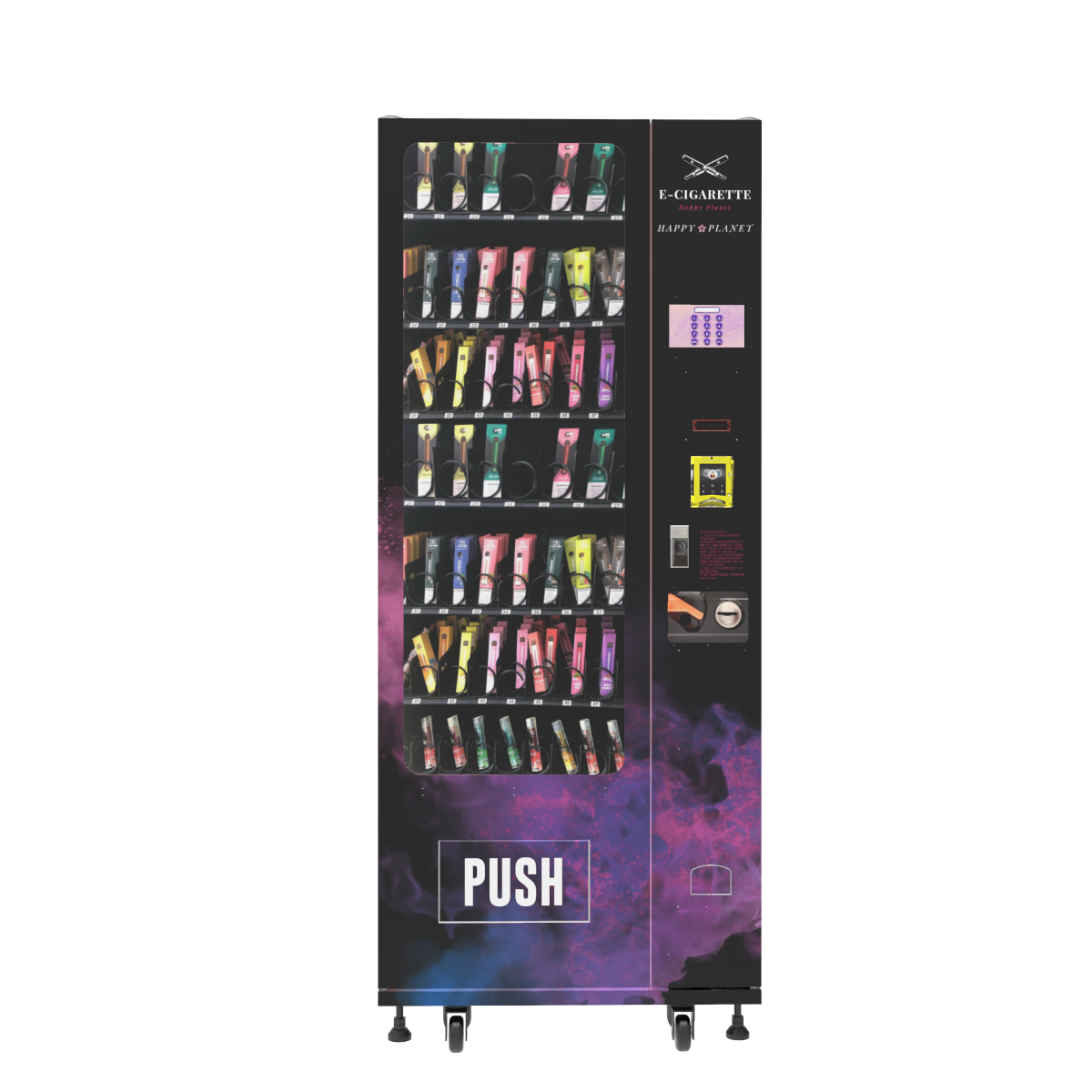
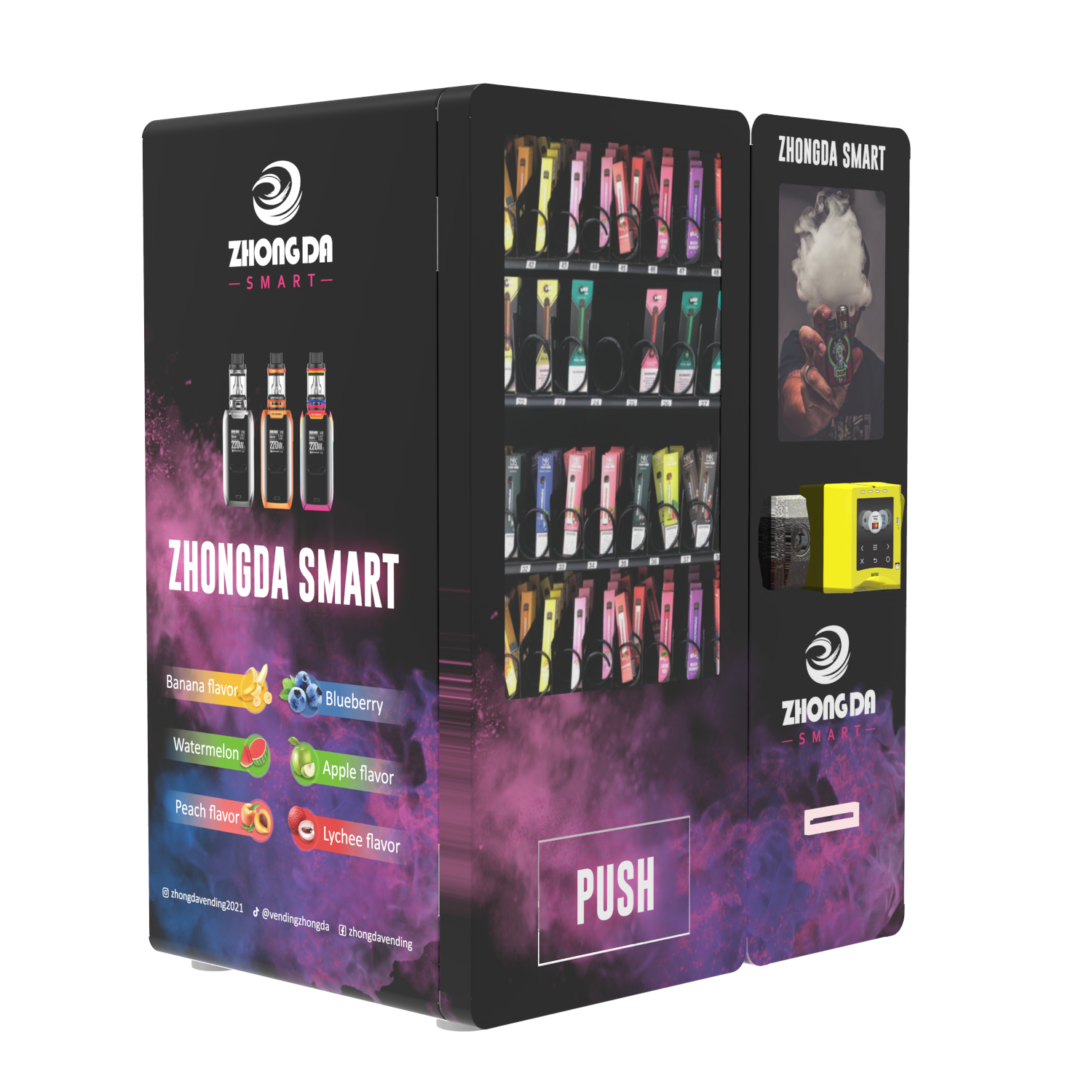
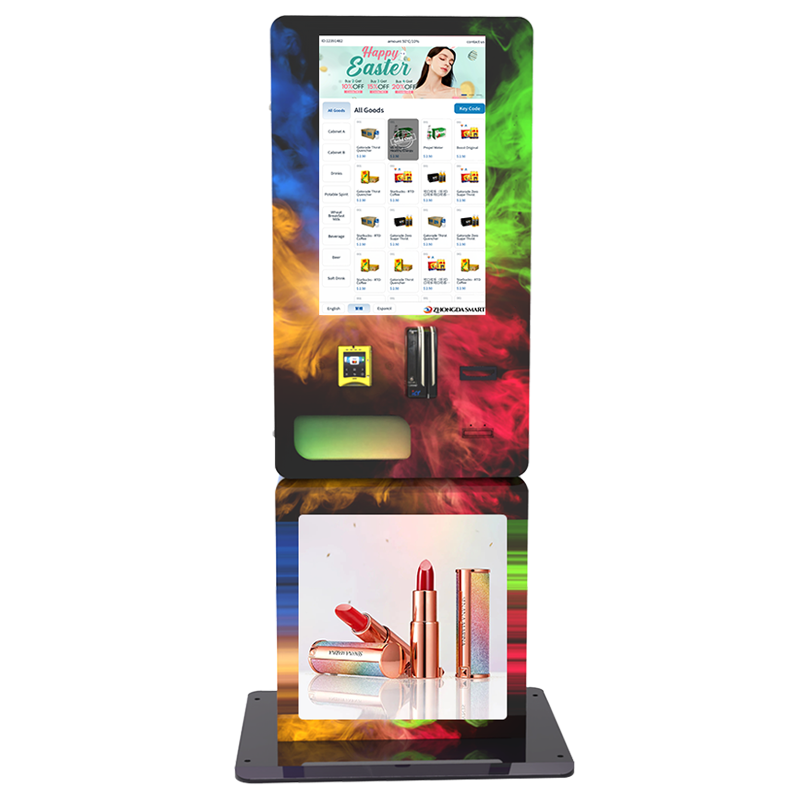
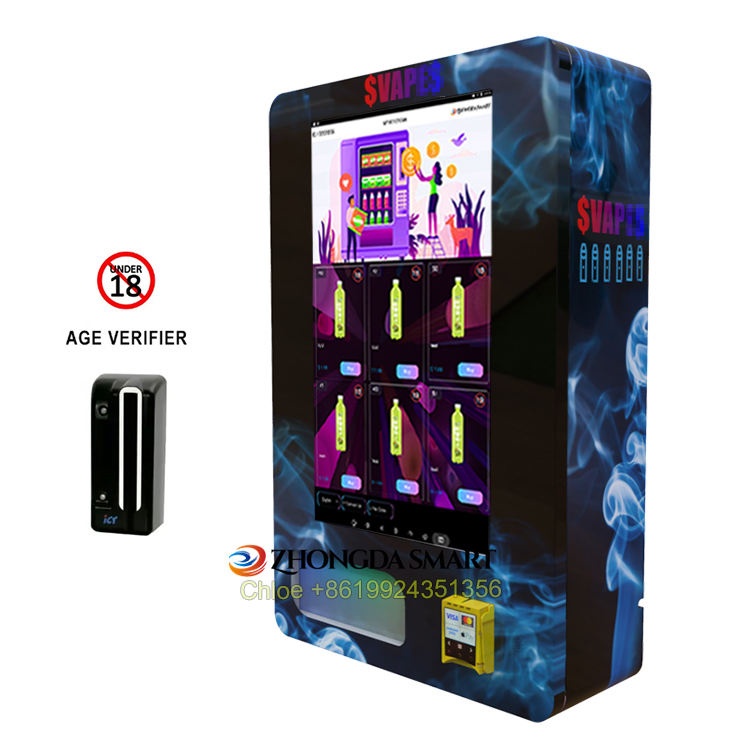
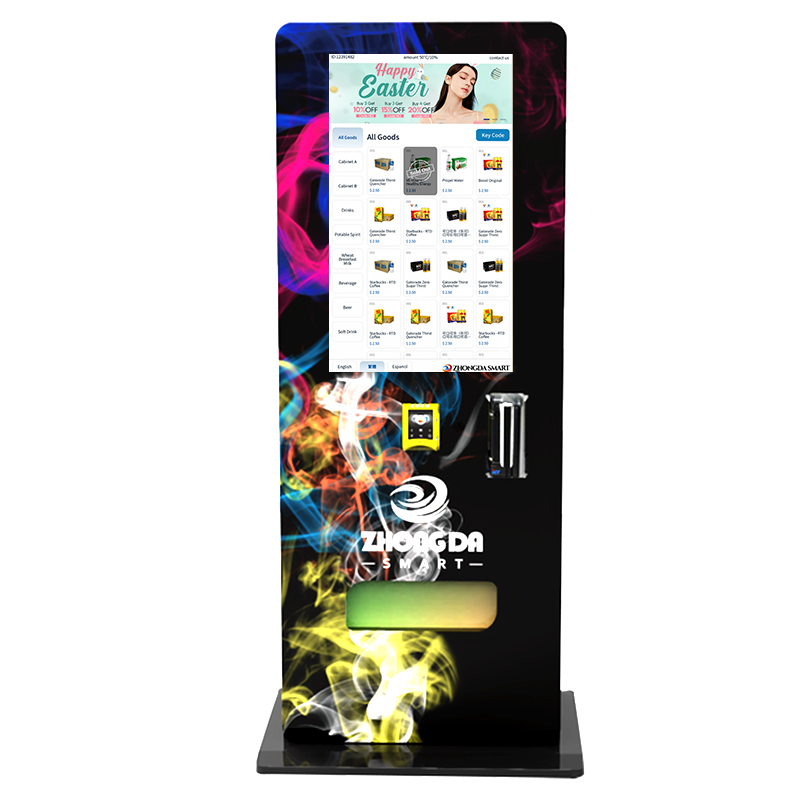
After spending the better part of a decade deploying vending solutions across the US and Europe, I can tell you straight up: the single most critical piece of hardware you will buy is a vape vending machine with ID scanner. Not the cabinet, not the payment system, and certainly not the fancy LED lights. The ID scanner is your entire business license in a box. If it fails a compliance check, you are not just losing money—you are facing fines that can wipe out a year of profit. I have seen operators try to save two hundred bucks on a cheap scanner, only to have their machine seized within three months. Let me walk you through what actually works, what costs what, and how to avoid the mistakes that cost real money.
Why the Driver License Read Feature Is Non-Negotiable
If you are placing a machine in a bar, a convenience store, or a hotel lobby, the local regulations are not a suggestion—they are a hard wall. The moment a minor walks up and buys a product, you are liable. Not the location owner, not the distributor. You. That is why the driver license read capability on a modern smart vending machine is not a luxury; it is the foundation of the entire operation.
I have tested units that rely on simple date-of-birth entry or a swipe of a card. They get bypassed in seconds. A kid borrows an older sibling’s ID, or a fake plastic card with a printed barcode. A proper age verification vending machine uses optical character recognition to scan the front of a driver license, extract the birth date, validate the checksum, and sometimes even cross-reference the face. This is the difference between a machine that passes an undercover sting and one that gets you a court date.
How a Real ID Scanner Works in the Field
When a customer walks up to a compliant e-cigarette vending machine, they insert their driver license into the slot or hold it against the scanner window. The machine reads the MRZ (machine-readable zone) and the printed data. It checks for holograms, microprint, and UV patterns. If the ID is expired or the birth date shows the person is under 21, the transaction stops immediately. No exceptions. The good units log every scan attempt, including a photo of the person, so you have an audit trail if law enforcement ever asks.
I have seen operators try to use machines that only ask for a birth year on a touchscreen. Those machines are a liability. In one case, a client in a mid-sized city lost his contract with a major convenience chain because a compliance test revealed his machine could be tricked with a simple keyboard override. He replaced the entire fleet with units from Zhongda Smart that use real-time ID parsing. He has not had a single compliance issue in three years.
The Real Cost Breakdown: What You Are Actually Paying For
Let me give you the numbers I have seen across dozens of deployments. A basic machine with no age check might cost you $2,500. But that machine is essentially a paperweight in any regulated market. A proper vape vending machine for sale with a built-in driver license scanner starts around $4,500 and goes up to $8,500 depending on capacity, screen size, and software integration.
| Component | Cost Range | Notes |
|---|---|---|
| Basic cabinet (no scanner) | $2,000 – $3,000 | Not suitable for regulated products |
| ID scanner module (retrofit) | $800 – $1,500 | Often unreliable; better to buy integrated |
| Full age verification vending machine | $4,500 – $6,500 | Includes scanner, camera, and compliance software |
| High-capacity unit with dual scanners | $7,000 – $8,500 | Best for high-traffic venues like casinos |
| Annual software license (compliance updates) | $300 – $600 | Required for maintaining ID database |
The mistake I see most often is buying a cheap machine and then trying to add an ID scanner later. The integration is never clean. The scanner sits on top of the cabinet with wires hanging out, and the software does not talk to the inventory system. You end up with a machine that looks like a science project and fails more scans than it passes. Spend the money upfront on a unit designed from the ground up as an automated vape vending machine with ID scan capability. It saves you headaches and replacement costs down the line.
Profit Model: How to Actually Make Money
I have run the numbers on over fifty deployed units, and the profit story is straightforward if you pick the right location. A single machine in a busy bar or nightclub can move 40 to 60 units per week. At an average margin of $4 per disposable vape, that is $160 to $240 per week in gross profit. After you account for restocking, credit card fees, and the occasional maintenance call, you are looking at a net profit of $500 to $800 per month per machine.
The key is placement. A machine in a convenience store with low foot traffic might only sell 10 units a week. That same machine in a venue with a late-night crowd can sell 80 units on a Friday night alone. I have a client who placed a compact unit in a bowling alley. He thought it would be a side earner. It turned out to be his highest-revenue machine because the bowling alley had no on-site tobacco counter, and customers were happy to buy a vape without walking to the gas station.
Cost of Goods and Margins
You are not making money on the hardware. The machine is a tool. The real profit is in the consumables. If you buy disposables in bulk from a distributor, you can get costs down to $6 to $8 per unit. You sell them for $12 to $16. That is a 50% to 60% margin. The best vape vending machine for busy convenience stores is one that holds at least 100 units, because you do not want to restock every two days. Restocking labor is your hidden cost. If you have to drive out to a machine twice a week, that eats into your margin fast.
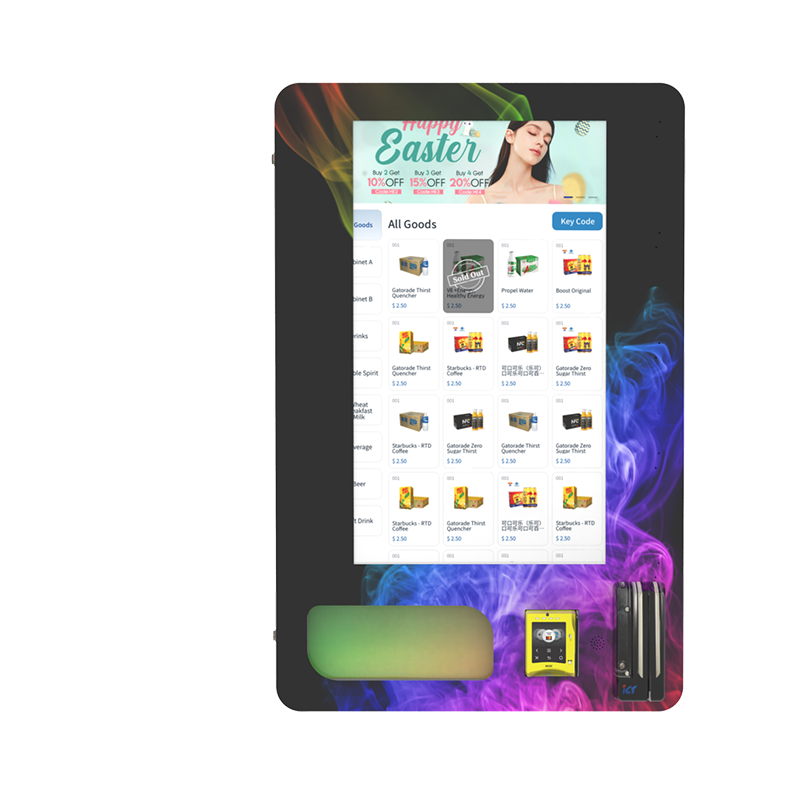
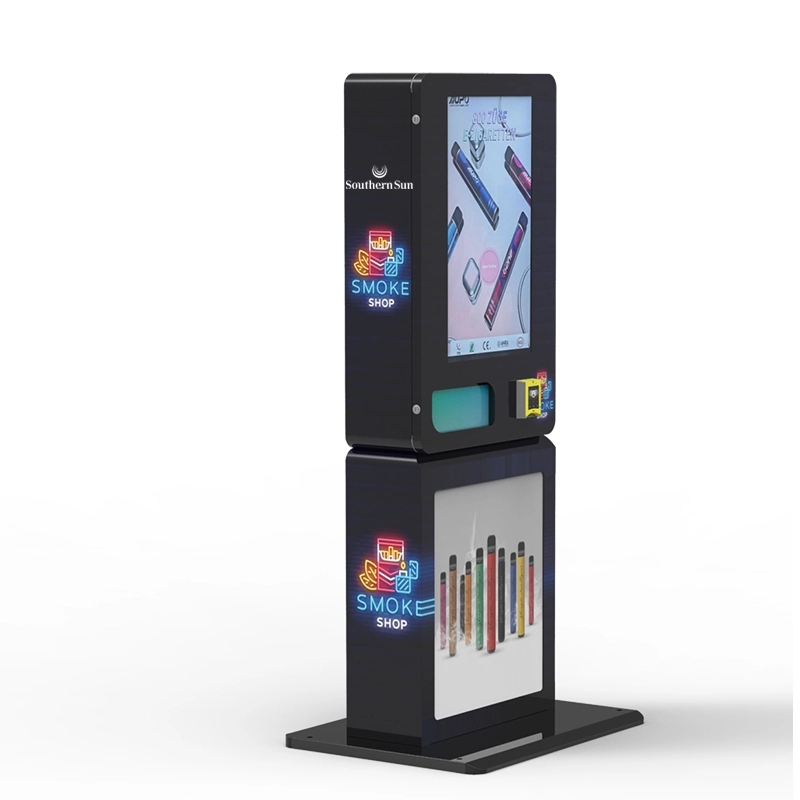
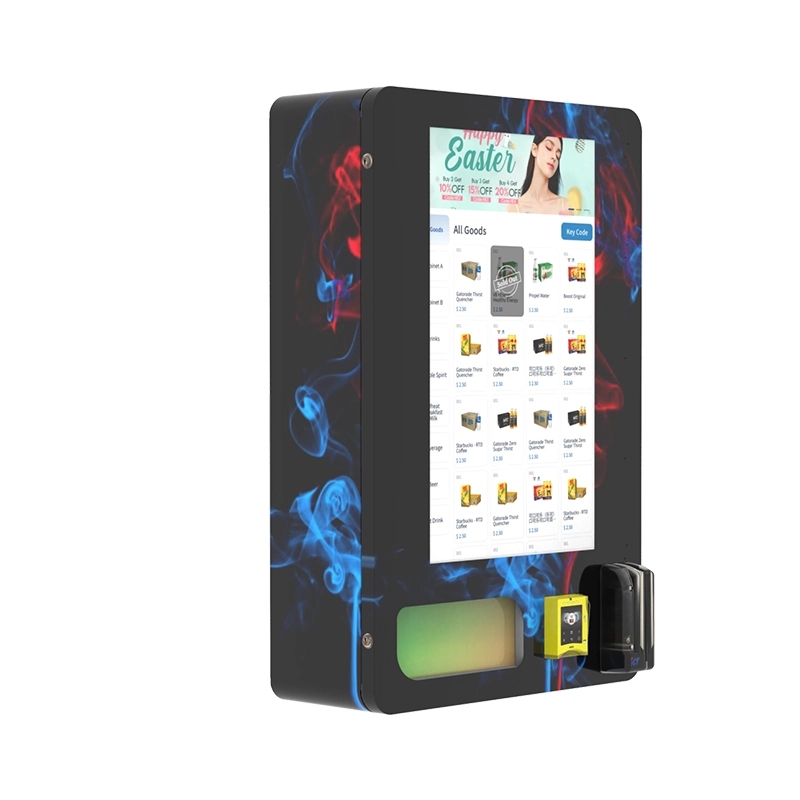
I recommend a machine that holds at least 200 units for a high-traffic location. The wall-mounted compact e-cigarette vending machine from Zhongda Smart is a good option for smaller spaces, but for a bar or club, you want the larger floor model. It might cost more upfront, but the restocking interval goes from every three days to every eight days. That is a big deal when you are paying someone $20 an hour to fill trays.
Risk and Failure: What Nobody Tells You Before You Buy
I have been in this business long enough to have a graveyard of bad decisions. Let me save you the pain of repeating them.
The biggest risk is not the machine breaking down. It is the location owner changing their mind. I have seen operators sign a one-year agreement with a bar, spend $6,000 on a machine, and then the bar closes three months later. You cannot just pick up the machine and move it. You have to find a new spot, renegotiate, and often pay a new commission split. That downtime costs you money. Always have a backup location in mind before you even order the machine.
Another risk is the scanner failing on a Friday night. If your ID scan vending machine goes down at 10 PM, you lose an entire weekend of sales. I carry a backup scanner module in my truck for that exact reason. The good manufacturers, like Zhongda Smart, offer hot-swappable scanner units that you can replace in under two minutes. Do not buy a machine where the scanner is soldered to the main board. You will regret it.
Real Failure Case: The Fake ID Problem
I had a client who bought a machine with a basic barcode scanner. It worked fine for six months. Then a local news station did a story on underage vaping, and the police ran a sting. The machine accepted a fake ID that had a valid barcode but the wrong birth date printed on the front. The scanner only read the barcode, not the printed text. The machine got impounded, and the client faced a $10,000 fine. He ended up replacing the entire unit with a compliant e-cigarette vending machine that reads both the barcode and the printed date. That extra layer of validation is what keeps you in business.
How to Choose the Right Machine: A Practical Checklist
When I evaluate a machine for a new deployment, I use a simple checklist. You should too.
- Scanner type: Does it read both the MRZ and the printed text? If it only reads one, skip it.
- Logging capability: Does it store a photo of the person and the ID for each transaction? You need this for compliance audits.
- Remote monitoring: Can you check inventory and sales from your phone? If not, you are flying blind.
- Capacity: How many units does it hold? For a bar, aim for 200+ units. For a small shop, 80 units is fine.
- Warranty: What is covered? A good manufacturer offers at least a one-year warranty on the scanner and the mainboard.
- Software updates: Does the manufacturer push updates for ID database changes? This is critical as driver license designs change over time.
I have used machines from several manufacturers over the years. The ones that hold up best in the field are the ones built with industrial-grade components. The age verification vending machine from Zhongda Smart, for example, uses a scanner that is rated for over 100,000 cycles. That matters when your machine is hitting 200 transactions a week.
Long-Term Operations: Keeping the Machine Profitable
Once the machine is deployed, the real work begins. You need a restocking schedule that matches the sales velocity. I use a simple rule: restock when inventory drops below 30%. If you wait until it is empty, you lose sales. If you restock too often, you waste labor.
I also recommend rotating product every 90 days. Vape flavors and brands change fast. What sold well in January might be dead by April. Keep an eye on the sales data from your machine’s software. If a product has not sold in two weeks, swap it out for something new. The best operators treat their vape vending machine with ID scanner like a retail shelf, not a static box.
Another tip: clean the scanner glass every week. I cannot tell you how many times I have seen a machine fail a scan simply because the glass was smudged. A dirty scanner leads to failed transactions, which leads to frustrated customers, which leads to lower sales. It takes ten seconds to wipe it down.
Industry Data and Market Context
According to a report by the Statista, the US e-cigarette market was valued at over $8 billion in 2023, with vending machines capturing a growing share as more retail locations look for automated solutions. Another study from IBISWorld shows that vending machine operators in the US have seen a steady increase in revenue, driven largely by the demand for age-restricted products in controlled environments. These numbers align with what I see in the field: the market is moving toward self-service kiosks with robust age verification, and the operators who invest early are the ones who capture the best locations.
Final Advice from Someone Who Has Been There
If you are serious about getting into this business, do not cut corners on the ID scanner. It is the single most important component of your machine. Buy from a manufacturer that has a track record of building machines for regulated markets. Look for a company that offers ongoing support, not just a box shipped to your door.
I have been working with Zhongda Smart for the last four years. Their machines are built for the real world. The ID scan vending machine they produce is one of the few units I trust for high-traffic deployments. It reads driver licenses correctly, logs every transaction, and holds up to the abuse of a busy venue. If you want to see the technical specs, check out their vape vending machines page. They also have a wall-mounted compact e-cigarette vending machine that works well for smaller spaces, and a age verification vending machine that is specifically designed for compliance-heavy markets.
Start with one machine. Learn the rhythms. Then scale. That is the approach that has worked for every successful operator I know.
Frequently Asked Questions
Can a vape vending machine with ID scanner be used for other products?
How often do ID scanner databases need updating?
What happens if the scanner fails during a transaction?
Is a vape vending machine with ID scanner legal in all states?
How much maintenance does the scanner require?
Sources:
- Statista – U.S. e-cigarette market size. https://www.statista.com/statistics/1090004/us-e-cigarette-market-size/
- IBISWorld – Vending Machine Operators Industry Report. https://www.ibisworld.com/united-states/market-research-reports/vending-machine-operators-industry/