If you're looking into placing a nicotine vending machine in the U.S., you’ve probably already hit the wall of conflicting state laws and vague federal guidelines. After spending over a decade deploying these units across the country and running a factory that builds them, I can tell you one thing clearly: the regulatory landscape is not a single road—it’s a patchwork of county, state, and federal rules that change faster than most operators expect. This overview breaks down the real requirements, the compliance traps, and the operational decisions that actually matter for anyone serious about running a legal, profitable vending route.
The Federal Baseline: What Every Operator Needs to Know
At the federal level, the FDA’s Deeming Rule from 2016 brought nicotine vending machines under the same restrictions as tobacco products. That means no sales to anyone under 21, and the machine must be in a location where minors are not allowed to enter at any time. That last part is critical—if your machine sits in a bar that allows minors during lunch hours, you’re out of compliance. The machine itself must feature a working age verification system, typically a third-party ID scanner, and it must be maintained in a way that prevents underage access.
But here’s the nuance most people miss: the FDA does not pre-empt state or local laws. If your state bans all self-service tobacco sales, federal rules won’t save you. You have to comply with the strictest applicable law. I’ve seen operators buy machines only to find out their city requires a special permit that takes six months to get. Always check local ordinances before ordering hardware.
FDA Registration and Listing Requirements
Every nicotine vending machine operator must register their establishment with the FDA and list each product sold. This isn’t a one-time thing—you need to update your listing every time you change a product. The fee structure for tobacco product applications can run into thousands of dollars per SKU, so plan your product mix carefully before you start. Many operators I’ve advised stick to a core set of five to ten SKUs to keep compliance costs manageable.
State-by-State Compliance: The Real Operational Headache
State laws vary wildly. California, for example, bans all self-service displays of tobacco products unless the retailer has a specific license and the machine is in a fully enclosed area with an employee monitoring it. New York requires that nicotine vending machines be located only in certain licensed premises, and the operator must verify age through a state-approved system. Texas is more lenient but still requires ID scanning for every transaction.
I remember deploying a machine in a Chicago bar back in 2018. We had to install a biometric scanner because the city’s ordinance specifically required “biometric or government-issued ID verification” for any unattended tobacco sale. That added $1,200 to the unit cost and delayed deployment by three weeks. If I had known the local rule upfront, I would have ordered the hardware pre-configured.
States with Strictest Restrictions
Some states effectively ban nicotine vending machines by requiring that the machine be located in a “retail establishment that derives more than 50% of its revenue from tobacco sales.” In practice, that means only tobacco shops can host them. If you’re targeting bars, lounges, or convenience stores, you need to verify the revenue threshold in your state. Massachusetts, Rhode Island, and Hawaii are particularly tough on this front.
Age Verification Technology: Not Optional Anymore
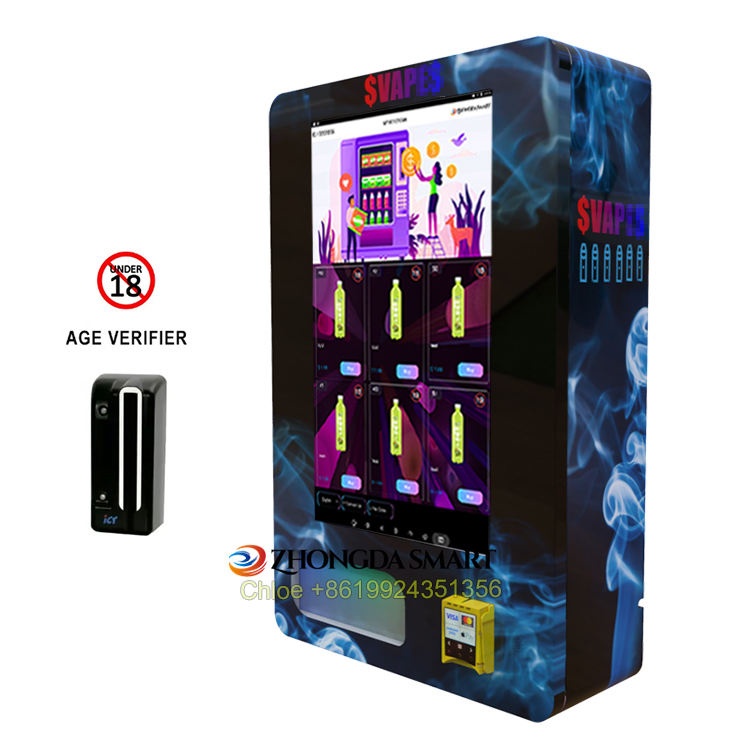
Every modern nicotine vending machine must include age verification that goes beyond a simple “press yes” button. The industry standard now is ID scanning with third-party database matching. Machines from Zhongda Smart, for example, come with integrated ID scanners that read the barcode or magnetic stripe on a driver’s license and cross-check the date of birth against state DMV records. Some units also include facial recognition to match the photo on the ID to the person standing in front of the machine.
From a factory perspective, we’ve seen a clear shift over the last five years. Operators used to ask for the cheapest possible verification system. Now they ask for reliability and speed. A slow scanner kills sales—customers walk away if it takes more than 10 seconds to process. Our current generation of machines processes a transaction in under 8 seconds from scan to product drop. That speed is what keeps repeat customers coming back.
Biometric vs. ID Scan: Which One Works Better?
| Verification Type | Speed | Accuracy | Cost Impact | Best Use Case |
|---|---|---|---|---|
| ID Scan Only | 5–8 seconds | High | Low (adds ~$400 to unit cost) | Bars, lounges, convenience stores |
| ID Scan + Facial Match | 8–12 seconds | Very High | Medium (adds ~$800) | High-traffic locations, airports |
| Biometric (fingerprint) | 3–5 seconds | Very High | High (adds ~$1,200) | Private clubs, employee-only areas |
In my experience, ID scan alone covers 95% of use cases and is the most cost-effective choice for most operators. But if you’re placing a machine in a location where underage access is a known risk, spend the extra on facial matching. It protects your license and your reputation.
Selecting the Right Machine for Compliance and Profit
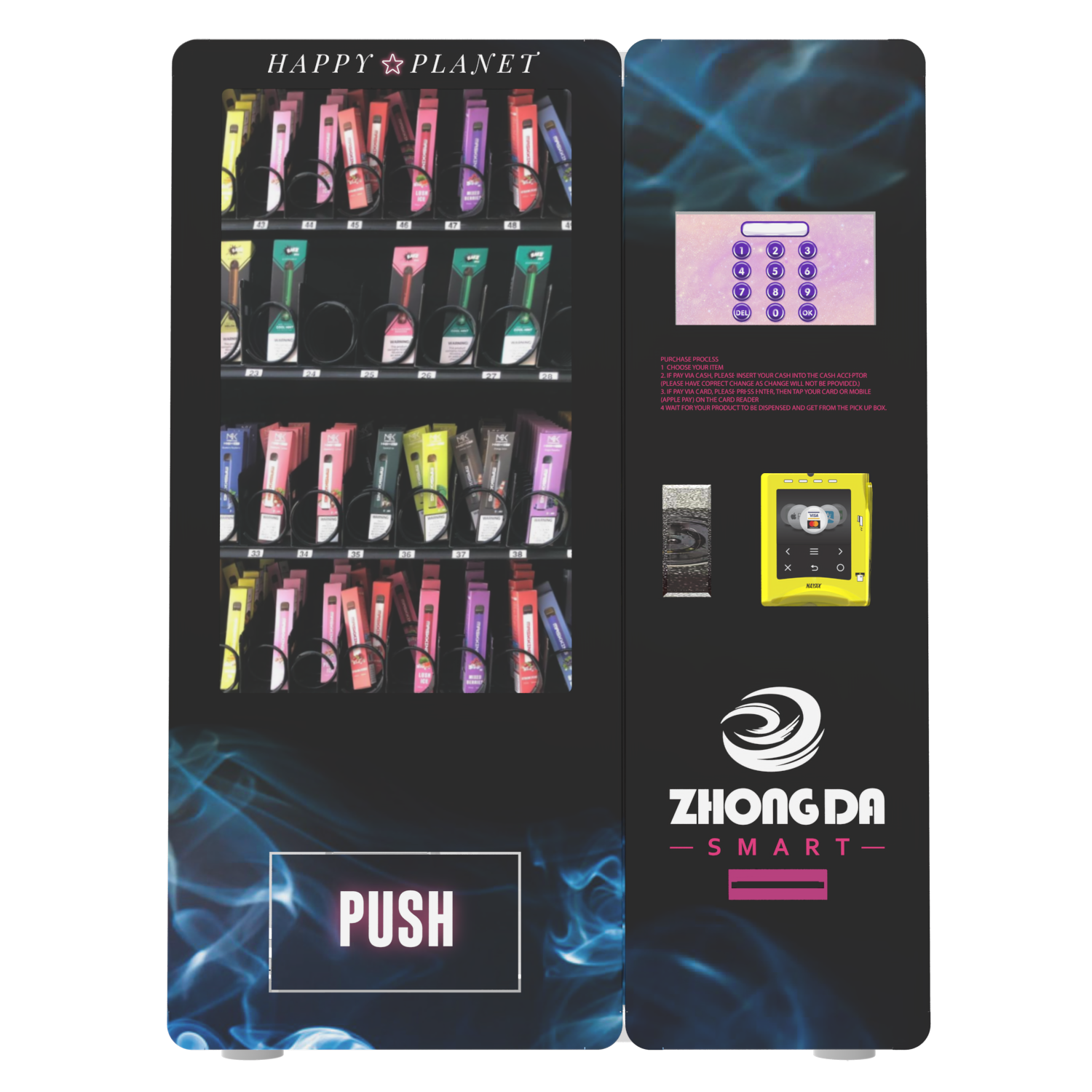
Not all nicotine vending machines are built the same. From a manufacturing standpoint, the critical factors are: verification system reliability, product dispensing mechanism, and remote monitoring capability. A machine that jams on the second sale of the day will kill your revenue and your relationship with the location owner. We’ve engineered our units with a gravity-fed dispensing system that handles both standard and oversized vape pods without jamming. That might sound like a small detail, but in the field, it’s the difference between a machine that runs for a month without a service call and one that needs weekly attention.
Remote monitoring is another non-negotiable. You need to know inventory levels, sales data, and any error codes in real time. Our machines come with a cloud-based dashboard that sends alerts when a product is low or a transaction fails. That lets you schedule refills proactively instead of reacting to angry customers.
Cost Structure: What You’re Really Paying For
A compliant nicotine vending machine from a reputable manufacturer like Zhongda Smart typically costs between $3,500 and $8,000 depending on features. That includes the cabinet, ID scanner, payment system, and software. Shipping adds another $300 to $600 depending on location. Installation is usually straightforward—plug it in, connect to Wi-Fi, and run a setup wizard. But budget for a local electrician if the location doesn’t have a dedicated outlet nearby.
Ongoing costs include payment processing fees (2.5% to 3.5% per transaction), product cost (typically 40% to 50% of retail price), and occasional maintenance. I budget about $200 per machine per year for maintenance and parts. That covers sensor replacements, door hinge repairs, and screen calibrations.
Profit Model: Real Numbers from Real Deployments
Let’s talk about what actually happens when you put a machine in the field. I’ve got data from a deployment in a mid-sized bar in Austin, Texas. The machine sells disposable vapes at $12.99 each. Product cost is $5.50 per unit. Average sales are 18 units per week. That’s $234 in weekly revenue, $99 in gross profit after product cost, and about $3.50 in payment fees. Net profit per week: $95.50. Over a year, that’s $4,966 in profit on a machine that cost $4,200. Payback period: 10 months.
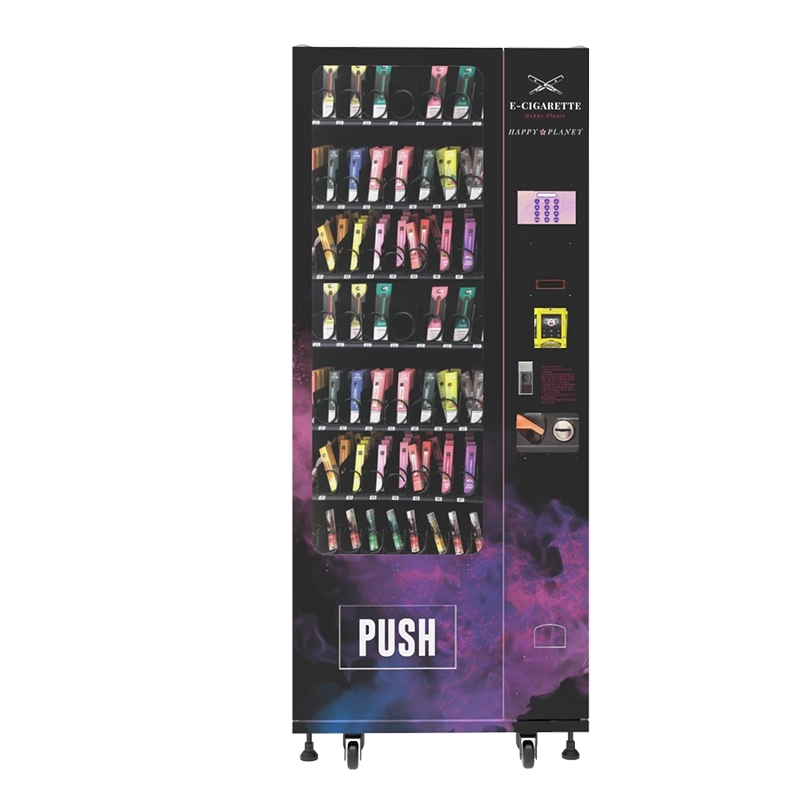
But not every location performs that well. I’ve had machines in low-traffic convenience stores that barely sold 5 units per week. Those machines took 18 months to pay back. The key is location selection. Bars and lounges with a steady evening crowd are your best bet. Avoid locations that close early or have limited foot traffic after 8 PM.
Revenue Optimization Tactics
Pricing matters more than most operators think. We tested a price increase from $11.99 to $13.99 in a Denver location. Sales dropped by 12%, but revenue per unit increased by 16%. Net result: a 4% increase in total revenue. You need to test your local market. Start at a moderate price, track sales for two weeks, then adjust. The data from your remote monitoring system is your best friend here.
Product selection is equally important. Stock the top-selling flavors and nicotine strengths in your region. In the Midwest, fruit flavors dominate. On the West Coast, mint and menthol are still strong despite flavor bans in some areas. Check your state’s flavor restrictions before you order inventory.
Common Compliance Mistakes and How to Avoid Them
I’ve seen operators lose their licenses over simple oversights. One common mistake is placing the machine in a location that allows minors during certain hours. Even if the machine verifies age, the FDA considers the location itself a violation if minors can be present. Another mistake is failing to update the FDA product listing when you swap a SKU. That’s a technical violation that can trigger a warning letter or worse.
Then there’s the signage issue. Every machine must display a clear notice that nicotine products are not for sale to minors, and the notice must include the operator’s contact information. We include a pre-printed sign with every machine we ship, but I still get calls from operators who lost it during installation. Make a copy before you throw away the packaging.
Real Failure Case: The $15,000 Mistake
A few years ago, I consulted for an operator who bought five machines and placed them in convenience stores across Florida. He skipped the local permit check because the state seemed lenient. Turns out, one of the counties required a special tobacco vending license that cost $500 per machine and took 60 days to process. He had already signed leases with the store owners. He ended up paying $2,500 in late fees and lost two months of revenue while waiting for permits. That mistake cost him about $15,000 in total. Don’t skip the local research.
Long-Term Operational Strategy
Running a nicotine vending machine route isn’t a set-it-and-forget-it business. You need to visit each machine at least once every two weeks for restocking and cleaning. More frequent visits are better for high-traffic locations. Build a route map that minimizes driving time between locations. I use a simple spreadsheet with location addresses, average sales volume, and restock frequency. That’s enough to keep things running smoothly.
Consider partnering with a local distributor for product supply. Buying direct from manufacturers often requires minimum order quantities that are too high for a small operator. A distributor can offer weekly delivery and flexible terms. Just make sure they carry the brands your customers want.
Scaling Your Route
Once you’ve proven the model with one or two machines, scaling is straightforward. The biggest bottleneck is not the hardware—it’s finding good locations. Approach bar owners, club managers, and convenience store chains with a professional pitch deck that shows your compliance credentials and projected revenue share. Offer the location owner 10% to 15% of gross sales as a commission. That’s standard and keeps them motivated to keep the machine visible and accessible.
From a factory perspective, we see operators who start with 2–3 machines and grow to 20–30 within two years. The ones who succeed are the ones who treat it like a real business, not a side hustle. They track every dollar, maintain compliance rigorously, and reinvest profits into better machines and more locations.
Future-Proofing Your Investment
Regulations will keep evolving. Some states are considering stricter age verification requirements, including mandatory biometric scanning. Others are looking at limiting the hours during which nicotine vending machines can operate. The best way to protect your investment is to buy machines that can be upgraded. Our units have modular verification systems that can be swapped out as new technology or regulations emerge. That way, you’re not buying a new machine every time a rule changes.
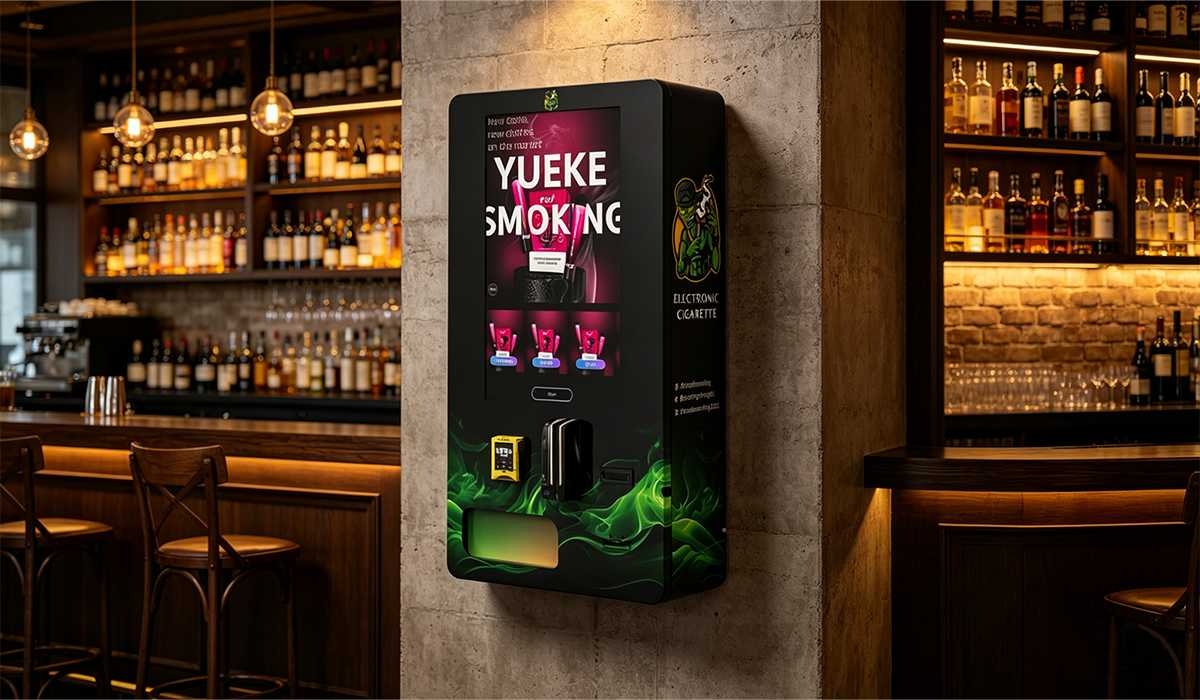
Also, keep an eye on the flavor ban landscape. Several states have already banned flavored nicotine products, and more are considering it. If you’re in a state without a flavor ban, stock up on popular flavors while you can. If a ban passes, you’ll need to switch to tobacco-only or menthol-only inventory, which may reduce your sales volume.
Expert Recommendations for New Operators
If I had to give one piece of advice to someone just starting out, it would be this: over-invest in compliance on day one. Buy a machine with a reliable ID scanner, get your FDA registration done before you place the machine, and check every local ordinance in the county where you plan to operate. The upfront cost of compliance is small compared to the cost of a violation or a license revocation.
Second, don’t cheap out on the machine. I’ve seen operators buy $2,000 machines from overseas suppliers that break down within three months. The savings aren’t worth the downtime and lost sales. A machine from a trusted manufacturer like Zhongda Smart costs more upfront but pays for itself in reliability and customer trust. You can see our full lineup of compliant machines at our vape vending machines page, including models with built-in ID scanning and remote monitoring.
Third, build relationships with location owners. A good partnership means they’ll alert you if the machine needs attention, and they’ll promote it to their customers. I’ve had bar owners tell their regulars about the machine and boost sales by 30%. That kind of organic promotion is invaluable.
Frequently Asked Questions
Do I need a special license to operate a nicotine vending machine?
Can I place a nicotine vending machine in a bar?
What happens if my machine sells to a minor?
How much does a compliant nicotine vending machine cost?
Can I use a regular vending machine for nicotine products?
Final Thoughts from the Factory Floor
I’ve been in this industry long enough to see the regulatory landscape shift multiple times. The operators who survive and thrive are the ones who treat compliance as a competitive advantage, not a burden. A well-placed, well-maintained nicotine vending machine can generate steady passive income for years. But it takes discipline, research, and the right equipment. If you’re serious about getting into this business, start with a single machine in a solid location, learn the operational rhythm, and scale from there.
For more technical details on machine specifications and compliance features, visit our compliant e-cigarette vending machine page. We also have case studies on deployments in bars, hotels, and convenience stores on our case studies page that show real-world results.
Sources:
FDA Deeming Rule and tobacco product regulations: FDA.gov
State tobacco vending machine laws summary: Public Health Law Center
Age verification technology standards: National Institute of Standards and Technology
Vending machine market data and trends: Statista
Tobacco retail license requirements by state: CDC State System