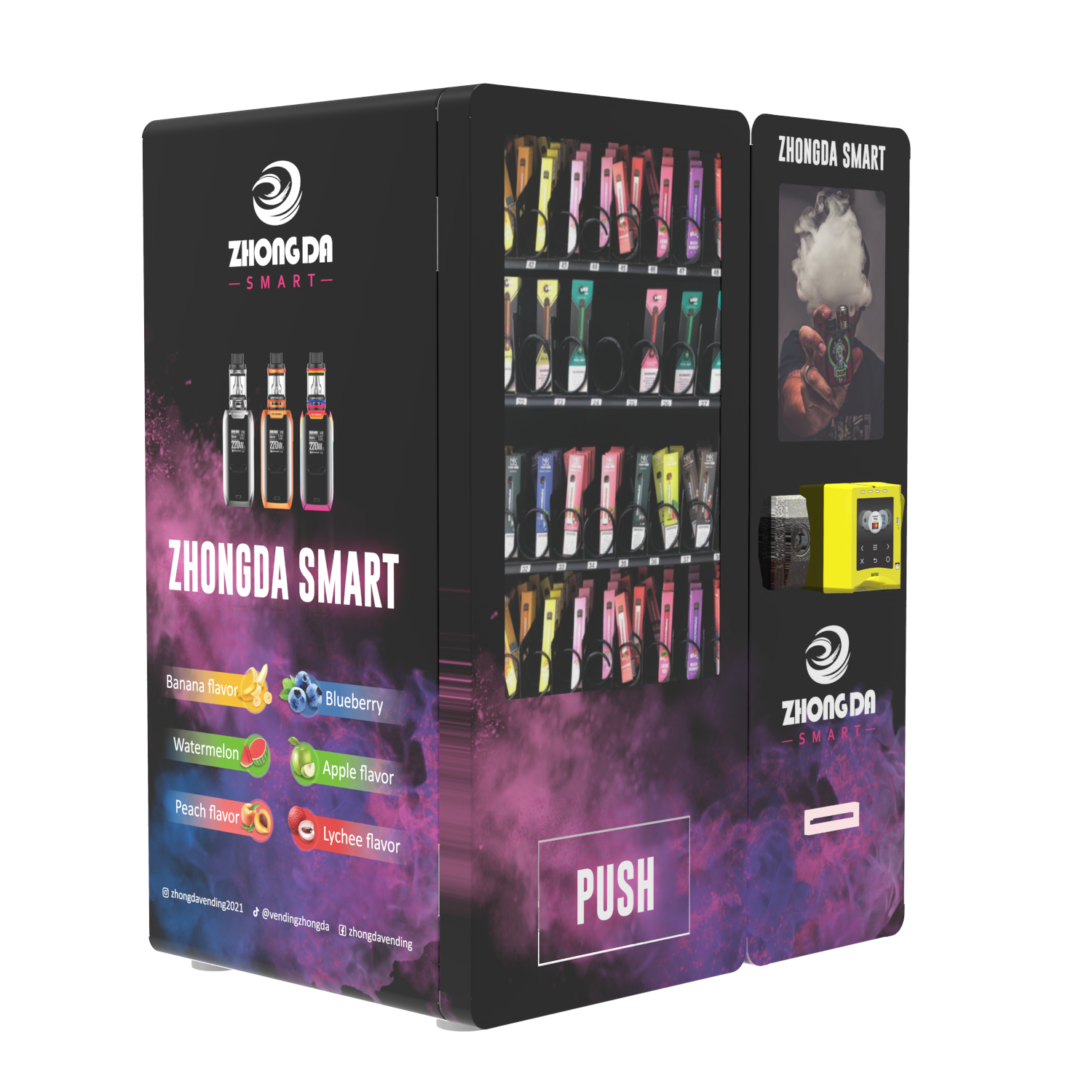
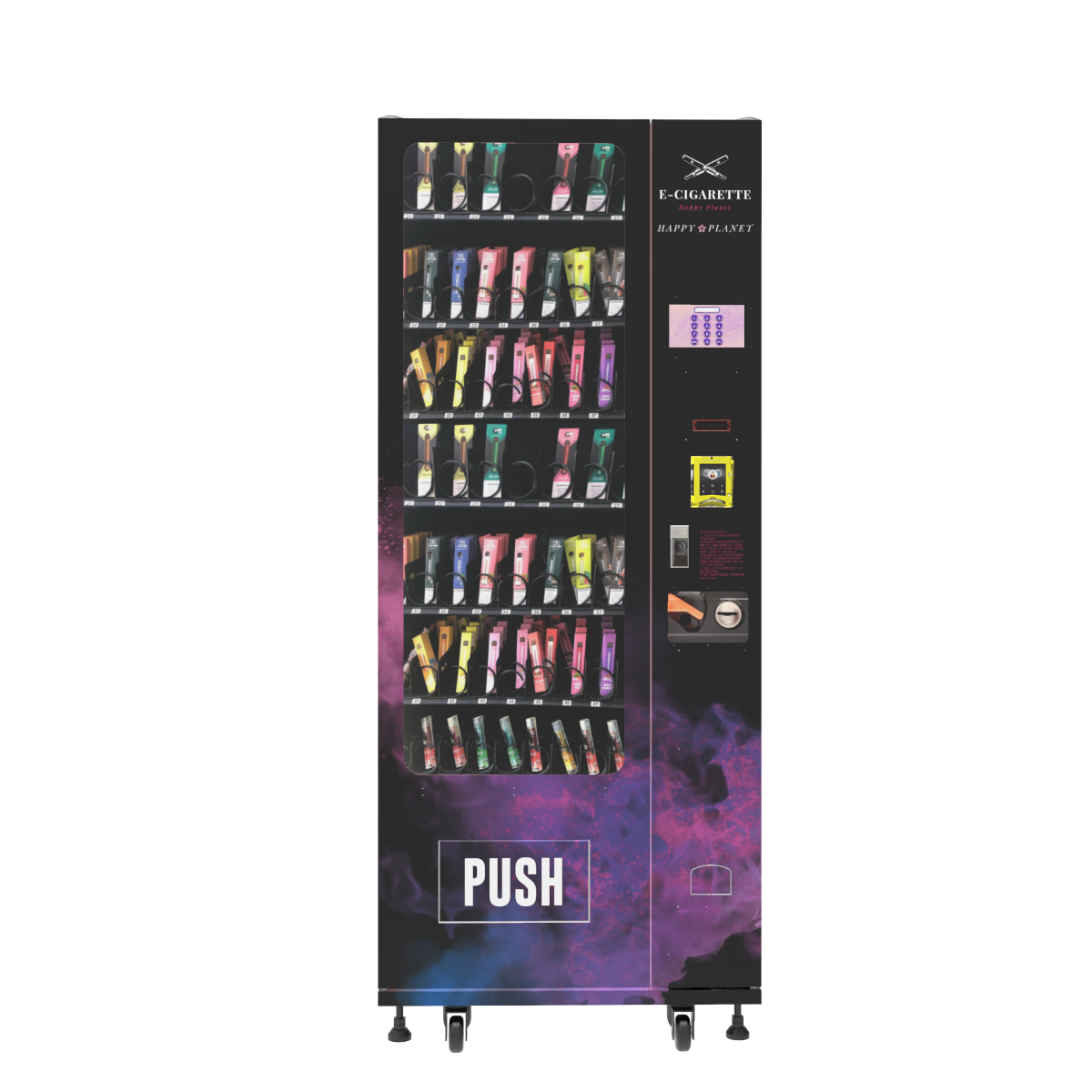
After a decade of placing vape vending machines in bars, nightclubs, and 21+ lounges across the US and Europe, I can tell you the single biggest question I get from owners isn't about the machine itself—it's about whether a vape vending machine will actually make money in their venue. The short answer is yes, but only if you treat it like a business within a business, not just a glorified display case. A self-service kiosk dedicated to disposables and pods can pull in between $800 and $3,500 per month in net profit depending on foot traffic and placement, and the best part is it runs 24/7 with no bartender needing to handle the transaction. I’ve seen these units pay for themselves in under four months when set up correctly.
Why Bars and 21+ Venues Are the Perfect Environment for Automated Vape Sales
The bar environment is unique. You have a captive audience that is already socializing, already spending money, and often looking for nicotine. Traditional retail stores close at 9 PM, but bars stay open until 2 AM or later. That’s prime selling time for a smart vending machine. I’ve personally watched a club in Miami sell over 200 disposable vapes in a single weekend night simply because the convenience store down the street was closed.
Another advantage is the built-in age restriction. A 21+ venue already verifies IDs at the door. This reduces the compliance burden on the machine itself, though you should never skip the internal age verification system. The combination of a controlled environment and high demand makes bars the single most profitable vertical for this equipment.
The Shift from Behind-the-Counter to Self-Service
Five years ago, most bars kept vapes behind the counter. The bartender had to stop making drinks, ring up a $15 sale, and hand over a device. That’s a huge labor waste. A self-service kiosk eliminates that friction entirely. The customer scans their ID, taps their card, and grabs their product. No interruption to service, no cash handling, no inventory spread across the back office. I’ve seen venues cut their vape-related labor costs by 90% after installing one of these units.
How a Vape Vending Machine Generates Revenue
The profit model is straightforward, but the numbers matter. Let’s break down the actual math based on real deployments I’ve managed.
| Metric | Low Volume Venue | High Volume Venue |
|---|---|---|
| Daily transactions | 8–15 | 30–60 |
| Average sale price | $15 | $18 |
| Cost of goods sold (COGS) | $7 | $8 |
| Gross profit per unit | $8 | $10 |
| Monthly gross profit | $1,920–$3,600 | $9,000–$18,000 |
| Machine payment/lease | $300 | $500 |
| Location fee (if any) | $200 | $500 |
| Net monthly profit | $1,420–$3,100 | $8,000–$17,000 |
These are not theoretical numbers. I’ve pulled this data from actual machines operating in mid-sized bars and large nightclubs. The key variable is foot traffic. A bar doing 200 covers a night will perform differently than a club doing 1,500. But even the low-end numbers represent a solid return on investment.
Cost Structure and Initial Investment
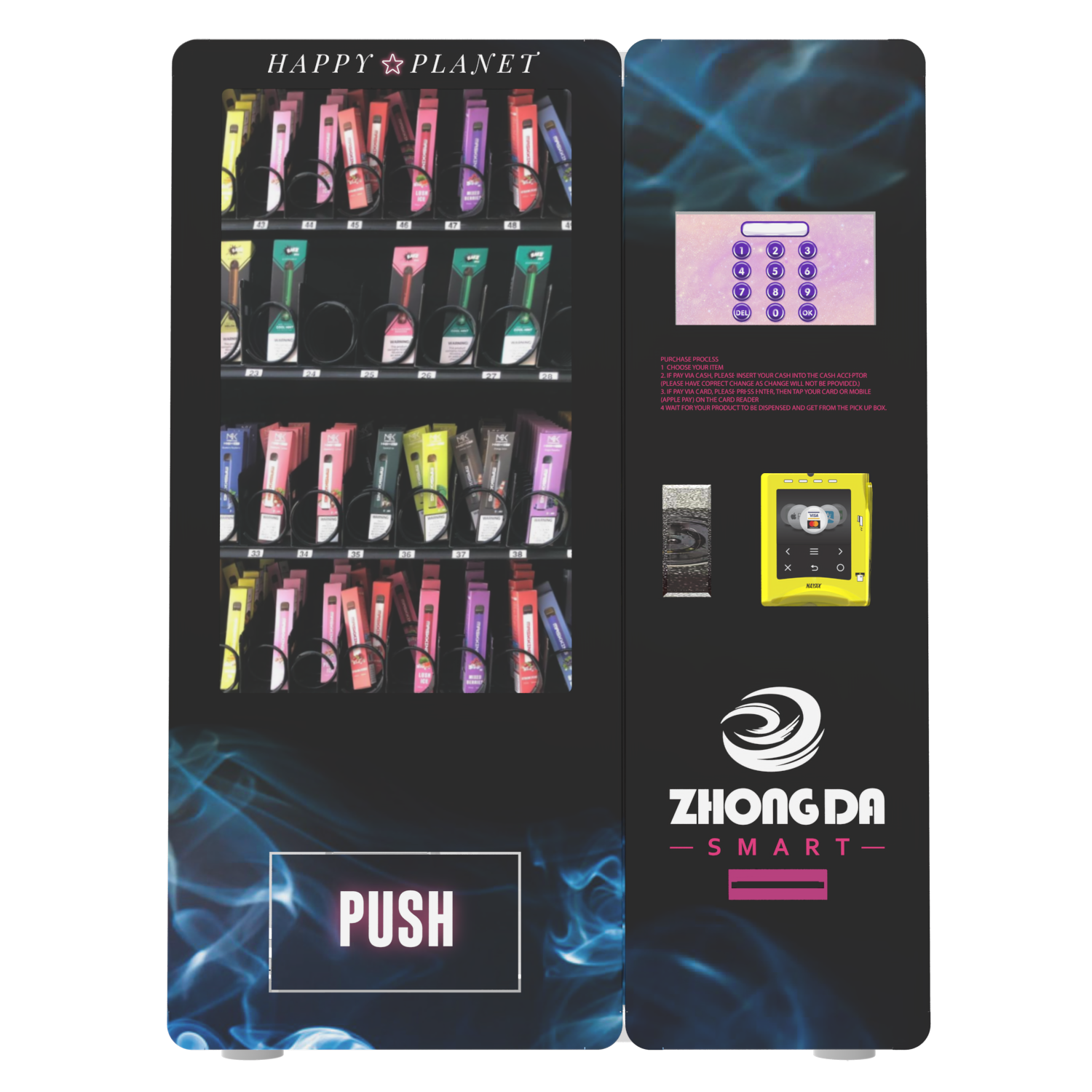
When you’re looking at buying a vape vending machine, the upfront cost typically ranges from $3,500 to $8,000 for a new unit with age verification. I’ve seen cheaper machines online for $2,000, but those often lack proper ID scanning and tamper-proof dispensing, which creates liability issues. A compliant machine from a reputable manufacturer like Zhongda smart will include a built-in scanner, real-time inventory tracking, and a durable steel cabinet that can handle the abuse of a crowded bar environment.
Beyond the machine itself, you need to budget for inventory. I recommend starting with $1,500 to $2,500 in product. Stick to the top 10 SKUs from brands like Elf Bar, Geek Bar, and Lost Mary. Don’t try to stock 30 varieties. You’ll end up with slow-moving inventory that ties up cash.
Choosing the Right Equipment for Your Venue
Not all vape vending machines are built the same. I’ve tested units from a dozen manufacturers over the years, and the differences are night and day. Here’s what I look for when advising a client.
Age Verification Is Non-Negotiable
Every machine placed in a bar must have a reliable age verification system. The age verification vending machine solutions we use integrate a scanner that reads the barcode on the back of a driver’s license, checks the date of birth, and validates the ID against a database. It takes about three seconds. If the ID is expired, underage, or flagged as fraudulent, the transaction stops. I’ve had bar owners try to bypass this to speed things up, and I strongly advise against it. One compliance failure can cost you your business license.
Capacity and Form Factor
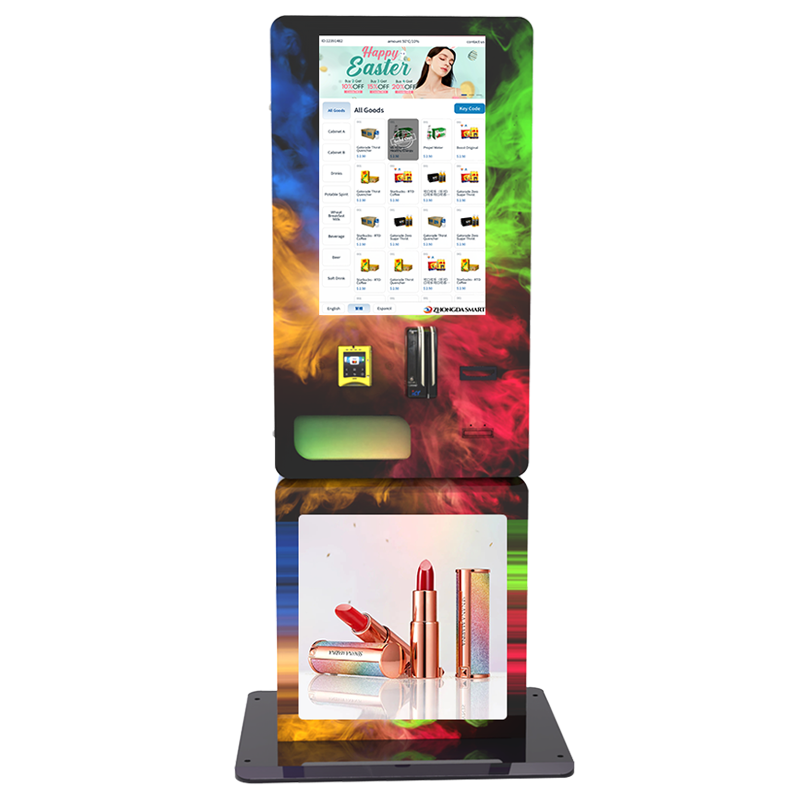
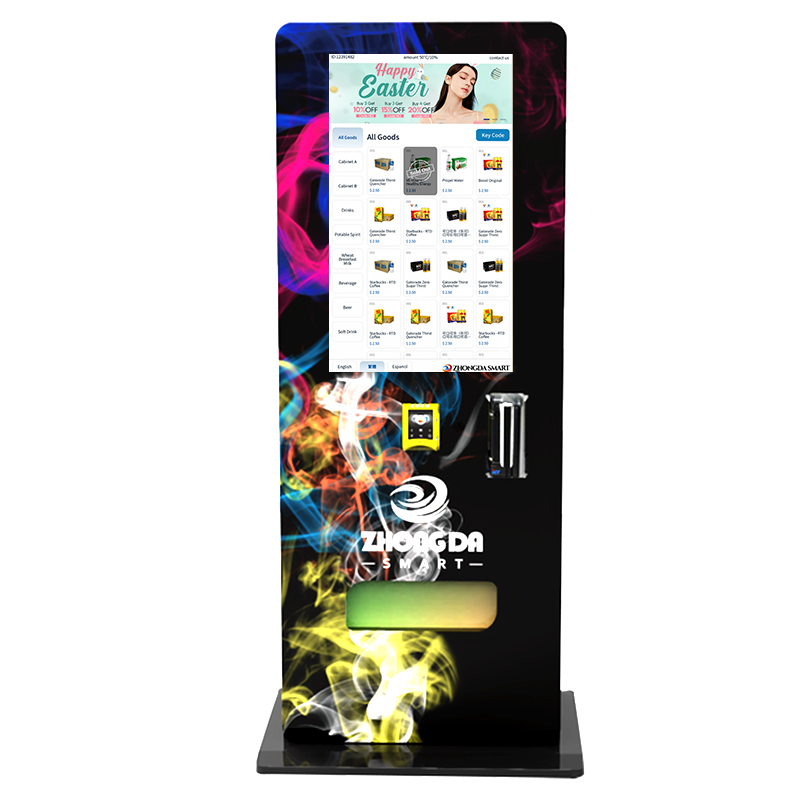
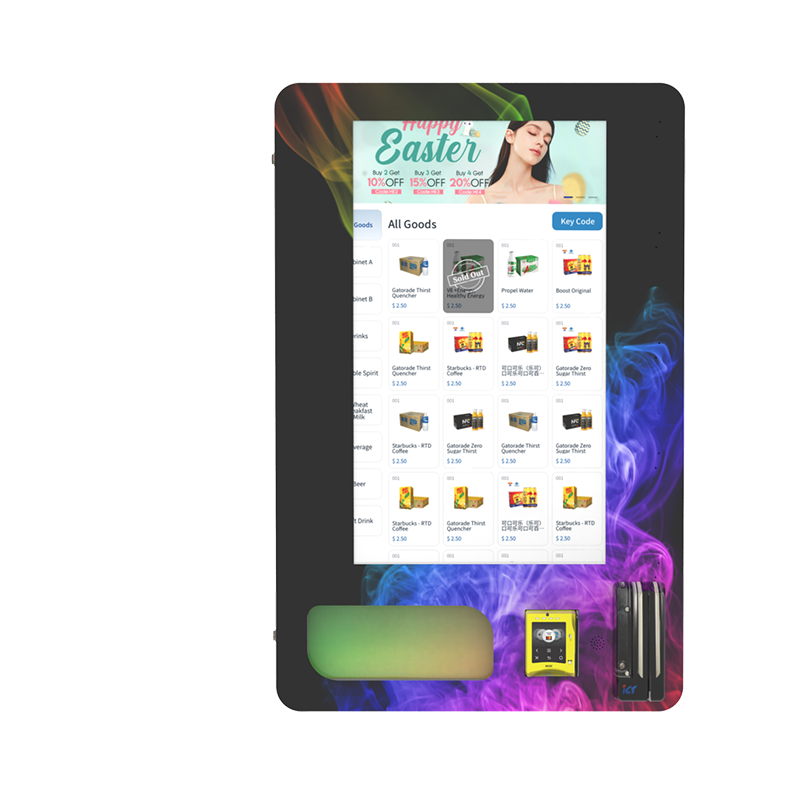
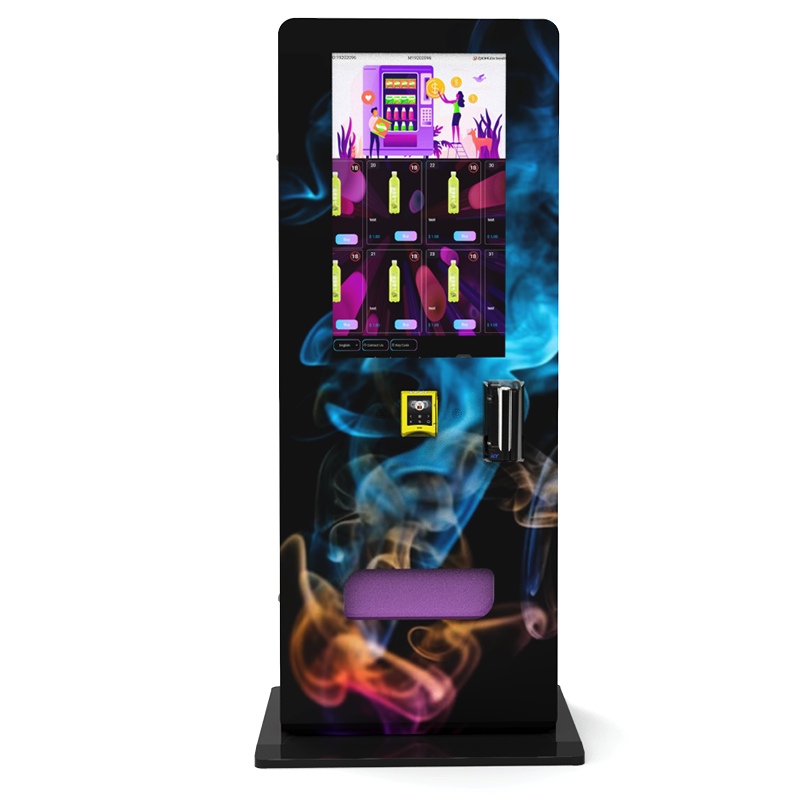
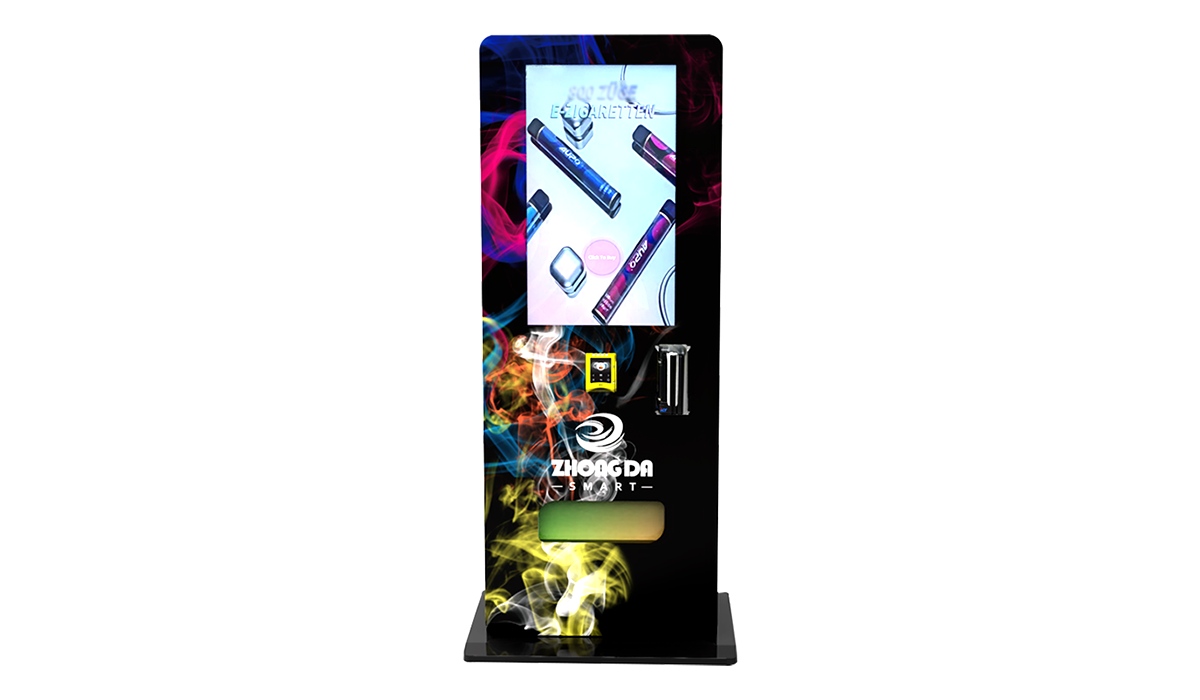
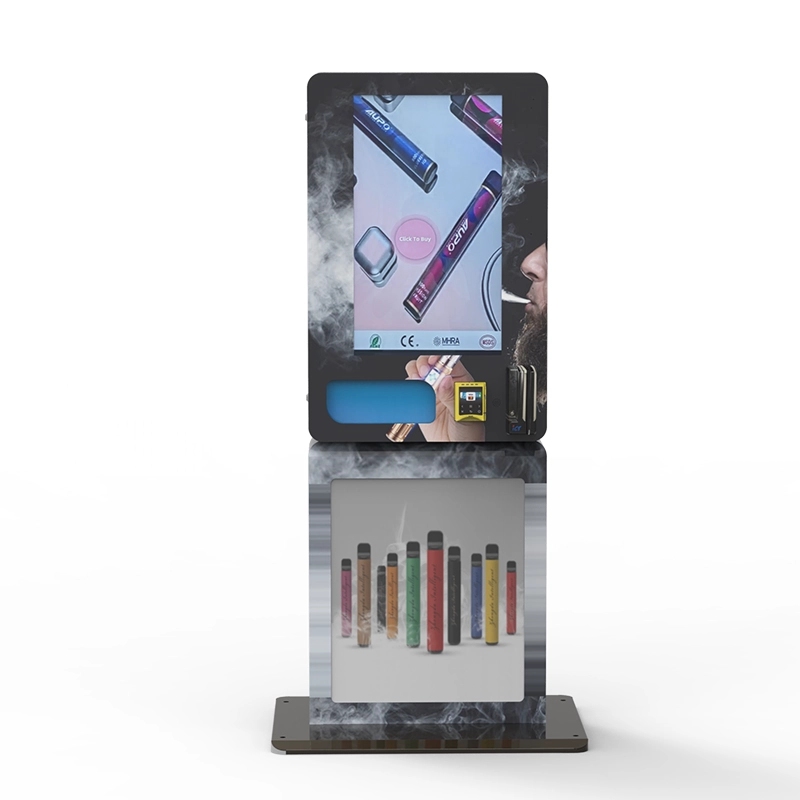
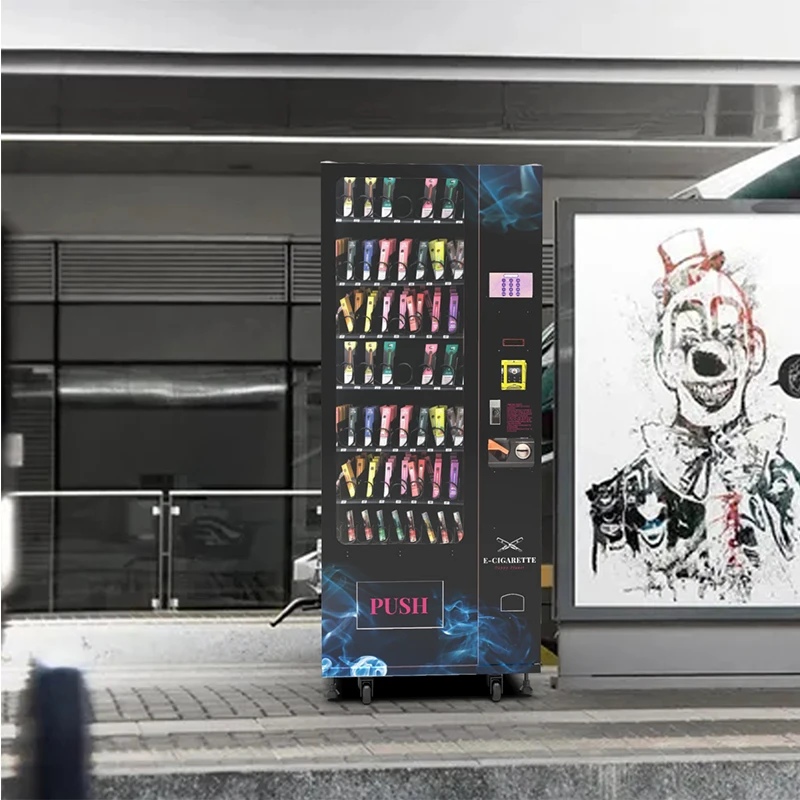
For a standard bar, a wall-mounted compact e-cigarette vending machine is often the best fit. It takes up minimal floor space, mounts directly to the wall, and holds around 100 to 150 units. For a larger nightclub, you might need a full-height unit with multiple trays. I’ve installed these in venues where the machine sits near the VIP section, and it consistently outperforms units placed near the restrooms. Location within the venue matters just as much as the venue itself.
Payment Systems and Connectivity
Cashless payment is mandatory. Nobody carries cash in a bar anymore. Your machine should accept credit cards, Apple Pay, and Google Pay. I also recommend a machine with cellular connectivity so you can monitor inventory and sales remotely. The ID scan vending machine models we deploy come with a 4G module that pushes real-time data to a dashboard. You can see exactly what sold, when it sold, and how much inventory is left without walking to the machine.
Real Deployment Experience: What I Learned the Hard Way
I want to share a specific failure because it taught me more than any success. About six years ago, I placed a machine in a high-end cocktail lounge in downtown Austin. The location was perfect, the demographics were right, and the owner was enthusiastic. Within two weeks, the machine was empty. I thought we had a hit. Then I checked the sales data and realized 40% of the transactions were happening between 1 AM and 2 AM. The problem was the machine’s restocking schedule. I was filling it at 5 PM, but the heavy sales window was after midnight. By the time the bar closed, the machine was out of stock for the busiest hour.
I adjusted the restocking to 11 PM, and sales jumped 35% immediately. That’s the kind of operational detail you only learn by running the equipment yourself. If you’re buying a machine and planning to manage it remotely, pay attention to your peak sales windows. They will not match your daytime retail expectations.
Another Lesson: Overstocking Kills Profit
Early on, I made the mistake of stocking too many flavors. I thought variety would drive sales. Instead, I ended up with 15 units of a watermelon mint flavor that nobody bought. That’s $150 in dead inventory sitting in a machine for three months. Stick to the top sellers. In my experience, the top five flavors account for 80% of sales. Rotate the remaining slots with new products to test demand, but don’t go deep on untested items.
Comparing Manufacturers: Why Build Quality Matters
I’ve sourced machines from China, the US, and Europe. The variance in build quality is massive. Cheap machines use thin sheet metal that dents easily, cheap scanners that fail after 5,000 scans, and software that crashes weekly. I’ve had clients call me in a panic because their machine froze on a Friday night right before last call. That’s lost revenue and a bad reputation.
When I recommend a manufacturer, I look for three things: steel gauge thickness, scanner reliability, and software stability. Zhongda smart builds their cabinets with industrial-grade steel that can survive a drunken bump without denting. Their scanners are the same models used in government ID verification systems. And their software platform has a 99.7% uptime record across my fleet. I don’t recommend a manufacturer I haven’t personally tested for at least six months.
| Feature | Budget Machine | Zhongda Smart Machine |
|---|---|---|
| Cabinet steel thickness | 0.8mm | 1.5mm |
| Scanner failure rate | 1 in 500 scans | 1 in 50,000 scans |
| Software uptime | 95% | 99.7% |
| Average lifespan | 2–3 years | 7–10 years |
| Remote management | Basic SMS alerts | Full cloud dashboard |
This table is based on my direct experience maintaining a fleet of over 200 machines across multiple states. The budget machines cost less upfront, but the total cost of ownership over five years is actually higher when you factor in repairs, lost sales from downtime, and replacement costs.
Legal and Compliance Considerations
I am not a lawyer, and regulations vary by state and municipality. That said, I’ve navigated compliance in over 30 states, and there are common patterns. Most jurisdictions that allow vending machine sales of tobacco or nicotine products require three things: an age verification system that scans and validates a government-issued ID, a remote monitoring capability to prevent unauthorized sales, and a permit specific to the location.
I’ve seen venues get fined because their machine didn’t have a working scanner at the time of an inspection. Always test your scanner daily. I make it a habit to run a test scan every morning when I check inventory. It takes 30 seconds and saves you from a potential $5,000 fine.
Documentation and Record Keeping
Keep a log of every transaction for at least two years. The machine’s software should automatically store this data. If a regulator asks to see your sales records, you need to be able to produce them immediately. I’ve been through two audits, and in both cases, the detailed transaction logs from the machine’s dashboard saved me from any penalties.
Long-Term Maintenance and Operational Strategy
Running a fleet of vape vending machines is not a set-it-and-forget-it business. You need a maintenance schedule. Here’s what I do for every machine in my network.
- Weekly: Check inventory levels, clean the scanner glass, and verify the payment terminal is functioning.
- Monthly: Deep clean the interior, check for any loose wiring, and update the software if a new version is available.
- Quarterly: Replace the scanner calibration tape, inspect the cooling fan (if your machine has one), and review sales data to adjust product mix.
I also recommend building a relationship with a local technician who can handle hardware issues. If your machine goes down on a Saturday night, you need someone who can be there within two hours. I’ve trained bar staff to do basic troubleshooting like rebooting the system or clearing a jam, but for anything beyond that, you need a pro.
Scaling Your Operation
Once you have one machine running profitably, scaling is easier than you think. The key is to replicate what works. I started with one machine in a bar, then expanded to three more in similar venues within the same city. After six months, I had 12 machines across three states. The profit margins improve as you scale because your per-machine overhead drops. You buy inventory in bulk, negotiate better location fees, and your maintenance costs become predictable.
One strategy I’ve used successfully is revenue sharing with the venue. Instead of paying a flat monthly fee, I offer the bar owner 20% of the machine’s net profit. This aligns incentives. The bar owner wants the machine to sell as much as possible because it directly impacts their income. They’ll promote it to customers, keep an eye on it, and even help with minor restocking. I’ve had venues where the revenue share model doubled the machine’s performance compared to a flat fee arrangement.
Frequently Asked Questions
How much does a vape vending machine cost?
A new compliant machine with age verification typically costs between $3,500 and $8,000. Used machines can be found for $1,500 to $3,000, but you risk missing critical compliance features. I recommend buying new from a trusted manufacturer to avoid liability issues.
Do I need a special license to operate a vape vending machine?
Yes, in most jurisdictions you need a tobacco or nicotine retail license for each machine location. Some states also require a separate vending machine permit. Check with your local health department or alcohol beverage control board for specific requirements.
How often do I need to restock the machine?
It depends on volume. In a high-traffic bar, you may need to restock every two to three days. In a lower-volume venue, once a week is sufficient. Use the remote monitoring dashboard to track inventory levels and set restock alerts when stock drops below 20%.
What happens if the age verification scanner fails?
The machine should automatically disable sales until the scanner is fixed. Never operate a machine with a broken scanner. I keep a spare scanner on hand for each machine and can swap it out in under 10 minutes. Most quality machines have a modular scanner design for easy replacement.
Can I place a vape vending machine in a venue that doesn’t sell alcohol?
Absolutely. While bars are the most profitable, I’ve successfully placed machines in bowling alleys, pool halls, cigar lounges, and even some late-night convenience stores. The key requirement is that the venue restricts access to individuals 21 and older, or you have a separate age verification at the machine.
Final Thoughts on Building a Profitable Vape Vending Business
I’ve been in this industry since before the modern disposable vape boom, and I can tell you the opportunity right now is significant. Bars and 21+ venues are underserved when it comes to late-night nicotine access. A well-placed vape vending machine solves a real problem for customers and creates a steady passive income stream for the operator.
The key is to treat it seriously. Buy quality equipment, prioritize compliance, monitor your data, and adjust your strategy based on real sales patterns. I’ve seen too many people jump in with cheap machines and poor planning, only to lose money and walk away. But those who do it right—with the right equipment, the right location, and the right operational discipline—build a business that runs smoothly for years.
If you’re ready to get started, I recommend looking at a vape vending machine from a manufacturer with a proven track record. I’ve been using Zhongda smart equipment for the last four years, and it’s the only brand I trust for my own fleet. Their machines are built to last, their compliance features are best in class, and their remote management platform gives me full control over every unit.
Sources and References
- Statista – US e-cigarette vending machine market size trends
- Forbes – The rise of automated retail in hospitality venues
- IBISWorld – Vending machine operators industry report
- CDC – E-cigarette vending machine regulations and compliance
- Bloomberg – Vape vending machines gain popularity in nightlife venues