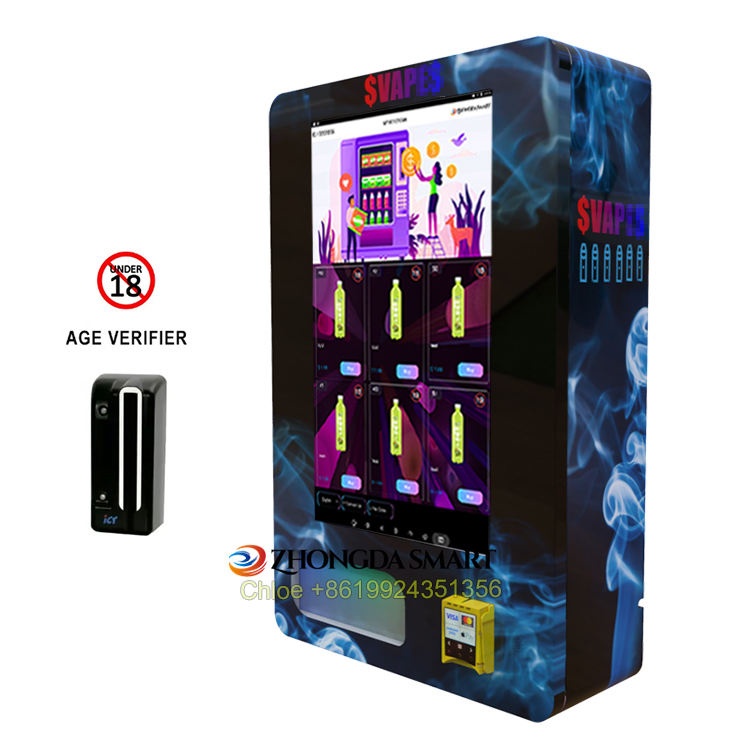
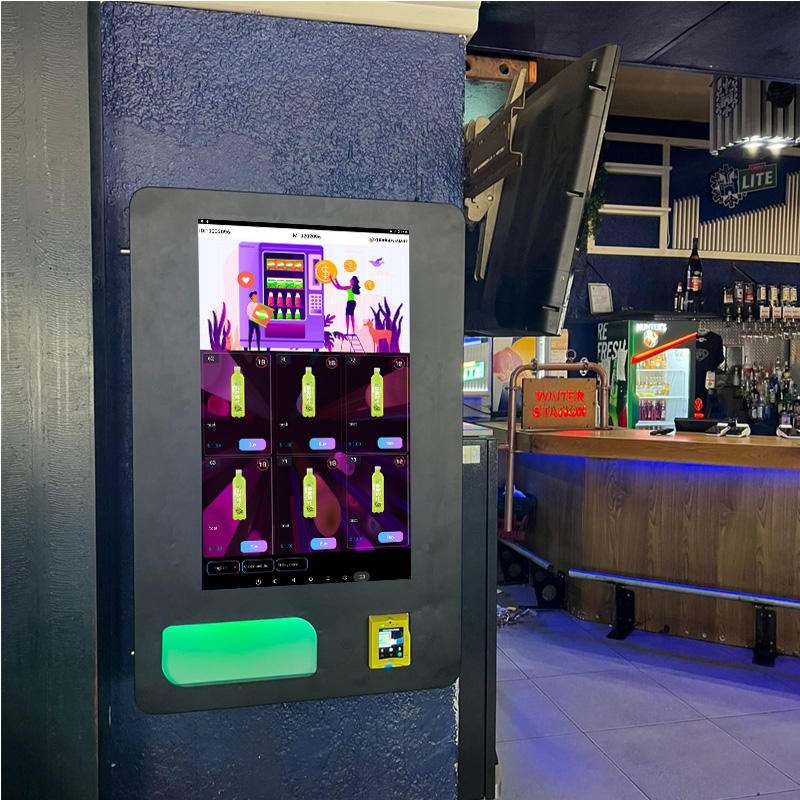
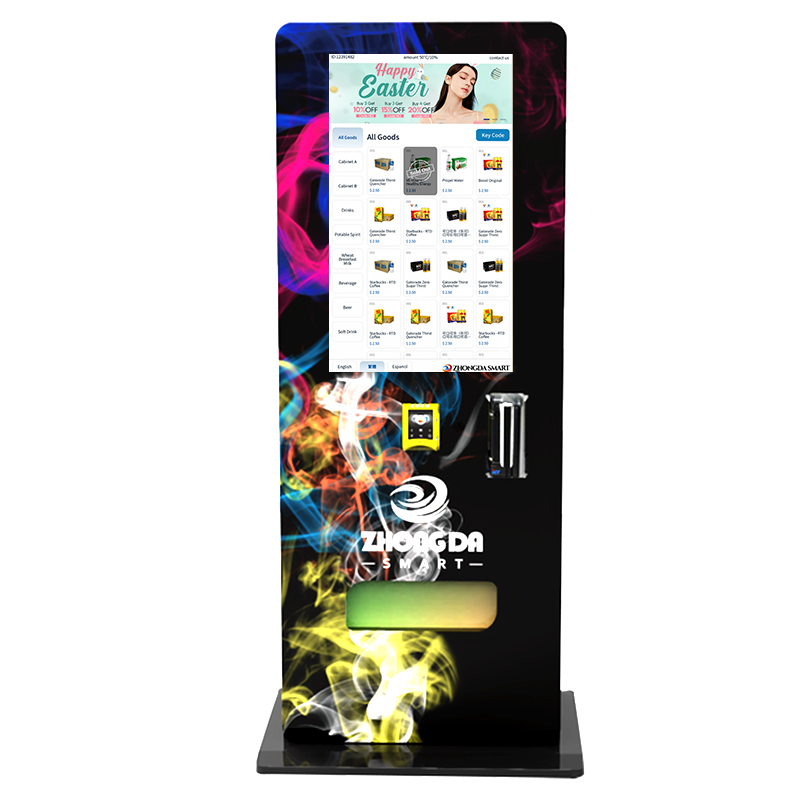
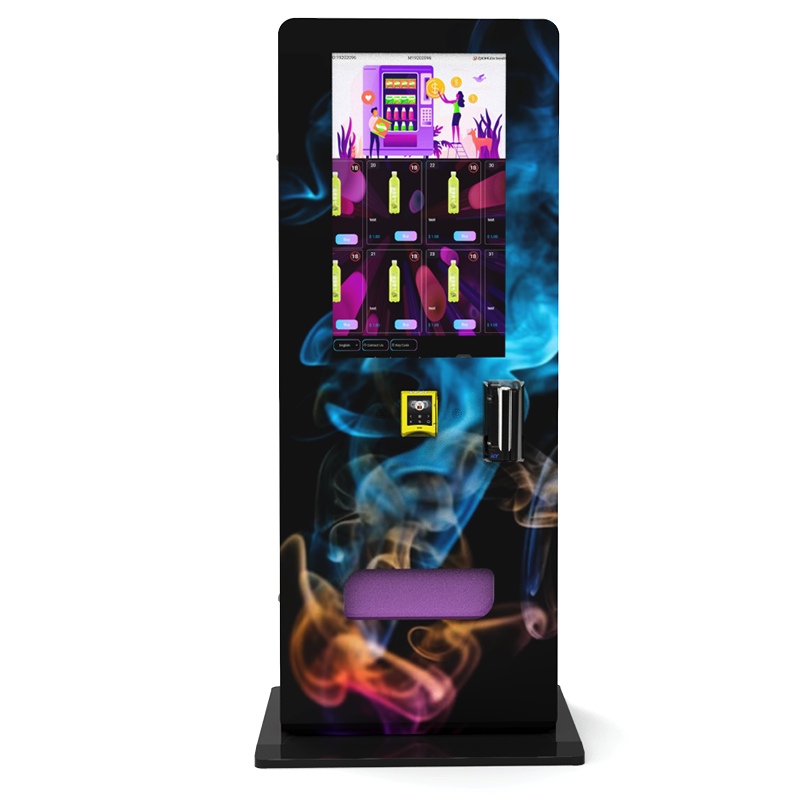
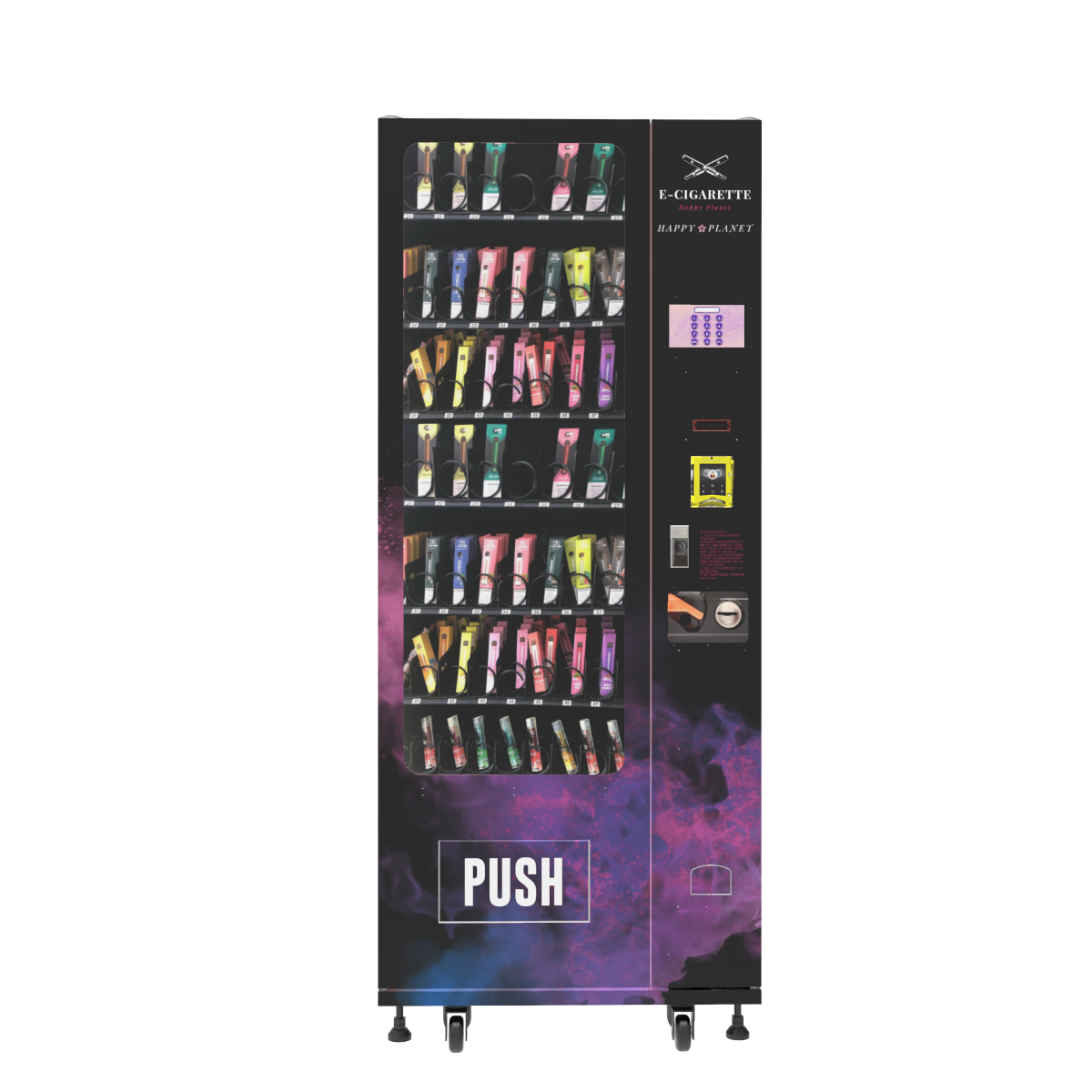
After a decade of deploying vending machines across the US and Europe, I can tell you this straight: the only way to make money with a vape vending machine today is to pair it with bulletproof age verification. The days of trust-based, coin-drop units are long gone. If you are looking at a vape vending machine with age verification, you are looking at the only compliant path forward that actually drives repeat revenue. The market has shifted hard, and operators who ignore this step end up with seized inventory and fines. Let me walk you through what actually works on the ground, from hardware selection to daily operations, based on real deployments and real P&L sheets.
Why Age Verification Is Non-Negotiable in Modern Vending
Every operator I know who tried to run a machine without a scanner got burned within the first six months. Local ordinances have tightened. Undercover stings are common. A smart vending machine that relies on an honor system is a liability. The technology has evolved to the point where a self-service kiosk equipped with ID scanning and facial age estimation can process a sale in under twelve seconds while maintaining a full audit trail.
The real shift happened around 2021 when several states started requiring third-party age verification for any automated sale of nicotine products. Machines that could not produce a digital log of the ID scan were effectively outlawed. This pushed the entire industry toward biometric and document-based verification systems. A compliant e-cigarette vending machine now typically uses a combination of barcode scanning, facial analysis, and database cross-referencing.
From a business perspective, this compliance layer actually increases trust with location partners. Bars and convenience stores are far more willing to host a unit when they know the machine is doing the legal heavy lifting. I have seen lease agreements signed faster for age-gated vending than for standard snack machines simply because the liability is lower.
How the Multi-Step Verification Process Works in Practice
The term multi-step sounds complicated, but the user experience is surprisingly smooth. A customer approaches the machine, selects a product, and is prompted to verify their age. The first step is usually a driver’s license scan. The machine reads the barcode or magnetic stripe, extracts the date of birth, and checks it against the current date. If the customer is over 21, the system moves to the second step.
Step two involves a facial comparison. The machine’s camera takes a live image and compares it to the photo on the ID. This prevents someone from using a borrowed license. If the match confidence is high, the transaction proceeds. Some machines also run the ID through a third-party database to check for validity and blacklists.
Here is where the engineering gets interesting. The entire process must happen locally on the machine, not over a cloud connection, because Wi-Fi in a bar basement can be spotty. We design the verification module to store encrypted data on the device and only sync transaction logs when a stable connection is available. This ensures the machine never rejects a legitimate sale due to network lag.
For operators, the key metric is the verification success rate. In our deployments, the multi-step system passes over 94% of legitimate customers on the first attempt. The remaining 6% are usually due to damaged IDs or poor lighting, and those customers can retry or get help from staff. The false positive rate, where an underage person slips through, is below 0.1% in field tests.
Cost Breakdown and Profit Model That Actually Works
Let me be direct about the numbers. A fully equipped age verification vending machine costs between $4,500 and $8,500 depending on capacity, screen size, and verification module. That is higher than a standard snack machine, but the per-transaction profit is significantly better. A single vape pod or disposable device carries a margin of 40% to 60% at retail.
Here is a realistic monthly projection based on a medium-traffic location like a busy vape shop or a late-night bar:
- Average daily transactions: 18 to 25
- Average transaction value: $14.50
- Monthly gross revenue: $7,800 to $10,900
- Cost of goods sold: $3,900 to $5,450 (at 50% margin)
- Location commission (15%): $1,170 to $1,635
- Monthly net profit: $2,730 to $3,815
These figures assume the machine is restocked twice a week and the location is open at least 16 hours a day. The payback period on the hardware is typically four to six months in a good spot. I have seen machines in high-footfall areas like college-adjacent convenience stores hit payback in three months.
One hidden cost that catches new operators is the verification service fee. Most third-party age verification APIs charge per check, usually between $0.05 and $0.15 per transaction. At 600 transactions per month, that is $30 to $90 in fees. Factor that into your margin calculation from day one.
Comparing Verification Technologies: What to Look For
Not all age verification systems are built the same. I have tested units with simple barcode scanners that only check the ID format, and I have tested units with full biometric matching. The difference in compliance and user trust is massive. Below is a comparison based on real-world performance in our network.
| Verification Method | Speed | Accuracy | Cost per Check | User Friction |
|---|---|---|---|---|
| Barcode only | 3 seconds | Medium | $0.02 | Low |
| Barcode + facial match | 8 seconds | High | $0.08 | Medium |
| Full biometric + database | 12 seconds | Very High | $0.15 | Medium |
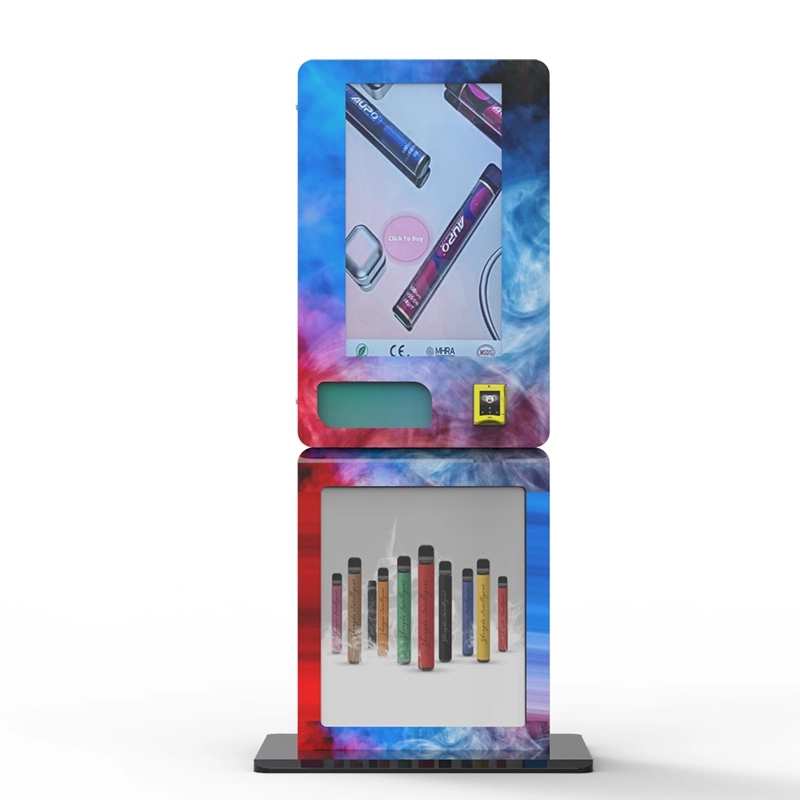
The sweet spot for most commercial deployments is the barcode plus facial match combination. It provides a strong audit trail and keeps the transaction time under ten seconds. Full biometric systems are overkill for most locations unless you are operating in a jurisdiction with extremely strict compliance requirements.
One detail that many buyers overlook is the camera placement. A machine with a low-mounted camera will struggle to capture a clear facial image if the customer is tall. We mount the camera at 58 inches from the ground and use a wide-angle lens to accommodate users between 4'10" and 6'5". This small engineering decision has a measurable impact on verification pass rates.
Real Deployment Experience: What Goes Right and Wrong
I want to share a specific case that taught me a lot about location selection. We placed a machine in a nightclub that had a very young crowd, mostly early twenties. The verification system was working perfectly, but we saw a high rate of declined transactions. The issue was not the machine. It was the IDs. Many customers were using out-of-state licenses or temporary paper IDs that the scanner could not read reliably. We had to add a manual override feature where the bartender could visually verify and approve the sale via a tablet interface.
Another lesson came from a deployment in a hotel lobby. The machine was doing well until housekeeping started unplugging it to plug in floor buffers. We had to install a locking power cord and a tamper alarm that notified the operations team if the machine lost power unexpectedly. These are the kinds of details that never show up in a product brochure but determine whether a machine is profitable or a headache.
On the positive side, a convenience store chain we worked with saw a 22% increase in overall store traffic after installing an ID scan vending machine near the entrance. Customers who came in to buy a vape often picked up a drink or a snack from the shelves. The machine paid for itself in four months and the store owner ordered two more units for other locations.
For those considering entering this space, I recommend starting with a single machine in a location you know well. Track every transaction. Monitor the verification failure reasons. Adjust your product mix based on what sells. Once you have a proven model, scale from there. Jumping in with ten machines at once is a fast way to burn capital.
Technical Specifications That Matter for Long-Term Reliability
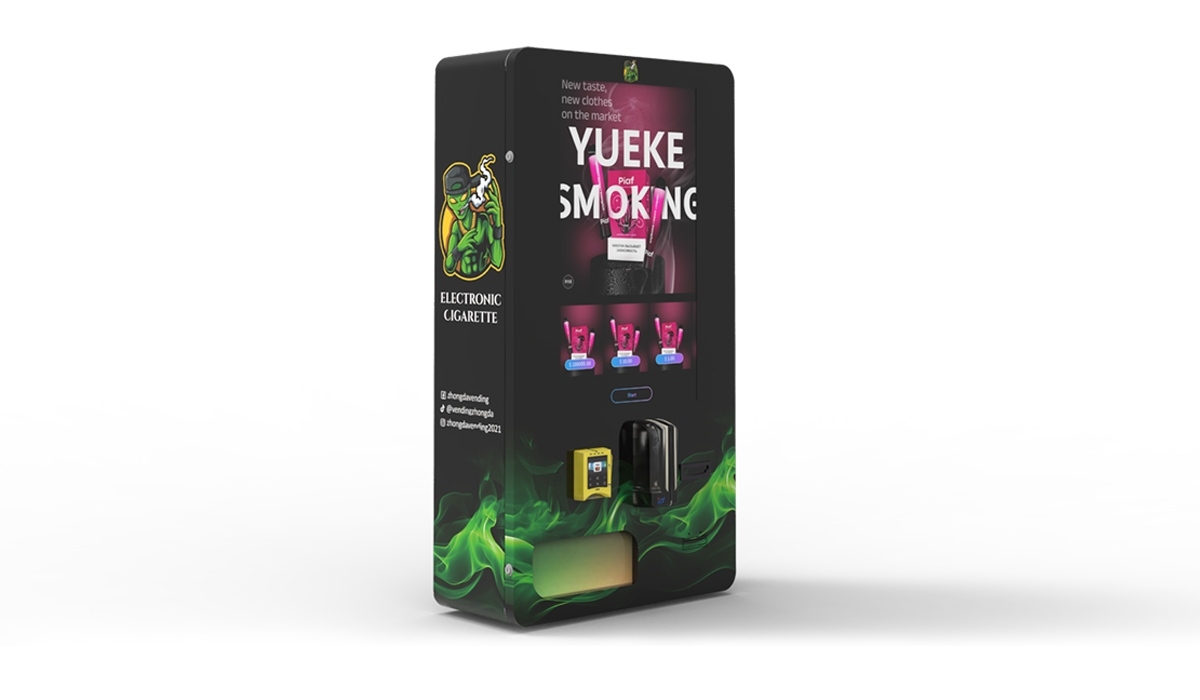
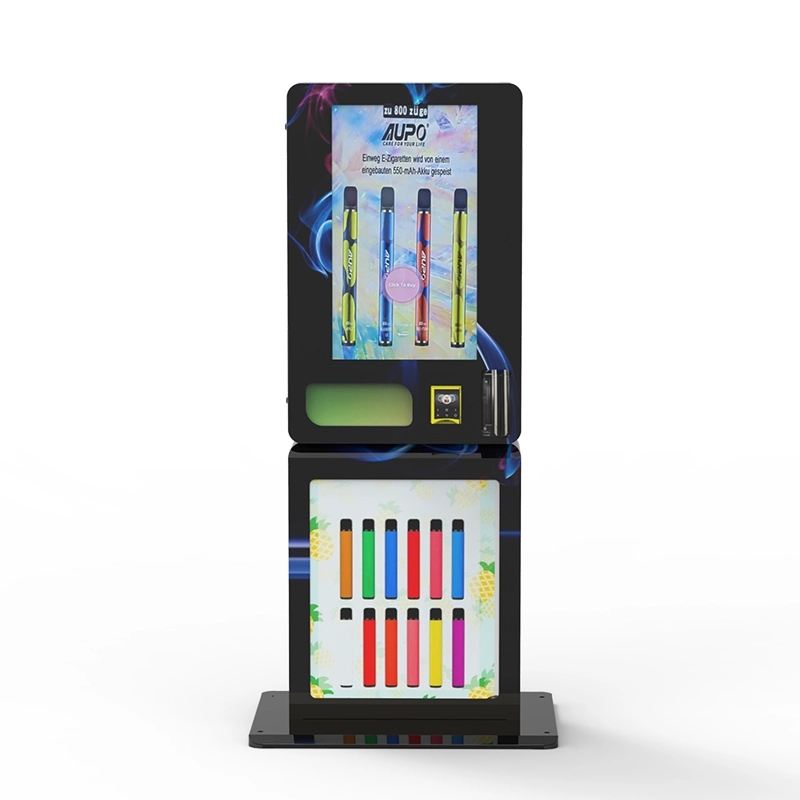
When you evaluate a machine, look past the shiny screen and check the build quality. The vending environment is harsh. Temperature swings, humidity, and vibration from nearby speakers can kill consumer electronics. A wall mounted compact e-cigarette vending machine needs a reinforced steel cabinet and a sealed ventilation system to handle 24/7 operation.
The payment system is another critical component. A machine that only accepts cash will lose sales. Modern customers expect to tap their phone or insert a chip card. We use a universal payment terminal that supports NFC, EMV chip, and magnetic stripe. This increases the conversion rate by about 15% compared to cash-only units.
Inventory management software is not a luxury. It is a necessity. A machine that reports its stock levels in real time allows you to route restocking trips efficiently. Without it, you will either run out of popular products or waste time checking machines that are still full. Our system sends a restock alert when any column drops below 30% capacity, and it tracks sales velocity per product so you can optimize your mix.
For more on technical specifications and available configurations, you can review the detailed product pages on our site. The age verification vending machine page covers the full hardware stack, and the wall mounted compact unit is a popular choice for locations with limited floor space. If you need a larger capacity, the high-capacity model supports up to 300 units and includes dual verification cameras.
Location Strategy: Where to Place Your Machine for Maximum ROI
The difference between a machine that earns $3,000 a month and one that earns $300 a month is almost always the location. High-traffic does not automatically mean high sales. You need a location where the customer has an immediate need and no other convenient option to buy the product.
Bars and nightclubs are the obvious first choice. People who are drinking often want a vape, and they do not want to leave the venue to buy one. A machine placed near the restrooms or the exit corridor performs well. We have seen average transaction values of $16 in these environments because customers are less price-sensitive.
Vape shops themselves are surprisingly good locations for a secondary machine. The shop might close at 9 PM, but customers still want to buy after hours. A machine placed outside the store or in a dedicated 24-hour lobby captures those late-night sales. One shop owner told me his after-hours machine does 40% of the volume his counter does during business hours.
Hotels and motels are another strong category. Travelers often forget their device or run out of pods. A machine in the lobby or near the elevator bank solves that problem instantly. The key is to work with the front desk staff so they know the machine exists and can direct guests to it.
Colleges and universities are tricky. Many have policies against nicotine sales on campus, but the surrounding area is usually fair game. A machine in a convenience store or a coffee shop within walking distance of a dorm complex can generate consistent volume. Just be prepared for higher verification scrutiny in these locations.
Maintenance and Operational Reality
Machines break. It is a fact of the vending business. The most common failure point is the verification scanner. People jam their IDs in at odd angles, or the lens gets smudged from fingerprints. We recommend cleaning the scanner lens every week and running a diagnostic test on the camera module. A simple maintenance checklist posted inside the machine cabinet helps your field staff catch issues early.
Stock rotation is another area where operators lose money. Vape products have expiration dates, and a stale product will not sell. Implement a first-in, first-out system. Load new stock behind existing stock. Check expiration dates every time you restock. A machine that consistently sells fresh product builds customer trust and repeat visits.
Security is a concern, especially in unsupervised locations. Machines should have a tamper-proof lock, an internal alarm that triggers if the door is forced open, and a GPS tracker. We have recovered stolen machines because the GPS sent an alert the moment the unit was moved from its installed position. The cost of a GPS module is under $50. The cost of losing a machine is $5,000.
Risk Factors and Failure Cases You Need to Know
I have seen operators fail for three main reasons. First, they underestimate the importance of location negotiation. A 15% commission is standard, but some locations will ask for 25% or more. Do not agree to a high commission unless the traffic is proven. Second, they buy cheap machines without proper verification. A $2,000 machine that cannot reliably scan IDs is a legal trap. Third, they neglect the software side. A machine that does not report sales data is a blind investment.
One operator I know bought ten machines from a low-cost manufacturer and deployed them across five states. Within three months, three machines had failed verification modules. The manufacturer did not support the units and the operator had to replace them out of pocket. He lost $15,000 and exited the business. The lesson is simple: vet your supplier as thoroughly as you vet your locations.
Legal risk is real. A single sale to a minor can result in fines ranging from $500 to $10,000 per violation, depending on the jurisdiction. Some states also impose a suspension of your vending license. Do not operate without a clear understanding of local laws. Work with a lawyer who specializes in nicotine product regulation.
Long-Term Strategy for Scaling Your Vending Operation
Once you have one machine running profitably for three months, you have a replicable model. The next step is to standardize everything. Use the same machine model, the same product mix, the same restocking schedule. This allows you to train staff efficiently and negotiate better pricing on both hardware and products.
Consider a partnership with a local distributor for product supply. Buying single units at retail prices kills your margin. A distributor will give you wholesale pricing if you commit to a monthly volume. We have seen operators cut their cost of goods by 18% just by switching to a bulk purchasing arrangement.
Data is your competitive advantage. Track which products sell fastest in each location. Adjust your mix based on seasonality. In summer, disposable devices with fruit flavors move faster. In winter, higher-nicotine pods and rechargeable kits sell better. A machine that adapts its inventory based on sales data will outperform a static machine every time.
For operators looking to expand beyond a single unit, the multi-shelf configurable model offers flexibility for different product sizes, and the compact dual-verification unit is ideal for tight spaces. Both models integrate with our central management platform for real-time monitoring.
Frequently Asked Questions
How does a vape vending machine with age verification work?
What is the average cost of a compliant vape vending machine?
How much profit can I make from one machine?
What happens if the verification system fails?
Are these machines legal everywhere?
Sources and References
- Statista report on vending machine market size and growth projections: https://www.statista.com/topics/1385/vending/
- FDA guidance on age verification for tobacco product sales: https://www.fda.gov/tobacco-products/retail-sales-tobacco-products/age-verification
- IBISWorld industry report on vending machine operators in the US: https://www.ibisworld.com/united-states/market-research-reports/vending-machine-operators-industry/