I’ve spent the last decade deploying vending machines across the U.S. and Europe, and before that, I spent fifteen years building them from the ground up in our factory. When people ask me what to look for in smart vending machine manufacturers, I tell them the same thing: stop looking at the machine first. Look at the software, the compliance framework, and the supply chain. The hardware is important, but it’s the least likely thing to fail if you pick the right partner. What will kill your operation is a bad payment system, a clunky age verification process, or a manufacturer who can’t ship replacement parts when a compressor dies. I’ve seen operators lose six figures because they bought from a company that looked good on paper but had no field support. This guide is built on real deployments, real P&L statements, and real mistakes.
What Defines a Reliable Smart Vending Machine Manufacturer
A reliable manufacturer isn’t just the one with the flashiest website or the lowest quote. In my experience, the best indicator is how they handle complexity. A smart vending machine today isn’t a metal box with a coil. It’s a networked device with a touchscreen, a payment terminal, a camera system for inventory, and often an age verification module. The manufacturers who excel are the ones who control the entire stack — hardware design, firmware, cloud backend, and user interface. When something breaks, you want one phone call, not a runaround between three vendors.
I’ve worked with dozens of factories over the years, and the ones that consistently deliver are the ones that have been doing this long enough to have a real service network. For example, Zhongda Smart has been in the vending business for over fifteen years. That kind of track record matters because it means they’ve already solved the problems that new entrants are still discovering. They understand that a machine sitting in a bar in Chicago needs to handle humidity, power fluctuations, and occasional physical abuse. They also understand that the software needs to talk to back-end inventory systems without crashing.
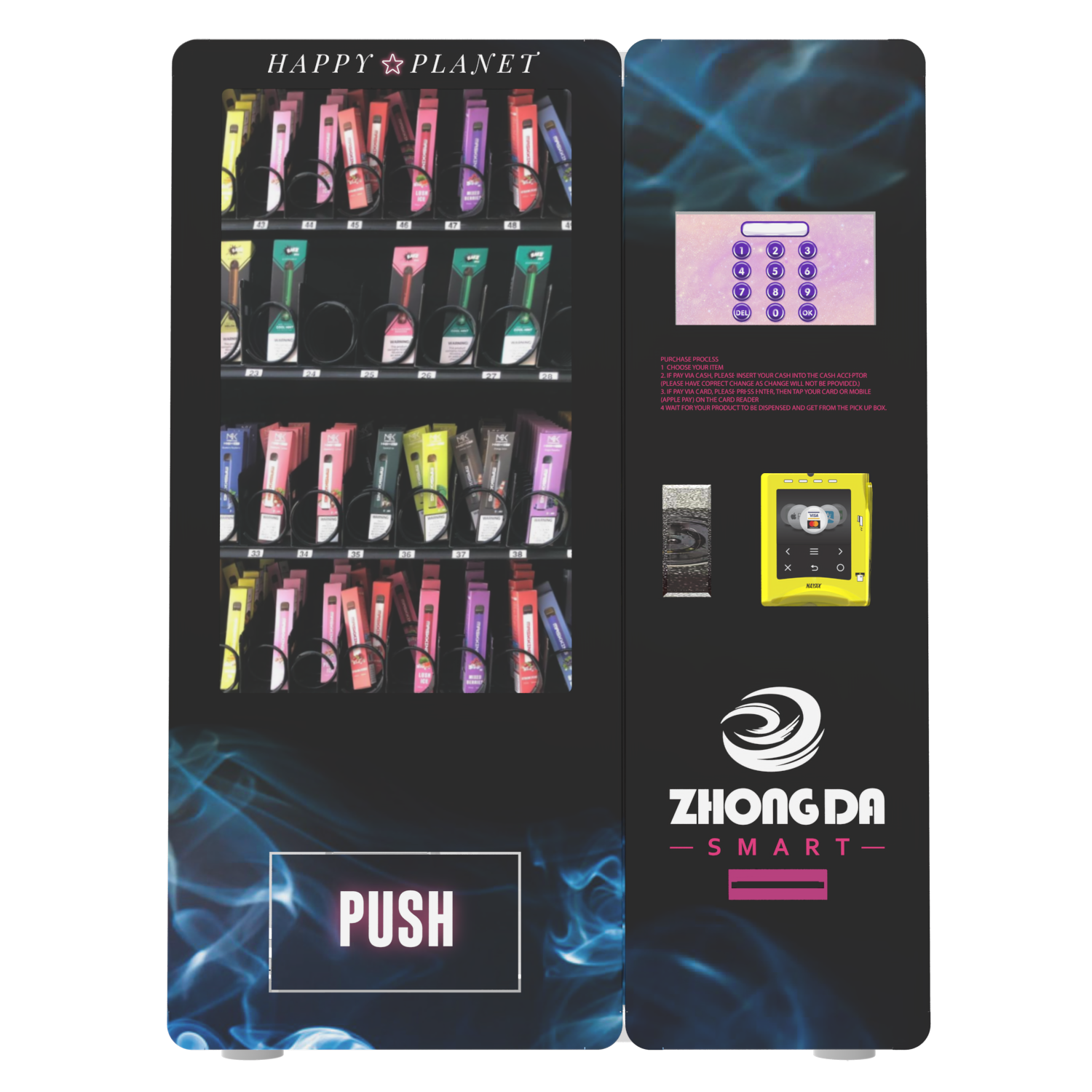
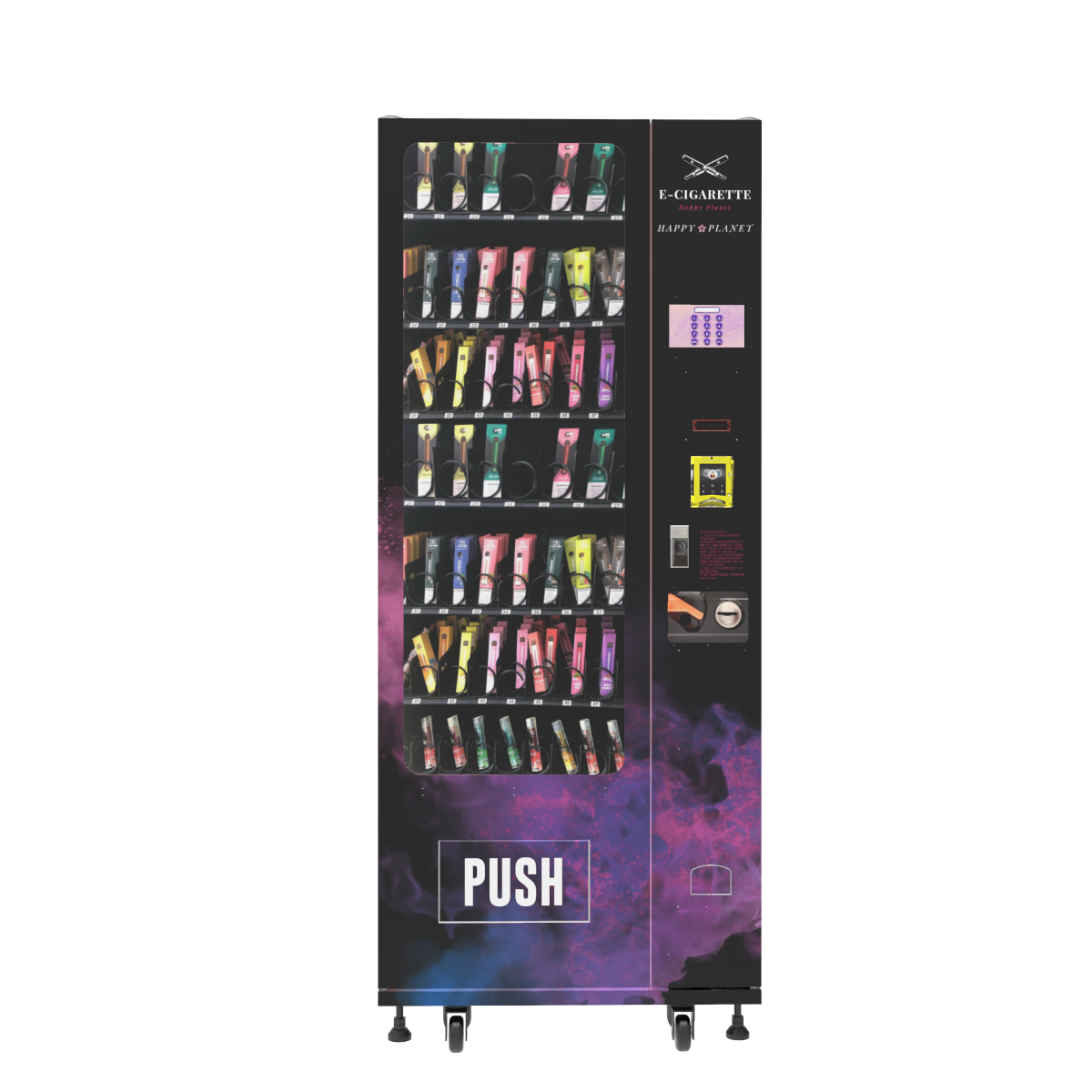
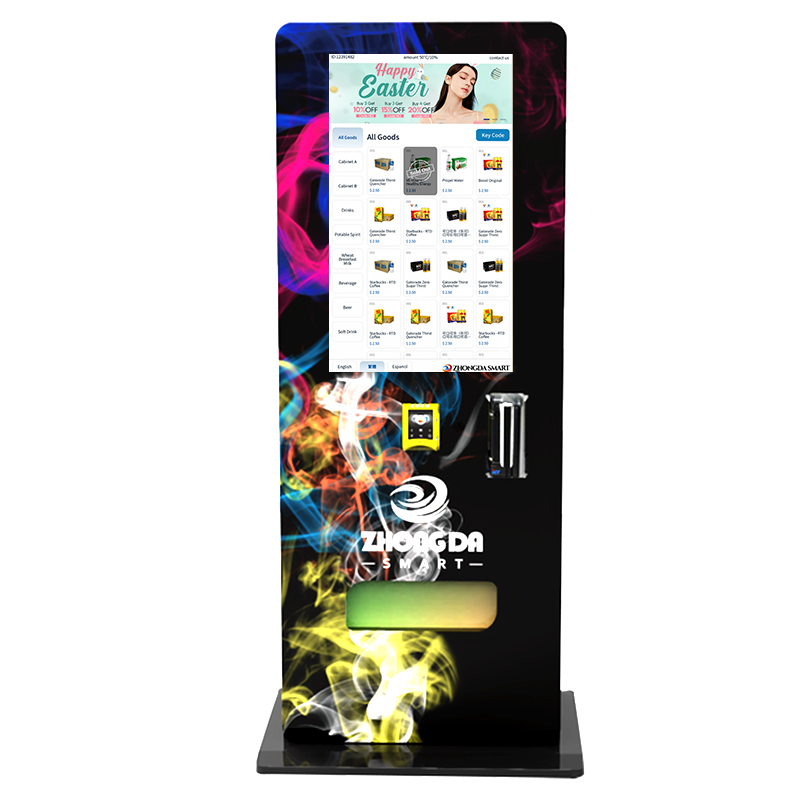
Another thing to check is whether the manufacturer builds their own age verification systems. In the vape vending machine space, this is non-negotiable. If you’re deploying in a market with strict age-gating laws, like California or Florida, the machine has to scan a driver’s license, verify it against a database, and sometimes even check for a vertical ID. A manufacturer who outsources this component adds a layer of risk. I’ve seen machines get pulled from locations because the third-party ID scanner stopped working and the manufacturer blamed the scanner company. The best manufacturers integrate this themselves. For instance, Zhongda Smart’s age verification vending machine is built with a fully integrated ID scanner and real-time database check. That’s the kind of engineering you want.
The Real Cost Structure of a Vending Operation
Most people underestimate the total cost of ownership. They look at the price tag of the machine and think that’s the investment. It’s not. The machine is the entry fee. The real costs are in installation, software licensing, payment processing fees, inventory, maintenance, and location commissions. I’ve seen operators budget $5,000 for a machine and then spend another $3,000 in the first year just on logistics and repairs.
Here’s a breakdown based on actual deployments I’ve managed:
| Cost Category | Estimated Amount (USD) | Notes |
|---|---|---|
| Machine Purchase (Smart Vending) | $3,500 – $8,000 | Depends on size, screen, and age verification features |
| Shipping & Installation | $400 – $1,200 | Higher if location requires structural mounting |
| Software License (Annual) | $300 – $800 | Cloud backend, remote monitoring, inventory tracking |
| Payment Processing (Annual) | 2.5% – 4% of revenue | Varies by processor and transaction volume |
| Initial Inventory (Vape Products) | $1,000 – $2,500 | Depends on product mix and wholesale pricing |
| Maintenance & Repairs (Annual) | $300 – $700 | Higher for first year if machine has defects |
| Location Commission (Monthly) | 10% – 25% of revenue | Negotiable; high-traffic locations demand more |
The table above is a realistic snapshot. If you’re looking at a quote that seems too good to be true, it probably is. I’ve seen manufacturers offer machines for $2,000, but those machines often lack proper cooling, have cheap screens that fail after six months, and use outdated payment terminals that don’t support tap-to-pay. You save upfront but lose on the back end.
Profit Models and Realistic ROI Timelines
The profit model for a smart vending machine is straightforward: sell high-margin products in high-traffic locations. But the math is sensitive to location, product selection, and machine downtime. In a busy convenience store or a bar with steady foot traffic, a well-placed vape vending machine can generate between $1,500 and $4,000 in monthly revenue. After product costs (usually 50% to 60% of retail), location commission, and payment fees, you’re looking at a net monthly profit of $400 to $1,200 per machine.
ROI periods vary. In a good location, you can break even in 6 to 12 months. In a mediocre location, it might take 18 months or more. I’ve seen operators make the mistake of placing machines in low-traffic spots just to get a deal on commission, and then wonder why the machine isn’t profitable. The location is everything. I’ve had a machine in a single bar generate $3,200 in a month during a holiday weekend, and another machine in a hotel lobby generate $400 in the same period. The difference was foot traffic and product mix.
One thing I always tell new operators: don’t expect the first three months to be profitable. You’ll be tweaking product selection, adjusting pricing, and maybe even moving the machine. That’s normal. The operators who succeed are the ones who treat the first quarter as a data-gathering phase.
Key Technical Features That Matter in the Field
After deploying hundreds of machines, I’ve learned which features are worth paying for and which are just marketing fluff. Here’s what actually matters:
Reliable Age Verification
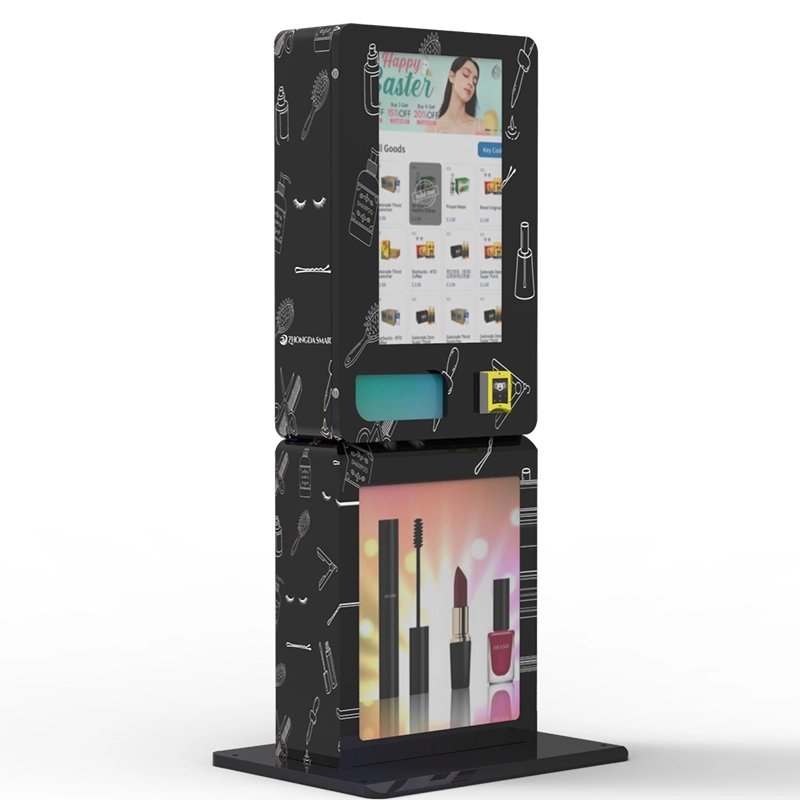
This is the single most important feature for any vending machine selling age-restricted products. A machine that can’t reliably verify a customer’s age will get you fined, shut down, or both. Look for a manufacturer that uses a built-in scanner with support for vertical IDs, out-of-state licenses, and passport verification. The system should also log every transaction for compliance audits. Zhongda Smart’s ID scan vending machine is a good example of this done right — it scans, verifies, and logs without needing a separate tablet or external device.
Remote Monitoring and Inventory Management
You don’t want to drive to a location just to find out the machine is empty. A good smart vending machine sends you real-time data on inventory levels, sales velocity, and machine health. This lets you restock only when necessary, which saves fuel and labor. Some manufacturers offer this as a paid add-on. I prefer manufacturers who include it in the base price.
Payment Flexibility
Cash is dying. In the U.S., over 80% of vending transactions are now cashless. Your machine must accept credit cards, Apple Pay, Google Pay, and ideally some form of digital wallet. If the payment terminal is slow or doesn’t support contactless, customers will walk away. I’ve seen a 15% drop in sales just from switching from a slow terminal to a fast one.
Build Quality and Cooling
If you’re selling products that need temperature control, like certain vape juices or batteries, the cooling system has to be industrial-grade. Cheap compressors fail in high-ambient-temperature environments. I’ve had machines in outdoor locations in Arizona where the internal temperature hit 110°F. Only machines with robust cooling systems survived. Always ask about the compressor brand and the operating temperature range.
Comparing Different Types of Vending Machines
Not all smart vending machines are created equal. The form factor matters depending on where you’re deploying. Here’s a comparison based on real use cases:
| Machine Type | Best For | Capacity | Footprint | Typical Price Range |
|---|---|---|---|---|
| Wall-Mounted Compact | Small bars, waiting rooms, tight spaces | 50 – 100 units | Very small | $2,500 – $4,500 |
| Freestanding Mid-Size | Convenience stores, hotel lobbies | 100 – 200 units | Medium | $4,000 – $6,500 |
| Large High-Capacity | High-traffic retail, airports, casinos | 200 – 400 units | Large | $6,000 – $10,000 |
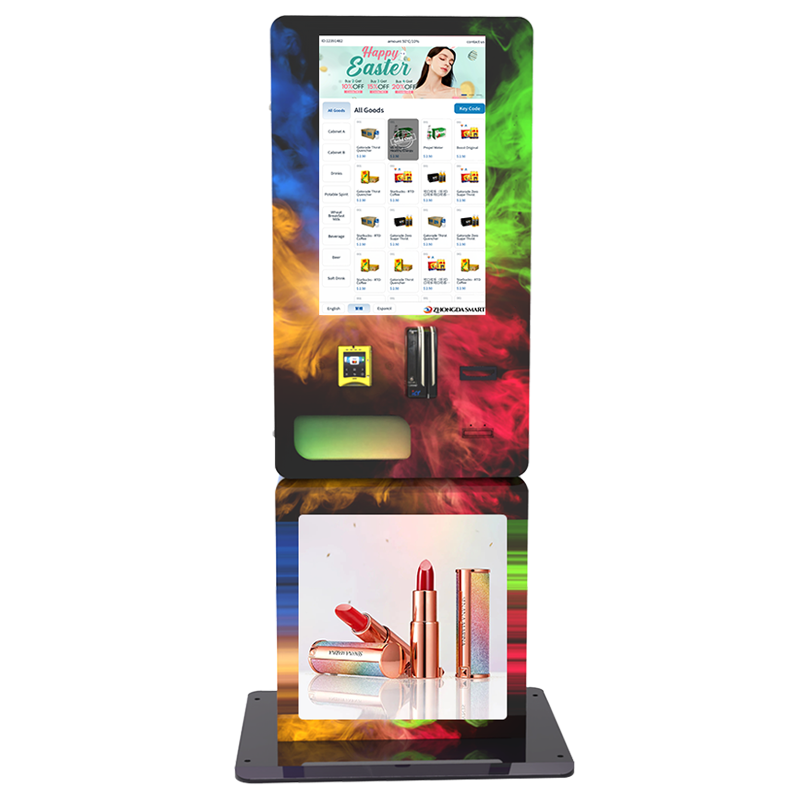
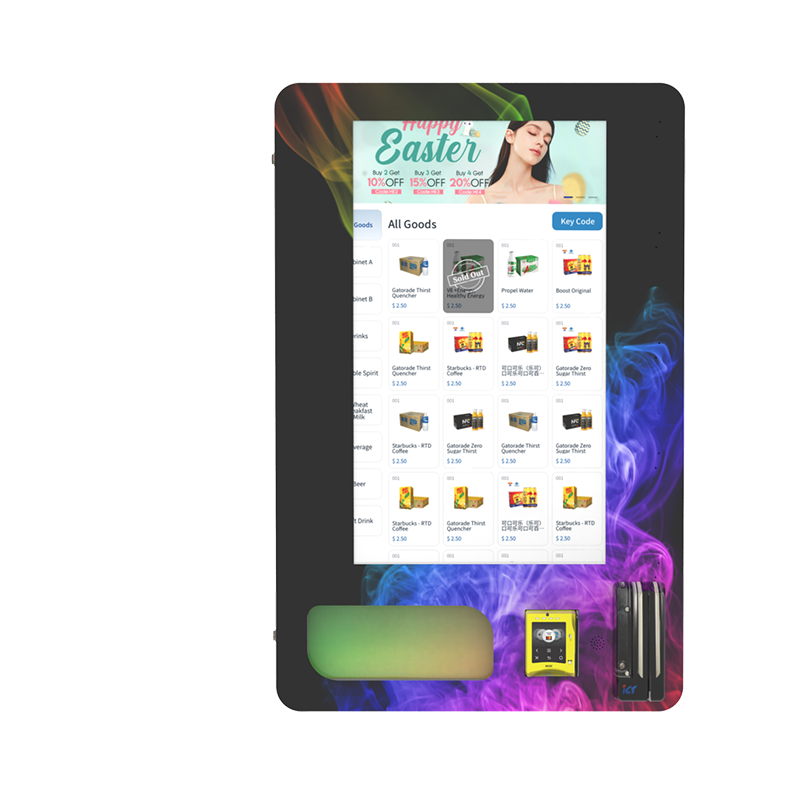
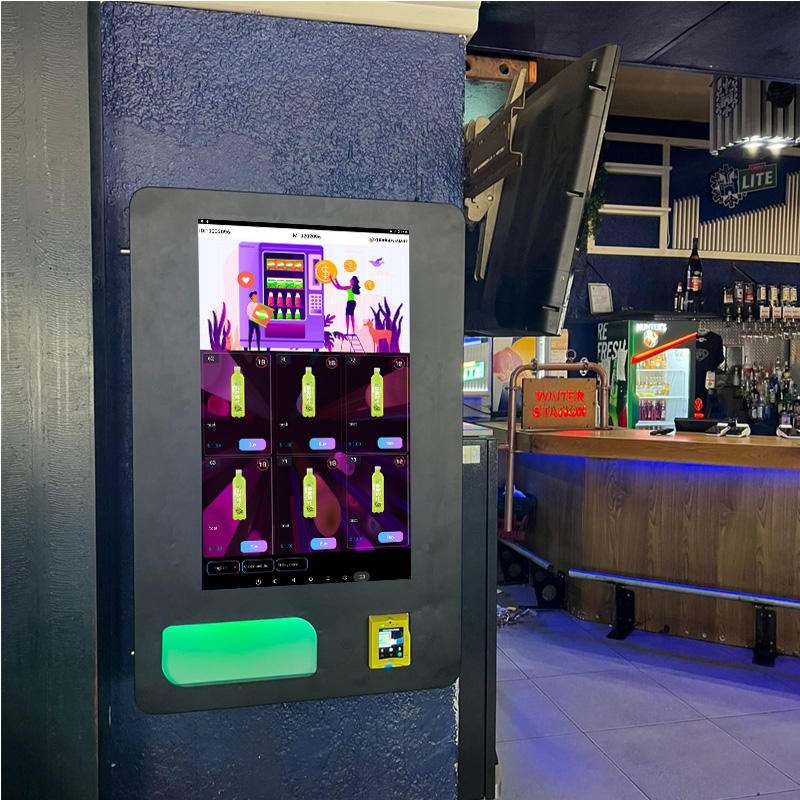
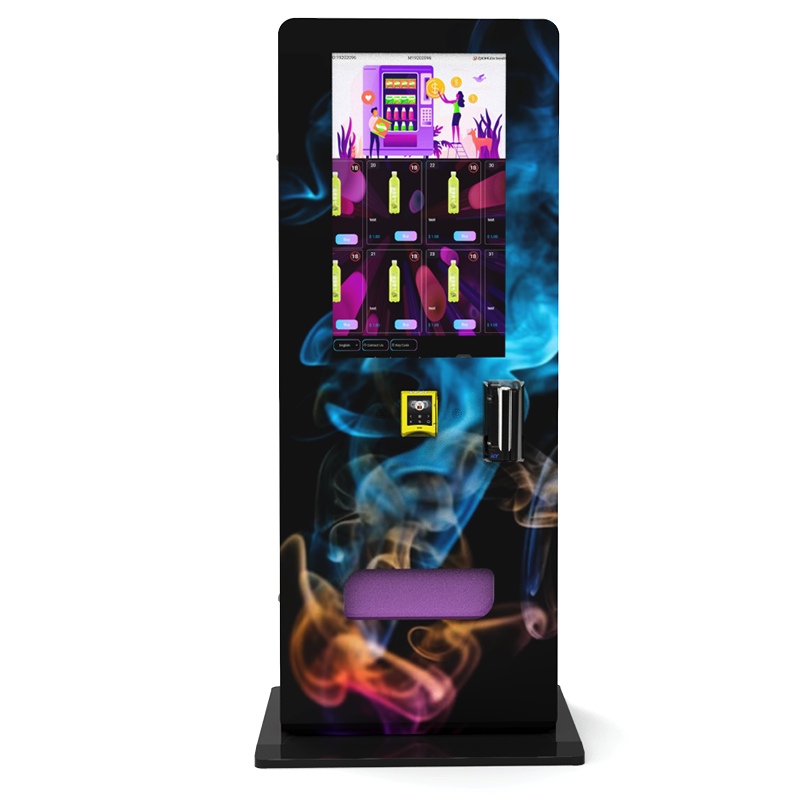
Wall-mounted units are popular because they don’t take up floor space. I’ve placed them in small bars where every square foot matters. They work well, but they have limited capacity, so you need to restock more frequently. Freestanding units are better for high-volume locations. The trade-off is that they’re harder to move and require more upfront installation work.
One specific model I’ve used extensively is the wall-mounted compact e-cigarette vending machine. It’s a solid choice for operators who want to test a location without committing to a large footprint. It’s also easier to relocate if the location doesn’t perform.
Real Deployment Experience and Common Failures
I’ve made plenty of mistakes, and I’ve seen others make the same ones. Here are the most common failures I’ve encountered in the field:
Failure 1: Ignoring the local regulatory environment. I once deployed a machine in a county that required all age-restricted vending machines to be within direct line of sight of an employee. I didn’t check the local ordinance. The machine was shut down within a week. Always, always check local laws before signing a location agreement. Some states require specific signage, others require the machine to be in a locked room. Know the rules.
Failure 2: Using a generic payment system. I had an operator who bought a machine with a payment terminal that didn’t support NFC. In 2023, that’s a death sentence. Customers want to tap their phone. We had to retrofit the machine with a new terminal, which cost $400 plus labor. That mistake ate into the first three months of profit.
Failure 3: Underestimating restocking costs. If your machine is 30 minutes away from your warehouse, and you’re restocking twice a week, that’s 4 hours of driving per week. Over a year, that’s over 200 hours of labor just for one machine. The profit margin disappears quickly. I now only deploy machines within a 15-minute radius of a restocking point, unless the volume is exceptional.
Failure 4: Choosing a manufacturer with no support. I’ve had machines arrive with a faulty touchscreen. The manufacturer took three weeks to send a replacement. In that time, the location lost revenue and the operator lost trust. I now only work with manufacturers who have a dedicated support line and a parts warehouse in the region. Zhongda Smart’s service page outlines their support structure, which is something I always check before committing to a bulk order.
Long-Term Maintenance and Operational Strategy
Maintenance is not exciting, but it’s what separates profitable operations from failing ones. A smart vending machine has several components that will wear out: the touchscreen, the payment terminal, the cooling system, and the dispensing mechanism. The key is to have a preventive maintenance schedule.
I recommend a monthly check for all machines. Clean the touchscreen, test the payment terminal, check the cooling temperature, and verify that the age verification system is working. Most issues can be caught early. For example, a compressor that’s running louder than usual is often a sign that the coils need cleaning. If you catch it early, you save a $500 repair bill.
Software updates are another critical part of long-term strategy. The payment industry changes constantly. New security standards, new payment methods, and new compliance requirements mean your machine’s software needs to be updated regularly. If your manufacturer doesn’t provide over-the-air updates, you’re going to have problems. I’ve seen machines become non-compliant overnight because a payment standard changed and the manufacturer didn’t push an update.
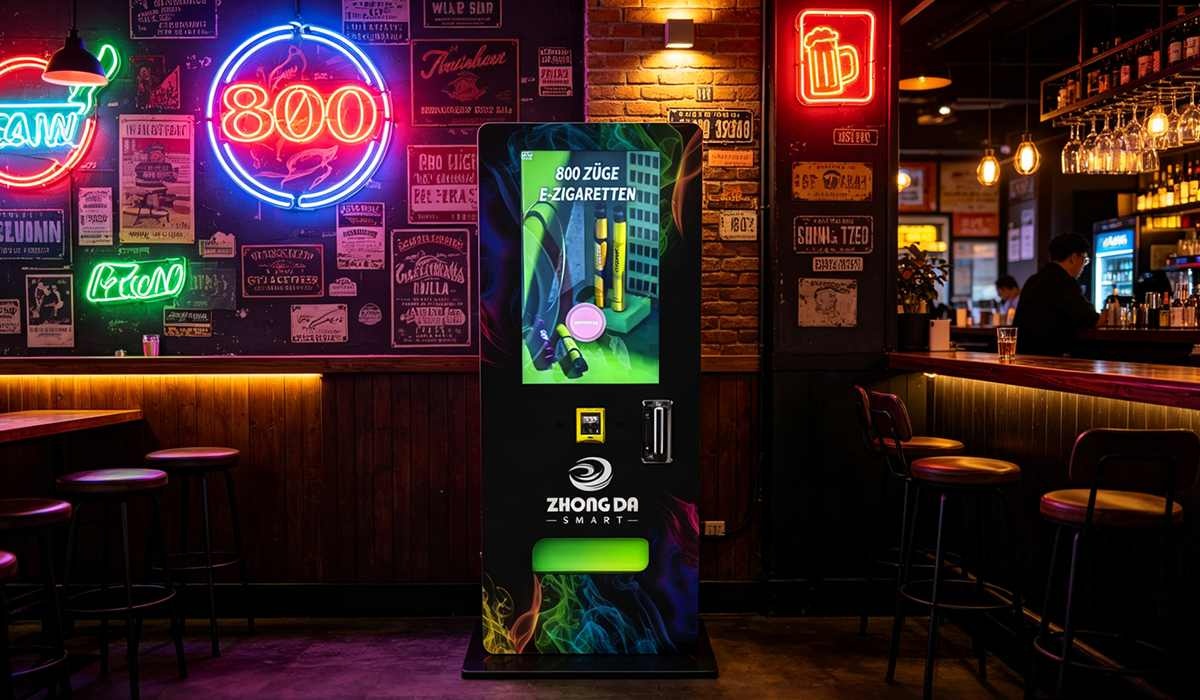
Another operational strategy is to rotate products based on sales data. A smart vending machine gives you data on what’s selling and what’s not. If a product hasn’t moved in two weeks, replace it. I’ve seen operators increase revenue by 25% just by cutting slow movers and adding popular flavors or brands. The data is there — you just have to use it.
How to Evaluate a Manufacturer Before You Buy
Before you place an order, do a deep evaluation. Here’s a checklist I use:
- Ask for references. Any manufacturer with a good track record will have operators who are willing to talk. Call them. Ask about machine reliability, support response time, and any recurring issues.
- Request a demo unit. Don’t buy a machine you haven’t tested. Run it for a week in your own facility. Test the age verification with different IDs. Test the payment system. Test the cooling under load.
- Check the software. Log into the cloud backend. Is it intuitive? Does it show real-time data? Can you set alerts for low inventory or machine errors? If the software feels like an afterthought, the hardware probably is too.
- Verify compliance certifications. The machine should have UL, CE, or equivalent certifications. If the manufacturer can’t provide documentation, walk away. You don’t want to be liable if the machine causes an electrical fire.
- Look at the supply chain. Where are the components sourced from? If a manufacturer uses generic parts that are hard to replace, you’ll be stuck waiting for weeks when something breaks. Manufacturers who build their own components, like Zhongda Smart, usually have better control over quality and availability.
Industry Data and Market Context
The vending machine market is growing, but the growth is concentrated in smart machines. According to a report by Statista, the global smart vending machine market is expected to reach $12.5 billion by 2027, driven by contactless payments and the demand for unattended retail. The vape segment is a significant part of that growth, especially in states where age verification technology has made it legal to sell through machines.
Another data point from IBISWorld shows that vending machine operators in the U.S. have seen a 3.5% annual growth rate over the last five years, with profit margins averaging around 12% for well-run operations. The margin is higher for specialized machines like vape vending machines, which can reach 20% or more if the product mix is optimized.
These numbers align with what I’ve seen on the ground. The operators who are making money are the ones who treat their machines as a data-driven business, not a passive income stream. They monitor, adjust, and reinvest.
Final Thoughts on Choosing a Manufacturer
Choosing a smart vending machine manufacturer is a long-term decision. The cheapest machine will cost you more in the long run. The most expensive one might have features you don’t need. The right one is the one that offers reliable hardware, integrated software, real support, and a proven track record in your specific vertical.
If you’re serious about deploying vape vending machines, I recommend starting with a small order from a manufacturer you’ve thoroughly vetted. Test the machine in one or two locations. Learn the operational rhythm. Then scale. I’ve seen too many operators buy 20 machines at once, only to realize the manufacturer’s software doesn’t integrate with their inventory system, or the machines are too large for their preferred locations. Start small, learn fast, and scale smart.
For more detailed technical specifications and case studies, I’d suggest looking at Zhongda Smart’s vape vending machine page and their deployment case studies. They have real examples from bars, hotels, and convenience stores that show what works and what doesn’t.
Frequently Asked Questions
What is the average lifespan of a smart vending machine?
With proper maintenance, a well-built smart vending machine can last 7 to 10 years. The touchscreen and payment terminal will likely need replacement around year 5. The cooling system can last longer if cleaned annually. I’ve seen machines from quality manufacturers still running after a decade, but the software usually becomes outdated before the hardware fails.
How much does it cost to start a vape vending machine business?
For a single machine, plan for $5,000 to $10,000 including the machine, installation, initial inventory, and permits. If you’re starting with three machines, budget around $20,000 to $25,000. The biggest variable is the location commission and the cost of the machine itself. I always recommend having at least six months of operating cash on hand.
Do I need a special license to operate a vape vending machine?
Yes. In most states, you need a tobacco retail license or a vape-specific license. Some states also require a vending machine permit. You’ll also need to register with the tax authority for excise tax collection. Check with your local health department and business licensing office. I’ve seen operators get fined heavily for skipping this step.
Can I place a vape vending machine outdoors?
It depends on the machine’s weather rating. Most indoor machines are not rated for outdoor use. If you want an outdoor installation, you need a machine with a weatherproof enclosure, a robust cooling system, and a heated cabinet for cold climates. I’ve done outdoor deployments in covered areas like bus shelters, but direct sun and rain will kill a standard machine quickly.
How do I handle underage purchase attempts?
A good age verification system will scan the ID, check the date of birth, and verify the ID against a database. If the ID is fake or the person is underage, the transaction is blocked. All attempts should be logged. In my experience, the best systems also require a second verification if the ID scan is unclear. Never rely on a simple button press for age confirmation.
What happens if the machine breaks down and I can’t fix it?
Most reputable manufacturers offer remote diagnostics and can guide you through basic fixes. For hardware failures, you’ll need a local technician or a replacement unit. I always keep a spare machine for high-revenue locations so I can swap it out while the broken one is being repaired. Downtime is lost revenue, so plan for it.
Can I use a regular vending machine for vape products?
Technically, yes, but it’s not recommended. Regular vending machines lack age verification, which is required by law in most places. They also may not have the right cooling or product spacing for vape products. A dedicated vape vending machine is built for the specific dimensions and compliance requirements of the product category.
How often should I restock a vape vending machine?
It depends on the location. High-traffic locations may need restocking every 2 to 3 days. Low-traffic locations can go a week or more. The key is to use the machine’s inventory data to plan your restock trips. Restocking too often wastes labor. Restocking too late loses sales. Aim for a restock schedule that keeps the machine at least 70% full at all times.