I’ve spent the better part of the last decade deploying and managing vending machines across some of the toughest retail environments in the US and Europe. I’ve also spent fifteen years on the manufacturing side, designing and building the machines that go into those locations. When people ask me whether AI self-service retail is worth the investment, I don’t give them a sales pitch. I tell them what I’ve seen work, what I’ve seen fail, and where the real money is hiding. The shift toward AI self-service retail isn’t a trend you can afford to watch from the sidelines. It’s already reshaping how products move from warehouse to consumer, and if you’re in the vape or tobacco space, the stakes are higher than ever.
What AI Actually Changes in a Vending Machine
The first thing most people get wrong is thinking AI in a vending machine is just a fancy screen or a chatbot. It’s not. In our factory, we started integrating AI modules about six years ago, and the difference between a smart machine and a traditional one is night and day. A traditional vending machine runs on timers and mechanical switches. It can’t tell you if a product is out of stock until someone presses the button. It can’t adjust pricing based on time of day or inventory levels. It certainly can’t verify a customer’s age with any real confidence.
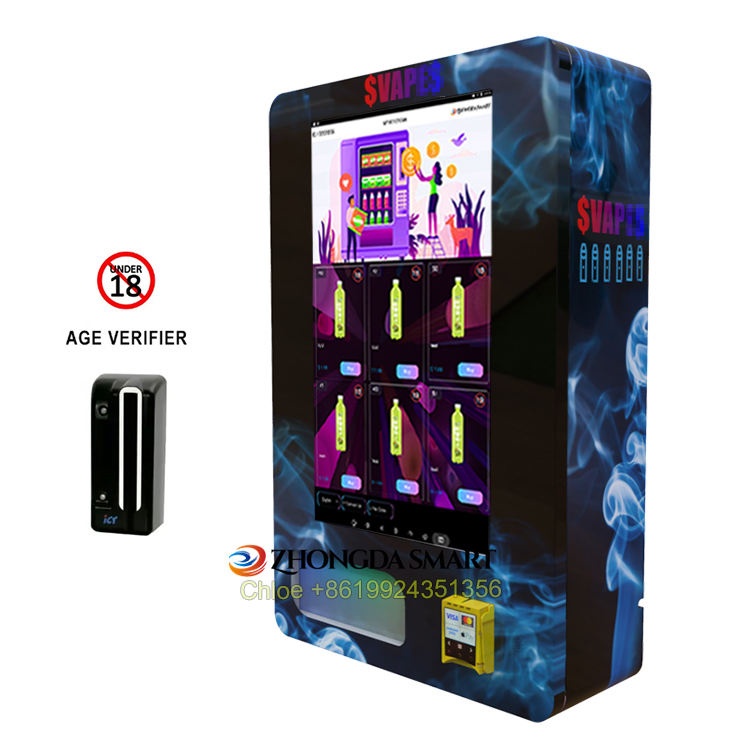
An AI-driven machine does all of that. It uses computer vision to scan inventory in real time. It learns which products sell fastest at which hours. It adjusts temperature and humidity based on the specific e-liquid or hardware inside. And most importantly, it handles age verification through ID scanning and facial recognition that meets legal requirements in states like California and Colorado. That’s not a gimmick. That’s the difference between a machine that gets shut down by regulators and one that operates for years without a single compliance issue.
We’ve seen machines in high-traffic bars and clubs where the average age verification transaction takes under eight seconds. That speed matters. If a customer has to wait more than ten seconds, they walk away. AI makes that possible without sacrificing accuracy. The machine doesn’t just scan an ID. It cross-references the date of birth, checks for expiration, and compares the face on the ID to the person standing in front of the camera. If something doesn’t match, the transaction stops. That’s the kind of reliability you can’t get with a manual check or a simple age gate button.
The Real Cost of a Smart Vending Machine
Let’s talk numbers because that’s where most operators get tripped up. I’ve seen people buy cheap machines for three thousand dollars and then wonder why they’re losing money six months later. A quality AI self-service retail unit, especially one designed for age-restricted products, typically costs between six and fifteen thousand dollars depending on the configuration. That includes the hardware, the AI modules, the age verification system, and the software backend for remote monitoring and inventory management.
Here’s a breakdown of what you’re actually paying for:
| Component | Cost Range | What It Does |
|---|---|---|
| Machine chassis and cooling | $2,500 – $4,000 | Holds product, maintains temperature for e-liquids |
| AI vision system | $1,800 – $3,500 | Real-time inventory tracking, product recognition |
| Age verification module | $1,200 – $2,800 | ID scan, facial match, compliance logging |
| Software and cloud backend | $800 – $2,000/year | Remote monitoring, sales data, alerts |
| Installation and setup | $500 – $1,500 | Site survey, network config, testing |
That’s the upfront cost. The hidden costs come from location fees, restocking labor, and occasional repairs. In my experience, a well-maintained machine in a solid location will generate between two thousand and five thousand dollars in monthly revenue. That puts the payback period somewhere between six and eighteen months, assuming you’re not overpaying for the location or under-pricing your products.
One thing I’ve learned the hard way: don’t skimp on the age verification system. I’ve seen operators buy cheaper machines with basic ID scanners that fail to read certain state IDs or driver’s licenses. That leads to lost sales and, worse, potential fines. The difference between a good age verification system and a mediocre one is often less than a thousand dollars, but it can save you tens of thousands in legal trouble.
Revenue Models That Actually Work
There are three main ways to make money with these machines, and I’ve tested all of them. The first is direct sales. You buy the machine, stock it with your own products, and keep 100% of the revenue. That works best if you already have a wholesale relationship with vape brands or if you’re a retailer looking to extend your footprint without opening another physical store.
The second model is placement partnerships. You place the machine in a bar, club, hotel, or convenience store and split the revenue with the location owner. Typical splits range from 70/30 to 60/40 in your favor, depending on the traffic and who handles restocking. I’ve found that locations with high foot traffic but no existing vape sales, like hotels or event venues, are often willing to take a smaller cut because they’re not losing existing sales.
The third model is white-label or private-label operations. Some larger retail chains want the machine under their brand, not yours. They pay for the hardware and the software subscription, and you handle the backend. That model has lower margins per machine but scales faster because you’re not managing individual locations.
In terms of profitability, the key metric is average transaction value. For vape products, that’s typically between fifteen and thirty dollars. If your machine does twenty transactions a day at an average of twenty dollars, that’s four hundred dollars in daily revenue. Even after product cost and location commission, you’re looking at a healthy margin. The machines that fail are the ones in low-traffic locations with low-priced products. A machine selling five-dollar disposable vapes in a quiet office building isn’t going to cover its own electricity bill.
Where Most Operators Lose Money
I’ve seen more failed vending machine operations than successful ones, and the reasons are almost always the same. First, poor location selection. Putting a machine in a place where people don’t have cash or cards ready, or where the demographic doesn’t match the product, is a death sentence. Second, ignoring maintenance. An AI machine needs software updates, camera calibration, and periodic cleaning. If you treat it like a soda machine, it will break down within a year.
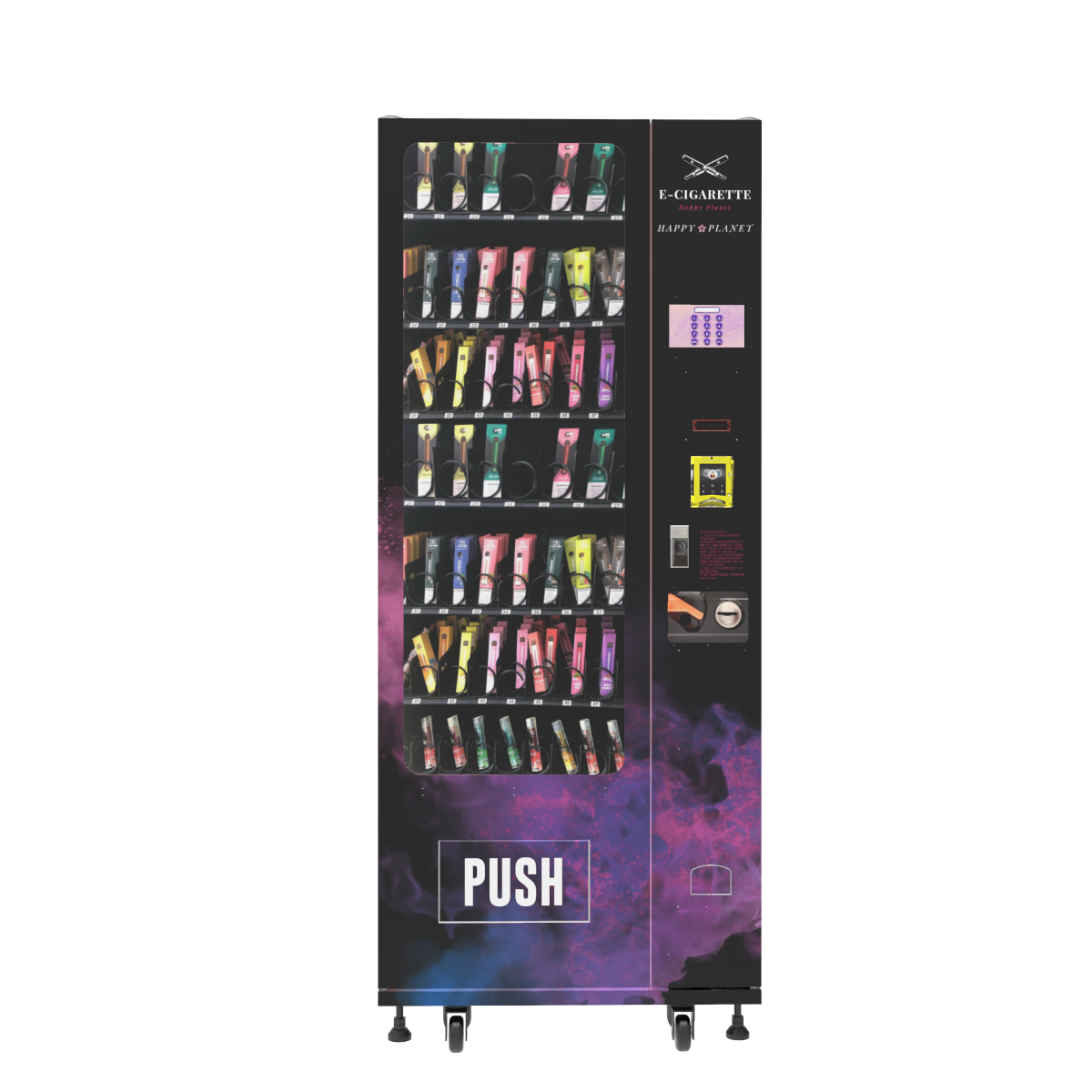
Third, and this is a big one, underestimating the importance of age verification compliance. I’ve had clients who thought a simple “press yes to confirm you’re 21” button was enough. It’s not. Regulators in states like California and Florida are actively testing vending machines to see if they’re enforcing age restrictions. If your machine fails a compliance check, you’re looking at fines that can wipe out six months of profit. That’s why we build our machines with integrated ID scanning and facial matching, and why I always recommend operators choose a compliant e-cigarette vending machine from a manufacturer that understands the legal landscape.
Another common mistake is overstocking. Operators think more variety means more sales, but what actually happens is that slow-moving products sit in the machine, expire, and eat into your margins. The AI systems we use track which products sell and which don’t, and they automatically suggest restocking quantities. Trust that data. It’s more accurate than your gut.
Comparing Machine Types: Which One Fits Your Operation
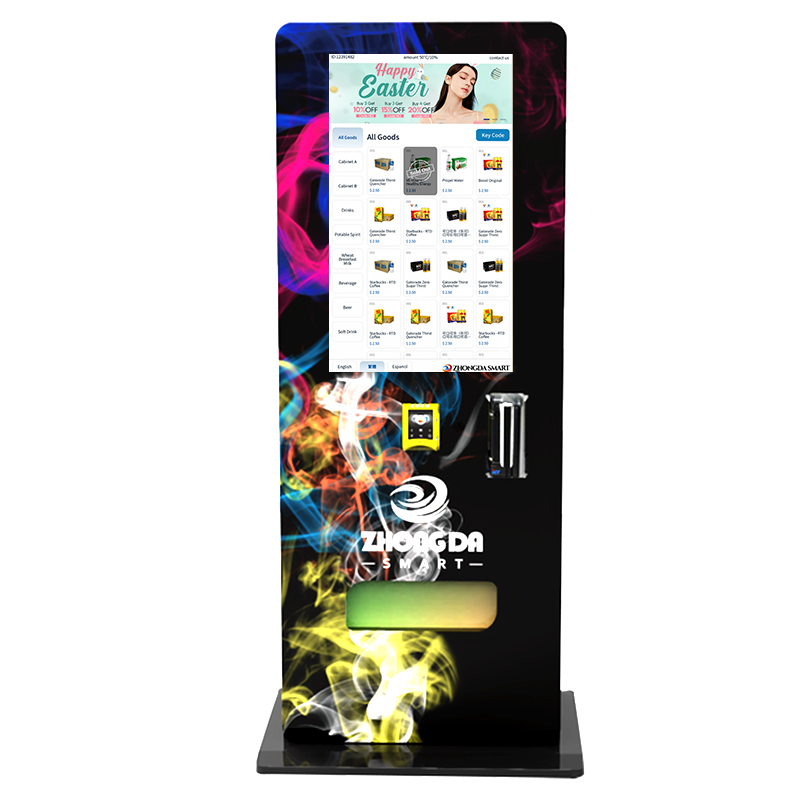
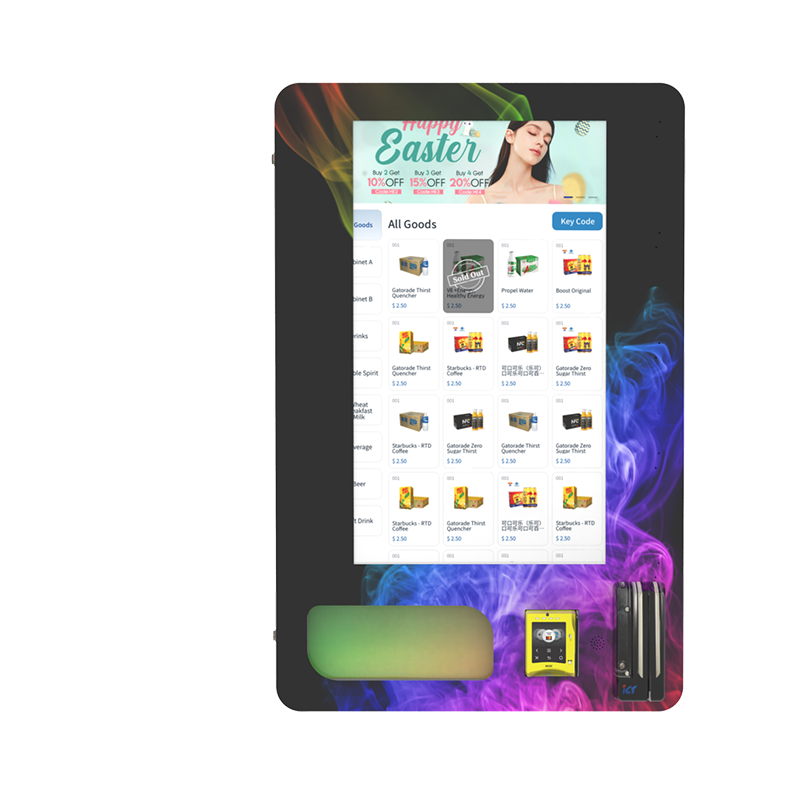
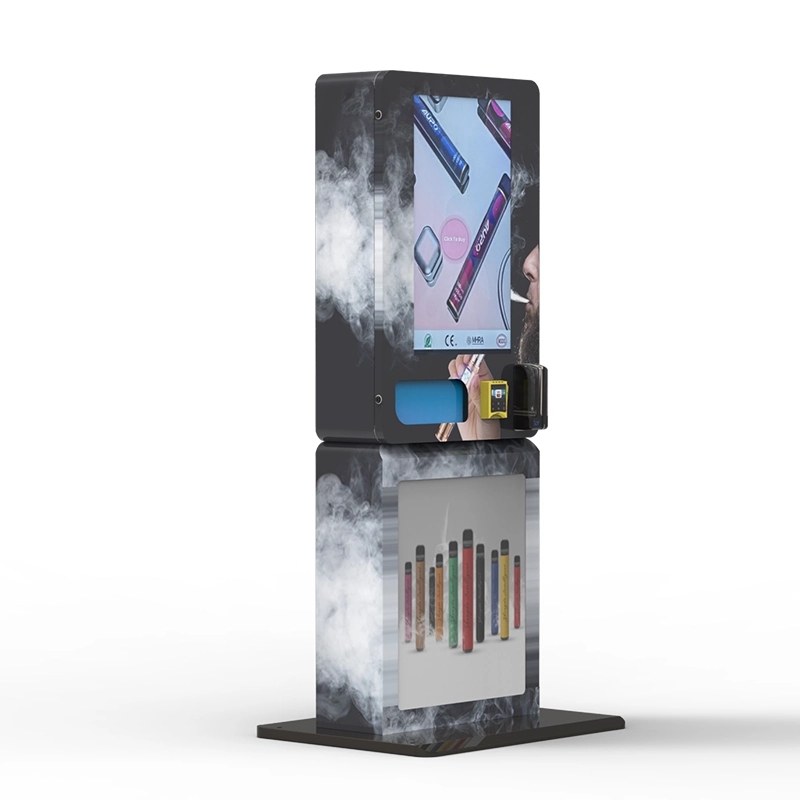
Not all AI vending machines are built the same. Over the years, I’ve worked with floor models, wall-mounted units, and compact countertop machines. Each has a specific use case, and choosing the wrong one for your location is a costly mistake.
| Machine Type | Best For | Capacity | Footprint | Average Cost |
|---|---|---|---|---|
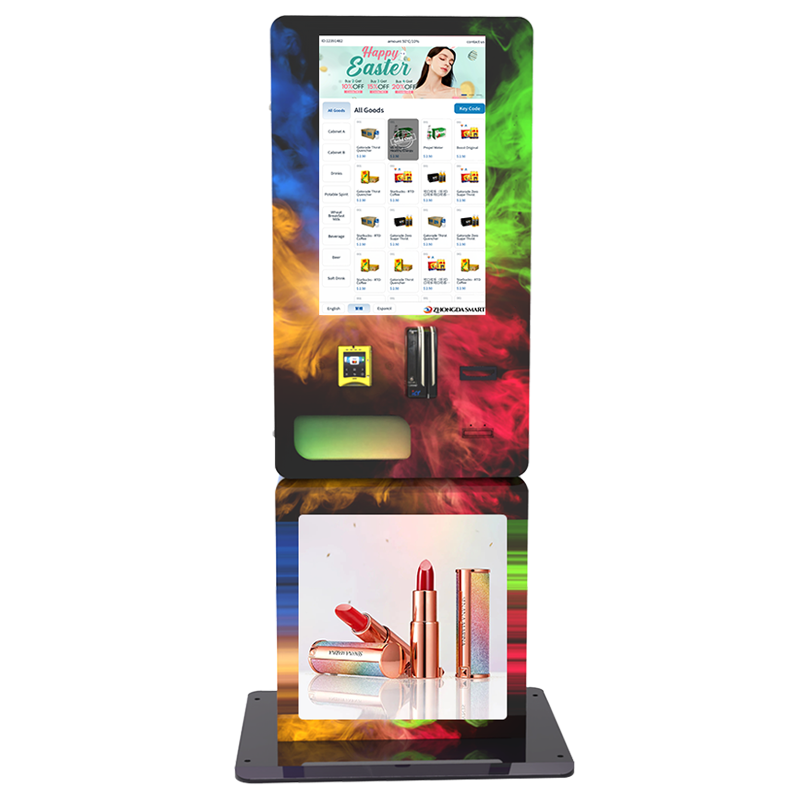
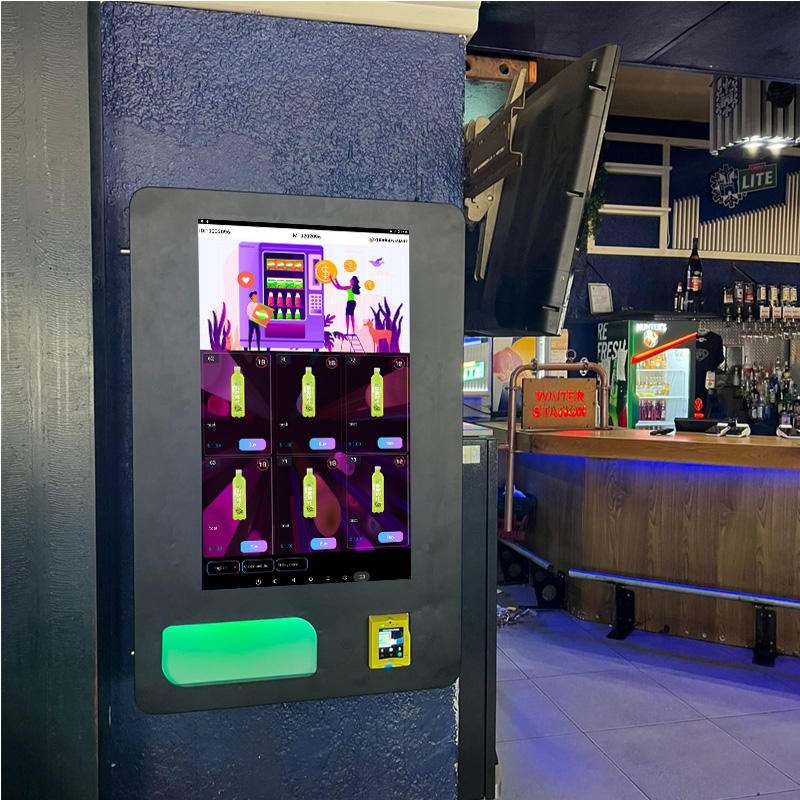
| Wall-mounted compact | Bars, small shops, waiting areas | 50–80 units | Minimal | $6,000 – $9,000 |
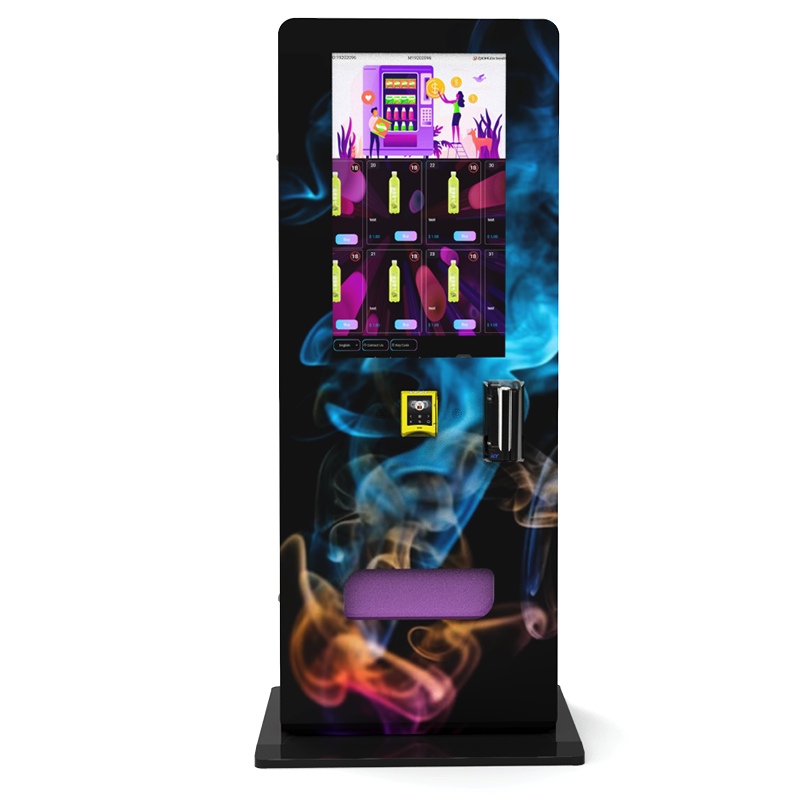
| Floor-standing mid-size | Convenience stores, hotels, lounges | 150–250 units | Moderate | $9,000 – $13,000 |
| High-capacity tower | High-traffic venues, casinos, airports | 300–500 units | Large | $13,000 – $18,000 |
For most operators starting out, I recommend a wall-mounted or compact floor model. They’re cheaper, easier to place, and less risky if the location doesn’t perform. You can always scale up to a larger unit once you’ve proven the location. I’ve seen operators buy a massive tower machine for a small bar and then struggle to fill it, let alone sell enough to cover the investment. Start small, test the traffic, and expand from there.
If you’re looking at the technical side, pay attention to the cooling system. E-liquids degrade in heat, so a machine without proper temperature control will ruin your inventory. Our machines use compressor-based cooling, not thermoelectric, because it’s more reliable in fluctuating ambient temperatures. That’s a detail that matters when you’re placing a machine outdoors or in a poorly ventilated back room.
Deployment Lessons from Real Sites
I’ve personally overseen the deployment of over two hundred machines across different types of locations. One of the most successful was a set of wall-mounted units in a chain of boutique hotels. The hotels had no existing retail for vapes, but their guests were asking for them. We placed a compact machine near the check-in desk with a small selection of disposables and pods. The hotel staff handled basic restocking, and we handled the remote monitoring and restocking alerts. Within three months, each machine was doing over three thousand dollars in monthly sales. The hotel got a 20% commission with zero effort.
Another deployment that stands out was in a high-volume nightclub. We used a floor-standing machine with a large capacity and a fast age verification system. The club had a policy of checking IDs at the door, but they still wanted the machine to do its own verification for liability reasons. The machine processed over a hundred transactions on weekend nights, and the average sale was around twenty-five dollars. The only problem we ran into was the machine running out of popular flavors by 1 AM. We solved that by increasing the restocking frequency and using the AI inventory data to predict demand based on the day of the week.
On the flip side, I’ve seen machines fail in locations that looked great on paper. A busy train station seemed like a no-brainer, but the foot traffic was too fast. People didn’t want to stop and go through the age verification process when they were rushing to catch a train. The machine did maybe five transactions a day. We moved it to a nearby convenience store, and sales tripled. The lesson is that not all traffic is equal. You need dwell time, not just foot traffic.
Long-Term Maintenance and Stability
A common question I get from operators is how much maintenance these machines require. The honest answer is that an AI vending machine is more reliable than a traditional one in terms of mechanical failures, but it requires more attention on the software side. You need to update the firmware, check the camera alignment, and monitor the network connection. If the machine goes offline, you lose sales until it’s back up.
In our factory, we build machines with redundant network modules. If the primary cellular connection drops, the machine switches to a backup. That’s a feature I consider essential for any serious operation. I’ve seen operators lose thousands of dollars in sales because their machine was offline for a weekend and they didn’t know until Monday.
Physical maintenance is straightforward. Clean the sensors every month, check the cooling system every quarter, and replace the ID scanner if it starts showing wear. The average lifespan of a well-maintained machine is about seven to ten years. After that, the AI hardware starts to feel outdated, and the mechanical parts may need replacing. But if you’re making consistent revenue, upgrading to a newer model every five years is a reasonable investment.
Choosing the Right Manufacturer
This is where I have to be direct. Not all manufacturers understand the vape and tobacco space. I’ve worked with factories that build great soda machines but have no idea how to handle age verification or temperature-sensitive e-liquids. That’s why I recommend working with a manufacturer that specializes in this category. Our company, Zhongda Smart, has been building vending machines for over fifteen years, and we’ve focused on the vape and tobacco segment for the last decade. We know the regulations, the hardware requirements, and the operational realities.
If you’re evaluating a manufacturer, ask them about their age verification systems. Do they integrate with state databases? Can they handle vertical IDs? What happens if the scanner fails? The answers will tell you whether they’ve thought about the real-world problems or just slapped a camera on a standard machine. You can see examples of our work and the specific models we offer on our vape vending machines page. We’ve also documented case studies from actual deployments that show the revenue numbers and operational details.
Another thing to look for is after-sales support. A machine will have issues at some point, and you need a manufacturer that can help you troubleshoot remotely and send replacement parts quickly. We maintain a service center and a resource center with guides and troubleshooting steps. That kind of support makes a difference when your machine is down and you’re losing money by the hour.
Future Opportunities in AI Self-Service Retail
The next five years are going to bring significant changes to this space. One area I’m watching closely is predictive restocking. Instead of the machine just telling you what’s low, it will predict what you’ll need based on historical data, local events, and even weather patterns. We’re already testing this in a few locations, and the early results show a 15% reduction in stockouts and a 10% increase in sales.
Another opportunity is dynamic pricing. Imagine a machine that raises prices by a dollar during peak hours and drops them during slow periods. That’s already happening in some smart vending deployments, and it works. Customers don’t notice a dollar difference on a twenty-dollar purchase, but it adds up over hundreds of transactions. The key is to keep the price changes subtle and tied to real demand signals, not arbitrary rules.
I also expect to see more integration with loyalty programs and mobile apps. A customer could scan a QR code on the machine, link it to their phone, and earn points for every purchase. That drives repeat business and gives you data on who your best customers are. Right now, most vending machines operate anonymously, and that’s a missed opportunity for building a customer base.
Finally, the regulatory landscape is going to force more operators to adopt AI-driven compliance tools. States are getting stricter about age verification, and manual checks are no longer enough. Machines that can log every transaction, store the ID scan data, and produce compliance reports on demand will have a clear advantage. That’s already the standard in California and Colorado, and other states are following. If you’re planning to deploy machines in multiple states, you need a system that can adapt to different regulations without requiring hardware changes.
Frequently Asked Questions
References and Data Sources
Industry data referenced in this article comes from public reports and market analyses. The vending machine market size data is based on findings from Statista. Consumer behavior trends related to age verification and self-service retail were drawn from reports published by Forbes. Additional operational benchmarks and compliance requirements were referenced from state-level regulatory publications available through Bloomberg and the IBISWorld industry analysis database. All data points are used for informational purposes and reflect the most current publicly available information as of the time of writing.