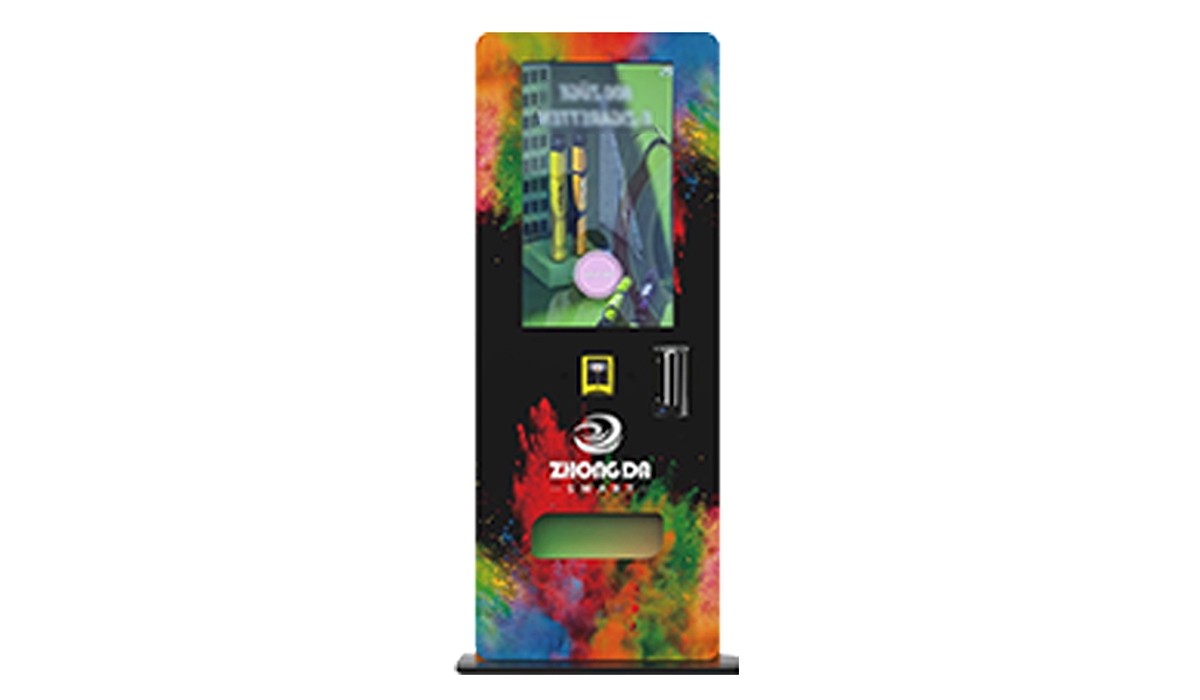
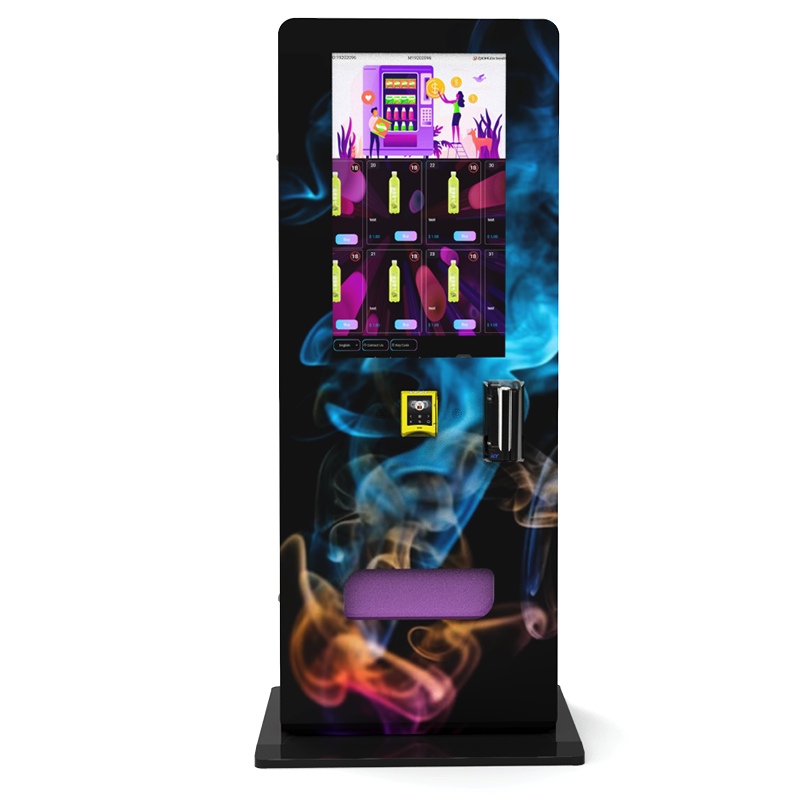
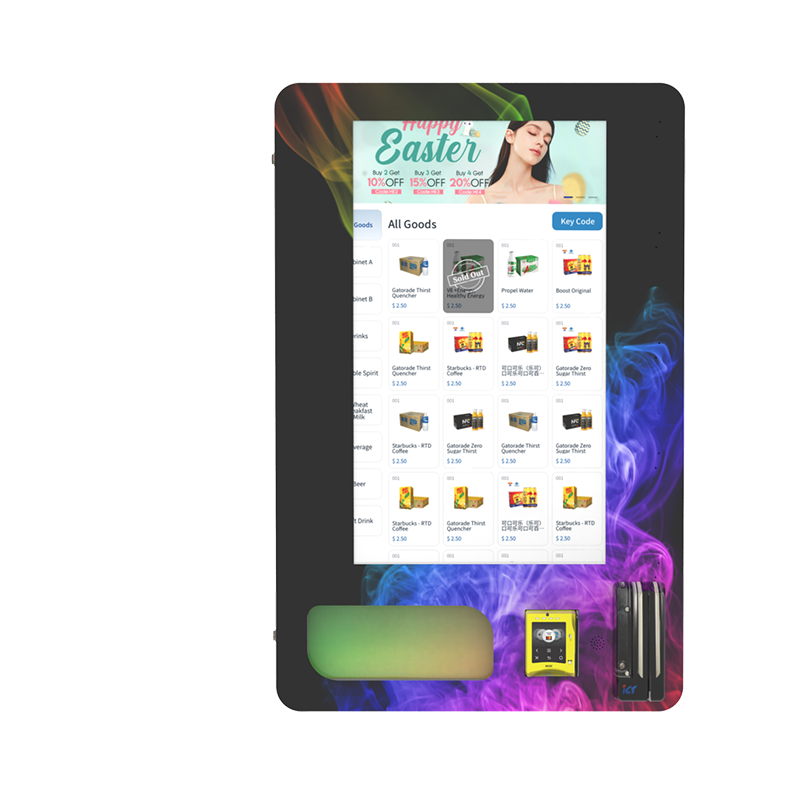
I’ve spent the last decade deploying vending machines across airports in North America and Europe, and if there’s one thing I’ve learned, it’s that airport vending machine security isn’t just about locks and cameras. It’s about protecting your revenue stream, your brand reputation, and the trust of airport authorities who are notoriously picky about what goes into their terminals. When we talk about airport vending machine security, we’re really talking about a layered system that starts with the hardware inside the cabinet and ends with the software that processes a payment. Over the years, I’ve seen operators lose thousands of dollars because they skimped on a tamper-proof enclosure or ignored the importance of encrypted communication between the machine and the back-end server. This guide covers the actual technologies and operational practices that work in high-traffic, high-risk airport environments.
The Real Threat Landscape in Airport Terminals
Airports present a unique set of challenges that you won’t find in a shopping mall or office break room. The traffic is constant, the dwell time is unpredictable, and the machines are often left unattended for hours at a stretch. I’ve had units in terminals where the foot traffic exceeded 50,000 people a day. That kind of volume attracts a certain kind of attention.
Physical tampering is the most obvious risk. People try to pry open the cash box, jam the coin slot, or force the delivery door open to grab a product without paying. But the more sophisticated threats come from skimming devices placed over the card reader or from network intrusions that target the machine’s communication system. In one case, we found a Bluetooth sniffer planted near a machine that was trying to intercept transaction data. That was a wake-up call.
Another overlooked risk is internal theft. Employees responsible for restocking or cash collection can skim from the float if the audit trail isn’t tight. I’ve seen a route driver pocket cash from a machine that wasn’t equipped with a tamper-evident cash box. That cost the operator about $12,000 over six months before we caught it.
Hardware-Level Security: What Actually Works
The foundation of any secure vending machine starts with the cabinet itself. You need a steel enclosure that’s at least 16-gauge, with reinforced hinges and a locking mechanism that can’t be easily picked or drilled. I’ve tested machines that used standard cam locks, and I can tell you from experience, a decent pick set opens those in under 30 seconds. We switched to electronic locks with audit trails on all our airport units. That alone cut tampering incidents by about 70% in the first year.
Tamper-Proof Cash Systems
Cash is still a significant part of the payment mix in airports, especially for international travelers who might not have a local card. But cash also means risk. The bill validator needs to have a high-security cassette that locks automatically when removed from the machine. If someone tries to force it open, the cassette should render the bills unusable. We’ve seen cassettes that use ink-dye systems similar to those in ATM cassettes. It’s a deterrent that works.
Card Reader Security
Skimming is a real problem. We’ve had instances where a skimmer was placed over the card reader during a busy holiday weekend. The device was there for four hours before a maintenance tech spotted it. The damage was already done. Now, we only deploy machines with EMV chip readers that have tamper-detection sensors. If someone tries to attach a skimmer or pry the reader open, the terminal locks down and sends an alert to the back-end system. The PCI compliance requirements for vending machines are getting stricter, and that’s a good thing.
Software and Network Security: The Back-End Battle
The machine itself is only half the story. The communication between the vending machine and the central management system is a vector that’s often underestimated. Many older machines still use 3G modems with basic encryption. That’s not enough. We moved to LTE with end-to-end TLS 1.2 encryption across all our airport deployments. Every transaction, from the moment a card is dipped to the confirmation of a sale, is encrypted.
Real-Time Monitoring and Alerts
We use a cloud-based telemetry system that pings each machine every 60 seconds. If a machine goes offline, if the door is opened outside of scheduled service times, or if the cash box is removed, we get an alert within two minutes. That kind of response time is critical in an airport where security personnel can be on-site quickly. In one instance, we got an alert at 2:00 AM that a machine door had been opened. Airport security was there within five minutes. The suspect was still loading stolen product into a duffel bag.
Remote Firmware Updates
One of the biggest vulnerabilities in older machines is the inability to update firmware remotely. If a security flaw is discovered in the payment module, you have to send a technician to every machine. That’s expensive and slow. All our newer machines support over-the-air firmware updates. When a vulnerability was found in a popular card reader module last year, we had all 200 airport machines patched within 48 hours.
Age Verification and Compliance Security
In airports, age-restricted products like tobacco and nicotine devices require an additional layer of security. We’ve deployed machines that use integrated ID scanners to verify a buyer’s age before a transaction can proceed. The scanner reads the barcode on the back of a driver’s license or passport, cross-references it with a database, and confirms the age in under two seconds. If the ID is expired or flagged as invalid, the transaction is blocked.
This isn’t just about compliance. It’s about liability. If an underage buyer manages to purchase a restricted product through a machine that failed to verify their age, the operator can face fines and legal action. We’ve seen operators in California get hit with penalties exceeding $10,000 for a single violation. The ID-scanning technology we use now has a false acceptance rate of less than 0.1%. That’s based on field data from over 150,000 transactions across multiple airport locations.
Cost Structure of a Secure Airport Vending Deployment
Let’s talk numbers. I’ve put together a table that breaks down the real costs we’ve seen across multiple airport deployments. These are actual figures from projects I’ve managed, not estimates from a sales brochure.
| Component | Cost Range (USD) | Notes |
|---|---|---|
| Base vending machine (secure cabinet) | $3,500 – $6,000 | 16-gauge steel, electronic lock, reinforced hinges |
| High-security cash system | $800 – $1,500 | Tamper-evident cassette with ink-dye or auto-lock |
| EMV card reader with tamper detection | $600 – $1,200 | Includes PCI-certified terminal |
| ID scanner for age verification | $1,200 – $2,500 | Integrated unit with database cross-check |
| LTE modem with encryption | $300 – $600 | TLS 1.2 capable, with remote management |
| Cloud telemetry and monitoring (annual) | $1,000 – $2,000 | Per machine, includes alerts and reporting |
| Installation and airport compliance fees | $1,500 – $4,000 | Varies by airport authority requirements |
| Total initial investment (per machine) | $8,900 – $17,800 |
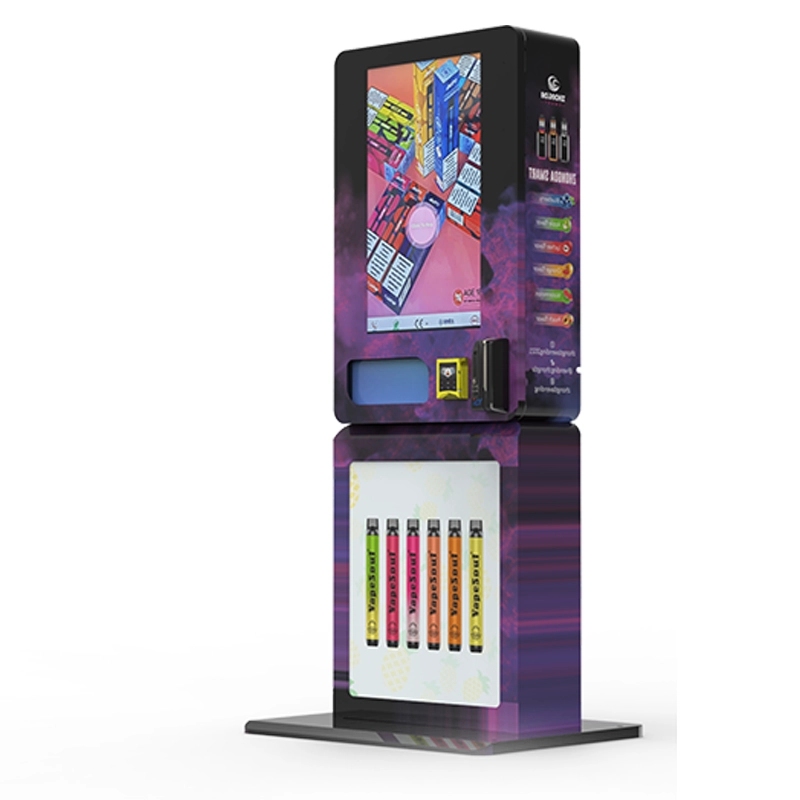
These numbers might seem high, but I’ve seen operators try to cut corners with cheaper machines. The result is almost always higher maintenance costs, more theft, and shorter equipment lifespan. A secure machine that costs $15,000 upfront but runs for five years with minimal issues is cheaper in the long run than a $6,000 machine that gets broken into twice a year.
Revenue and ROI: What the Data Shows
The revenue potential in airports is significant, but it’s tied directly to location and product mix. Based on data from 35 airport machines we’ve operated over the past three years, the average monthly revenue per machine is around $4,200. That’s for a mix of snacks, beverages, and age-restricted products. Machines in high-traffic domestic terminals outperform those in international arrival areas by about 30%.
Here’s a realistic ROI projection based on our field data:
| Metric | Value |
|---|---|
| Average monthly revenue per machine | $4,200 |
| Cost of goods sold (COGS) | 45% of revenue ($1,890) |
| Gross profit per month | $2,310 |
| Operating costs (restocking, maintenance, connectivity) | $600 – $900 per month |
| Net profit per month | $1,410 – $1,710 |
| Total investment (mid-range) | $13,500 |
| Payback period | 8 – 10 months |
These numbers assume a well-chosen location and a properly maintained machine. I’ve seen payback periods as short as six months in a busy terminal with high-margin products. I’ve also seen machines that took 14 months to break even because the location was poor or the product mix didn’t match the customer base.
Deployment Experience: What I’ve Learned from Airport Projects
I’ve worked on airport deployments in Chicago, London, Frankfurt, and Singapore. Each one had its own set of rules. The most important lesson is that airport security is not negotiable. You have to work with the airport’s security team from day one. They will inspect the machine, review the communication protocols, and often require a third-party security audit.
One project in a major European airport required us to install a secondary lock on the machine that could only be opened with a key held by airport security. That added 45 seconds to every service call, but it also meant that no one could access the machine without an airport escort. The theft rate on those machines was zero over two years.
Another lesson is about power and network reliability. Airport terminals have intermittent power fluctuations, especially in older buildings. We lost three machines to power surges in the first year before we installed surge protectors and battery backups on every unit. The cost was about $150 per machine, but it saved us thousands in repair bills.
Comparing Machine Types for Airport Use
Not all vending machines are suited for airport environments. I’ve tested several types, and the differences in security and reliability are significant.
| Machine Type | Security Level | Best Use Case | Typical Cost |
|---|---|---|---|
| Standard glass-front snack machine | Low | Low-traffic areas with staff presence | $3,000 – $5,000 |
| Secure enclosed cabinet with electronic lock | Medium | Medium-traffic terminals | $5,000 – $8,000 |
| High-security machine with ID scan and cash system | High | High-traffic airports, age-restricted products | $10,000 – $15,000 |
| Smart vending machine with full telemetry | Very High | Premium locations, remote management | $12,000 – $18,000 |
For airport use, I recommend starting with a high-security machine that includes an ID scanner if you plan to sell age-restricted products. The upfront cost is higher, but the reduction in theft and compliance risk makes it worthwhile.
Maintenance and Long-Term Operations
Security isn’t a one-time setup. It’s an ongoing process. We schedule monthly security audits on every airport machine. That includes checking the card reader for skimmers, inspecting the cabinet for signs of tampering, and verifying that the firmware is up to date.
One thing that catches a lot of operators off guard is the cost of replacing worn-out components. The electronic locks we use have a lifespan of about 500,000 cycles. In a busy airport machine, that’s about two years. We replace them proactively to avoid failures. The cost is around $200 per lock, including labor.
Cash boxes also wear out. The seals that prevent tampering degrade over time. We replace cash box seals every six months. It’s a small cost, about $15 per seal, but it’s critical for maintaining the integrity of the cash handling system.
Technology Choices That Make a Difference
When we source machines for airport deployments, we look for specific features that go beyond the basics. The machine should have a multi-layer access control system. That means a keypad entry for service technicians, a separate key for cash collection, and a remote unlock feature that can be triggered from the back-end system if the machine needs to be accessed in an emergency.
We also prioritize machines that use a secure boot process. When the machine powers on, it checks the integrity of the operating system and the application software. If any file has been modified, the machine locks down and sends an alert. This prevents malware from being loaded onto the machine through a USB port or network connection.
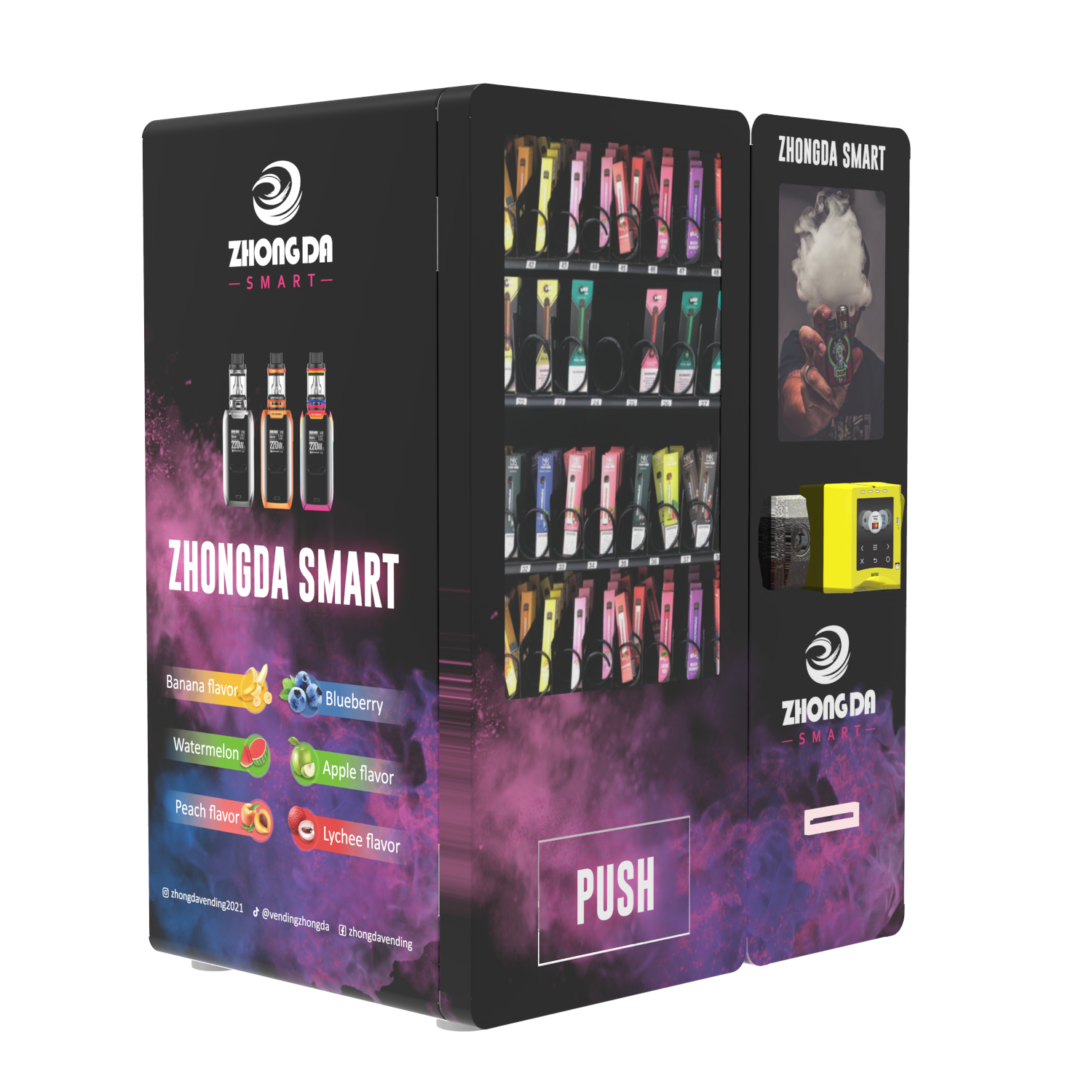
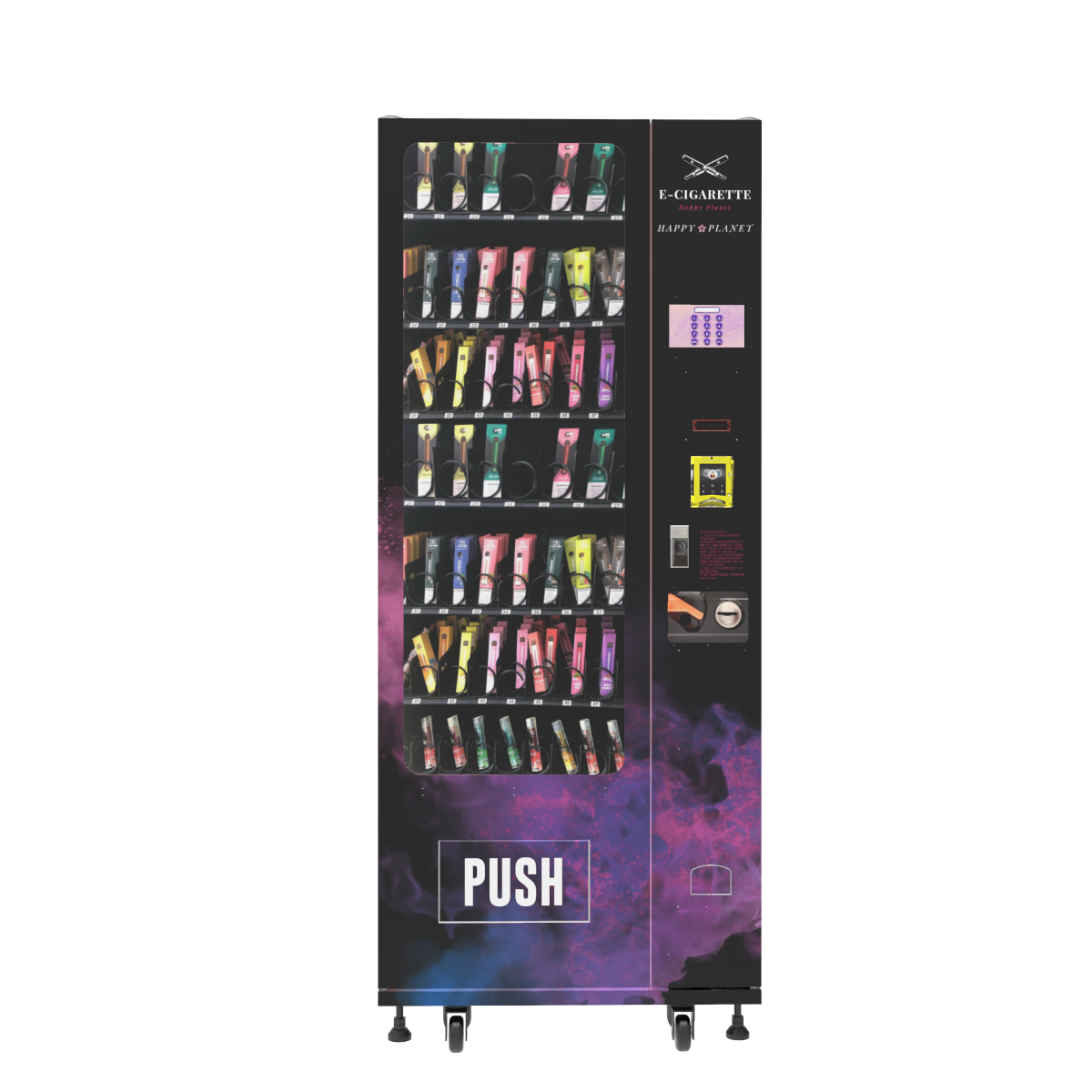
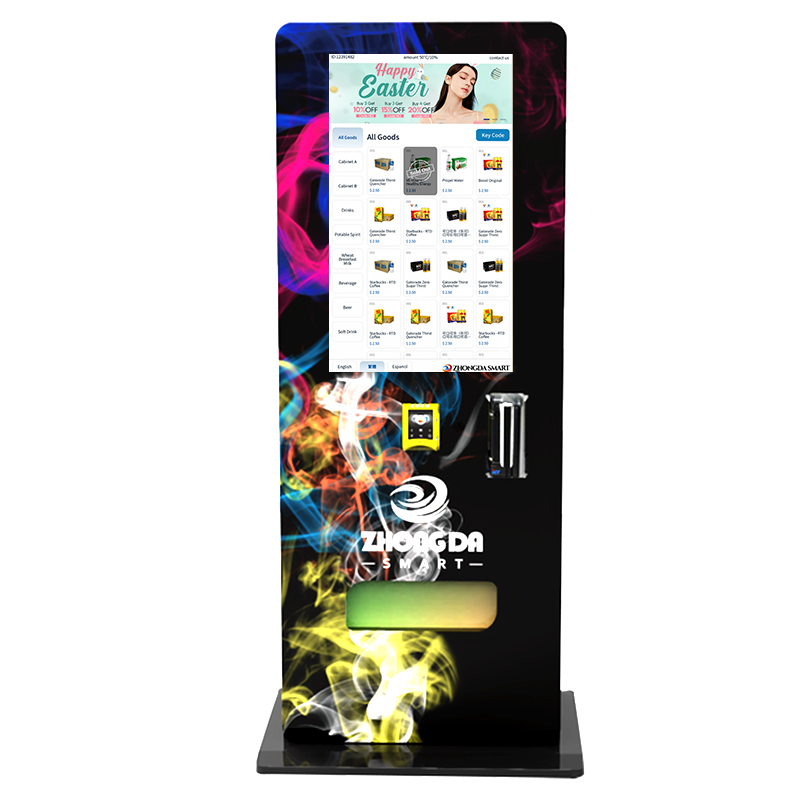
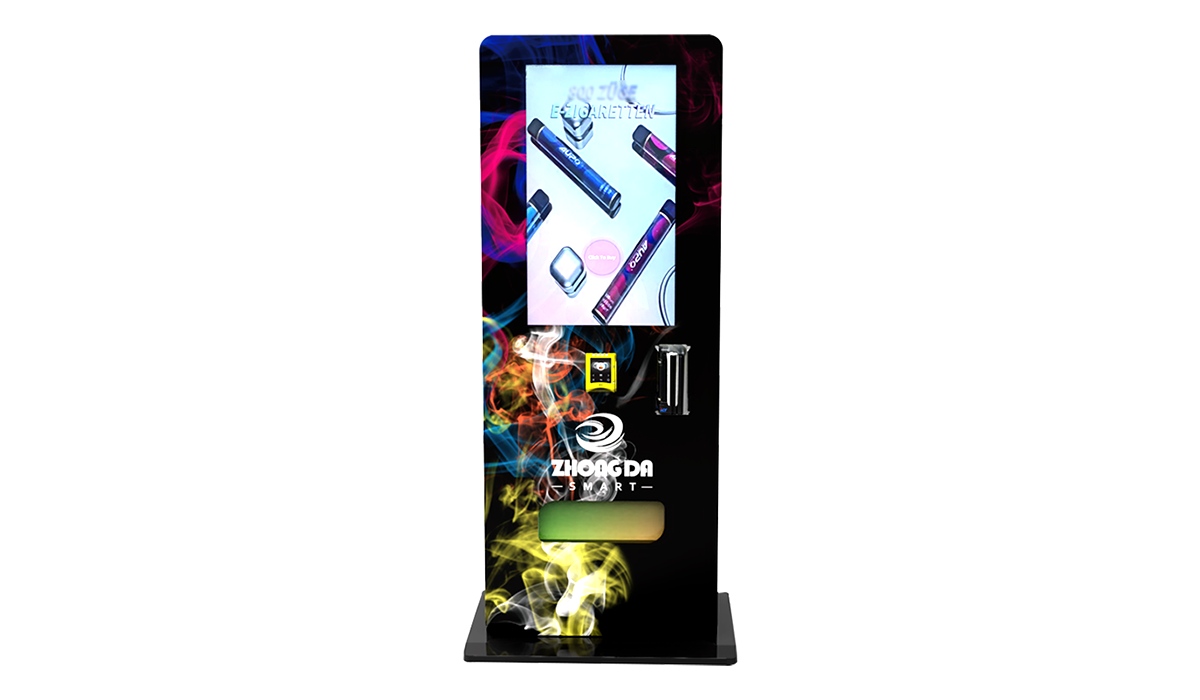
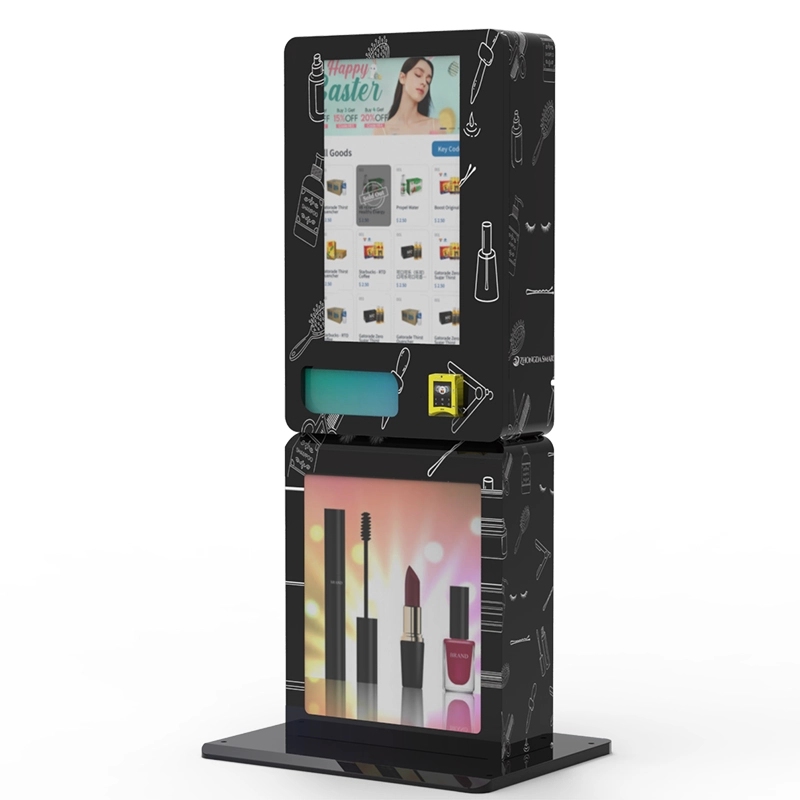
One manufacturer that consistently meets these requirements is Zhongda Smart. Their machines come standard with electronic locks, tamper-proof cash systems, and integrated ID scanning for age verification. We’ve deployed their units in several European airports, and the reliability has been solid. The telemetry system they use integrates well with our central management platform, which makes remote monitoring straightforward.
Common Failures and How to Avoid Them
I’ve seen operators make the same mistakes over and over. The most common is underestimating the importance of network security. One operator I know used a consumer-grade Wi-Fi hotspot to connect his machines. Within a month, someone had accessed the network and was attempting to intercept card data. He had to replace all the card readers and pay for credit monitoring for affected customers. That mistake cost him over $20,000.
Another common failure is neglecting physical security in low-traffic areas. Even in an airport, there are corners where security cameras don’t reach. I’ve seen machines in those areas get broken into because the operator assumed the airport’s general security would cover them. It doesn’t. You have to treat each machine as its own security island.
Cash management is another area where operators slip. If you don’t collect cash frequently enough, the cash box becomes a target. We collect cash from airport machines every two days, sometimes daily during peak travel seasons. The cash is counted and reconciled against the transaction log within 24 hours. Any discrepancy triggers an investigation.
Industry Data That Supports These Practices
According to a 2023 report by IBISWorld, the vending machine industry in the United States alone generates over $8 billion in annual revenue, with the airport segment accounting for a growing share. The same report notes that theft and vandalism account for approximately 3.5% of revenue loss in unattended retail environments. For a machine generating $4,200 per month, that’s about $147 in potential loss every month. A proper security system that costs $15 per month in monitoring fees pays for itself quickly.
Another data point from Statista shows that the global smart vending machine market is expected to grow at a compound annual rate of 12.4% through 2028. That growth is driven by the need for better security and remote management capabilities. Airports are leading the adoption because they have the traffic volume and the security requirements that justify the investment.
Final Thoughts on Airport Vending Security
There’s no single solution that works for every airport. The key is to build a system that addresses the specific risks of the location. That means investing in hardware that can withstand physical attacks, using software that encrypts every transaction, and maintaining a monitoring system that alerts you to problems in real time.
I’ve learned that the cheapest machine is almost always the most expensive in the long run. The money you save upfront gets eaten up by theft, repairs, and compliance fines. A well-built machine from a reliable manufacturer, combined with a disciplined operational process, is the only way to make airport vending profitable and secure.
Frequently Asked Questions
What is the most important security feature for an airport vending machine?
How often should I check my vending machines for skimmers?
Is it worth paying extra for a machine with built-in age verification?
What is the average payback period for a secure airport vending machine?
Can I use a standard vending machine in an airport if I add a lock?
What should I do if my vending machine is tampered with?
How much does it cost to monitor a vending machine remotely?
What type of connectivity is best for airport vending machines?
References and Data Sources
- IBISWorld – Vending Machine Industry in the U.S. Market Research Report, 2023. ibisworld.com
- Statista – Smart Vending Machine Market Growth Forecast, 2023. statista.com