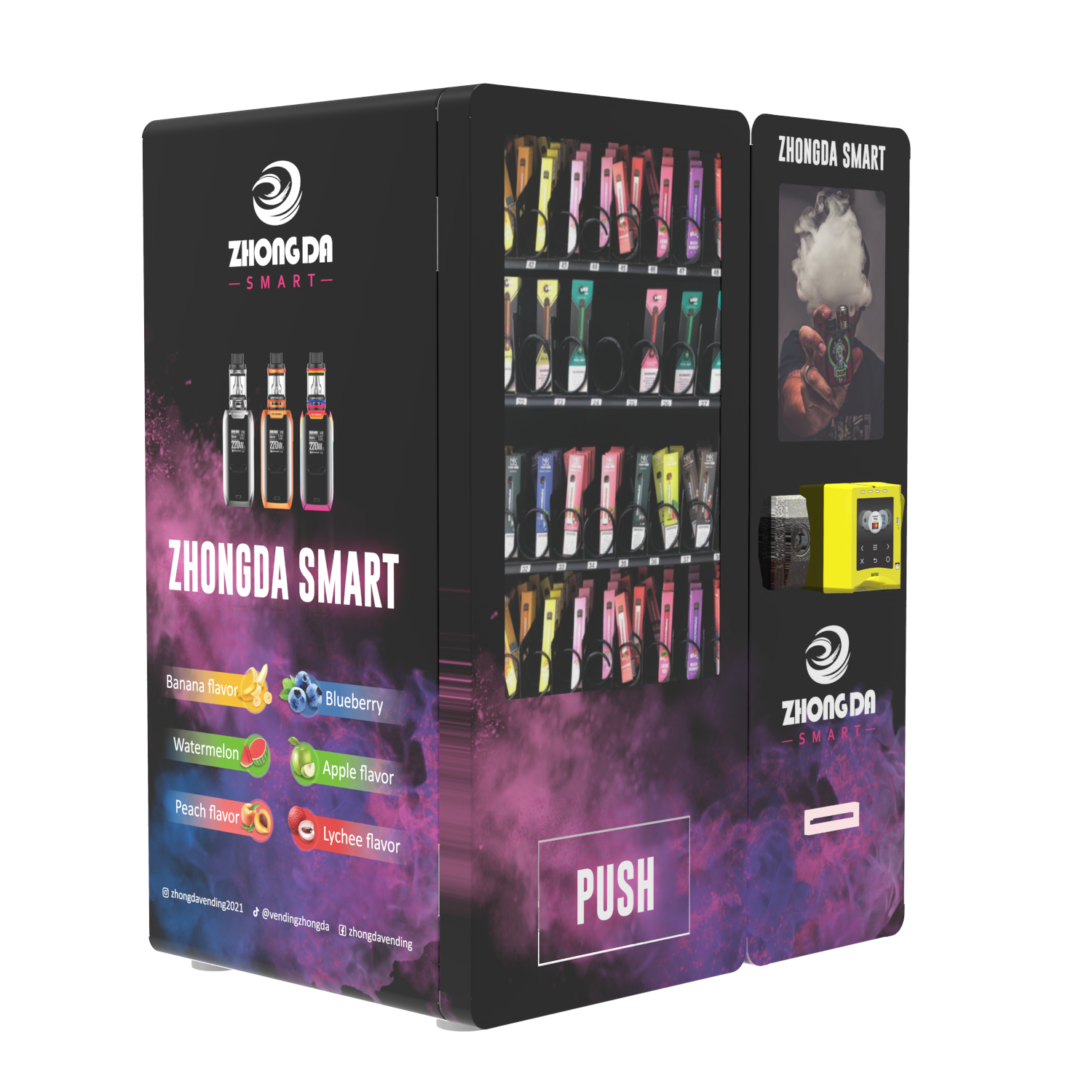
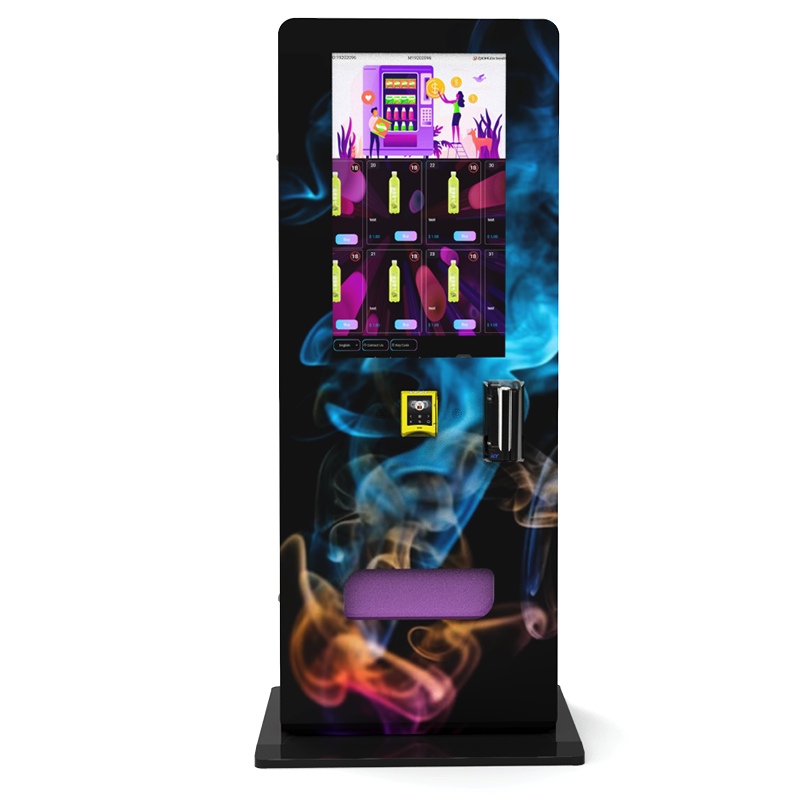
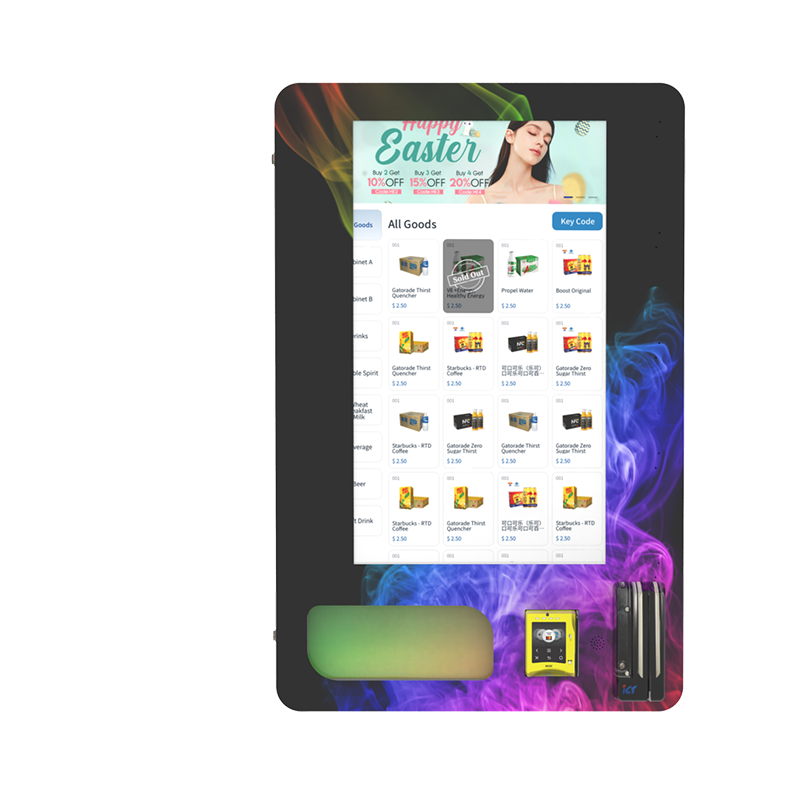
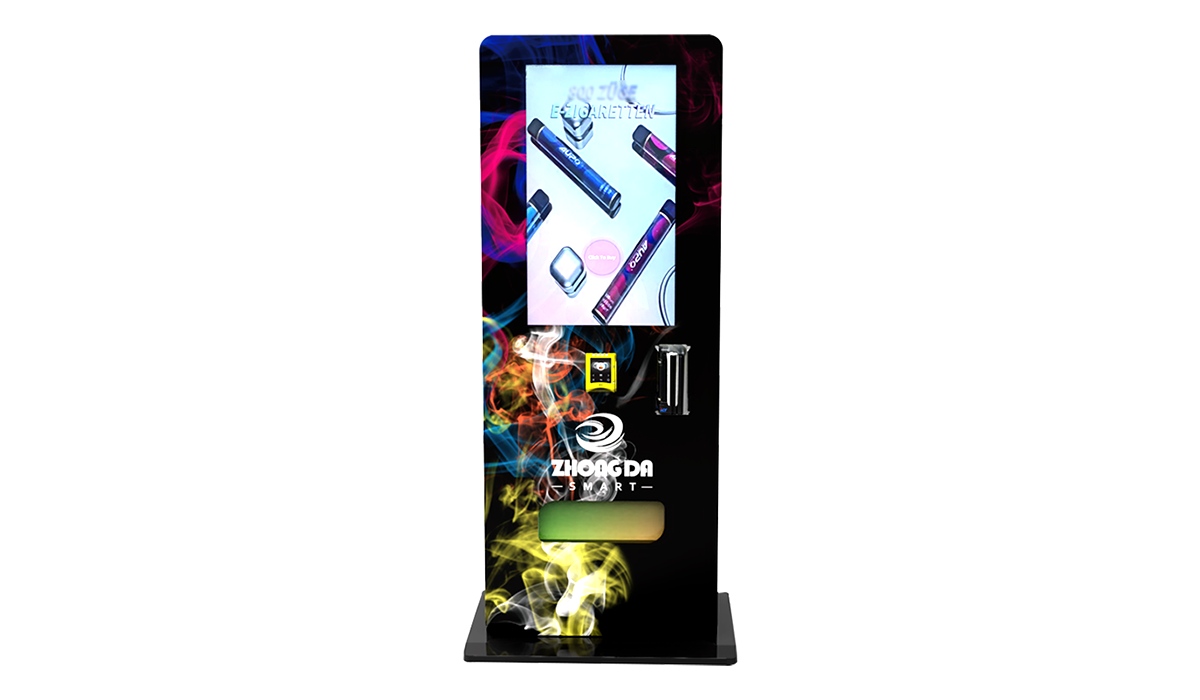
After spending over a decade deploying vending machines across the US and European markets, I’ve seen the unattended retail space evolve from a niche experiment into a serious distribution channel. When I started, the conversation was mostly about snack machines and soda. Now, the most interesting growth is happening in age-restricted and high-value product segments, particularly with the vape vending machine. The question I get most often from operators and retailers isn’t whether this technology works—it’s whether it can actually deliver consistent profit without constant headaches. Based on what we’ve built and maintained across hundreds of locations, the answer is yes, but only if you understand the real costs, the right hardware, and the operational rhythm that keeps machines running and compliant.
Why Unattended Retail Is Reshaping Product Distribution
The shift toward self-service retail isn’t driven by a desire to eliminate staff. It’s driven by economics and customer behavior. People want speed, convenience, and control over their purchase. In environments like bars, hotels, convenience stores, and even office breakrooms, a well-placed machine can generate revenue during hours when a cashier isn’t available or when foot traffic doesn’t justify a full employee shift.
For products like electronic cigarettes and nicotine devices, the unattended model solves a specific problem. These items are typically kept behind counters, requiring an employee to unlock a case, process the sale, and verify the buyer’s age. That process slows down service and creates bottlenecks. A smart vending machine with integrated age verification removes those friction points while maintaining full compliance.
The data backs this up. According to a 2023 report from IBISWorld, the vending machine industry in the US alone generates over $7 billion annually, with the fastest growth segment being machines that incorporate digital payment and identification technology. The machines we’ve deployed in high-traffic venues consistently outperform traditional retail sales per square foot, often by a factor of three or more.
Understanding the Core Technology Behind Modern Machines
Not all vending machines are built the same. The difference between a machine that runs for years with minimal issues and one that causes constant headaches comes down to the engineering choices made during manufacturing. We’ve been building these systems for fifteen years, and I’ve seen every design mistake you can make.
Age Verification Isn’t Optional
For any machine dispensing age-restricted products, the ID scanning system is the most critical component. We use a combination of optical character recognition and barcode decoding to validate a driver’s license or passport. The machine checks the date of birth, verifies the ID’s format against known standards, and then compares the photo to a real-time camera capture. This process takes under five seconds. If the scan fails or the age doesn’t meet the threshold, the transaction stops immediately.
One thing I learned early on: cheap scanners cause lost sales. A scanner that misreads a valid ID or fails to recognize an out-of-state license will frustrate customers and kill your revenue. We switched to industrial-grade scanners from a supplier that also provides units for airport security checkpoints. The failure rate dropped below 0.5%.
Payment Systems and Connectivity
The payment stack needs to handle cash, credit cards, and mobile wallets. In our experience, about 70% of transactions are card or mobile. That means the card reader must be EMV-compliant and support NFC. The machine also needs a reliable cellular modem or Wi-Fi connection. We’ve deployed machines in basements and concrete-walled venues where signal is weak. In those cases, we use a dual-carrier modem that automatically switches between networks. A machine that goes offline loses money and creates maintenance calls.
Cost Structure and What It Really Costs to Deploy
Let’s talk about money. A lot of operators underestimate the total cost to get a machine live and profitable. Here’s a breakdown based on actual deployments we’ve managed.
| Cost Component | Typical Range (USD) | Notes |
|---|---|---|
| Machine hardware (with age verification) | $4,500 – $8,500 | Depends on capacity, display size, and scanner quality |
| Shipping and delivery | $300 – $800 | Domestic freight; international adds $1,000+ |
| Site installation and setup | $500 – $1,200 | Includes mounting, power, and network configuration |
| Initial inventory (200–300 units) | $2,000 – $4,000 | Depends on product mix and wholesale pricing |
| Software and payment processing fees | $30 – $80 per month | Telemetry, remote monitoring, and transaction fees |
| Annual maintenance and repairs | $400 – $900 | Covers sensor replacements, firmware updates, and mechanical fixes |
The upfront investment for a single machine lands somewhere between $7,000 and $14,000. That’s not pocket change, but the return profile is attractive if the location is right.
Revenue Models and Profitability Expectations
How much can you actually make? I’ll give you real numbers from our fleet. A machine placed in a busy bar or nightclub averages between 30 and 60 transactions per night on weekends. Weekdays are quieter, maybe 10 to 20 sales. Average ticket price for a disposable vape or pod system is around $12 to $18, depending on local pricing and taxes.
Let’s run a conservative scenario. Assume 25 sales per day at an average of $14. That’s $350 in daily revenue. With a typical 40% gross margin on product cost, that’s $140 in gross profit per day. Over a month, that’s about $4,200 in gross profit. Subtract monthly software fees, restocking labor, and a small reserve for maintenance—call it $600 total—and you’re left with roughly $3,600 in net profit per month. At that rate, the machine pays for itself in three to four months.
That sounds great, and it can be. But I’ve also seen machines that barely break $100 a week. The difference is always location and product selection. A machine in a low-traffic convenience store or a hotel lobby with limited foot traffic will struggle. We’ve learned to negotiate location agreements that include minimum foot traffic guarantees or revenue-sharing clauses to protect our investment.
Real Operational Challenges You Will Face
I want to be honest about the problems. No piece of equipment runs forever without issues. Here are the most common failures we’ve dealt with and how we fixed them.
Sensor and Dispensing Issues
The mechanical dispensing system is the most failure-prone part of any vending machine. Products can get stuck, jam, or fall incorrectly. We switched to a spiral coil system with a motor current sensor that detects jams. If a product doesn’t drop within a set time, the machine reverses the coil, tries again, and logs the error. This reduced jam-related service calls by about 60%.
Network Connectivity Drops
A machine that can’t process credit cards is a dead machine. We’ve had locations where the venue’s Wi-Fi is unreliable or gets reset overnight. The fix was installing a dedicated 4G modem with a static IP and a backup battery that keeps the modem running for up to four hours during a power outage. That small change saved us thousands in lost sales.
Inventory Theft and Vandalism
It happens. In one location, someone tried to pry open the door with a crowbar. The machine’s alarm system sent a notification to our monitoring center, and we had someone on-site within 20 minutes. The machine’s reinforced steel door and tamper-resistant locks held. We now only deploy machines with a minimum of 14-gauge steel and a three-point locking mechanism.
Comparing Machine Types: Which One Fits Your Business
Not every machine is suited for every location. Here’s a comparison of the three main form factors we manufacture and deploy.
| Machine Type | Best Location | Capacity | Installation | Price Range |
|---|---|---|---|---|
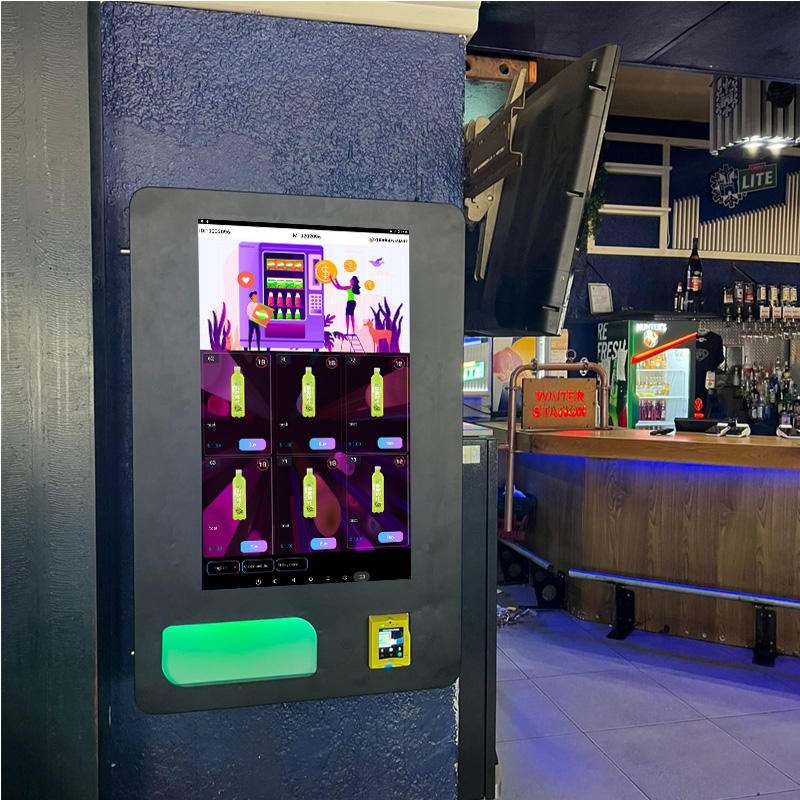
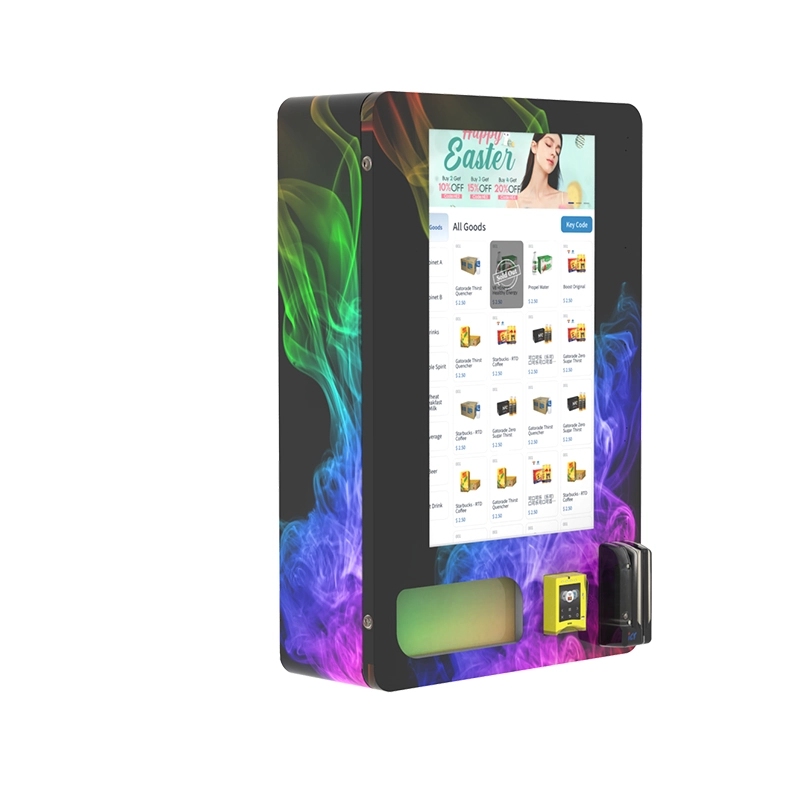
| Wall-mounted compact | Bars, small retail shops, waiting rooms | 80–120 units | Wall mount, requires 2 studs | $4,500 – $6,000 |
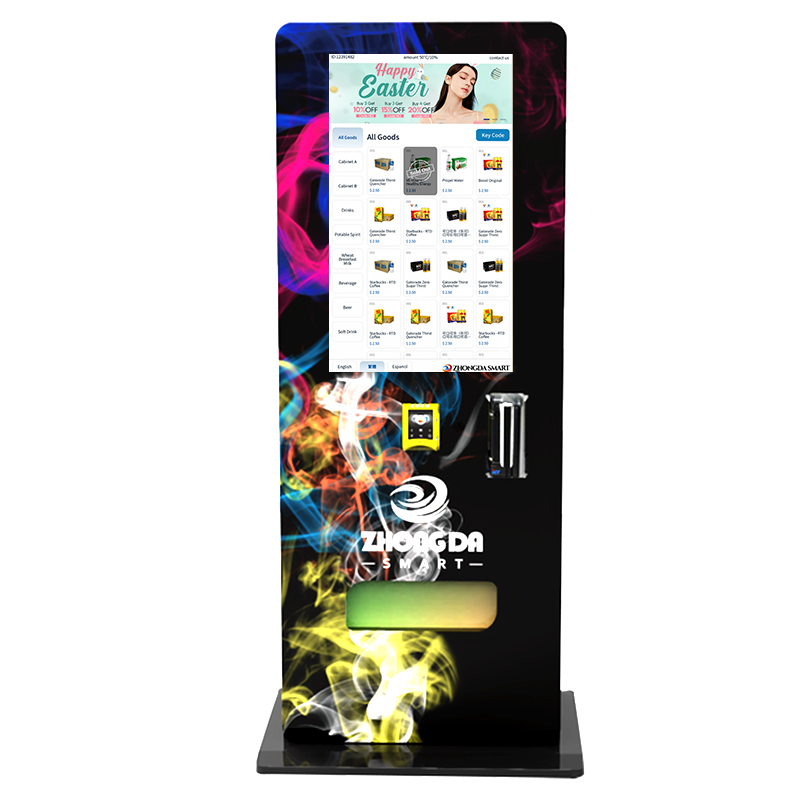
| Floor-standing mid-size | Convenience stores, hotels, lounges | 200–300 units | Freestanding, needs floor space | $6,000 – $8,000 |
| High-capacity kiosk | Airports, malls, large venues | 400–600 units | Freestanding, requires power and network | $8,000 – $12,000 |
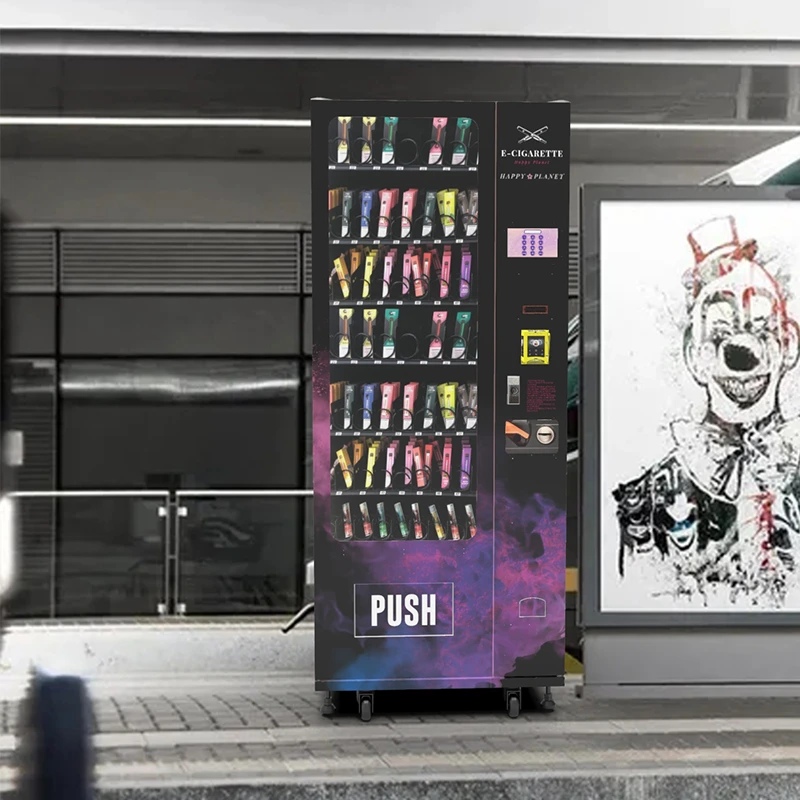
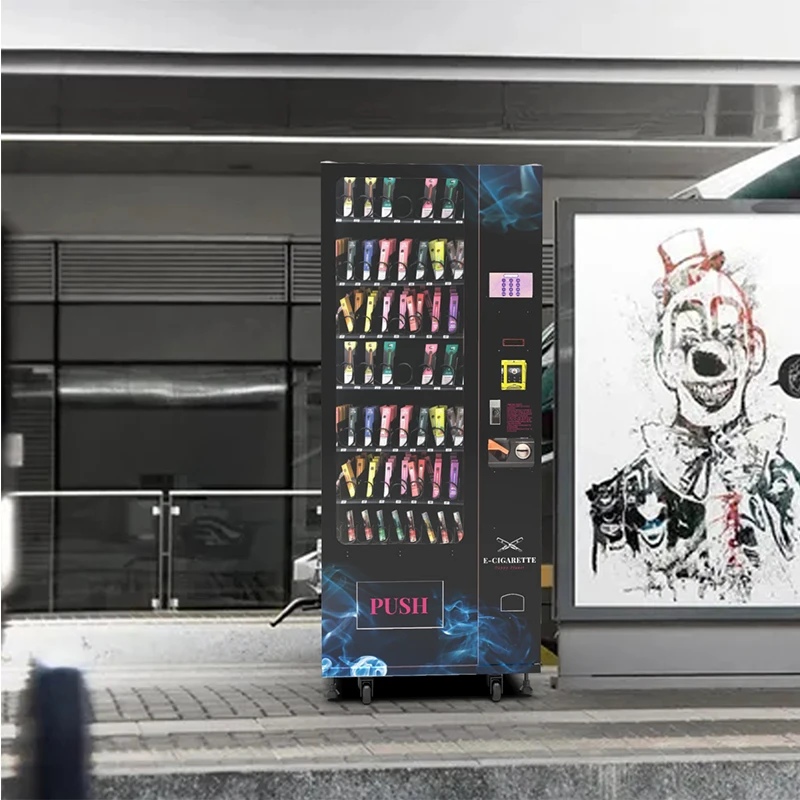
The wall-mounted compact machine is our most popular model for first-time operators because it requires minimal space and has a lower entry cost. For more on technical specifications, you can look at what we offer through Zhongda Smart’s wall-mounted unit, which includes the same age verification system we use in our larger kiosks.
Site Selection Is Everything
I’ve seen operators buy a great machine, stock it with the right products, and then place it in a location that gets 50 people a day. That machine never made money. Site selection is the single biggest factor in determining success.
We look for locations with at least 500 daily visitors who match the target demographic. Bars, nightclubs, and music venues are obvious winners. But we’ve also had strong results in bowling alleys, pool halls, and hookah lounges. One of our best-performing machines sits in a 24-hour laundromat near a college campus. The foot traffic is steady from 10 p.m. to 2 a.m., and the machine captures sales that would otherwise go to a gas station a mile away.
When negotiating with a venue owner, we always clarify who handles restocking, who pays for electricity, and who is responsible if the machine is damaged. We prefer to handle restocking ourselves to ensure product freshness and inventory accuracy. We also insist on a lockable power outlet so no one can unplug the machine.
Maintenance and Long-Term Reliability
A vending machine is a mechanical device that operates in public spaces. It will get dirty, bumped, and abused. The machines we build use industrial-grade components, but even the best hardware needs regular attention.
We schedule a preventive maintenance visit every 90 days. During that visit, we clean the sensors, lubricate the dispensing coils, check the door seal, and update the firmware. We also run a diagnostic on the ID scanner and payment system. This routine has extended the service life of our machines to over seven years before a major overhaul is needed.
One thing I’ve learned the hard way: don’t ignore small error logs. A machine that occasionally fails to scan an ID might have a dirty lens or a loose cable. Fix it immediately. Ignoring it leads to customer complaints and lost trust with the venue owner.
Regulatory Compliance and Staying Legal
Operating a machine that sells nicotine products means you’re under constant scrutiny. Laws vary by state and locality. Some jurisdictions require a special permit for unattended sales of tobacco products. Others mandate that the machine must be in direct line of sight of an employee. We’ve installed machines in compliance with all current regulations, but the landscape changes.
We maintain a compliance checklist for every new deployment. It includes verifying the local age of sale, confirming that the ID scanner meets state requirements, and ensuring that all product labels and health warnings are visible. We also log every transaction with a timestamp and ID scan result. That data is stored securely and can be produced if a regulatory agency requests it.
For operators looking to enter this space, I recommend starting with a consultation on legal requirements. Our team at Zhongda Smart’s compliant machine page provides guidance on which configurations meet current standards in different regions.
Why Zhongda Smart Machines Work for Operators
I’m not going to pretend every machine on the market is the same. They aren’t. We’ve repaired machines from a dozen different manufacturers over the years. The ones that fail early share common traits: cheap scanners, underpowered motors, and flimsy cabinets. We designed our machines to avoid those problems.
Our manufacturing facility has been building vending equipment since 2008. We control the entire supply chain, from the steel fabrication to the circuit board assembly. That vertical integration means we can guarantee consistent quality and support our machines for years after purchase. When an operator calls us with a problem, we don’t have to wait for a third-party supplier. We ship the replacement part from our own warehouse.
We also offer customization. Some clients want a specific color or branding on the machine. Others need a unique product tray configuration. We handle those requests without long lead times. For example, our age verification vending machine can be configured with different tray sizes to accommodate various product dimensions.
Future Trends I’m Watching
The unattended retail space isn’t static. I’m seeing three developments that will shape the next five years.
First, biometric age verification is moving from concept to deployment. Fingerprint and facial recognition systems are becoming accurate enough to replace ID scanning in some contexts. We’re testing a prototype that uses a combination of facial age estimation and liveness detection. If it passes regulatory review, it will speed up transactions even further.
Second, dynamic pricing is becoming more common. Machines that adjust prices based on time of day, inventory levels, or local demand can increase margins by 10 to 15 percent. We’ve implemented this in a few test units, and the results are promising.
Third, integration with loyalty programs and digital wallets will drive repeat usage. A customer who links their payment card to a machine can receive discounts or rewards. That kind of stickiness is valuable in competitive locations.
Frequently Asked Questions
What is the average lifespan of a vape vending machine?
How much does it cost to restock a vape vending machine?
Do I need a special license to operate a vape vending machine?
Can the machine accept cash, or is it card-only?
What happens if the ID scanner fails to read a valid license?
How do I choose between a wall-mounted and a floor-standing machine?
Is remote monitoring included with the machine?
What is the typical return on investment period?
Sources and References
- IBISWorld – Vending Machine Industry Report (2023) ibisworld.com
- Statista – Vending Machine Market Data statista.com
- Forbes – Unattended Retail Growth Analysis forbes.com
- Bloomberg – Self-Service Kiosk Market Trends bloomberg.com