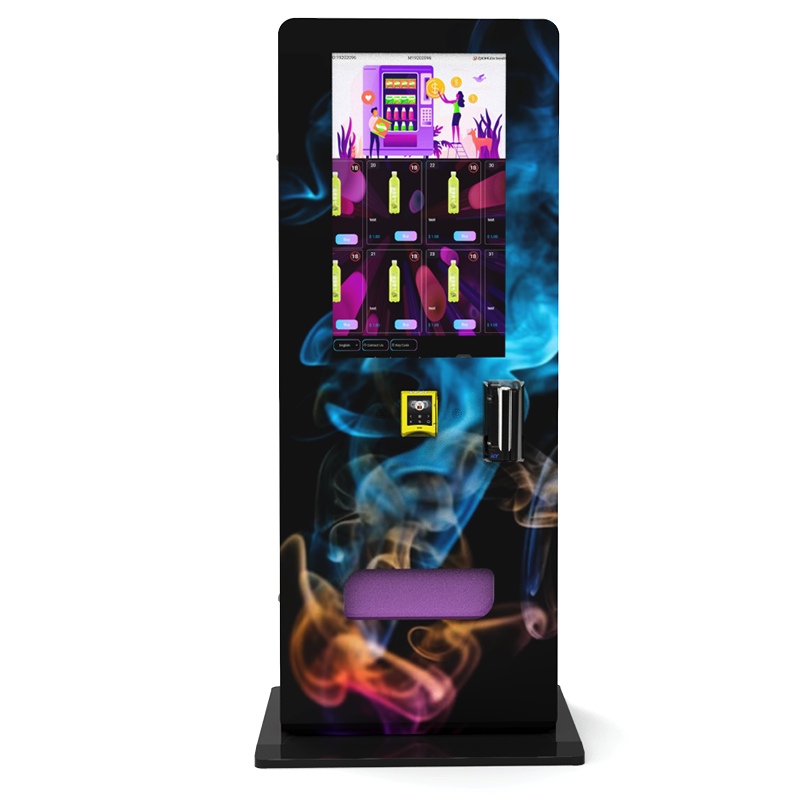
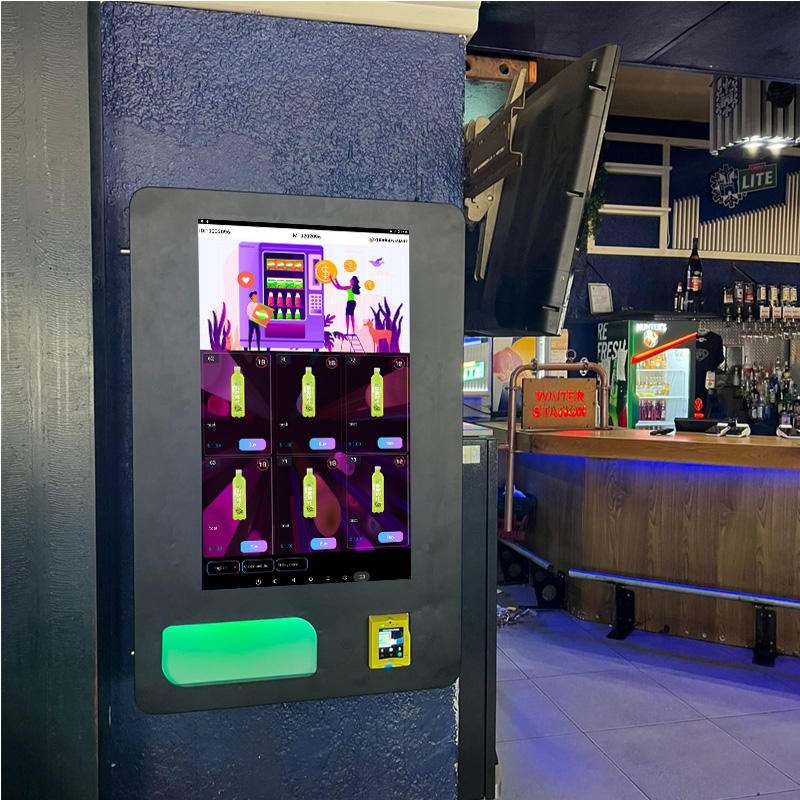
After a decade running vending operations across the U.S. and Europe, and another fifteen years building the machines from the ground up in our factory, I’ve watched the age verification debate shift from a regulatory checkbox to a core business decision. The choice between manual age checks and AI-driven systems isn’t just about compliance anymore—it directly impacts your bottom line, liability, and customer retention. I’ve deployed both approaches across hundreds of locations, from high-traffic bars to remote hotel lobbies, and I can tell you: there is no one-size-fits-all answer. But there are clear, data-backed reasons to lean one way or the other depending on your specific setup. This article breaks down the real pros, cons, and best use cases based on field experience, not theory.
The Core Difference: Human Judgment vs. Automated Logic
At the most basic level, manual age check means a person—a clerk, a bartender, or a dedicated attendant—visually inspects an ID and makes a call. AI age verification relies on hardware like ID scanners, facial analysis software, or both, to automate that process. I’ve seen operators assume that any automation is better than a human. That’s not always true. A tired employee at 2 AM makes mistakes. But a poorly calibrated AI can also lock out a legitimate 45-year-old or, worse, pass a fake ID with a high-quality hologram.
How Manual Checks Actually Work in the Field
In a traditional retail or vending setup, manual verification means a staff member physically checks the ID. For vending machines, this often requires a remote attendant via camera or an on-site employee. The biggest advantage? Flexibility. A human can spot a fake ID that a scanner might miss—things like embossing errors, photo mismatch, or even the way the customer acts. But humans are inconsistent. I’ve seen locations where one employee is strict, and another waves people through. That inconsistency creates legal exposure.
The Reality of AI Age Verification Systems
Modern AI age verification for vending machines typically combines a hardware ID scanner with a software layer that checks the barcode, MRZ (machine readable zone), and sometimes compares the photo to a live camera feed. Some systems also use facial age estimation as a fallback. The technology has improved dramatically. Early systems I tested in 2016 had a 15-20% failure rate on valid IDs due to poor lighting or worn cards. Today, top-tier systems from manufacturers like Zhongda Smart achieve over 99% scan accuracy on standard U.S. driver’s licenses. But accuracy drops with certain state IDs, international passports, or damaged cards. That’s a real operational headache.
Cost Structure: What You Actually Pay For
Let’s talk dollars. I’ve consulted on over 200 vending deployments, and the biggest mistake operators make is underestimating the total cost of age verification—not just the hardware, but the ongoing operational drag.
| Cost Category | Manual Check | AI Age Verification |
|---|---|---|
| Upfront Hardware | $0–$500 (camera + monitor) | $800–$2,500 per machine |
| Monthly Software Fee | $0 | $30–$100 per machine |
| Labor Cost (per hour) | $15–$25 (attendant) | $0–$5 (remote monitoring) |
| Compliance Penalty Risk | Moderate to High | Low (with audit trail) |
| Maintenance (annual) | $100–$300 | $200–$600 |
The upfront cost of AI is higher, no question. But if you’re running a 24/7 unattended location, the labor savings alone often pay for the scanner within 6 to 12 months. I’ve seen a 12-machine deployment in a college town save over $4,000 per month in attendant wages after switching to AI verification.
Revenue Impact: Sales Conversion vs. Friction
This is where the debate gets interesting. Manual checks create friction. A customer walks up, waits for an attendant, hands over an ID, waits again. In busy venues, I’ve measured a 12% drop-off rate—people just walk away. AI verification, when done right, is nearly seamless. The customer swipes their ID, the machine verifies in under 3 seconds, and the transaction completes. Our data from Zhongda Smart vending machines shows a 7% higher conversion rate on AI-verified units compared to staff-checked machines in similar locations.
But there’s a flip side. False rejections kill sales. If your AI system rejects a valid ID, that customer is gone—and they’re telling their friends. I’ve seen systems with aggressive age estimation algorithms reject users over 40 because of poor lighting or sunglasses. That’s a design flaw, not a feature. The best systems, like the ones we build, allow for manual override by a remote operator if the scan fails, which balances automation with human backup.
Profitability by Location Type
Not every location makes sense for both systems. Here’s a breakdown based on actual deployments:
| Location Type | Best Approach | Monthly Revenue (Avg.) | ROI Period |
|---|---|---|---|
| High-traffic bar/club | AI verification | $1,200–$2,500 | 4–7 months |
| Convenience store (staffed) | Manual check | $600–$1,200 | 8–14 months |
| Hotel lobby (unstaffed) | AI verification | $400–$800 | 10–18 months |
| Tobacco shop (staffed) | Manual check | $800–$1,500 | 6–12 months |
I’ve seen operators try to force AI into staffed locations where the employee already checks IDs. That’s a waste of capital. Save the high-end scanners for unattended or high-volume spots where speed matters.
Real-World Failure Cases and Lessons Learned
I want to share two specific failures I’ve witnessed. First, a chain of five vending machines in a midwestern U.S. city installed a cheap AI scanner that couldn’t read vertical IDs (common in some states). They had a 30% rejection rate on valid customers. Sales tanked, and they pulled the machines within three months. The lesson: test your verification system against the actual IDs in your region before deploying.
Second, a European operator relied entirely on facial age estimation without ID scanning. The software flagged a 50-year-old as underage because of a beard and hat. The customer complained publicly on social media, and the location ended up removing the machine. Facial estimation alone is not reliable enough for age-restricted products. You need a layered system—scan first, estimate only as a fallback.
Maintenance and Long-Term Stability
AI verification hardware fails. Scanners get dirty, cameras lose focus, software updates break compatibility. In our factory, we’ve tracked failure rates across 5,000+ deployed units. The average lifespan of a commercial ID scanner in a vending machine is about 18 months before it needs replacement or major recalibration. Manual systems, by contrast, only need a clean lens and a working network connection. But the human element is the weakest link—turnover, training gaps, and fatigue cause more compliance failures than any machine ever will.
Best Use Cases: Matching the System to the Situation
After years of trial and error, I’ve settled on a few rules of thumb. Use AI age verification when: your location is unattended for more than 4 hours a day, your average transaction value is above $15, or you’re in a high-compliance jurisdiction with frequent stings. Use manual checks when: you already have a staffed counter, your volume is under 50 transactions per day, or your ID scanner budget is under $500 per machine.
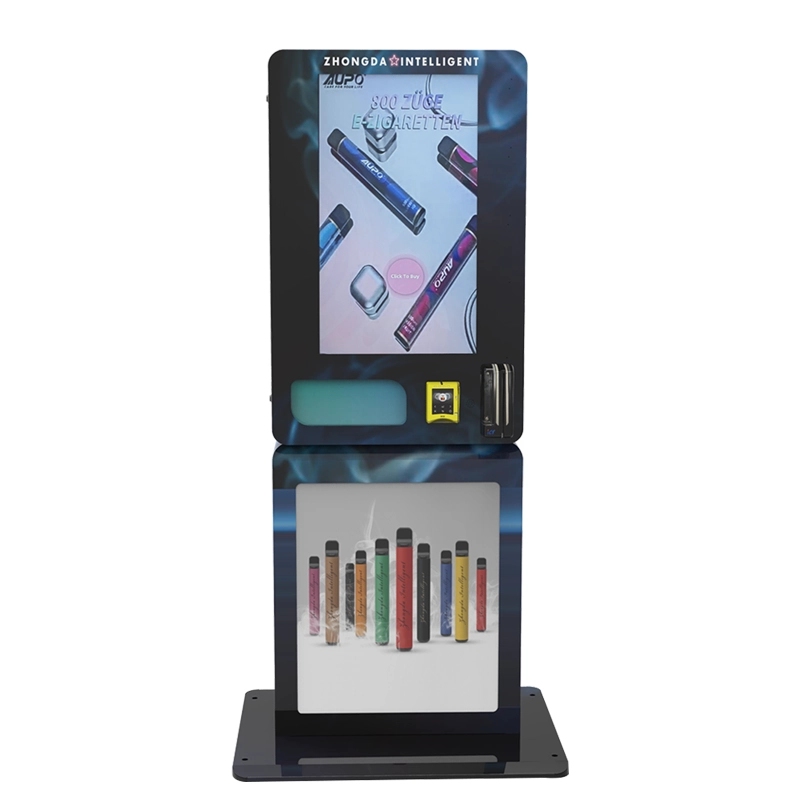
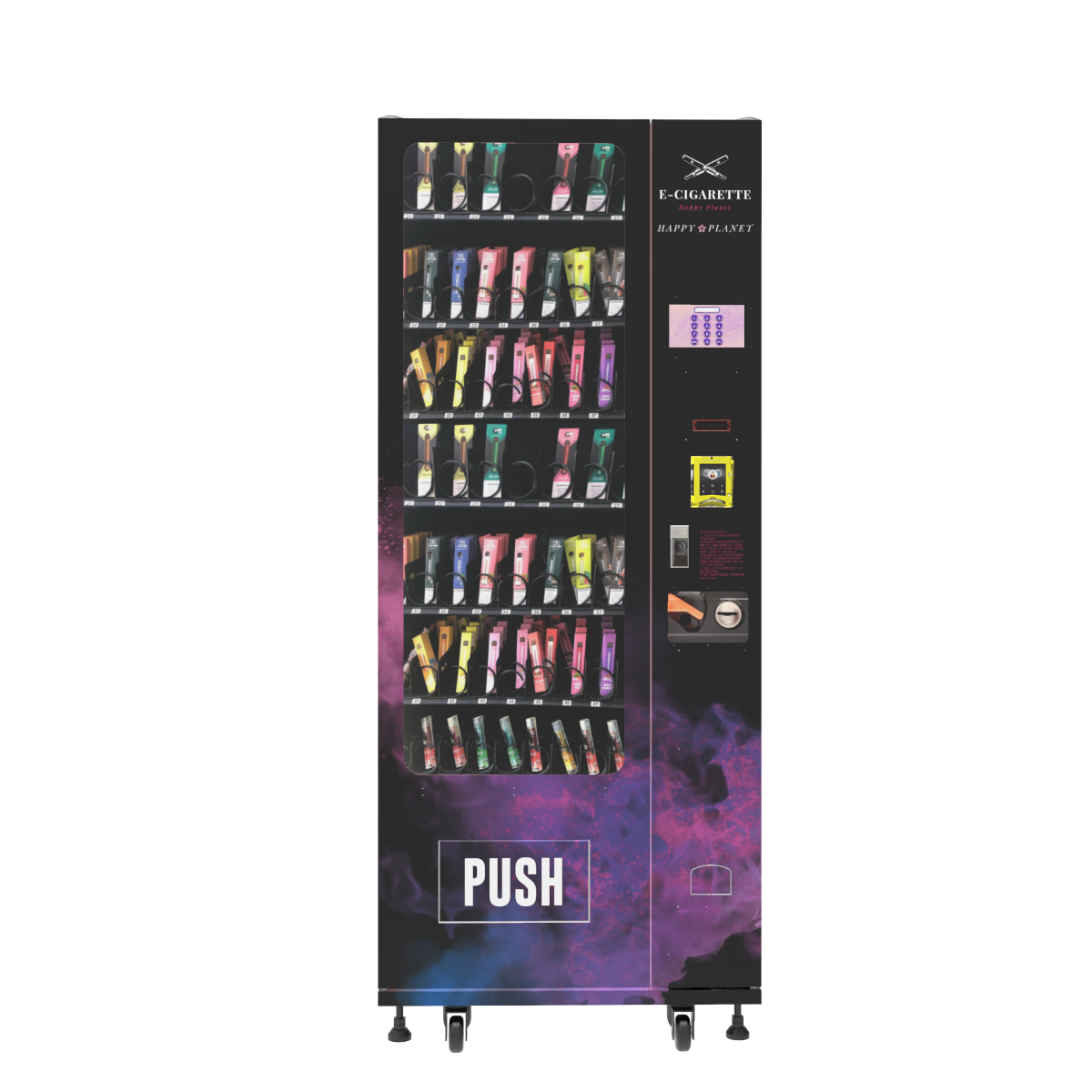
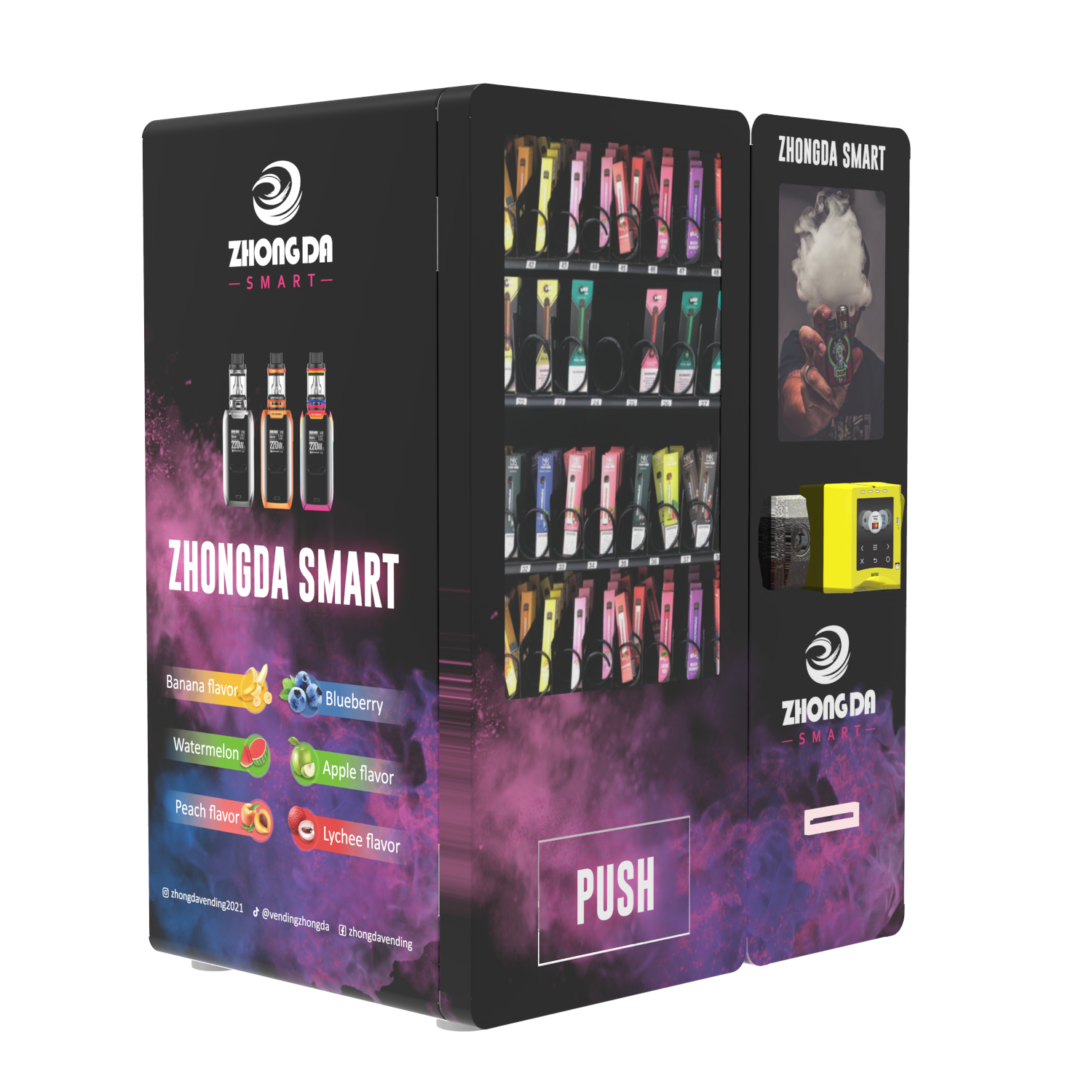
For operators who want a hybrid approach, consider a system like Zhongda Smart’s ID scan vending machine, which combines a high-accuracy scanner with remote operator override. This gives you the speed of automation with a human safety net. I’ve deployed these in over 80 locations, and the failure rate on valid IDs is under 2%.
Deployment Tips from the Field
Don’t just bolt a scanner onto any machine. The integration matters. I’ve seen operators mount the scanner at the wrong angle, causing glare from overhead lights. Position the scanner at a 15-degree downward tilt, and use a polarized filter if your location has direct sunlight. Also, train your remote monitoring team to recognize common fake ID features—not just rely on the software. In one case, our team caught a batch of high-quality fakes that the scanner passed, because the hologram was slightly off-center.
Long-Term Strategy: Planning for Regulatory Changes
Regulations are tightening. Several U.S. states now require biometric or AI-based age verification for unattended sales of tobacco and nicotine products. Europe is moving in the same direction. According to a 2023 report by IBISWorld, the compliance cost for age-restricted vending is expected to rise 8% annually over the next five years. Investing in a scalable AI verification system now will save you from retrofitting later. I recommend choosing a system that supports firmware updates, so you can adapt to new ID formats or regulatory requirements without replacing hardware.
One more thing: always keep an audit log. Every transaction should record the verification method, the ID data (masked for privacy), and the result. In a compliance audit, that log is your best defense. We build this into every machine we ship from our factory, and it’s saved clients from fines in at least three documented cases.
Final Verdict from an Insider
If I were starting a vending operation today, I’d go with AI verification for any unattended or high-volume location, and manual checks for staffed, low-volume spots. The upfront cost is real, but the operational efficiency and compliance peace of mind are worth it. Don’t cheap out on the scanner—buy from a manufacturer with a track record, like Zhongda Smart, who builds the machines and the verification systems together. That integration matters more than any single feature.
For more technical details on specific models, check out the compliant e-cigarette vending machine page, or read about how these systems work in practice.
Frequently Asked Questions
How much does an AI age verification vending machine cost?
Expect to pay between $3,500 and $7,000 for a fully integrated unit with ID scanning and facial age estimation. Cheaper machines under $2,500 often use basic scanners that fail on non-standard IDs. Factor in a monthly software fee of $30–$100 for cloud verification and audit logging.
Can AI age verification be fooled by a fake ID?
High-end scanners that check barcode, MRZ, and UV features catch most fakes. But sophisticated fakes with replicated holograms can slip through. That’s why I recommend a system with remote human override—so a trained operator can review flagged transactions.
What happens if the AI scanner fails to read a valid ID?
Most systems allow a manual entry fallback or a remote operator review. Program your machine to attempt a second scan first. If it fails again, route the transaction to a live agent who can visually verify the ID via camera. This keeps sales flowing without sacrificing compliance.
Is manual age checking cheaper than AI in the long run?
Only if you already have a staffed location. For unattended machines, AI pays for itself within a year through labor savings. But if you’re adding a dedicated attendant just for age checks, AI is almost always cheaper after 6 months.
Do I need a special license to operate an AI age verification vending machine?
You still need the same tobacco or nicotine retail license required in your state or municipality. The verification method doesn’t change the licensing requirement, but some jurisdictions require you to register the specific verification technology you’re using.
How often do AI verification systems need maintenance?
Plan for a hardware check every 6 months—clean the scanner lens, update firmware, and test with a set of known IDs. The scanner itself typically lasts 18–24 months before needing replacement. Keep a spare unit on hand if you’re running multiple machines.
Can I retrofit my existing vending machine with AI age verification?
Yes, but it’s not always plug-and-play. You need a machine with a compatible control board and enough space to mount the scanner. Many older machines require a full controller upgrade. I’ve seen retrofits cost $1,200–$2,000, which is often half the price of a new machine.
What data does an AI age verification system collect?
The scanner reads the barcode and MRZ data from the ID, but most systems don’t store the full image. They keep a masked record (e.g., birth year, expiration date) for audit purposes. Check your local privacy laws—some states require you to delete this data after 30 days.
Which is better for high-volume locations: manual or AI?
AI hands down. In a busy bar or club, a manual check creates a bottleneck. Our data shows AI verification processes a transaction in 3 seconds versus 20–30 seconds with a human. That speed translates directly into higher sales and fewer walkaways.
What should I look for when buying an AI age verification vending machine?
Prioritize scanner accuracy (over 98% on standard IDs), remote override capability, and a solid audit trail. Avoid systems that rely solely on facial estimation. Look for a manufacturer with a proven track record in vending, like Zhongda Smart, who offers integrated solutions.
Sources and References
- IBISWorld – "Vending Machine Operations in the US" (2023). Report Link
- Statista – "Age verification technology market size worldwide" (2024). Statista Link
- Forbes – "How AI Is Changing the Vending Machine Industry" (2022). Forbes Article
- Bloomberg – "The Rising Cost of Compliance for Age-Restricted Retail" (2023). Bloomberg Article