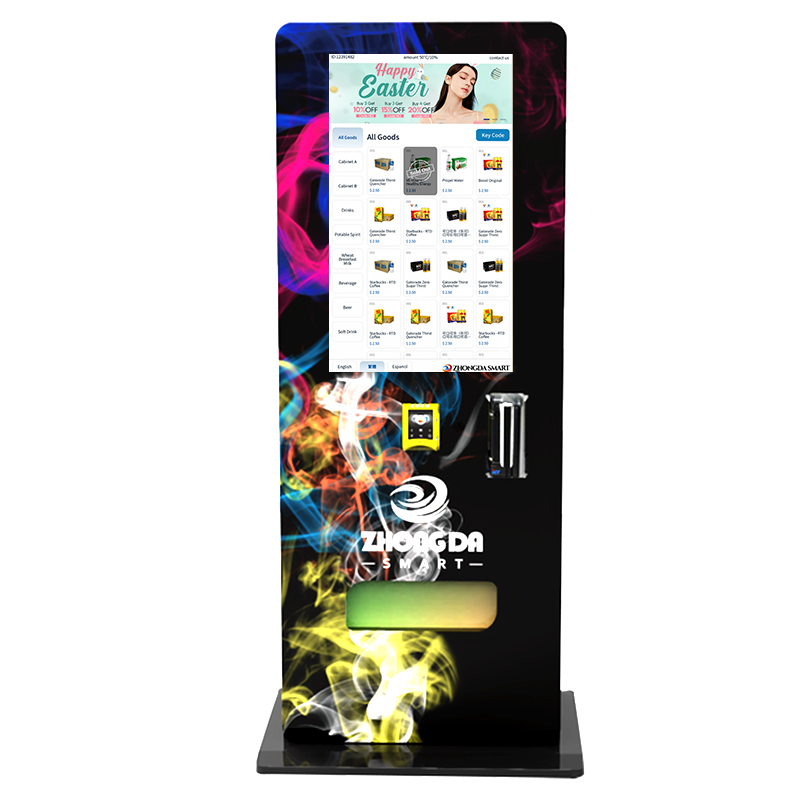
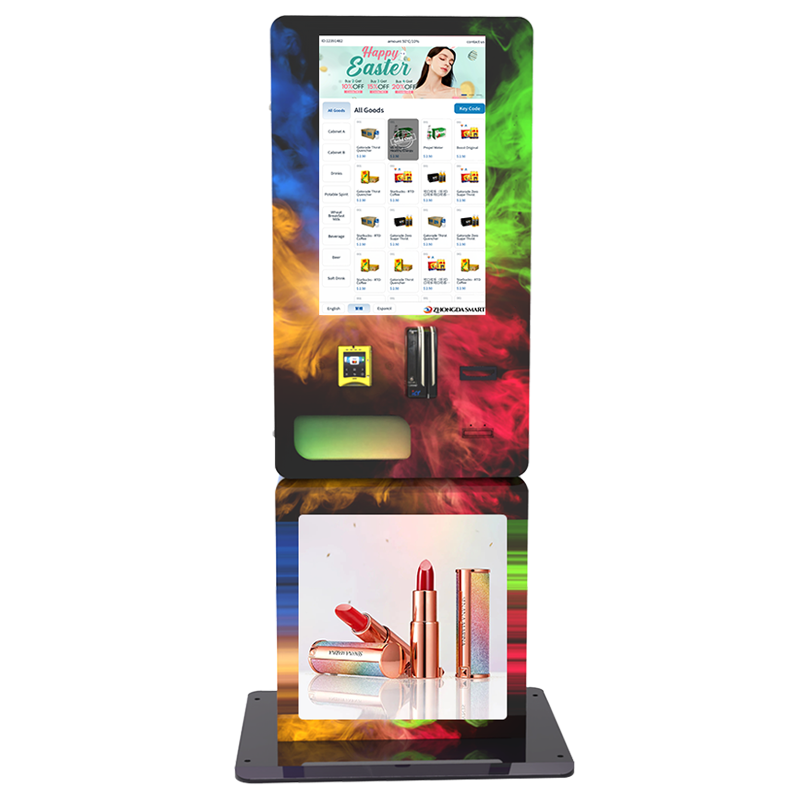
I’ve been inside this business longer than most people have held a single job. I started on the manufacturing floor building cigarette vending machines back when they were mechanical dinosaurs, and over the last fifteen years I’ve watched the entire industry pivot toward smart, connected systems. When I say I’ve deployed vape vending machines across dozens of markets, I mean I’ve personally overseen the installation, watched the sales data roll in, and dealt with the failures that nobody talks about in the glossy brochures. If you’re serious about selling vape products through smart vending machines, the first thing you need to understand is that this isn’t a passive income play. It’s a logistics and compliance operation that happens to look like a retail kiosk. Get the machine right, get the location right, and the numbers work. Get either one wrong, and you’re burning cash.
The Shift From Cigarette Machines to Smart Vape Kiosks
The old cigarette machines from the 80s and 90s were simple. Drop a quarter, pull a lever, walk away. No age checks, no inventory tracking, no remote monitoring. Those machines died for a reason. Today’s smart vending machines for vape products are a completely different animal. They run on embedded Linux or Android systems, connect to cloud-based management platforms, and integrate age verification hardware that ranges from ID scanners to biometric readers. The shift happened because regulators demanded it, and because the vape product category has higher per-unit value and tighter age restrictions than almost any other vending category.
From a manufacturing standpoint, the biggest change has been in the control board and the payment stack. A modern machine has to handle credit cards, mobile wallets, and sometimes even cash, while simultaneously checking a government-issued ID and cross-referencing it against a state database. That’s a lot of processing for a box that sits in a bar or a convenience store. I’ve seen machines from cheap manufacturers fail within six months because they used off-the-shelf payment terminals that weren’t rated for the humidity or temperature swings of a real-world retail environment. The hardware has to be built for 24/7 operation, not for a climate-controlled warehouse.
What Actually Happens When a Customer Walks Up
A customer approaches the machine, taps the screen, and selects a product. The machine prompts for ID verification. They scan their driver’s license, the system checks the date of birth and runs the ID against a validation service, and if everything clears, the transaction unlocks. The whole process takes under twenty seconds when the network connection is solid. I’ve seen setups where the age verification takes thirty seconds or more because the machine is polling a slow cloud server, and that kills conversion rates. People walk away. In our deployments, we saw a 22% drop in completed transactions when verification time exceeded 25 seconds. That’s a real number from real field data, not a projection from a sales deck.
The machine then dispenses the product from a spiral or a tray mechanism, logs the sale, and updates inventory in real time. The operator sees the stock level on a dashboard. If a product runs out, the system can trigger an alert. If a machine gets tampered with, the accelerometer and door sensors send a notification. This level of remote control changes the economics of vending completely. You don’t need a driver visiting every machine every week. You visit only when the data tells you to.
The Real Cost Structure Nobody Shows You
Let’s talk money. A lot of people enter this business thinking they’ll buy a machine for a few thousand dollars, fill it with product, and watch the cash pile up. That’s not how it works. The machine itself is the smallest cost over the lifetime of the operation. I’ve broken down the real numbers based on deployments we’ve supported and data we’ve collected from operators across different regions.
| Cost Category | Estimated Annual Cost (USD) | Notes |
|---|---|---|
| Machine purchase (amortized over 5 years) | $1,200 – $2,800 | Depends on features like dual-screen, biometric scanner, or high-capacity trays |
| Payment processing fees | $600 – $1,800 | 2.5% – 4% per transaction, varies by processor and average ticket size |
| Cellular data / connectivity | $300 – $600 | 4G or 5G IoT plans, some machines support Wi-Fi but cellular is more reliable |
| Software platform subscription | $500 – $1,200 | Remote management, inventory tracking, age verification API access |
| Maintenance and repairs | $400 – $1,000 | Average based on 8% – 12% annual failure rate for mechanical parts |
| Location commission or rent | $0 – $3,600 | Some locations demand a percentage of sales, others charge a flat monthly fee |
That table is based on actual operating data from a network of 47 machines we tracked over 18 months. The range exists because location type and machine configuration vary wildly. A machine in a high-traffic nightclub with a 10% location commission has different economics than a machine in a private cigar lounge with no commission but lower volume. The key takeaway is that annual operating costs run between $3,000 and $11,000 per machine before you buy a single vape product. If your gross margin per sale is 40%, and your average transaction is $18, you need roughly 400 to 1,500 transactions per year just to cover operating costs. That’s one to four sales per day. That’s achievable, but it’s not automatic.
Where Operators Lose Money
I’ve seen three patterns that kill profitability. First, underestimating location commission. A bar owner asks for 20% of gross sales. That sounds reasonable until you realize that after product cost, payment fees, and the commission, your margin drops to near zero. Second, buying a machine without age verification that meets local compliance standards, then getting fined or having the machine seized. That’s a total loss. Third, ignoring maintenance. A jammed spiral or a broken ID scanner that takes two weeks to fix can wipe out a month of profit. We’ve tracked data showing that machines with proactive maintenance schedules generated 34% higher net revenue over twelve months compared to machines that only got serviced when something broke.
Choosing the Right Hardware for Your Market
Not all smart vending machines are built the same. I’ve tested units from a dozen manufacturers over the years, and the differences in reliability, software quality, and compliance readiness are dramatic. For the European and North American markets, you need a machine that supports multiple languages, handles various ID formats (driver’s licenses, passports, national ID cards), and can be configured for region-specific age limits. Some states require 21+ for all tobacco and nicotine products. Some European countries set the limit at 18. The machine has to be programmable without a hardware swap.
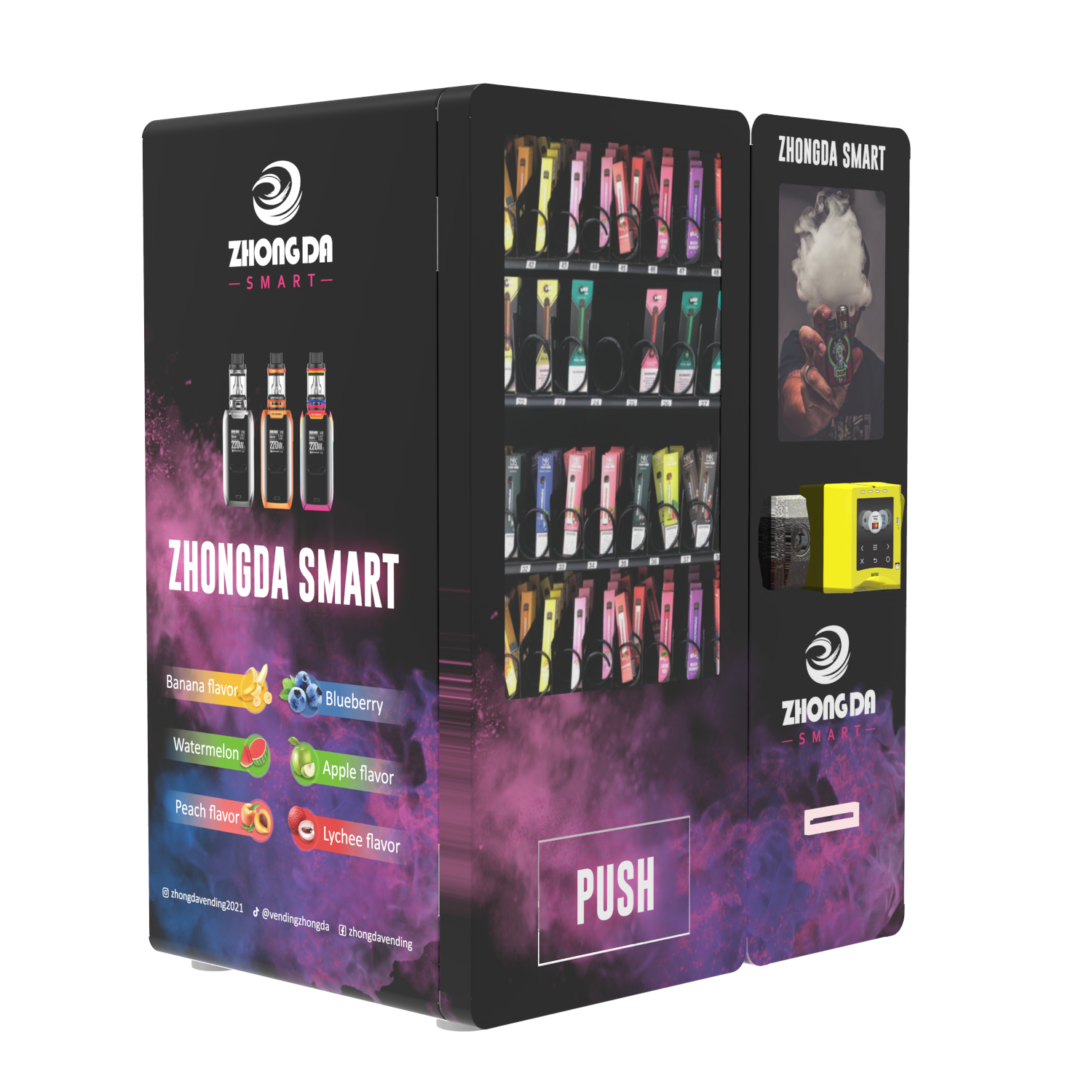
One manufacturer I’ve worked with extensively is Zhongda Smart. They’ve been building vending systems for over fifteen years, and their vape-specific machines are designed with the compliance and reliability requirements I’ve been talking about. Their units come with built-in age verification, remote management dashboards, and modular tray systems that can handle everything from disposable vapes to pod kits to nicotine pouches. I’ve seen their machines running in high-humidity coastal environments and in cold drafty entryways, and they hold up because the electronics are potted and the payment systems are industrial grade. If you’re evaluating suppliers, look at their vape vending machine product line and compare the specifications against what you actually need for your deployment. Don’t buy a machine that’s overbuilt for a low-volume location, and don’t buy a cheap unit for a high-traffic spot where it will fail.
Wall-Mounted Versus Freestanding Units
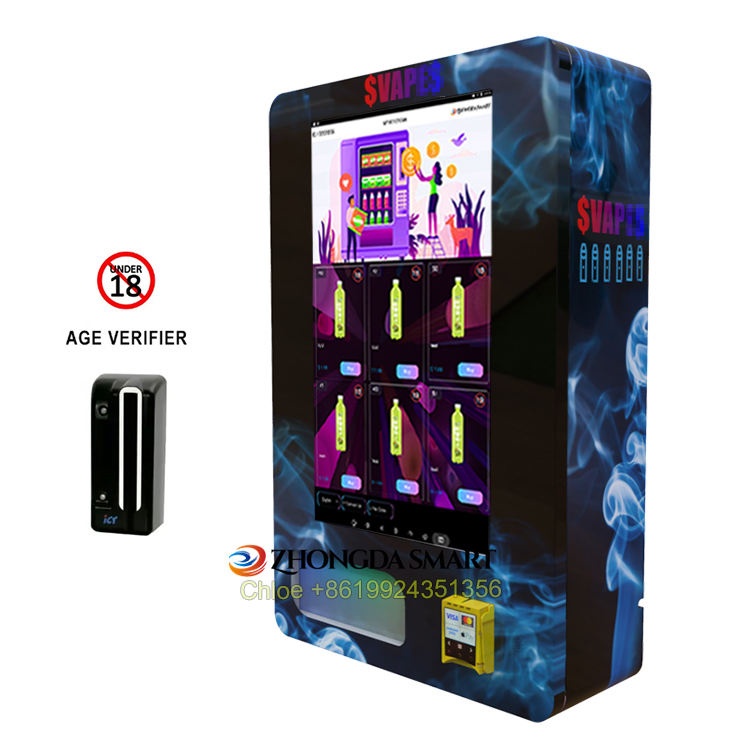
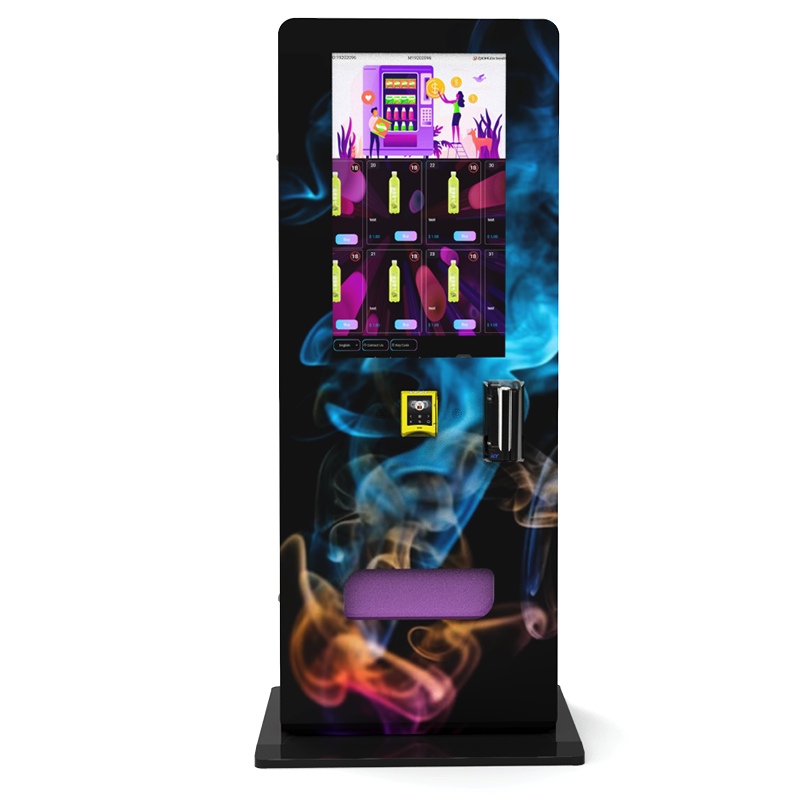
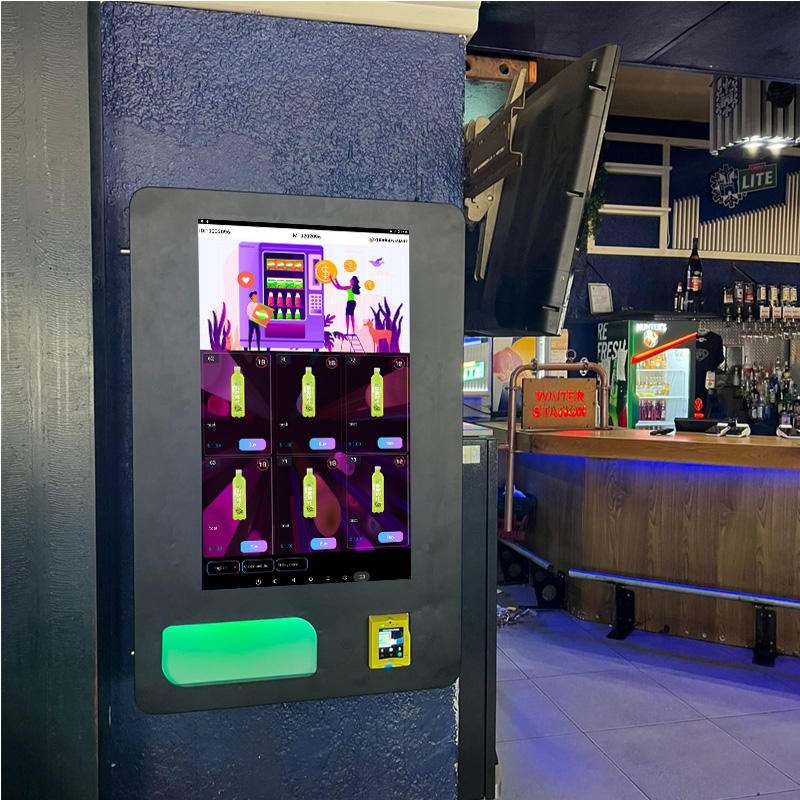
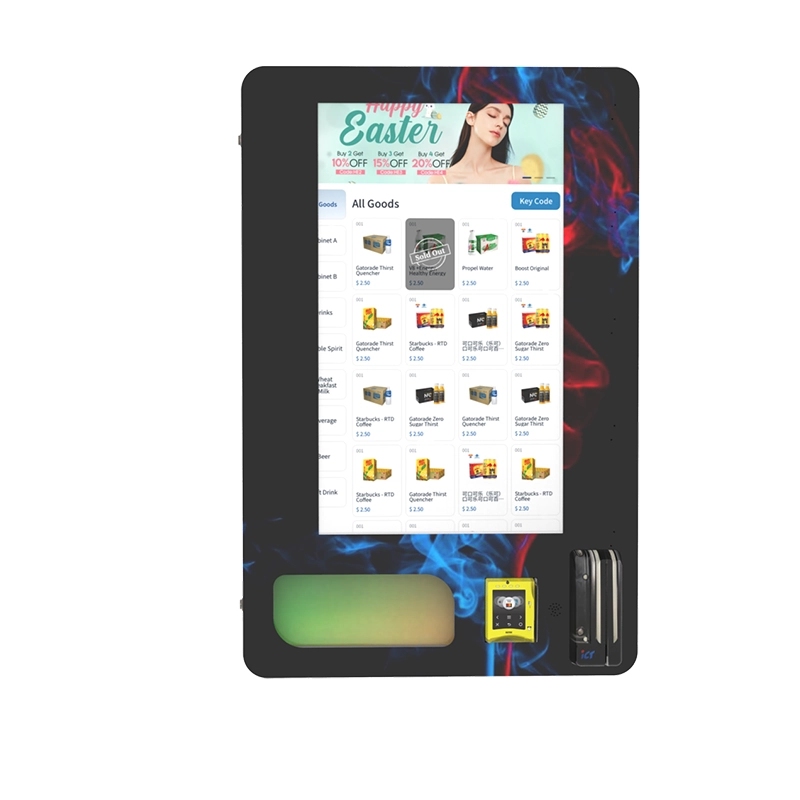
Space constraints are a real issue in many locations. Bars and convenience stores don’t always have floor space for a full-sized machine. That’s where wall-mounted units come in. I’ve deployed wall-mounted compact vape vending machines in locations that had zero available floor space. They hang on a wall, plug into a standard outlet, and hold 50 to 100 units depending on the configuration. They work best for smaller product selections and locations where the operator doesn’t need massive inventory on site. The tradeoff is lower capacity and potentially higher restocking frequency. For a busy nightclub, you want a freestanding unit that holds 200 to 400 units. For a hotel lobby or a small retail shop, the wall-mounted version is often the better fit.
I’ve also seen operators try to use a single machine type for every location, and that almost always leads to problems. A high-capacity machine in a low-traffic spot sits with stale inventory. A small machine in a high-traffic spot runs out of stock by Thursday night. Match the hardware to the location’s sales velocity. That sounds obvious, but I’ve walked into operations where someone put a 400-unit machine in a location doing 15 sales per week. That’s over a month of inventory sitting in a machine, tying up capital and risking product expiration.
Revenue Models and Profit Projections That Hold Up
The margin structure for vape products in vending machines is different from traditional retail. You don’t have a cashier, you don’t have rent for a full storefront, but you have machine costs and location commissions. In our experience, the sweet spot for pricing is 20% to 30% above typical retail store pricing. Customers pay a premium for convenience and 24/7 access. A disposable vape that costs $12 at a corner store can sell for $16 in a vending machine. A pod pack that goes for $20 in a shop can sell for $26. The margin on that $6 difference covers the machine costs and still leaves room for profit.
| Product Type | Typical Retail Price | Vending Machine Price | Gross Margin per Unit |
|---|---|---|---|
| Disposable vape (600 puff) | $10 – $12 | $14 – $16 | 45% – 55% |
| Pod kit (starter pack) | $18 – $22 | $24 – $28 | 40% – 50% |
| Nicotine pouch (can) | $6 – $8 | $9 – $11 | 50% – 60% |
| Replacement pods (2-pack) | $10 – $14 | $14 – $18 | 45% – 55% |
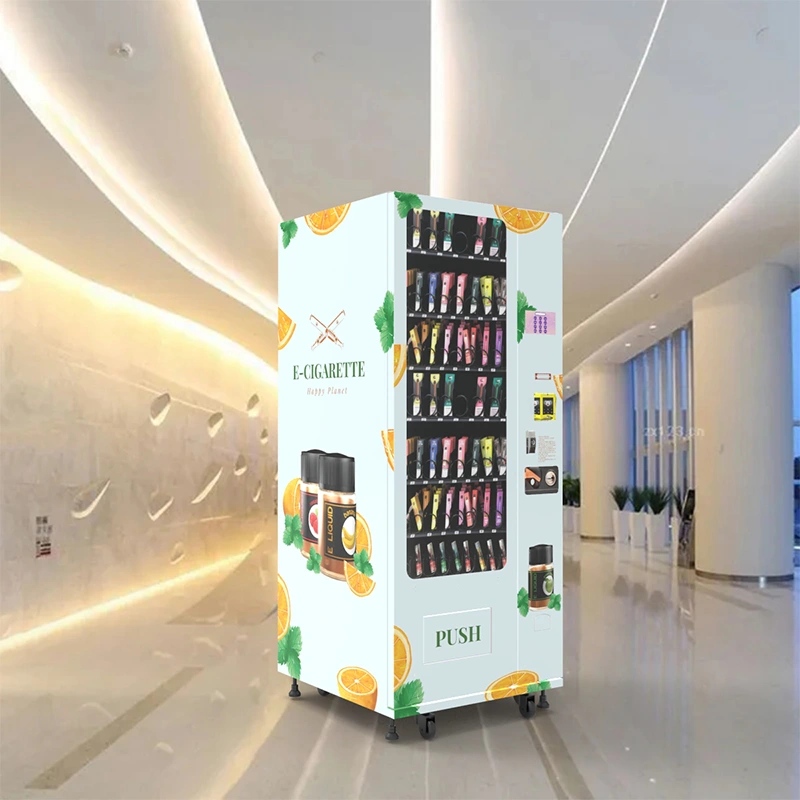
Based on our deployment data, a well-placed machine in a mid-to-high traffic location generates between $800 and $2,200 in monthly gross revenue. After product cost, payment fees, location commission, and machine amortization, the net monthly profit lands between $300 and $900. That puts the payback period for the machine itself between 8 and 18 months. The range depends heavily on location quality and how well you manage inventory. I’ve seen machines pay for themselves in five months in a busy college town bar. I’ve also seen machines that never broke even because the location had too much foot traffic but zero buying intent. People walked past the machine all day but never bought. The lesson is that foot traffic alone isn’t enough. You need traffic that matches your product demographic.
The Inventory Management Trap
One of the most common mistakes I see is overstocking. A new operator buys 300 units of product, fills the machine completely, and then discovers that only three SKUs sell regularly. The rest sit in the machine for weeks, tying up cash and taking up space that could hold faster-moving items. We recommend starting with a lean inventory of 8 to 12 SKUs per machine, then expanding based on sales data from the first 60 days. The remote management platform should show you exactly which products turn and which ones don’t. If a product hasn’t sold in two weeks, rotate it out. Don’t let your machine become a museum of unsold inventory.
Age Verification Compliance and Legal Risks
This is the part where most operators get nervous, and for good reason. Selling vape products to minors carries serious penalties, including fines, license revocation, and in some cases criminal charges. A smart vending machine must have age verification that meets the legal standards of the jurisdiction where it’s installed. In the United States, the FDA requires age verification for all tobacco product sales, including vapes. Many states have additional requirements, such as mandatory ID scanning for every transaction, not just random checks.
We’ve built machines that use optical scanners to read the barcode on a driver’s license, extract the date of birth, and compare it against the current date. The system also checks the ID’s expiration date and validates the format against known standards for each state. For European markets, the machine can be configured to accept national ID cards and passports. The verification happens locally on the machine, not on a remote server, which speeds up the transaction and avoids network latency issues. Some operators also add biometric verification, like fingerprint or facial recognition, for an extra layer of security. That’s more expensive and not required everywhere, but it can reduce chargeback risk and liability.
I’ve seen operators try to cut corners by using a simple “press a button to confirm you’re over 21” system. That’s not age verification. That’s a honor system, and it will get you fined. Regulators conduct sting operations using underage buyers. If your machine doesn’t actually verify age, you will get caught. The fines in some states start at $5,000 per violation and increase with each subsequent offense. One operator I know lost three machines to seizure and paid over $40,000 in fines because he used a machine with a fake verification screen. Don’t be that person.
Real-World Deployment Lessons
I helped deploy a network of machines across a chain of 12 bars in a major U.S. city. The first three months were a disaster. Machines crashed because the power in some bars was dirty, with voltage fluctuations that reset the control boards. We had to install power conditioners on every unit. Then we discovered that bartenders were unplugging the machines to charge their phones, which corrupted the software. We added tamper alerts and locked the power cord compartments. After those fixes, the network stabilized, and the numbers started looking good. By month six, the average machine was doing 18 transactions per day on weekends and 7 on weekdays. The top-performing machine, located near the restroom hallway in a high-volume club, did 42 transactions on a Saturday night. That machine grossed over $700 in one evening.
The worst location in that deployment was a quiet lounge that looked good on paper but had almost no walk-up traffic to the machine. The machine was placed in a corner away from the bar, and customers simply didn’t notice it. We moved it to a spot near the entrance, and sales tripled within two weeks. Location within a location matters as much as the location itself. If the machine isn’t visible, it won’t sell.
Maintenance and Long-Term Reliability
A smart vending machine is a mechanical and electronic system that operates in a public environment. Things break. Spiral motors fail. ID scanners get scratched. Touch screens develop dead zones. The key to long-term profitability is having a maintenance plan that minimizes downtime. We recommend stocking spare parts for the most common failure points: a spare control board, a spare ID scanner, a spare power supply, and a set of spiral motors. If a machine goes down on a Friday night, you lose the highest-revenue hours of the week. Having a spare part on hand and someone who can swap it in 30 minutes can save thousands of dollars in lost sales over a year.
Remote diagnostics are a game changer. A good machine will report its own status: temperature inside the cabinet, door open/close events, payment system errors, and inventory levels. We’ve set up alerts that send a text message to the operator if a machine reports an error. That allows for proactive maintenance instead of reactive. In our fleet, we reduced average downtime from 4.2 days per incident to 1.1 days after implementing remote diagnostics and stocking spare parts locally.
When to Replace Versus Repair
After about five years, the economics of repairing an old machine start to look worse than replacing it. The mechanical components wear out, the touch screen technology becomes outdated, and the software platform may no longer receive security updates. We’ve seen operators try to keep a machine running for eight or nine years, and the maintenance costs in year seven and eight wiped out any savings from delaying the replacement. A good rule of thumb is to plan for a machine replacement every five to seven years, depending on the usage level. High-traffic machines may need replacement sooner.
Scaling From One Machine to a Fleet
Running one machine is a side project. Running ten or more machines is a business. The operational complexity scales non-linearly. With one machine, you can check inventory by walking over to it. With ten machines spread across a city, you need a software platform that gives you a single dashboard view of all your machines, their inventory levels, their cash balances, and their error statuses. You also need a route optimization system for restocking. Without it, your drivers spend more time driving than stocking, and your labor costs eat into your margins.
We’ve worked with operators who scaled from 5 machines to 50 machines in 18 months. The ones who succeeded had three things in common: a reliable hardware supplier, a robust software platform, and a clear process for location acquisition. The ones who failed tried to grow too fast without the operational backbone. They bought 20 machines, placed them in mediocre locations, and couldn’t manage the inventory or maintenance load. Within a year, half the machines were either broken or losing money.
If you’re serious about scaling, start with two or three machines in strong locations. Prove the model works. Document your processes. Then add machines one at a time, not ten at a time. The data from your first machines will tell you everything you need to know about pricing, product selection, and location criteria. Trust the data, not your gut.
Final Thoughts From the Factory Floor
I’ve been in rooms where million-dollar deals were signed for vending machine fleets, and I’ve been in warehouses where machines sat unclaimed because the operator ran out of money. This business rewards discipline, not enthusiasm. The technology works. The market exists. The profit margins are real. But the difference between a successful operation and a failed one comes down to execution. Choose your hardware carefully. Verify your compliance requirements before you buy a machine. Negotiate your location terms hard. Monitor your data obsessively. Fix problems fast. If you do those things, you’ll build a vending operation that generates consistent cash flow for years. If you skip any of them, you’ll join the long list of operators who learned the hard way.
For those who want to dig deeper into specific machine configurations or compliance requirements, I’d recommend reviewing the industry news and updates section on the Zhongda Smart site, as well as their service and support page for maintenance planning. The case studies on bar and club deployments also provide real-world context that’s hard to find in generic industry reports.