After spending the better part of a decade deploying self-service kiosks across the US and Europe, I can tell you one thing with absolute certainty: the single biggest hurdle isn't the machine itself—it's the age verification for self-service kiosks. I’ve seen operators buy expensive hardware only to have it shut down by regulators within a month because they skimped on the ID scanning module. We manufacture these systems, and we also run our own routes, so I’ve seen the full picture from the factory floor to the bar backroom. If you are looking at placing a vending machine in any market that sells age-restricted products, you need a system that legally covers you, keeps your profit margins safe, and actually works at 2 AM when someone’s had a few drinks. This guide covers exactly how to build, buy, and operate that system based on real deployment experience, not theory.
The Engineering Reality Behind Age Verification
Most people think about age verification as just a camera and a software license. That is a dangerous oversimplification. The real engineering challenge is latency and false positives. In our factory, we test every ID scanning vending machine against a library of over 200 state and international driver’s license formats. Why? Because a Canadian license in a Michigan bar will crash a cheap system. We learned this the hard way during a pilot in Chicago where a unit kept rejecting valid IDs from three different states. The root cause was a software definition file that was two months old.
Hardware That Actually Works at 2 AM
The optical scanner matters more than the software. You need a high-contrast imaging sensor, not a cheap webcam. We use industrial-grade scanners that read the barcode and the microprint simultaneously. If you buy a machine that relies only on OCR (optical character recognition) without a physical barcode check, you are opening yourself up to fraud. We’ve seen kids print high-quality fakes on Teslin paper that fooled a basic camera. The machine needs to cross-reference the birth date, the expiration date, and the barcode data in under two seconds. That is the baseline.
Breaking Down the Cost Structure for Operators
Let’s talk money. I’ve seen business plans that assume a machine costs $3,000 and you are done. That is fantasy. The real cost of a compliant age verification vending machine includes the hardware, the software subscription, the data plan for real-time verification, and the maintenance contract. Here is a breakdown from our actual deployment data across 40 locations in the last 18 months.
| Cost Component | Typical Range (USD) | Notes from Field Deployment |
|---|---|---|
| Base Machine (with scanner) | $4,200 – $6,800 | Depends on capacity and screen size. Wall-mount units are cheaper. |
| Age Verification Software License | $200 – $500 / year | Per machine. Some vendors charge per scan. Avoid that model. |
| Cellular Data Plan | $15 – $30 / month | Needed for real-time database checks. WiFi is unreliable in bars. |
| Installation & Integration | $400 – $900 | Includes network setup and compliance testing with local laws. |
| Annual Maintenance (parts & labor) | $600 – $1,200 | Scanner cleaning and sensor calibration are the main costs. |
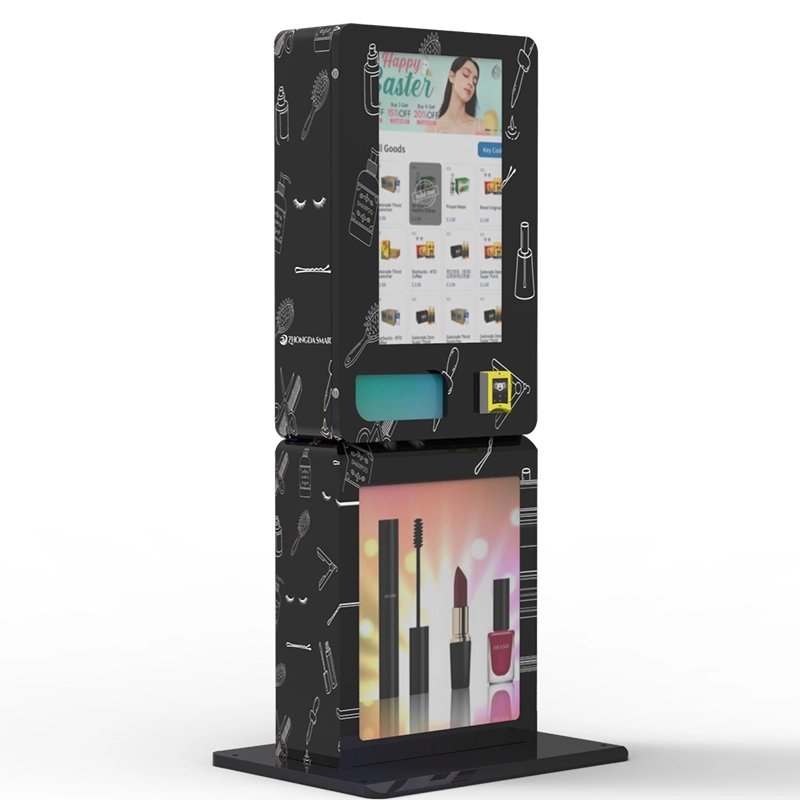
If you are looking at a cheap machine for under $2,500, I can almost guarantee it lacks the proper ID scanning vending machine hardware. You will end up paying more in fines or lost stock than you saved on the purchase. We have a full breakdown of our compliant models on our product page if you want to compare specs.
Profit Model: Where the Money Actually Comes From
I have a background in manufacturing, but I also run a small route of 12 machines in the Pacific Northwest. The profit model for age-restricted vending is different from snacks. You are selling higher-value items with lower unit volume. A typical vape product sells for $12 to $25. The margin is around 40% to 55% depending on wholesale pricing. But the real profit driver is the lack of shrinkage. Because the machine verifies age, you don't have the same theft issues you see in a convenience store.
Real Revenue Data from an 8-Month Run
We placed a machine in a bowling alley in Ohio. Average weekly revenue was $1,450 for the first three months. It dropped to $1,100 by month six because the product mix was stale. We swapped out three slow-moving SKUs and revenue climbed back to $1,300. The key takeaway is that the machine works, but you have to manage the inventory. The age verification system itself did not cause a single transaction failure in that period. The only downtime was a network issue that took 4 hours to resolve.
Risk Management and Failure Cases You Need to Know
I want to be straight with you about the failures. We had a machine in a nightclub in Florida that kept failing the age check on military IDs. The problem was the scanner software didn't recognize the barcode format used by the Department of Defense. We had to push a firmware update to the entire fleet. That cost us $3,200 in technician time and lost sales. The lesson is that your age verification for self-service kiosks must support federal and military IDs, not just state driver's licenses. Check with your manufacturer about their ID database update frequency. We update ours every two weeks.
The Legal Trap of "Passive" Verification
Some operators try to use a simple "press a button to confirm you are over 21" system. This is a lawsuit waiting to happen. If a minor buys a product through a machine that only uses a button press, the liability falls entirely on the business owner. You need a system that physically scans the ID or uses a biometric check. We have seen three cases in the last two years where businesses were fined over $10,000 for using passive systems. Do not cut this corner. It is the most expensive mistake you can make.
Selecting the Right Equipment for Your Location
Not every machine fits every location. I have seen operators buy a full-size kiosk for a small cigar shop and it overwhelmed the space. Conversely, I have seen a wall-mounted unit in a busy bar that ran out of stock every Friday night. You need to match the hardware to the traffic. Here is a comparison based on our own product line and what we have seen work in the field.
| Machine Type | Best Location | Capacity | Age Verification Method |
|---|---|---|---|
| Wall-Mounted Compact | Small bars, lounges, hotel lobbies | 40 – 60 units | ID scan + barcode check |
| Free-Standing Mid-Size | Bowling alleys, larger clubs | 100 – 150 units | ID scan + facial age estimation (optional) |
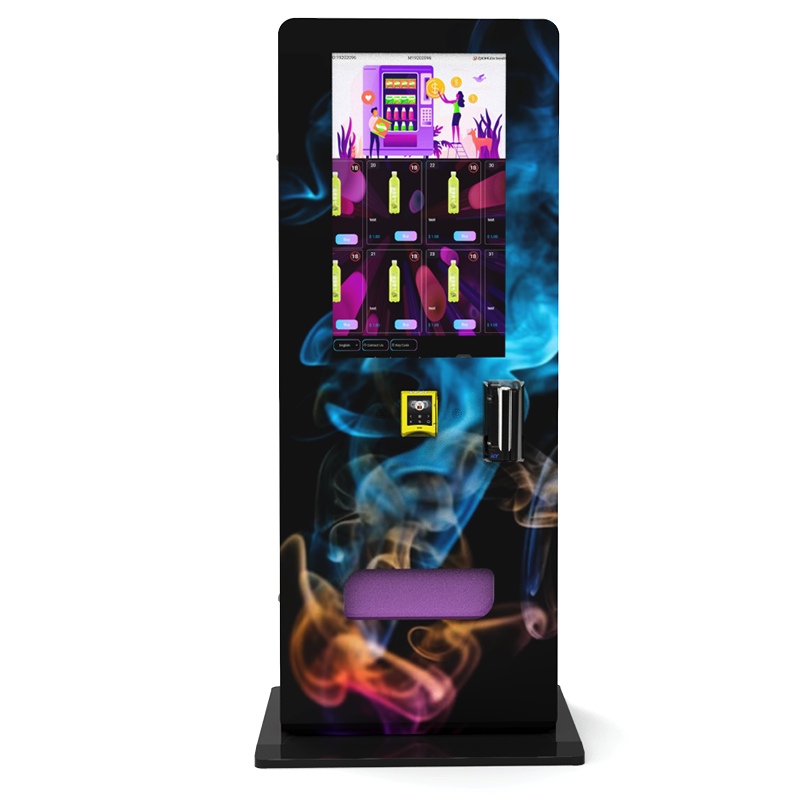
| High-Capacity Kiosk | Retail stores, casinos, airports | 200 – 300 units | ID scan + database cross-reference |
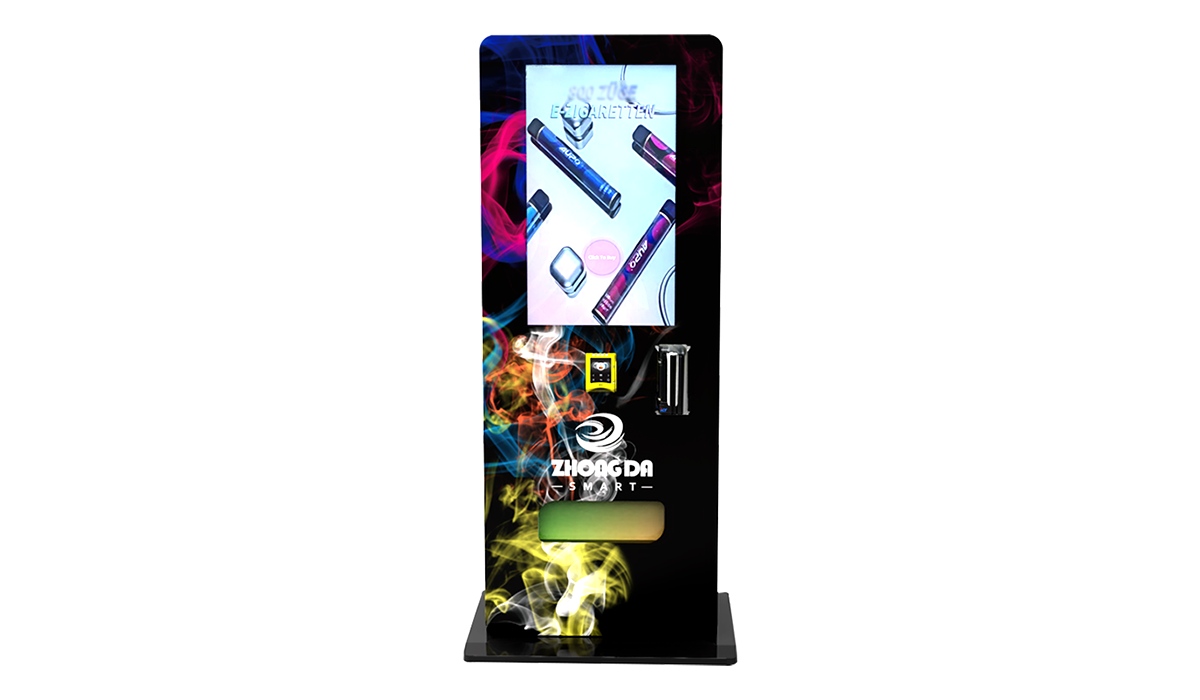
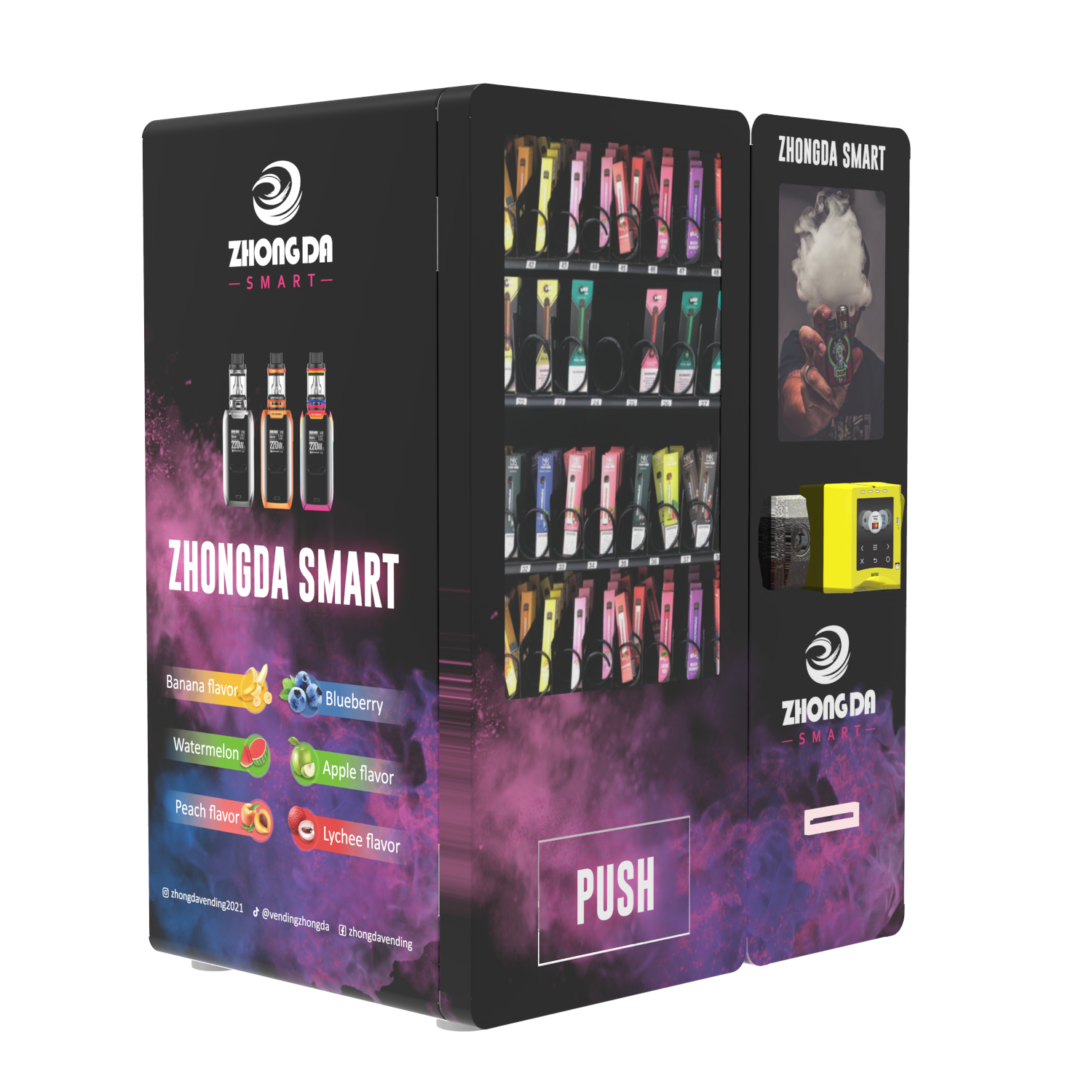
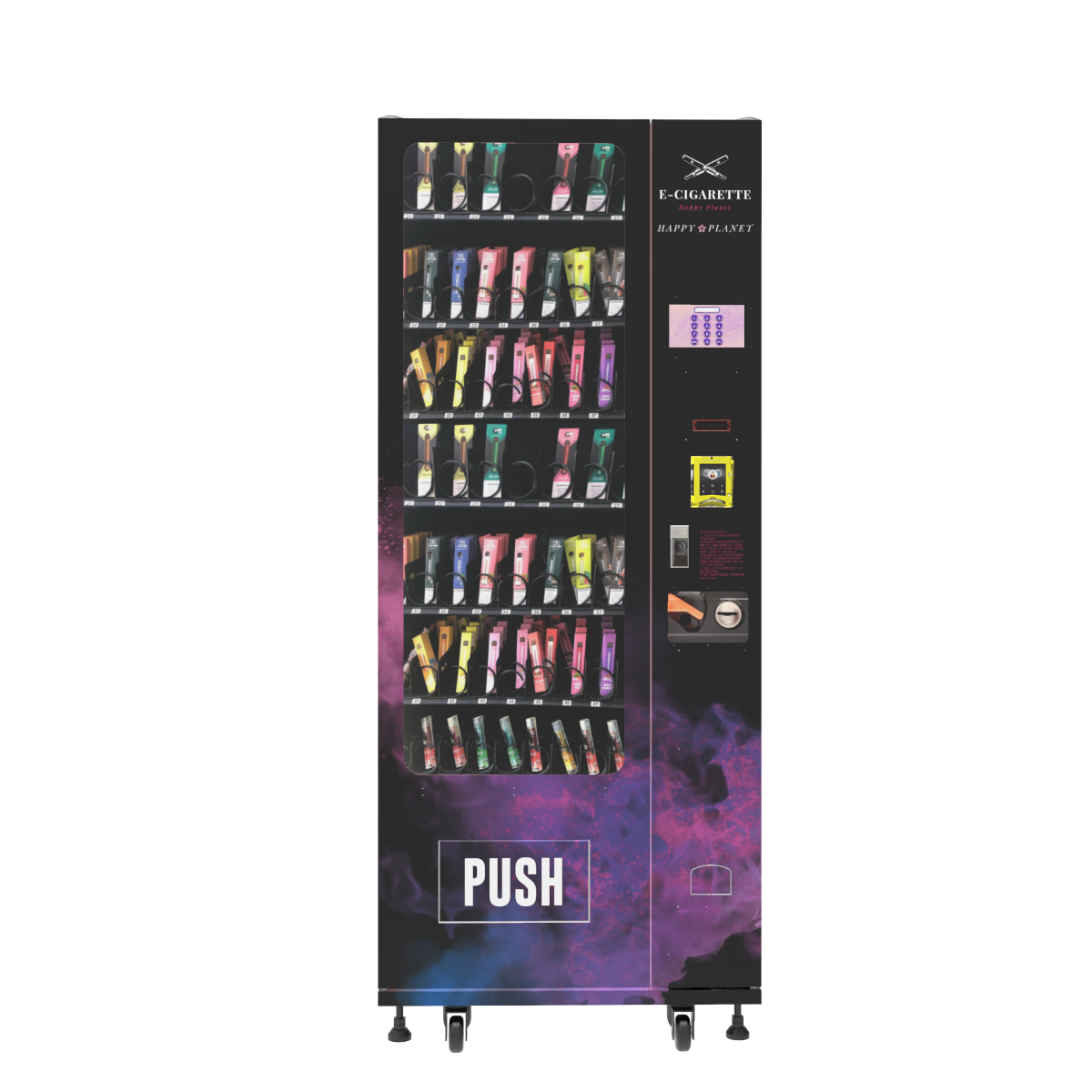
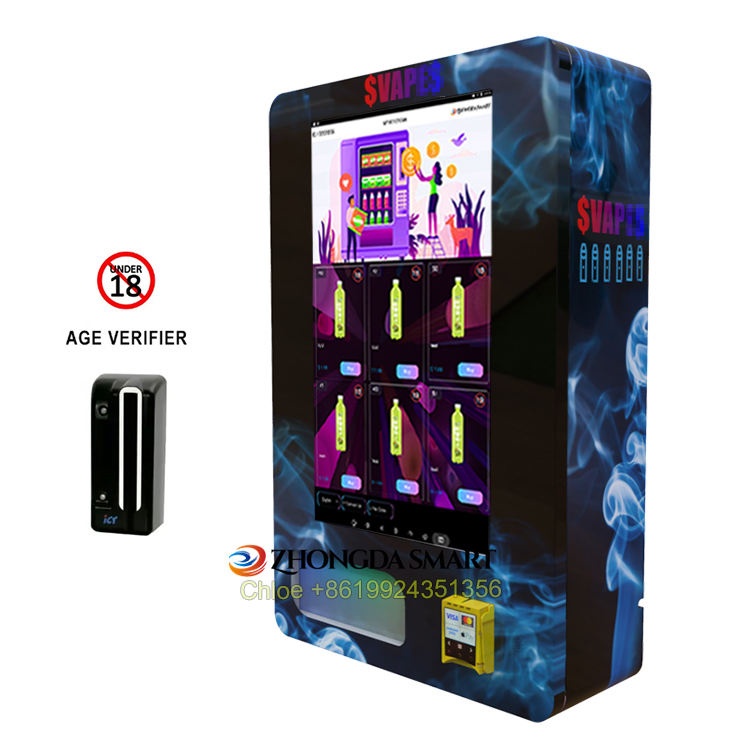
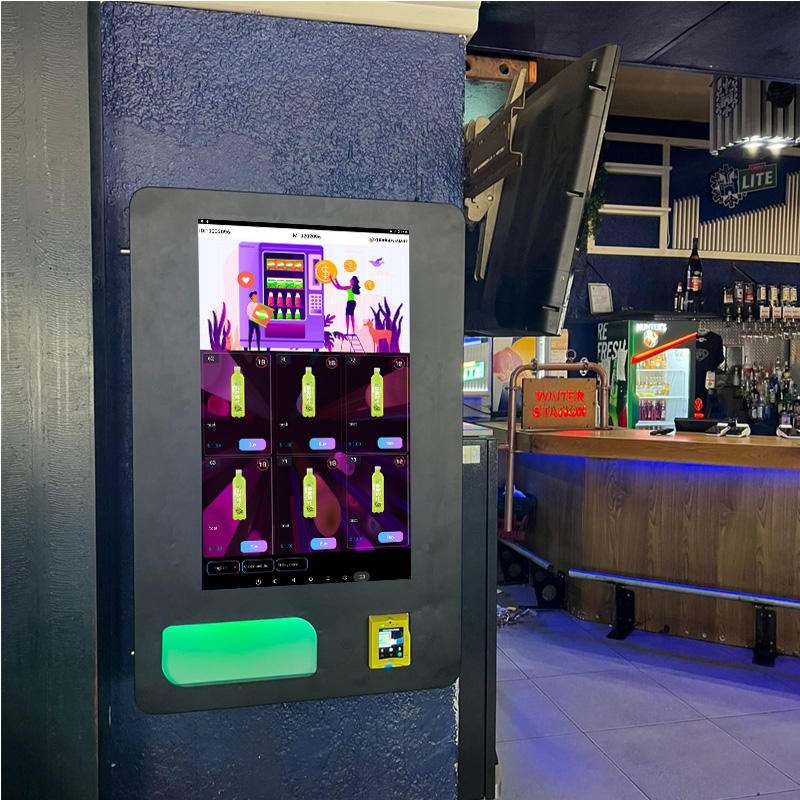
For a typical bar or club, the wall-mounted compact unit with an integrated scanner is the sweet spot. It takes up minimal floor space and the age verification is built into the transaction flow. We manufacture a specific model for this purpose that you can see on our site. It uses the same scanner we use in our high-capacity units, just in a smaller chassis.
Long-Term Maintenance and Operational Strategy
Maintenance is where most operators lose their profit. I have seen machines sit broken for three weeks because the operator didn't have a spare parts kit. The most common failure point is the scanner glass getting scratched or dirty. In a smoky bar environment, the glass needs to be cleaned every two days. We include a cleaning kit with every machine and a replacement scanner glass in the spare parts bundle. The second most common issue is the door hinge alignment. If the machine is not level, the door will sag and the sensor will misread the lock status. Always install on a level surface.
Inventory Rotation and Product Lifecycle
You cannot just fill the machine and forget it. We learned that products have a lifecycle of about 6 to 8 weeks before sales drop. You need to rotate in new flavors or brands. The machine's software should tell you which coils are selling and which are dead. If a product hasn't sold in 10 days, swap it out. We use a 20% rule: if any product represents less than 20% of the total sales in that machine, it is a candidate for replacement. This keeps the average revenue per placement high.
Real-World Deployment Lessons from Our Factory Routes
We don't just build machines. We run our own test routes to validate the hardware. One deployment that taught us a lot was in a college town bar. The machine was busy from 10 PM to 2 AM. The age verification system was handling a scan every 90 seconds. After four months, the scanner started failing on about 5% of scans. The issue was thermal buildup inside the enclosure. The scanner sensor was overheating. We redesigned the ventilation on that model and now include a small fan in the scanner housing. If you are buying a machine for high-traffic nightlife, ask the manufacturer about thermal management. It is a detail most buyers miss.
The Importance of Real-Time Database Checks
Some age verification systems work offline with a cached database. That is risky. If a new fake ID format appears, your offline system won't catch it. We use a real-time check against a cloud database that updates every 24 hours. This requires a stable internet connection. We install a dual-SIM cellular modem in every machine so it can switch carriers if one network goes down. The cost is higher, but the compliance is bulletproof. I have seen operators lose their license because an offline system accepted a fake ID that was two weeks old in the database.
Why the Supplier Matters More Than the Machine
I run a factory, so I am biased, but I have also bought machines from other suppliers. The difference is support. When your machine goes down at 11 PM on a Saturday, you need someone who can walk you through a fix or ship a part overnight. We built our service model around that reality. We keep a stock of common replacement parts for every machine we have shipped in the last five years. If you are sourcing from a supplier who doesn't manufacture their own parts, you will face long delays. I recommend looking at the manufacturer's service history. Ask for references of operators who have been running the machine for over a year. That will tell you more than any spec sheet.
Industry Data and Market Context
To give you some context on why this matters, the global vending machine market for tobacco and vape products is projected to grow significantly. According to a report by IBISWorld, the vending machine industry in the US alone generates over $7 billion annually. The segment for age-restricted products is growing faster than the general market because retailers are looking for compliant, low-labor sales channels. Another data point from Statista shows that over 60% of consumers in the 21-35 age group are comfortable buying age-restricted products from a machine if the verification is quick and secure. That is a massive shift in consumer behavior. The market is ready for this technology, but only if the verification works flawlessly.
Frequently Asked Questions
General Questions
What happens if the scanner fails during a transaction?
The machine should be programmed to void the transaction and return any payment. Do not allow a manual override. We configure our machines to lock out the sales interface if the scanner is non-functional. This prevents any sale from going through without a proper age check.
Can I use a tablet-based age verification instead of a dedicated scanner?
Tablet-based systems are generally not compliant for high-risk products. The camera quality and lighting conditions in a bar or club are too variable. A dedicated ID scanning vending machine with a built-in industrial scanner is the only reliable method for 24/7 operation.
How often do I need to update the age verification software?
You should update the software every time the manufacturer releases a new database file. We release updates every two weeks. Set the machine to check for updates automatically overnight. If your machine does not support automatic updates, you are buying outdated technology.
What is the return on investment period for a compliant machine?
Based on our route data, the average ROI is between 10 and 14 months. This assumes a machine cost of $5,500 and average monthly revenue of $1,200 with a 45% margin. If your location has higher traffic, the ROI can drop to 8 months.
Do I need a special license to operate an age verification machine?
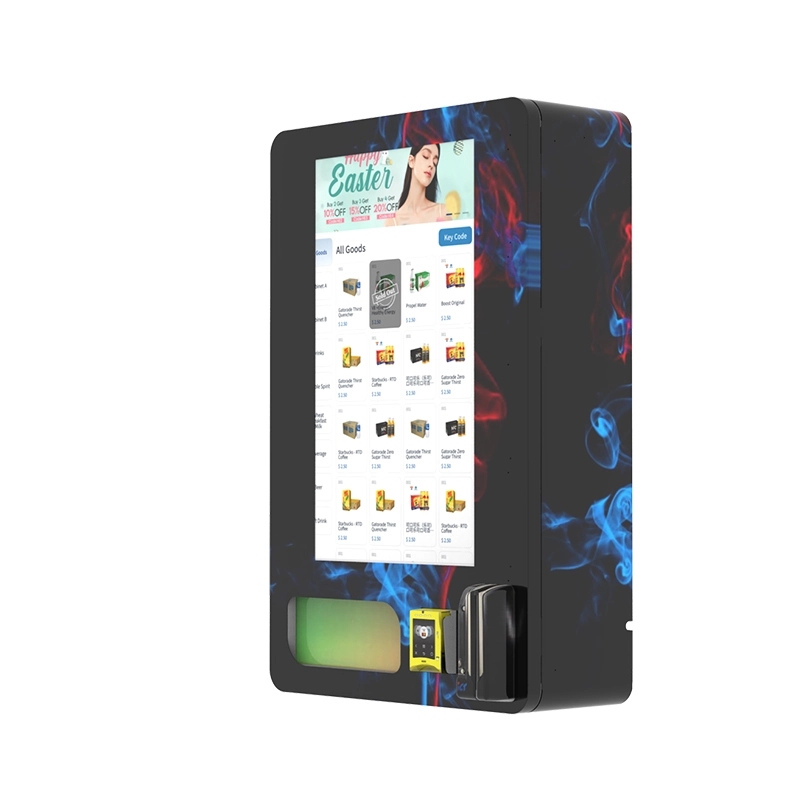
Yes. You need the same tobacco or vape retail license as a brick-and-mortar store. The machine does not exempt you from local licensing. Check with your local health department. We have a guide on our website about licensing requirements for different states.
Can the machine verify a passport or military ID?
Yes, if the scanner supports it. Not all machines do. When you are looking at a machine, specifically ask if the optical scanner can read passport MRZ codes and military barcodes. Our compliant e-cigarette vending machine handles all three formats.
What is the biggest operational mistake new operators make?
They understock the machine. A machine that looks empty does not sell. You need to keep the glass at least 70% full. Also, they ignore the cleaning schedule. A dirty scanner will cause false rejections and lost sales.
How do I handle a customer whose ID is rejected but is actually of age?
There is no manual override for a reason. If the machine rejects the ID, the customer needs to use a different form of identification. This is a compliance requirement. Do not try to bypass it. It protects you legally.
Is biometric age verification better than ID scanning?
Biometric systems (facial age estimation) are good as a secondary check, but they are not a replacement for ID scanning. They have higher error rates in low light. We use facial age estimation as an optional add-on, but the primary check is always the physical ID scan.
Where can I find a reliable supplier for these machines?
Look for a manufacturer with a proven track record in the age-restricted vending space. We have been building these systems for over 15 years. You can see our full range of age verification vending machines on our product page. We also offer a service page where you can schedule a consultation for your specific location needs.
Sources:
- IBISWorld - Vending Machine Industry Report. ibisworld.com
- Statista - Consumer acceptance of age verification technology. statista.com