If you are looking into selling alcohol in vending machines, you are stepping into one of the most regulated, yet highest-margin opportunities in automated retail. Over the past decade, my team and I have deployed thousands of smart vending units across the US and Europe, and I can tell you this: the technology is the easy part. The real challenge lies in navigating the legal framework and building a system that actually turns a profit. This guide is written from the perspective of someone who has designed the machines, managed the supply chain, and operated the routes. We will cover exactly what you need to know about compliance, hardware selection, and operational strategy to make this work.
The Reality of Alcohol Vending: More Than Just a Cool Machine
When most people think about an alcohol vending machine, they picture a futuristic kiosk dispensing beer or wine. In practice, the industry is far more nuanced. The market for automated alcohol sales is growing, driven by convenience and labor shortages, but it is not a plug-and-play business. You are essentially running a miniaturized, automated liquor store that must operate under the same strict rules as a traditional bar or bottle shop.
From a technical standpoint, the core challenge is age verification. A standard snack machine cannot handle this. You need a system that can scan a government-issued ID, verify its authenticity, and often cross-reference it with a database. This is not a feature you can add later; it must be built into the core architecture of the machine.
The Core Technology: ID Scanning and Biometrics
We learned early on that a simple barcode scanner is not enough. A valid ID can belong to someone who is not the person standing in front of the machine. This is why our deployments shifted toward machines that integrate both ID scanning and facial age estimation. The system captures a photo, compares it to the ID, and runs an algorithm to estimate the buyer’s age. If the confidence score is too low, the transaction is blocked.
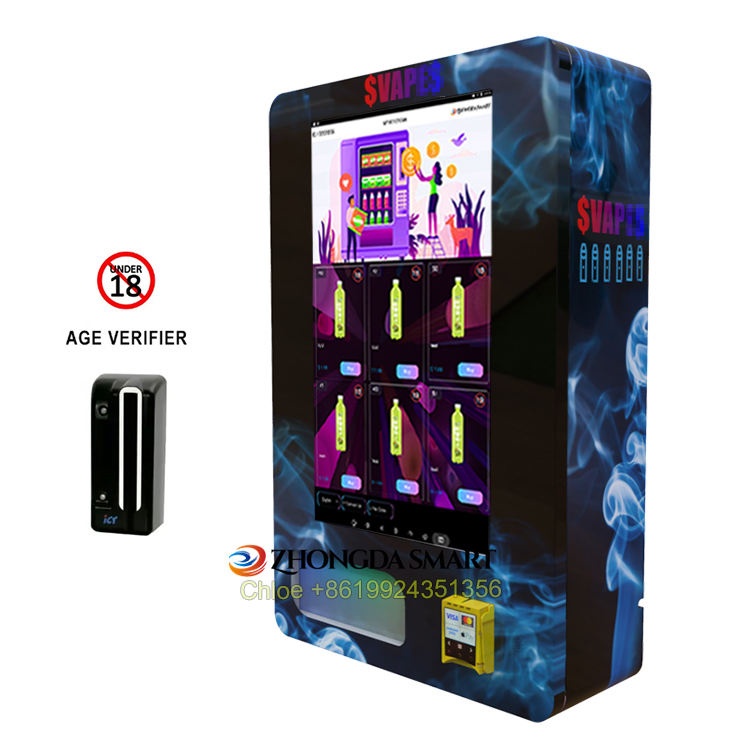
For example, our age verification vending machine uses a three-step process: scan the ID barcode, verify the holographic security features with a camera, and then take a live photo for facial matching. This is the baseline for any serious operation. If you are buying a machine without this, you are setting yourself up for fines and license revocation.
Legal Requirements: What You Must Have in Place
The legal landscape for automated alcohol sales is fragmented. There is no single federal law in the US that governs these machines; it is all state and local control. In Europe, the regulations vary wildly between countries like the UK, Germany, and the Netherlands. However, there are universal principles that apply everywhere.
First, you must have a valid liquor license that specifically covers vending machines. Many general retail licenses do not cover automated sales. You need to apply for a separate permit or an amendment to your existing license. This process can take 3 to 6 months and requires a background check.
Second, the machine must be located in a restricted access area. This means it cannot be in a public hallway or an open lobby. It must be in a location where staff can monitor it, or it must be in a room that requires an employee to grant access. We have seen many operators fail because they placed a machine in a hotel lobby without a security guard, leading to immediate shutdown by local authorities.
Data Privacy and Storage
One of the less obvious legal hurdles is data privacy. When a machine scans an ID, it is collecting personally identifiable information (PII). In Europe, this falls under GDPR. In California, it falls under CCPA. You must have a clear policy on how long you store this data and how you secure it.
We recommend storing only a hashed version of the ID number and the transaction timestamp. Never store the full image of the ID or the customer’s face unless you have explicit consent and a robust security protocol. Many operators overlook this and end up with legal trouble not from selling alcohol, but from mishandling customer data.
Cost Structure: What You Are Really Paying For
Let’s break down the real cost of deploying an alcohol dispensing system. The price tag on the machine is just the beginning. Based on our production data and feedback from operators, here is a realistic cost breakdown for a single unit.
| Cost Category | Estimated Cost (USD) | Notes |
|---|---|---|
| Hardware (Machine) | $8,000 – $15,000 | Depends on cooling, screen size, and security features. |
| Age Verification Module | $2,000 – $4,000 | Includes camera, scanner, and processing unit. |
| Installation & Setup | $500 – $1,500 | Electrical work, networking, and location prep. |
| Software & Licensing | $100 – $300/month | Remote monitoring, inventory management, and compliance logs. |
| Licensing & Permits | $1,000 – $5,000 | Varies heavily by state and local municipality. |
| Initial Inventory (Stock) | $2,000 – $5,000 | Beer, wine, and spirits; depends on shelf space. |
As you can see, the total upfront cost for a single machine can easily exceed $20,000. This is not a cheap experiment. You need to be prepared for this capital outlay.
Profit Margins and ROI
So, where does the money come from? The margin on alcohol is generally good. A typical beer sold in a convenience store has a margin of 30-40%. In a vending machine, you can push that to 50-60% because you are not paying for a cashier or a store lease. The key is volume.
Based on our operator network, a well-placed machine in a busy hotel or a 24-hour gym can sell 20 to 40 units per day. At an average profit of $3 per unit, that is $60 to $120 per day in gross profit. Running costs (electricity, software, restocking labor) are about $15 per day. This gives you a daily net profit of $45 to $105. At that rate, you can recoup your initial investment in 9 to 15 months.
However, this is best-case. We have seen machines in low-traffic locations that sell only 5 units a day, making the ROI window stretch to over 3 years. Location is everything.
Comparing Machine Types: Which One Fits Your Operation?
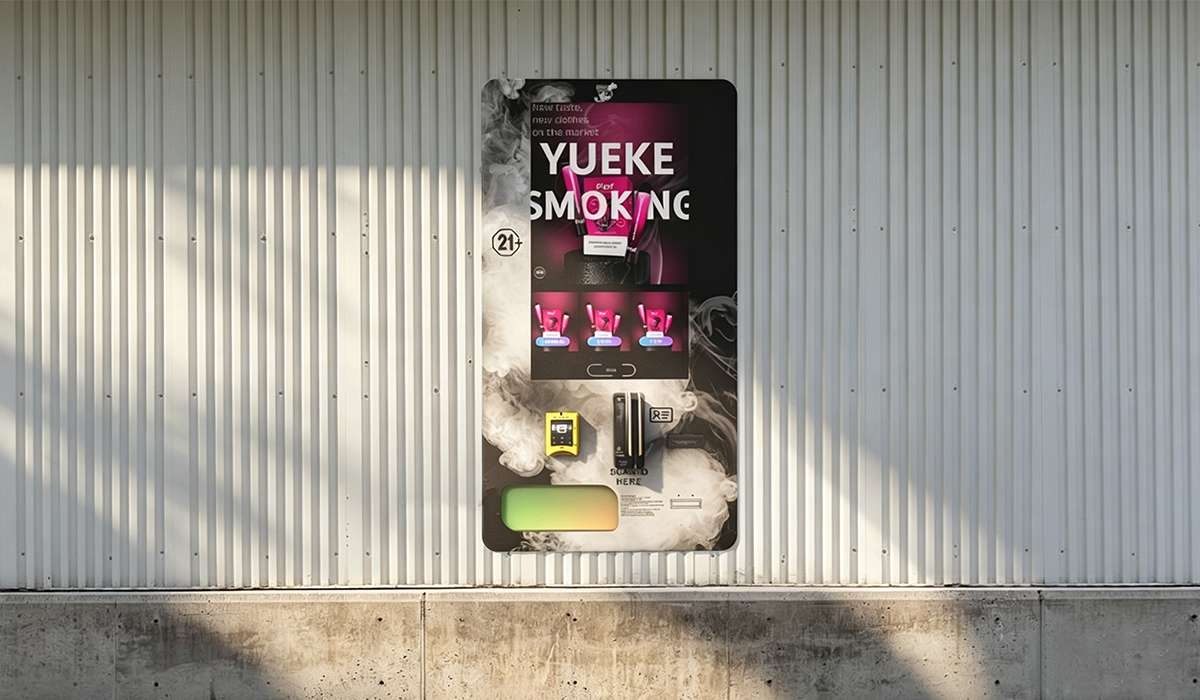
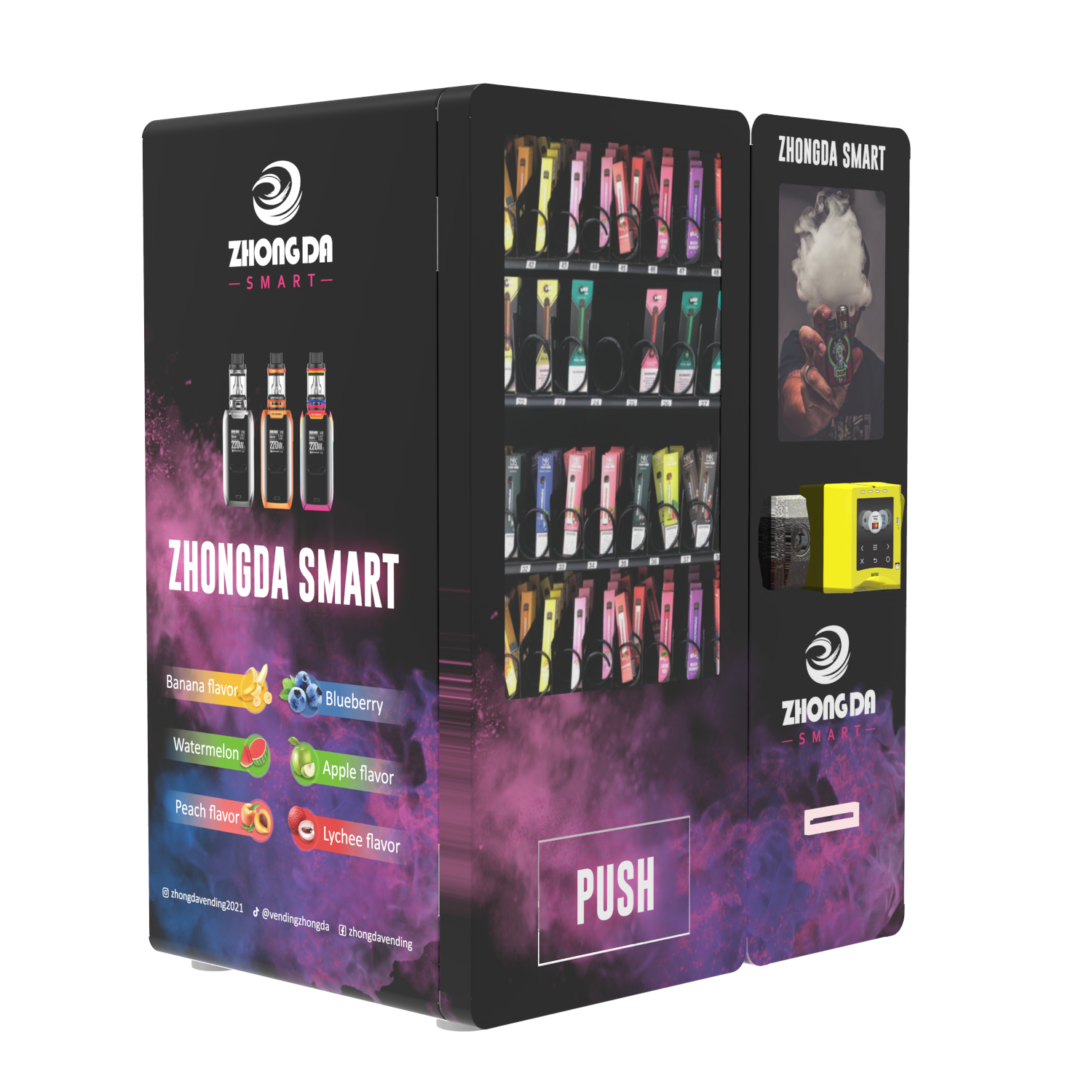
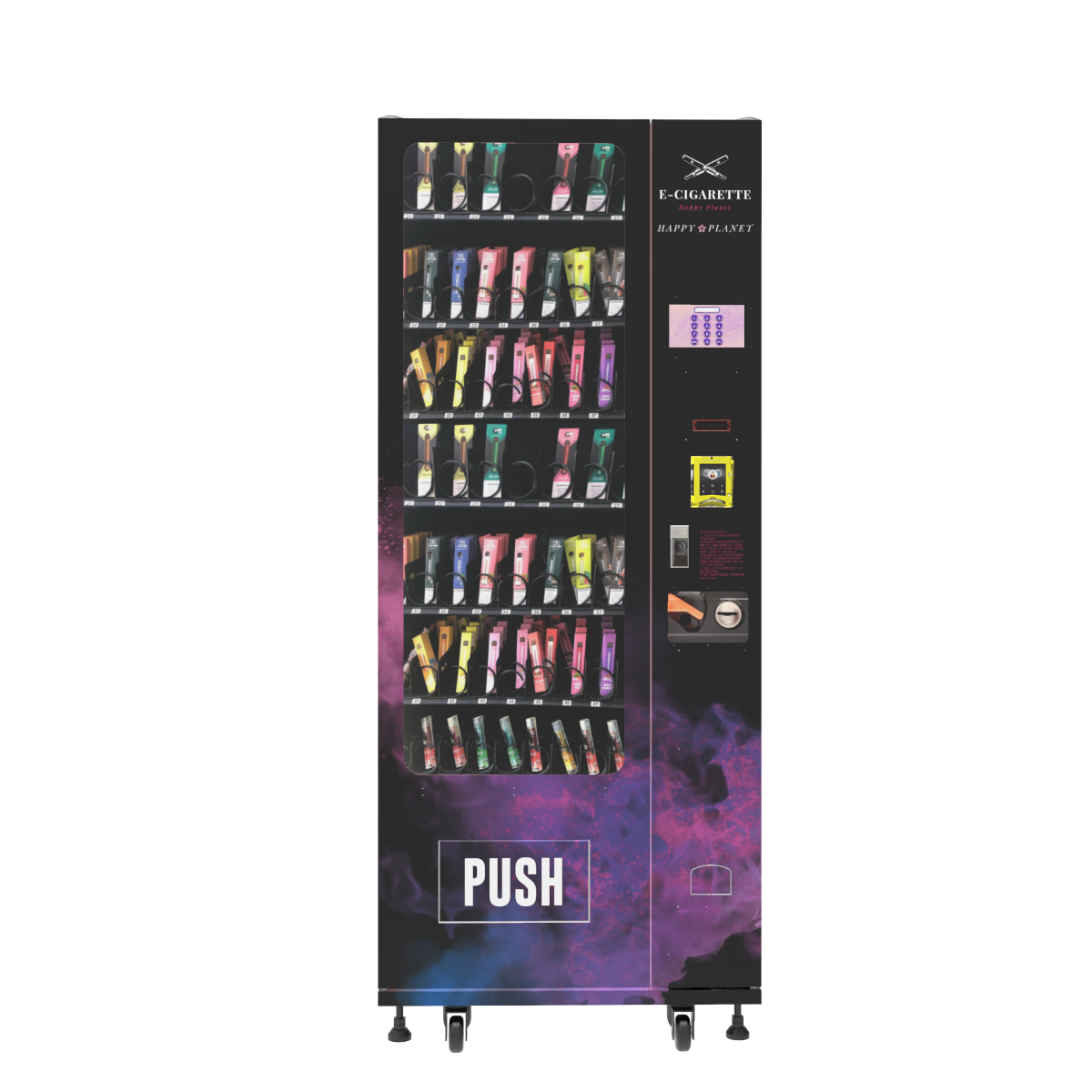
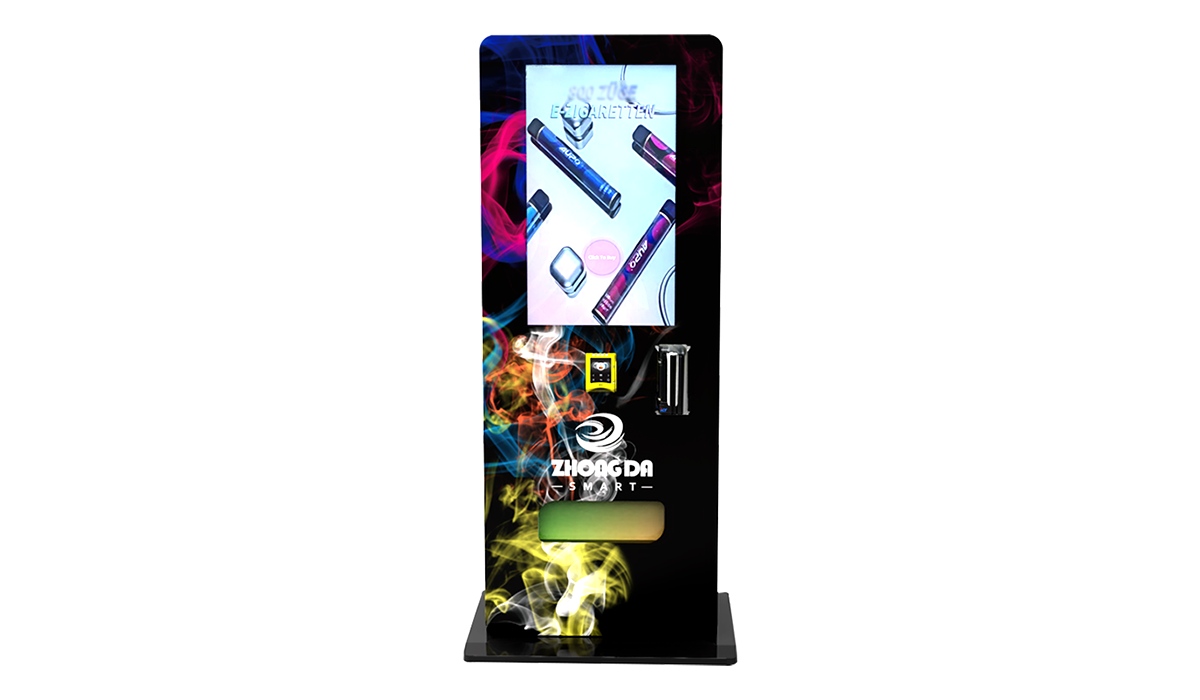
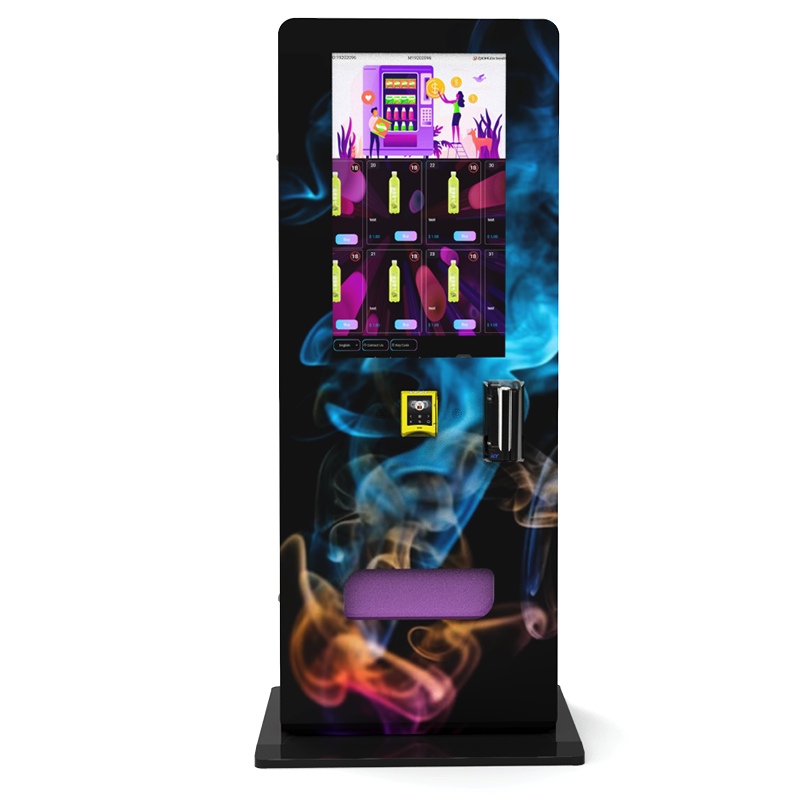
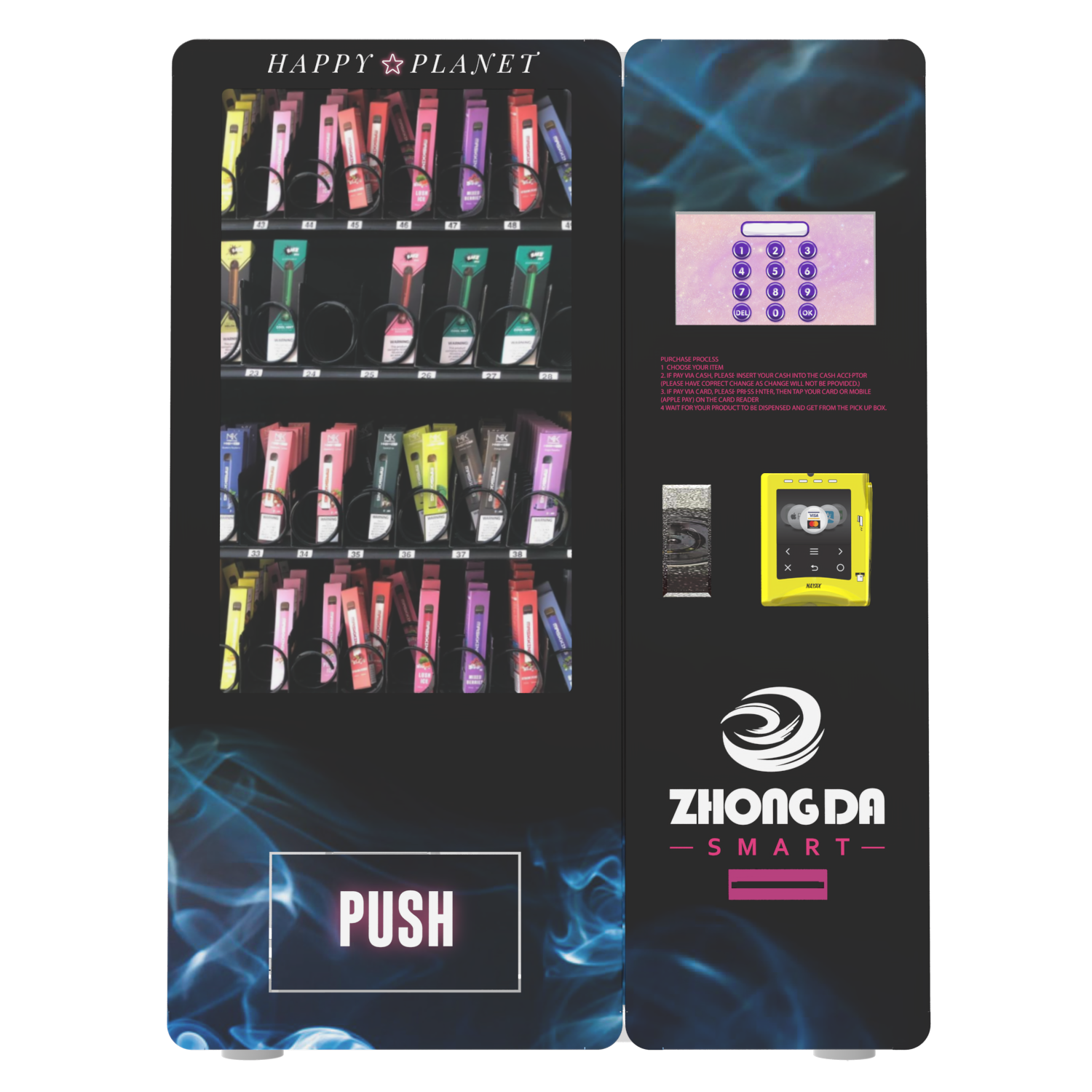
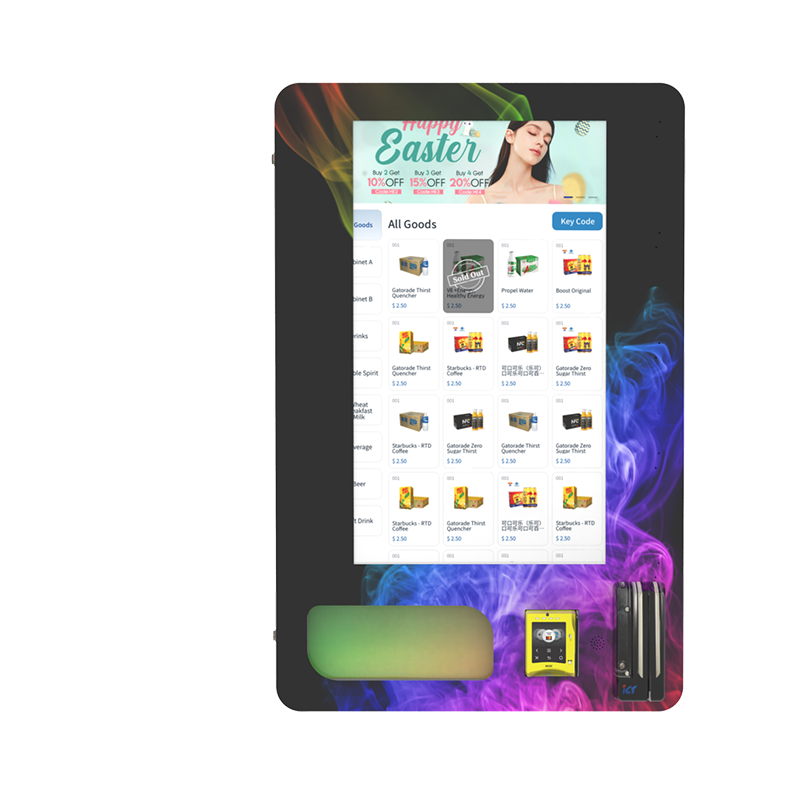
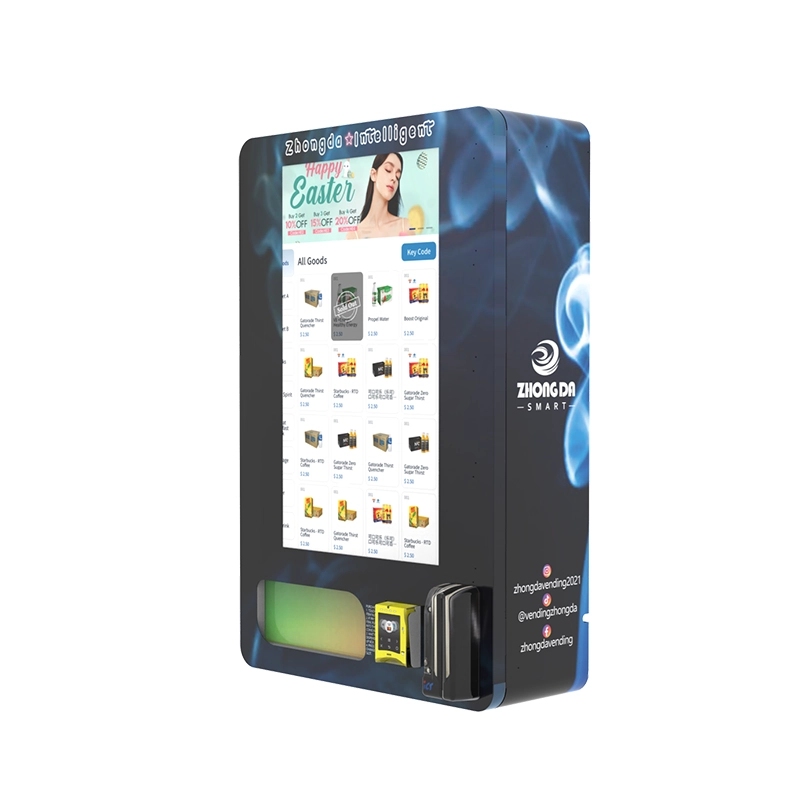
Not all self-service alcohol kiosks are created equal. We manufacture three main types, and each serves a different purpose. Choosing the wrong one for your location is a common mistake.
| Feature | Compact Wall-Mounted | Freestanding Mid-Size | Large Commercial Kiosk |
|---|---|---|---|
| Capacity (Units) | 30 – 60 | 100 – 200 | 300 – 600 |
| Cooling System | Thermoelectric | Compressor | Compressor (Multi-zone) |
| ID Scanner | Integrated | Integrated | Integrated + Biometric |
| Best Location | Small bars, hotel rooms (staffed) | Gyms, laundromats, office break rooms | Airport lounges, casinos, large venues |
| Price Range (USD) | $6,000 – $9,000 | $10,000 – $15,000 | $18,000 – $25,000 |
For a first-time operator, I generally recommend starting with the freestanding mid-size unit. It offers a good balance of cost and capacity. The compact wall-mounted units are great for low-volume spots, but the margin for error is smaller because you have less inventory to sell.
Real Deployment Experience: What We Learned the Hard Way
I want to share a specific case from about three years ago. We deployed a batch of our ID scan vending machines in a chain of boutique hotels. The initial plan was simple: place the machines in the lobby, next to the front desk. The hotel staff would monitor them.
The first week was great. Sales were high. Then the problems started. The hotel’s Wi-Fi network was not stable enough to handle the real-time ID verification. Transactions would time out, and the machine would lock up. We had to retrofit every unit with a cellular modem (4G LTE) to ensure a stable connection. This added $200 per machine in hardware and $30 per month in data fees.
Another issue was restocking. The hotel staff was supposed to restock the machine, but they were not trained properly. They would put warm cans in the cooler, which messed up the temperature regulation. We had to switch to a dedicated route driver who visited twice a week. This increased labor costs but solved the problem.
The lesson here is that the technology is only half the battle. The operational logistics, network stability, and training are just as critical. Do not assume that a location’s staff will handle the machine correctly.
Security and Theft Prevention
Alcohol is a high-value, high-theft target. Unlike a soda machine, if someone breaks into an alcohol machine, the loss is significant. We designed our machines with reinforced steel doors and tamper-proof locks. But the real security comes from the software.
Our system requires a two-factor authentication for any service access. The technician must scan a badge and enter a PIN code. Every door open event is logged with a timestamp and a photo. This has helped our operators catch internal theft from employees who were “restocking” but actually pocketing inventory.
If you are serious about this business, invest in a machine that has remote monitoring. You need to know if the door is opened, if the temperature spikes, or if the cash box is full. Without this visibility, you are running blind.
Long-Term Operational Strategy
Running a fleet of alcohol vending machines is a route-based business, not a passive income stream. You need a system for inventory management, route optimization, and compliance reporting.
First, use a real-time inventory system. Our platform tracks every sale and sends a restock alert when inventory drops below a threshold. This prevents lost sales from empty slots and reduces spoilage for perishable items like craft beer.
Second, plan your routes efficiently. A driver should be able to service 10 to 15 machines in a single shift. Group your machines geographically. The biggest operational cost is labor, so minimizing drive time is critical.
Third, keep a log of all compliance checks. We recommend running a monthly audit of the machine’s age verification logs. This protects you if a local regulator asks for proof that you are not selling to minors. We have seen operators avoid fines simply because they could produce a clean, auditable record.
The Role of the Manufacturer
Choosing the right hardware partner is crucial. You do not want a machine that breaks down every month. We have been manufacturing these systems for over 15 years, and our factory focuses on reliability. For example, our compliant vending machine line is built with industrial-grade components designed for 24/7 operation.
When you talk to a manufacturer, ask about their mean time between failures (MTBF) for the cooling unit and the scanner. A cheap compressor might fail in 18 months. A good one lasts 5 years. The upfront cost difference is a few hundred dollars, but the downtime cost is much higher.
We also provide a remote diagnostic tool that lets us check the machine’s health from the factory. If a sensor fails, we can often guide the local technician through the fix without a site visit. This kind of support is invaluable when you are managing machines across multiple states or countries.
FAQ: Common Questions from Operators
Here are the questions I get asked most often by new operators. These are based on real conversations, not theory.
Can I use a regular snack vending machine for alcohol?
No. A standard machine lacks the necessary age verification hardware and tamper-proof storage. You will lose your license immediately if a regulator inspects the machine and finds no ID scanner.
What is the most common reason for license denial?
Insufficient location control. If the machine is in an unstaffed area where minors can easily access it, the application will be rejected. You must prove that the area is restricted to adults only.
How do I handle a machine that fails to scan an ID?
Program the machine to reject the transaction. Do not allow a manual override. If the scanner is broken, lock the machine and put an out-of-order sign on it until it is repaired. A broken scanner is a liability.
What is the best payment system for these machines?
Use a cashless system that accepts credit cards and mobile wallets. Cash handling is a security risk and adds complexity. Most of our operators run 100% cashless fleets.
How often should I restock the machine?
It depends on volume. For a medium-traffic location, twice a week is standard. Use the remote monitoring data to adjust your schedule. Restocking too often wastes labor; restocking too rarely loses sales.
Can I sell spirits (hard liquor) in a vending machine?
Yes, but it is more regulated than beer or wine. Some states prohibit it entirely. Check your local laws carefully. Also, spirits require a more secure dispensing mechanism to prevent breakage and theft.
What insurance do I need for this business?
You need general liability insurance and liquor liability insurance. Standard business insurance does not cover alcohol sales. Talk to an insurer who specializes in the hospitality industry.
How do I maintain the cooling system?
Clean the condenser coils every three months. If the machine is in a dusty environment, do it monthly. A dirty coil causes the compressor to work harder and fail early. This is the most common maintenance issue we see.
Final Thoughts on Building a Profitable Operation
This business is not for everyone. It requires a significant upfront investment, a deep understanding of local regulations, and a commitment to ongoing operational management. But for those who do it right, the rewards are substantial.
Start small. Deploy one or two machines in high-traffic, adult-focused locations. Learn the operational rhythm before scaling. And always, always prioritize compliance over revenue. One fine can wipe out a year’s worth of profit.
If you are looking for a reliable partner for your hardware, I recommend looking at manufacturers with a proven track record. Our team at Zhongda Smart has been building these systems for over a decade, and we understand the specific needs of the alcohol vending market. Whether you need a compact unit for a small space or a high-capacity kiosk for a large venue, the technology is available to make it work.
Sources: